Autumnal Harvest

The weather has turned decidedly autumnal, so while the sun is still summer-hot, the air has gotten chillier, and the weather more unsettled.

And it means I’ve gone into my annual squirrel mode—harvesting and preserving summer’s bounty so we can enjoy it all winter.

Last Saturday was summer soup day. Long time readers of my blog will know this is a key part of my gardening year. When the children were young, it was a whole-family event, with everyone pitching in to pick and chop vegetables. It’s become a more solitary activity for me in recent years, but no less important in my annual calendar. 

With just my husband and me at home now, I always think I’ll make less soup. And this year, I was a little worried I wouldn’t have enough vegetables for a big batch, because January and February were so cold and wet, the heat-loving vegetables sulked.

I should have known better.

I needed both my 20-litre and 18-litre pots to cook the soup, plus the 12 litre pot for making vegetable stock from the vegetable off-cuts. In the end, I made 23 quarts of soup and 13 pints of stock. That’s Monday dinners for almost six months, plus stock to flavour 13 more meals. Not bad for 13 hours of work.

The day after summer soup day, I tackled the sweet corn. I usually sow three plantings of sweet corn, two weeks apart, in the spring. The first two plantings were desperate to be picked, so I harvested 63 ears of corn. Blanched and cut off the cob, it yielded 5.3 kilograms of corn, which went into the freezer. That’s a year’s supply of sweet corn for us, to be used in casseroles, stews, and side dishes. 

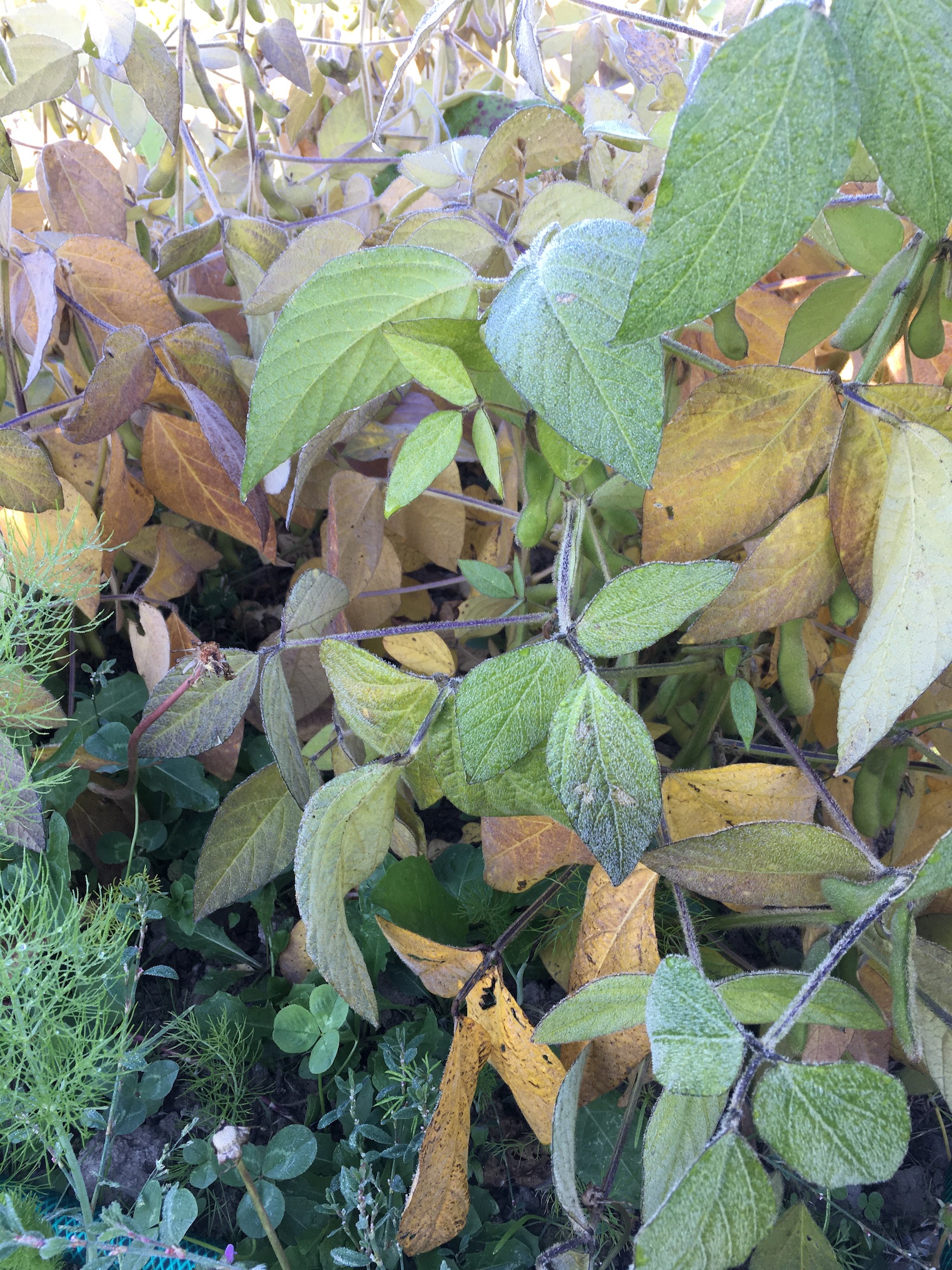
I had hoped to also freeze some soy on Sunday, but I’d waited too long to harvest, and about half the beans were too mature. So we’ll save the majority of this year’s soy as dry beans instead.

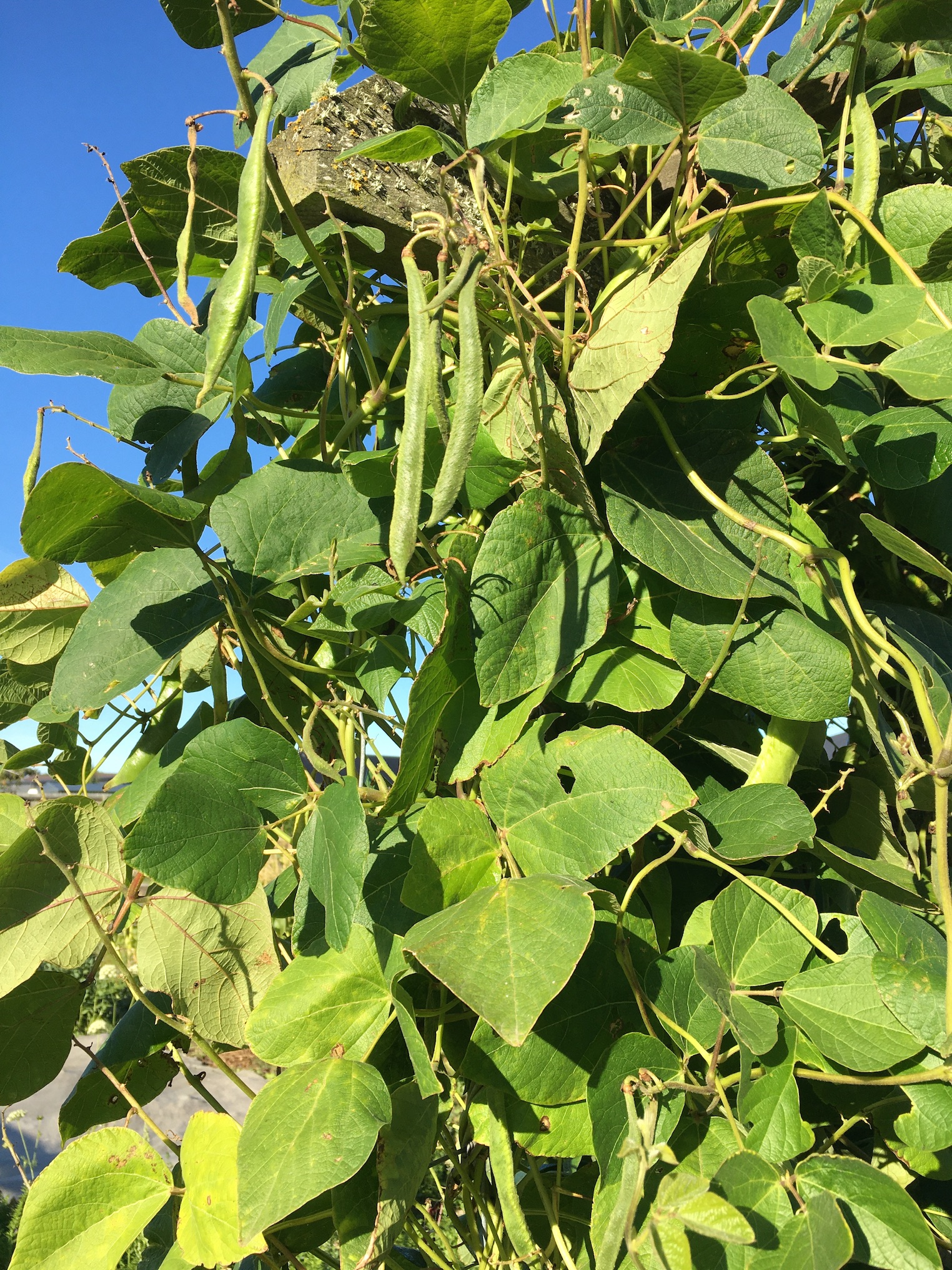
And speaking of dry beans, in the last fortnight, I’ve harvested my Borlotti and Black Turtle beans, and have started harvesting the climbing beans: Blue Shackamaxon, Bicolour Peans, Bird’s Egg, and Cherokee Cornfield. The harvest of the climbers will go on for the next month as the plants continue to grow and put out new pods while the older ones mature. Not quite as neat and tidy as the bush beans, which all mature at the same time, but in the end, I’ll get more beans from the same amount of garden space off the climbers than the bush beans.

I’ve also now harvested most of the potatoes, which did beautifully this year, with the cool rain. The spuds are tucked away in a dark corner of the laundry room, and should last through much of the winter.

There are still more vegetables to squirrel away in the next few weeks: pumpkins, hopefully more tomatoes, more basil (in the form of pesto), and the rest of the beans and potatoes. As I do every year, I mourn the end of summer’s bounty, but I look forward to the ease of winter meals that come from the freezer or pantry instead of directly from the garden. There is something delightful about knowing that the hard work has been done, and the food is tucked away, ready to be eaten.

2024 Garden Stocktake

Autumn is well underway, so it’s time to take stock of the summer season’s garden successes and failures.

Strawberry popcorn

The biggest success this past season was in the soil. All winter last year, I incorporated fresh cow manure and composted horse manure into the garden beds. Every single bed got one or the other, in addition to my own compost in the spring. And finally my efforts to improve the soil over the past four years have begun to show. There’s still a long way to go, and a lot more compost and manure to haul, but this summer most of my crops grew well, and nutrient deficiencies weren’t obvious until late in the season. A huge improvement over previous years.

Particularly nice crops this year included:

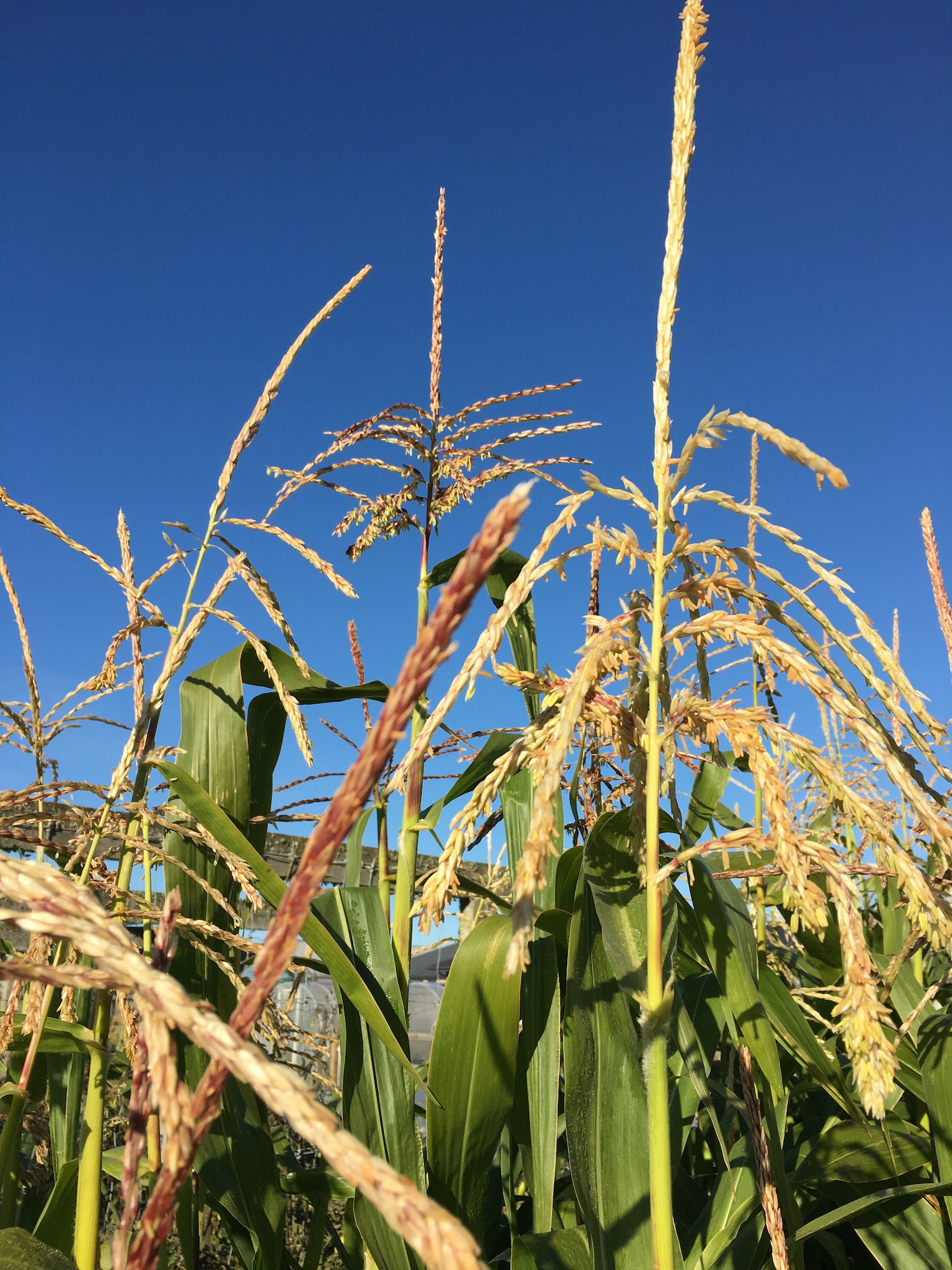
  • Strawberry popcorn—This was my first year to plant this corn. I admit I was dubious when I opened the rather expensive packet of seed to find only 15 seeds. It was clear the corn was marketed as a fun thing for kids to grow. However, every seed germinated, and the plants grew to well over 2 metres tall, dwarfing all the other varieties of corn I grew. Each plant yielded two large ears (much larger than the photo on the packet indicated they would be—very un-strawberry-like), and a few even had a third, smaller ear. I was thoroughly impressed by how much popcorn so few plants produced. Of course, the proof of the variety’s worth will be when we pop it. The Glass Gem corn I love so much is marketed as a pop corn, but we’ve found the popping to be poor. It will be a few months before we know if the Strawberry popcorn was worth it.
  • Dwarf bean Xera Select—I had decided not to plant dwarf green beans anymore, because the runners produced more, better beans over a longer season. But I still had seeds for a few varieties, so I planted them, thinking I simply wouldn’t buy more. But Xera Select grew beautifully—long, uniform pods, and lots of them. I might just have to plant them again next year.
  • Bicolour sweetcorn—This year we managed to have side-by-side comparisons of the flavour of two varieties of sweetcorn, and we found Bicolour to be much sweeter than Florida Supersweet. The plants didn’t seem quite so resistant to drought, though, so I might plant both varieties again next year. They were both good and produced good crops despite water and nutrient stress.
  • Cherry tomato Rosella—Oh. My. God. This is possibly my new favourite tomato. This black cherry tomato has so much flavour in each little fruit, it’s addictive. Definitely one to plant again!
  • Cherry tomato Cherry Berry—I normally stick with heirloom tomatoes, but this F1 hybrid was amazing this year—excellent flavour, and SO MANY FRUITS! Outstanding value for the space.
  • Tomato Black Brandywine—Brandywine flavour in a dusky tomato. These ripened earlier than the Brandywine Pink, which was a bonus.
  • Tomato Black Oxheart—Big, fleshy, heart-shaped fruits. These were a winner in my book for sauces and drying.
  • Melon Topaz—Honeydew in texture, with flesh the colour of a cantelope, and a flavour somewhere in between the two. These were delicious. Definitely one to plant again.

Crops that were a bit meh:

  • Tomato Costoluto Fiorentino—These tomatoes are interesting, but the fruits were smallish, and so ridgy they were a pain to deal with in the kitchen. The flavour was pretty average. At some point, I simply stopped picking them.
  • Pea Shiraz—I was excited to plant a purple snow pea this year, but the variety disappointed. A poor yield of unattractive pods that matured quickly and weren’t terribly tasty. Back to the standard snow pea for me next year.

Absolute disasters:

  • All the carrots—This year’s carrot disaster had nothing to do with the varieties I planted, and everything to do with the slugs that ate nearly all seeds, and then the birds that uprooted the few plants that managed to evade the slugs. I planted carrots three times, and ended up harvesting about 6 carrots.
  • All the potatoes—As with the carrots, the near complete failure of the potatoes had nothing to do with the plants and everything to do with pests. The rats, who had a field day in the garden all summer, tunnelled down the row of potatoes and ate every tuber. I managed to snatch a few out of their greedy jaws, but only a few.

If not for the pests, it would have been a spectacular year in the garden. Even so, nearly every preserving jar is full, the freezer is at capacity, and I’m still bringing in the pumpkins and dry beans, so I can’t really complain.

The well stocked pantry

Summer Soup 2024

Making and canning vegetable soup used to be a whole family activity, with the kids pitching in from a young age, picking and chopping vegetables alongside my husband and me. My husband would cook the soup while the kids and I washed dishes, and then I would can (bottle) it up.

We called it Summer Soup, because we made it at the height of the summer vegetable season (which ironically always falls in early autumn). On the cold rainy nights winter we could open a jar and enjoy a bowl of summer. 

When the kids were young, they delighted in recounting which vegetables they chopped, proud of their part in feeding the family. These days, making summer soup is a mostly solitary activity for me, the kids being all grown up. It hasn’t stopped me from making a vast quantity of soup. Last Sunday I designated as Summer Soup day because I had heaps of tomatoes, green beans, sweet corn, zucchini, and other vegetables to put in it.

Because it was Sunday, I started off at 5.30 am by making muffins for breakfast. While the muffins baked, I began chopping vegetables …

My husband had planned on baking bread on Sunday, but unfortunately he woke with a terrible cold that morning. He’d started his sourdough sponge the night before, so with instructions from him, I made up his bread dough after breakfast and set it to rise as I continued to chop vegetables.

The mixing bowls began to fill up in the kitchen as the morning progressed. After several hours and a few trips to the garden to pick more vegetables and dump scraps on the compost pile, I took a short break from chopping to divide the bread dough for loaves. Thankfully, my husband felt well enough at this point to form the loaves and get them started on their second rising, because I really wanted to finish chopping vegetables by lunchtime.

I finished the final chopping shortly after the focaccia came out of the oven. We sat down to enjoy fresh focaccia for lunch.

My break was short, because after lunch I began processing all those chopped vegetables. It was clear I wasn’t going to be able to fit everything into one pot, so I pulled out both my 20-litre stock pots and divided the vegetables between them. While the soup heated up, I prepared my jars and the pressure canner. I also filled my 12-litre stock pot with vegetable scraps and water and set it on the stove to simmer for a few hours for vegetable stock.

Much of the time commitment in making and canning vegetable soup is in the canning process. Each batch of seven jars has to be processed for an hour and 15 minutes, and then there’s the waiting time while the canner cools down enough to remove the jars before putting in the next batch.

While I was waiting for the canner to do its thing, I started in on the apples that needed to be processed. I peeled and sliced a mountain of apples. Once I’d emptied the soup out of one of the 20-litre pots, I refilled it with apple slices and cooked them up into apple pie filling—enough for three generously filled pies. The pie filling went into the freezer. 

The soup seemed to never end. Even after separating off two meals worth of soup for eating this week, I ran three full canner loads (21 quarts) of soup and one full load (7 quarts) of stock. The last jars came out of the canner at 9.15 pm.

I’m glad I only make summer soup once a year, but I’m thrilled to have all that summery goodness squirrelled away in the pantry. Bring on the rain and cold of winter—I can already taste the soup (followed by a slice of apple pie, of course!).

Late Summer Garden

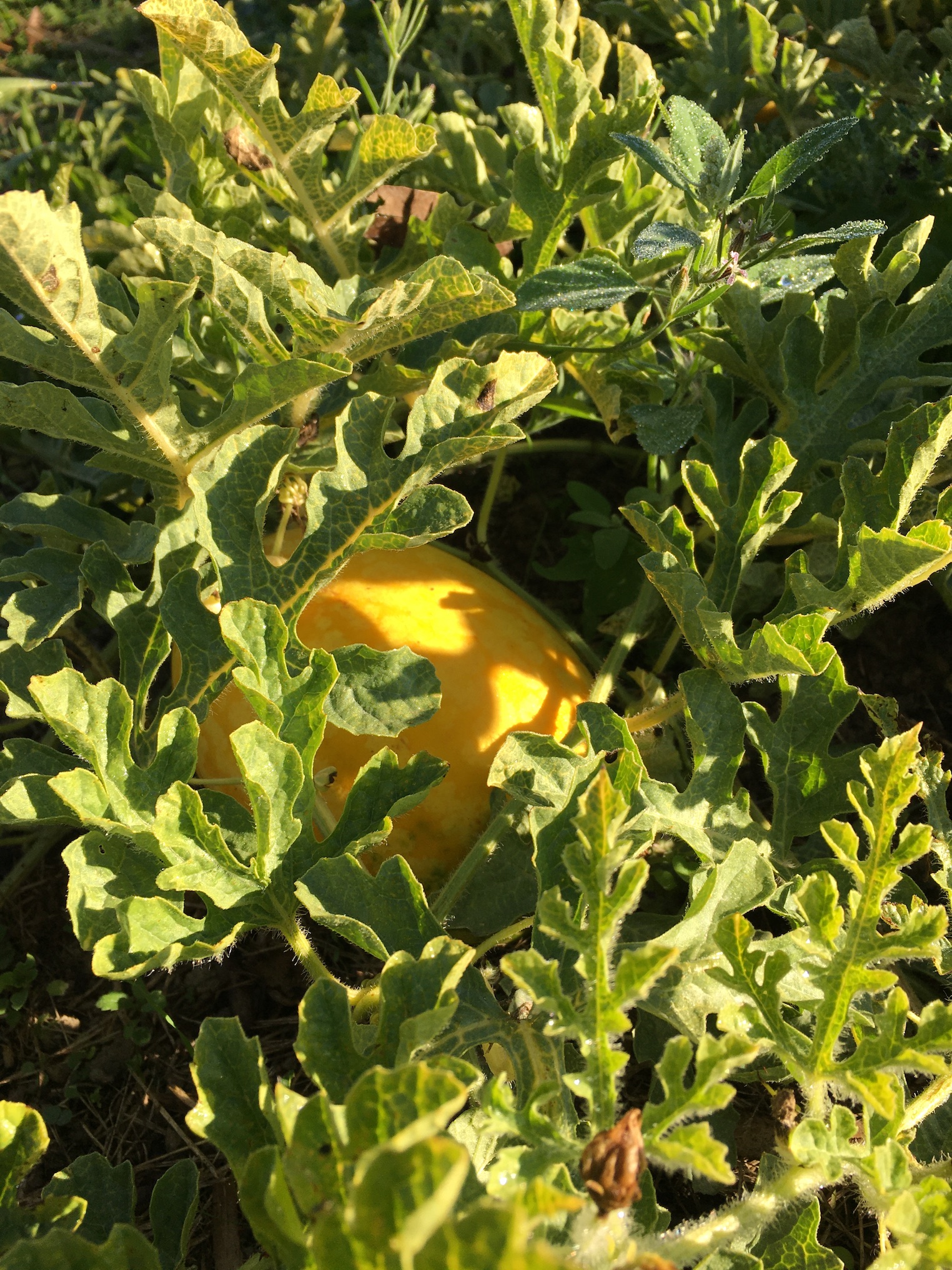
March first is considered the start of autumn here in New Zealand. As far as the garden is concerned, it’s still late summer. It’s been a cool, wet February, which has delayed crops like tomatoes, peppers, and eggplants. The extra moisture has meant bigger watermelons, though they’re ripening slowly. Sweet corn is coming on, and we’ve had some lovely meals of it, along with the first of the melons. I’ve harvested the potatoes, dry beans, and most of the soy. The pumpkins are looking gorgeous, and I’m sure we’ll have more than we can eat this winter. 

Overall, I’ve been pleasantly surprised with the garden this year. Plants are showing nutrient deficiency, for sure, but they’ve done remarkably well, considering where I started two years ago. It’s clear my applications of manure and compost are having a positive effect. And it’s just as clear it will take quite a few years to build this soil up to full productivity. 

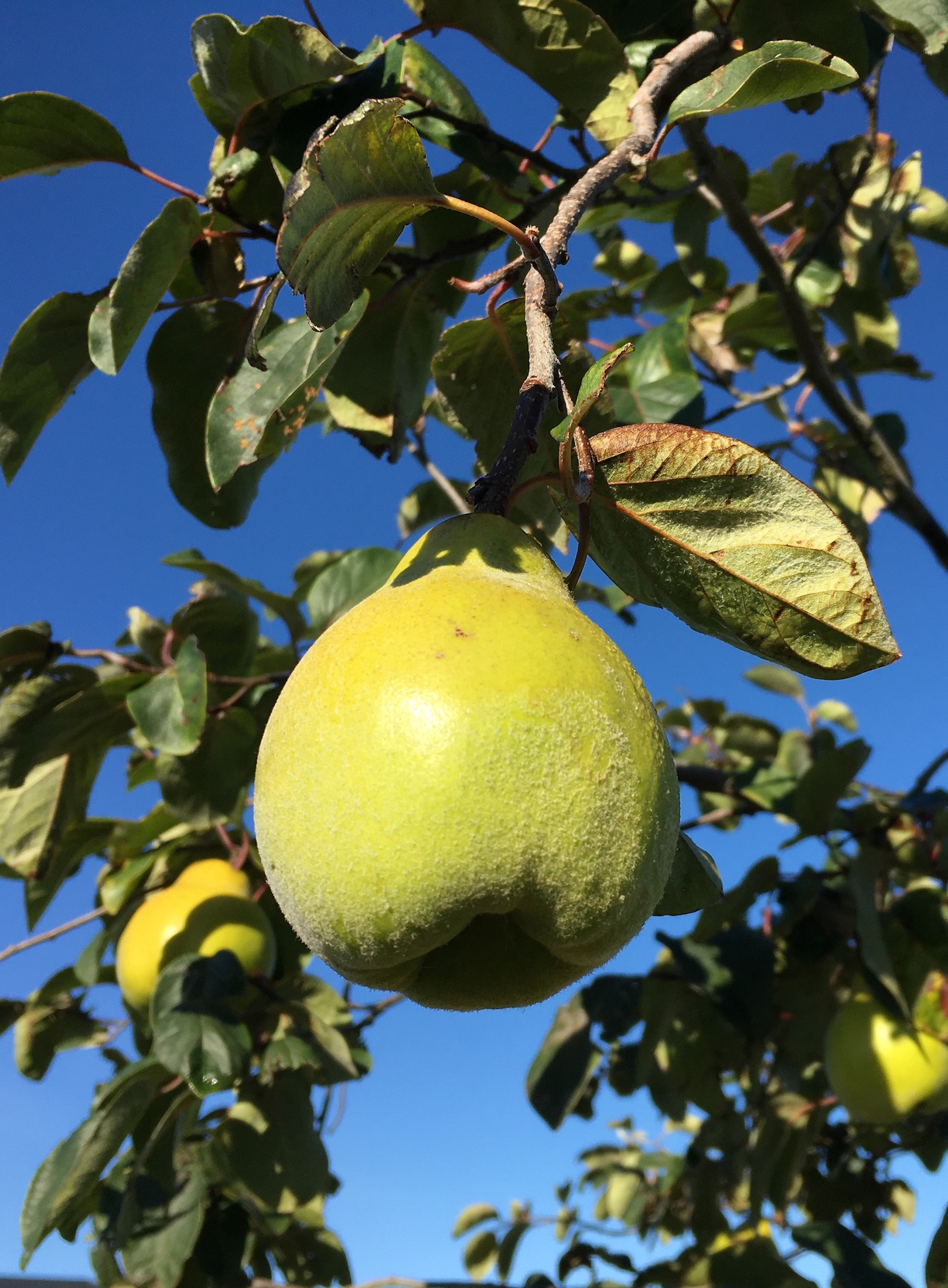
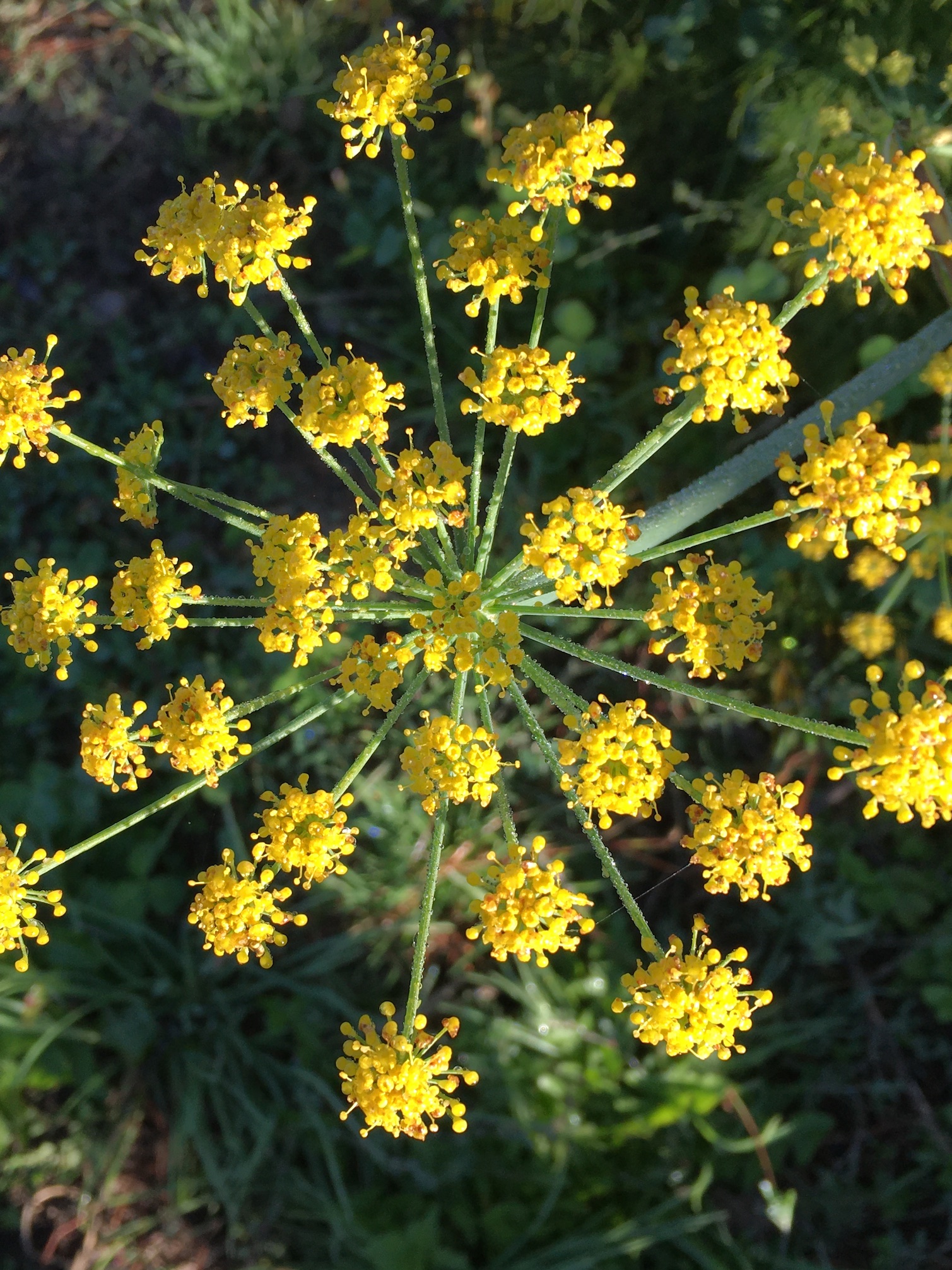
I thought I’d treat you to a selection of images from around the garden on a beautiful crisp early autumn day. It may not be as productive as I’d like, but it’s still glorious.