Springtime Sick Days

It’s been a while since my last blog post. I wish I could say it’s because I’ve been so busy in the garden I haven’t had a chance to sit down. 

Reality is I’ve finally been hit by Covid, so I haven’t been in the garden at all for days.

The weeds are growing, the pests multiplying, and time is ticking away in the spring planting season while I’m indoors sneezing, coughing and blowing my nose. 

It’s not the end of the world, of course, but it is frustrating.

However, there have been positives of an enforced rest.

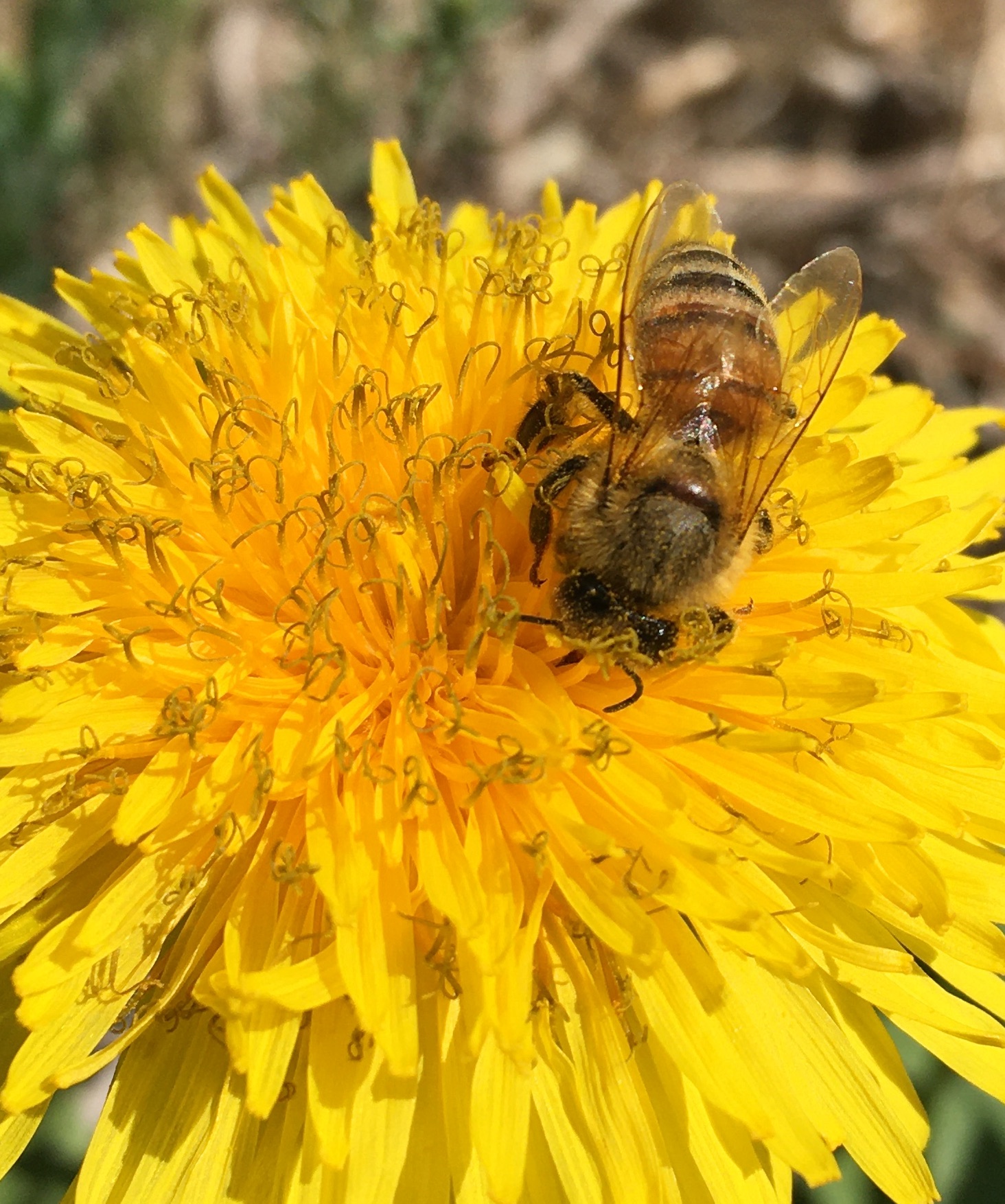
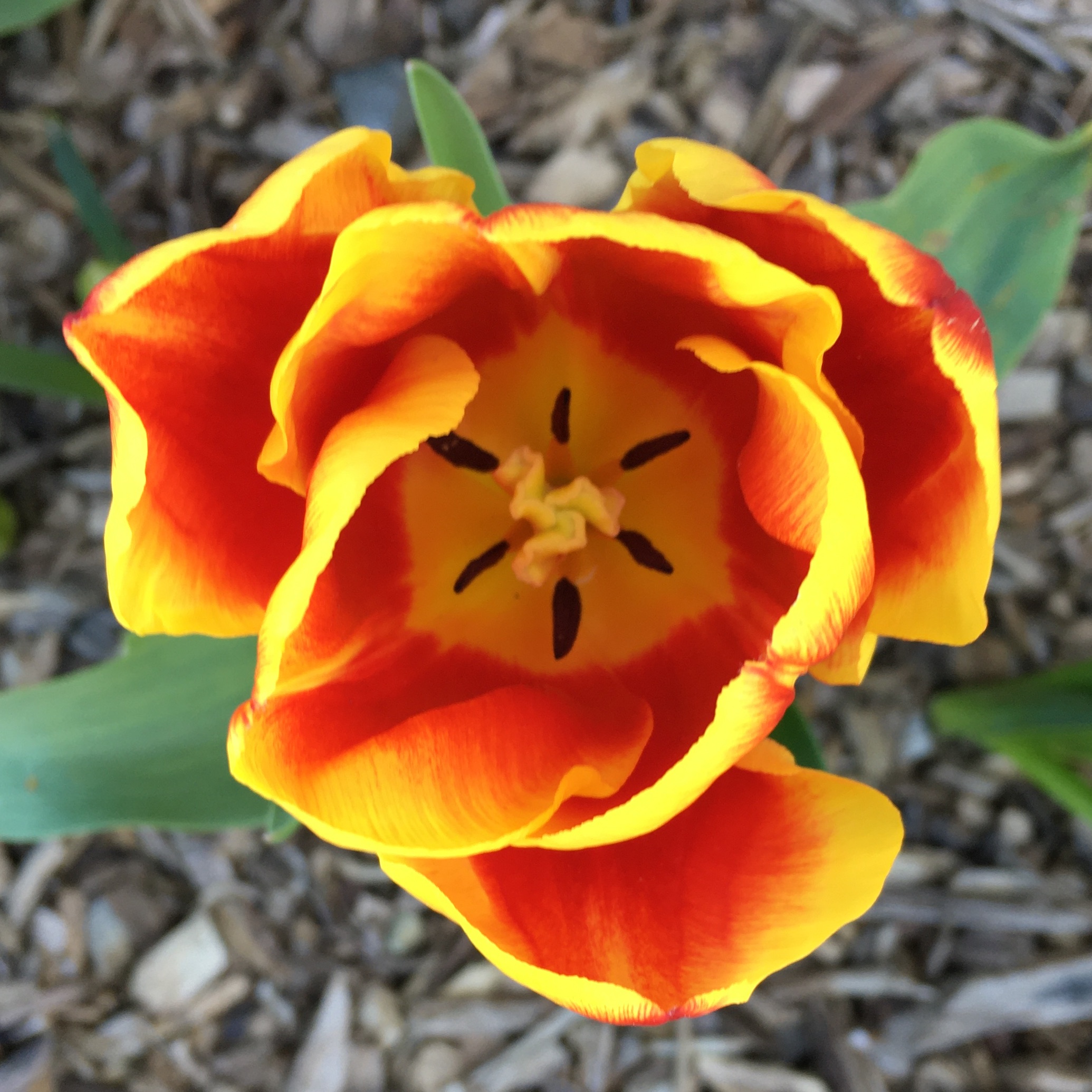
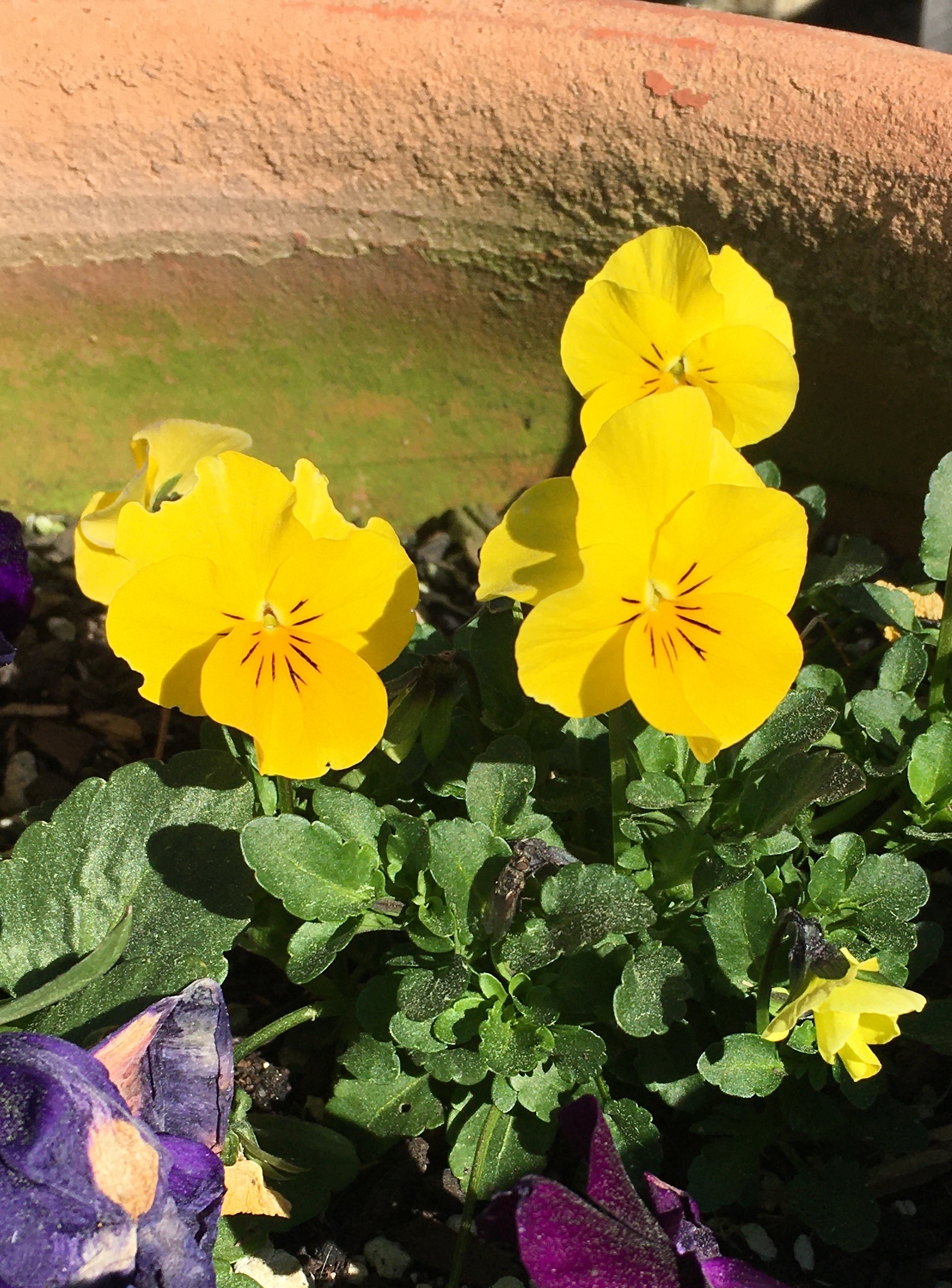
  • I’ve never enjoyed the flowers outside my windows more. Right now, the pansies are a riot of purples and yellows throughout the flowerbeds, the snow-in-summer is a frosty carpet of blooms, the geum is flowering with the richest red, columbines are opening their blooms, and best of all, the irises right outside my office window have started to bloom. These plants were rescued from the school I work at when their location was due to be paved over. I had no idea what colour they were, and it turns out they’re a gorgeous purple—my favourite iris colour.
  • I’m appreciating anew the security of having plenty of preserved fruit and vegetables from last year and spring vegetables in the garden. No matter that we’re not allowed to leave home for a week—everything we need is here.
  • I’m appreciating the care of other gardeners who have offered help and dropped off fresh lemons for us.
  • I’ve gotten some sewing done, which is unusual at this time of year, when I’m usually occupied by the garden. 
  • I’ve read several books—always a bonus.
  • Now that I’m feeling a bit better, I’ve been able to get some writing done. I was disappointed Covid took me away from editing my next book, because I felt like I was on a roll. But a few days away from the computer gave me time to more deeply consider the changes I needed to make, and the edits I’m now making are going to lead to a better book. That’s a win!
  • Most importantly, I’m in isolation with my husband (who is also sick), and the extra time together is a gift.

So in spite of the fact there is a mountain of work awaiting me in the garden, getting Covid hasn’t been a complete disaster. Eventually I’ll be well enough to get back to the vegetables and the weeds, and they’ll still be there for me when I do.
Carrot Success

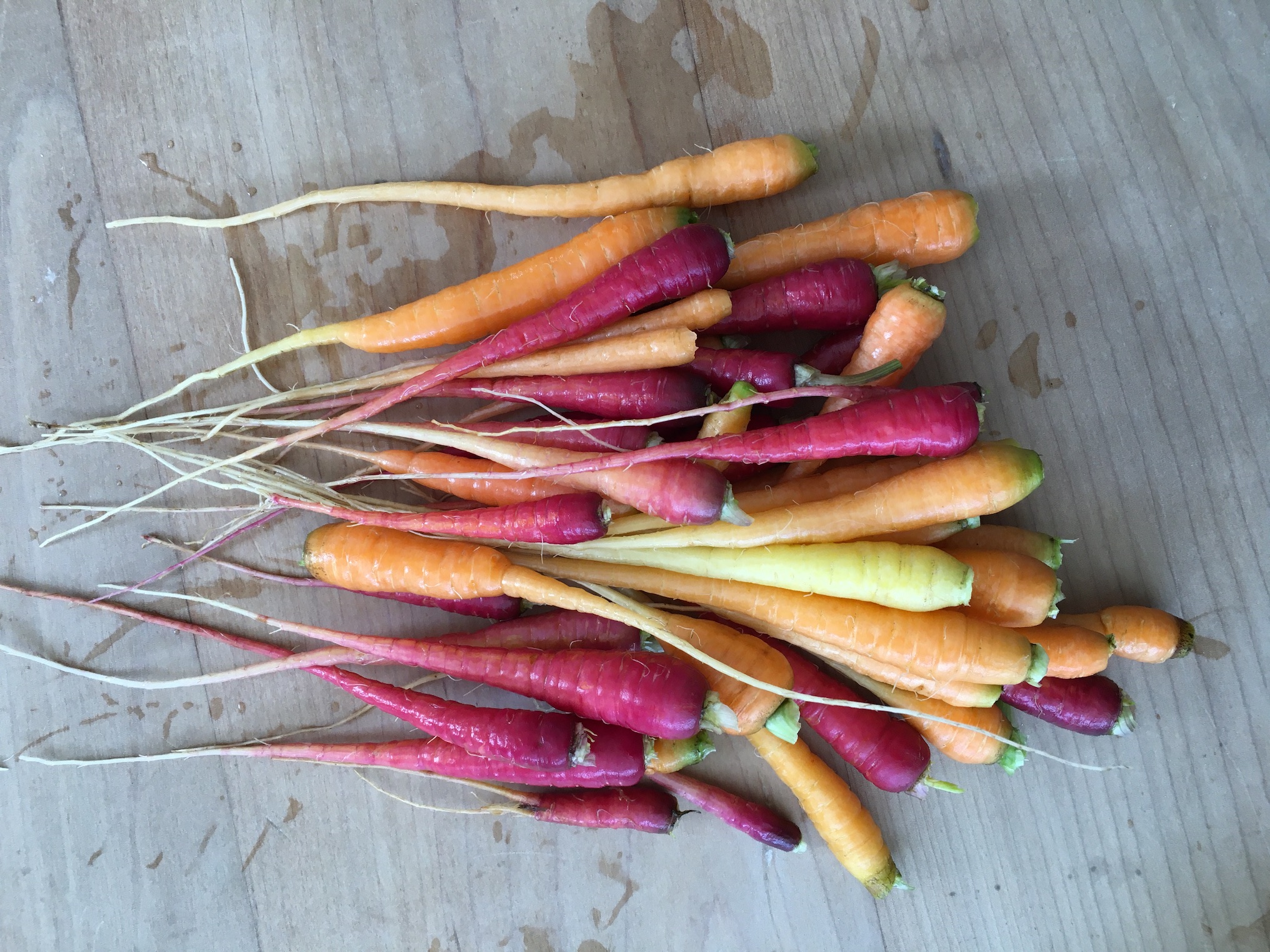
young carrots
Young carrots, fresh from the garden–nothing is better!

I used up the last of the fresh carrots yesterday—the last of the carrots that I planted a year ago at this time. 

There are still about 2 kilograms of frozen carrots left that should last almost until the first of this season’s carrots are ready to pick.

I can’t tell you how pleased I am about that. It’s the first time ever I’ve grown (nearly) enough carrots for the year. Usually I end up buying commercial carrots by mid-June.

We eat a lot of carrots. I have raw carrots for lunch every day, and at least half our dinners have carrots in them. We also discovered the joy of Mexican pickled carrots this year, and probably ate five kilos of them in the past two months. So a year’s supply is a whole heap of carrots! 

And if you wonder why I go to all the effort of attempting to grow a year’s supply of carrots, you have clearly never grown your own carrots. Home grown carrots put the tasteless, watery supermarket carrots to shame. Yes, they’re not as uniform in size and shape—I harvest some pretty ugly, twisted roots from my rocky garden—but their flavour (and colours) are far superior to commercially grown carrots.

I plant a wide variety of carrots. Last year I planted Paris Market, Scarlet Nantes, Touchon, Kuroda Improved, Tendersweet, and Purple Dragon. Touchon has been my workhorse carrot for years—flavourful, reliable and nicely shaped. When we moved to the rocky soil of the new property, I first tried Paris Market—a stubby round carrot I figured would be less bothered by the rocks. I wasn’t terribly excited about it at first—little carrots can be a pain to process in the kitchen, when you want a whole lot of carrot for dinner. What I didn’t know was that Paris Market carrot also has fantastic flavour for eating raw, and roasts beautifully as whole little carrot nuggets. It can also grow to a whopping size if you let it. And because of its shape, it’s easy to pick in my heavy clay soil. It’s beginning to nudge Touchon out of the top spot on my favourite carrots list.

Now that I’ve successfully grown enough carrots, my goal this year is to spread my carrot planting over a longer period, so I get just as many carrots off half the garden space, and so I don’t have 40 kilos of carrots in the fridge at any one time. 

And there’s one of the many reasons I love gardening—there’s always something new to learn, new to try. There are always tweaks and improvements to be made. A gardener can always aspire to a more productive, less weedy, less labour-intensive garden for the coming season.

Happy gardening everyone!

A Kiwi Halloween

October is nearly upon us. For me here in Aotearoa New Zealand, that means springtime planting, flowers, and lots of weeding! But for many of my readers, it means colourful autumn leaves, pumpkins, and the spooky season of Halloween. And for writers of fantasy, like me, it means story inspiration too (even if my witches aren’t always who you might expect …).

When I was a child in the United States, Halloween was one of my favourite holidays. Yes, the candy was a draw (I’ve always had a weakness for candy corn), but what I liked most was the chance to make a costume and then walk around after dark wearing it. 

Halloween imagery is all about darkness and things that go bump in the night. It’s meant to be scary, but I quite enjoy the night and all the creatures that inhabit it. 

As an interpretive naturalist in America, I led a lot of night hikes. ‘Spooky’ owls and bats are old friends I’ve had the privilege to not only observe in the wild, but teach with in classrooms and nature centres in a variety of places.

Spooky enough for Halloween?

And those nocturnal animals can be helpful. When I lived in Panama, there was a sizeable gap between the top of the walls of my mud house and the roof. At night, little bats would swoop into the house through the gap, zipping around snapping up mosquitoes. I used to lie awake at night waiting for their arrival before falling asleep, knowing they were keeping guard against the little blood suckers that wanted to disturb my rest.

New Zealand is blessed with a fabulous array of nocturnal animals. If Halloween had originated here, the icons of the season might be a bit different …

  • Kiwi—Imagine this beach-ball-sized bundle of fluff with a deadly beak spearing hapless hikers in the dark. Maybe there would be vampire kiwi.
  • Kakapō—What could be scarier than a nearly invisible nocturnal parrot with a booming voice that echoes through the night?
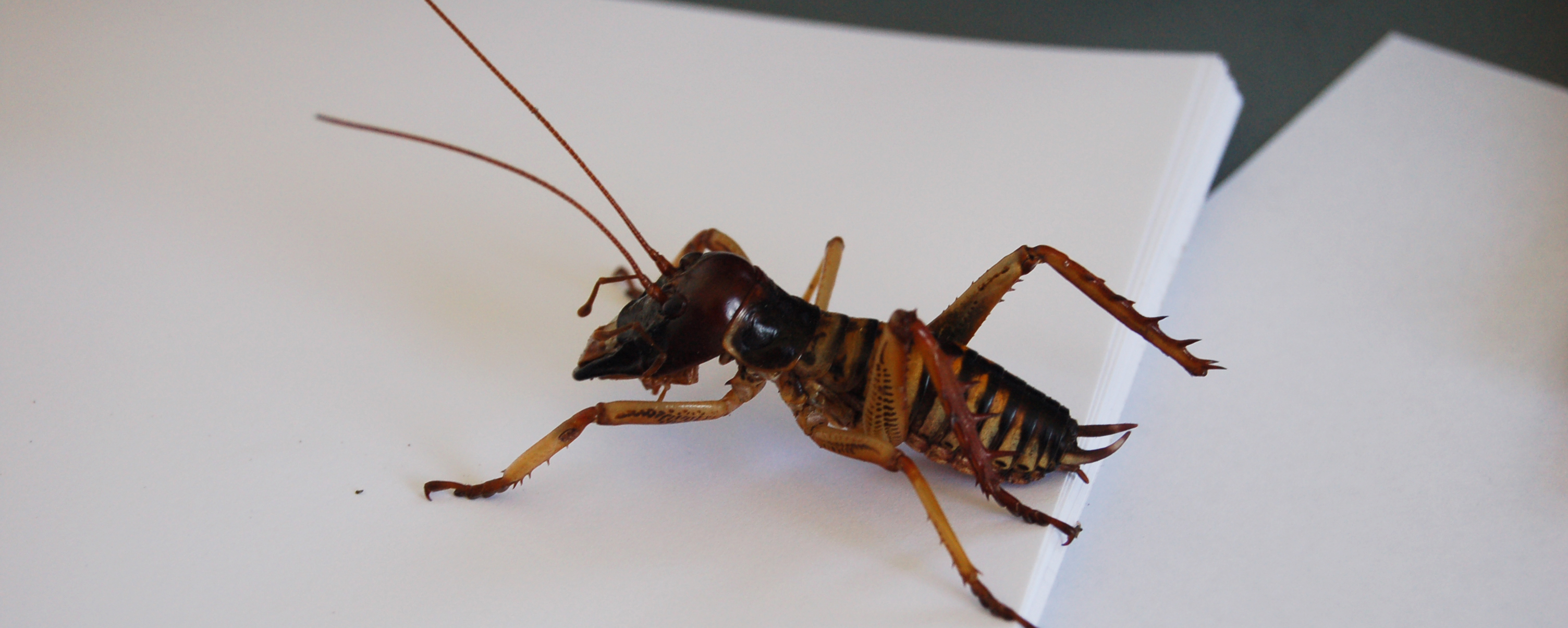
  • Wētā—Okay, lots of people already find these giant crickets spooky. And some of them bite. They’d be a perfect candidate for Halloween horror.
  • Owls … maybe not—The morepork and the little owl might need to up their game to be Halloween mascots. Their cute factor is pretty high, and their calls are far from scary. I’d even go so far to say that the morepork’s call is soothing.
  • Bats—Unfortunately, New Zealand’s bats are all endangered, so you’re not likely to encounter them frequently. However, they have some interesting habits that would play out well on the spooky scale. Short-tailed bats don’t hunt from the air like many other bats. Instead they scramble around on the forest floor, using their wings as legs. What’s that rustle in the undergrowth?
  • Moa—Yes, these giant birds are extinct and were probably only partly nocturnal, but maybe their ghosts or skeletons could haunt a New Zealand Halloween. Their diet was mostly plants, but I still wouldn’t want to meet up with a 3.5-metre-tall bird in the dark.

Of course, a Southern Hemisphere Halloween would have to fall in April or May, during the autumn here. We could all dress up as kiwi or moa and eat pavlova …

Welcome to the Light

We have now officially tipped over to the light half of the year. All green and growing things know it, as do the birds and the farmers and gardeners.

And for this first day in which the day is longer than the night, Canterbury’s weather has decided to celebrate—clear skies and warm sunshine with a hint of a cool breeze to remind us where we’ve come from.

A bumble bee drones by as I sit on the porch eating lunch in the sunshine. A guttural croak overhead draws my eye to a white-faced heron gliding like a modern-day pterodactyl to its nest. A jumping spider lurches across the warm pavers at my feet, leaving behind a glittering silk thread that marks her passage. Flies swirl in jerky spirals, describing their micro-territories within a cloud of lekking insects.

Days like today remind me to slow down and feel the motion of the earth.

I pluck a fresh mint leaf and chew on it. The flavour brings back summer memories of Mrs Cassel’s mint tea, sipped from frosty glasses clinking with ice. 

A bellbird whistles from somewhere in the neighbourhood. Enjoying the nectar of someone’s flowering kōwhai, no doubt. I close my eyes and remember the sound of the dawn chorus in Westland National Park.

Days like today remind me that the most memorable things in life never involve the daily grind, but only happen when we step off the treadmill and into the world.

Sitting on the porch of a tramping hut while a weka tries to steal my socks.

Fording an icy river, turquoise from glacial runoff.

Watching jumping spiders’ strange semaphore dance on the windowsill.

Biting into the first tomato of summer, warm from the garden.

Following a starfish’s slow glide across the bottom of a tide pool.

Reaching the top of a mountain to find rank upon rank of peaks stretching out ahead, begging to be summited, drawing you on to new adventures.

So, welcome to the light. Step into the world and enjoy the sunshine.

From Snow to Go

Spring is a funny old season, and this one is no different. A little over a week ago, we woke to snow on the ground—our first snow of the winter (never mind it’s spring already).

Just a few days later, we were working outdoors in t-shirts. I even considered switching jeans for shorts at one point. 

The fruit trees are dripping with blossoms, and yellow daffodils beg to be picked in profusion. The buds on the berry bushes are beginning to burst, and the weeds seem to be doubling in size daily.

But it pays to be vigilant. I’ve had to pull the tomato seedlings out of the cold frame and bring them indoors the past two nights, because it’s been well below freezing overnight. And while the possibility of snow diminishes with each passing day, it’s not inconceivable (I remember getting 10 cm of snow on the 18th of September years ago).

What is certain is that every day the sun rises higher in the sky and remains there longer. Winter and spring will continue to play tug-of-war, but eventually spring always wins.

So for another week or two, I’ll haul those tomato seedlings in at night, but there will come a day when they can stay out. 

Won’t be long now …

Five Spring Haiku

Today is the first day of spring, blown in by a warm and gusty nor’westerly wind, as if to say, “Take that, winter! Your time is over.” Here are five haiku inspired by the day.

Ngā koru

Swirls of yellow pollen
ripple in winter’s
vanishing puddles.

Te rā

Sunshine filters through
branches still winter-bare.
Wind rattles a welcome.

Kākāriki

Bright against dark soil,
leaves unfurl and
quest toward the sun.

Ngā puaka

Heads nod to the breeze—
frills of yellow, white, purple—
decked out in Sunday’s best.

Mahi māra

Cracked nails underlined
with dirt. Hands pressed to
the Earth’s heartbeat.

Rain, Rain, Go Away

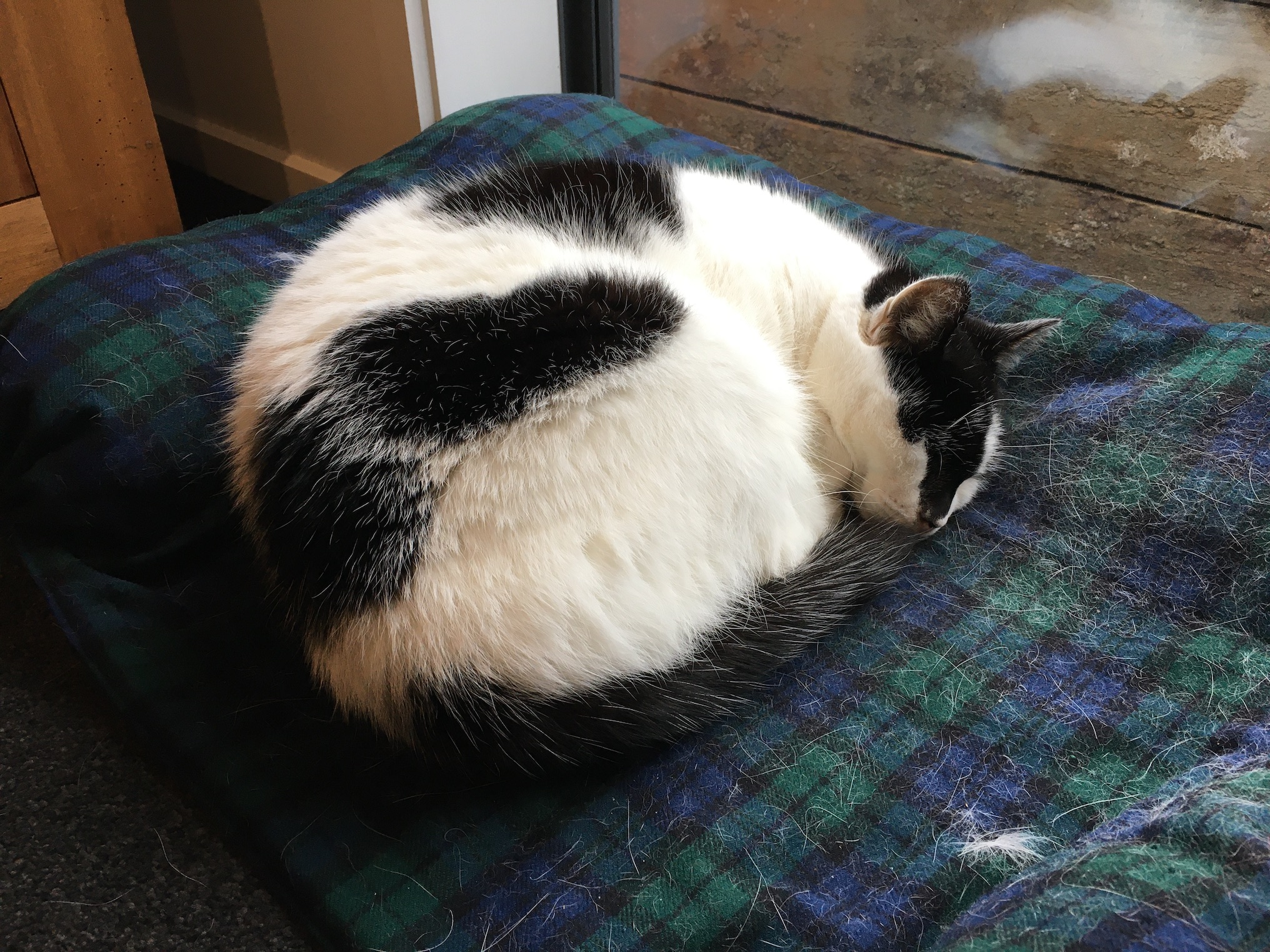
sleeping cat
The cat, coping as best as he can with the poor weather.

I sit at my desk yet another day, watching the rain fall in sheets outside the window. Another morning splashing through puddles in the dark to feed the chickens. Another week using the drier rather than the laundry line. It’s been a winter of rainy days.

I suppose I shouldn’t complain. Compared to other regions in New Zealand right now, Canterbury is dry. For the most part, our recent rain has come steadily in small doses, rather than in a deluge leading to flooding.

But the weekend’s to-do list includes beginning to prepare garden beds for planting, and at the moment, those beds are more suited to mud wrestling than cultivation. Far too wet to work without destroying the fragile soil structure I’ve been building up the past two years. 

There is no rain in the forecast for the weekend, but given how saturated the soil was even before today’s steady rain, I expect puddles to remain through the weekend.

I am already adjusting the to-do list, already stressing about how much will have to be accomplished next weekend in order to compensate for a lack of progress this week.

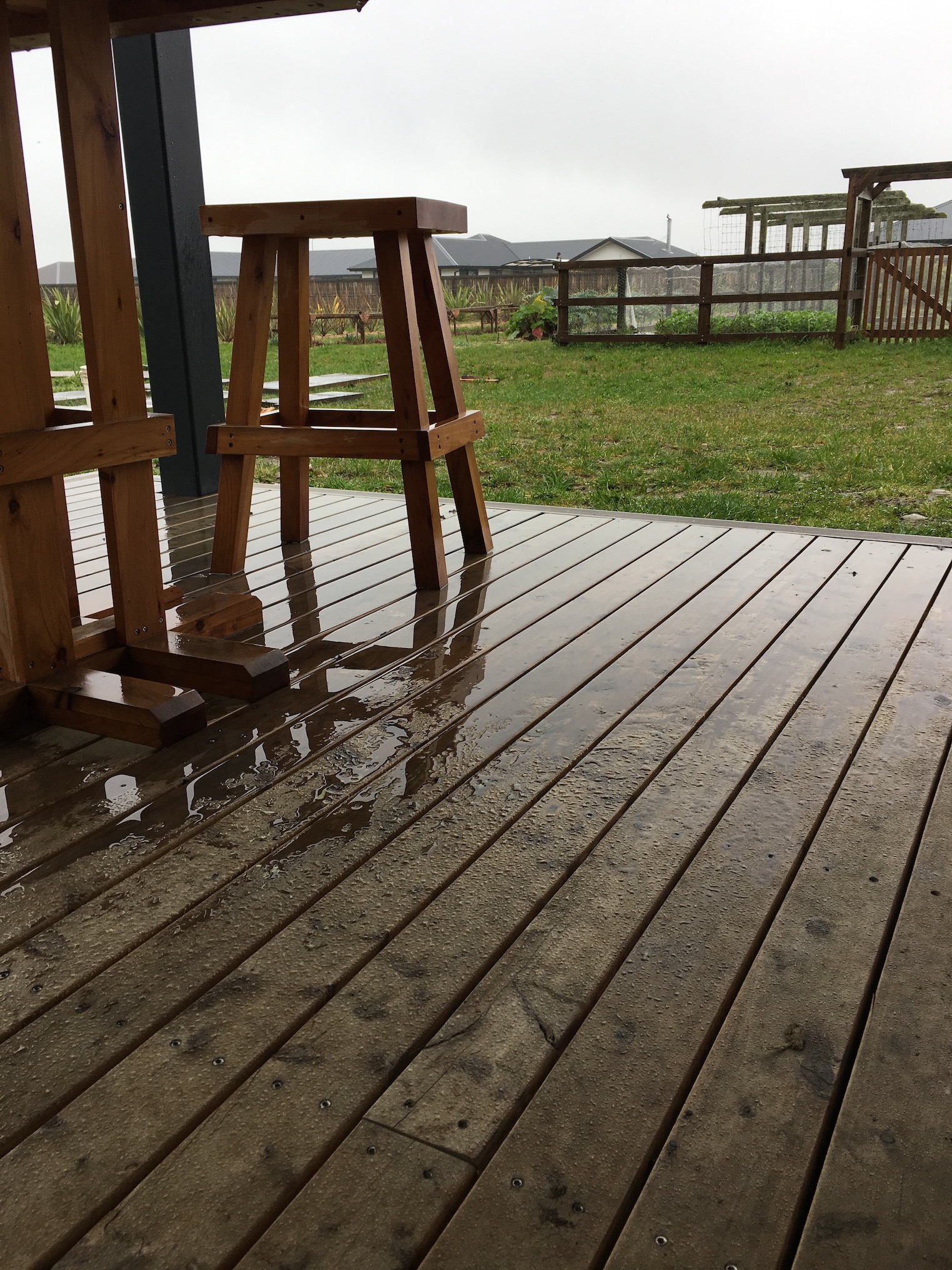
Even the porch is puddly.

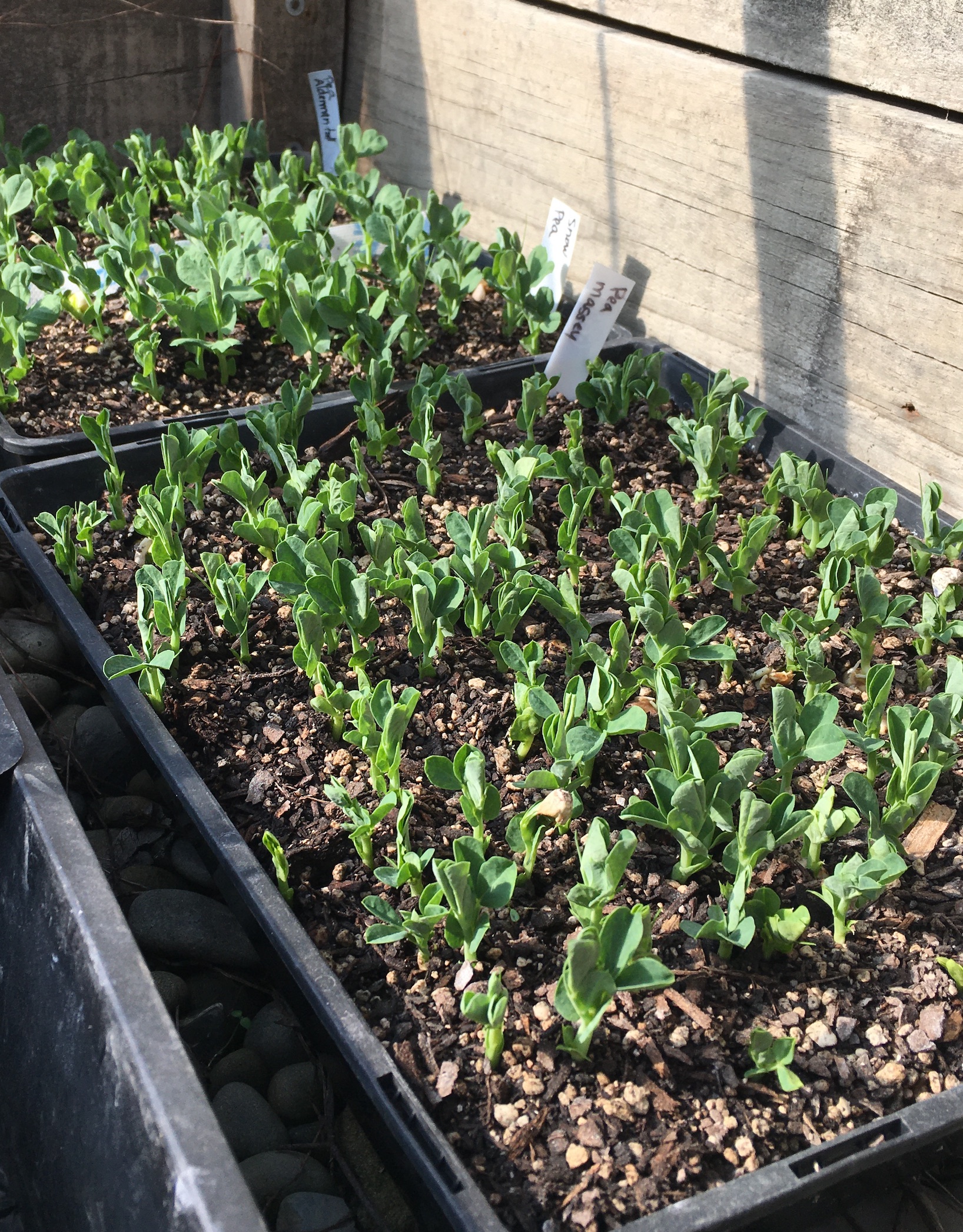
Because the clock is ticking. The seeds I planted two weeks ago have sprouted. In two weeks, the peas, lettuce, and spinach will be ready to plant out into the garden. If their beds aren’t ready at that time, I’ll have to pot them up in order to hold them. Extra work I’d rather not have to do. And I know my physical limits, too. Preparing twice as many beds next weekend is going to wreak havoc on my back. It’s doable, but there’s a good reason I plan all the garden prep to spread the work evenly. I’ve learned from the years when I had to literally crawl through the garden to do my planting because I could no longer stand due to the damage I’d done to my back.

But this year, the weather has scuppered my well-laid plans. I’ve adjusted the to-do list, and considered my options if the beds aren’t ready in time. Now there’s nothing left to do except to make another cup of tea while I watch the rain fall.

Planning Time

We’ve turned the corner on the seasons—the days are getting longer now, and we’re in the second half of the year. The seed catalogue will be arriving within the next couple of weeks, so now’s the time for garden planning.

As someone obsessed with organising, creating my garden plan each winter is a highlight of the year. It’s the time to take stock of the previous year’s successes and failures and to dream about next year’s abundance.

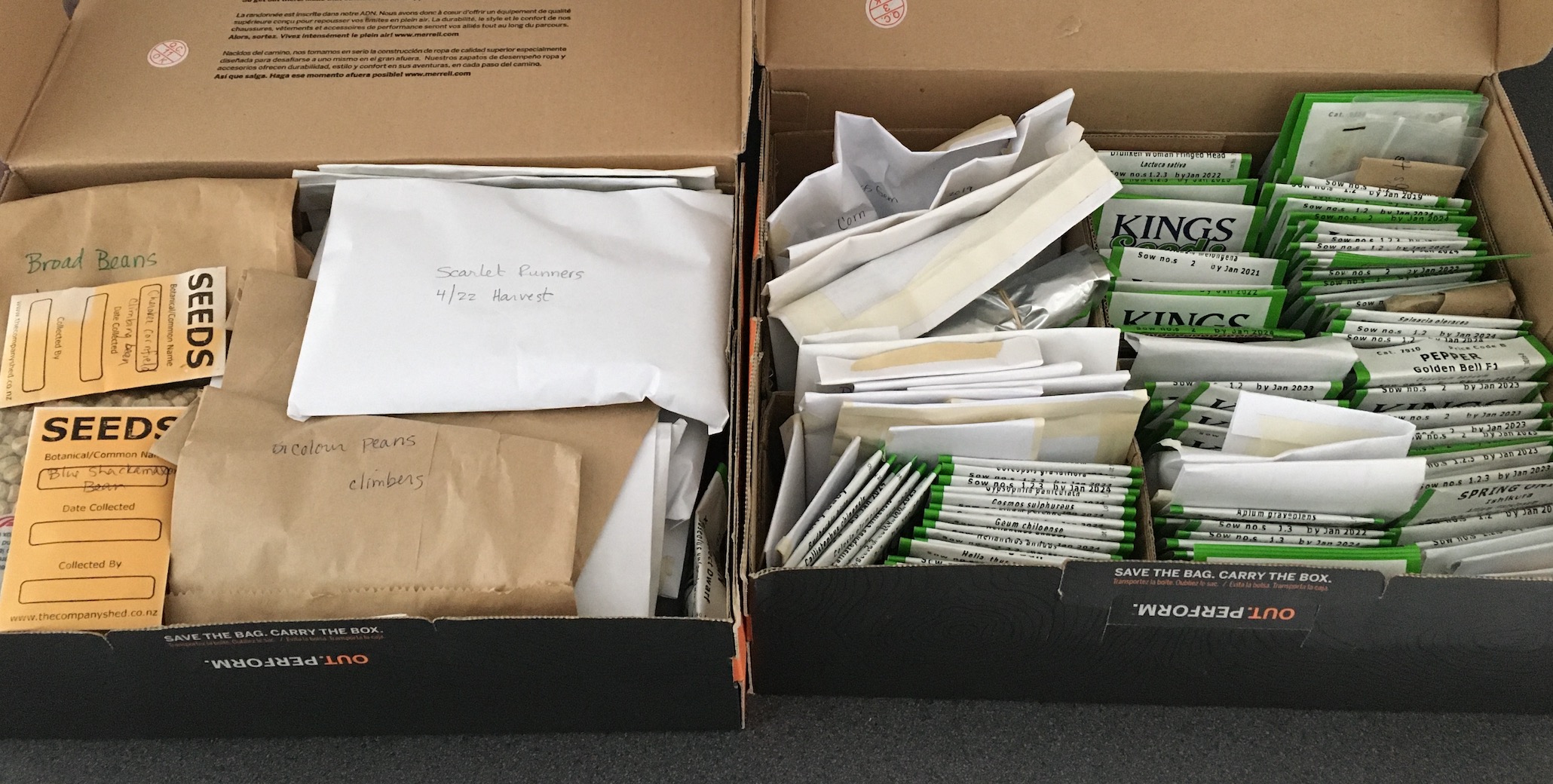
For me, planning starts with taking inventory of my seed stock. Two large shoe boxes barely manage to contain most of my seeds (the broad beans never fit). Small vegetable seeds are arranged alphabetically. Large-seeded peas and beans get their own shoe box, and are less well organised. 

My inventory is kept on a spreadsheet that I update annually, so I can see at a glance what I’ve got in stock. As I update the inventory, I cross-reference my garden notes, tossing out seeds that had low or no germination the year before. When I find seeds I know I need more of, I make a note on the spreadsheet. When the seed catalogue arrives, I can quickly determine what I need to buy. (Note that this doesn’t actually save me any time in getting my order in—I still page through the entire catalogue, because you never know what new things you’re going to absolutely NEED, based on a pretty photograph and a two-sentence description).

Once I’ve got my seed needs identified, it’s time to plan where all those plants are going to go in the vegetable garden.

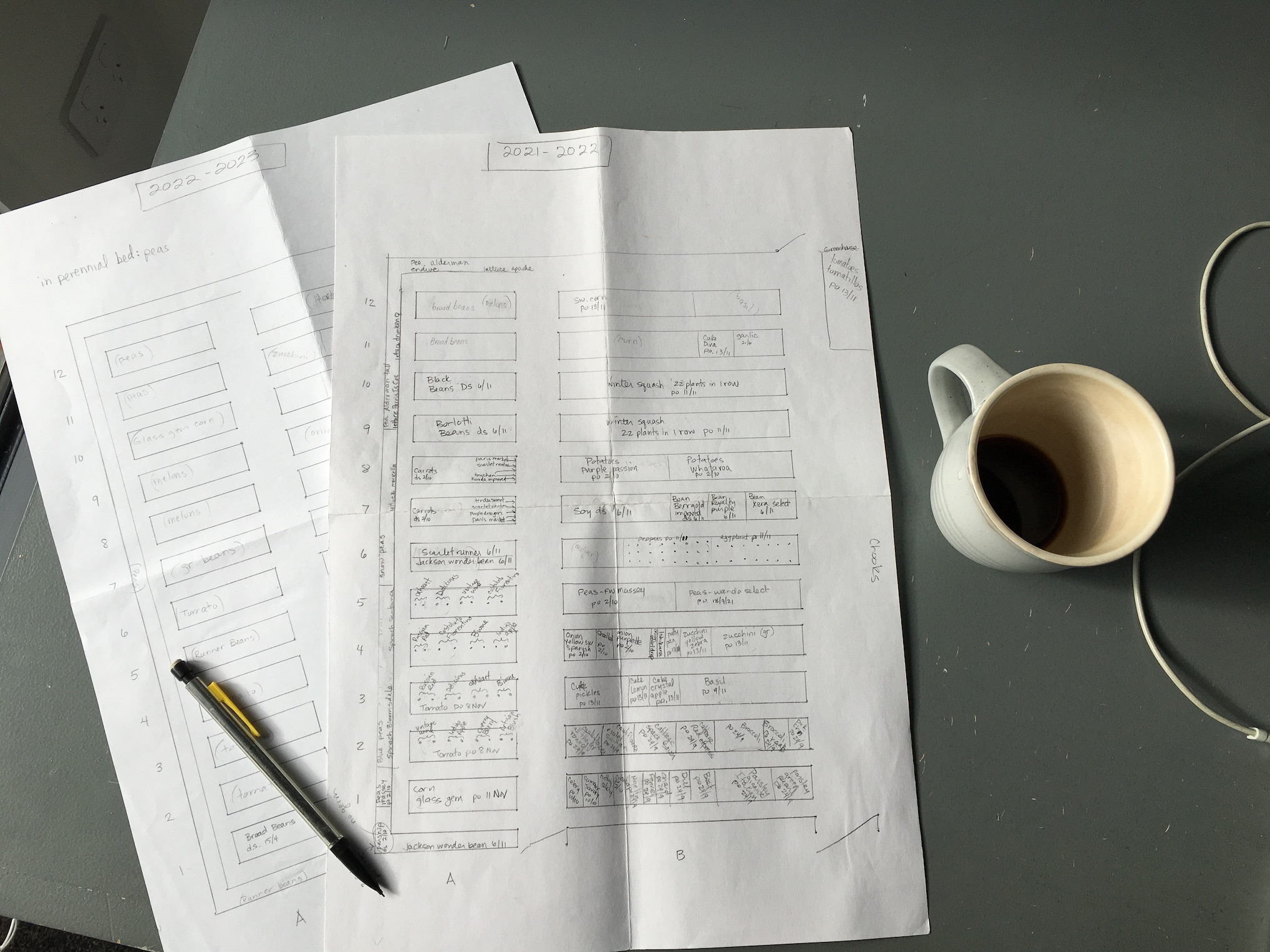
Every year I draw a map on a large sheet of paper. The map includes all the vegetable beds plus the greenhouse and any ‘overflow’ space I happen to have that year in perennial beds. I give each bed a grid reference—columns labeled with letters, rows with numbers—so I can refer to them easily when I start mapping out my weekly tasks later in the year.

With last year’s map as a reference, I tentatively write each crop into the beds I want to plant in, careful to rotate crops to avoid pathogen build up. As I plant each crop later on, I’ll mark a date on the map to tell me when it was planted.

By planning ahead, I avoid mistakes like planting sprawling winter squash next to low-growing herbs that will be overrun by the squash. I can also plan for large plants to sprawl into space vacated by early crops, or tall crops to shade cool-loving crops and extend their season.

Equally importantly, by planning in advance, I can control myself when it comes time to actually plant seeds—preventing problems like having to deal with 50 kg of zucchini every day in February. Planning goes a long way toward making each garden year a success.

Pro tip: Garden planning is best done on a really cold, nasty day, with a cup of coffee or glass of wine in hand. 🙂

Autumn Stocktake

Green beans were one of the winners this past summer.

We haven’t had a frost yet, and there are still lots of carrots to harvest, and a few tomatoes and peppers in the tunnel houses, but the summer garden is done, for all practical purposes. Next weekend, I’ll let the chickens loose among the weeds to enjoy the summer’s buildup of insect pests. 

Now’s the time for taking stock of the summer’s endeavours. 

What went well?

More than I expected to! I was thrilled with the glass gem corn—the plants were gorgeous and tall, and the yield was spectacular. I won’t know for several months whether the corn pops well, but so far it looks like a winner. 

I was also pleased with my watermelons. they got off to a slow start, but once they took off, they really took off. And my patience paid off—every melon I picked was ripe and delicious. It was fun to have both red and yellow varieties this year, and both provided lots of small and yummy fruits.

Once again, my carrots have done spectacularly well. The reason there are still lots to harvest is because the fridge and freezer are both crammed with carrots, and I have nowhere to go with the rest. After last year’s carrot success, I thought it could be a fluke—I had the occasional good carrot year at the old house, too—but two years in a row makes me think I can probably plant half as many carrots next summer, leaving more space for something else! I’m already scheming …

The pumpkins were another winner—I picked 54, which is way more than we can possibly eat (though we’re doing our best—yum!).

What didn’t go well?

The sweet corn was disappointing, but I’m not surprised by that—it was in one of the beds that didn’t get manure last winter, so it was pretty nutrient stressed. We had plenty to eat and some to freeze, but I would have liked to have more for the freezer. Next summer, I’ll be sure to give it a well-fertilised bed. 

Tomatoes were also disappointing—they were clearly nutrient stressed too, in spite of being in manured beds. Add to that the fact the birds managed to eat more of the fruit than we did, and the harvest was less than hoped. I’m considering fewer plants next year, but netted. And, of course, more manure!

The basil was also strangely disappointing—in spite of a nice wet summer, it bolted early and remained fairly small. I blame lack of nutrients.

Peppers and eggplants struggled this year, too. I blame the overhead sprayers I switched to this year after my drip irrigation finally gave up after 17 years. Combined with wet weather, I think the sprayers provided too much moisture to the leaves and too little to the roots—plants were small, and the fruit tended to rot before ripening. I’ll be making a new drip irrigation system for them next year. 

Though the watermelons thrived, the rock melons were pathetic. They set almost no fruit, and most of those set rotted before ripening (or at least before I noticed them, because they were small). 

The jalapeños were beautiful—big fruits and plenty of them—but had absolutely no heat. I still don’t understand why some years they do this. Fortunately, the serranos I planted were nice and hot, but they struggled to ripen before the end of summer—I’ve been picking them as soon as they begin to blush red, rather than waiting for them to turn fully.

Overall, I was quite pleased with this summer’s garden. By all objective measures, it was pretty pathetic, but given the point I started at just two years ago, it’s improved dramatically. I just need to keep pumping in the organic material—manure, compost, pea straw. I’m thrilled with how much good it’s done already.

Glass Gem Corn

I’ve been growing popcorn for years now, and I’ve always saved seed. I’ve been pleased with the variety I’ve grown—it is so wonderfully flavourful, it turned me from someone who wasn’t a big popcorn fan to a real lover of popcorn.

Unfortunately, over the years, my popcorn has crossbred with my sweet corn, and I got to the point where it wasn’t reliably popping anymore. So at the end of last summer, I figured I’d buy a new packet of seed and start afresh.

Horror of horrors! When I scanned last year’s seed catalogue, popcorn wasn’t in it! What was I going to do if I couldn’t get fresh seed?

Why, plant a different variety of popcorn! Although the catalogue didn’t have the variety I was used to, it did have Glass Gem—a flint corn useful for popping and for cornmeal. 

I’ve planted Painted Mountain corn before—a beautiful flint corn which we turned into excellent cornmeal. I loved growing corn that was as beautiful to look at as it was to eat.

So I wasn’t upset to switch to Glass Gem as my popcorn. The plants grew beautifully, topping out at about 2 metres tall, with up to three cobs on each plant. A fabulous result in my nutrient-poor garden. 

I was itching to harvest them and get a peek at the cobs, so last weekend I harvested the few ears that were drying off already. 

Oh. My. God. It makes Painted Mountain look dull. 

The kernels come in the most unlikely colours, including blue, pink, yellow, white, and green. But even more striking than the colour is the kernels’ translucency. They really do look like highly polished gems. The photo in the seed catalogue did not do the plants justice.

I don’t know how they will do as popcorn—they still need to dry more before we can use them—but even if they don’t pop, they were worth growing, just for their stunning look. And I have no doubt we can grind them up into some excellent confetti-coloured cornmeal if they don’t pop well.

Curious, I Googled Glass Gem, and was surprised to see it’s a modern variety. Its roots can be traced back to a man named Carl Barnes, from Oklahoma, who died in 2016. He began growing traditional flint corn varieties in order to connect with his Cherokee roots. He collected and isolated a wide range of native varieties, and began selecting the most colourful cobs for replanting. Over the years, he ended up with the variety now dubbed Glass Gem.

You can read more about Glass Gem corn here.