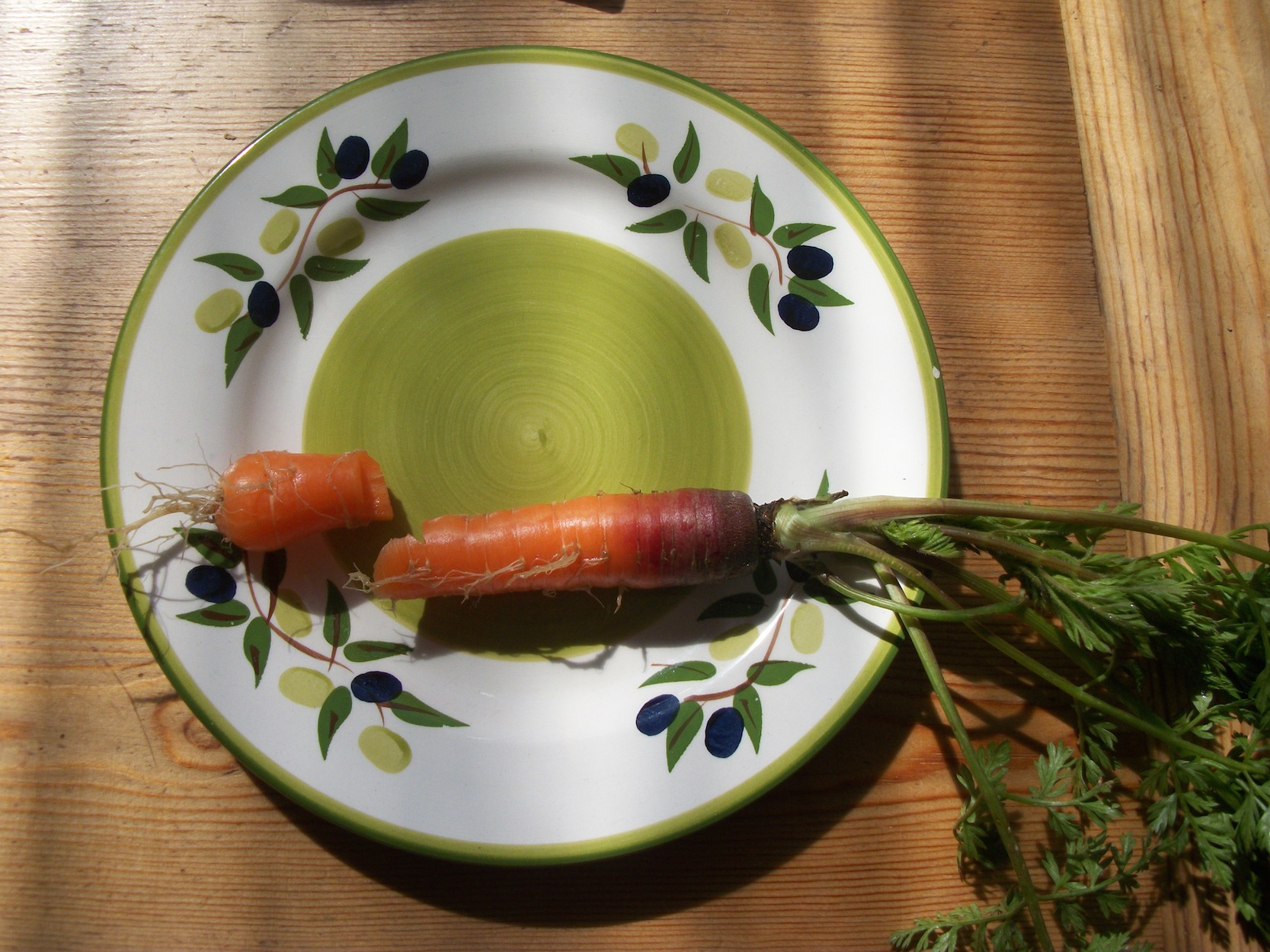
 The terrible thing about having a garden is that the kids ruin their appetite by snacking… 😉
The terrible thing about having a garden is that the kids ruin their appetite by snacking… 😉
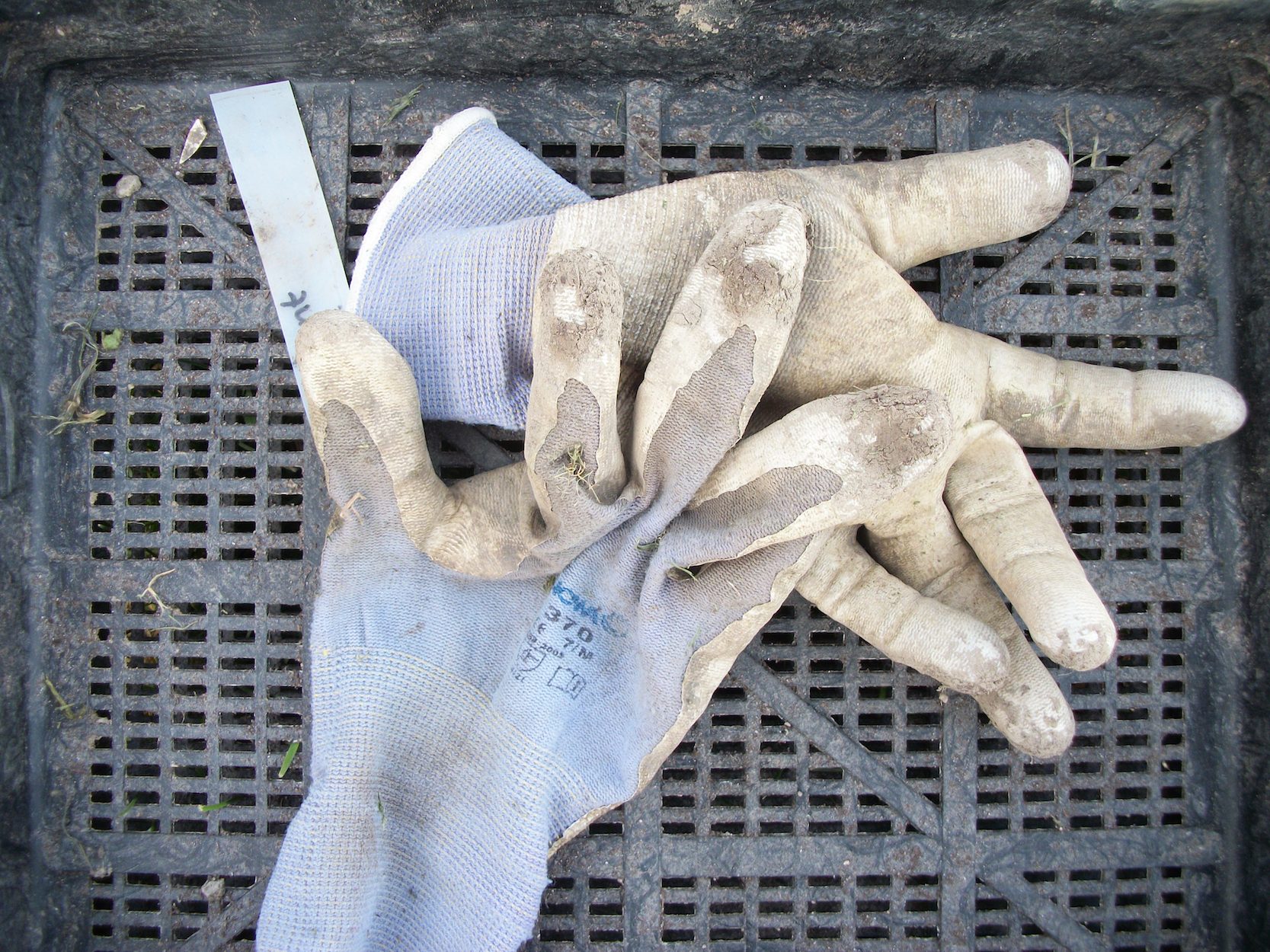 Less than two months.
That’s how long a pair of garden gloves lasts me in the warmer half of the year. I wear through the tips of the fingers. Once the finger tips are gone, they don’t do much good. I buy a new pair almost every time I’m in the gardening section at Bunnings, just because I know I’ll need one sooner rather than later.
I used to garden without gloves. When my kids were born, my mom bought me a pair, “So that you can garden, and just take the gloves off when you need clean hands to deal with the baby.”
Made sense, so I started wearing them.
I can’t remember if they helped at all with the baby, but they did help with my hands. Until I had gloves, I never realised that the itchy welts I seemed to always have on my fingers were a form of eczema caused by contact with plants (any plants, not just poison ivy; tomatoes are one of the worst). Once I started wearing gloves, those itchy welts all but disappeared.
Now I’ll hardly go into the garden without my gloves.
And since I wear through them so quickly, it’s probably a good thing. Think if I were wearing through my skin that fast!

Not strong enough…
It was a mistake. I should have known better. But the day was going to be a busy one, and I’d already forgotten to unload the sack of grain from the car the day before.
But it was early in the morning. I hadn’t had breakfast yet and was feeling hungry and not terribly strong. My body hadn’t yet warmed up.
So when I hefted the 40 kg sack of goat feed into the shed, I lifted it poorly, relying too much on my back and too little on my arms and legs.
I will be sore for days…possibly weeks. The result of pushing too hard.
Two weeks ago I was determined to get my pea trellises up. Instead of asking for help, I tried to do it myself. The trellises aren’t heavy, but they are tall. To move them, I have to stretch as high as I can and walk on tiptoe. Of course, I dropped one, cracking one of the supports in half.
I get frustrated with the limitations of my own body—how short and weak I am, how quickly I tire. I know I shouldn’t. Compared with many women my age, I have the strength and stamina of a workhorse. And, of course, there is nothing I can do about my height. Still, my plans are always bigger than myself, and I am regularly frustrated by my weaknesses.
But frustration isn’t all bad. Having big dreams and pushing ourselves to achieve them is what helps us grow. I am stronger and more efficient in my work than I was ten years ago. In spite of age and a lot of grey hair, I can accomplish more in a day now than I could in the past.
But ten years ago, if I lifted a sack of grain poorly, I wouldn’t have paid so dearly for it—a minor twinge in the back, perhaps—not days of pain and stiffness. The body isn’t so resilient as it once was. Perhaps this is where wisdom is born.
When our bodies can no longer live up to our dreams, we learn to expect less, ask for help, work smarter.
I sure hope so…my back would appreciate a little more wisdom.
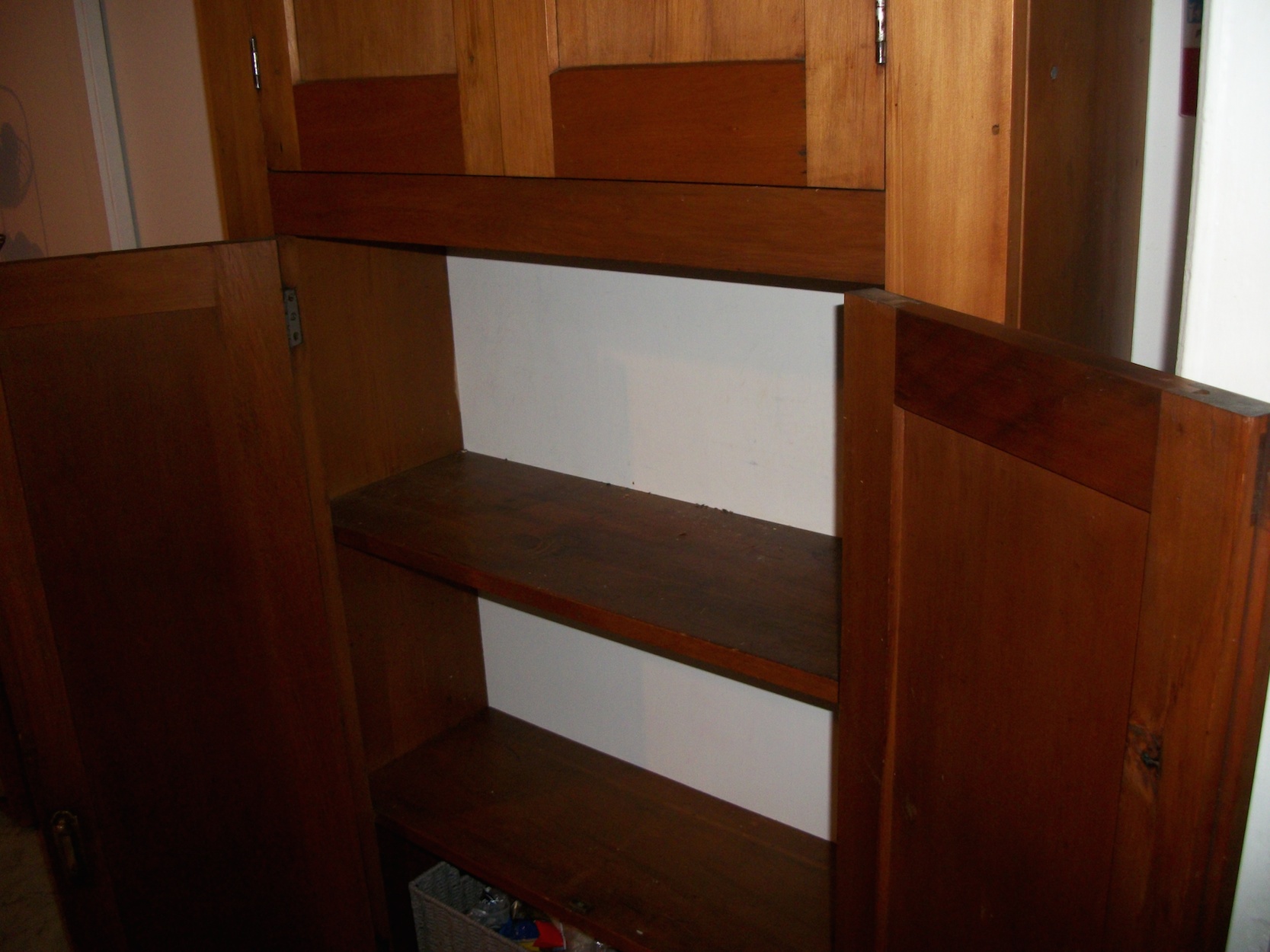 Old Mother Hubbard went to the cupboard
To get her poor dog a bone.
When she got there cupboard was bare…
Mother Hubbard must have had teenage sons.
I never appreciated the appetite of a teenage boy until mine hit that age, but now I feel like Mrs. Hubbard.
My son can eat more than anyone else at the dinner table, then pick at the leftovers in the kitchen as he cleans up. An hour later, he’s hungry for a snack. He can devour a big bowl of peach crisp with whipped cream for dessert, and still need a snack before bed.
He will eat as many cookies, muffins, and scones as he can get away with. He sneaks food when he thinks no one is watching. Dried fruit, crackers, carrots, bread, cheese, nuts…nothing is safe from the human Hoover.
I used to be able to count on four weeks between grocery runs. Now I’m lucky if we make it two weeks before the cupboard looks like Mother Hubbard’s. I’m wondering if my garden will need to be enlarged this year, and I’m thankful I grow so much of our food, and don’t have to pay the supermarket price of feeding this child.
Most of all, I’m thankful I only have one…maybe I’ll bake a cake and take it over to Mrs. Hubbard and her boys…
 Today is one of my favourite days of the year—the day my side of the planet tips over into the sunshine!
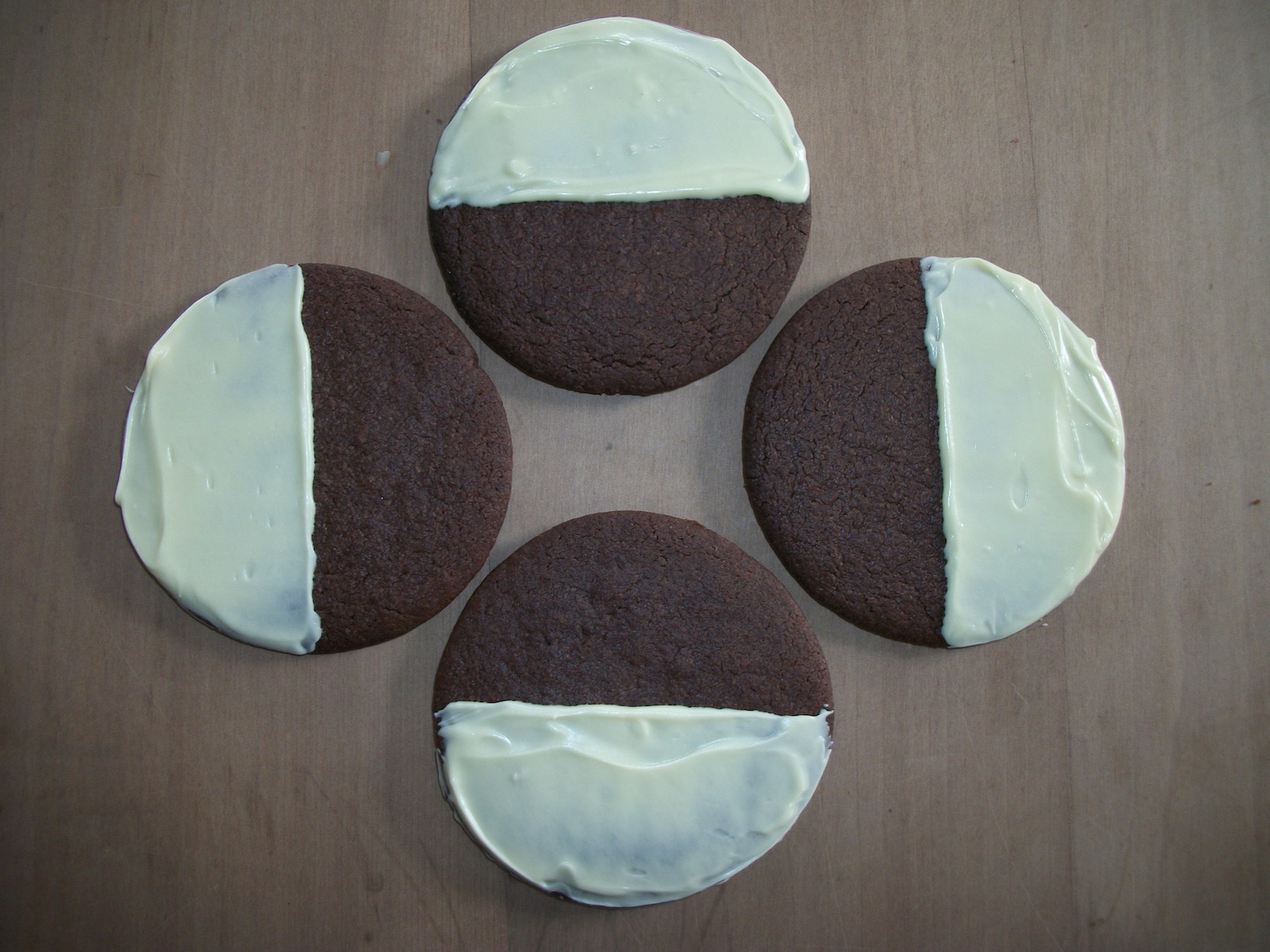
I always try to mark the day with a little something special. It might be a cake decorated as a sun, or cupcakes covered in flowers. This year, it was big chocolate cookies half spread with white chocolate to represent the equal night and day of the equinox.
From now until the solstice always seems like such a rush, with planting, kidding, milking, and harvesting. But today I will simply enjoy the sunlight.
So regardless of whether you are experiencing the vernal or the autumnal equinox today, make it a great one, and enjoy whatever the season offers!
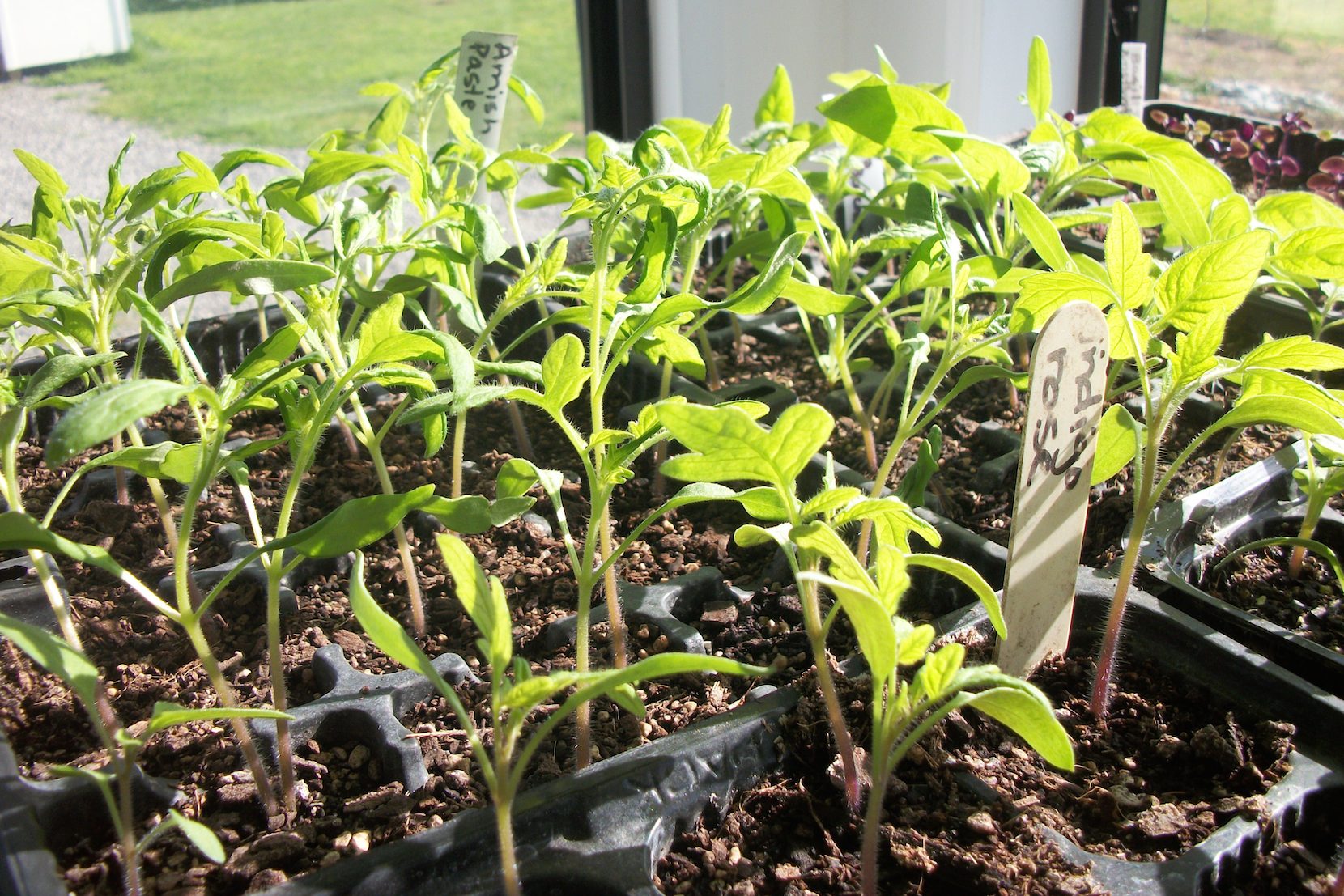 Planting vegetable seeds is an easy job. Every year, I am surprised at how quickly the task is accomplished.
Then those seeds sprout and I remember that there is potting up to do.
That’s what takes forever—filling all those pots, and carefully teasing apart and planting the young seedlings.
Sometimes I think I’d be better off planting my seeds directly into pots. But every year there are varieties that simply don’t germinate. If I had filled dozens of pots, only to have them stand empty, I would have wasted a lot of effort and greenhouse space (both of which are in short supply in the spring).
So this weekend, I will spend many hours transplanting seedlings. Though it can be tedious, I don’t really mind. To spend a day nurturing plants and breathing in the summery smell of tomatoes isn’t hard to take.
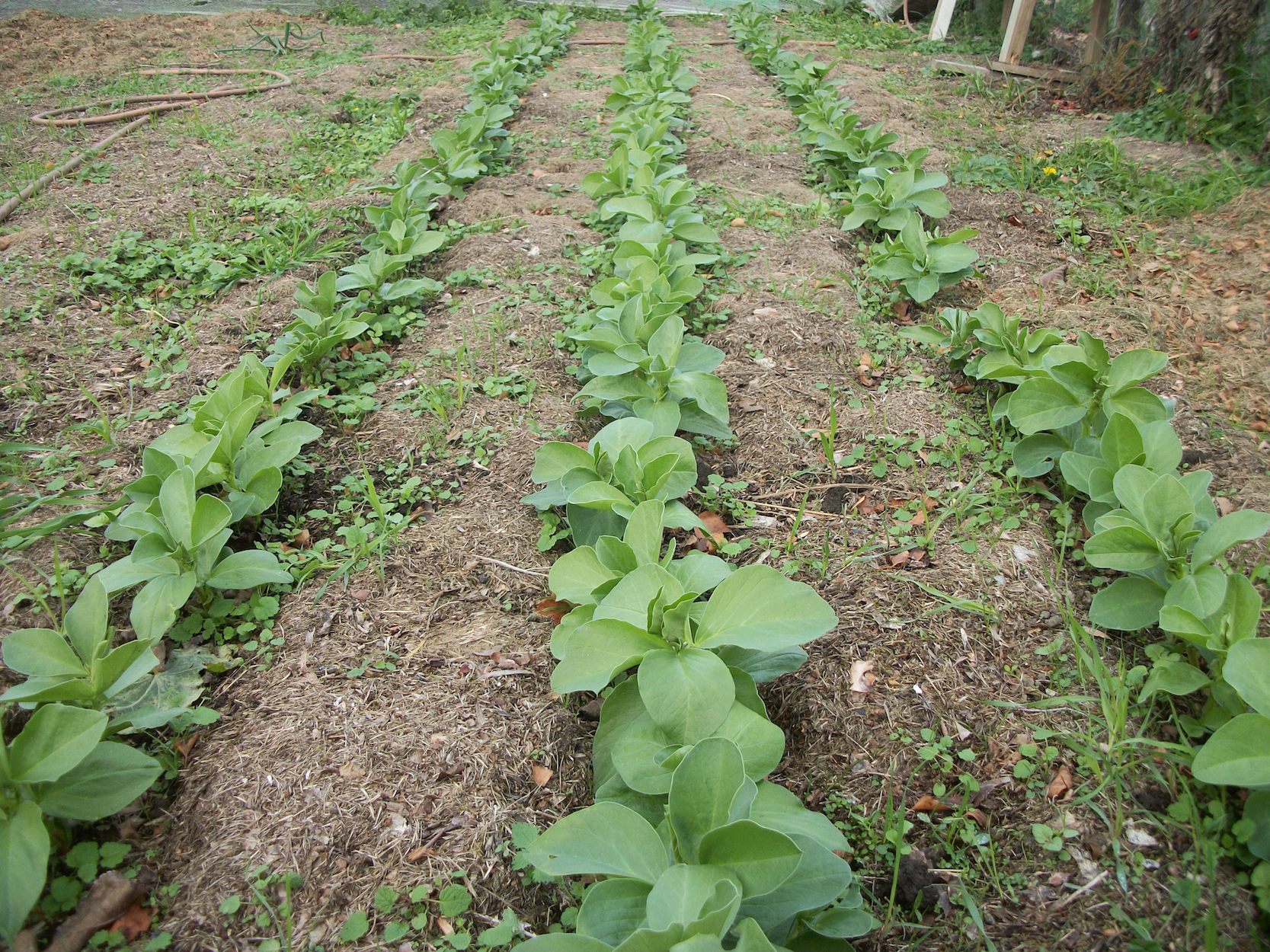 My post Springtime Pests was picked up by World Organic News today, and I was bemused.
Not so much that the post was picked up, but that I’ve never particularly thought of myself as an organic gardener.
In the same way, I rarely think of myself as vegetarian.
Or as a blogger.
And, clearly, I’ve not got the blogging thing down, because I have never tagged a post as ‘organic’, and only recently thought to tag a post as ‘vegetarian’.
I grow food.
I eat food.
My only claim is that I think about what I eat and grow, and how I do it.
I am neither perfectly organic, nor perfectly vegetarian, but I do my best.
That’s all we can ask of anyone.
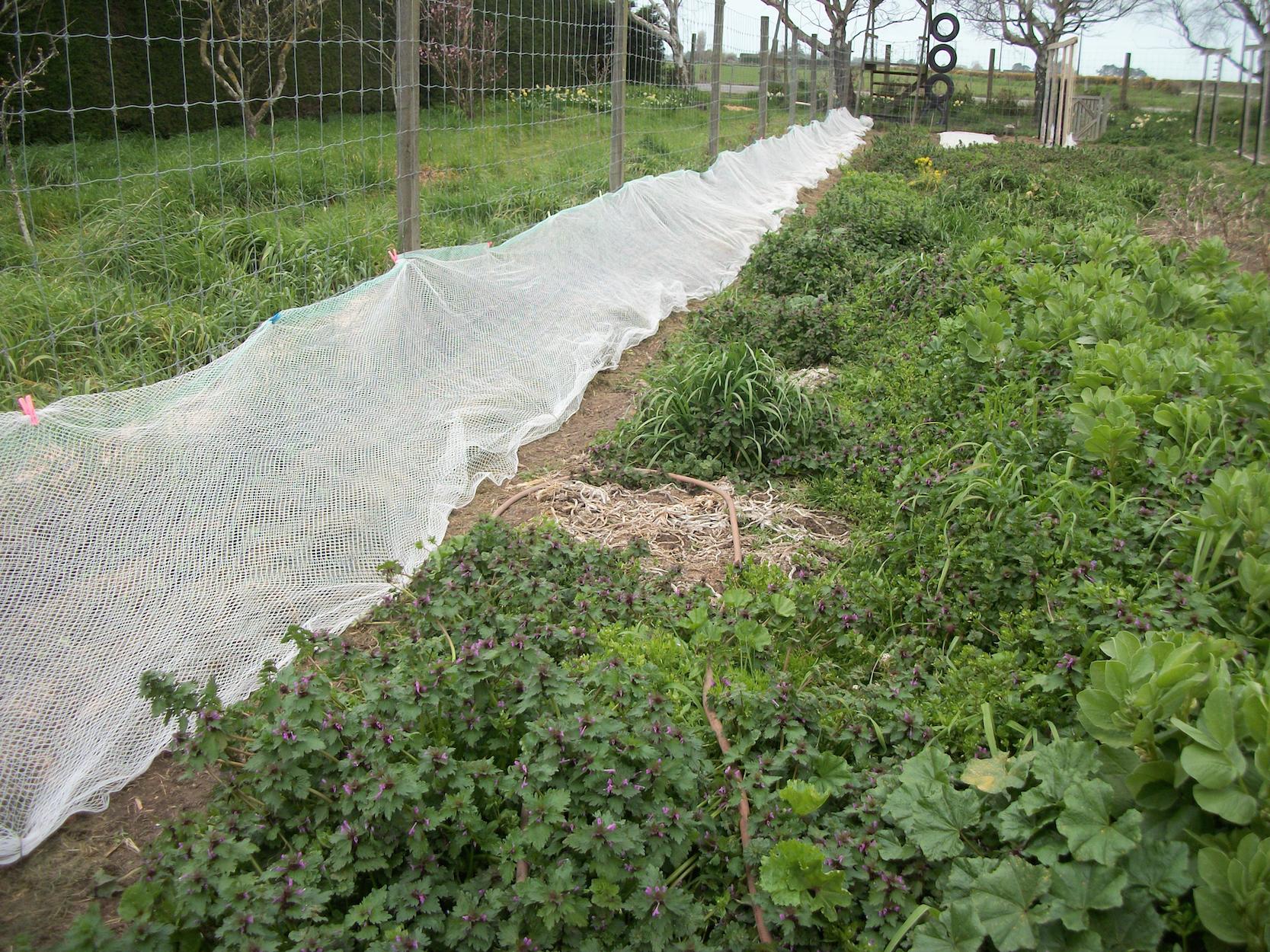
Netting covering newly-planted pea seedlings
Pests are always a concern for me—rats and mice get into my animal feed, hedgehogs eat my cucumbers, brush-tailed possums strip the bark off trees, slugs devour the strawberries, aphids infest the lettuce—but springtime is the worst season for pests.
And English sparrows are perhaps the worst pest I deal with.
Sparrows are a problem year round. In autumn and winter, they roost in the sheds, covering everything with their droppings. They rummage through the compost pile, spreading kitchen scraps everywhere. In spring and summer, they nest in the gutters, causing rainwater to back up into the house instead of going down the drains. Or they nest the sheds, where they make an even bigger mess than they did roosting there all winter.
But the most annoying thing the sparrows do is eat seedlings. They sit in the trees and watch as I plant out my peas and lettuces, then descend upon the garden and gobble them up as soon as my back is turned. Nothing is safe from them until it is at least 30 cm tall.
Until a few years ago, the damage was minimal. The neighbour used to poison the sparrows, and their population was relatively small. Since he retired and sold his farm, however, the sparrow population has increased dramatically. The new owner doesn’t poison the birds…which I’m happy about on one hand, because it is not a humane death (I hated finding dying birds on the property–horrible to watch). On the other hand, the sparrow population has reached plague proportions.
Which means spring planting is an exercise in pest control.
Everything I plant has to be covered with bird netting for a few weeks or it is eaten to the ground. And once I remove the netting, I’m sure to lose some plants as the birds strip half the leaves within a day of the covers coming off.
I suppose I should take the Panamanian approach to planting—three seeds in each hole—one for me, one for God, and one for the pests.
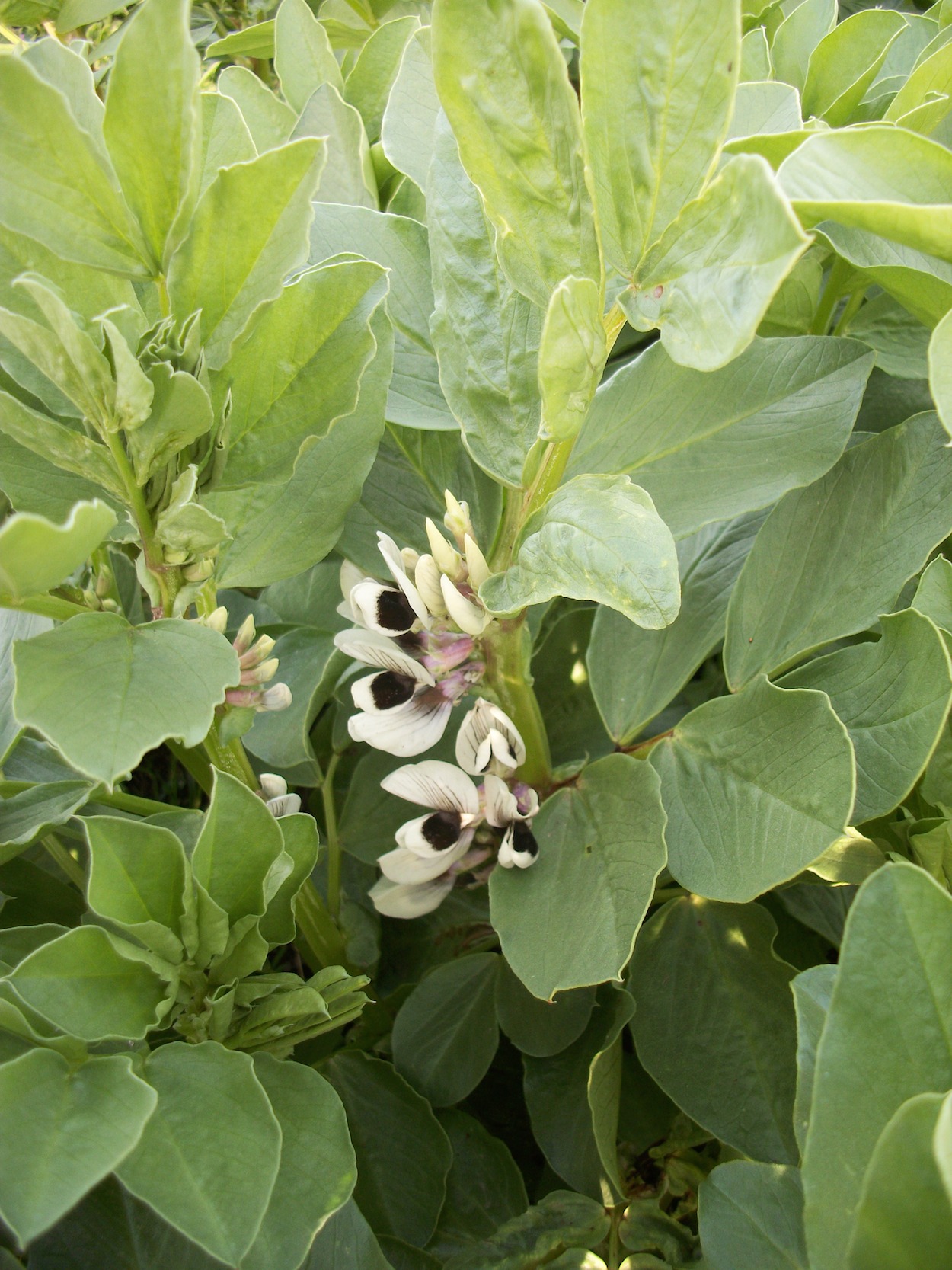 I walked past the garden on my way to the compost pile two days ago, and smelled what has become one of my favourite smells of spring.
It is sickly-sweet, and the first time I smelled it, I thought it was disgusting.
It is the smell of blooming broad beans. And I have grown to love it as a harbinger of spring.
My garden isn’t the only place smelling like an overwrought florist’s shop. Local farmers grow huge fields of broad beans, and the smell wafts into the open windows of the car as I drive by.
Unfortunately, the first blossoms are a tease. They attract primarily bumble bees in the very early weeks of spring. The bumble bees steal nectar by chewing through the base of the flower, and don’t actually pollinate the flower. I won’t get beans from these early flowers.
Later, once the honey bees are fully active, we’ll start seeing the first little beans begin to lengthen. Until then, we’ll have to make do with the smell.
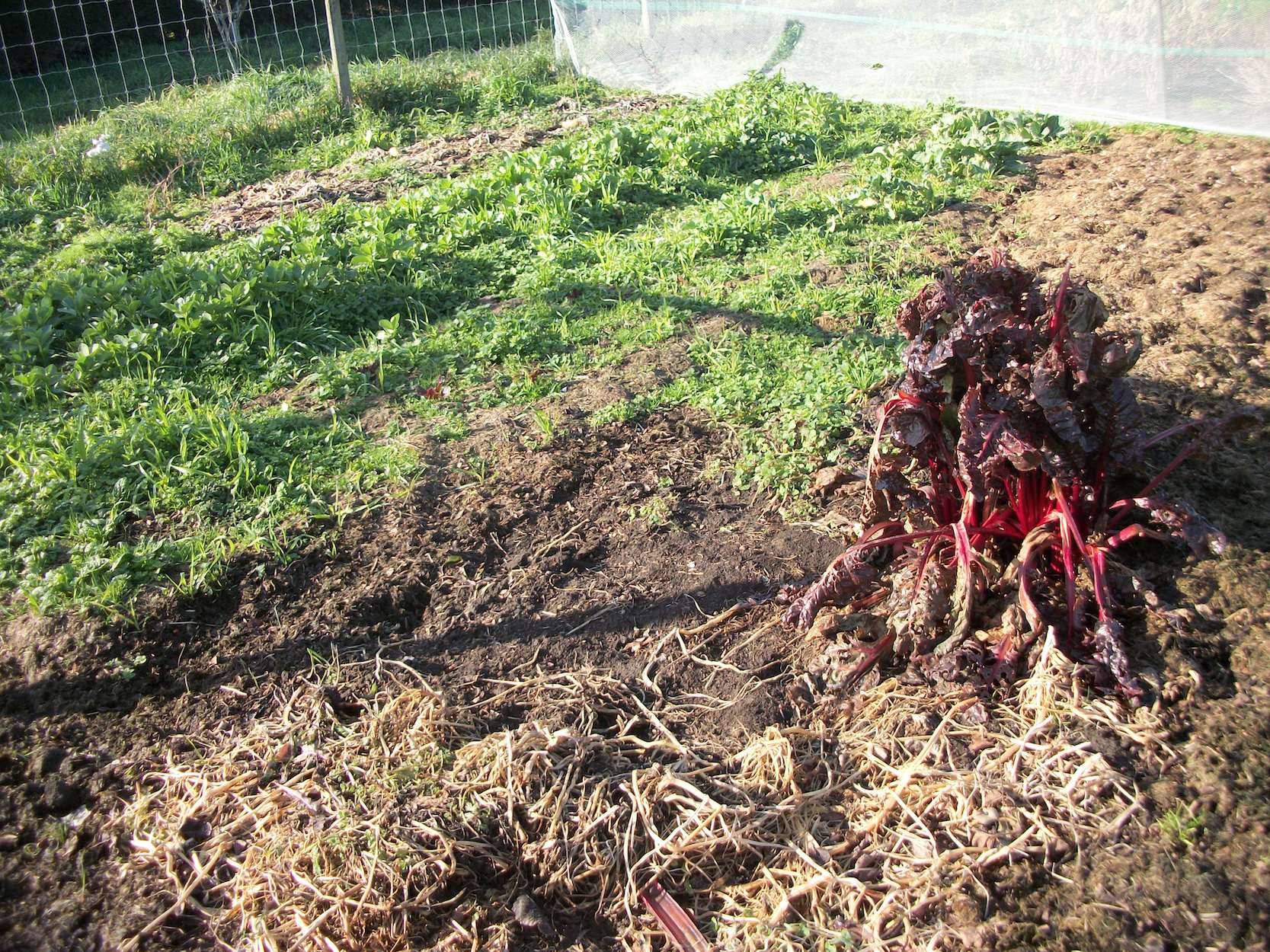
What they see…
It takes a good imagination to keep plugging away at the garden at this time of year. You’ve got to be able to see what isn’t there. You’ve got to be able to envision the possibilities. If you can’t, you’ll be overwhelmed by the weeds and the slugs, and you’ll give up before your garden even has a chance.
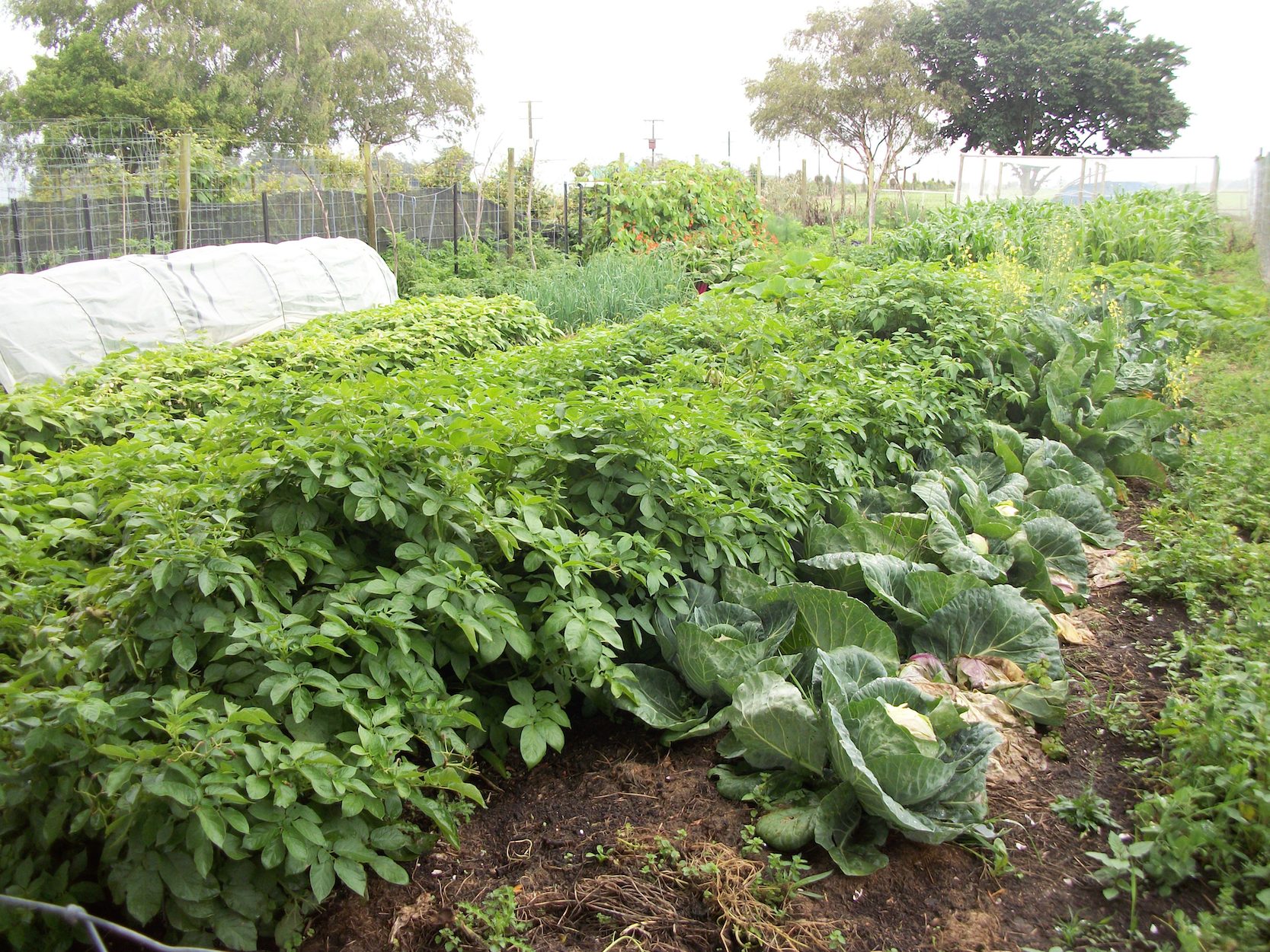
What I see.
Not unlike parenting, actually. (I do think gardening is like parenting, in so many ways!) As a parent, you’ve got to be able to envision the future—envision the competent and confident adult your child can become. Otherwise you’ll be overwhelmed by the messy room, uncombed hair, terrible manners, and unfinished homework you live with day in and day out.
Gardeners and parents both have to be able to dream a little.
 Robinne Weiss