Invasion of the Cabbage Whites

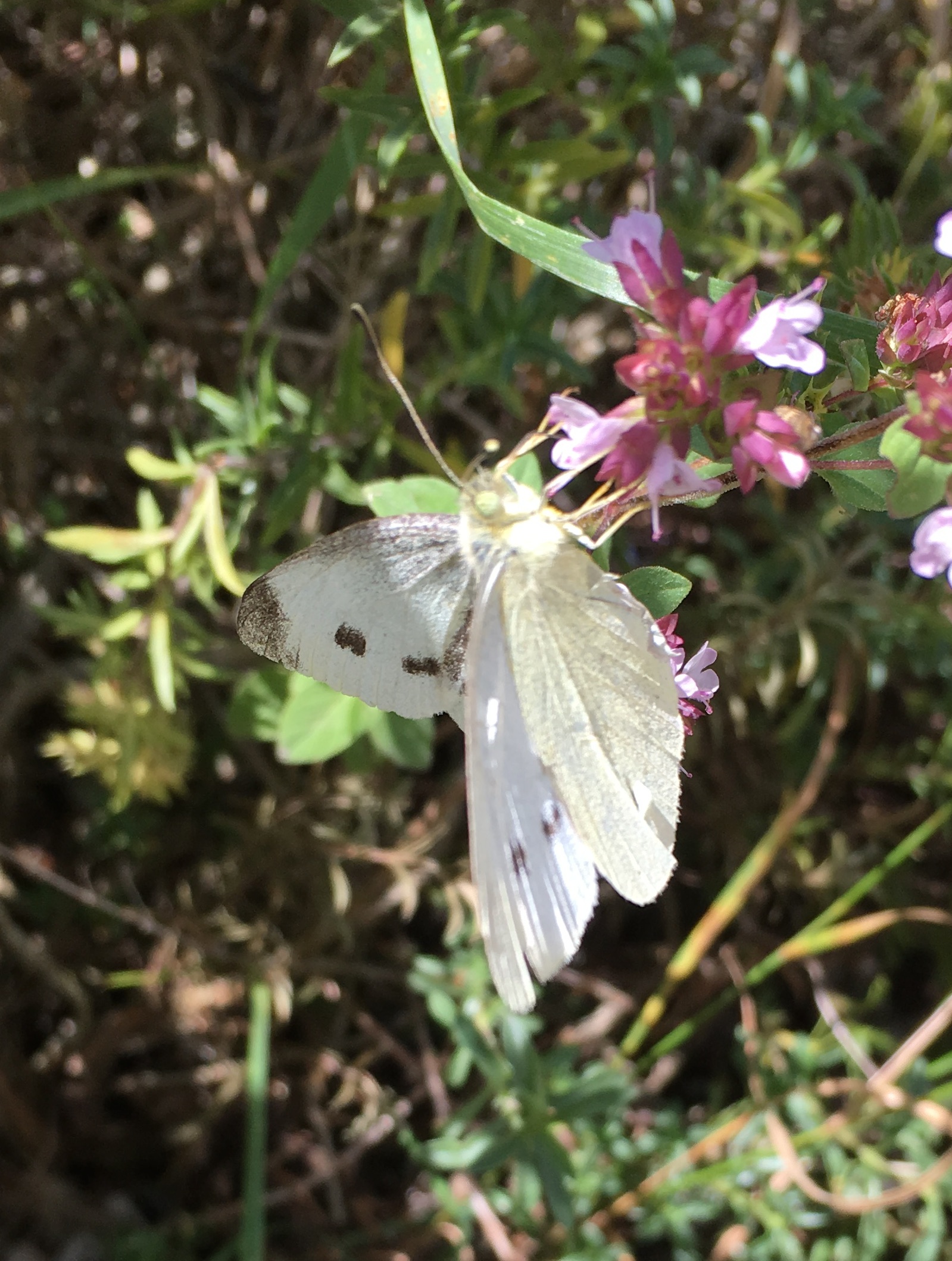
2016-03-02 14.24.23The small cabbage white butterfly (Pieris rapae) is the bane of gardeners’ existence all over the world. Native to Europe, Asia and North Africa, the butterfly is now found throughout most of North America, Hawaii, Australia and New Zealand.

In my little corner of New Zealand, the butterfly is especially common, presumably because of the huge numbers of commercial brassica crops grown here. In late summer, the roadsides shimmer with the butterflies, and their tattered wings flutter like flags in my car’s grille.

These butterflies are the reason broccoli is a seasonal crop for us. Broccoli can be grown year-round here, but mid- to late-summer broccoli becomes infested with caterpillars. For a few years, I dutifully treated my broccoli with Bt (an organic bacterial toxin that selectively kills caterpillars), but I eventually stopped bothering.

By mid-summer, there is so much other food coming out of the garden that, truth is, we don’t need the broccoli. And having a broccoli-free part of the year helps bring variety to our diets, and makes broccoli more special when it is available in winter and spring.

Sour grapes? Not at all! Just learning to work with the local wildlife instead of against it. Makes life easier for everyone!

The Beginning of the End

Pumpkins are filling out and beginning to harden off.

Pumpkins are filling out and beginning to harden off.

March 1—first day of autumn here. It is appropriately autumnal today, with a grey sky and brisk, cool wind.

But it didn’t take a cool day, or the calendar to tell me summer was coming to a close. I have been milking in the dark for weeks—a sure sign the equinox is coming. Last week, the first of the elm leaves crunched brown and crisp underfoot. The poplar trees are looking sparse. The dry beans have started to senesce—pods bleaching, yellow leaves plopping to the ground.

The coming weekend will be full of harvest activities—no time for the beach, regardless of how hot it is. Soy beans, dry beans, and corn will all need harvesting. We’ll make the year’s summer soup. I’ll make another batch of pesto for the freezer before the basil is finished. I’ll dry some tomatoes.

There will be plenty more hot days, and likely a few trips to the beach. There will be many more tomatoes, eggplants, beans, and melons. Summer’s not really over. But it’s beginning to pack its bags and get rid of whatever it can’t take with it when it leaves for the Northern Hemisphere.

Jewels in the Garden

groundbeetlesmDigging potatoes for dinner yesterday, I came across one of my favourite New Zealand insects—the metallic green ground beetle.

When I teach about this insect, I always tell the kids it’s magical because at first glance it appears to be just a large black beetle. A closer look, however, reveals shimmering green around the edges.

Some individuals are more spectacularly green than others, and the one I found yesterday was one of the most vibrant I’ve seen.

Metallic green ground beetles are welcome in the garden. As larvae and as adults they eat slugs, grass grubs, and caterpillars—some of my worst pests.

But I think that what makes metallic green ground beetles most special is that they are endemic, not just to New Zealand, but to the Canterbury region. That means they are found nowhere else on Earth but in this little region of New Zealand.

They aren’t rare or endangered—they thrive in nearly every environment. They have close relatives nearby. But I appreciate the fact they are our own unique jewels.

Wilting

2016-02-26 12.56.09 smOh, limp plant!
I know how you feel
When the wind blows hot
And the brain cells congeal.
And you’d give all you own
For a cool glass of water
But nothing will help
As the sun burns still hotter.

And you know it must end,
But it all comes to grief
When the sun goes down
And you get no relief.

For the night wind, too,
Blows hot and blows dry,
And your leaves stay limp
Though the moon’s in the sky.

Then, just before dawn
You feel the wind shift.
And you pray for some rain,
That life-giving gift.

As the drops start to fall
You breathe a great sigh
And lift your leaves up

To give thanks to the sky.

Sing to Your Plants

DSC_0006smMy plants are fond of show tunes—Oklahoma!, Pirates of Penzance, The Music Man.

At least, I hope so, because I sing show tunes in the garden.

Sometimes I switch up the words so the song is appropriate to the moment:

Oh what a beautiful eggplant!

Oh what a beautiful bean.

I’ve got a wonderful feeling

I’m going to eat like a queen.


I sing to the chickens and goats, too, though they prefer folk songs.

Oh my chickens, oh my chickens,

Oh my darlin’ little birds.

You’re revolting, you’re disgusting,

You’re obnoxious little turds.


I don’t know if any of my charges like it. I don’t believe that my singing will actually make my plants grow better. But when I’m pulling stubborn weeds, mucking out the chicken house, or trimming goat hooves, I can either grumble or sing. I choose to sing.

Feijoa

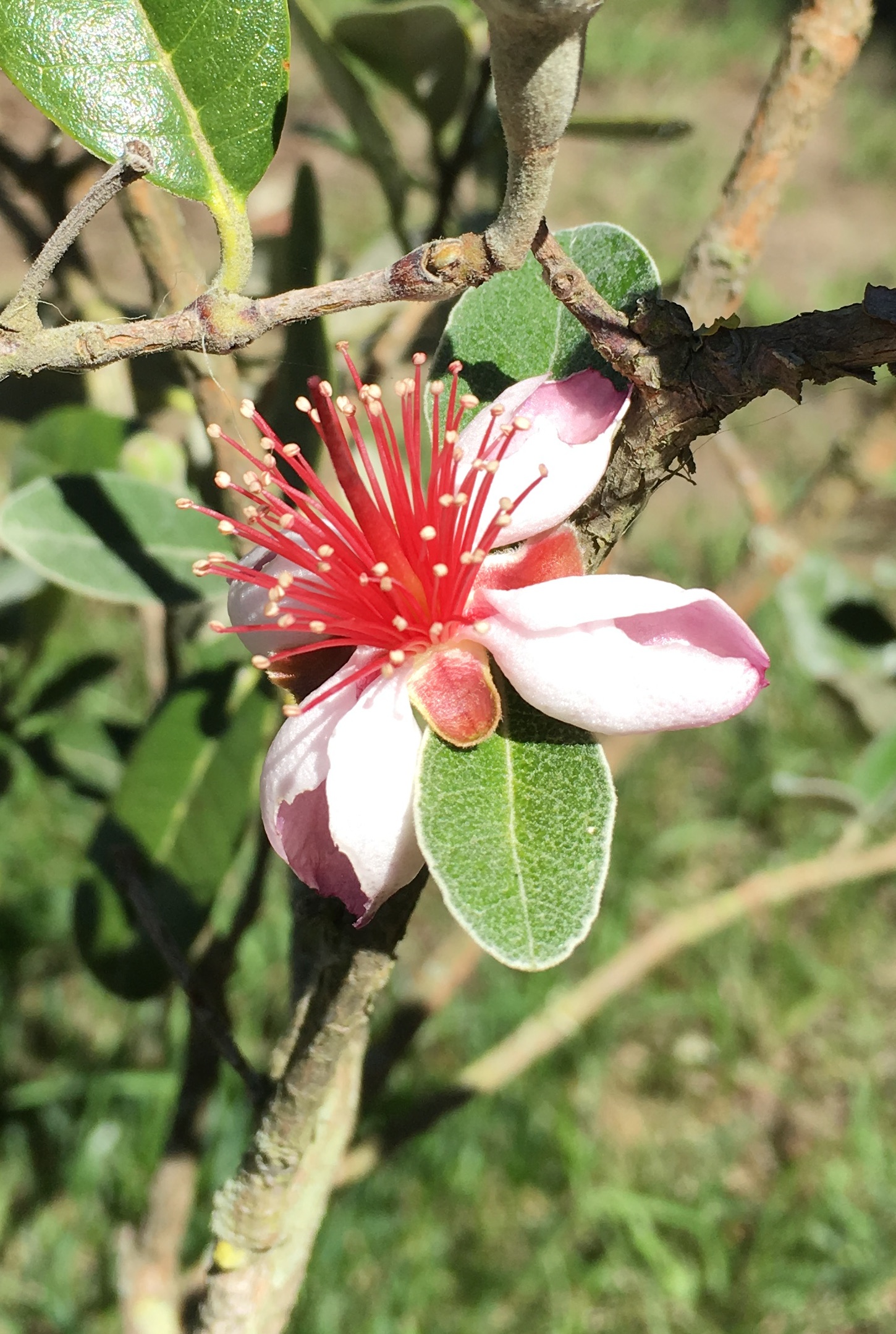
2016-02-01 15.35.52 cropI had never heard of the feijoa before arriving in New Zealand, though it is native to South America and is grown in various locations around the United State. I’m afraid that even after eleven years, I’m still not fond of feijoas. In fact, I can’t even stand having them in the house—the smell alone makes it hard for me to breathe.

Wikipedia says, “Feijoa fruit has a distinctive, potent smell that resembles that of a fine perfume.” Which may explain my response to the smell and the taste, as I have to walk out of the room if anyone enters wearing perfume.

Still, we have two small feijoa trees. Planted too close to our macrocarpa hedge, they have never produced fruit (for which I am grateful), but they do flower. Their flowers are stunning, and I’d grow feijoas any day, just to see these tropical-looking beauties.

Throwback Thursday—Amas de Casa

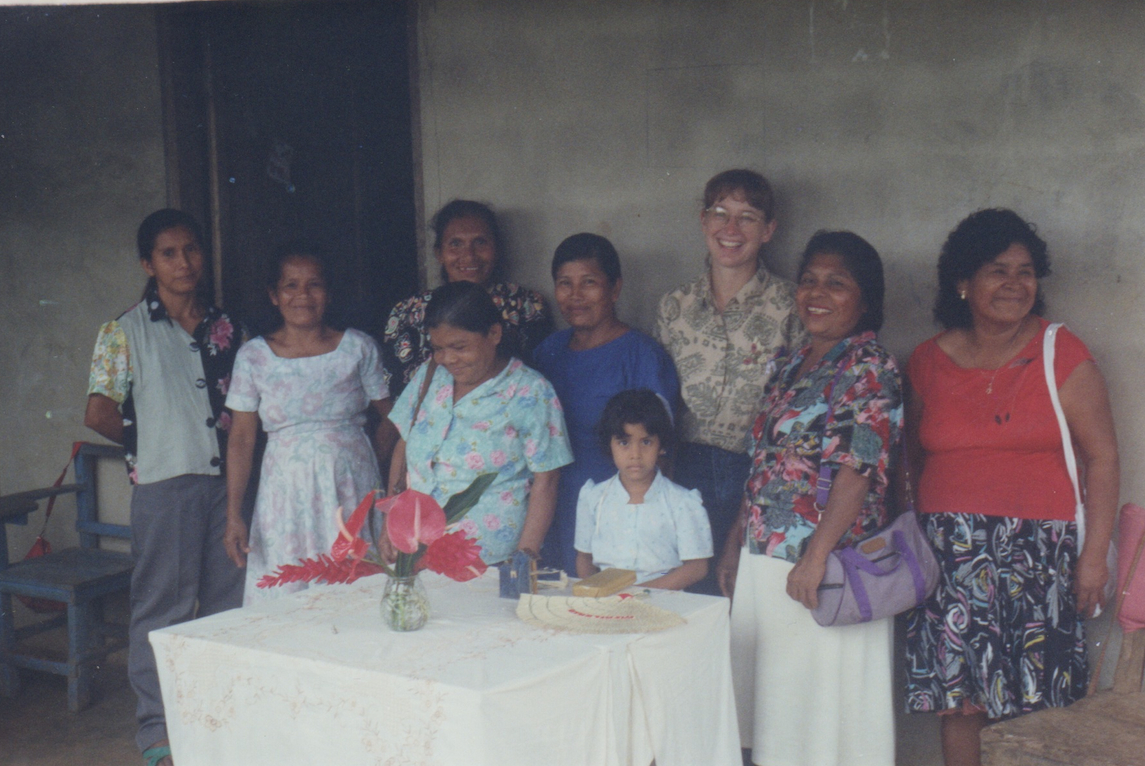
AmasdeCasasmI thought I’d take a trip down memory lane today and share this photo of some of the women I worked with as a Peace Corps Volunteer in Panama.

I regularly joke that this is my favourite photo ever, because it’s the only one in which I look tall (at 5-foot 2, I towered over most everyone in my village). But that isn’t really why I love this photo. I love it because of who is in it.

These women were all part of the Membrillo Amas de Casa (housewives) group. These women welcomed me into their group, and taught me so much. Together we created a tree and medicinal plant nursery. We created a demonstration garden using soil conservation techniques. We made bollo for Carnival. We laughed, we drank coffee, we shared our lives.

Two of the women were particularly special to me.

Onofre Gonzalez, the woman to my right, taught me that when it comes to using a machete, it’s attitude that matters, not size. Onofre could take down a tree in seconds with her little, wickedly sharp blade. She once snicked a palm viper’s head off right in front of me with her machete before I even saw the snake. She carried loads on her head, feeling the path with her bare feet like a cat.

To my left is Francisca Chirú. She and her husband, Cándido, adopted me and my husband into their family, though we did not live with them. They embraced us as though we were long lost friends, and we became a regular fixture at their house. They taught us to weed, included us in their family celebrations, and shared their lives with us.

All these women were incredibly strong, creative, and loving. Even 22 years later, I am still honoured and humbled by their acceptance of the tall white stranger among them.


Apricots…with recipe

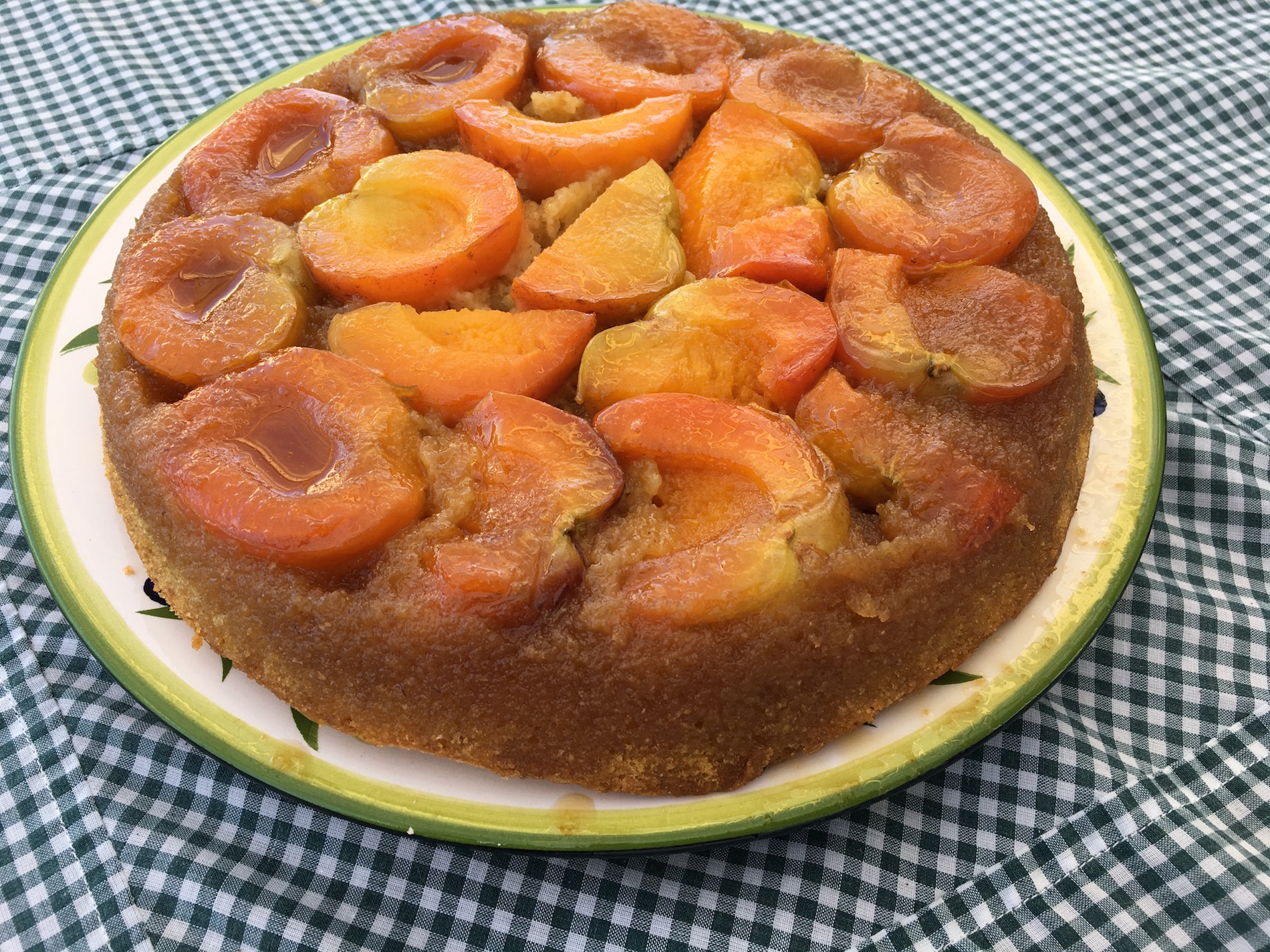
2016-02-16 18.53.39 smAs I wandered through the pond garden yesterday evening, watching the fish and the damselflies, I noticed that the apricots had blushed. I tested one. It was soft and ripe—so ripe, the juice dripped down my arm when I bit into it.

This was the first year the apricot tree has given us anything, and the wind stripped many of the fruits a month ago, but there were still about two dozen on the tree, and they were all ready to pick.

So this afternoon, I made apricot upside down cake—for the second time in a month. This time, I’ll give you the recipe…

This is adapted from a recipe in the 1997 edition of Joy of Cooking.

Melt 3 Tbsp butter in a 9-inch (20cm) cast iron skillet or round cake pan. Tilt the pan to coat all sides with butter.

When the butter is melted, sprinkle ½ cup brown sugar evenly over the bottom.

Arrange apricot halves, cut side down in the bottom of the skillet, completely covering the bottom.

Whisk together in a medium bowl:

2 large eggs

2 Tbsp buttermilk

½ tsp vanilla

Combine in a large bowl:

½ cup all-purpose flour

½ cup whole wheat flour

½ cup brown sugar

¾ tsp baking powder

¼ tsp baking soda

¼ tsp salt

Add to the flour mixture:

6 Tbsp softened butter

6 Tbsp buttermilk

Beat on low speed just until the flour is moistened, then increase the speed to high and beat for 1 ½ minutes. Add one-third of the egg mixture at a time and beat 20 seconds after each addition. Pour batter over fruit.

Bake at 180C (350F) for 35-40 minutes. Cool in the pan for 2-3 minutes before unmolding. To turn the cake out, run a knife around the edge to ensure the cake has separated from the pan. Place a plate on top of the pan and quickly flip pan and plate together. Carefully lift off the pan.

Harvest

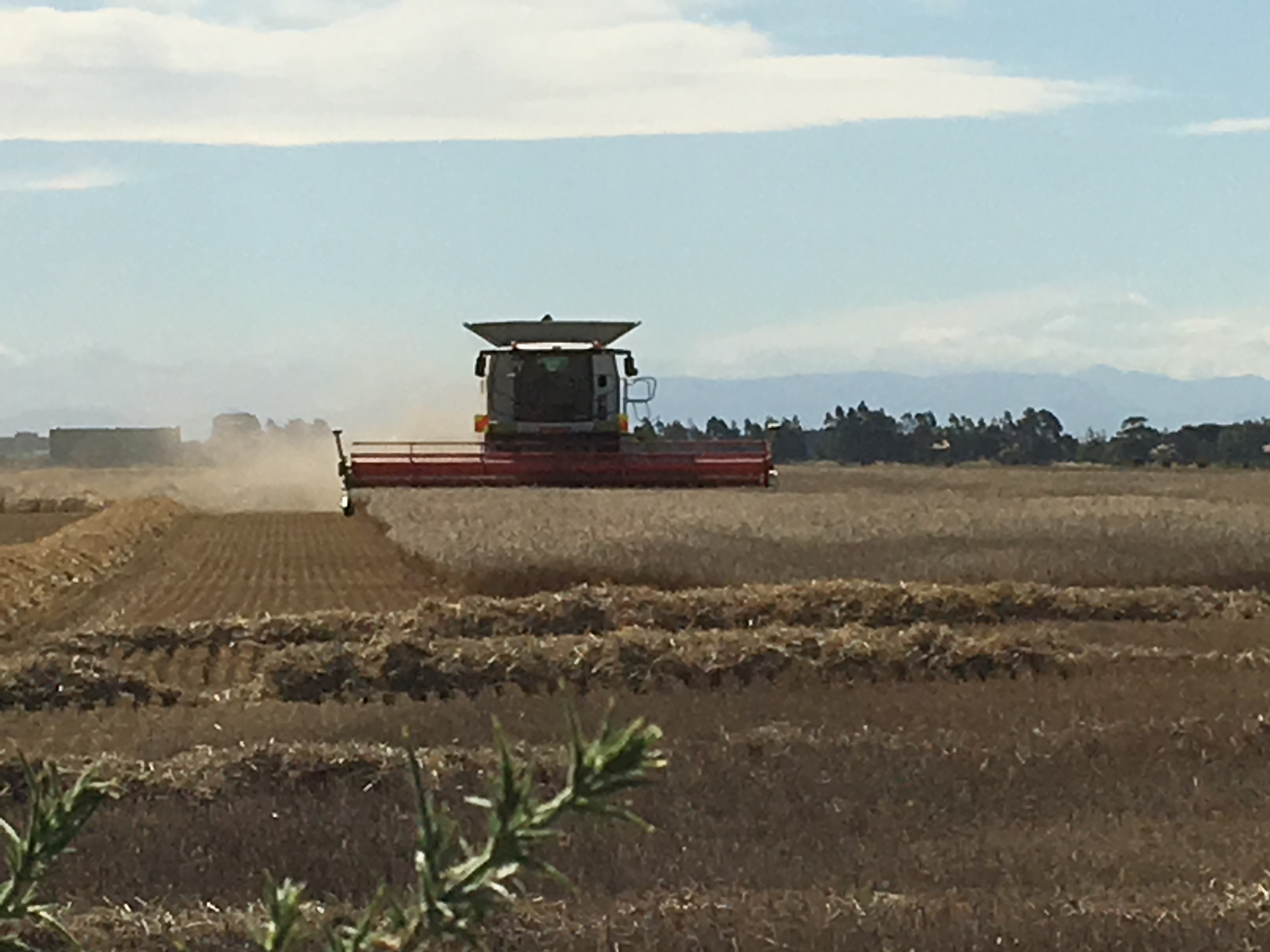
2016-02-16 16.41.47It’s time to harvest barley.

For us that means the rumble of combine harvesters all day and long into the night.

And it means realising how tiny our property is. Never does our property feel so small as when the neighbour harvests next door.

He’s been harvesting for weeks—distant fields—but today he cut the barley behind our house. The harvester dwarfs every building on our property. If I planted every inch of our land in barley, he’d be able to harvest it in just a few passes.

When he drives down the road between fields, the machine fills the road entirely—good thing there’s little traffic out here.

It’s a reminder of the massive scale modern agriculture works on. And these Canterbury farms are nothing compared to the ones in the Midwestern US.

It’s also a reminder that my view of agricultural life, as a “subsistence” farmer is entirely different from my neighbours’ views.

I count my plantings by the square metre or by the plant, they measure theirs in the tens of hectares.

I measure the harvest by the colander, they by the truckload.

My tools are a hoe, a spade and a knife—at a garage sale, you might buy them all for under $20. His tools include multiple machines clocking in at over $100,000 each.

I can produce $50,000 worth of food over the course of a year. He can lose twice that amount in a bad storm.

My soil and water conservation strategies—mulching with grass clippings, using drip irrigation, composting everything—don’t scale up to two hundred hectares. Nor do my planting, harvest and storage techniques.

There is very little resemblance, in fact, between what I do and what my neighbours do, though we both produce food.

And so, I stand and watch in awe as the harvester roars by and the trucks fill up with grain.

And he marvels at the variety and quality of my summer squash and beans.

And we find our common ground in the sun, wind and rain that rules us both.

Water gardens

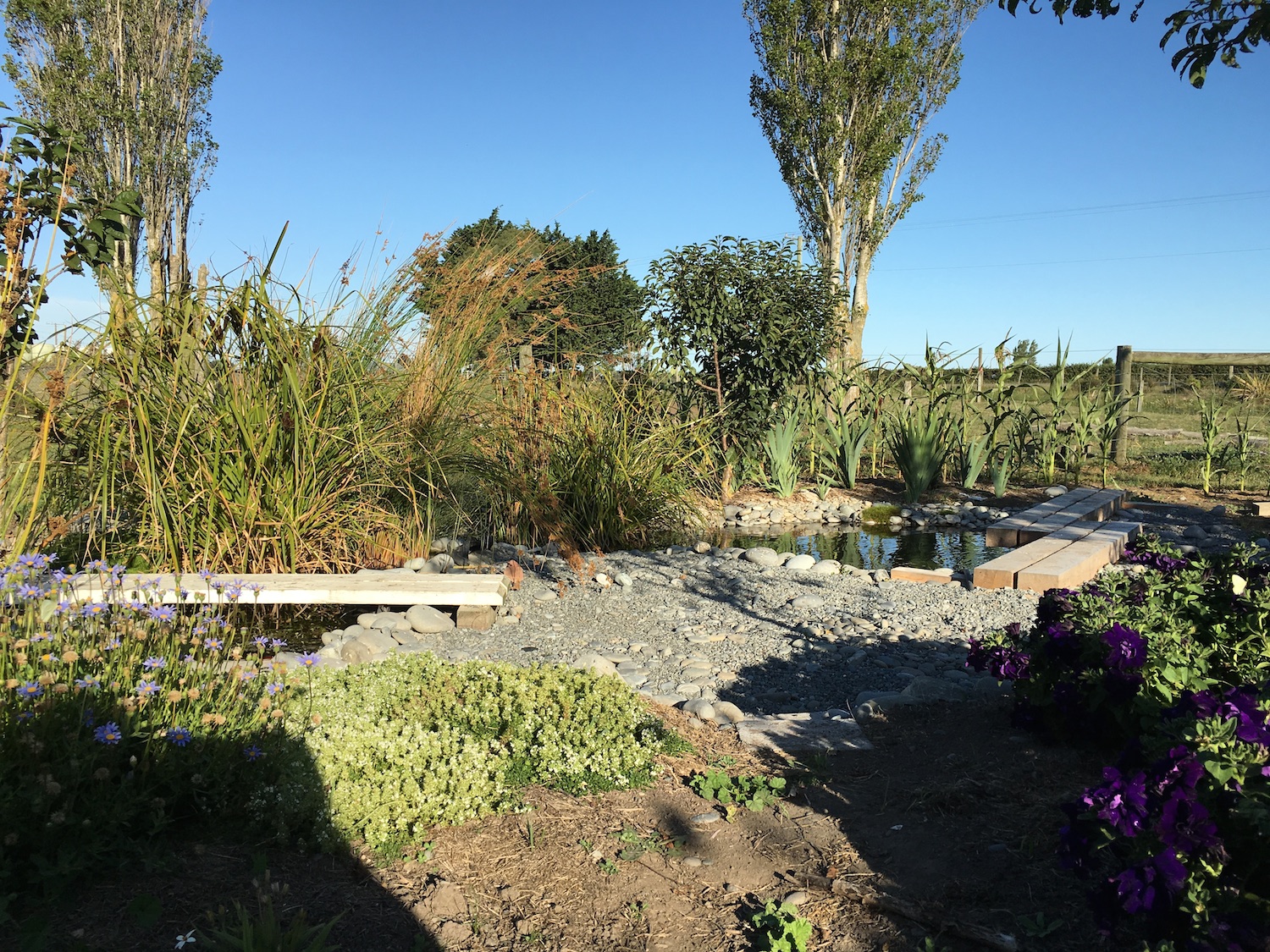
2016-02-15 18.46.03 smMy husband always wanted a water garden. In our pre-children days when we rented, he put a tiny fountain in a half-barrel, but it didn’t really satisfy him.

Within minutes of moving in here, he was scheming a “real” water garden.

It took about eight years for him to get to it. It was necessarily lower on the to-do list than re-piling the house, replacing weatherboards, remodelling the kitchen and bathroom, creating a third bedroom, and a host of other tasks.

And then when he started it, it took a lot of planning, digging, refilling, and digging again to get the basic structure right.

Then there were countless trips to the beach to collect the rocks to line it and complete the landscaping around it.

Then two years to kill off the twitch around it so he could even think about planting perennials there.

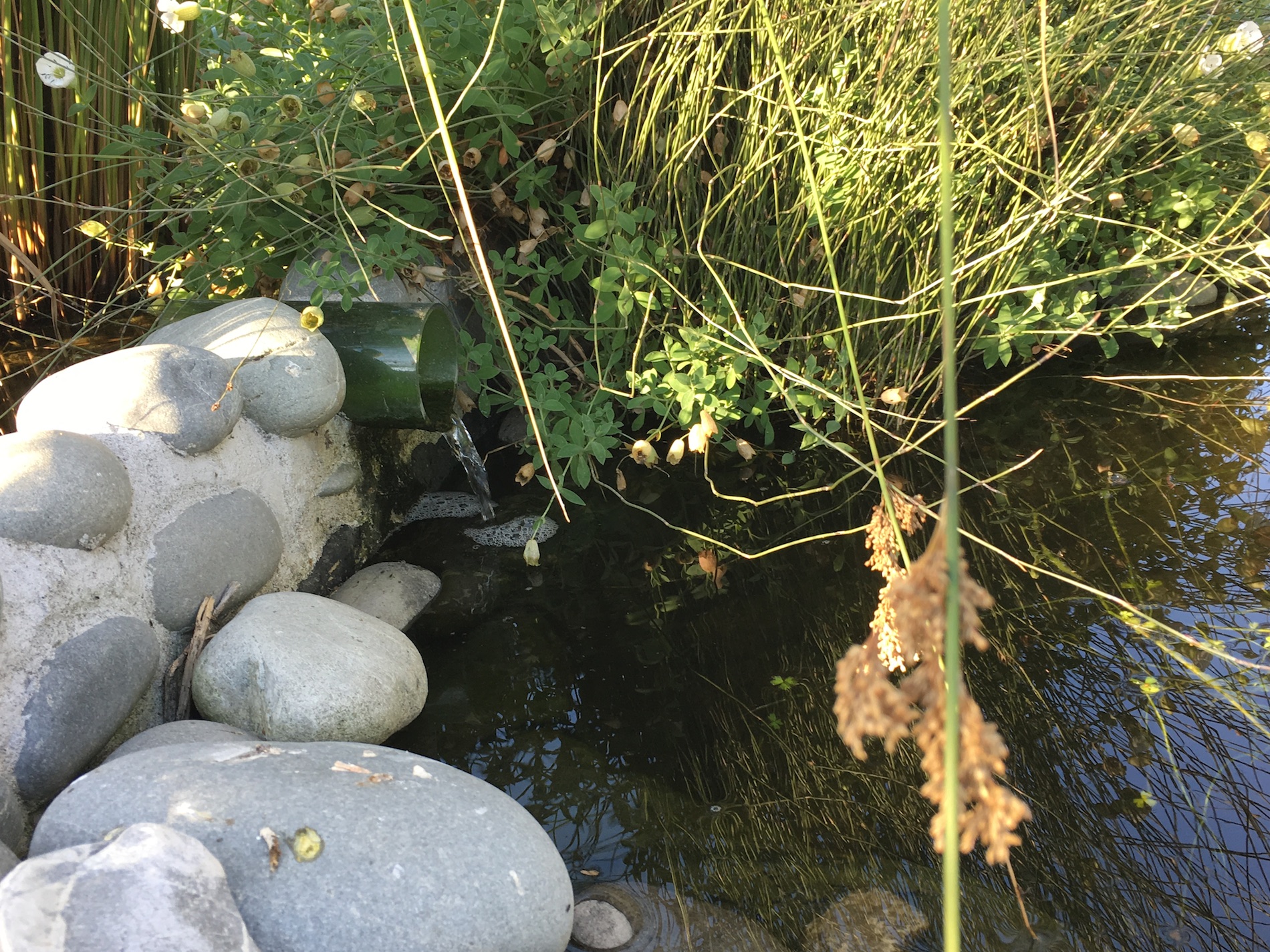
2016-02-15 18.48.44 smAdd dozens of broken wine bottles in his attempts to create the little waterfalls coming down the hill toward the pond.

A solar pump to keep the water flowing, nine goldfish (now blossomed to a standing population somewhere around 40), two bridges, and a whole lot of plants, and it’s looking quite settled into place.

We all enjoy the garden. I could sit for hours watching the fish and the invertebrates in the water. The birds love to bathe in it, and the cat loves to prey on the birds bathing in it (he likes to drink from it too—must taste fishy). Herons come and snare fish, and the plovers hang out around it in springtime.

The pond garden has become something of a potager, too, with fruit trees, herbs, vegetables, and annual flowers nestled together with an eclectic mix of native and non-native perennials. A lovely change from the rank grass that filled the space for the first eight years we lived here!