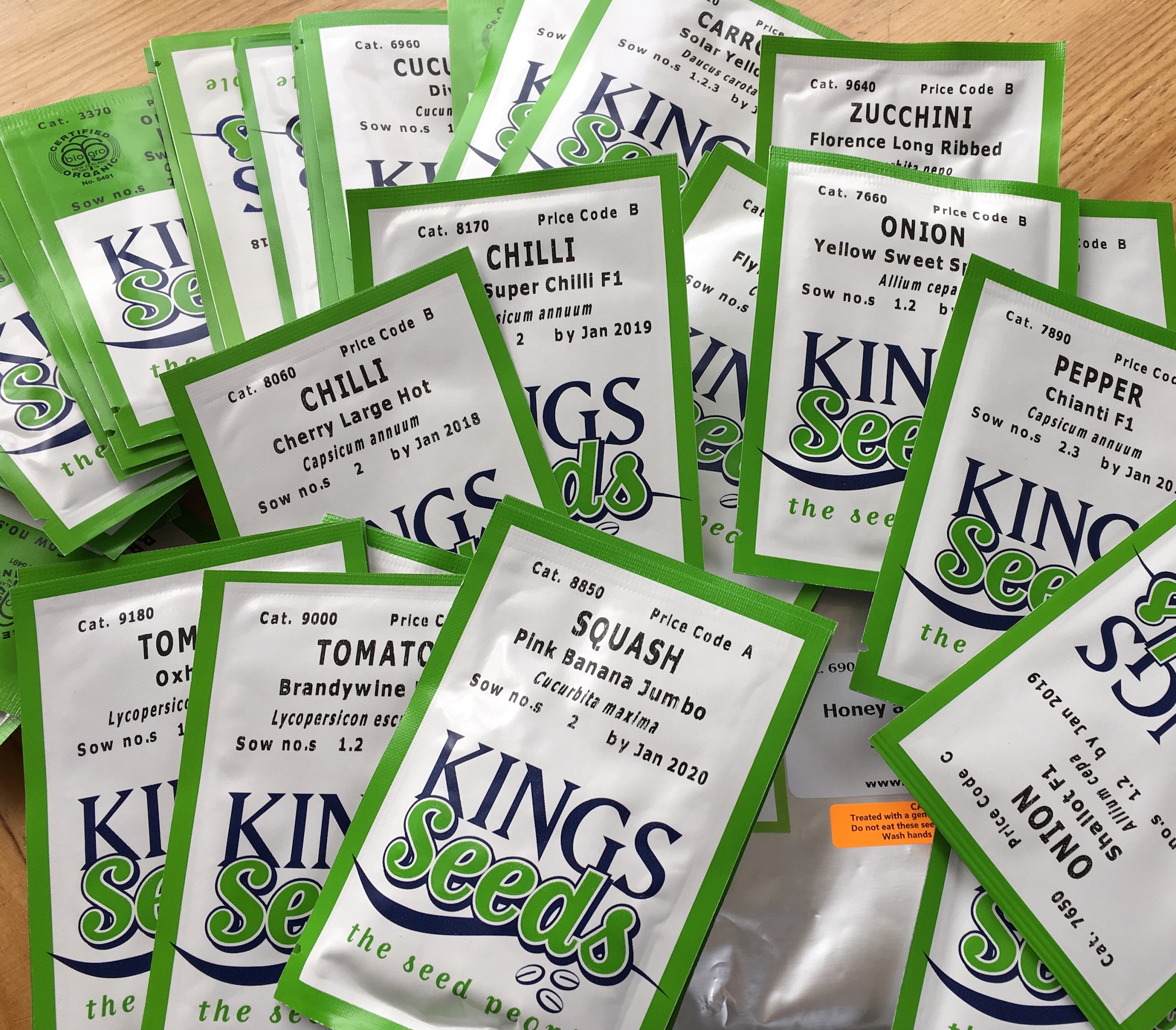
 Never mind it’s been raining heavily since 2 am, and the garden is half underwater. The seeds have arrived! I can sort and file them, plan where they’ll go in the garden, and dream of sun-warmed tomatoes as enjoy a cup of tea by the fire this evening.
gardening
Planning Season
 It’s that time of year again, when I eagerly await the seed catalog. The garlic has been planted, and I’ve made a list of the seeds I have and the seeds I need. I’ll determine what seeds I want once the catalog arrives.
I’ve created the garden map for this coming season, but haven’t yet filled in the spaces. I’ll wait for some cold, nasty evening to do that.
I’ve been eyeing the garden itself, too. There’s still clean-up work to be done out there, and there are big mallow plants to be pulled (the chickens manage many of the weeds, but they can’t deal with mallow). I keep telling myself it won’t be long before I can get out there again. It’s a bit of a lie—it’s still six weeks before I can realistically start preparing the garden for spring. But if I keep myself busy with planning, spring will be here before I know it.
That’s my hope, anyway.
Winter Roses
 It was -3°C (27°F) yesterday morning, and only 8°C (46°F) in the house when I got up to light the fire. The days are short and often rainy. Nights are long. Towels in the bathroom never dry.
Sometimes it can feel miserable.
But over the weekend, I picked roses.
And I have to remind myself that at the winter solstice in Minnesota, I was hacking parsnips out of the frozen ground with a pickaxe, and months would go by without the temperature rising above freezing. The day my daughter was born, the noontime temperature was -31°C (-23°F). I used to teach snowshoeing. The winter we moved to New Zealand, the ground froze to 3 metres (10 ft) deep–froze people’s septic systems for months. Winter was real and deadly.
By contrast, I have not worn a winter coat since we moved here twelve years ago.
The lawn needs mowing year round.
I grow a winter garden (and the vegetables don’t freeze solid).
I pick roses.
Hard to complain about that.
Giant Pumpkin
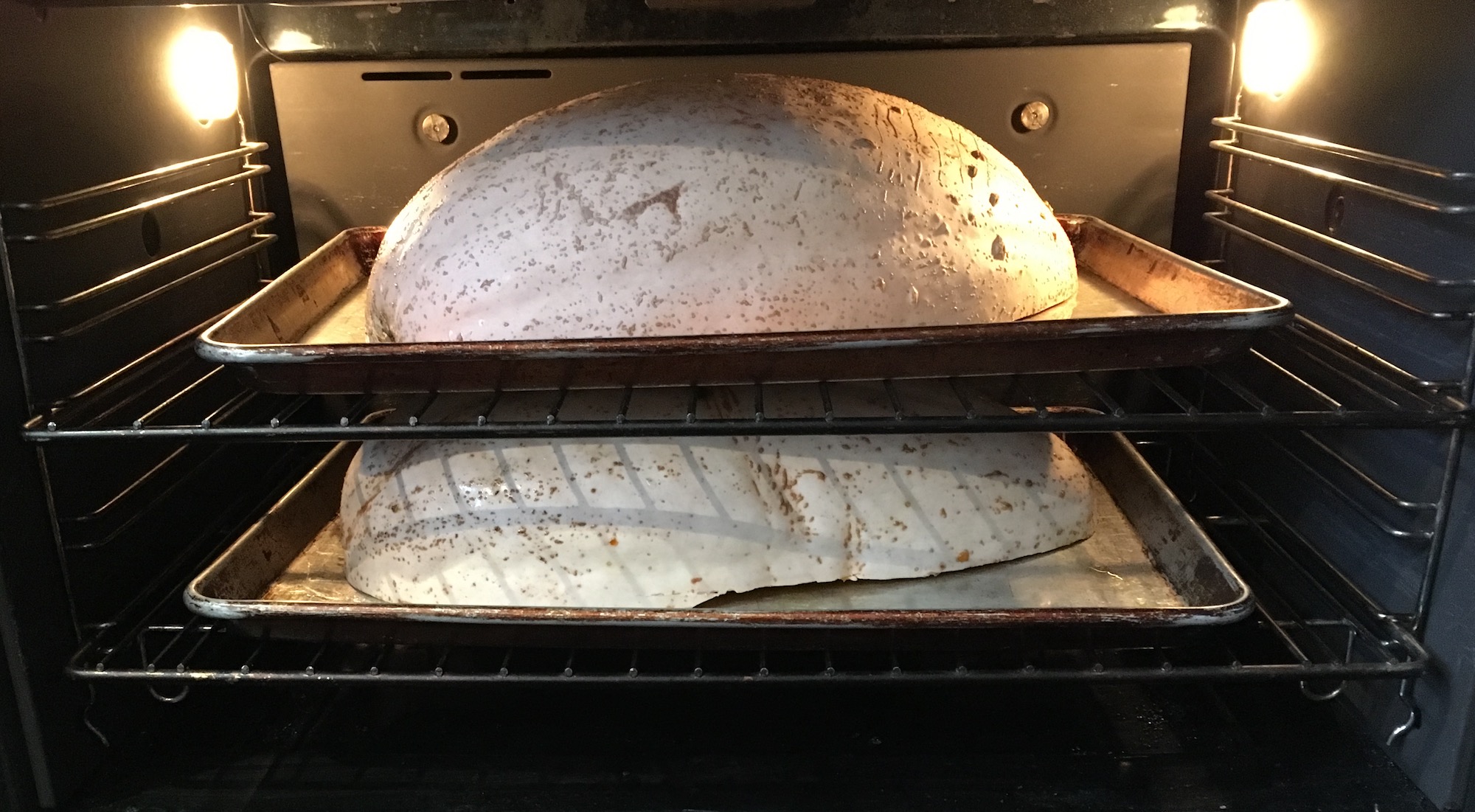 I made pumpkin soup for dinner yesterday. I chose to use a jumbo pink banana squash for it, because their flesh is quite moist–perfect for soup.
I like to bake my pumpkin when I use it for soup. I cut the pumpkin in half, scoop out the seeds, and bake the halves, cut side down, on an oiled baking sheet. I tuck a few garlic cloves into the hollow under one half, and end up with beautifully roasted garlic for the soup.
The only problem is that the pink banana squash really are jumbo. I knew the largest one wouldn’t fit into the oven, so I chose the next largest one. I barely managed to squeeze both halves in together. For the soup, I used only one of the halves, and it made enough for two meals.
That’s some serious pumpkin!
Name that dinner…
 While doing the afternoon chores today, I considered what I would make for dinner. Before I came inside, I gathered some of the ingredients I needed from the garden and from storage in the shed.
Can you guess what vegetable I paired with these flavourful ingredients?
Yep.
You got it.
Pumpkin.
Truthfully, I didn’t decide exactly what I was making until after I gathered these seasonings; I only knew I wanted pumpkin. And to me, there’s nothing that says pumpkin like sage, thyme, onion and garlic. (Unless, of course, you’re talking sweet pumpkin, in which case it’s cinnamon, nutmeg, and allspice.)
I think many gardeners do this. We look at what vegetables we have on hand, and often know the ingredient list for our meals long before we know quite what we’re making.
Tonight I used my pumpkin in a cheesy pasta, but it could have just as easily become risotto, galette, or pot pie with very little change in ingredients.
Of course, the only reason I think sage and thyme when I consider pumpkin is because of my cultural background. If I were Indian, I might pair my pumpkin with cumin, coriander, garam masala and turmeric for a spicy pumpkin curry.
It’s what keeps gardeners from getting bored of eating the same vegetables day after day. Small changes can make a big difference in the final product.
Geeky Pruning
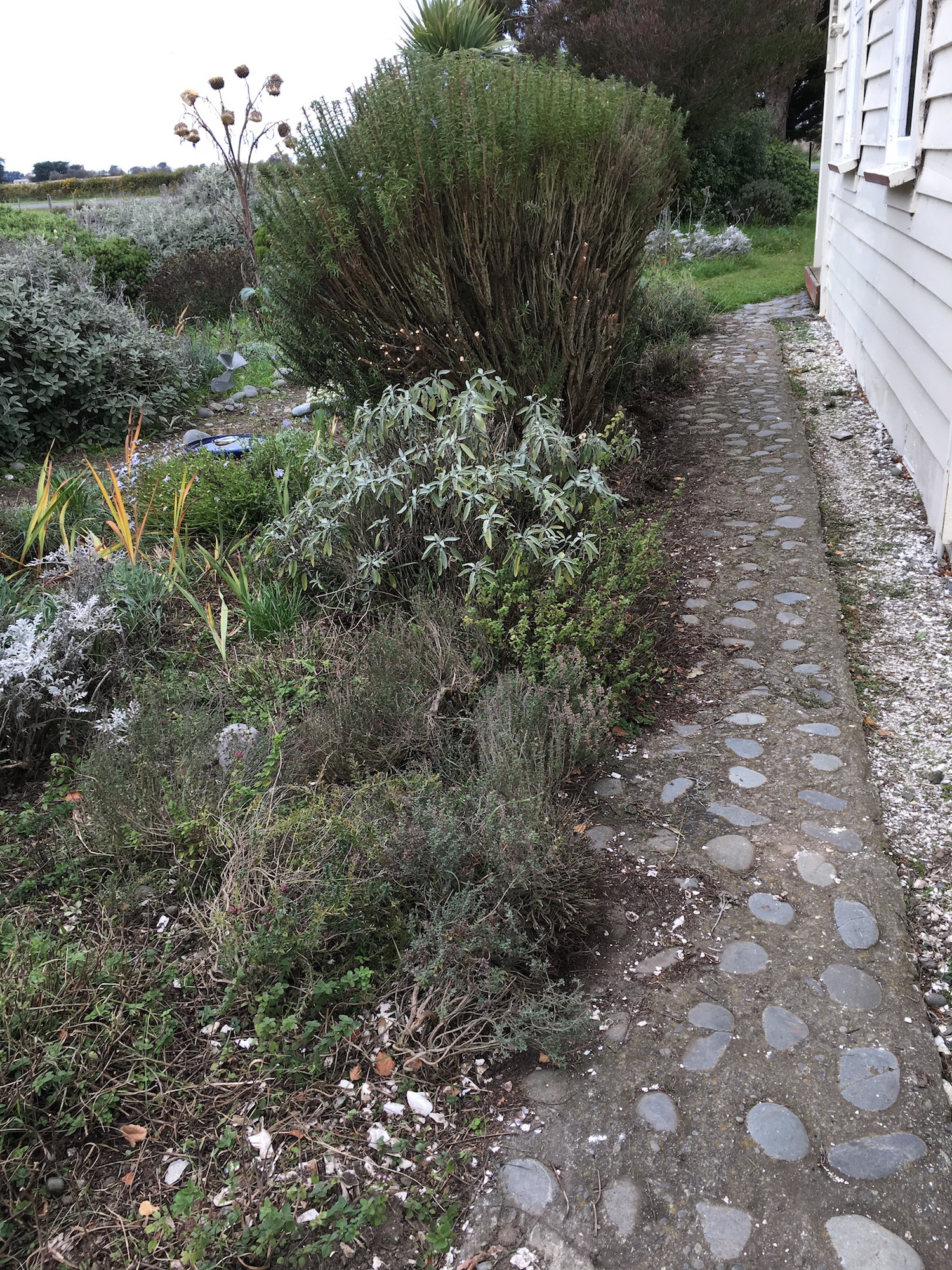
The newly cleared path and scalped rosemary.
The job had been hanging over me for two years. Every time I went to trim the rosemary bushes by the side of the house, I found them being heavily used by insects and couldn’t bring myself to disturb them. I finally had to admit that there was never going to be a good time to prune them.
So this weekend, when I found I could no longer use the path between rosemary bushes and house, and the bushes were nearing two and a half metres tall, I decided it was time to prune.
Pruning the rosemary is never a fun job—the wood is hard as nails, and every branch seems to need a different size pruning tool than the last one. To make it worse, this time the job took twice as long as it might have, because I checked every branch for preying mantids and mantid egg cases.
I shifted six adult mantids to other plants and collected eleven egg cases by the time I was done. I’m sure I missed some, but I’ve tucked the egg cases into a cage to protect them over winter, and when they hatch out in springtime, I’ll release them back to the rosemary.
A bit geeky? Yeah, I suppose it is. But there was never any question about me being an entogeek. This way, I get my path back, and I get to keep my bugs. Everyone’s happy.
Making It Up as I Go
 Last Friday, the stars aligned for a cheese and onion tart—I had pie dough already made, a batch of chevre that needed to be used, and plenty of eggs and shallots.
I couldn’t be bothered looking up a recipe, though I knew I’d posted one here before. Instead, I made it up as I went along.
I knew I wanted plenty of onions, and I wanted them sautéed slowly until they were browning. So I got them going.
I knew my normal quiche used three eggs, but I wasn’t going to use more than a splash of milk in this, so I whisked up four eggs and a glug from the milk bottle.
I like thyme with eggs and cheese, so I picked some and tossed it into the onions.
And cheese. Lots of that. I spread a thick layer of chevre on the bottom of the pie crust, topped it with my onions, and poured the eggs over it all.
What could go wrong?
Nothing, apparently. It was divine.
And that is the best part about cooking, I think—being inspired by wonderful ingredients, and following your own tastes to create delicious food.
Lemongrass
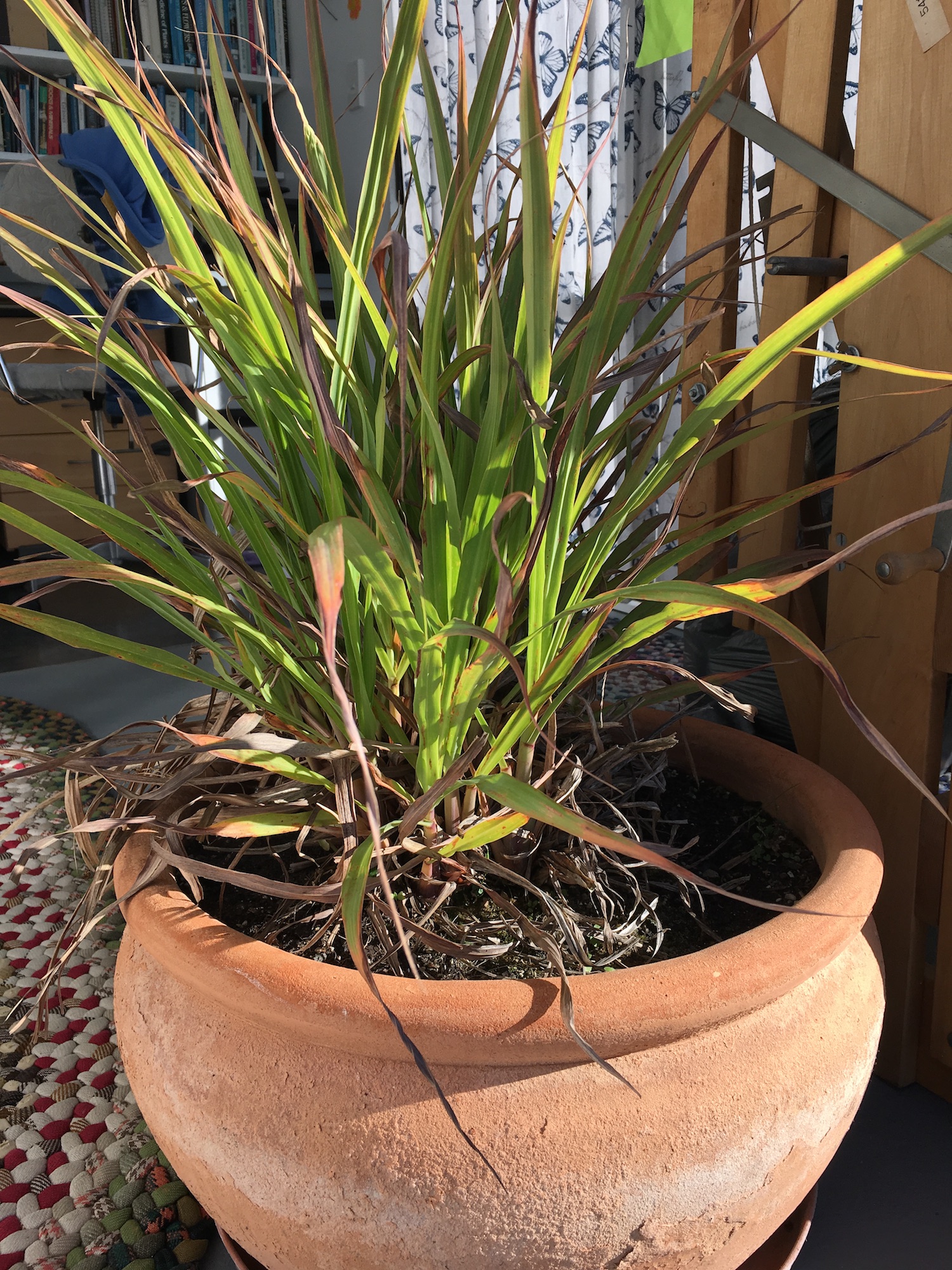 I brought the lemongrass (Cymbopogon citratus) indoors last weekend. It’s not supposed to be able to handle freezing temperatures. It does, but it doesn’t like them. The one winter I left it outside, it died back to just a few well-protected shoots in the centre of the plant.
Thankfully, it doesn’t need much protection. My office is unheated at night, but it provides enough protection to keep the lemongrass alive.
We don’t use much lemongrass. Though its lemony flavour is nice, it doesn’t have the sourness of real lemon, so I find lemongrass tea too sweet.
However, we do occasionally use it in stir fries, marinades and salad dressings, where it imparts its lemony flavour alongside other, more sour ingredients. We were first introduced to its use in salad dressings by Yotam Ottolenghi’s wonderful cookbook Plenty (which I’ve mentioned before). His sweet winter slaw recipe calls for the following dressing:
100ml lime juice
1 lemongrass stalk, chopped
3 Tbsp maple syrup
2 Tbsp toasted sesame oil
1 tsp soy sauce
1/4 tsp chilli flakes
4 tbsp light olive oil or sunflower oil
Place all ingredients except the oil in a saucepan and boil for 5-10 minutes until thick and syrupy. Allow to cool, then strain. Whisk in the oil and toss with your salad.
It’s an excellent way to use lemongrass, pairing with salty, oily, and sour ingredients that enhance its flavour. It’s worth giving up office space to the plant, just for this dressing.
Colours of Autumn
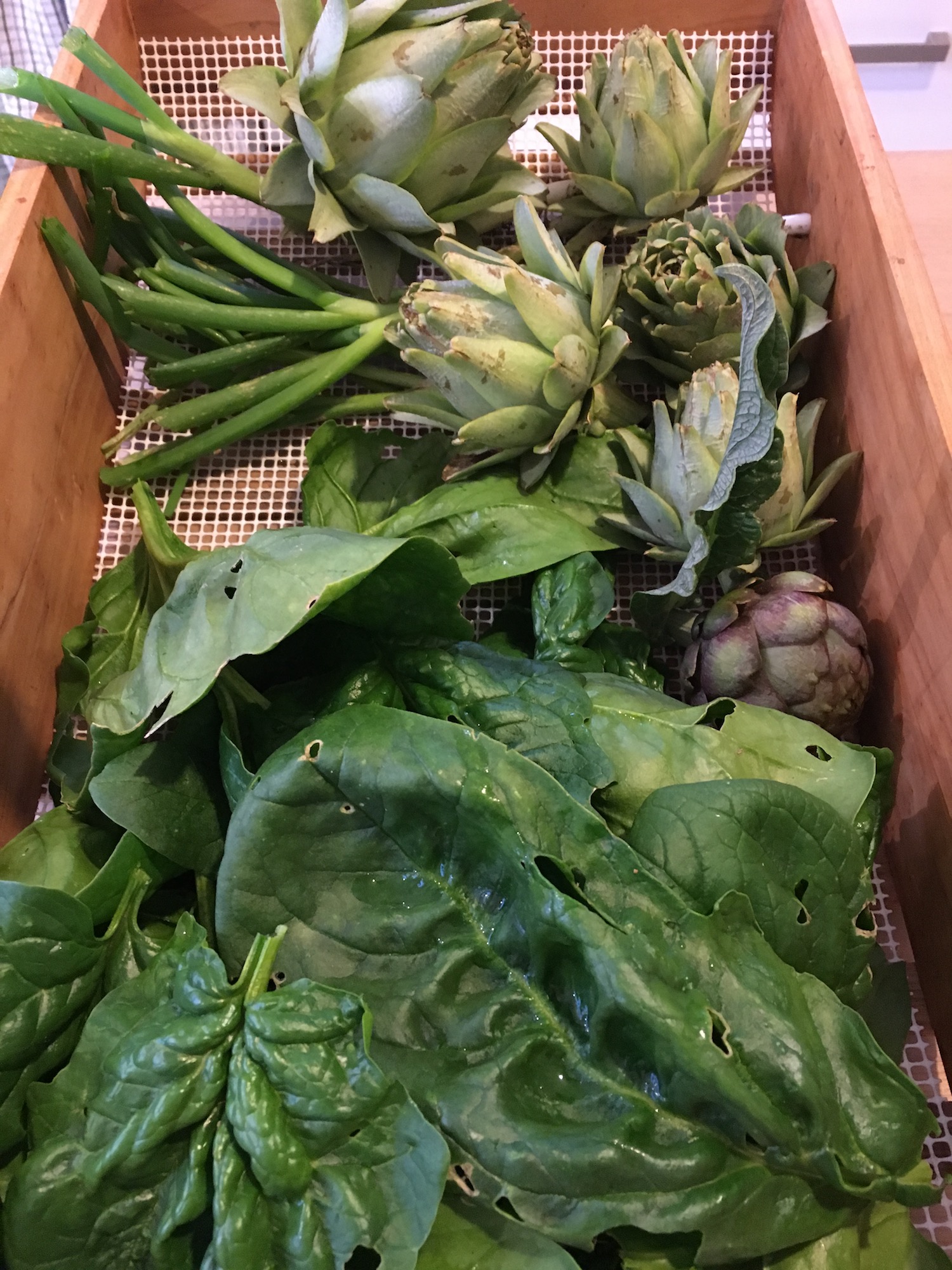 Growing up in eastern North America, autumn meant colourful leaves, fading to brown, bare branches. Green fields gave way to gold, then brown.
So it was a lovely surprise to find when we first moved here that in Canterbury, the opposite is true. Summer has its green bits, but because there is little summer rainfall, the summer landscape is predominantly brown.
But with autumn come cooler temperatures and more rain. Grass begins to grow again. Plants that were dormant through summer sprout new leaves. Autumn is a time of lush green—a time of life, not death.
For certain, the days are shortening, and the growth won’t last. Soon there won’t be enough sunlight hours to fuel plant growth. But winters are mild, and the green will remain all the way through until spring.
Today I picked a basket of autumn crops for dinner—all in shades of green.
Happy World Naked Gardening Day
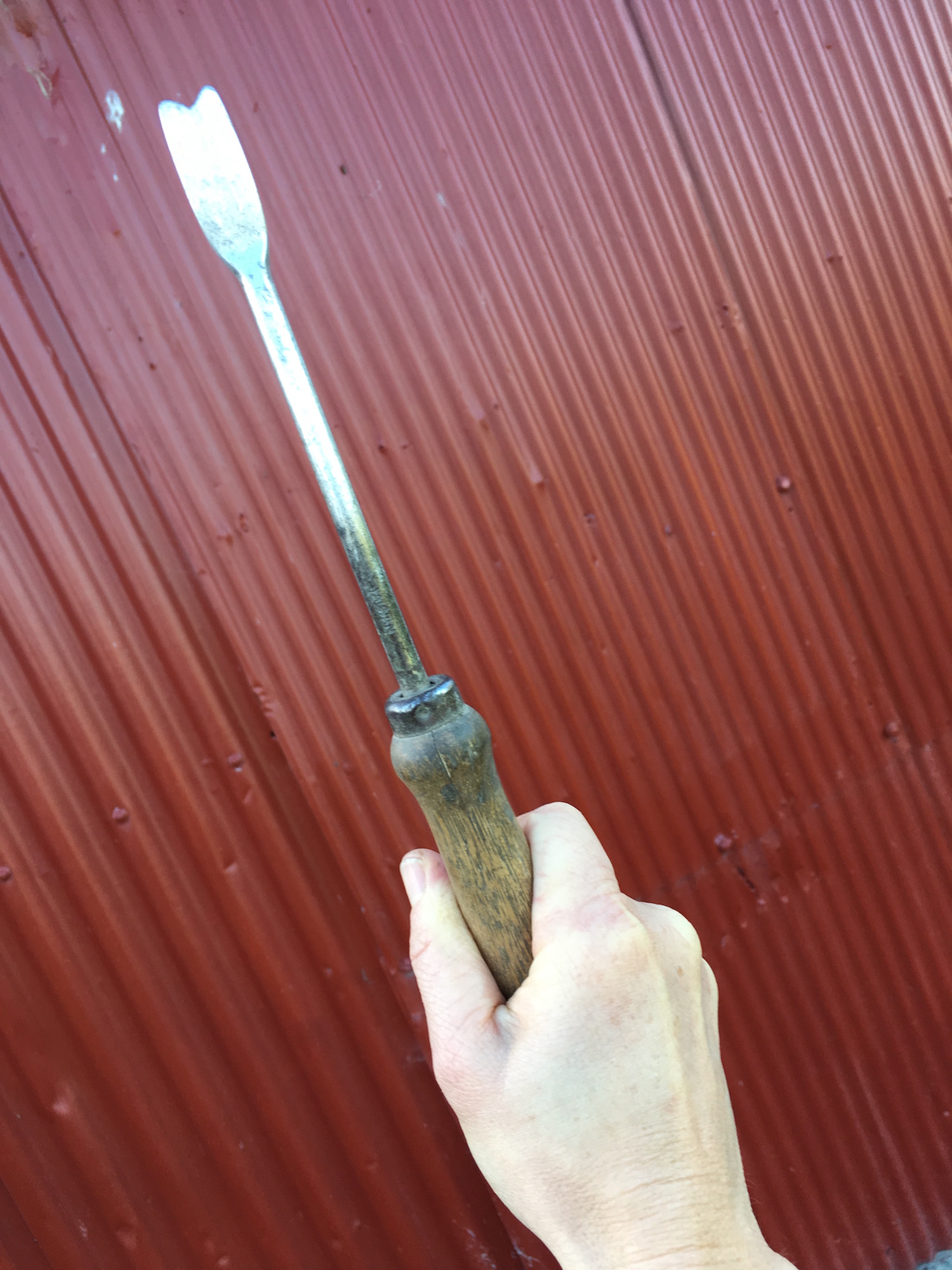 Well, you learn something new every day. Apparently, the first Saturday in May is World Naked Gardening Day.
Thankfully, I only learned that fact after I was through with the day’s weeding and mulching.
I suspect that whoever came up with the idea of World Naked Gardening Day didn’t have a garden like mine. I spent my day pulling nettles and thistles—just the idea of doing that wearing less than long pants, long sleeves, and gloves makes me shudder. I also did some pruning. Yikes! Wielding secateurs in the nude? Then there’s the cold. It was one degree Celsius this morning. I was wearing a merino top, a jersey, and a wool hat when I started the day’s garden work, and even so, my toes were numb by morning tea time. Had I been nude, it would have been full-blown hypothermia.
I’ve got no problem with the idea of hanging out in the nude, or playing nude volleyball, or whatever, but gardening? I’ll pass on that one, thanks.
But, you know, if you’re keen, today’s the day. Happy World Naked Gardening Day!
 Robinne Weiss