Spittlebugs

Spring is spittlebug season. Just about the time I want to start picking and dehydrating the perennial herbs, the spittlebugs descend upon them. In bad years, it makes harvesting herbs a slimy task.

Spittlebugs are also known as frog hoppers. As adults, they are cute, squat, dun coloured insects with spectacular leaping abilities. They really do resemble frogs (with a little imagination).

It’s the nymphs that have the disgusting habit of spitting. Well, it’s actually not spit at all. The foamy slimy ‘spittle’ is a combination of fluid from the insect’s anus, and slimy gunk from glands on the insect’s abdomen. The insect sits head downward on the stem of a plant and exudes the ‘spittle’, letting it pour over its body and cover it completely. The resulting mass keeps the young insect protected from enemies and from drying wind and sun. Gross, but effective.

Like humans, who usually stop blowing bubbles in their milk as adults, spittlebugs leave off spittle production when they grow up. As adults, they use their hopping ability to avoid predators.

Some species of spittlebug can become significant agricultural pests, stunting the growth of herbaceous plants and some forestry trees, but in the home garden, they’re usually not much more than a minor nuisance.

A New Weed!

I found a new weed in the garden the other day. I don’t know whether to be excited or dismayed.

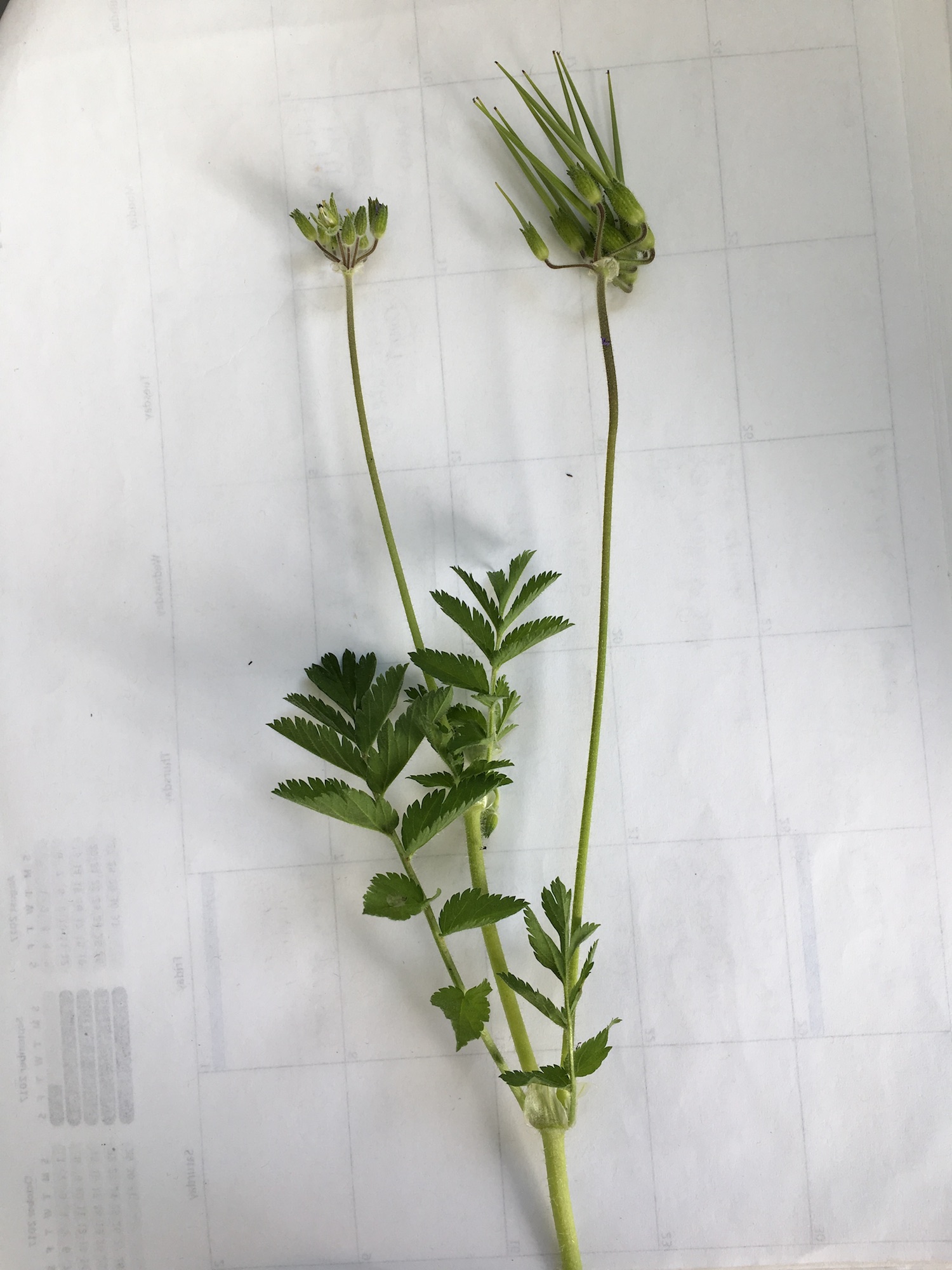
This one is beaked parsley, also known as bur chervil (Anthriscus caucalis). This weed is native to Eurasia, where it appears it is pretty much ignored. It’s listed by the UK Department for Environment, Food, and Rural Affairs as an indicator species for high value arable margins, but beyond that, it rates little mention in its homeland. It is apparently neither particularly tasty, nor poisonous. It is apparently not used for any medicinal purposes. It’s just a plant that’s neither particularly common, nor particularly rare.

Nor is it mentioned often in the many countries where it is a weed. If it is mentioned at all, it’s usually lumped with its close relative, wild chervil (Anthriscus sylvestris), which appears to be more of a problem. It apparently prefers riparian zones, but is quite happy to live in drier areas, too.

The seeds are covered in curved spines and hairs that cling to fur. The plant almost certainly arrived in New Zealand on the back of an imported sheep.

With so little information about the plant available, I am naturally intrigued. What secrets is this unassuming plant harbouring? Its family–Apiacea–includes such well-known plants as carrot, poison hemlock, fennel, parsley, coriander, dill, caraway, parsnip, celery, anise, lovage, and many others. Many of these plants produce defensive compounds, some of which are incredibly toxic to humans, and some of which are sequestered by caterpillars in the genus Papilio (swallowtail butterflies) for defence.

So I can’t help thinking that bur chervil might harbour some interesting chemistry and ecological connections, if only someone would have a look.


Storksbill

Continuing my springtime obsession with weeds…

Most of my weeds are most weedy in the vegetable garden. That’s where my tolerance is lowest and the weeds’ damage is worst. In fact many of the plants I consider weeds in the vegetable garden are quite welcome in the paddock—yarrow, clover, plantain, and nearly all the grasses. And in the lawn, I don’t worry about weeds at all—as long as it’s green and can be mowed, it works for me as lawn.

But there are a few weeds that are worse in the paddock and lawn than in the garden.

Musky storksbill (Erodium moschatum) is one of them. In the vegetable garden, the weed is aggressive and quick-growing as you would expect from a weed, but it’s pretty easy to pull out. It doesn’t resprout easily from the root, and doesn’t send out underground runners. It seeds prolifically, but the seedlings are easy to deal with along with all the other weeds.

In the paddock, however, it’s a different story. Theoretically, it’s a fine fodder plant when young, but once it sets seed, it can start causing trouble.

The long spiky fruits that give the plant its common name can work their way into animals’ flesh. I have, fortunately, never had to deal with storksbill fruits stuck in any of my goats, but it’s not something I ever want to have to do.

Keeping the storksbill out of the paddock requires constant vigilance. The plants grow quickly, and seem to go from tiny rosette to fully fruited overnight. And because I can never catch them all, for every one plant I pull, two seem to grow in their place.

In the lawn, those spiky seeds form just below mower height (instead of at about 50 cm like they do elsewhere), making barefoot walking in the heavily infested parts of the lawn an excessively exciting experience.

All in all, as weeds go, it’s not the worst. I can’t say I appreciate its charm, because it doesn’t really have any. It doesn’t appear to have any particular use (and I suspect it arrived here accidentally), but the seed heads do have a weird goofiness to their look that I have to admire while I yank them out of the ground.

Spring Cuteness

‘Tis the season for growth and new life.

Unfortunately, that means lots and lots of weeds, birds nesting in the shed (and pooing on the car), and slugs multiplying like mad (and decimating the newly-planted lettuces).

But it also means the occasional cuteness overload, like this guy.

This newly-fledged magpie has been hanging out in various locations around the yard as he learns how to get around and hunt for himself. He’s quite tame at the moment, and you can even give him a little scratch without him fluttering away. I’m sure it won’t be long before he’s dive-bombing the cat with his cohort of teenage magpie thugs, but at least for now, he’s terribly cute.

Chasing Chickens

Foiled again! A chicken eyes the zip ties on top of the gate.

Two weeks ago I moved the chickens out of the vegetable garden and into their summer paddock. The summer paddock is smaller than the garden, and not quite as rich in insects and diverse weeds. The chickens are always a bit put out at their restricted terrain, and they express their dissatisfaction for the first few weeks by escaping.

When they get out, they immediately rake all the mulch from under the artichokes onto the paths. Then they attack the compost pile, spreading twitch roots, mouldy bread and last night’s leftovers around the yard.

It’s a test of ingenuity between me and the chickens. At first, they might fly over the fence–I clip their wings. Then they might scramble to the top of the gate along the fence’s diagonal bracing–I use zip ties to create a jagged edge on the gate so they can’t perch there. Then they might use the nesting boxes as a perch, jumping from the ground to the nesting boxes, and then over the fence–I add zip ties to the top of the nesting boxes. In time, they might dig underneath the fence and slip underneath–I fill their holes with rocks.

Eventually, they’ll grow tired of trying to escape. Or maybe they forget that they used to have more space–they have pretty small brains, after all. Either way, I will eventually win.

Until then, I’ll spend every afternoon rounding up the chickens who’ve escaped and returning them to their paddock, and then raking mulch off the paths, wondering why I don’t simply increase the height of their fence. Perhaps it’s me with the small brain…

Skink-scaping

Our property sits in the middle of an agricultural landscape. Not the quaint, woodsy sort of agricultural landscape favoured by jigsaw puzzle makers, but the scorched-earth type of agricultural landscape, where every square metre of land is ploughed, planted, sprayed, and sucked for all it’s worth. Not the sort of landscape that welcomes wildlife, particularly not native wildlife.

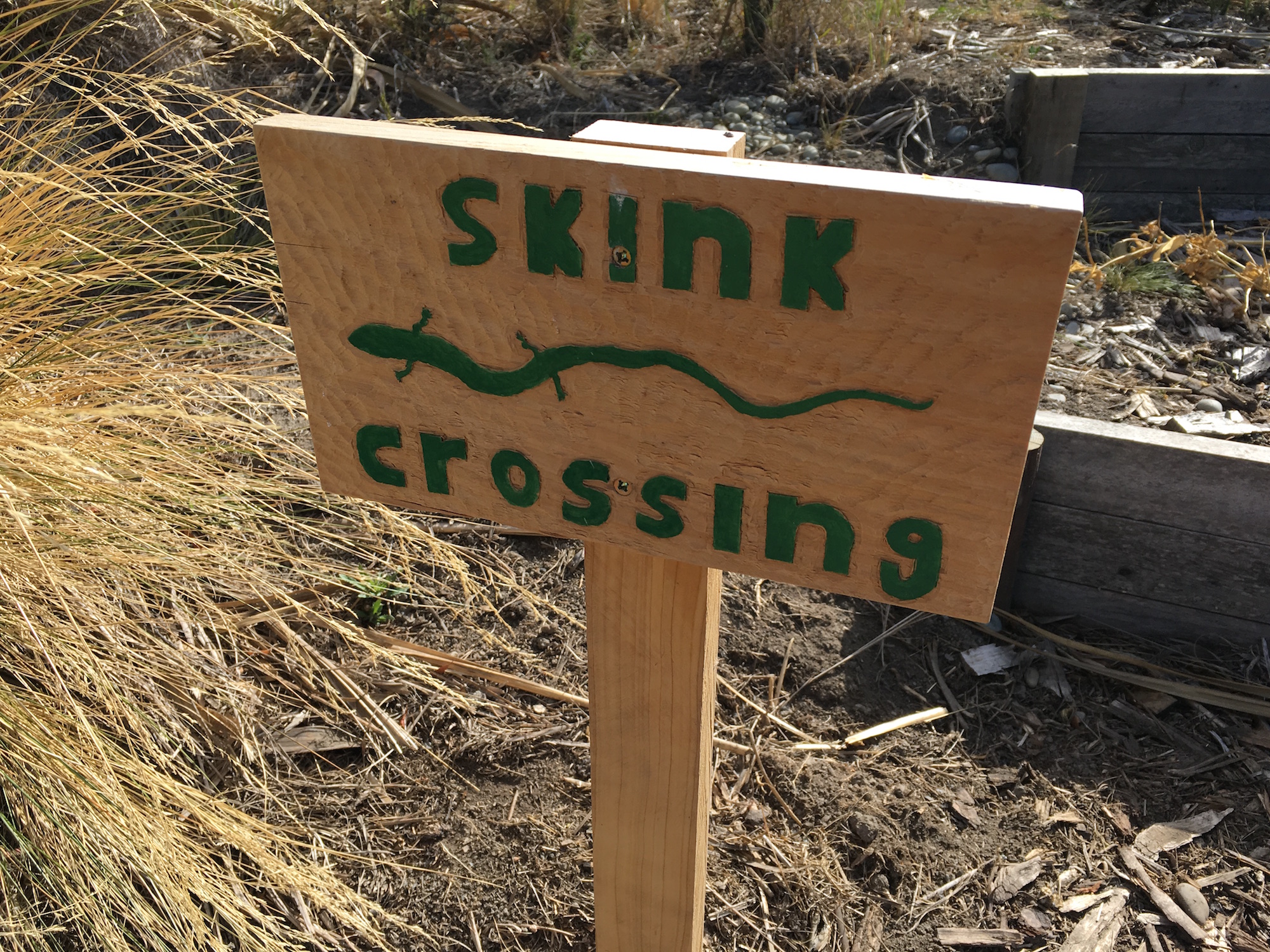
In spite of that, our property is home to native skinks (the common skink, Oligosoma nigriplantare). They stalk the vegetable garden and sun themselves on rocks in the flower garden. They rustle among the native grasses and slip into garden hoses left lying on the ground. I don’t know why we have so many skinks, but I aim to keep them here.

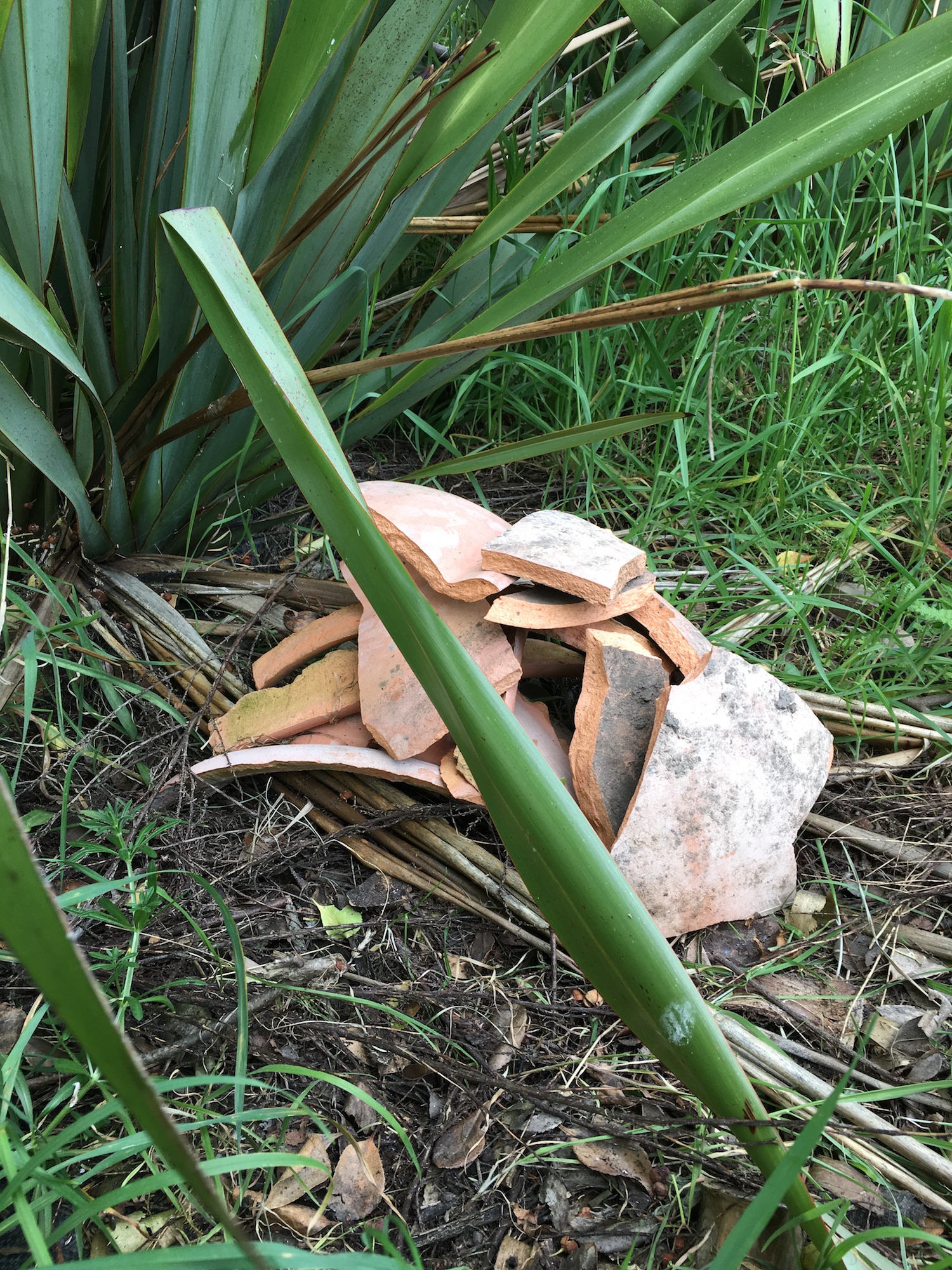
Habitat loss and predators are the main threats to skinks in New Zealand (though the common skink is not threatened, as many of our other lizards are). Skinks are preyed upon by cats, rats and stoats, all of which are plentiful around our place. We can’t eliminate all the predators, but we can provide plenty of hiding spots for the skinks. Dense native grasses, rocks, and even broken flower pots all provide shelter for skinks. The rocks and flower pots also make nice sunning spots.

Skinks eat mostly insects and spiders, along with the occasional fruit or seed snack. Our live-and-let-live attitude toward insect pests means there are plenty of arthropods for our skinks to eat. We’ve also planted a range of native plants to ensure there are berries available much of the year. (I also suspect the skinks of snapping up the currants that drop to the ground and taking the odd bite of my strawberries, but I’m happy to share.)

The end result is a healthy population of skinks on the property—welcome wildlife that makes me smile every time I see one basking outside my office window or rustling through the lettuces.

Looking Forward, Looking Back

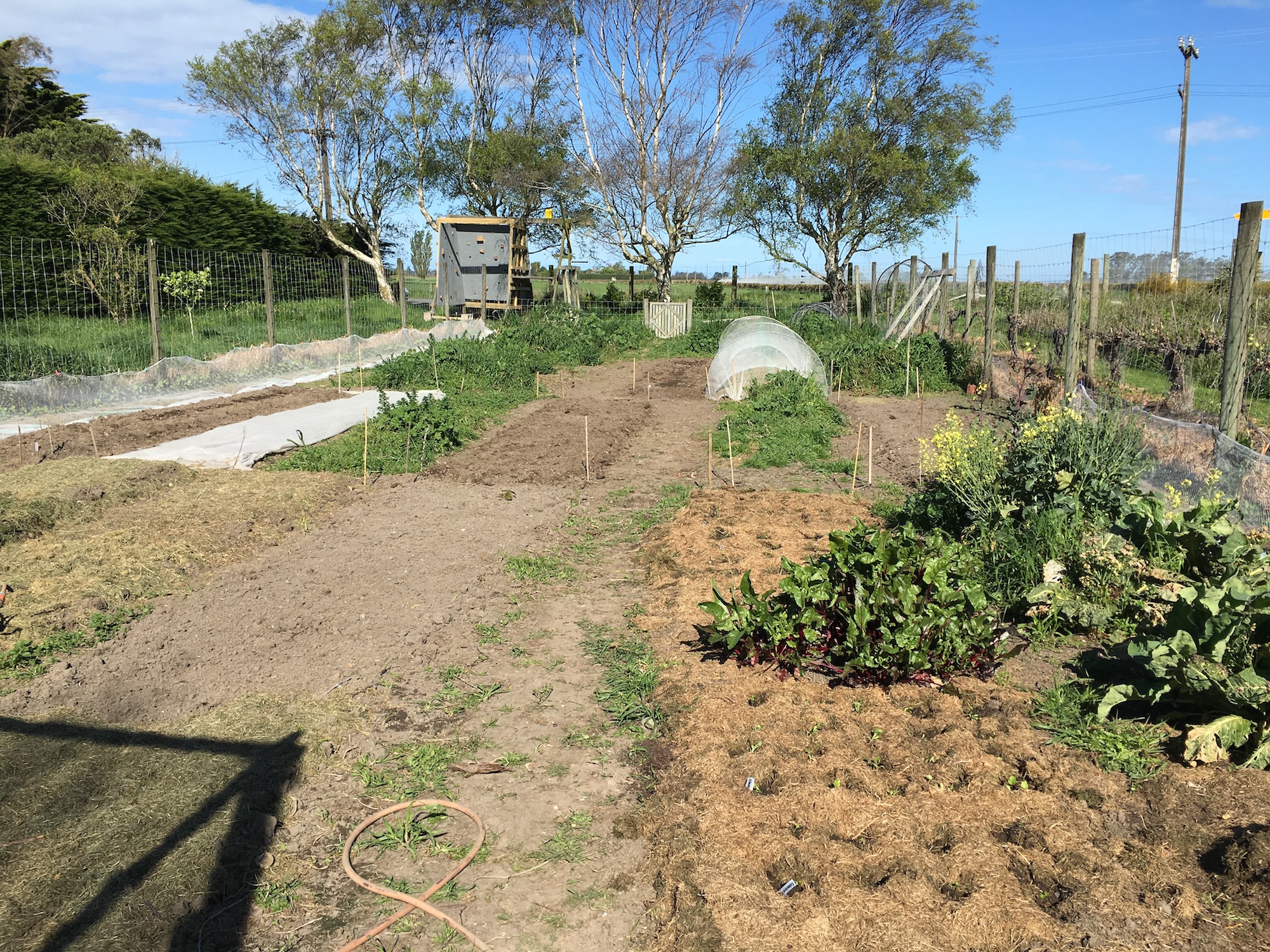
Lots of weeds, but plenty of progress too.

I have a tendency to look forward most of the time. I do a lot of planning. I plan the garden—what needs to be done each week during spring so I can get everything planted at the right times. I write detailed quarterly plans for my writing—focusing on what tasks I need to accomplish to get the next book out and increase my audience. I’m so focused sometimes on looking ahead at what I need to do next, that I can forget to look back.

Looking ahead, I see endless to-do lists, huge tasks to accomplish, and challenges to overcome. It is unrelenting, because there is always something more on the horizon. The jobs are never complete, the list is never empty. It can be overwhelming.

From time to time, it’s worth looking back. Never mind that over half the garden is still rank with weeds—look at the beds I’ve already prepared, the seedlings already growing in many of them. Forget the unfinished manuscripts, the editing that needs to be done—look at the four books I’ve already published, the four other novel drafts completed, the dozens of short stories I’ve written.

I don’t like to dwell in the past, but occasionally it’s nice to look back and see that all my work has actually gotten me somewhere.

Don’t bite the hand

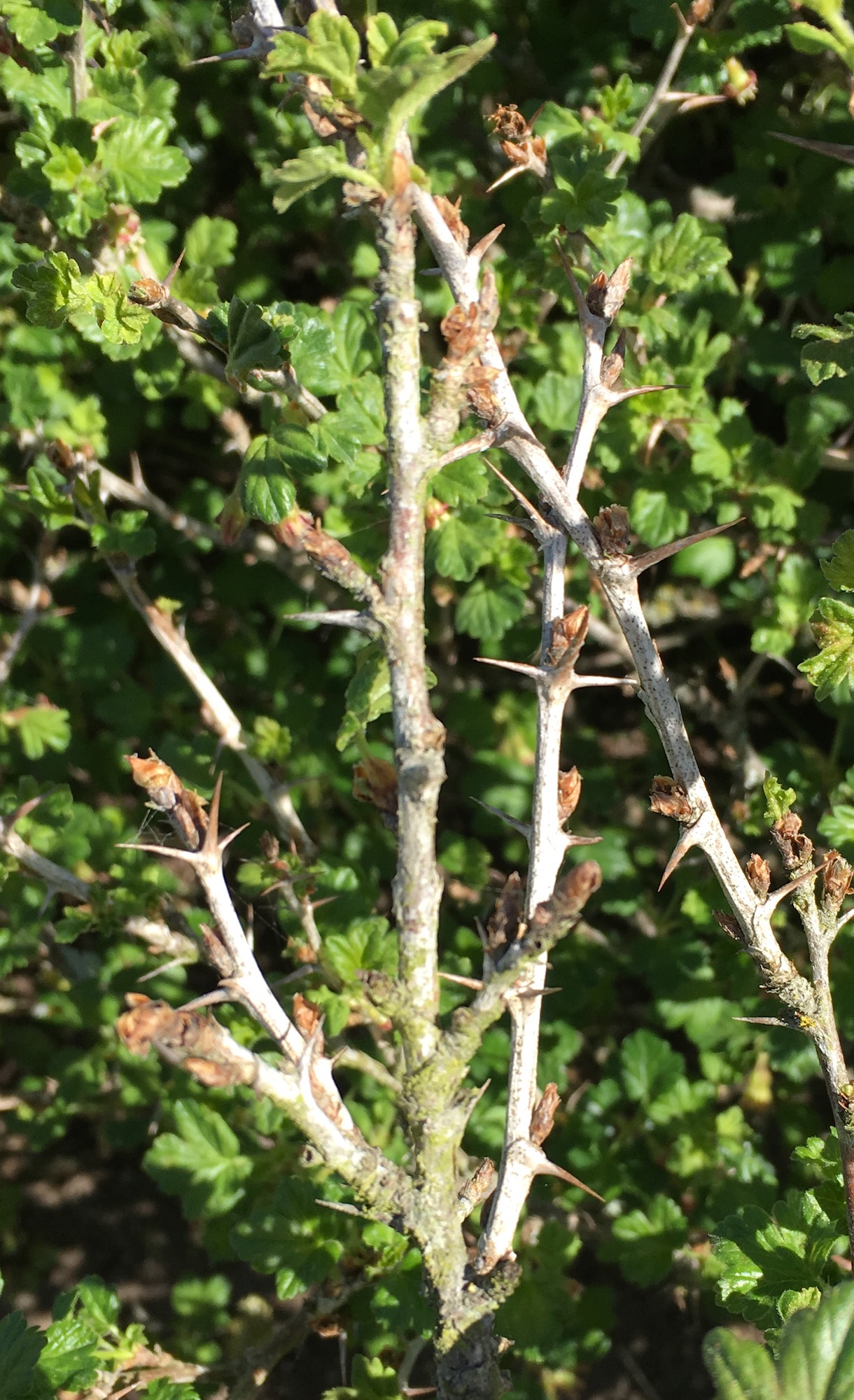
I was working on the bi-annual weeding of the gooseberries today. It’s not that the gooseberries wouldn’t benefit from weeding more than once every six months, but there’s simply a limit to my tolerance.

It’s bad enough that nettles zing me and thistle spines lodge in my gloves as I pull them out. I don’t begrudge them their attempts to stay rooted in the ground and avoid the compost pile.

But the gooseberries have no excuse for aggression. I’m weeding around them, freeing them from competition, making sure they have plenty of space, light and air.

And what do I get for my efforts?

Stab wounds, scratches, spines broken off in my hands…ungrateful plants. Haven’t they heard the saying, Don’t bite the hand that weeds you?

Gate Sales

I picked up a kilo of honey and a lovely variegated sage plant while I waited for my son at piano lessons today. And I didn’t step into a grocery store or a nursery.

One of my favourite aspects of New Zealand life is the practice of ‘gate sales’–selling your produce at the farm gate. Gate sale setups can be elaborate, like the beautiful flower cart one of the local daffodil farms uses, or they can be simply a table or box by the side of the road. They operate on an honour system–there’s no one there to make sure you pay–you simply drop your money into a box. Theft does happen–I know from my own experience–but most people are honest.

I’ve seen all sorts of things for sale on the roadside–all manner of vegetables, eggs, walnuts, plants, honey, in-season fruits, flowers–whatever the grower has in abundance. And it’s not just commercial growers–did your lemon tree produce a spectacular crop? Sell the excess at the gate. Zucchinis out of control? Sell the them at the gate. I used to pay my entire year’s garden expenses from gate sales of whatever was extra. I’ve gotten better at planning in recent years and have two teenagers in the house now, so I don’t have the same problem with excess produce anymore.

While I don’t sell much anymore, I take full advantage of those who do. I’ll even go out of my way to buy something (like honey) directly from the farm, rather than picking it up at the grocery store. Other times, the farm is much closer than the store. If we’ve run out of potatoes or eggs, all I have to do is walk to the neighbour’s place to get more. I like the idea that my money is going to the producer, and not to all the middlemen. I like fact that whatever I’ve bought has been locally produced. I like the feel of the trust inherent in the transaction. It feels good, neighbourly, and personal.

As we move into spring and summer, gate sales will be increasing. I’ll be ready, with my ’emergency’ stash of loose change in the car so I can stop and pick up whatever is fresh and at the gate today.

An Egg-cellent Harvest

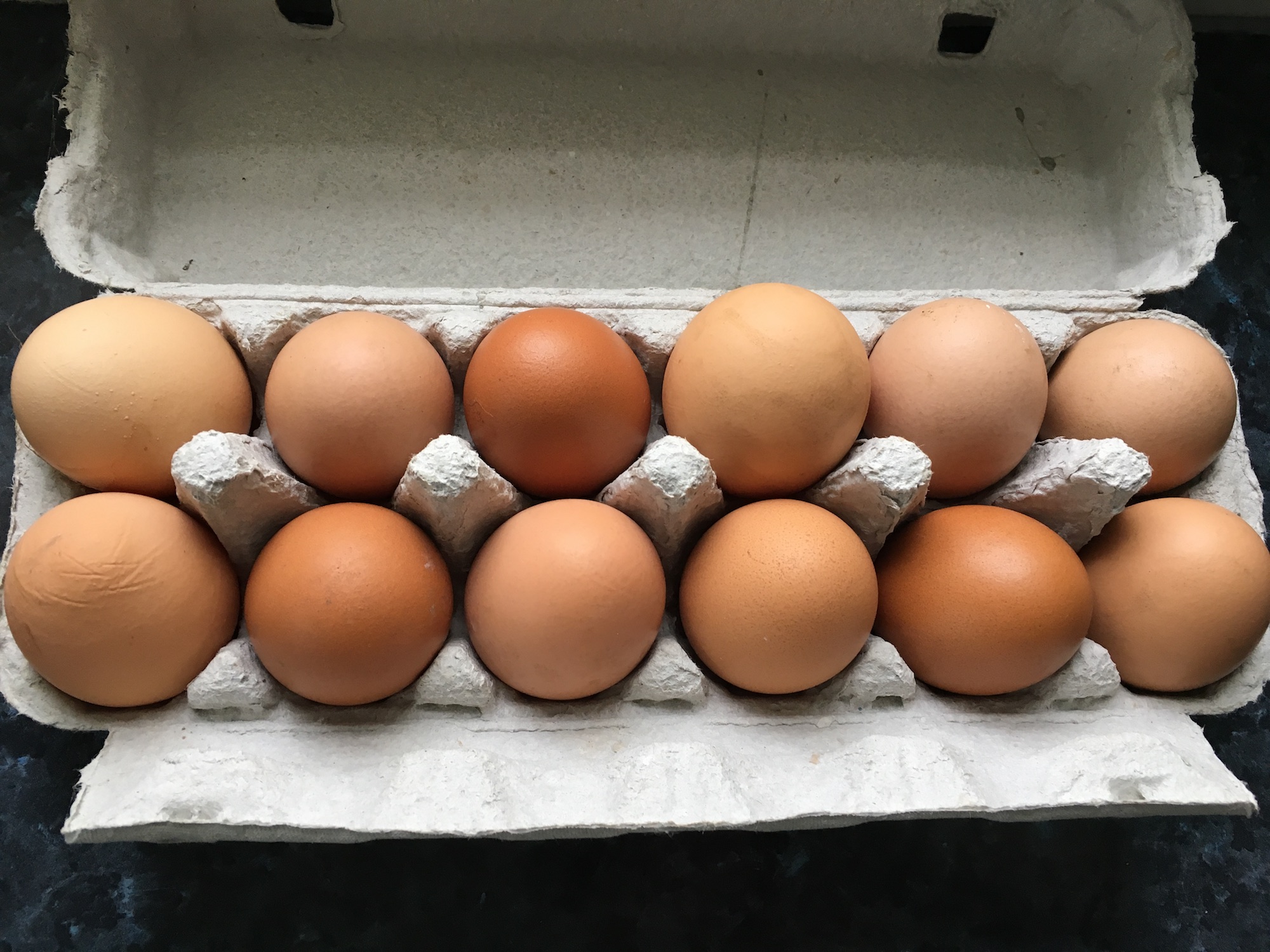
A few months ago I bought three new chickens because my old girls were no longer laying. I was convinced it wasn’t just a winter slump, because they really were getting on in years (for chooks), and they’d stopped laying long before winter.

But I think they’re trying to one-up the new chickens, because now that all three new ones are laying daily, the two remaining old ones have started laying again.

So now I’m getting five eggs a day–way more than we’re used to eating.

And that’s just fine by me. It’s a sparse time of year in the garden, so a few extra eggs are welcome in our diet. And if we can’t eat them all, eggs make great gifts. One of the things that makes rural life seem like such a luxury is seasonal abundance. There may be little left in the veggie garden beyond a few old beetroots, but we can still spread around our rich harvest of eggs.