Bioblitz Weekend

Last weekend I had the pleasure of participating in a mini bioblitz at the University of Canterbury’s Cass Mountain Research Station.

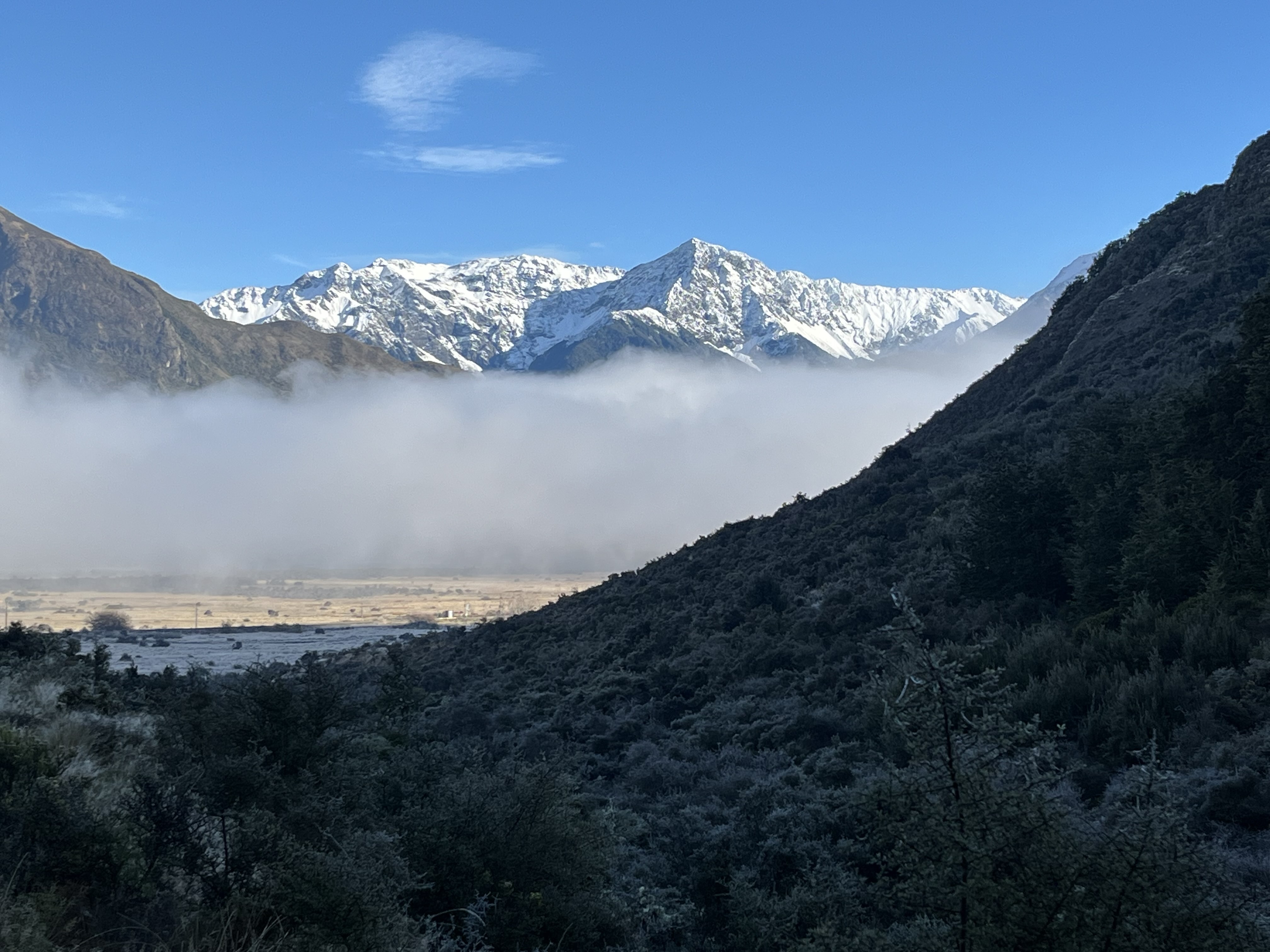
Eleven of us descended on the station on the frosty Saturday morning. Fog enshrouded the mountains, but blue sky above promised a glorious day.

We set a goal for the weekend of increasing the number of iNaturalist observations at Cass to 4,000 and the number of species observed there to 800. Then we embarked on forays into the bush and across the outwash fan to search for life.
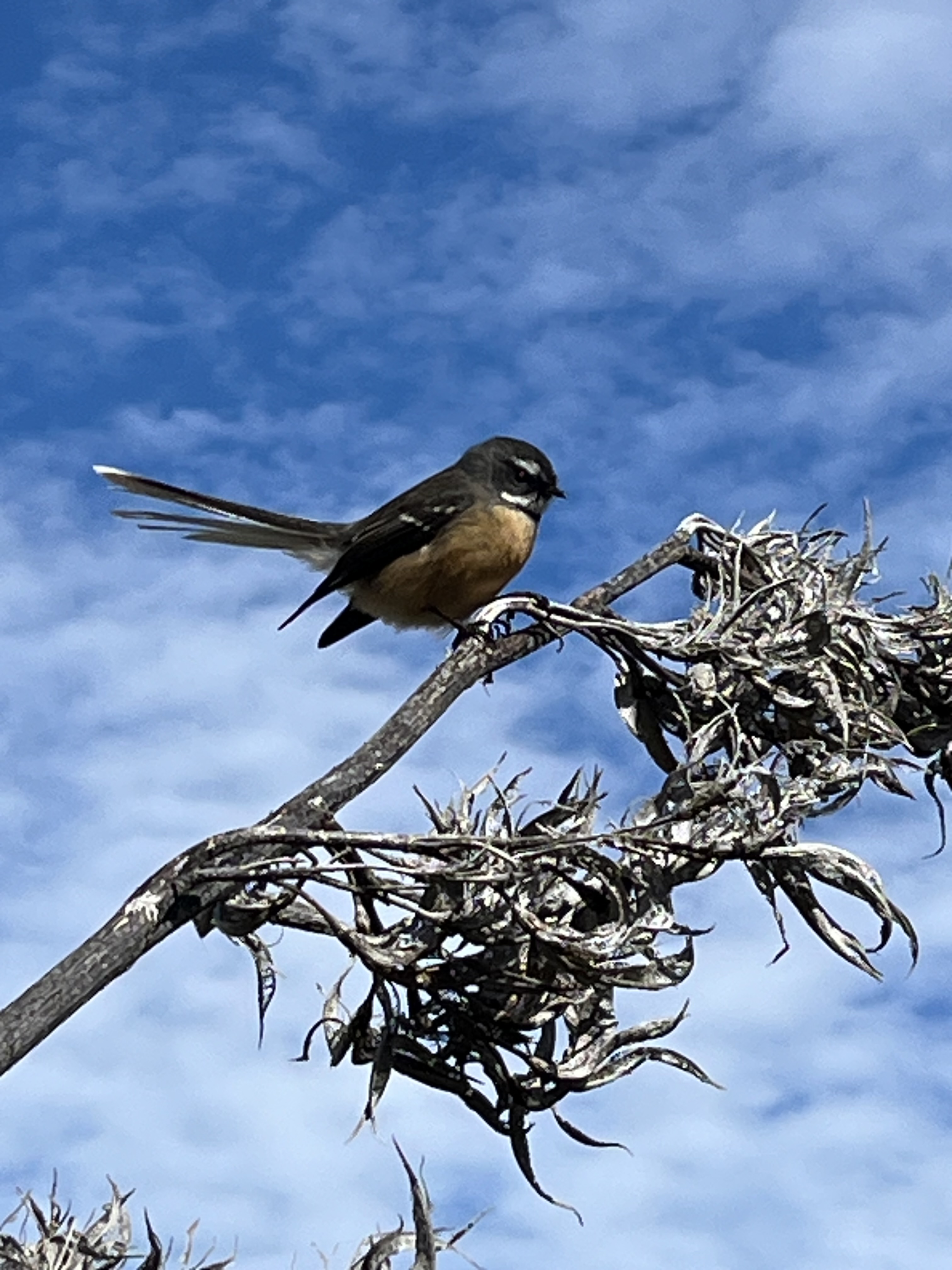
I was stuck near the station, because my knee hadn’t yet healed from the previous week’s tramp. But my geographical constraints didn’t prevent me from plenty of discoveries. Instead, it forced me to focus on the small and overlooked species. Mites, springtails, slugs … all manner of life abounds nearby and underfoot.

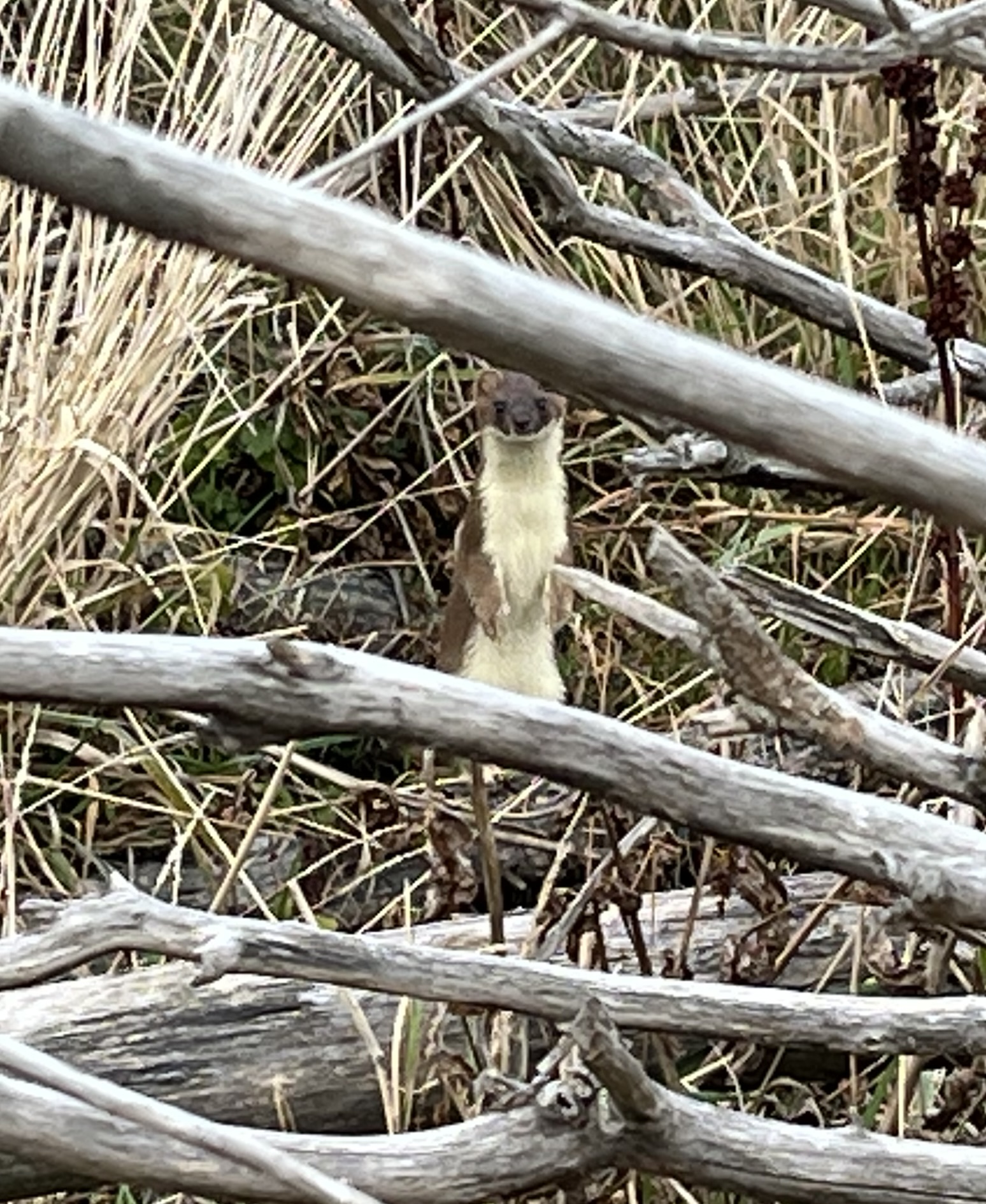
And because I was spending much of my time quietly turning over stones and picking apart rotting logs, larger organisms came to investigate me, including a pair of curious stoats who spent five minutes scurrying around me and popping up out of the vegetation to spy on me. In spite of the fact stoats are terrible pests here, and I would happily kill them, the encounter was pure magic.
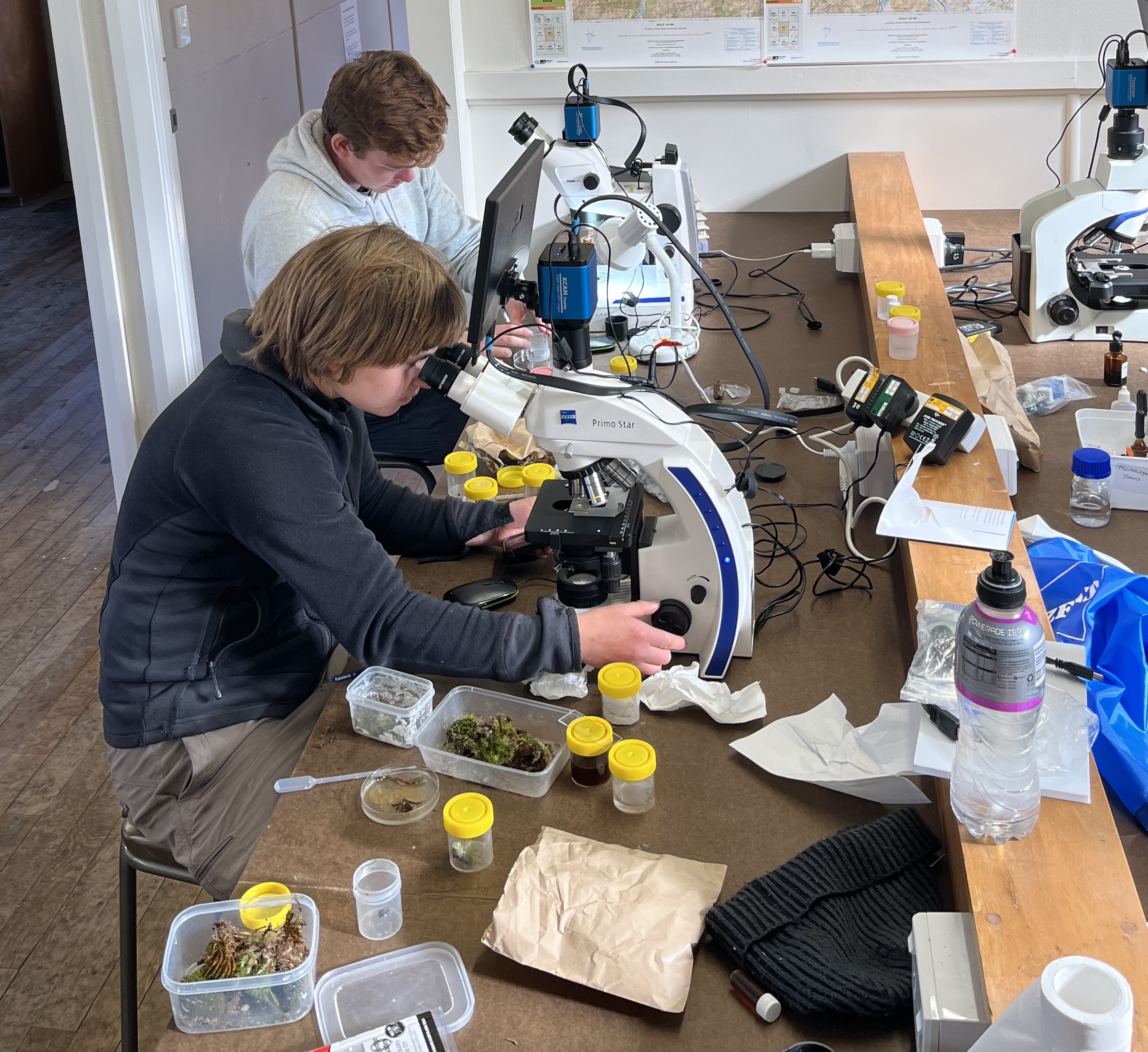
As people returned to the station laden with stories, photos and samples, we moved to the microscopes in the lab, where the geek factor was cranked to 11.

“Oh wow! Look at this!” was a common refrain, as we crowded around the microscopes to examine the smaller finds. As dusk fell, we set up light traps for flying insects, to be checked later in the night.

On Sunday, a group ventured into the bush in search of the giant springtail, which was found at last year’s bioblitz. The quest was successful, and although it didn’t add a new species to the list, it was a highlight of the weekend for many.
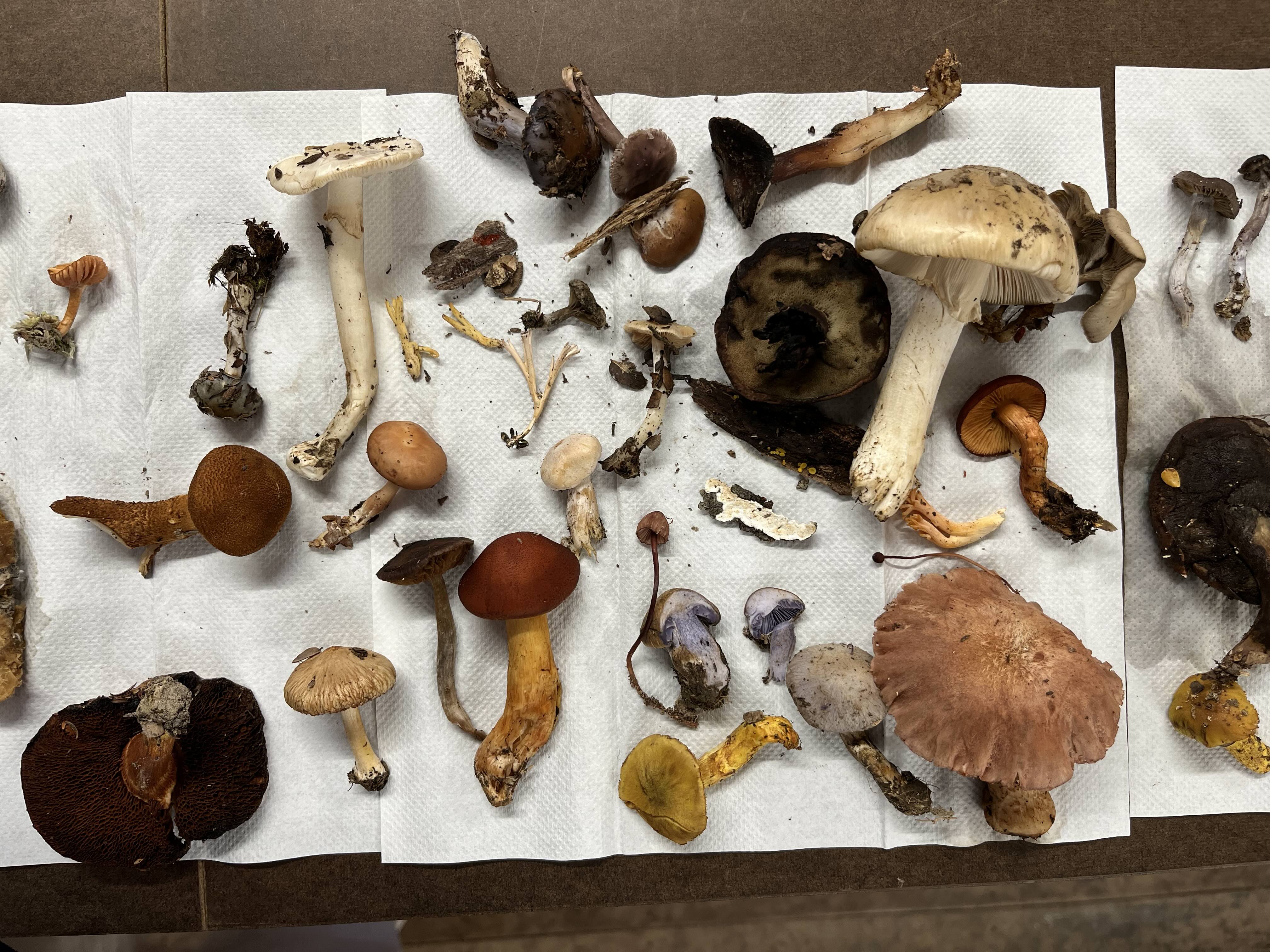
In early afternoon, after a busy morning, and a lunchtime spent uploading observations to iNaturalist, we headed home, where we continued to upload our observations from the weekend.

When all was done and dusted, the 11 participants made 871 observations of 321 species. Almost 1 out of 3 observations were of organisms new to the Cass list, bringing the totals for Cass Research Station to 4484 observations of 869 species! An amazing result from a spectacular weekend!

The event reminds me again how important university field stations are for fostering science in general. The people at the two bioblitzes I’ve attended at Cass might never have collaborated or shared ideas in their everyday research life, but the research station brought them together in an atmosphere that fosters collaboration. The research station is a place where scientific curiosity can flourish, where scientists can explore the connections among disciplines and research projects. What an incredible asset for the university!
Lichens Rule

Not long ago, I spent a glorious sunny day wandering around Cass Field Station while my husband met with some students there. It was nice to take a solo walk and go at my own pace, stopping at whatever plants, bugs or rocks caught my fancy.

Once nice find was this beautiful lichen, Rhizocarpon geographicum.

Lichens are strange organisms comprised of an alga living within a fungus. The alga provides food through photosynthesis and the fungus provides protection and nutrients for the alga.

R. geographicum is an alpine/subalpine lichen and, like many lichens, is sensitive to air pollution, thriving only where the air is clean. It is not, however, a fragile organism.

In 2005, R. geographicum was one of two lichens launched into space. The lichens were exposed to 14.6 days of open space—vacuum, wide temperature fluctuations, intense UV light and cosmic radiation. Upon return, R. geographicum showed little harm from the experience.

Not only is R. geographicum tough, some individuals in the Arctic are estimated to be 8,600 years old, making them the oldest living organisms on Earth. Their longevity and predictable growth rate make them useful tools for determining when glaciers retreated from an area.

But I didn’t know all this about R. geographicum when I found it on the rocks at Cass. I simply admired its beautiful mottled colours and soft texture. 

Beautiful Basket Fungus

Mature fruiting body

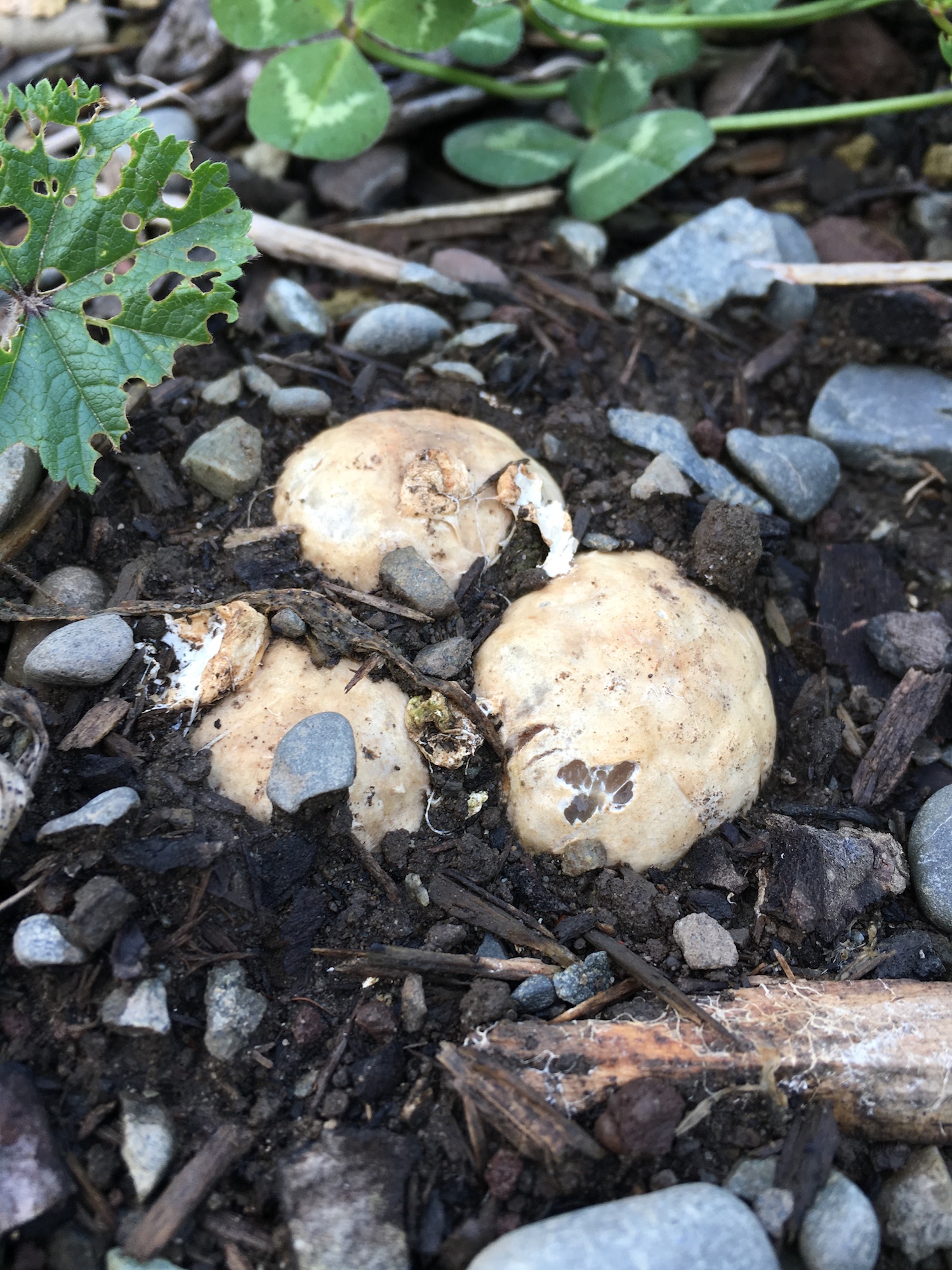
One of my favourite fungi is Ileodictyon cibarium, the basket fungus, native to Australia, New Zealand and Chile. We have been treated this year to an amazing display of these fungi in our recently wood-chipped pond garden. Usually we don’t notice them until the fruiting bodies are fully formed, but because there are so many this year, we’ve been able to watch their whole emergence, from egg-like volva to lacy soccer ball.

Aside from their striking look, there’s nothing particularly lovely about these fungi. The basket fungus is in the family Phallaceae, also known as the stinkhorn fungi. Members of this family—you guessed it—have a foul odour (and many are phallus-shaped). The carrion or dung-smelling fruiting bodies attract flies to disperse the spores. Supposedly, the young fruiting bodies are edible … but not very tasty, as you can imagine.

Immature volvae

In spite of their smell, basket fungi have a certain celebrity status, owing to their remarkable structure. In fact, in Hagley Park in Christchurch there used to be a play structure in the shape of a giant basket fungus. I’m not sure if it’s still there—my kids don’t frequent playgrounds anymore—but it was always a favourite with my kids.

Fungal Wonderland

A family hike on Saturday took us through a fungal wonderland on Mount Oxford. Everywhere we looked, it seemed, fruiting bodies were popping out. White, brown, blue, purple, red, black—fabulous diversity of species, form and colour.

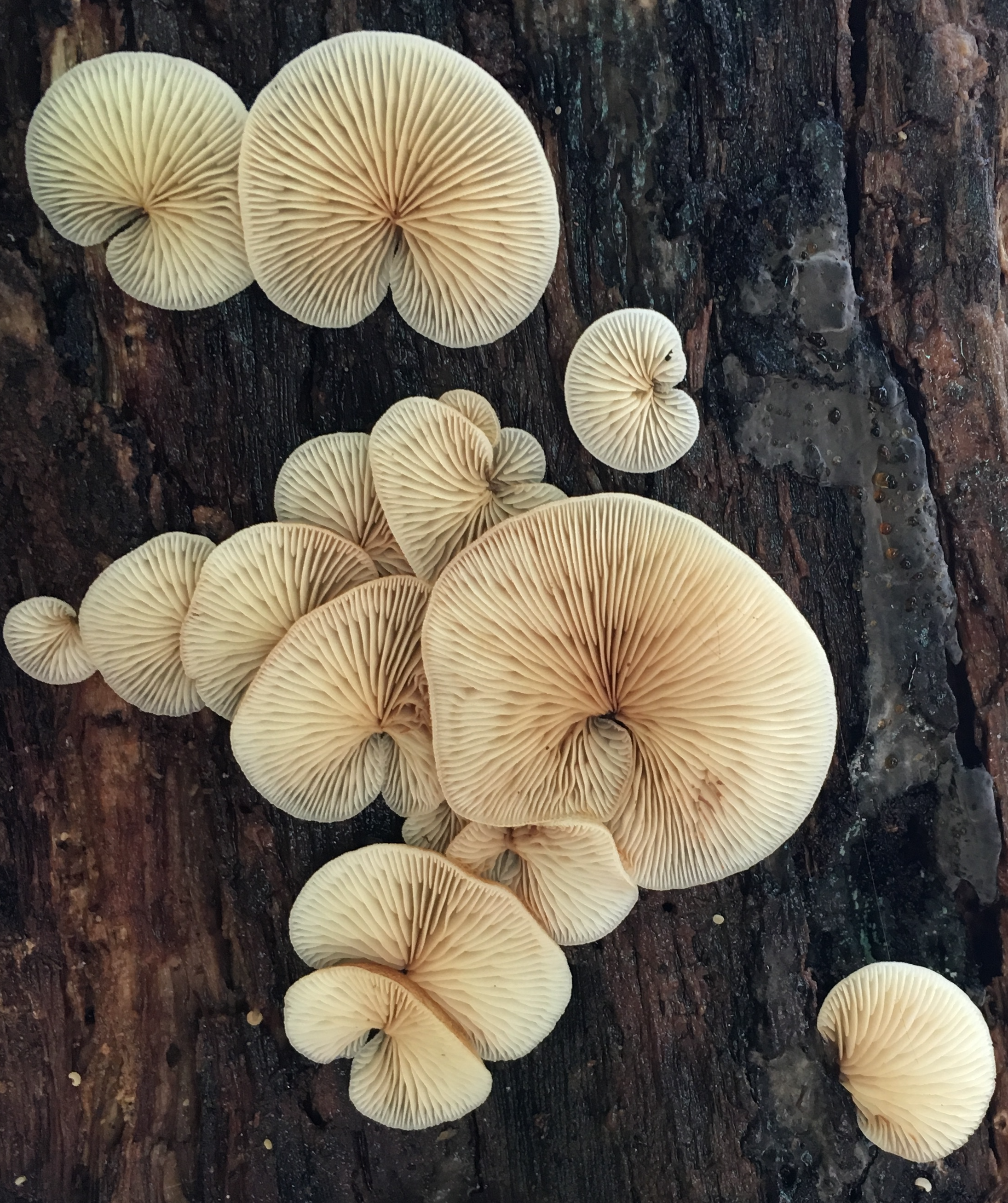
My favourite of the day, however, were not the big, showy Amanita muscaria or the lurid purple Cortinarius porphyroideus, but these unassuming (and unidentifiable by us) little shelf fungi. They were growing out of the underside of a fallen log we had to duck under, and their gills made stunning, artistic patterns. Unremarkable though the mushrooms themselves were, the perspective of seeing them from below turned them into something truly special.

Amazing how a simple shift of perspective can turn the ordinary extraordinary.

Missing My Mix

I planted my first vegetable seeds this weekend. I had planned on planting them last weekend, but when I looked at my garden notebook from previous years, I decided it was a few days too early. So I was doubly eager to get my hands dirty this weekend.

But when I opened one of the bags of growing mix I bought this week, I discovered it was thick with fungal hyphae. They’re saprophytic fungi, to be sure—not technically interested in eating live plants—but in that kind of quantity, they could easily overwhelm my seeds and seedlings. When I opened the second bag of mix, I found it was the same.

I looked at the mountain of seeds I intended to plant, then at the small quantity of growing mix I had left from last year. There was no way I had enough to plant everything. It was already past 1 PM on Saturday—the nearby stores would be closed for the weekend. To get more soil would require a 45 minute drive to the city. Yuck.

So I did triage. Some of the plants I start in August are summer crops that need a long time indoors to get growing (eggplants, peppers, cape gooseberries). These I planted today. Others are spring crops that can go out to the garden as soon as they’re big enough to survive the slugs, birds, and drying winds. Every year I’m in a race with those early crops. They’re always ready before I’ve prepared the garden beds for them. I left many of these for next week.

In the end, the lack of planting mix will probably mean a more pleasant, less stressful spring planting season for me. And if it goes well, I might look back at my garden notebook next August and learn a thing or two about pacing my planting.

Mushroom Season

With the arrival of rain and cooler temperatures, the mushrooms have come out. Many fungi fruit in autumn, but this year seems particularly spectacular on our property. I can only guess that, after three years of drought, the fungi are taking advantage of weather that’s finally moist.

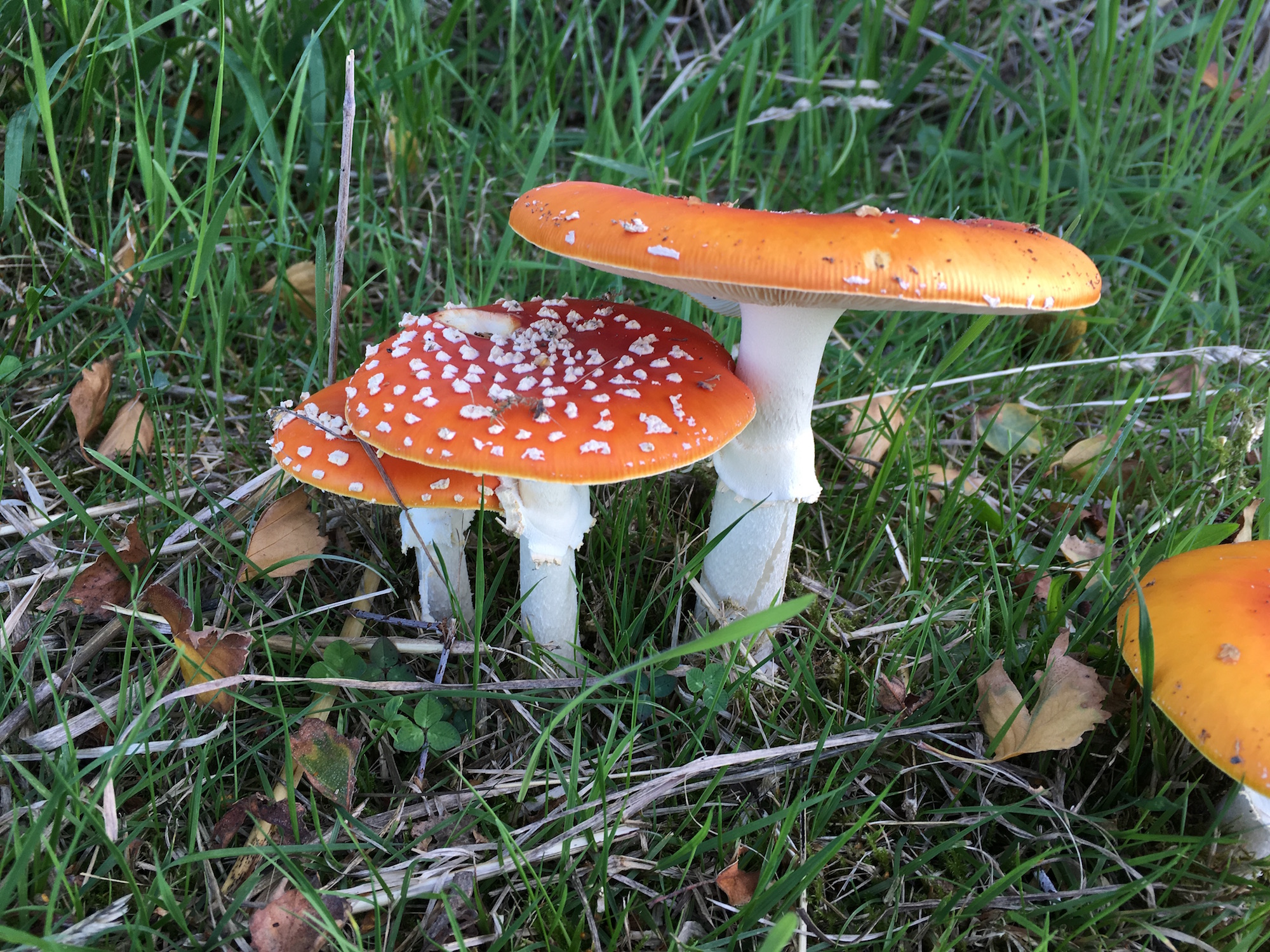
The most visually striking ones are naturally the Amanita muscaria–their bright red caps have reached epic sizes this year, and they’ve sprung up in profusion under the birch trees. They’re accompanied this year by three other species of mushroom with large brown caps (Paxillus involutus, Leccinum scabrum and a Russula).

Puffballs dot the lawn, and an assortment of smaller mushrooms have joined them.

The best find so far has been the presence of seven Noddy’s flycaps in the vegetable garden. I blogged about this mysterious fungus several months ago when the first sporocarp popped up. To find this many all at once is quite unusual.

There is another full week of rain in the forecast, and I’m looking forward to what new gems might spring up. There is also the exciting possibility of slime moulds in this weather.

So forgive me if I walk around with my eyes on the ground this week. I’d hate to miss the show.