Spicy Christmas Gift

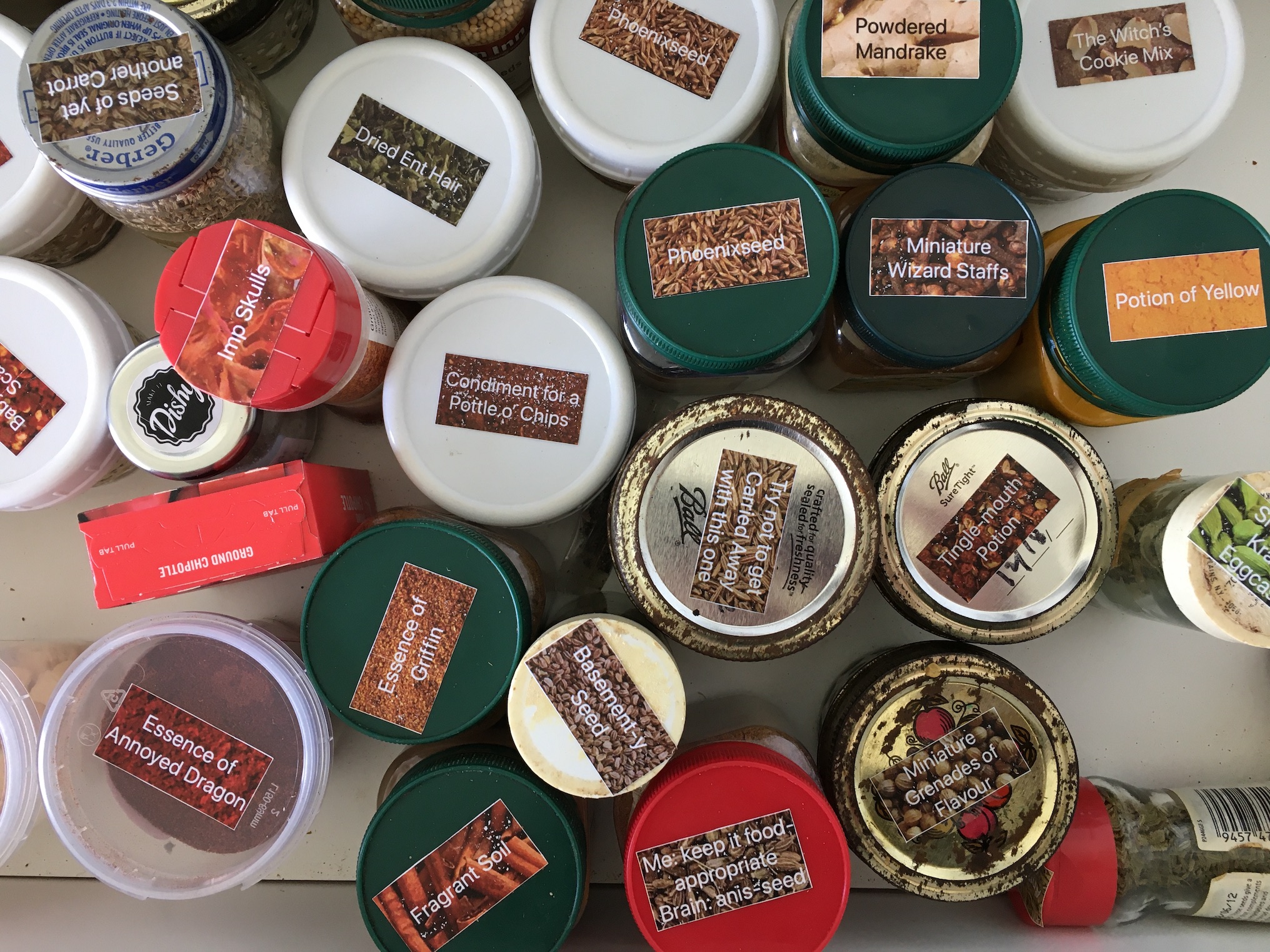
One of my Christmas gifts from my daughter this year was a set of creative spice jar labels. She spent an hour or so on Christmas Day affixing the labels to all our spice jars.

I love the creativity of the names: imp skulls, essence of griffin, condiment for a pottle o’ chips, miniature grenades of flavour …

Today I was looking for cinnamon and allspice. It took ages to find the ‘fragrant soil’, and ‘cannonballs of spice’. LOL!

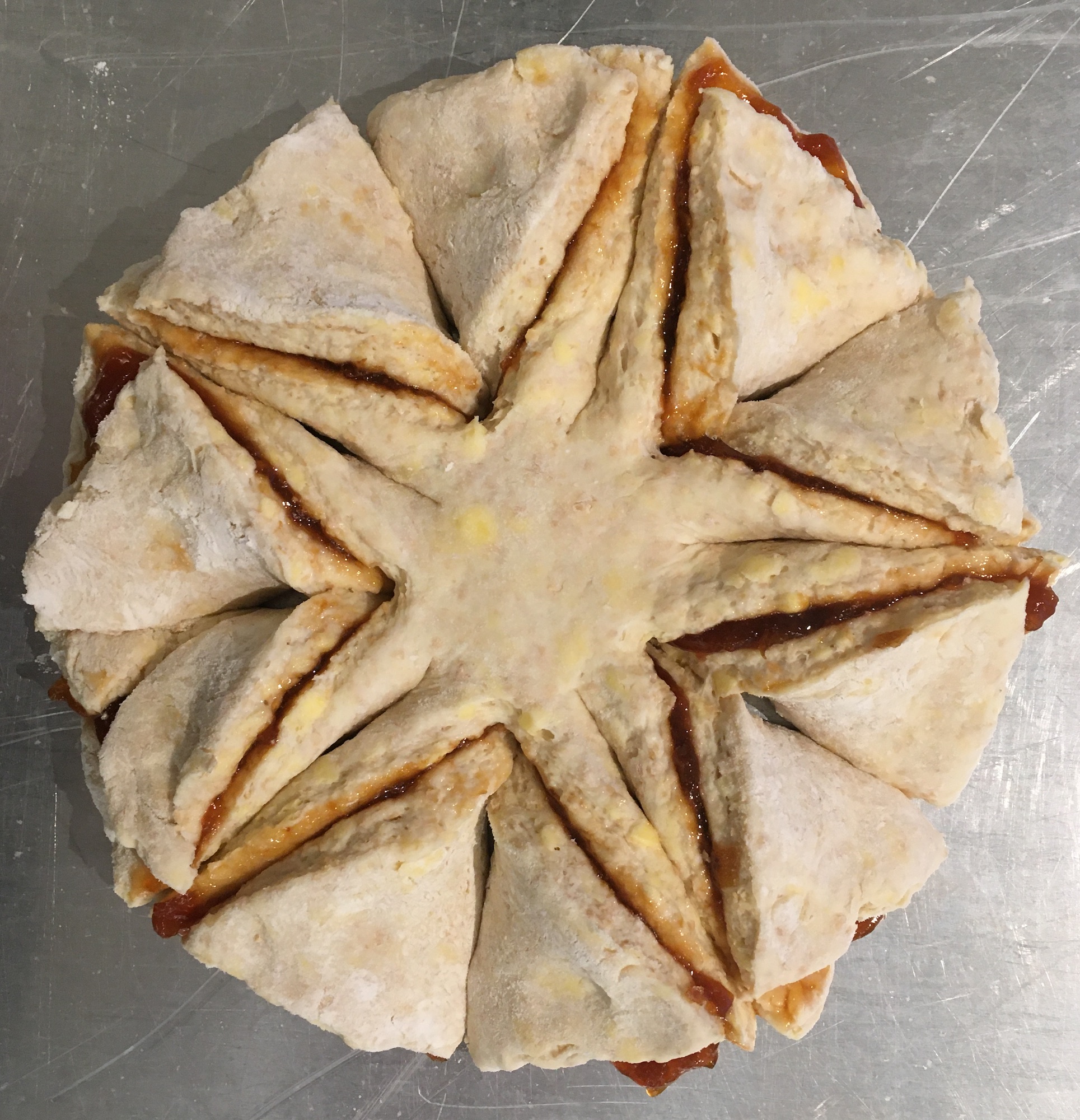
Biscuit Stars (a.k.a. Starry Scones)

It’s been a long time since I blogged about biscuit stars (or Starry Scones, as I call them here in NZ, since ‘biscuits’ are cookies here). It’s been a while since I made them, too.

I was feeling whimsical on Sunday morning, though, and whipped one up for breakfast. As usual, it turned out beautifully and took minimal effort. It struck me as the perfect ‘fancy’ breakfast for the coming busy holiday season.

Try making one of these yourself—everyone will ooh and aah over your amazing culinary skills, and you never have to let on that it’s dead easy (I won’t tell …). 

Here’s the recipe. Enjoy!

Accidentally Perfect

I didn’t set out to make a spectacular cake.

lemon cake with blackcurrant puree

I actually set out to whip out something simple and quick—a Covid cake—because I had little energy for baking last week as I recovered from the virus.

So I chose a tried and true recipe. My favourite lemon cake is a recipe I came up with years ago when my daughter asked for a lemon birthday cake. It draws on components of a good lemon scone recipe, an orange cake recipe, and a coconut cake recipe. 

It’s a recipe I’ve honed over the years, and one I could probably make in my sleep.

And this iteration of it was one of the best cakes I’ve ever made.

The butter was at the perfect temperature to whip up light and fluffy. And maybe I gave it a little extra time with the mixer, because I was bored of Covid isolation. And because I wasn’t up for much work, I added a little extra liquid to the batter to make the egg whites easier to fold in.

The recipe always makes a cake with good texture, but this one was a step up from the usual. Whether it was perfectly whipped butter or a wetter batter, something worked in my favour, and the finished cake’s texture was positively sublime—soft and fluffy, but with body like a good butter cake should have.

When it came time for a topping, I took the lazy way out. I topped and filled the cake with black currant puree I happened to have in the fridge. No measuring, and no additions to it—I simply spread it between the layers and poured it over the top. The puree spread out thickly, dripping down the sides and drying to a shiny, soft, fruity layer. Not only did it look great (and appropriately bloody-looking for Halloween), but the tart, unsugared black currant was the perfect foil for the sweet cake underneath.

It was a cake I could have served to anyone.

Unfortunately, because we were in isolation, only my husband and I got to enjoy this perfect cake, but I’ll definitely be trying to replicate it in the future.

Carrot Success

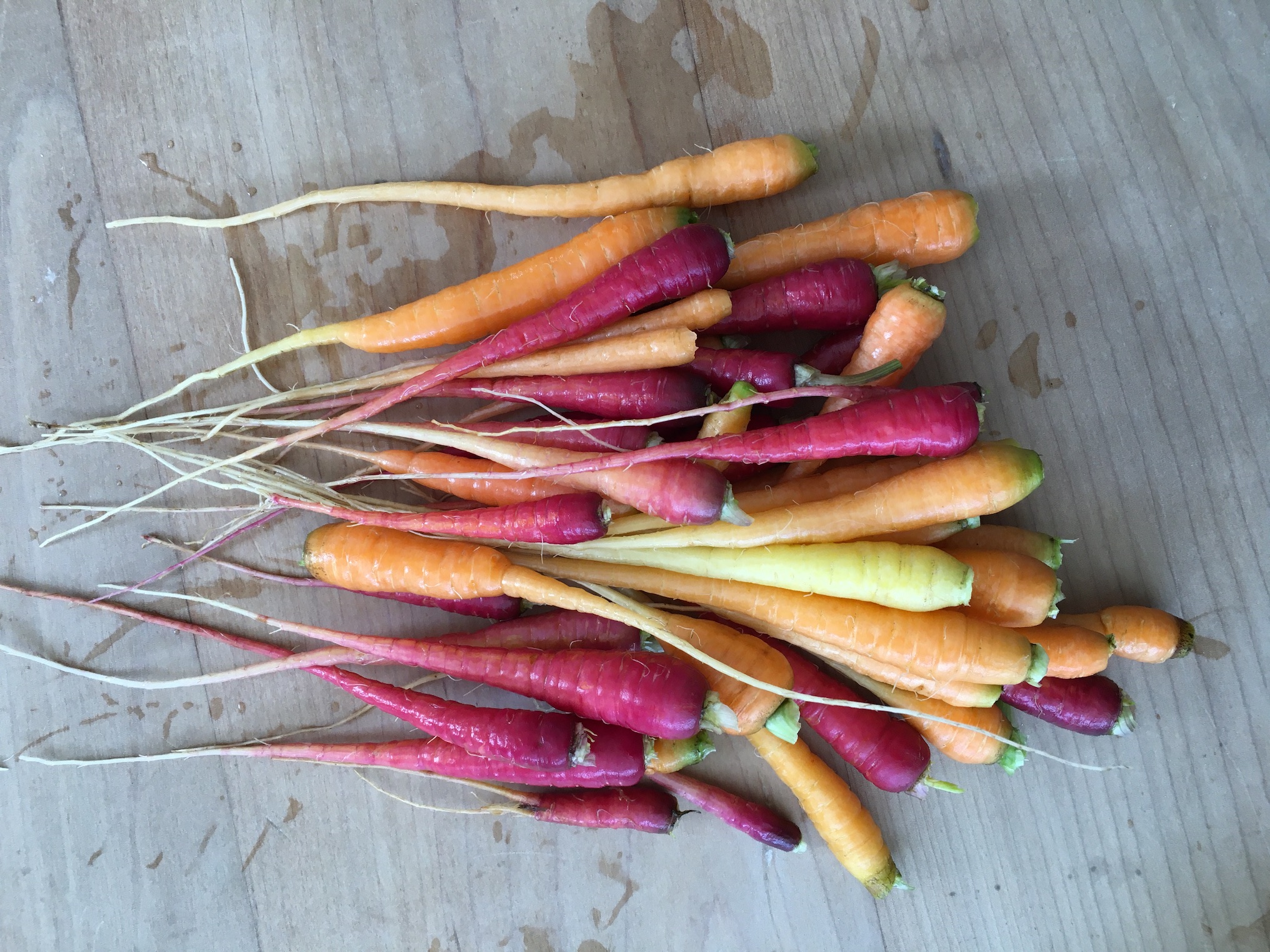
young carrots
Young carrots, fresh from the garden–nothing is better!

I used up the last of the fresh carrots yesterday—the last of the carrots that I planted a year ago at this time. 

There are still about 2 kilograms of frozen carrots left that should last almost until the first of this season’s carrots are ready to pick.

I can’t tell you how pleased I am about that. It’s the first time ever I’ve grown (nearly) enough carrots for the year. Usually I end up buying commercial carrots by mid-June.

We eat a lot of carrots. I have raw carrots for lunch every day, and at least half our dinners have carrots in them. We also discovered the joy of Mexican pickled carrots this year, and probably ate five kilos of them in the past two months. So a year’s supply is a whole heap of carrots! 

And if you wonder why I go to all the effort of attempting to grow a year’s supply of carrots, you have clearly never grown your own carrots. Home grown carrots put the tasteless, watery supermarket carrots to shame. Yes, they’re not as uniform in size and shape—I harvest some pretty ugly, twisted roots from my rocky garden—but their flavour (and colours) are far superior to commercially grown carrots.

I plant a wide variety of carrots. Last year I planted Paris Market, Scarlet Nantes, Touchon, Kuroda Improved, Tendersweet, and Purple Dragon. Touchon has been my workhorse carrot for years—flavourful, reliable and nicely shaped. When we moved to the rocky soil of the new property, I first tried Paris Market—a stubby round carrot I figured would be less bothered by the rocks. I wasn’t terribly excited about it at first—little carrots can be a pain to process in the kitchen, when you want a whole lot of carrot for dinner. What I didn’t know was that Paris Market carrot also has fantastic flavour for eating raw, and roasts beautifully as whole little carrot nuggets. It can also grow to a whopping size if you let it. And because of its shape, it’s easy to pick in my heavy clay soil. It’s beginning to nudge Touchon out of the top spot on my favourite carrots list.

Now that I’ve successfully grown enough carrots, my goal this year is to spread my carrot planting over a longer period, so I get just as many carrots off half the garden space, and so I don’t have 40 kilos of carrots in the fridge at any one time. 

And there’s one of the many reasons I love gardening—there’s always something new to learn, new to try. There are always tweaks and improvements to be made. A gardener can always aspire to a more productive, less weedy, less labour-intensive garden for the coming season.

Happy gardening everyone!

Winter Culinary Adventuring

One of the best things about winter is the excuse to try unusual foods. During every other season of the year, there are so many vegetables coming out of the garden, it feels wrong to buy any fruits or vegetables. And as a rule, I only buy local produce, even during the winter, but once in a while it’s fun to splurge.

can of jackfruit

A few weeks ago I bought a can of jackfruit. This tropical tree is related to mulberries and figs, and produces large fruits with stringy flesh. The young fruits (before they ripen and become sweet) are used as a meat substitute, because the texture is somewhat meat-like.

I’ve eaten jackfruit in restaurants, but never cooked with it before, so it seemed like a good winter splurge.

Jackfruit itself has little flavour—its intrigue is in the texture. Most of the jackfruit recipes I found online take advantage of this texture by using it in dishes most commonly made with shredded pork.

After scanning a number of recipes, I decided to make gyro-inspired jackfruit wraps.

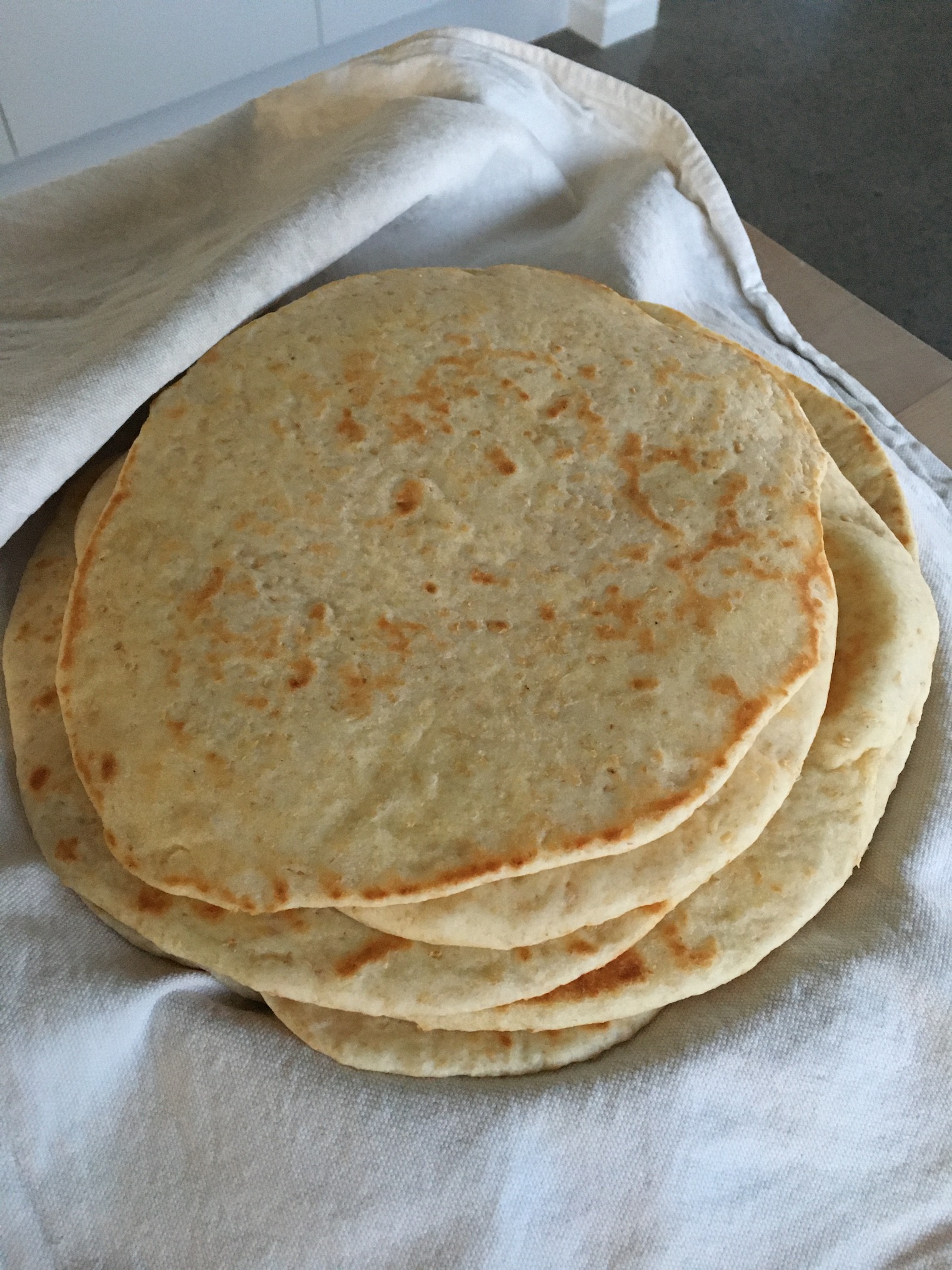
flatbreads fresh from the oven

I started by making flatbreads based somewhat loosely on a naan recipe I have.

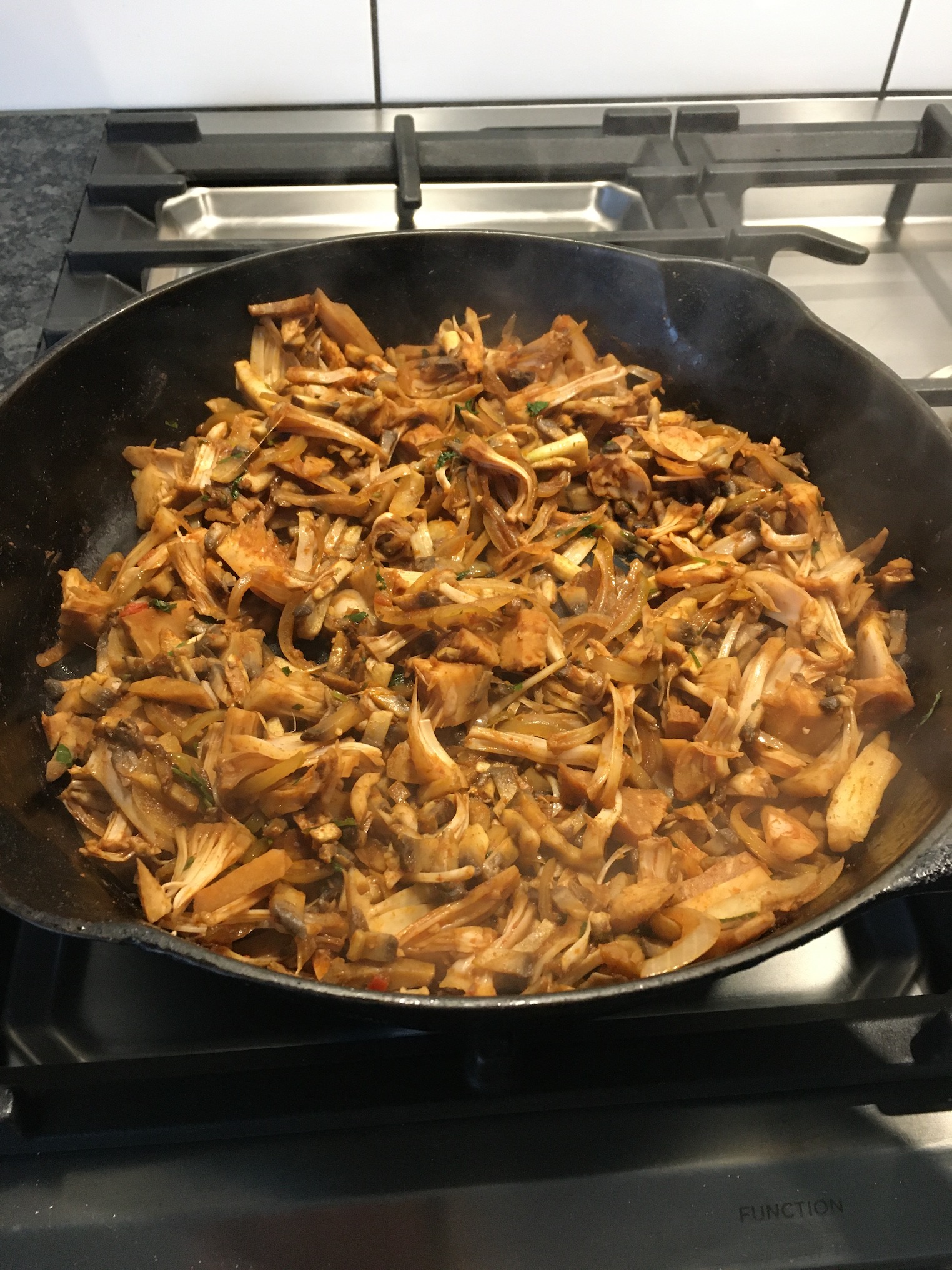
Then I made a hash of shredded jackfruit, mushrooms and onions, heavily spiced with paprika, smoked paprika, and chipotle. A dash or two of vegetarian Worcestershire sauce gave it a little tang, and a handful of fresh cilantro tipped it towards Asian flavours.

Finally, I made a yogurt and tahini sauce to go with it, generously flavoured with fresh mint.

I’m not sure what cuisine the final Greek/Indian/Southeast Asian wraps would fall into, but they were absolutely delicious. The hot and spicy jackfruit hash was balanced beautifully by the yogurt sauce, and the fresh flatbreads, still warm from the oven were everything a good flatbread should be.

jackfruit has cooking on the stove

It was fun to cook with a new and unusual ingredient, and the results were well worth the effort. I won’t be adding jackfruit to my regular grocery run, as it’s not exactly a local food (the can I bought was imported from Thailand), but I’ll definitely consider it next time I’m looking for a little winter splurge.

Frangipane Frenzy

plum frangipane tart

I don’t often use almonds, because I can’t get them locally grown (they are grown here in NZ, but it’s hard to get hold of them, as demand outstrips supply). Instead, I tend to use locally grown walnuts or hazelnuts when I’m baking.

So when I do splurge on almonds, it’s a real treat.

A few days ago, while I was rummaging around in the freezer for a container of frozen black currants in order to make a pie, I came across some frozen damson plums I’d completely forgotten about. When the fresh plums were given to me mid-summer, there was so much fresh fruit around, I couldn’t possibly use them, so I froze them, dreaming of plum tart.

So instead of black currant pie this week, I opted for a plum tart. The quantity of plums I had was smaller than I would have liked, so I looked for a recipe that would bulk them up a bit. When I came across a recipe for plum frangipane tart, I was hooked. 

I had some ground almonds left over from my last almond splurge, so I whipped up some frangipane and spread it in my tart crust, layering plum halves on top, and sprinkling them with just a tablespoon and a half of brown sugar. 

The resulting tart is a flavour sensation, the sweet almond filling contrasting with the sharp tang of the plums on top. It’s rich and flavourful enough that you should cut it into thin wedges and savour it slowly, but it’s so delicious, you really want to cut a big slab and gobble it down.

I’m doing my best not to inhale the entire tart. And while I’m contemplating when I can justify another piece, I’m scheming. Could I make the same nutty frangipane by substituting walnuts or hazelnuts for the almonds? Of course I could (I’m sure it’s been done, and probably has a name). How would a walnut frangipane with apple slices on top taste? Or hazelnuts with apricots? What nut frangipane would go best with the black and red currants still in the freezer?

The possibilities are tantalising. I’d better finish off this plum tart quickly so I can try something new …

Planning Time

We’ve turned the corner on the seasons—the days are getting longer now, and we’re in the second half of the year. The seed catalogue will be arriving within the next couple of weeks, so now’s the time for garden planning.

As someone obsessed with organising, creating my garden plan each winter is a highlight of the year. It’s the time to take stock of the previous year’s successes and failures and to dream about next year’s abundance.

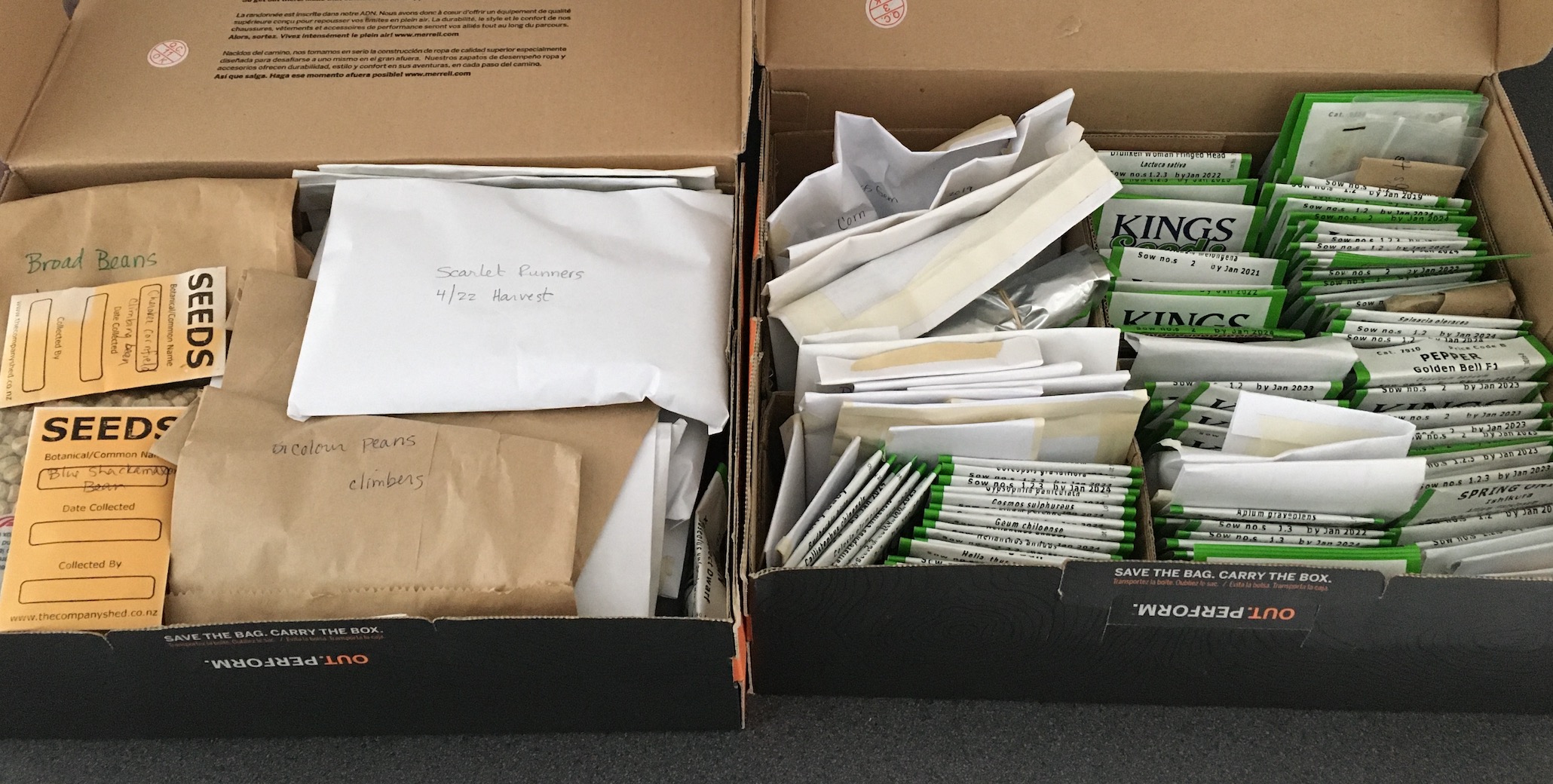
For me, planning starts with taking inventory of my seed stock. Two large shoe boxes barely manage to contain most of my seeds (the broad beans never fit). Small vegetable seeds are arranged alphabetically. Large-seeded peas and beans get their own shoe box, and are less well organised. 

My inventory is kept on a spreadsheet that I update annually, so I can see at a glance what I’ve got in stock. As I update the inventory, I cross-reference my garden notes, tossing out seeds that had low or no germination the year before. When I find seeds I know I need more of, I make a note on the spreadsheet. When the seed catalogue arrives, I can quickly determine what I need to buy. (Note that this doesn’t actually save me any time in getting my order in—I still page through the entire catalogue, because you never know what new things you’re going to absolutely NEED, based on a pretty photograph and a two-sentence description).

Once I’ve got my seed needs identified, it’s time to plan where all those plants are going to go in the vegetable garden.

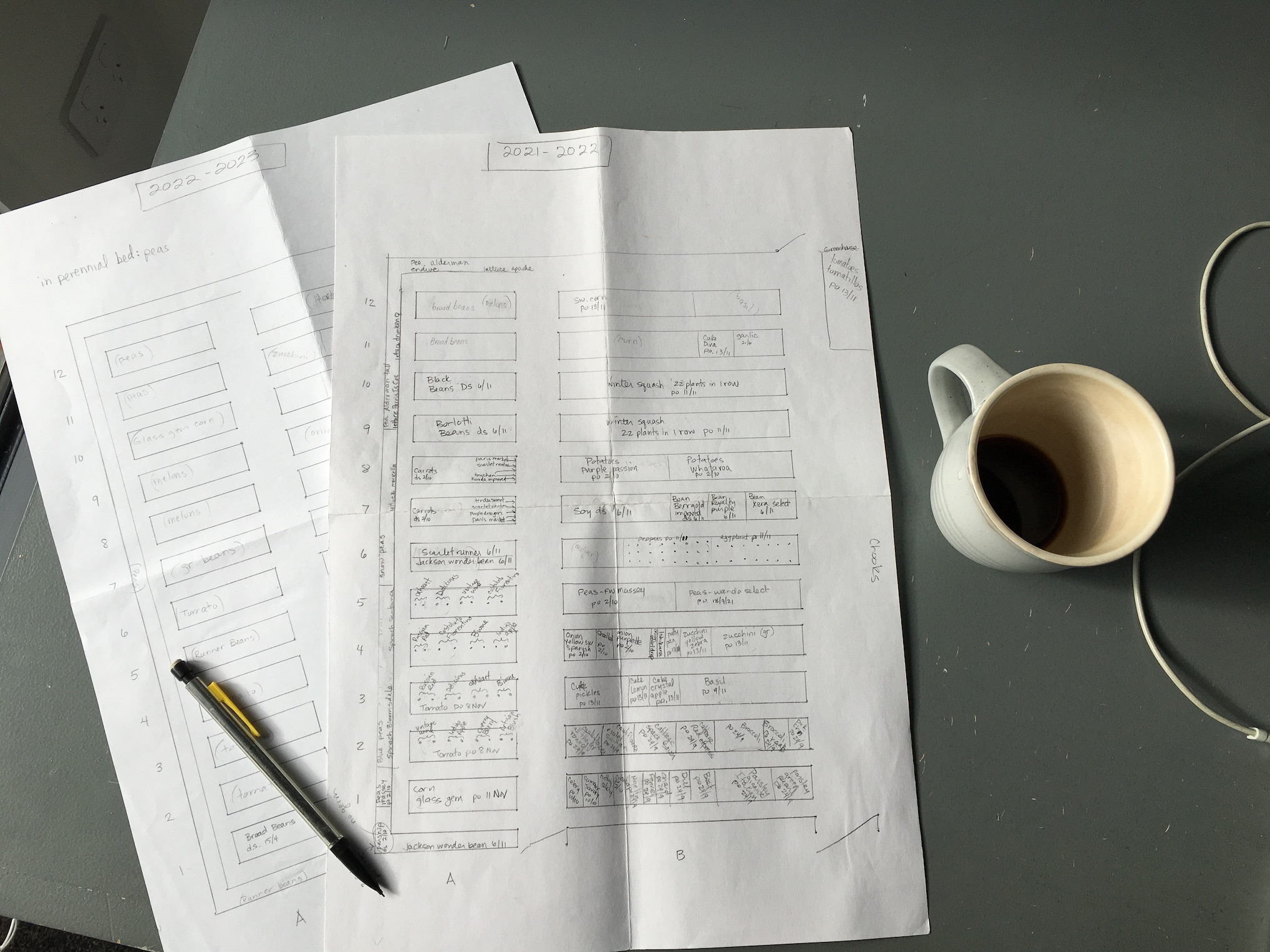
Every year I draw a map on a large sheet of paper. The map includes all the vegetable beds plus the greenhouse and any ‘overflow’ space I happen to have that year in perennial beds. I give each bed a grid reference—columns labeled with letters, rows with numbers—so I can refer to them easily when I start mapping out my weekly tasks later in the year.

With last year’s map as a reference, I tentatively write each crop into the beds I want to plant in, careful to rotate crops to avoid pathogen build up. As I plant each crop later on, I’ll mark a date on the map to tell me when it was planted.

By planning ahead, I avoid mistakes like planting sprawling winter squash next to low-growing herbs that will be overrun by the squash. I can also plan for large plants to sprawl into space vacated by early crops, or tall crops to shade cool-loving crops and extend their season.

Equally importantly, by planning in advance, I can control myself when it comes time to actually plant seeds—preventing problems like having to deal with 50 kg of zucchini every day in February. Planning goes a long way toward making each garden year a success.

Pro tip: Garden planning is best done on a really cold, nasty day, with a cup of coffee or glass of wine in hand. 🙂
Winter Baking

Anytime of year is a good time for baking, as far as I’m concerned. But winter baking is probably my favourite.

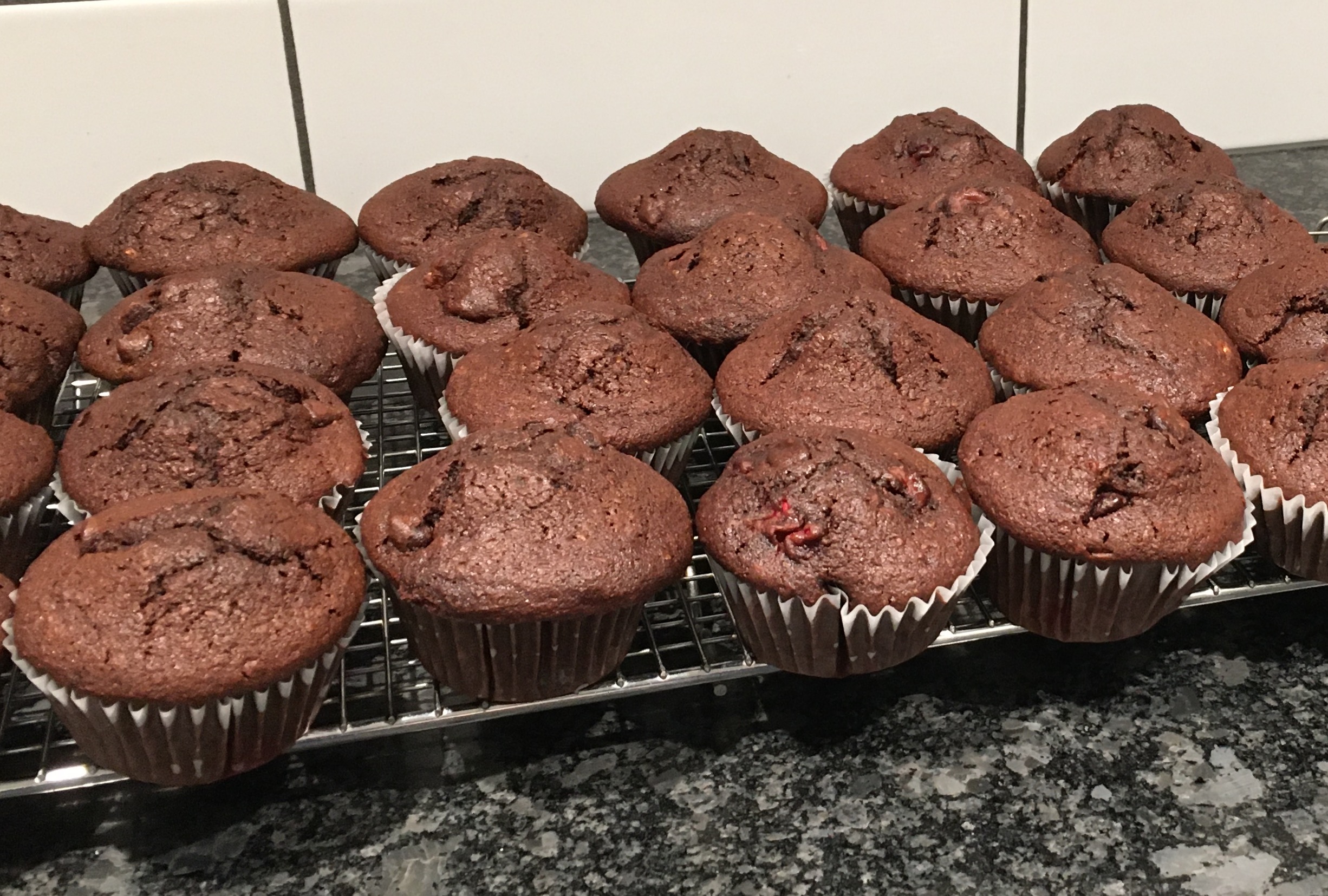
Chocolate raspberry cupcakes
Chocolate Raspberry Cupcakes

First, it’s dark out. I can start baking after dinner on a weeknight and not feel like I’m missing out on valuable garden time, because it’s pitch black out.

Second, who doesn’t feel the need for a few extra calories on those cold winter days? We can all justify eating that extra cupcake in order to stay warm.

Third, with the house closed up, the glorious smells of cinnamon, chocolate and butter linger in the house. If you bake on Monday evening, you can still smell those delicious cookies the next morning. You don’t lose those scents out the open windows.

But possibly the best thing about winter baking is the opportunity to revisit the other seasons by using the fruit stored up during the rest of the year. 

apple pie
Apple Pie

Monday night I made chocolate raspberry cupcakes using the last of the raspberries frozen at the height of summer—that fresh taste is so welcome in mid-winter when berry fruits are little more than a memory. 

Last week I made apple pie with apples frozen during autumn. The aroma of fruit and cinnamon evoked those marvellous days of plenty. 

Next week, for the solstice and Matariki, I’ll pull out the frozen currents and make my very favourite winter treat—current pie. Its tart flavour is the taste of summer. It reminds me that the long days of December are only six months away.

So I will bake my way through June, July and August, dreaming of warmer days past and planning for warmer days to come.

currant pie
Care for a slice of currant pie?

Lemony Currant and Rosemary Cake

I can’t come home from the library without at least one cookbook. This week’s gem was Snacking Cakes by Yossey Arefi. The general premise of the book is cakes you can whip up with a whisk and one bowl. How could I resist?

There are 50 recipes in this book, and they’re not all just the same recipe with one ingredient changed. Along with standards like pineapple upside down cake and several different chocolate cakes, there are some intriguing and unusual ones.

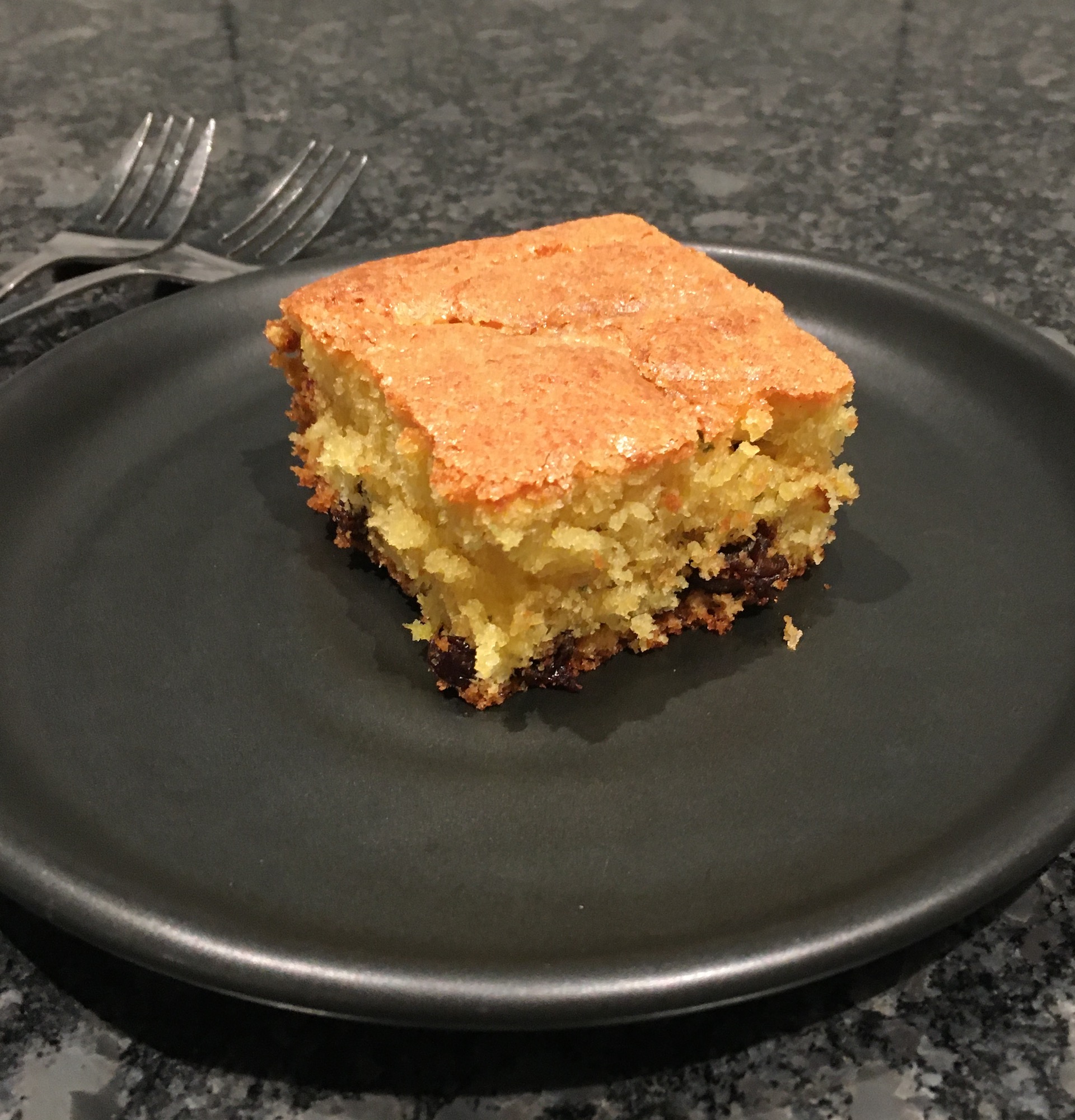
My first foray into the book was Lemony Currant and Rosemary Cake. There are four teaspoons of chopped fresh rosemary in the cake (along with the obvious lemon and currants), and the top is sprinkled with sugar and coarse salt. The result is a delightful sweet/savoury combination that invites me to snitch a bit every time I walk through the kitchen.

I’d invest serious time in making a cake that tastes this good, and yet this cake mixed up in just a few minutes. The return on investment is huge!

I can’t wait to try some of the other cakes—Salty Caramel Peanut Butter, Oatmeal Chocolate Chip, Powdered Donut, Buttered Walnut, Grapefruit White Chocolate, and Coconut Lime Cake all sound fabulous. The speed at which these cake can be made, I could make a different one every day after work! 

Never mind dinner—I’ll just have cake 🙂

Bundt Cake!

I have a kitchen full of bakeware—muffin tins, mini-muffin tins, individual mini tart pans, specialised slice pans, a set of tiered cake pans, square tins, round tins, heart-shaped cake tins … the list goes on and on.

But until two weeks ago, I did not own a Bundt pan.

This icon of 1970s baking somehow never ended up in my kitchen. Every time I came across a recipe calling for a Bundt pan, I just used two loaf pans. And of course that worked just fine.

But I still wanted a whimsical, circular tube pan.

For a while, I did have an angel food cake pan—a beaten-up old aluminium one that tended to leak out of the removable bottom, due to a ding it suffered at some point. That pan vanished in a clean out some time ago. Last I used it was for my daughter’s birthday 12 years ago, when she asked for a ‘flower’ cake—I stuck a vase of fresh flowers in the middle, which she thought was pretty. (She was only 6 then, and hadn’t yet learned to ask for crazy impossible things like octopus cakes, or alpine vegetation cakes). 

My first Bundt cake ever, made last weekend, was a chocolate coconut pound cake. I was intrigued with how glossy the cake appeared—a product of the brand-new non-stick interior, no doubt. 

I normally wouldn’t ice pound cake, but the Bundt shape begs for it. The result looked a bit like an iced turd. But it was every bit as delicious as the same cake baked in loaf pans.

I’m tickled with my new Bundt pan, and looking forward to more delicious iced turds. 🙂