Not your ordinary gym experience

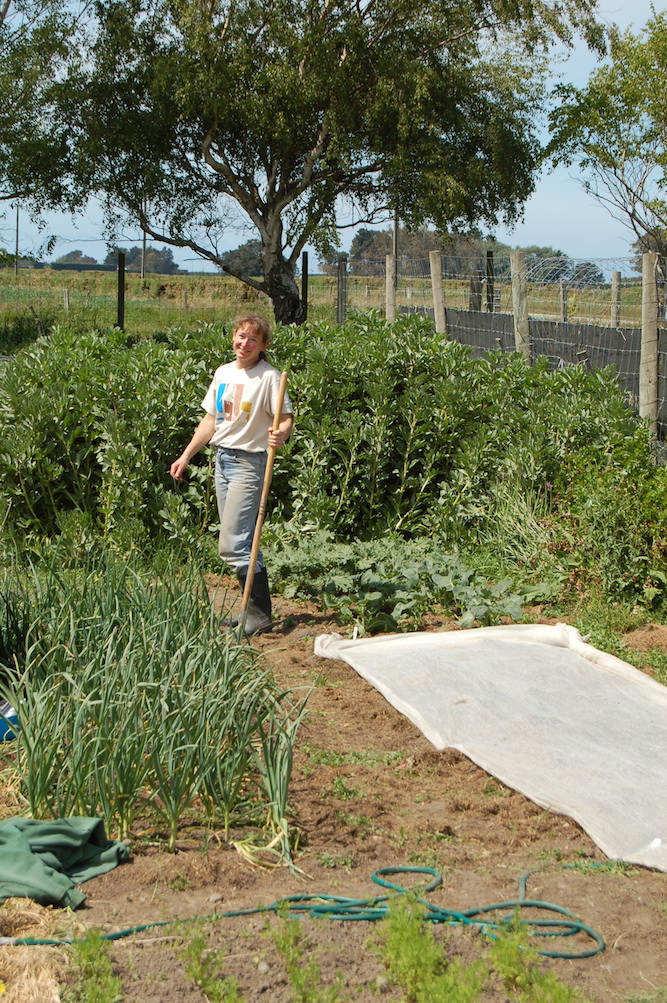
DSC_0028 smI don’t exercise. When people ask, I say that the garden is my gym.

It’s true, because the garden provides exercise, but in reality the garden is nothing like a gym.

You go to the gym, and a 5 kg weight is always going to weigh 5 kg. The rowing machine provides smooth, consistent resistance. The treadmill is free of rocks and tripping hazards.

Things are less dependable in the garden. The hoe bounces unexpectedly off tough roots and buried rocks. You’ll be turning soft soil, getting into a nice rhythm when suddenly the soil fights back. Twitch roots grab the spading fork and wrench your back in ways you cannot describe to the physiotherapist. Each forkful of soil is different—live.

At the gym, you go for an hour, you do your routine, and you leave.

In the garden, you start at 7.30 am. You fill the wheelbarrow again and again, and still there is no end to the weeds. At noon you stop for lunch, and your body begs you not to go back to the garden. You go anyway, because there is still so much to do. You work more slowly. Garden work doesn’t encourage good exercise form, and you need to stop frequently to straighten your aching back.

By late afternoon, you feel you can’t possibly pull another weed. You look up from your labour and see that you’re nearly done with this bed. If you can just carry on for another 30 minutes…

You make the final raking of soil and sigh. You can rest now, as soon as you put your tools away and finish the other chores you’ve ignored in order to finish the day’s gardening.

Your back screams as you bend to pick up your tools. You slowly trudge from the garden…

And then an irrigation line breaks. Water gushes everywhere, and you want to weep as you rush to fix the problem, wrestling with wet, muddy pipes.

When you finally stagger inside, it is time to make dinner. You have been at the gym for nearly ten hours.
 

Peach Oatmeal Muffins

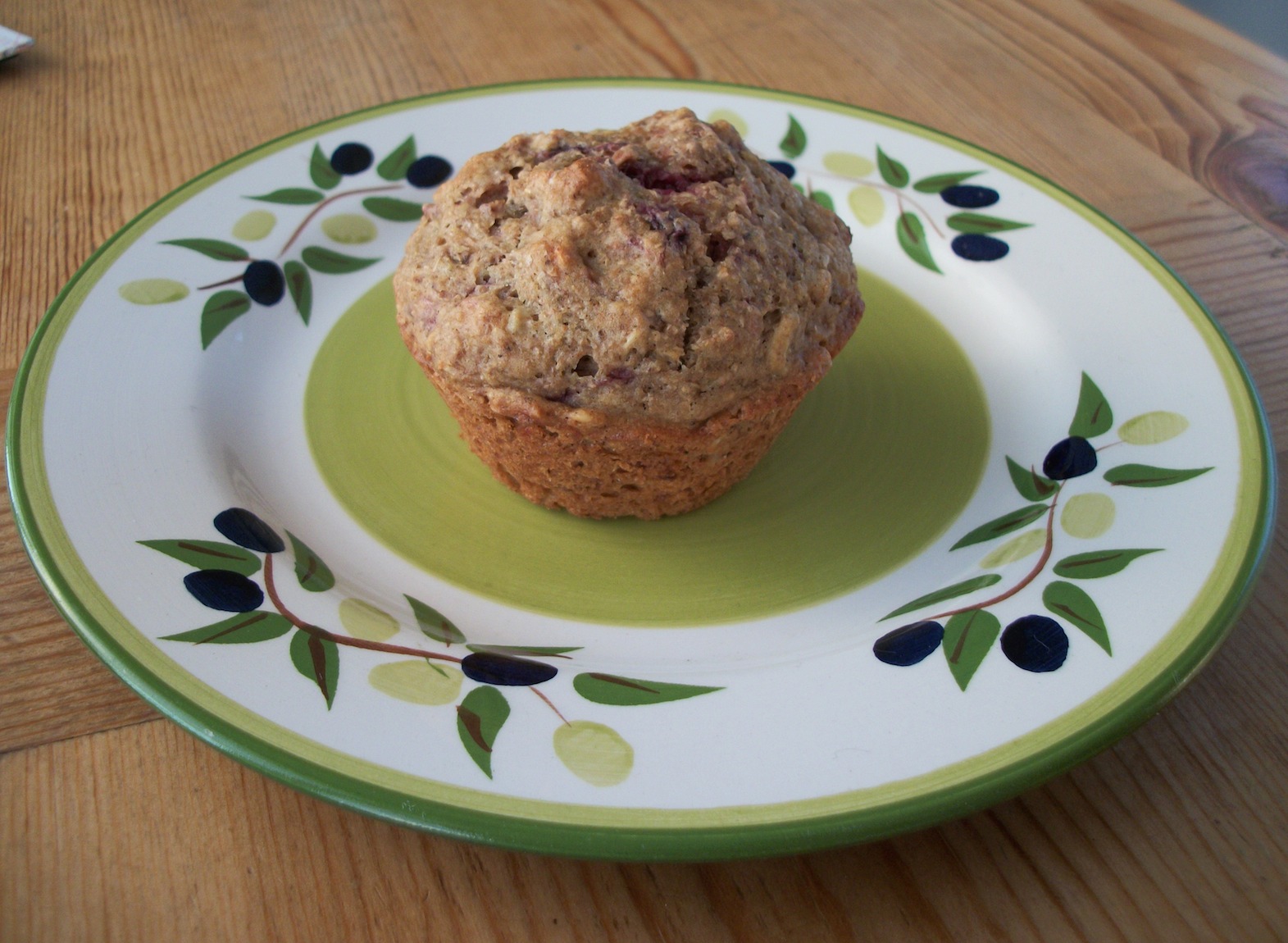
100_3670 smThese little gems are inspired by a peach bread recipe—they’re every bit as delicious as they sound. Try them warm from the oven with a little butter. They’re also excellent once they’ve cooled and the spices and peaches have mellowed (though they may not last long enough to cool).

3 cups peaches (fresh, frozen or canned; peeled, cut into small pieces and drained)

2 cups whole wheat flour

¾ cup all-purpose flour

½ c brown sugar

1 Tbsp baking powder

½ tsp baking soda

½ tsp salt

1 tsp cinnamon

½ tsp ginger

¼ tsp cloves

1 cup old-fashioned rolled oats

2 eggs

1 cup milk

¼ cup vegetable oil

¼ tsp almond extract

Combine the flour, sugar, baking powder, baking soda, salt and spices in a large bowl. Add the oats and peaches, stirring until the peaches are coated. In a separate bowl, beat the eggs, milk, oil, and almond extract. Add to the flour mixture and stir just until evenly moistened.

Scoop the batter into greased muffin tins (makes about 18 muffins), and bake at 190°C (375°F) for about 25 minutes. Allow to cool 5 minutes in the pan before turning out.

I can’t believe I never thought of this before…

100_3663smEvery spring when it’s time to mark out the garden beds, I pull out my tape measure and take it our to the garden, along with the hoe, spading fork, wheelbarrow, secateurs, and weeding tool.

The tape measure is fiddly, gets muddy and wet, and is one more thing to forget to bring out, one more thing to forget to take in at the end of the day.

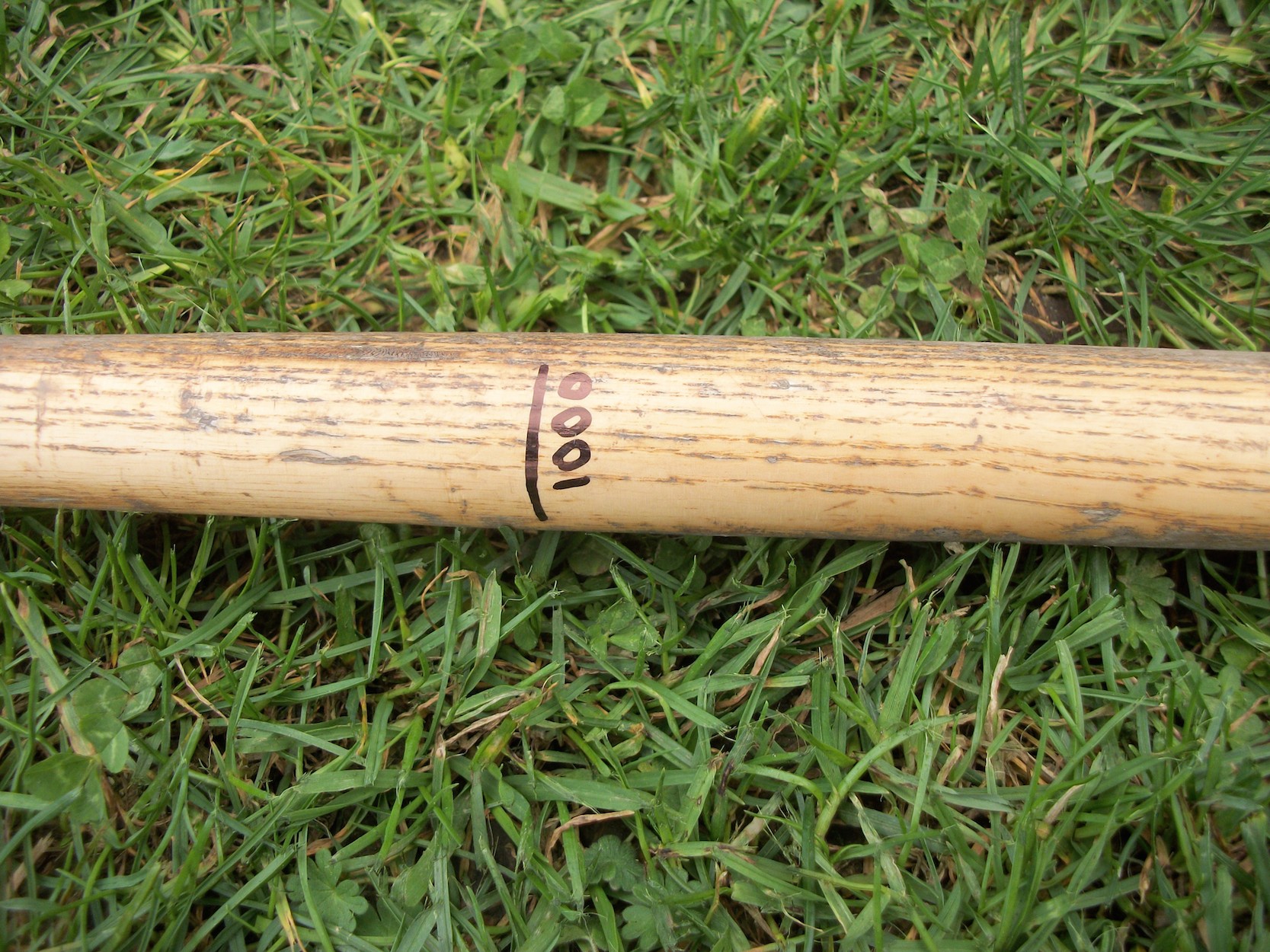
Last year I got smart and made myself a measuring stick from bamboo, with the key measurements marked on it.

But now I feel totally stupid, because this year it occurred to me that I could just mark the measurements on my hoe, which I always have in the garden with me. In fact, it’s the first tool I need once I’ve marked out a bed, so to use it to measure the bed in the first place is logical. So logical, I can’t believe I didn’t think of it before!

Five Years on…remembering the 2010 quake

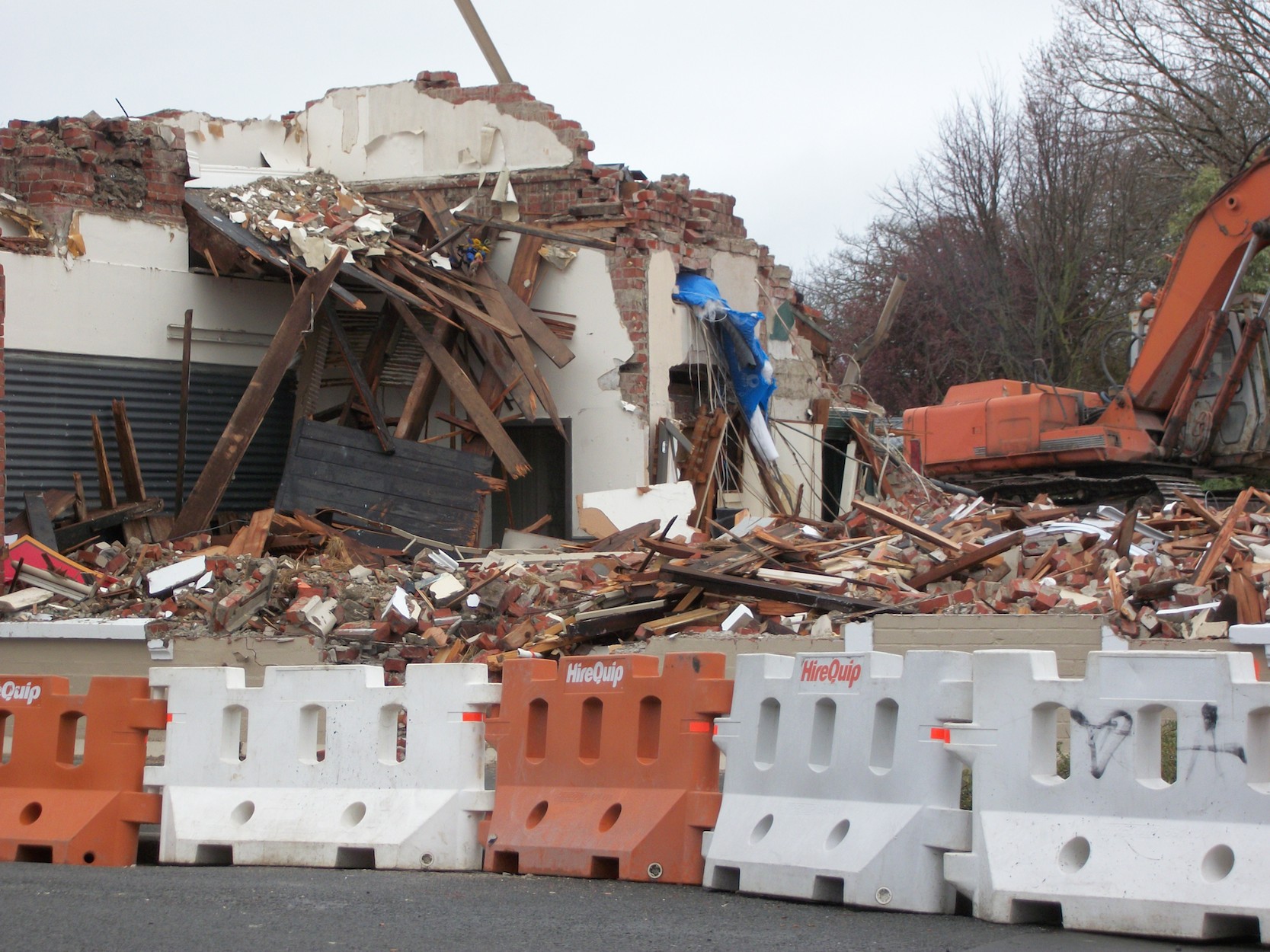
100_0076 sm“Good, good, good, good vibrations…” The sound of the Beach Boys emanating from the wind-up emergency radio made me smile. I bopped to the music, learning then that the best way to weather the aftershocks was to keep moving. Knowing then that my relationship with the earth had fundamentally changed.

I was sitting on the floor in the middle of my dark living room. Just a few minutes earlier, at 4.35 am. We had all been jolted out of bed by a M7.1 earthquake centred about 20 km away. The rest of the family had all gone back to bed, but I knew I couldn’t. I would have been up at five anyway, and the excitement of such a large quake wouldn’t let me sleep.

And so, when National Radio broadcast the Beach Boys minutes after the quake, I was there to hear it and smile.

Memories of the first quake and the nearly 15,000 aftershocks since are still fresh. Just the other day, one of my daughter’s friends was recounting how they had had little food in the house when the quake struck. With power out and shops closed, they subsisted on Weet-bix for four days.

We were more fortunate. It had been a good winter garden, and though it was only early spring, there were plenty of vegetables to eat. And with a gas stove, we were able to cook those vegetables in spite of no electricity.

As for water, we might have been worried, if we’d known what the quake had done to our well. But until the power came back on, we were blissfully unaware that the well had filled with black silt. We confidently used the many litres of water I had stored for this very possibility—a week’s worth of drinking and cooking water. More, if we were frugal with it. The rain barrel behind the shed provided water for the toilet.

We circled the wagons and waited. The family was together. It was spring, and there was much to do in the garden. We spent the days outside in the sun, and the nights eating by candlelight, and riding out the aftershocks. What little we knew of the extent of the damage came through the wind-up radio, which we listened to eagerly. It was an oddly peaceful time—the aftershocks were frightening through the nights, but the sun shone during the day, and we went for walks as a family and played board games.

I am by no means a “survivalist”, but I do believe in being prepared. Though we had no idea what a major earthquake was like, we were prepared. And being prepared, we weathered it well, even when we did discover that our well was destroyed, and when it was another five months before we had regular, reliable water. Even when we were subjected to thousands of aftershocks, some even more destructive than the first quake.

Life has changed since the quakes. I cannot enter a room without assessing safe areas, hazards, and exits. I store even more water, and make sure I always have over a quarter tank of petrol in the car. I keep a torch by the bedside. I expect to get lost every time I venture into the centre city—another building will have been demolished, another will have sprung up, another road will be closed for repairs. More fundamentally, I now understand, in an intimate and visceral way, the dynamic nature of the planet. I know the vast power of the earth, and how insignificant my own is by comparison. I am in awe. I am in love. I am honoured to be allowed to live on this amazing world.

Lazy Woman’s Chocolate Yo-Yos

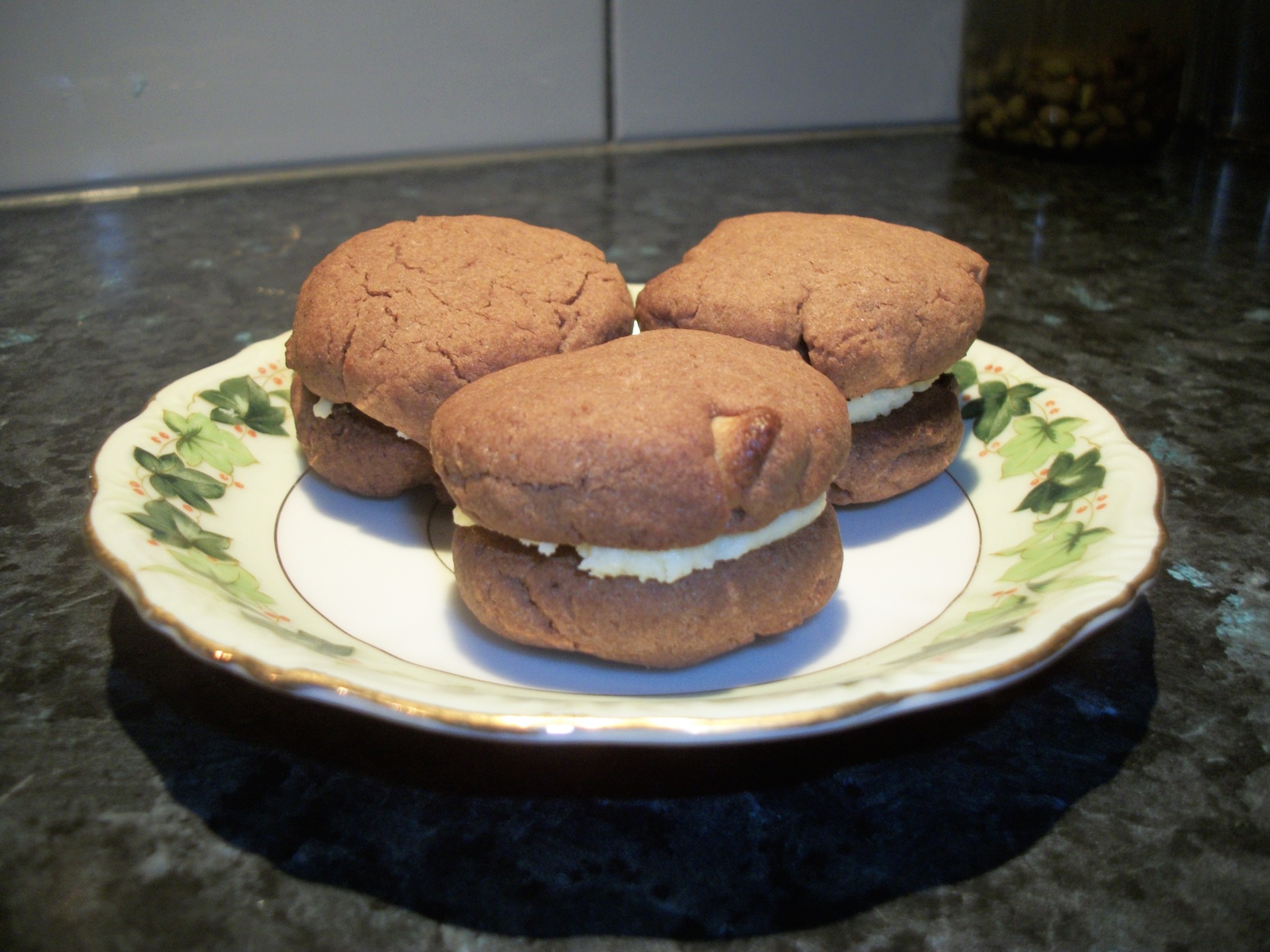
100_3645 smThese are perhaps the easiest cookies ever. They’re great if you just can’t bring yourself to beat butter, or you’ve forgotten to soften butter beforehand. They’re not the best cookies in the world, but they’re perfectly passable. They’re great cookies for young kids to make, because they don’t require a mixer. These were inspired by a sugar drop cookie recipe in Joy of Cooking.

2 ½ cups all purpose flour

3 Tbsp cocoa

1 ½ tsp baking powder

¾ tsp salt

¾ cup sugar

¾ cup vegetable oil

2 eggs

1 tsp vanilla

Sift together the flour, cocoa, baking powder and salt. In a separate bowl, combine the sugar and oil. Add the eggs and vanilla to the sugar and oil, and beat well. Add the flour mixture and mix thoroughly.

Roll the dough into 1.5 cm balls and flatten them slightly onto an ungreased baking sheet. Bake 8-10 minutes at 190°C.

When the cookies are cool, sandwich them together with frosting (I used cream cheese frosting left over from last week’s cupcakes).

I tried mixing in white chocolate chips this time, but the dough is so greasy, they just popped out. If you want to add chocolate chips, I suggest you do it by pressing them in as you roll the dough into balls, rather than trying to mix them in.

The kitchen fireplace

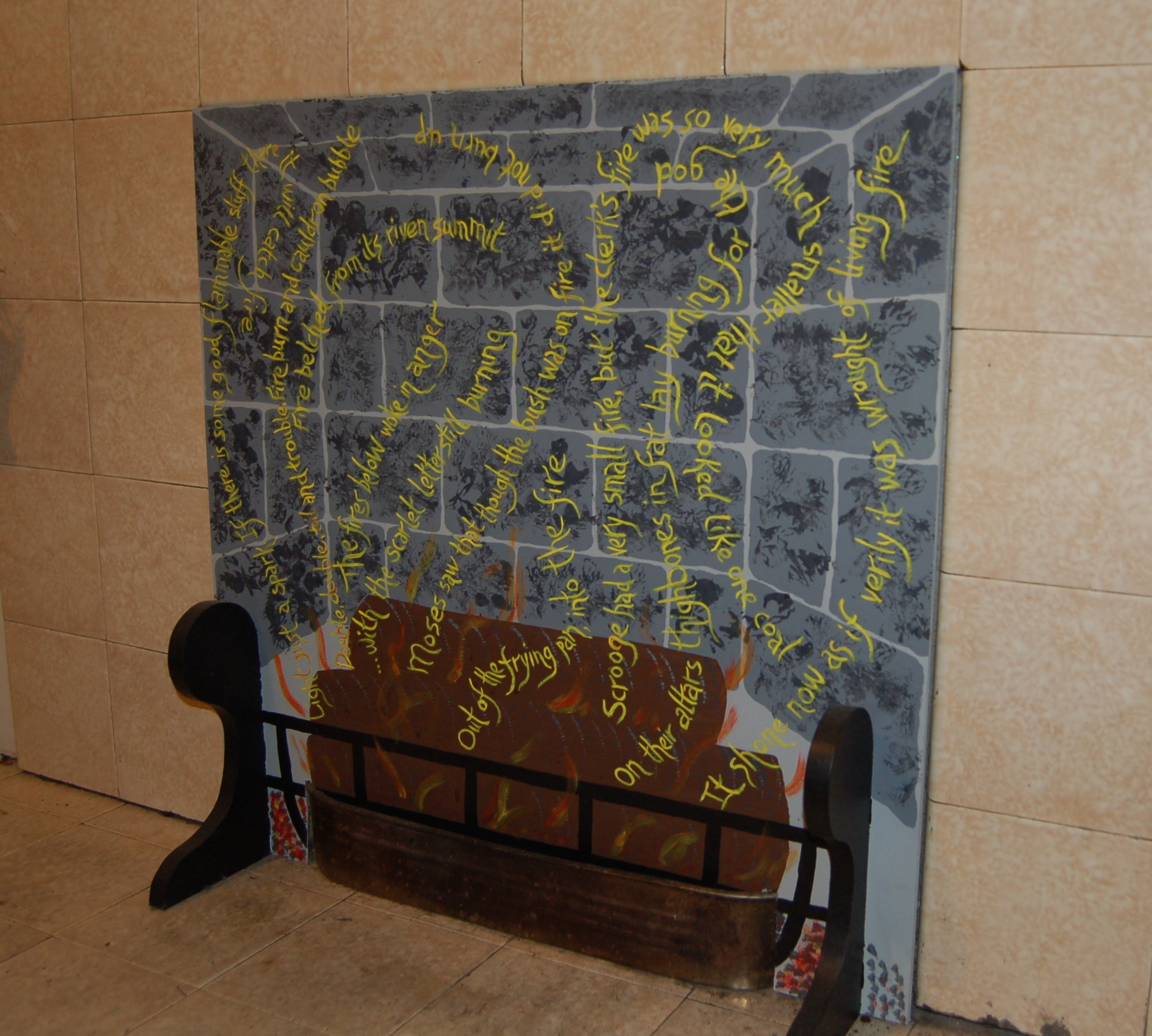
DSC_0017 cropIt used to be that every kitchen had a fireplace. It was what you cooked on, after all! It’s unusual these days, but we are blessed to have a fireplace in our modern kitchen.

When we gutted the kitchen years ago, we talked about tearing out the fireplace. It’s an open fire, and very small (originally for burning coal), so it really only serves to make the house draftier. It is a superhighway for mice from under the house to the kitchen. The beige tile around it is, frankly, ugly. And we could use the space for more cupboards, or countertop.

But it’s a fireplace in the kitchen! What is more romantic and cosy than that?

The fireplace stayed.

Most of the time, it remains covered with a mouse-proof, draft-proof board that I painted with a fake fire in which the flames are fire-related quotes and sayings.

But there are times when you just need a fire in the kitchen. On those rainy nights when the kids have friends over, it’s a great place to make s’mores. On crisp autumn evenings with a party in progress, when you want the atmosphere of an open fire. When the hot water cylinder has been off for days (because we’ve been away, or the power has been out) and the quickest way to heat up all that cold water is the wetback behind the kitchen fireplace.

Or when we just feel like it.

So, though there is absolutely no practical reason to have the kitchen fireplace, I am happy it’s there.

Biscuit Stars

100_3639 smYesterday, I came across a lovely looking chocolate bread online that used the technique of cutting and twisting the dough to create pretty patterns.

I thought it would work in biscuit dough, too, so this morning I gave it a try.

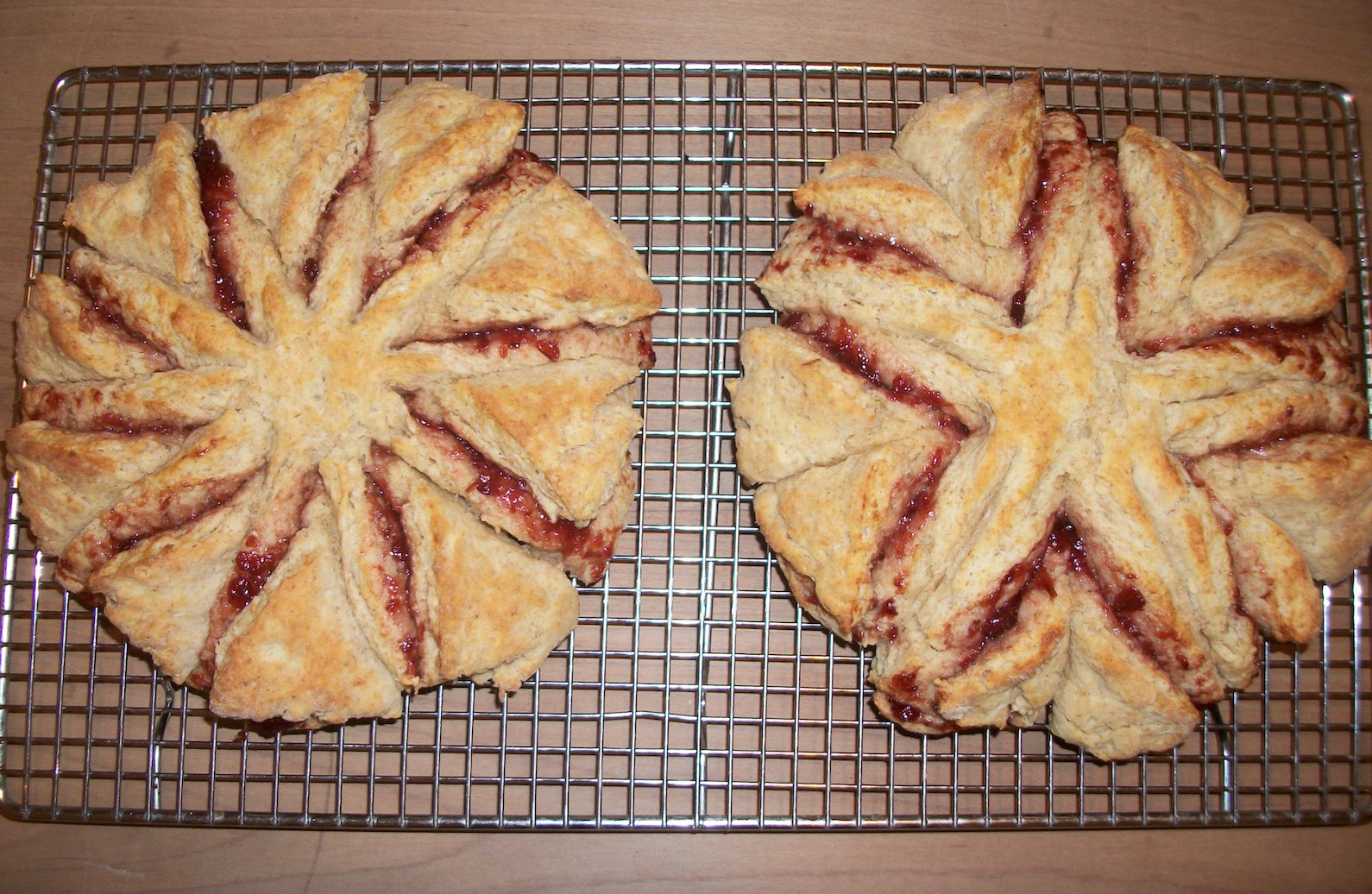
I made my usual rolled biscuit dough, then divided the dough into quarters. I rolled out one quarter into a round about 20 cm (8 in) in diameter and 1 cm (1/2 in) thick and placed it on an ungreased baking sheet. Then I spread jam generously over the entire round, and topped it with another quarter of dough rolled out to the same size, pressing gently to bind them together. With a knife, I cut the stacked round into 10 wedges, leaving the centre uncut. Then I gently flipped each wedge over, to give it a twist.

Then I did the same with the other two quarters of dough. For the round on the left, I flipped each wedge in the same direction. For the round on the right, I flipped adjacent wedges toward each other.

I baked them at 190°C (375°F) for about 20 minutes.

The results were pretty and yummy, too!

Capturing water

100_3635 smSummers are dry here. Nor’west winds whip hot and dry across the plains, sucking moisture from the plants and soil. Though I protect my garden as best I can, with mulch and shelter, there is no escaping the need to water, at least once in a while.

That’s in a good year, when it rains occasionally during the summer.

Last year, we got almost no rain from October to February, and our autumn and winter have been unusually dry as well. The prediction with climate change is for more of our years to be like that.

Which naturally leads me to worry about water. For now, there is plenty of water in our well to keep the vegetable garden green in a dry year. But if we have more and more dry years, who knows what might happen to the water table.

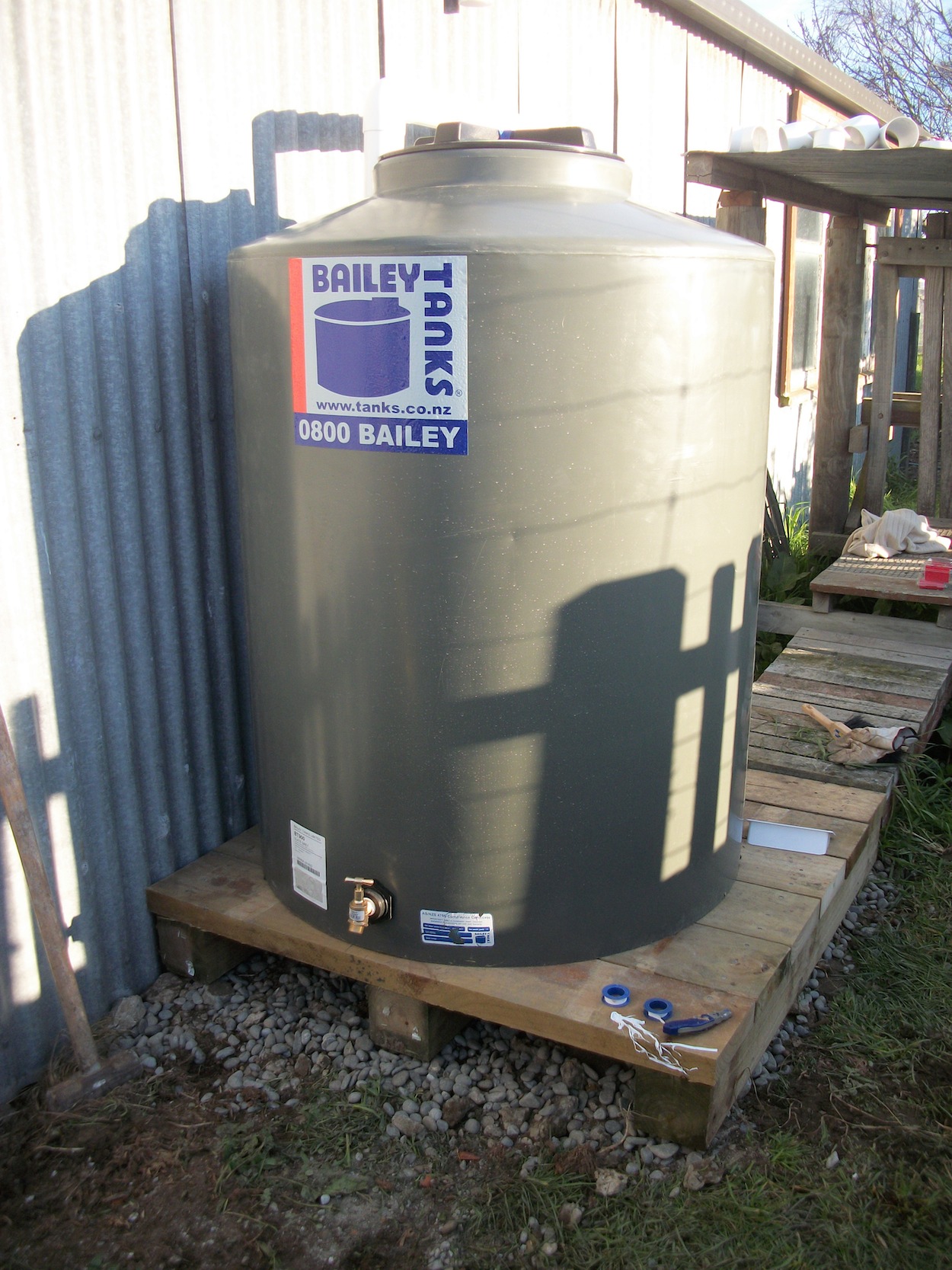
So this year, when we needed to address some aging guttering on our sheds anyway, we tried to arrange things so we could make better use of the rain that does fall on the property.

We had a rain barrel before—a rusty old 55 gallon drum of unknown origin, from which we were able to draw rust-flecked orange water in an emergency. It was great for flushing the toilet after the earthquakes, but it wasn’t particularly pleasant, and it wasn’t enough water to make much difference if we needed to use it on the garden.

Now we have a 900 litre tank collecting water off our large shed roof, set up so I can easily attach a hose and draw off the water when I need it. And the water from the small shed’s roof is being directed into the pond, so that, hopefully we won’t need to refill it with water from the well when summer evaporation threatens to dry it up. Any overflow will water the garden around the pond.

There is still a lot of water we don’t capture, but the rain off the house roof currently runs out into perennial garden areas, including some of our fruit trees, so it’s reasonably well used.

Waste not, want not. At least, we hope so.

Broomrape

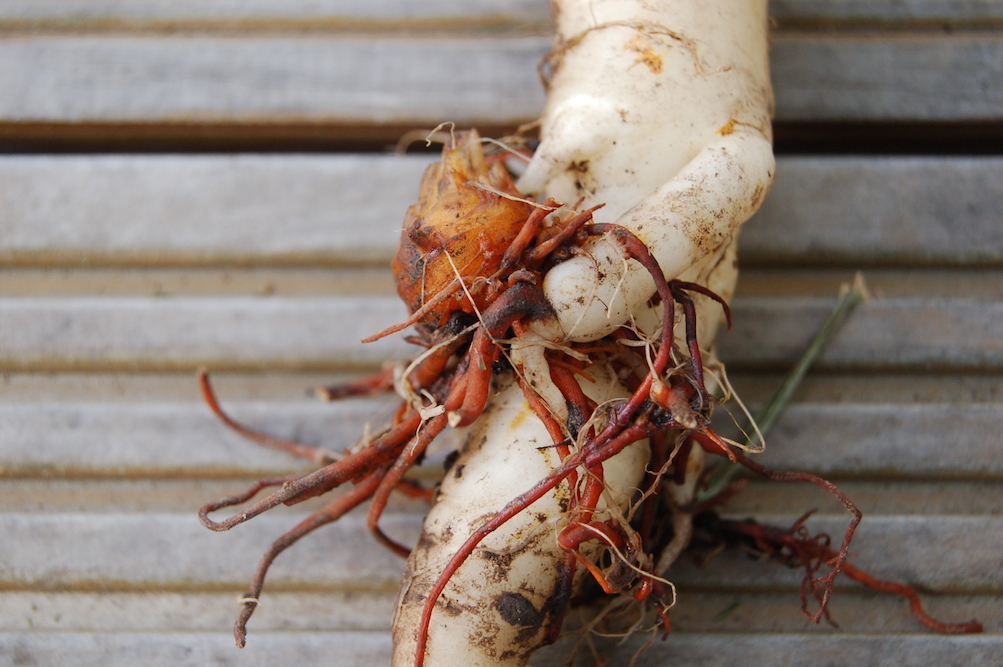
Belgian white carrot in a broomrape embrace

Belgian white carrot in a broomrape embrace

We have a moderate infestation of broomrape (Orobanche minor) on our property. It shows up here and there in perennial beds and in the vegetable garden.

Broomrape is a parasitic plant. It contains no chlorophyll, and when it is not flowering, the entire plant is below ground. Its fibrous, root-like tentacles encircle the host plant’s roots, sucking off nutrients and water from the host.

Though it “officially” prefers clover, in the vegetable garden, it seems particularly fond of carrots. I regularly find carrots being strangled in a broomrape embrace.

The gardener in me is dismayed every time I find one.

The scientist in me is fascinated.

Many parasites are very host-specific, that is, they only live on one or a limited number of host species. Orobanche minor appears to have a wide host range, but there is evidence that individuals parasitising different species are actually genetically isolated from one another, because the parasite’s reproductive cycle is tied to the host plant.

Eventually, that isolation could cause Orobanche minor to speciate…or maybe it has, and we haven’t noticed yet.

Perhaps some day my carrot-loving parasites will be different enough from my clover-loving parasites that they will have a new name. Maybe Orobanche carota!

Use it and Lose it

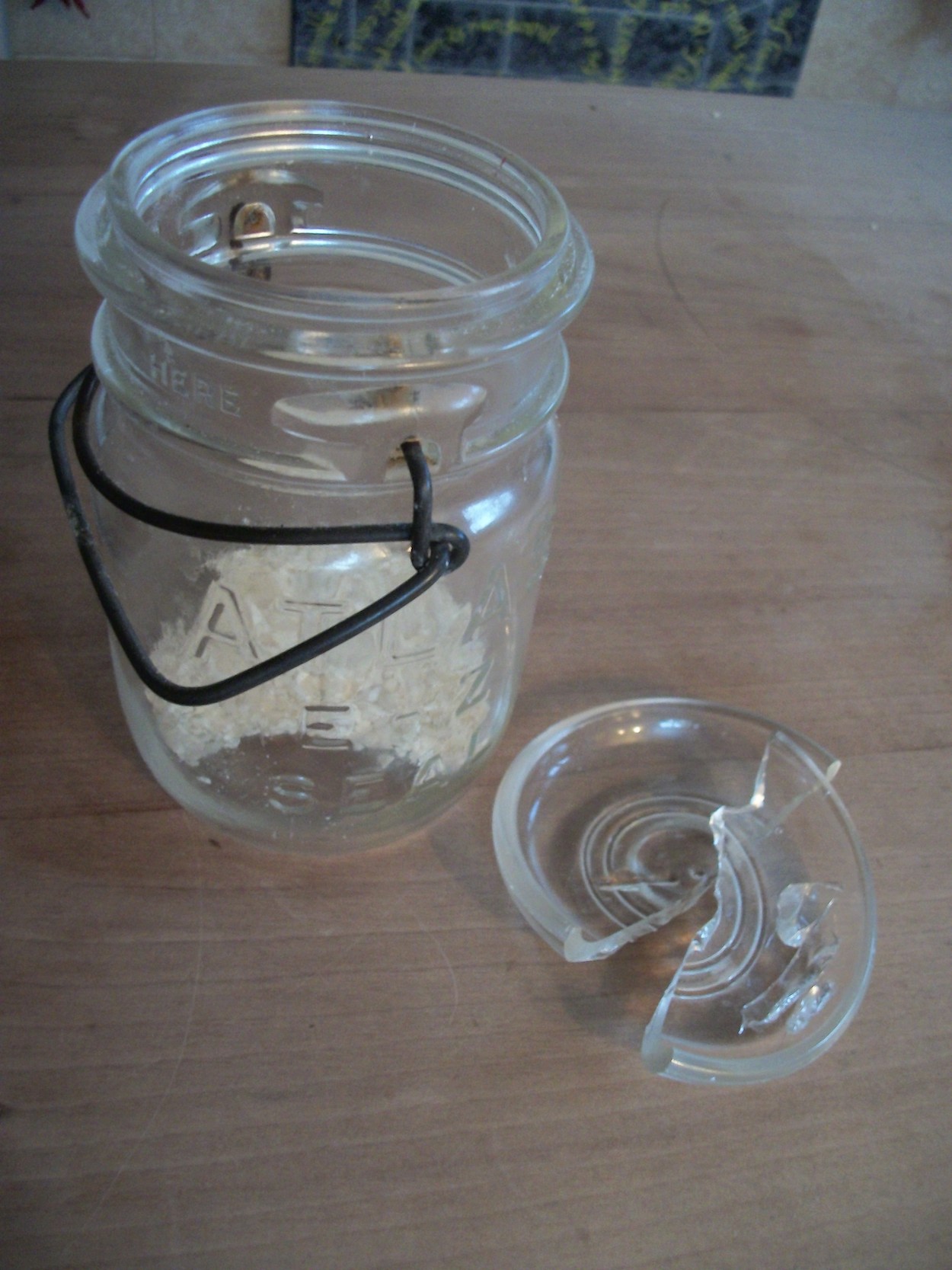
100_3629 smI opened the jar of sesame seeds this evening, and the glass lid slipped from my hand, fell to the floor, and broke. I closed my eyes and took a deep breath. Another one of my favourite antique jars was gone. There is only one left now.

I don’t know how old these lovely Atlas jars are, but they are certainly older than me, possibly much older. I should probably not be using them at all. But they are beautiful and useful—it would be a shame to pack them carefully away to preserve them. Better to let them live out their lives as useful kitchenware, as they were meant to.

I believe in using the things that I enjoy. So I use those antique jars, the 150 year old steamer trunk, the antique chairs, the collection of early 20th century teacups.

The quilt that I spent seven years embroidering goes on the bed every summer, and the newest quilt (over a year in the making) serves us all winter.

The result is, of course, that things break, fade, and wear out. Slowly these little treasures disappear, no matter how much care we take with them.

But I like to think of these objects as having a life, a presence that is tied intimately to their utility. If they are not used, they cease to exist as they were meant to. By using them, and ultimately breaking them, I keep them alive. And when I wrap the broken shards in newspaper and inter them in the rubbish bin, I know that they have lived and died well.

I hope I can say the same of myself when I reach the same point in my life.