Colours of the Season

100_4093 smStrawberries, gooseberries, black currants, red currants, cherries, raspberries—they all seem to come at once in a tsunami of colour and flavour.

The weeks before Christmas are filled with jam, pies, and shortbread. Fingers are permanently stained with juice. Festive splatters decorate the kitchen walls and floor. Bowls of green and red fruit stand in for more traditional holiday decorations.

Today, we put up the Christmas tree and made the first jam of the season.

It’s beginning to look a lot like Christmas!

Christmas Doggerel

Seasonally adjusted Christmas tree--the Christmas bean!

Seasonally adjusted Christmas tree–the Christmas bean!

It wouldn’t be Christmas in New Zealand if I didn’t completely trash at least one Christmas song by writing a geographically appropriate version for us.

And so, to kick off the Christmas season, here it is–to the tune of Chestnuts Roasting Over an Open Fire.


Marshmallows toasting o’re the campfire.

Sand crabs nipping at your toes.

Yuletide carols being sung by a choir,

And folks with sun block on their nose.


Everybody knows a wetsuit and some ice cream

Help to make the season bright.

Tiny tots with a sunburn will seem

To find it hard to sleep tonight.


They’re tracking Santa’s every vector.

He’s loaded lots of toys and goodies on his tractor.

And every mother’s child is gonna spy

To see if sheep really know how to fly.


And so I’m offering this simple phrase

To kids from one to ninety-two.

Although it’s been said many times, many ways,

Kia ora to you.

Watch Out—She’s Packing Secateurs!

Among my favourite garden tools is a pair of small, straight-bladed secateurs. In addition to the secateur function, the tool also acts as a knife—the “back” edge of each blade is sharpened.

It took me a few very deep, nasty cuts to my fingers before I quite got the hang of this tool. When I use it to trim goat hooves, I have to wear heavy gloves, because the goats always kick and send the blade into my hand.

Thankfully, the tool comes with a sheath. The sheath clips to a belt or pocket, and I’ve found it quite handy to always have a knife and secateurs with me in the garden. So I’ve taken to automatically clipping it on when I go to the garden.

With my secateurs at my hip, I feel like I’m packing heat.

**Apologies—I spent most of my day away from internet access, only got home at 10.30 pm, and didn’t get a photo for today’s post. At least I got it posted…just an hour to go in the day!

Reality check

syringesPeople who don’t keep livestock think that having dairy goats is like some sort of fairytale honeymoon. You go out to the paddock, fill a pail with fresh milk, and life is all strawberries and cream.

Reality…is a bit different.

You wake at 5 am to the sound of the goats whining at you. You stumble out of bed wishing that you could sleep in, just one day, but you know you can’t—the milking has to be done, whether you feel like it or not. You go out to the paddock and open the gate. You wrestle desperately with four goats who all want out the gate at once, trying to tease out the one you want. While you heave the gate shut behind her, the loose goat decides to eat those lovely ornamentals you just planted.

You pull her away from your flower beds and head her to the milking stand. She baulks at stepping up, because yesterday the neighbour’s irrigator was hitting the stand while you milked, and she was spooked by it. You cajole, then threaten her up onto the stand. You start to milk her, and she kicks. When you pull back to let her calm down, you discover why she doesn’t want to be milked this morning—she has a cut on one teat, and milking is reopening it. Your hand is covered in blood, but you can’t stop—she’s got to be milked.

You manage to milk her out while she dances around, trying to upset the pail. You get her back into the paddock and repeat the circus with another goat. When you get back inside, you strain the milk, and realise that one of the goats has developed mastitis.

You spend another couple of milkings trying to isolate who is infected, and whether one or both sides is infected.

When you finally know only one side of one goat has mastitis, you go to the vet, who decides that this time, she’s going to give you a systemic antibiotic for it, not the local udder injection like you expected. All that work figuring out exactly where the infection is was a waste of time.

For the next three days, you inject the goat with antibiotics. An intramuscular injection that’s as painful for you as it is for the goat. She hates the injections, and by day three absolutely refuses to get on the milking stand where you give them to her.

Now, for thirty-five days, you need to continue to milk, morning and evening. But instead of making cheese and ice cream, you have to throw the milk away because it’s laced with antibiotics.

So, yeah, it’s all strawberries…hold the cream.

Chevre Ravioli

ravioli1 smI love chevre. Not only is it easy to make, it’s delicious in so many ways—on bread with jam, on crostini with olivade, covered with herbs or black pepper and spread on crackers. It’s a fine stand-in for cream cheese in cheesecake, too. It takes on sweet or savoury flavours and lends them a creamy tartness.

This week, I used chevre for a super-easy ravioli filling—I mixed about a cup of finely chopped herbs (oregano, thyme, rosemary and cracked pepper) into about two cups of chevre.

My husband made a lovely spicy sauce full of spring vegetables to go on top.

The result was marvellous! Full of intense, fresh flavours!


(Not so) Plain Vanilla

100_4048 smI knew I would be picking strawberries later in the day, so this morning when I was baking I made a simple vanilla cake, because it would go well with the berries.

But why do we consider vanilla simple, plain?

Vanilla is an exotic spice, made from the bean of a tropical orchid. Like most orchids, it has evolved a close relationship with it’s pollinator, and is only pollinated by one genus of bees. Outside its native Mexican range, vanilla must be hand pollinated. Though vanilla was introduced to Europe in the 1500s, it was more than 300 years before a viable hand-pollination technique was developed, allowing vanilla to be grown throughout the tropics.

To make vanilla even trickier to cultivate, it cannot germinate without the presence of specific mycorrhizal fungi.

Add to that the fact that it grows in regions prone to hurricanes and cyclones (which regularly wipe out regional production), and it’s not surprising that vanilla is the second most expensive spice after saffron.

So, why do we think of vanilla as ordinary and plain?

Perhaps it comes from the fact that vanillin, the artificial vanilla flavour that is used in 95% of “vanilla” flavoured products is made from lignin, a by-product of the papermaking industry. That makes artificial vanilla much cheaper than real vanilla—cheap enough to use in everything. Unfortunately, vanillin is only one of 171 different aromatic compounds found in the real vanilla bean, which is why artificial vanilla tastes so…well…plain.

This lovely, exotic spice has been rendered plain by its cheap imitation.

I use only real vanilla.

It’s not plain.

But it goes great with strawberries!

Why I love my e-reader

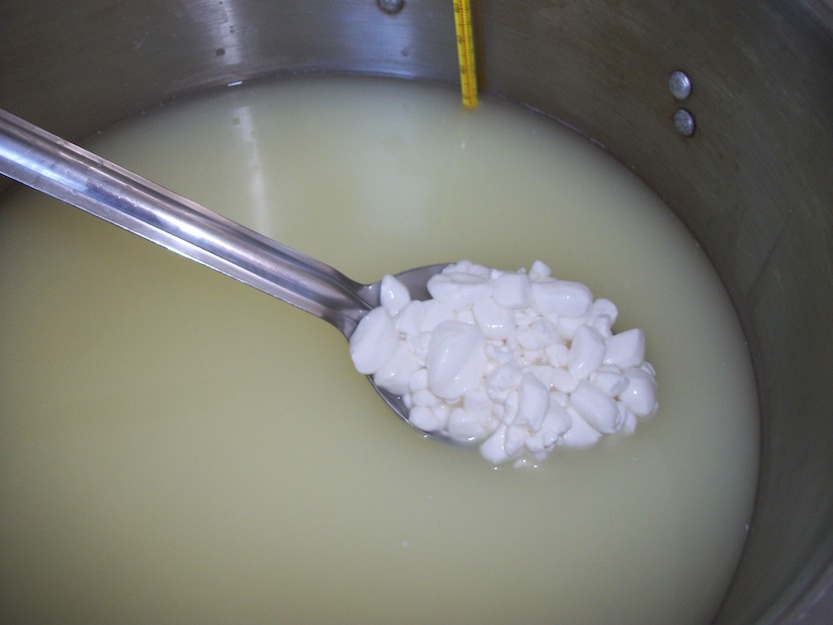
cheese curds sm(or how I manage to read novels during summer)

I love to read, but don’t always have a chance to sit down in summer. I’m often busy from 5 am to 10 pm.

But cheese making gives me an unexpected opportunity to get some reading in, and an e-reader makes it all the easier.

Cheese making involves a lot of standing in the kitchen slowly stirring the curd to drive the whey out. Depending on the cheese, this process can last from 30 minutes to almost two hours.

It only takes one hand to stir, leaving the other free to hold a book. Paper books often fall shut, and it’s hard to turn a page one-handed, but the e-reader is easy to operate one-handed. And if I finish a book half-way through stirring, I can just click to another without leaving the cheese pot.


Girls’ Night In

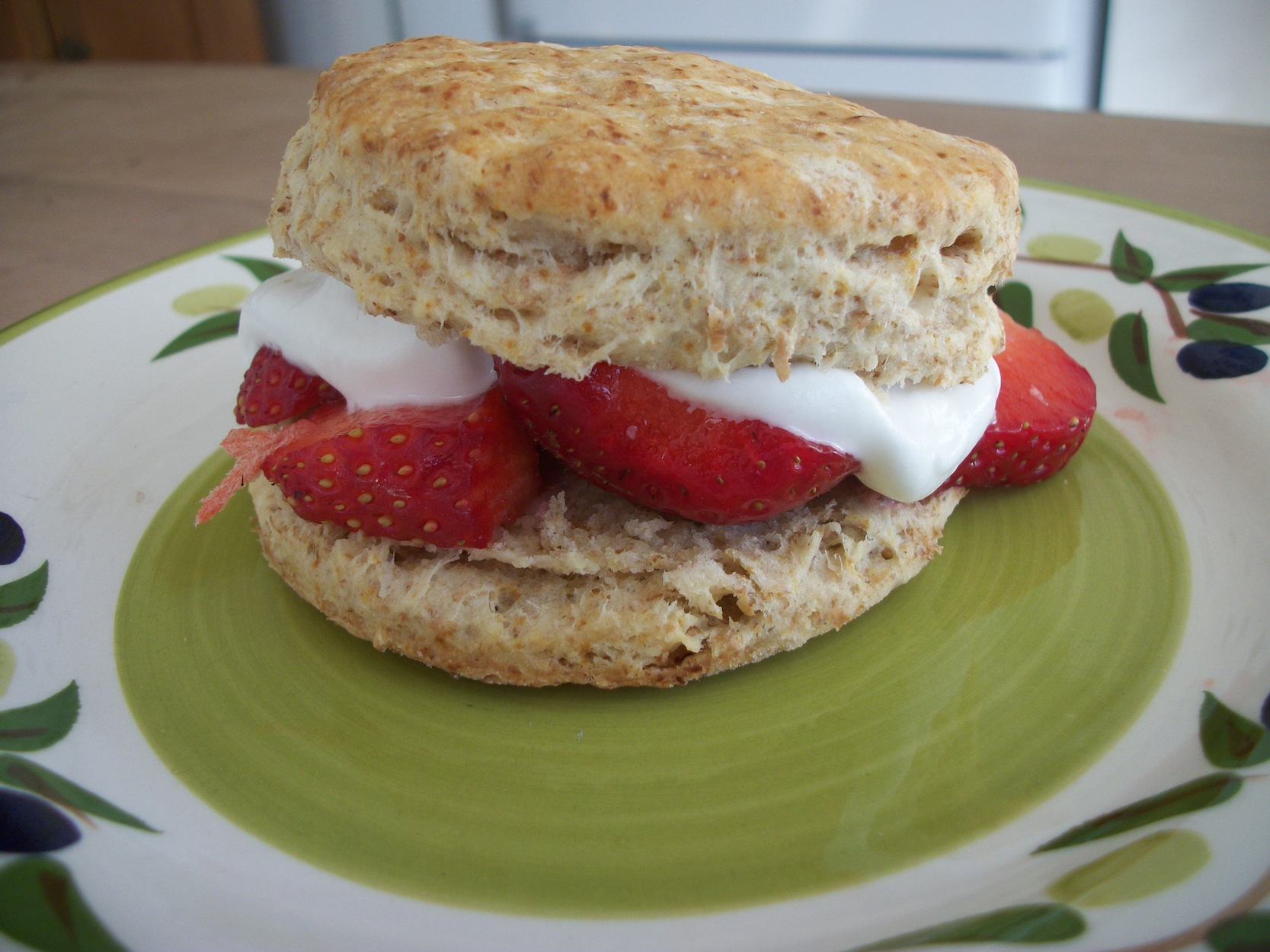
100_4041 smMy son is at school camp and my husband is at a workshop, so it was just me and my daughter for dinner tonight.

We indulged in biscuits—eaten first with egg, cheese, lettuce, and all manner of toppings as dinner, then later filled with strawberries and whipped cream for dessert.

MMMMMMM…

A game of washers in the late evening sun, and it was a perfect Girls’ Night In!


Parsley

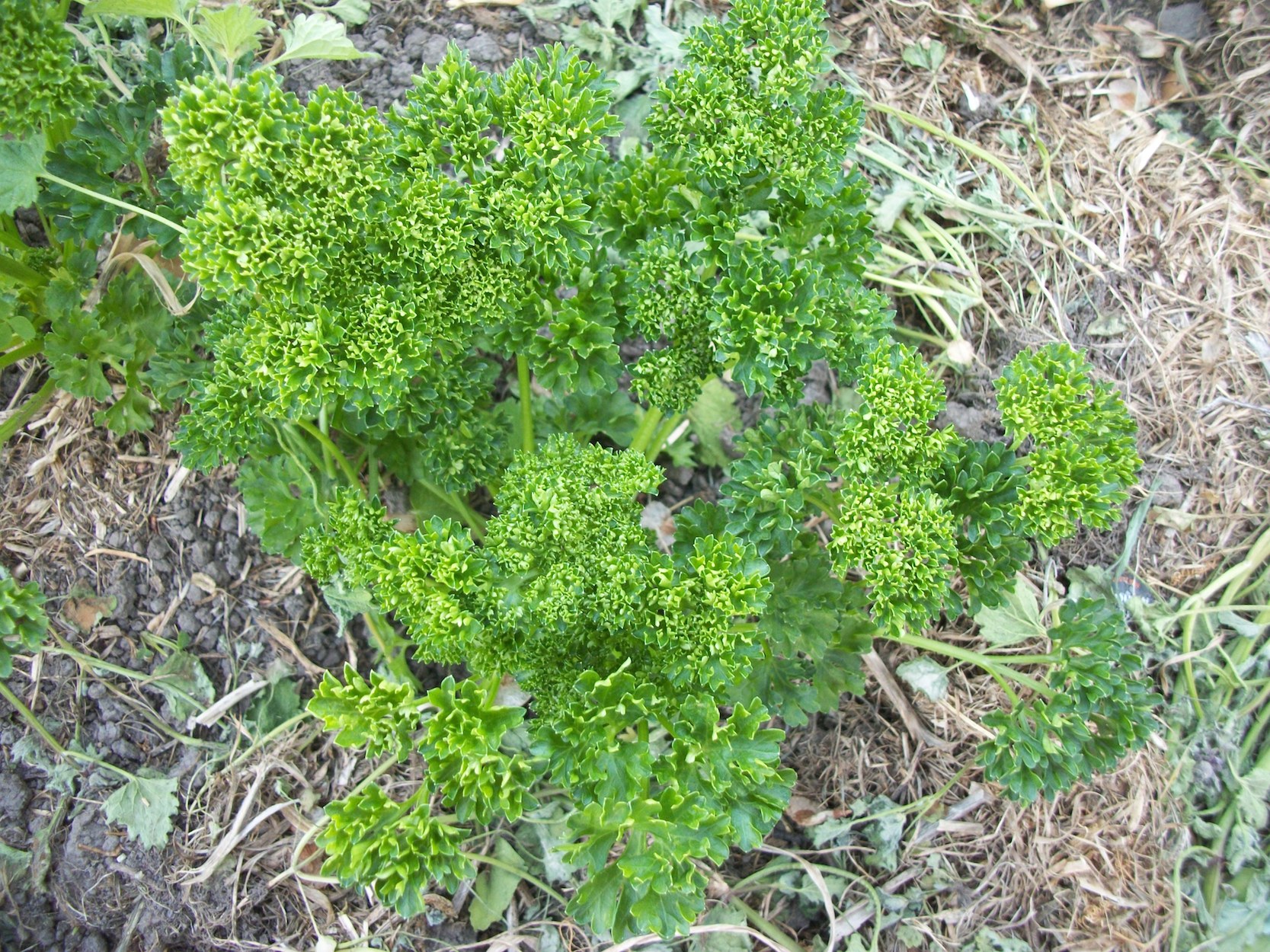
100_4036 smParsley is a ubiquitous herb, easy to overlook, easy to undervalue.

It is said its seeds must go to the devil and back seven times before germinating. I don’t think it takes quite that long, but parsley is slow to germinate.

Once up, though, parsley is tough and long-lasting. The plants I start in August will survive spring frosts to flourish through the heat and drought of summer, and continue flourishing through the cold wet winter, to be finally pulled out in October of the following year, when they begin to bolt, to make room for new plants.

We eat parsley by the handful (none of this Tablespoon stuff), and love it in risi e bisi, soup, potatoes, and gratins.

We grow both the Italian flat-leaf and the curly varieties (because, why not?), and enjoy the flat-leaf parsley fresh in salads (or just standing up in the garden as we pass by). We also enjoy parsley mixed with other fresh herbs to make a non-basil pesto that is lovely on pasta or as a topping for polenta crostini.

Of course, the best reason to grow parsley in much of the world is to attract the beautiful swallowtail butterflies, whose caterpillars specialise on parsley and related plants, incorporating the toxins from the plants into their exoskeletons to serve as defence. Unfortunately, we have no swallowtails in New Zealand, but the flowers of parsley attract bees, flies, and our native butterflies in large numbers.

Waffles

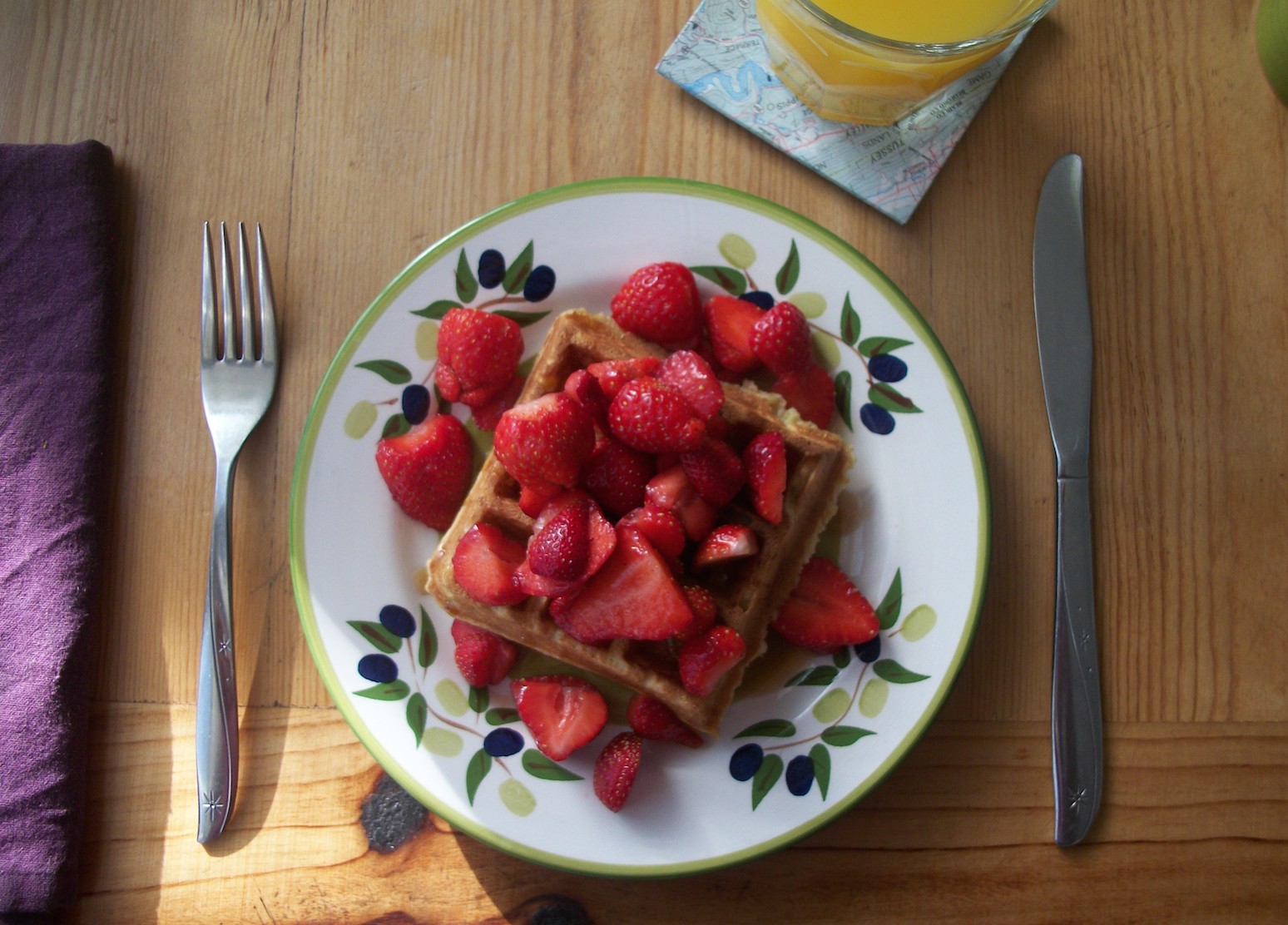
100_4022 smWhenever I ask what folks want for Sunday breakfast, my son’s response is waffles. He always wants waffles, and only gets them a handful of times a year. I find waffle making tedious—I never get to sit down with the rest of the family, as they’re usually done eating by the time the last waffle comes off the iron.

But I love waffles, too, especially with strawberries.

So when I came in with almost four quarts of strawberries yesterday afternoon, I knew what breakfast would be today.

This recipe is adapted from the Basic Waffle recipe in Joy of Cooking. I double it—leftover waffles toast beautifully the next morning!

1 cup all purpose flour

¾ cup whole wheat flour

1 Tbsp baking powder

1 Tbsp sugar

¼ tsp salt

3 eggs

6 Tbsp butter, melted

¾ cup milk

Mix dry ingredients in a large bowl. In a separate bowl, beat eggs and whisk in milk and melted butter. Combine wet and dry ingredients, stirring only until it is smooth. Cook according to the instructions for your waffle iron.