Inspiration for Dinner

2017-01-03-16-33-01“What’s for dinner?”

The daily question I ask my self, and am asked by my kids.

Sometimes I know the answer ahead of time.

Sometimes I have no idea. Maybe I’ve eaten an afternoon snack and am not hungry enough to think about dinner. Maybe I’ve been running around all day and haven’t had a chance to consider what I’m going to make. Maybe I simply don’t feel like cooking. The afternoon wears on, and still I don’t know what’s for dinner.

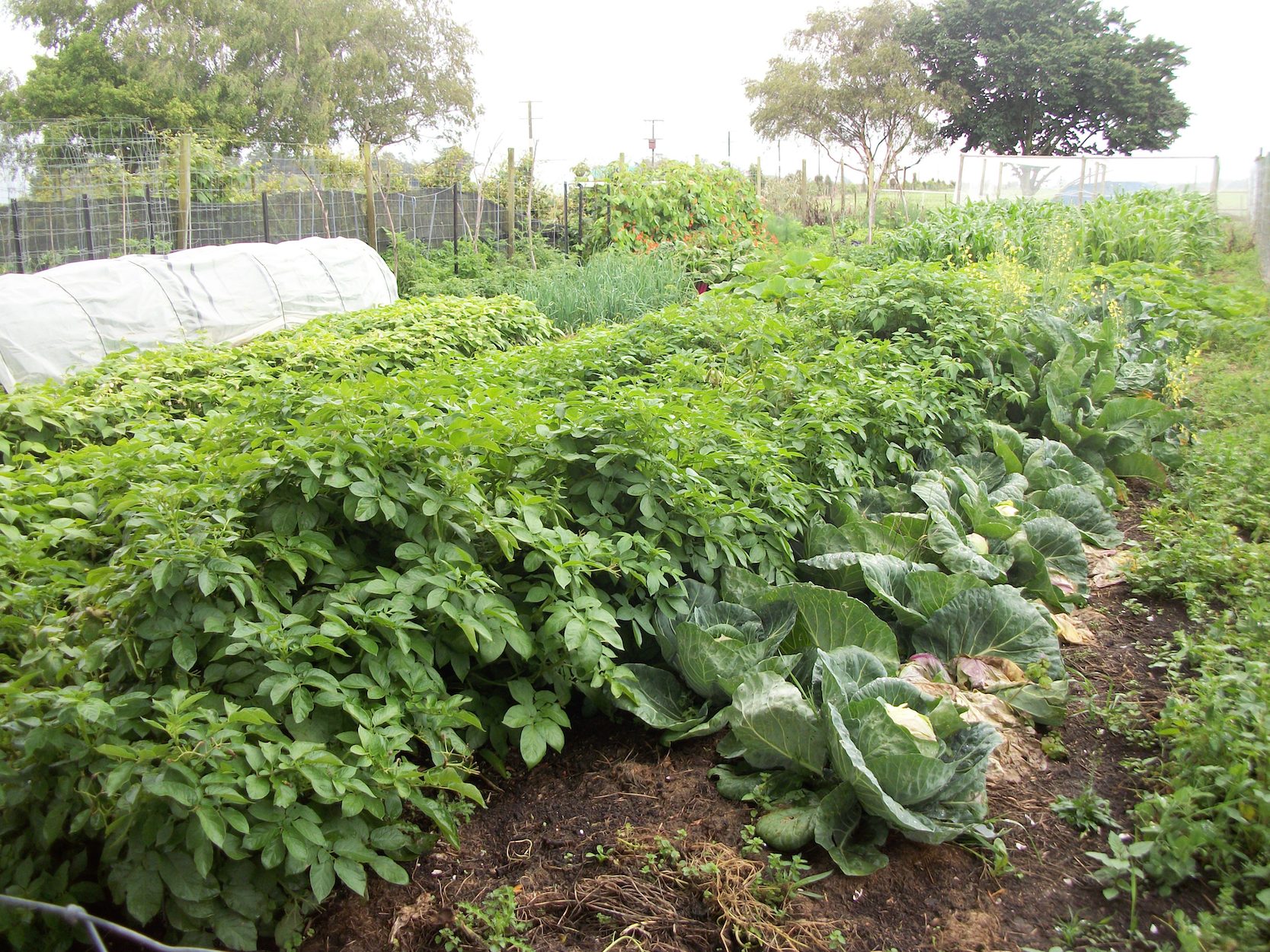
I don’t panic. At five o’clock, I take a colander and a knife to the garden. I stroll among the plants. What looks good? What needs to be picked? What’s newly ready to harvest?

By the time I return to the kitchen, the colander is stuffed with vegetables, and my mind is full of inspiration.

What’s for dinner?

I don’t know. Let’s cook up some fresh inspiration from the garden!

End of the Pickle Drought

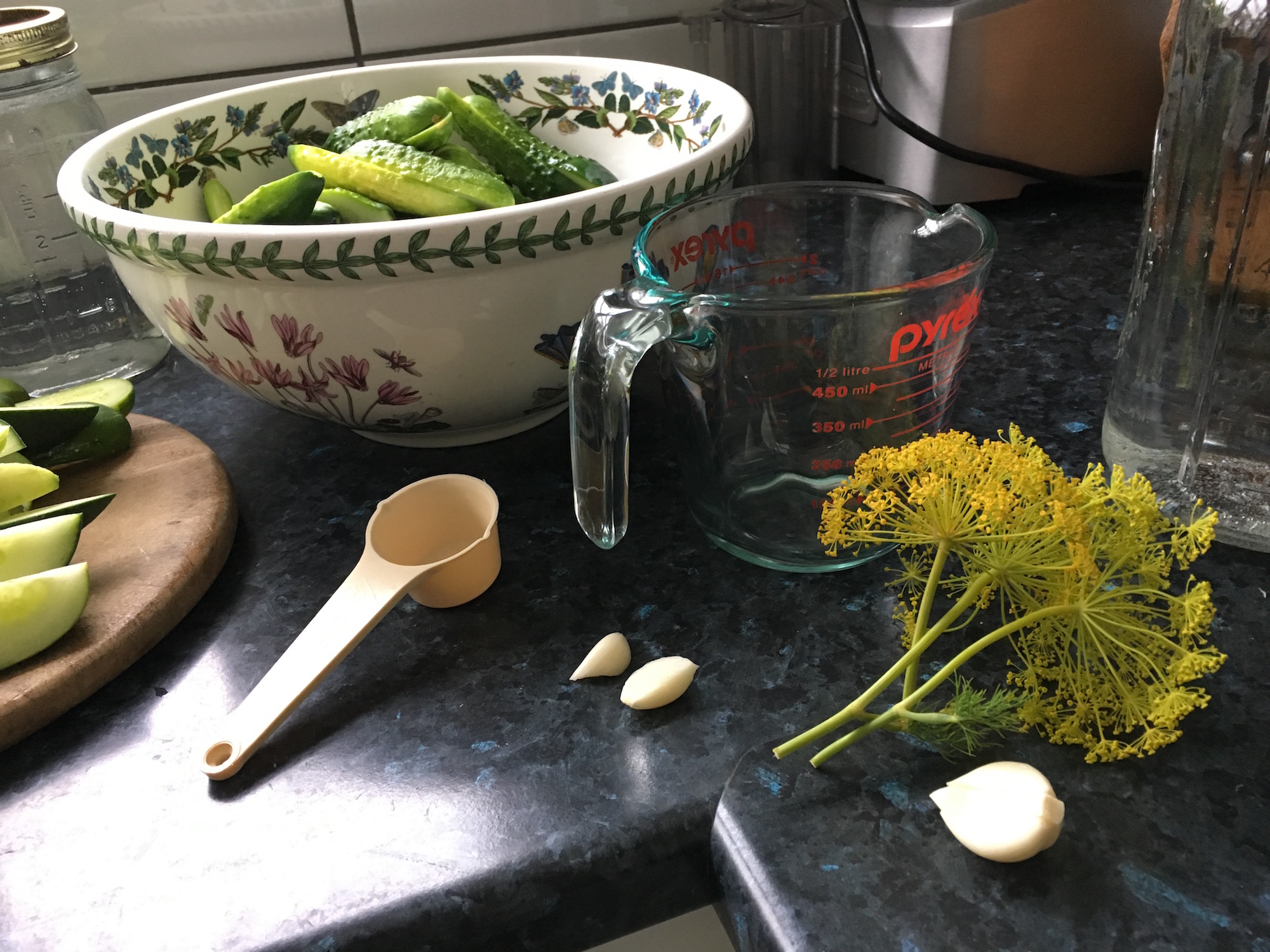
2017-01-02-08-03-25-smI grow pickling cucumbers every other year, in order to avoid becoming the Pickle Lady. Last year’s crop, however, was killed by frost, and we’ve been out of pickles for some time.

This year, the stars have aligned, and I have a beautiful crop of cucumbers coming on. As a bonus, the dill didn’t get completely wiped out by aphids (as it often does), so it’s perfectly timed with the cucumbers. There will be plenty of dill seed heads to flavour the pickles this year.

So it was with joy that I picked the first cucumbers yesterday. There weren’t enough to make a proper batch of pickles—there’s no point in heating up the canner unless I can fill it at least once—but I was fine with that. In fact, I was quite pleased there weren’t more. It meant I could make a batch of fresh pickles to put in the fridge and eat right away. After a long pickle drought, they’re going to taste fabulous!

Cabbage Overload

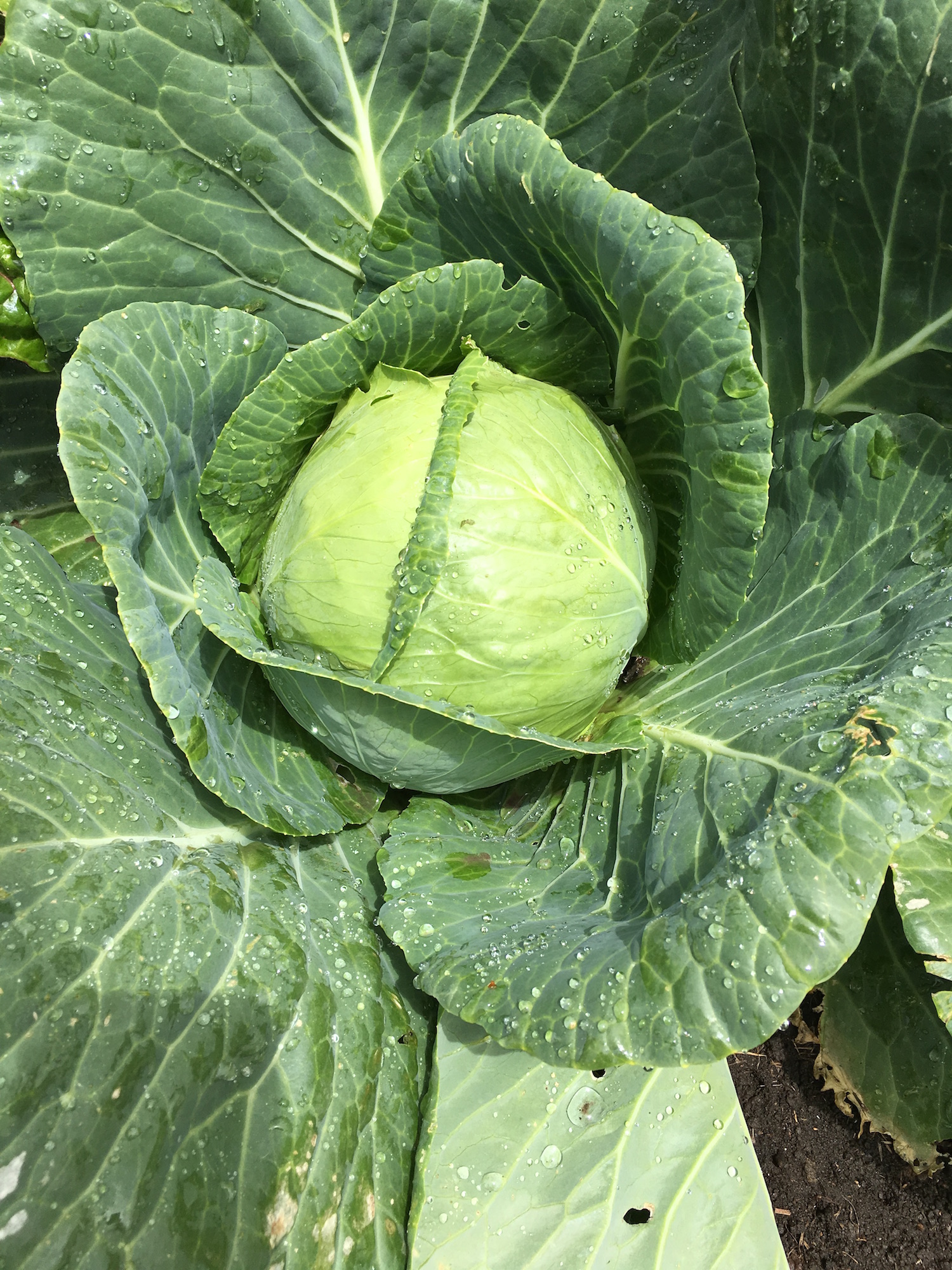
img_2762When my husband and I lived in Panama, we made the trek to the provincial capital, Penonomé, every week or two. The trip involved half an hour of walking to the closest bus stop, then a bumpy forty-five minute ride down the mountain in the back of a pick-up truck. It wasn’t something to do daily.

In town, we would pick up our mail, phone home, and do some shopping. In our village, we could buy rice, beans, and a few other necessities in small quantities from the little tiendas, but we could only get vegetables from town (we were nowhere close to self-sufficient in vegetables there).

With no refrigeration, and tropical heat, fresh vegetables didn’t last long. We ate well for a few days after a shopping run, but by the end of the week, we were usually down to plain rice.

The most long-lasting vegetable we had was cabbage. A cabbage might last an entire week before it was too wilted or rotted to eat. So every trip to town, we bought a cabbage, and for at least two meals a week, we ate cabbage and rice.

At that rate, in our two years of Peace Corps service, we ate about a hundred cabbages. By the time we left, we couldn’t bear to even look at a cabbage. It was several years before we considered eating one again.

Today, we enjoy about a dozen cabbages a year, most in the form of sauerkraut or coleslaw. The idea of cooking up a pot of cabbage and rice is still repulsive, but with cabbage being a year-round crop here, it’s good to be able to make use of it.

Christmas Sticky Buns

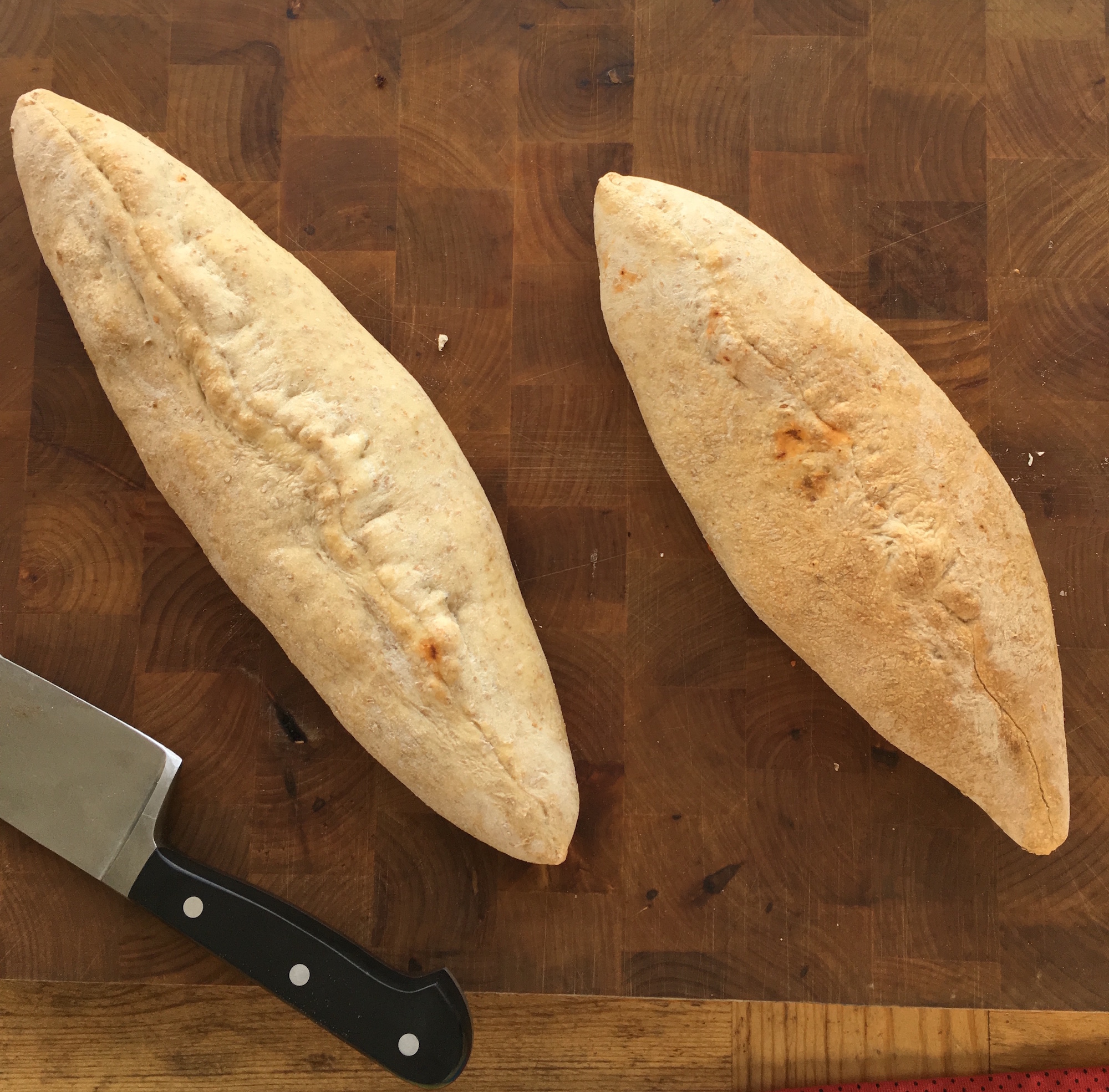
2016-12-25-07-06-02These buns are a Christmas morning tradition at our house. I would love to give you a recipe, but there isn’t one, and I’m not the one who makes them anyway. Christmas is the one breakfast each year that my husband makes. On Christmas eve, he rolls his sourdough bread dough around a festive mix of brown sugar, walnuts, currants, citron, and cinnamon. He slices the resulting log into rounds and nestles them into a baking pan. The buns rise overnight in the refrigerator, and I put them into the oven in the morning. By the time everyone else is out of bed, the whole house smells like cinnamon and burnt sugar.

My only real contribution to them is the icing—a simple mix of powdered sugar, vanilla and milk, drizzled on after they come out of the oven.

Mmmm…best Christmas breakfast ever.

The Christmas Calzone

2016-12-24-19-21-34-smGrowing up, Christmas eating was strictly traditional stuff—lots of cookies, turkey, mashed potatoes, cranberry sauce, a token vegetable, and lots of gravy. I remember Christmas day as being a frenzy of cooking, starting with my mother putting the turkey in the oven in the wee hours of the morning, so that by 10 am the whole house smelled like turkey. It truly was glorious from a kid’s perspective.

At Crazy Corner Farm, Christmas eating is about as far from traditional as it gets. Except that it has become our Christmas tradition, and as such, it is traditional.

Our big holiday meal is on Christmas eve. With all the wonderful vegetables from the garden, we make calzones. We enjoy them with a fresh salad, or fruit from the garden.

In the evening, my husband makes up sticky buns and puts them in the refrigerator to rise overnight. I pop them into the oven in the morning before I go out to feed the animals, and they’re ready for breakfast by the time everyone else is awake.

We feast on sticky buns throughout the morning, then have leftover calzones for lunch. We hardly need an evening meal Christmas day, so our tradition is a big salad, broad beans, and the first of the season’s new potatoes.

All very low-key and relaxing, yet wonderfully decadent.

Fabulous Flax

2016-12-14-13-33-57-smAbout two weeks ago, a paddock we drive past nearly every day suddenly turned the unmistakable blue of flax. Not New Zealand flax, but linen flax.

At first, I thought it must be something else, because the plants were short—only about knee height. I’d never seen linen flax so short.

I also didn’t think linen flax was grown in New Zealand any more. During WWII, linen flax was introduced and promoted for wartime needs. The first planting was in 1939, and within several years, there were seventeen processing plants in the South Island. But by 1948, it was all over. As far as I can tell, there is no flax grown commercially for fibre anymore in New Zealand.

But flax seed and flax seed oil are a different matter. And, naturally, the varieties grown are shorter and bushier (with more flowers/seeds per plant) than the varieties grown for fibre production. The largest New Zealand processor of flax seeds is just down the road in Ashburton, so it makes sense that one of our neighbours might plant flax.

I hope they find it an economically viable crop—it’s one of the most beautiful crops I’ve ever seen. For the past two weeks, it has been a sea of blue on sunny days (the flowers close when it’s cool or wet). A wonderful addition to the colourful array of crops grown around us.

Bugs in Your Food

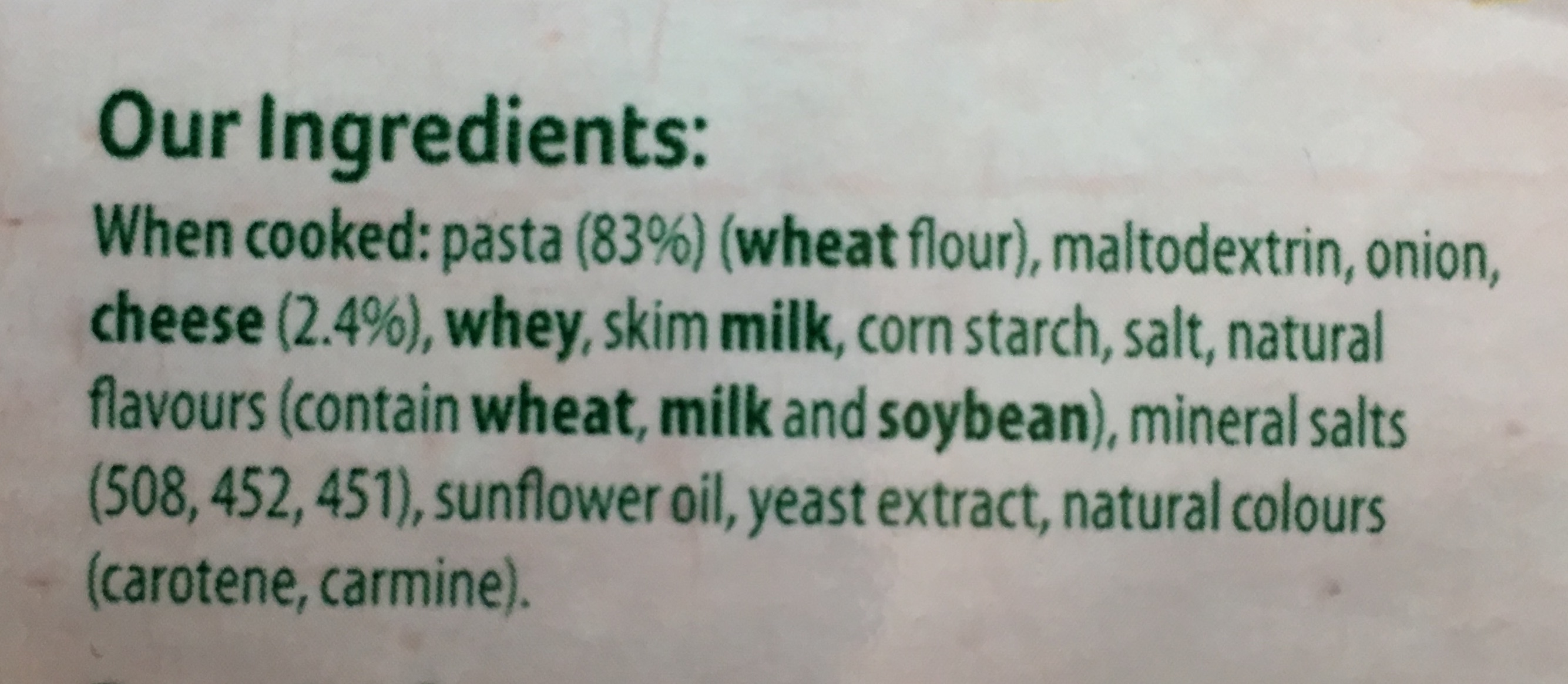
2016-12-18-06-46-58Can you find the insects in this ingredient list?

Yep, that’s it, at the very end—carmine—an all-natural food-safe red colouring made from the crushed bodies of the cochineal scale insect (Dactylopius coccus).

I don’t buy much processed food, so I rarely eat carmine, but I was excited to find it listed as an ingredient in the packaged macaroni and cheese I recently bought for a backpacking trip.

The cochineal scale is native to Central and South America, and lives on prickly pear cactus. It has been used as a dye since at least the 15th century, when it was used primarily to colour textiles. For three hundred years, it was one of our only red food-safe dyes. In the late 19th century, synthetic dyes began to replace carmine.

Until the 1820s, Mexico was the sole commercial supplier of carmine to the world, despite efforts to grow the insect elsewhere. At least one of those attempts ended in an environmental disaster. The British tried to establish carmine production in Australia to supply red dye for military uniforms in the 1700s. The insects died, but the cactuses thrived and eventually took over 259,000 square kilometres (100,000 square miles) of the country before being brought under control in the 1920s by the introduction of a moth that eats the cactus.

Carmine production is labour intensive. The insects need to be protected from predators and severe weather, then have to be brushed off the plants by hand at harvest. The insects are dried, crushed, and mixed with various substances to make a range of colours from bright red, to pink, to purple. It takes 80,000-100,000 insects to produce 1 kg of carmine.

Concerns over the safety of synthetic food colouring has led to a resurgence in the use of carmine in recent years, and it’s not unusual (though still not common) to find it included on the ingredient lists of food packages. In fact, you might be surprised how many products on the supermarket shelf contain carmine. Though it is more expensive than synthetic red dyes, it shows up in various cosmetics, candies, alcoholic drinks, fruit juices, sauces, cheese, meat, preserves, and desserts. In the US, the ingredient list is required to say ‘cochineal extract’ or ‘carmine’. In the EU, it might be labelled additive E120, and here in New Zealand, it is usually listed as colouring 120.

Through Fresh Eyes

100_2137-smAll week I weeded and tidied the yard in preparation for a pizza party on Friday night. I tried to make the sad, tired parts of the yard look less decrepit and free the nicer spots from their mantle of early summer weeds.

It’s a Sisyphean task—by Friday, the spots I had weeded on Monday were already sporting fresh weed growth.

So as the first guests arrived, I fretted over the shabby state of the yard and garden. As I looked around, I saw weeds, flowers that needed deadheading, outdoor furniture that should have been hosed off…

But no one noticed my weeds, aside from those guests studying particular ones (it was a party of ecologists, after all, and they were thrilled to find their research subjects ‘in the wild’).

Instead, they saw the musical instruments, the blooming flowers, the fish in the pond, the cat playing with a grass stalk, the places for playing and relaxing. They saw all the things we love about the yard, and never noticed the twitch sprouting in the paths and the flecks of bird poo on the deck chairs.

“This is awesome!” cried one guest as he beat out a rhythm on the outdoor drum set.

“It all looks so fresh…like it’s all new,” said another.

Throughout the evening kids and adults alike wandered around, feeding goats, playing outdoor instruments, grazing on raspberries, sitting on the benches tucked here and there, climbing trees, playing lawn games, and feasting on produce from the garden, baked in the new bread oven. Everyone smiled. Everyone relaxed.

It was good to see the property through their eyes for the evening. I focus so closely on the work that needs to be done, that sometimes I forget that, even with weeds or grass that needs mowing, the place is a haven. Sometimes I forget to put away the to-do list and just enjoy the place. I struggle to stop and smell the roses without also noticing they need to be pruned.

So thank you to all the guests who joined us Friday night. You gave me a fresh perspective and gave me permission to slack off a little this weekend—to just be here.

Perfection

2016-12-13-18-36-33-cropAfter decades of work, I finally did it.

I made a perfect pie crust.

A flaky melt-in-your-mouth crust that made this excellent ricotta and vegetable pie seem like just a prelude to the crust. Not a hint of toughness, not a moment over-baked or under-baked. Even the bottom, that tends toward sogginess, was perfect.

That’s it, now—I’ve accomplished that and can tick it off my list. I never need to make another. I’ve done it right, and that’s that. My last pie crust.

Well, okay, I like pie…a lot. I probably will make another crust. And another. And another.

And, if I’m being honest, this perfect crust came about in part because I was being a bit lazy.

My pie crust recipe (designed to create an American pie crust with NZ ingredients), is supposed to be made with 125 grams each of butter and Olivani. But today there was a 150 gram chunk of butter in the fridge. I didn’t feel like cutting off a 25 gram sliver, so I just used it, and reduced the Olivani to 100 grams.

The other part of the perfection of this crust was a 45-minute chill in the fridge after rolling it out and putting it in the pan. That chill was necessary, simply because I was cooking alone today, and it took 45 minutes to pick, prepare and cook the vegetables after I finished the crust.

I really wasn’t aiming for perfection (my usual crust is actually pretty good, so I tend not to mess with the recipe much), I just stumbled upon it by accident.

I have, however, made a note on my recipe to increase the butter to 150 grams and chill for 45 minutes…

Christmas-lite

2016-11-30-17-31-25-smIt’s beginning to look a lot like Christmas…

Strawberries, gooseberries, black currants, red currants, cherries, and peas—ah! The signs of Christmas! They’re red and green, just like those in the Northern Hemisphere, but the greens are brighter than pine tree green, and the reds more succulent than holly berries.

They are just as festive as the colours up north, though in a different way. While you look inward, gathering around the hearth on long dark evenings, we look outward, sitting with friends on the beach on long summer days. You dream of white snow, we dream of white sand. You have visions of sugar plums dancing in your heads, we have visions of fresh strawberries dancing in ours. While you sing ‘let it snow’, we sing ‘let us go’ (to the beach).

Now and again I miss the cosy dark of Christmas in the north. And every year, I wish summer gardening, Christmas, and the end of the school year didn’t happen simultaneously. But I’ve grown to appreciate the summer Christmas. I appreciate not having to plan Christmas dinner, but letting it spring from whatever is abundant in the garden. I appreciate being able to sit outside on the porch in the sun after gifts have been opened. I appreciate the barefoot, short-sleeved, nature of Christmas here.

It’s like Christmas-lite.