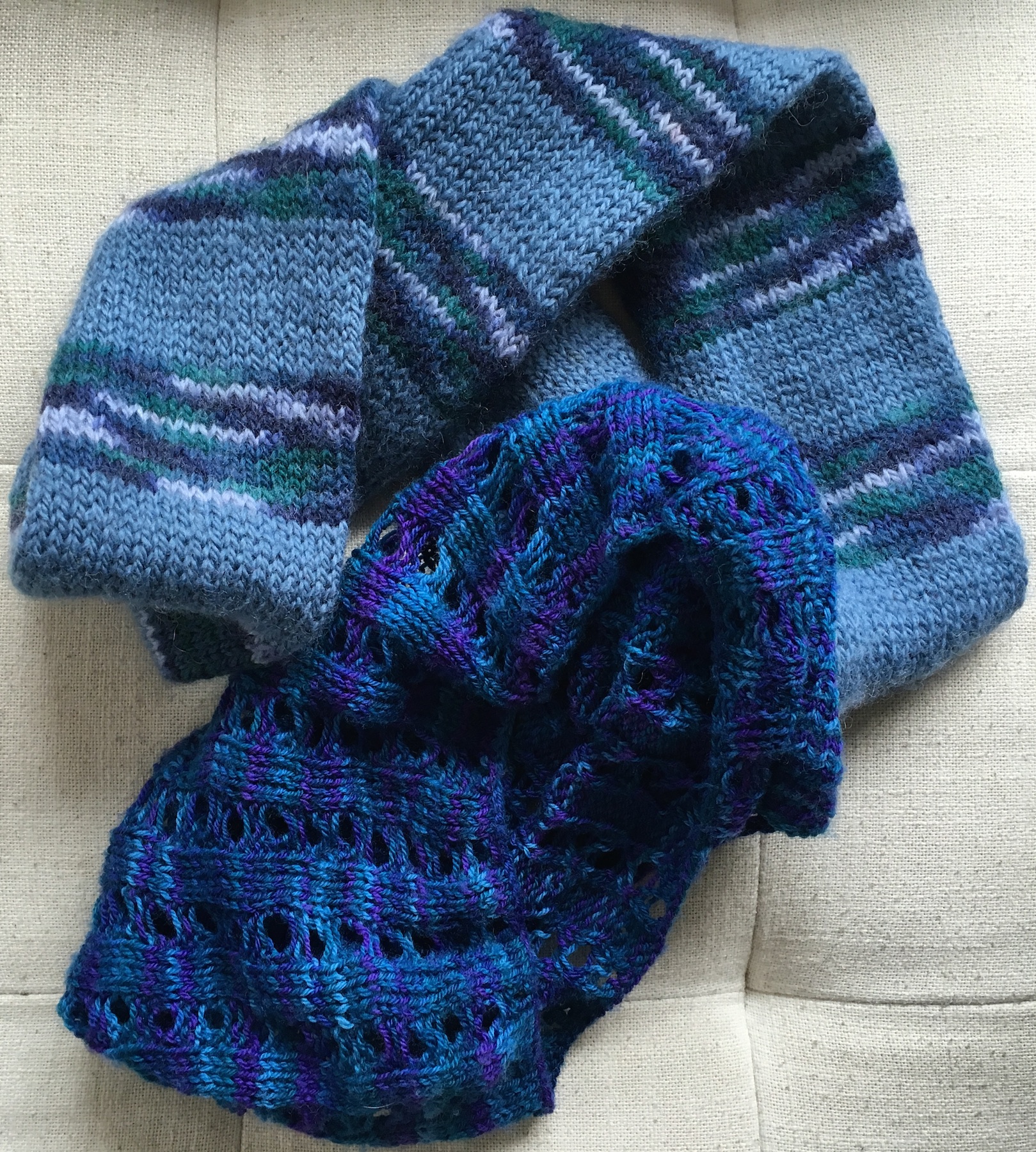
The Dragon Slayer’s Son–cover reveal

dragonslayer004d-smI’m thrilled to be able to reveal the cover of The Dragon Slayer’s Son–a middle-grade fantasy set in modern-day New Zealand…with dragons.

Nathan is shocked to learn that his father is dead, and even more shocked to learn that he died in the line of duty as a dragon slayer. Everything he thought he knew about his father was a lie. But he has no time to think about what it means before he is whisked away to the Alexandra School of Heroic Arts to train as his father’s successor.

At school, Nathan and his new friends soon learn:

Dragons are not what they thought.

Neither is the schoolmaster, Claus Drachenmorder.

And Nathan’s dad might not be dead…yet.

Nathan and his friends escape from school and embark on a journey through the mountains to find Nathan’s dad. To succeed, they will need to survive the dangers of the mountains, evade Drachenmorder’s henchmen, seek the aid of the dragons, and unravel an international ring of wildlife smugglers.

Coming soon to an online retailer near you…

Saturday Stories–Biodiversity

2017-01-05-09-03-54-cropOn our recent tramping trip to Mt Somers, my daughter and I whiled away the evening setting writing challenges. We chose three words at random from magazines in the hut, and used them in a story. The words that inspired this story: rhyolite, biodiversity, and me.

We hiked to the summit and set up our camp on a windy knob. I would have preferred to camp lower down, but the wētā we were studying lived in the cracks on the rhyolite cliffs just below the summit. We would rappel down from the top, our collecting jars in a sack attached to our harnesses, to gather our subjects.

“Caroline, you go first,” said Mark.

“Me?” I had hoped to watch one of the more experienced climbers descend first. I didn’t want to show the others how nervous I was about it though, so I stepped into my harness and tightened it.

At the brink I paused to make sure everything was ready. I knew if I glanced down even once I’d chicken out, so I kept my eyes on the rock in front of me as I slowly made my way down. I focused on admiring the beautiful, angular columns, the reddish colour. I looked for likely wētā hiding spots. I glanced up and saw Sophie coming down a second rope to my left.

I stopped at a small crevice and fumbled in my bag for a collecting jar and the bent wire ‘wētā tickler’ we all carried to nudge wētā out of their lairs. Focused on the insects, I forgot my fear, forgot the dizzying drop below. I fished out two wētā, then lowered myself a few more metres.

The rock was different here. Less columnar, more green than red. Did the wētā only live in the rhyolite? I didn’t know. I was curious to find out. I probed a near-circular hole in the rock with my wire.

The rock seemed to shiver.

I froze. Was that an earthquake? We’d never talked about what to do if we were on the cliffs during a tremor. All my fear of heights came rushing back.

I waited for a minute, eyes shut. Nothing happened. I opened my eyes and looked up at Sophie. She was poking intently at a crevice, as though nothing had happened. I took a deep breath to calm my nerves. Funny what your imagination can do. I laughed at myself and took a moment to relax my taut muscles and clenched fists.

Calm again, I poked my wire into the hole once more—it was the perfect size for a wētā.

There was no mistaking it this time. The rock moved. I yelped and pulled back my hand as a large yellow eye snapped open in the rock face to my right. There was a rumble, and suddenly a huge head detached itself from the cliff face in front of me. A huge, reptilian head. It snorted, and a wisp of smoke curled up out of its nostril—the hole I had probed for wētā.

Too startled and frightened even to scream, my mind lit on one thought: the biodiversity of Mt. Somers was greater than anyone had ever guessed. And unusual insects weren’t the most interesting things up here.

I wondered if we would make it home to tell anyone.

Saturday Stories: Violet

2016-10-10-15-31-17-hdr-cropsmYes, I know it’s Sunday. I meant to post this yesterday and forgot about it!

The bush crowded in on Violet’s cabin. She liked it that way. After Harold died, she had graciously allowed the tree ferns and bracken to reclaim the vegetable patch and most of the lawn. Violet had never been fond of the cabbage and broccoli Harold grew, anyway. And she couldn’t manage the lawnmower anymore.

Violet kept the house up as best she could. She patched the window screens, changed light bulbs, and swept the porch. The place needed painting, and probably a new roof, but Violet reckoned those would be jobs for the next owner. Her son-in-law cleaned out the gutters once a year, because Violet didn’t trust her shaking limbs on a ladder. He threatened to cut down the trees that overhung the roof and filled the gutters with twigs and leaves, but Violet said no, just as she said no to her daughter’s threats to move her to ‘assisted living.’

“Why would I want to go live with a bunch of old people?” she replied.

“Mother, you’re eighty-seven!”

“And living just fine without assistance, thank-you-very-much!”

“Couldn’t you at least move to a nice flat in town? It would be so much less work for you than this old cottage. And more comfortable, too.”

“There’s no such thing as a nice flat in town. Yes, I could live in a flat and listen to my neighbours through the walls—hear them on the toilet, smell their dinner every night.” She harrumphed. “I don’t want to be subjected to my neighbour’s curries or their bodily functions.”

“But neighbours would look out for you. Out here, you’ve got no one. What if something happened to you? It could be a week before anyone noticed.”

“Well, then I’d die in a pleasant place. I won’t move to town, to be watched over by the neighbours.”

Violet knew she depended on her daughter’s help—the weekly visit to do her cleaning and bring her groceries—but she was thankful when it was over.

Her daughter always fussed over Violet—she must be too cold, the house was too damp, the lights too dim. When she left, Violet turned the lights off, let the fire go out, and opened the windows. She preferred the natural light, the fresh air. She was rarely cold, and knew her way around the house, even in the dark.

This evening, in the wake of one of her daughter’s visits, Violet sat in a battered wooden chair on the porch. Harold had painted it white years ago, but most of the paint was long gone. The wide arms were black from years of Harold’s garden-soiled hands. Tonight, Violet set her cup of tea on the right arm, her hand wrapped around the mug.

She sat and listened, as she did every evening. Her eyesight was going, but her hearing was still as sharp as ever.

As the light faded, a bellbird called—its clear, repeated call falling into a rhythm Violet knew well. She tapped a foot as though to her favourite tune.

A tui clanked from behind the house.

He’s a little late tonight, she thought. I wonder if he’s got himself a girlfriend.

She sipped her tea and closed her eyes, waiting for her next visitor. In a flurry of wing beats, a kereru landed in the rata tree hanging over the porch.

Welcome home, my friend, thought Violet to the plump bird.

A fine mist began to fall, hissing quietly on the roof.

The kereru ruffled its feathers and tucked its head under a wing.

The tui fell silent.

The bellbird sang its last note.

Violet’s foot stopped tapping and she let out a sigh.

The rain hissed as her tea cooled, sitting on the arm of the chair. The clouds lowered, wrapping the tops of the trees in a grey blanket.

Violet’s hand, resting lightly against her mug, cooled along with the tea.

Darkness fell.

Somewhere deep in the bush, a kiwi called, its rising trill a question needing no answer.

Violet remained on the porch, eyes closed, a smile lingering on her face.

Saturday Stories: Girl on the Plane/Boy on the Plane

dsc_0010-cropBelinda took her seat on the plane—12A—a window seat. She had just finished her Masters degree in aerospace engineering. Graduating top of her class, she’d had her pick of jobs. In the end, she’d chosen Lockheed Martin, not just because of the job, but also because it was located in Colorado.

A man sat down next to her. She smiled, and they shared a greeting as he buckled himself in.

Belinda grinned as the plane accelerated down the runway. For the first time in her life, she was leaving the Midwest. She was finally pursuing her dreams for real. Her first real job! She was already envisioning the trajectory of her career—as carefully calculated as the trajectory of the space craft she intended to design and launch some day.

Belinda had always been obsessed with space. She had asked for a star chart for her sixth birthday, and created a scale model of the solar system as a science project in first grade. She excelled in math and physics in high school. She had been accepted at MIT, but her parents couldn’t afford the tuition. Instead, she had attended Iowa State University, where she had earned a full scholarship for both her undergraduate and graduate degrees.

As the plane reached cruising altitude, Belinda relaxed into her seat and watched the patchwork of Iowa farmland pass below. She couldn’t wait to see the mountains of Colorado. She would learn to ski, and maybe rock climb, too.

Her thoughts were interrupted by the man next to her. He was older than she—in her eyes, ancient, though he was probably only in his mid-fifties. He was well-dressed and unexceptional-looking.

“You headed to the ski fields?” he asked.

“No. Well, eventually I hope. I’m moving to Colorado.”

“Ah! Is there a special someone waiting for you there?”

“Um…No. I’m starting a new job there.”

“Don’t tell me…Elementary school teacher. I know they’re always short of teachers. I’m sure you’ll do great.”

“Actually, aeronautical engineer at Lockheed Martin.”

“Oh!” The man frowned. “Well, what made you choose that?”

The way he said that, it sounded like he was asking why she’d bought fried cricket clusters at the Iowa State Fair instead of French fries.

“I’ve always been interested in space. I used to make space ships out of Legos and calculate their trajectories to Mars.”

The man laughed. “And what does your boyfriend think of that?”

“Um…I don’t have one.”

“Oh. Married, then?”

“No.” Was he hitting on her? Surely he was way too old for that. “I’m not particularly interested in having a boyfriend or getting married.”

“Really? Now, that can’t possibly be true—a pretty girl like you? What makes you say you’re not interested in marriage? What about kids? Surely you want kids!”

“No husband, no kids. I’ve got other plans for my life—a career that doesn’t really fit in with a family.”

He laughed and Belinda realised he didn’t believe her. He was probably some crazy religious guy, like the one who had accosted her mother once in the mall, praising her for producing children because “God has called mankind to go forth and multiply.” He probably had a poor, harried wife at home with a dozen kids underfoot.

“And you? Are you married?” she asked to turn the conversation away from herself.

“Aw, me? Nah. Married to my business.”


_____________________


Jeff took his seat on the plane—12A—a window seat. He had just finished his Masters degree in aerospace engineering. Graduating top of his class, he’d had his pick of jobs. In the end, he’d chosen Lockheed Martin, not just because of the job, but also because it was located in Colorado.

A man sat down next to him. He smiled, and they shared a greeting as he buckled himself in.

Jeff grinned as the plane accelerated down the runway. For the first time in his life, he was leaving the Midwest. He was finally pursuing his dreams for real. His first real job! He was already envisioning the trajectory of his career—as carefully calculated as the trajectory of the space craft he intended to design and launch some day.

Jeff had always been obsessed with space. He had asked for a star chart for his sixth birthday, and created a scale model of the solar system as a science project in first grade. He excelled in math and physics in high school. He had been accepted at MIT, but his parents couldn’t afford the tuition. Instead, he had attended Iowa State University, where he had earned a full scholarship for both his undergraduate and graduate degrees.

As the plane reached cruising altitude, Jeff relaxed into his seat and watched the patchwork of Iowa farmland pass below. He couldn’t wait to see the mountains of Colorado. He would learn to ski, and maybe rock climb, too.

His thoughts were interrupted by the man next to him. He was older than Jeff—in Jeff’s eyes, ancient, though he was probably only in his mid-fifties. He was well-dressed and unexceptional-looking.

“You headed to the ski fields?” the man asked.

“No. Well, eventually I hope. I’m moving to Colorado.”

“Ah! Is there a special someone waiting for you there?”

“Um…No. I’m starting a new job there.”

“Don’t tell me…Elementary school teacher. I know they’re always short of teachers. I’m sure you’ll do great.”

“Actually, aeronautical engineer at Lockheed Martin.”

“Oh!” The man frowned. “Well, what made you choose that?”

The way he said that, it sounded like he was asking why Jeff had bought fried cricket clusters at the Iowa State Fair instead of French fries.

“I’ve always been interested in space. I used to make space ships out of Legos and calculate their trajectories to Mars.”

The man laughed. “And what does your girlfriend think of that?”

“Um…I don’t have one.”

“Oh. Married, then?”

“No.” Was he hitting on him? Surely he was way too old for that. “I’m not particularly interested in having a girlfriend or getting married.”

“Really? Now, that can’t possibly be true—a handsome guy like you? What makes you say you’re not interested in marriage? What about kids? Surely you want kids!”

“No wife, no kids. I’ve got other plans for my life—a career that doesn’t really fit in with a family.”

He laughed and Jeff realised he didn’t believe him. He was probably some crazy religious guy, like the one who had accosted his mother once in the mall, praising her for producing children because “God has called mankind to go forth and multiply.” He probably had a poor, harried wife at home with a dozen kids underfoot.

“And you? Are you married?” Jeff asked to turn the conversation away from himself.

“Aw, me? Nah. Married to my business.”
 

Saturday Stories: Jessi’s Scarf

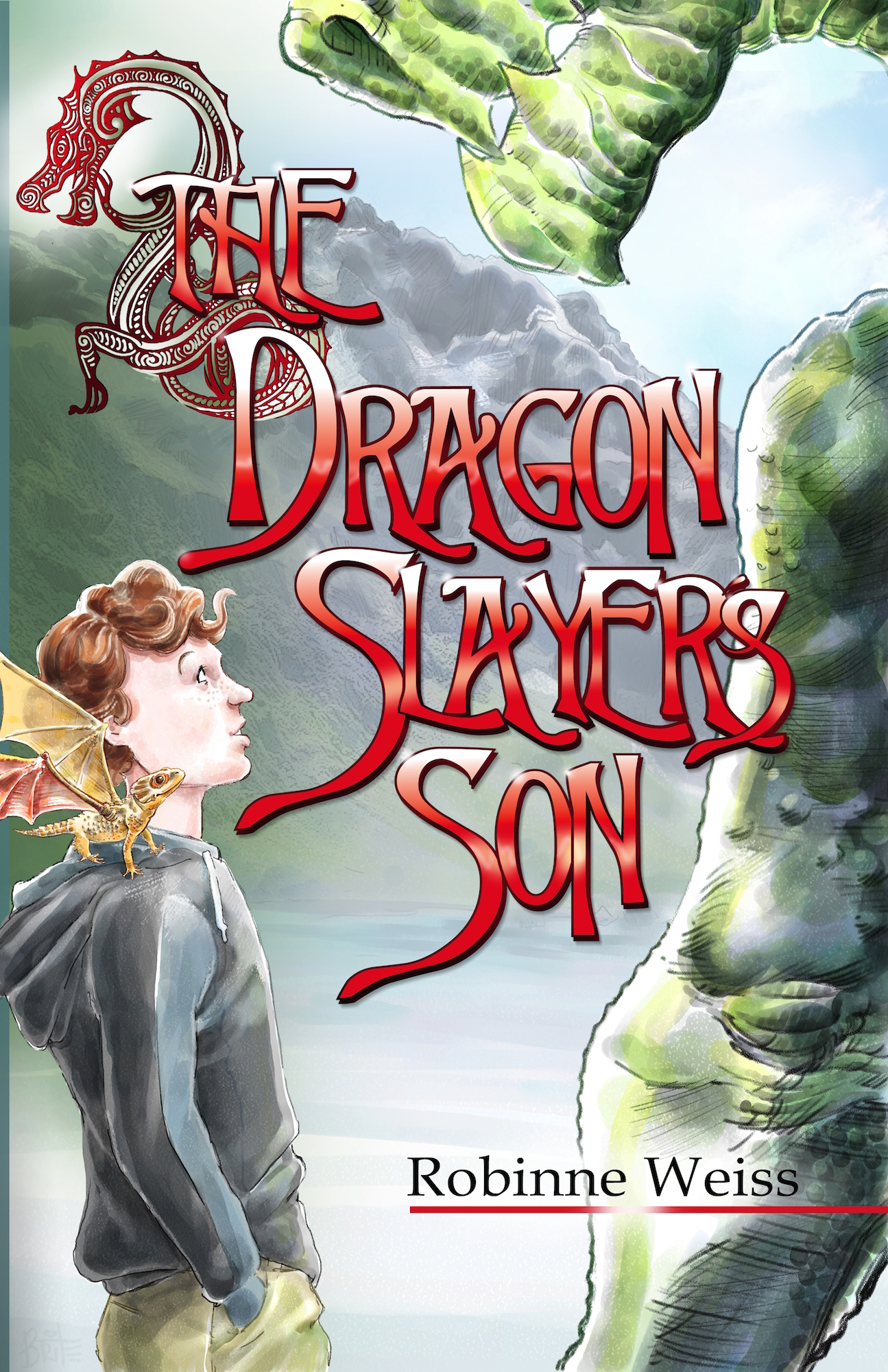
2016-08-13 12.57.50Jessi knotted the scarf around her neck, checking it in the mirror before stepping out onto the street. She walked briskly—the morning was cold, and she was running late. It wouldn’t do to be late for work. With unemployment at forty-three percent, her employer could fire her at nine in the morning, and have a replacement for her before ten. She was lucky to have a job, and meant to keep it.

She passed a boarded-up restaurant—Dominique’s—and thought about the last time she’d gone there. It had been her last date, and it had been a disaster. She and Michael had been seeing each other for a month, and things were looking good. They had met at Dominique’s on a Friday after work. Dinner and a few drinks had ended with them walking to her apartment. That’s where it all fell apart. Kissing her, Michael had unwound her scarf from her neck.

“What is that?” he said.

Jessi snatched the scarf back from his hand and wrapped it around her neck again.

“It’s a birthmark.”

Michael left soon afterwards, and hadn’t asked her out again. That’s how most of Jessi’s relationships had ended. She had yet to meet a guy who could overlook the angry red splotch that wrapped its arms around her neck from chin to collar bone. Like her employer, they could always find another girl—one whose neck didn’t look like it had been peeled.

Jessi turned the corner onto Bond Street, leaving the restaurant and her memory of Michael behind.

She walked even more quickly now. The Bond Street Detention Center filled much of the block, and it wasn’t a place she enjoyed passing. The economic crisis had led to all sorts of ridiculous policies aimed at ‘making America great again’, most of which were misguided and based on fear, not facts. The government had gone on a campaign to round up illegal immigrants, homeless people, the disabled…anyone who was even slightly different or who spoke up against government policies or big business. The Bond Street Detention Center had opened less than a year ago, and it was already overcrowded. Most of the detainees had done nothing wrong, and none of them deserved to be housed in such miserable conditions. Detainees lived in tents. They were given scant food rations, foul water, and no legal assistance. On top of that, they were billed for every last expense the government incurred to house them there. When they couldn’t pay, all their assets were confiscated.

Jessi hated the policies that put innocent people behind bars, but what could she do about it? If she spoke up about it, she would end up a detainee herself, or worse. Just two weeks ago, a group of twenty protesters had been gunned down by police officers claiming they threatened national security. The protesters had been completely unarmed, participating in a sit-in against mandatory micro chipping of immigrants.

As she passed the high chain-link fence of the Detention Center, a clamour arose. Arms reached out through the fence, and voices called for her to stop, to help. Above the din, a high voice reached Jessi’s ear.

“Just your scarf, please. I’m cold.” A young girl wearing a flannel shirt much too big for her as a coat, and with no shoes stood gripping the bars, looking at Jessi. Jessi shook her head and carried on.


Jessi took the long way home, so she didn’t have to pass the Detention Center. She had been distracted all day at work. She hadn’t made any mistakes, but her boss had noticed.

“Pay attention, Jessi,” he’d said. “If you’ve got other things you’d rather do, someone else would be happy to do your job.”

She had forced herself to focus for the rest of the day, but now that she was home, her mind replayed the morning’s walk.

Just your scarf.

Just her scarf. Jessi hadn’t been out in public without a scarf since she was a baby. Her scarf was part of her. Her scarves, that is—she had dozens. Without a scarf, she felt naked, vulnerable. People stared, pointed. She couldn’t go without her scarf.

Please. I’m cold.

Jessi opened her dresser drawer. She pulled out a scarf—tomato red silk with a blue border—her sister had given it to her four years ago for Christmas. She lay the scarf gently on her bed and pulled out another—fine cashmere dyed deep green—she had bought that one herself, with money from her very first job out of high school. She laid the cashmere scarf on the bed with the silk one. She drew a third scarf from the drawer—sunny and yellow—her mother had worn it when Jessi was a girl, to make her feel like she wasn’t the only one wearing a scarf.

One by one, Jessi pulled every scarf from her drawer. Each had a story. Each brought back memories. She laid them out on her bed, the story of her life, told in scarves.

That night she slept under them.

In the morning, she woke early. She chose her favourite scarf—a soft merino knit in shades of deep pink and purple that her parents had given her for graduation—and tied it around her neck. Then she gathered the rest of her scarves in her arms and stepped out the door.

She walked quickly, for fear of losing her resolution before she got to the Detention Center. She clutched her scarves to her chest, blinking tears out of her eyes.

On Broad Street, the arms reached out through the fence. Jessi stopped and pressed a scarf into the first hand. Then the next and the next. In a minute, her arms were empty.

“A scarf for me?” It was the young girl who had asked for a scarf yesterday. She hadn’t gotten one.

“I’ve given them all away,” said Jessi, opening her hands to show they were empty. “I’m sorry.”

“That one?” the girl asked, pointing at the one wrapped around Jessi’s neck.

“But I need this scarf,” said Jessi.

The girl looked stricken, and Jessi imagined how unfair her words must have seemed to this girl who didn’t even have shoes or a coat. The girl turned to leave.

“Wait!”

As the girl returned to the fence, Jessi unwound the scarf from her neck. She was ashamed to find her fingers trembling. She bent down to push the scarf through the fence for the girl.

The girl looked up at Jessi and smiled. Then her smile froze, and Jessi shut her eyes, waiting for the exclamation of horror she knew was coming. Instead she felt little cold fingers on her neck.

The girl gasped. “You have a flower. A beautiful flower on your neck!” Then she was gone in the crowd.


Jessi arrived at work, still dazed. As she stepped into the office, her boss looked up.

“Morning.” Then he did a double-take. “What the hell happened to your neck?”

Jessi blinked at him, as though she’d only just noticed he was there.

“It’s a flower. A beautiful flower.”

The Dog Ate My Homework

2016-05-31 13.41.32First, there was a pair of pants to be made. Zip-offs. A bit tricky. Time consuming.

Then, there were animals to feed. An ornery goat to convince to take her medicine.

Two loads of laundry followed.

Next was a trip to the airport to drop off my husband. And while I was out, a stop at the store to pick up some hardware for the stilts my daughter is making.

When I got home, there was helping to make those stilts.

Next thing I knew, it was time to give the goat her medicine again.

And by the time I finished that, it was time to make dinner.

After dinner, there was a movie to watch.

In the middle of the movie, a dog leaped in through the living room window (which was, unfortunately, closed).

The dog was followed closely by the elephant, who didn’t exactly fit through the window. The elephant sort of took out the wall.

Which naturally let the herd of wapiti in. That was okay. They just wanted to watch the movie. It was the elephant who caused trouble.

She wanted a bath, so I had to pause the movie and go fill the tub for her.

But she needed bubbles, so there was the quick trip to the store for bubble bath.

By the time I got back, she had flooded the bathroom floor.

Which of course, meant the dining room got flooded, too.

When the water started spilling into the living room I got worried, but thankfully it was able to drain out the hole in the wall.

But it’s a cold night, and what, with the hole in the wall, it got chilly indoors. All that water froze, and the wapiti decided to have an ice skating party.

Well, partying wapiti are nothing but trouble. They got into the wine, and next thing you know, the police were knocking on the door—something about a bunch of animals doing burnouts on the road outside?

That took a while to sort out. I had to take the car keys from the wapiti. They were pretty annoyed by that, but by that point, they were all drunk. I drove them all home, including the elephant.

When I got back and assessed the mess, I found that the elephant had not only flooded the house and used an entire bottle of bubble bath, but she had used every single bath towel in the house to dry herself off. There’s a mountain of laundry to do tomorrow.

I did get the hole in the wall boarded up, sort of—the wapiti had broken the kitchen table anyway, so I figured, why not use it?

I’d just hammered the last nail in, when the dog came into the room with a sheaf of papers in his mouth.

It was the story I was writing for today’s Saturday Story! I tried to snatch it from him, but he ran off. I tried to follow, but slipped on what was left of the ice. I fell and broke my arm on an empty wine bottle the wapiti left behind.

Getting the cast on didn’t take too long, I suppose, but by the time I got home three hours later, there was nothing left of my story but a mass of soggy pulp the dog had vomited back up. Guess it wasn’t a very good story.

And now it’s terribly late and I’m struggling to keep my eyes open.

That’s why I’ve got no Saturday Story for you today.

Sorry. It really wasn’t my fault.

The dog ate it.


Saturday Stories: The Catch

“He’s quite a catch, you know,” said Marlene.

“Yes, but…”

“He’s kind, considerate. I mean, look what he did for that little old lady the other day.”

“Yes, but…”

“He’s smart. He’s funny. You can’t underestimate that.”

“Yes, but…”

“He’s got a good job, great career prospects—you’d never want for money.”

“Yes, but…”

“He cooks, he cleans. For God’s sake, the man even does windows!”

“Yes, but…”

“And hot? Oh, baby! That guy is smoking!”

“Yes, but…”

“And your parents like him, I know that. They told me just yesterday.”

“Yes, but…”

“And…”

Marlene!”

“Huh?”

“He’s gay.”


Saturday Stories: Glint

GlintCoverNEWI’m afraid I’m too tired and jet-lagged to muster a blog post today. So, here’s an excerpt from the beginning of A Glint of Exoskeleton for today’s Saturday Stories.

The Girl Who Talked to Insects

Four

Crick peered into her dollhouse, though she didn’t much like dolls. She was looking for something.

“Oh, there you are!” she exclaimed in her sing-song, four-year-old voice. “You don’t have to hide. I won’t hurt you.”

The object of her attention crept cautiously out from under the loose carpet in what Crick called the yellow bedroom. Its antennae waved busily in Crick’s direction. Crick cocked her head to one side and furrowed her brow.

“Are you some sort of beetle?”

“Not a beetle. I’m a cockroach. An American cockroach.” The animal had a raspy voice like an old transistor radio with bad reception, but the scratchy sound was cheerful and friendly.

“Hi Mister Cockroach! My name’s Crick. That’s short for Cricket, and that’s short for Christina Marie Stolzfus, which is my real name. But you can call me Crick. What’s your name?”

“Pleased to meet you, Crick. I’m Periplaneta americana. I suppose you could call that a nickname, too.”

“What’s your real name?”

“It’s hard to say. Cockroach names are actually smells.”

“Smells?” Crick laughed. “That’s weird!”

“Not for us. We have very sensitive noses, and not so good ears. Smell is easier for us.”

“Oh! Well, I think I’ll call you Peri.”

Peri chuckled. “That would be fine.”

“Do you like my dollhouse?” Crick asked. “I saw you in it yesterday.”

“Yes, it’s quite nice, particularly this loose yellow carpet.”

Crick frowned. “I don’t really like it. I’d rather have a hamster, but mom says I’m not allowed. She says they stink and remind her of rats. Gramma gave it to me for my birthday. That’s when I turned four!” she continued proudly. “How old are you?”

“Well, I’m a lot older than four!” chuckled Peri. “I’ve been alive since 1943. That makes me…let’s see…fifty-three years old.”

“Whoa! That’s old,” replied Crick gravely. Then her brow furrowed. “I didn’t know insects lived that long.”

“Most of us don’t, but I’m…special.”

“How?”

“I’m a leader for my species—something called an über. It’s a bit like a…like a president.”

“Are presidents really old, too?”

“Compared to most insects they are. But insect leaders don’t get old like other insects. We just keep on living.”

“You won’t ever die?”

“I can be killed—I’m not invincible. But I won’t die of old age.”

Just then, Crick’s bedroom door opened and her mother poked her head in.

“Who are you talking to, dear?” she asked. “Oh! You’re playing with your dollhouse! That’s nice.”

“Well, not really. I was talking to my new friend, Peri. He’s going to live forever,” she said brightly, “unless he’s killed. He lives in the dollhouse. He likes the yellow room ‘specially.”

“That’s nice,” responded her mother, a little uncertainly. “Which one of your dolls is Peri?”

“Oh, he’s not a doll. He’s a cockroach.”

Within minutes, Crick’s mother had hauled the dollhouse out onto the lawn and sprayed it with fly spray. Crick kicked up such as fuss about it, screaming and crying, that her mother had to lock her in her room until the deed was done. Crick was screaming and pounding on her door so loudly, it was several minutes before she heard Peri’s voice.

“Crick! Crick! Don’t worry. No harm done. I’m over here.”

“B…b…but you were in the dollhouse,” she sniffed, tears streaking her face.

“I scuttled out as soon as you mentioned I was a cockroach.”

“Why?”

“I’ve been around long enough to know that when most people hear the word cockroach, they don’t react well.”


The dollhouse was returned to Crick’s bedroom a few days later, but Peri didn’t return to the yellow room. Crick made a house for him from an empty cereal box and hid it under her bed. Peri declared it to be the nicest house a cockroach could want.

Saturday Stories: How the Albatross Got its Wings

Photo: Peter Weiss

Photo: Peter Weiss

“Grandma! I dreamt last night that I could fly!”

“Yes, child. Of course you did. All those born of our ancestors do.”

“Why is that, Grandma?”

The old woman sighed. “Because once, we could fly.”

“Fly? How could we fly?”

“Many, many years ago, before I was born, before my grandma was born, before even my grandma’s grandma was born, the People had wings. We spent all day in the sky.”

The girl gazed upward while the old woman continued. “We soared with the kettles of broad-winged hawks in the autumn and kept the arctic tern company on her long migrations. We flitted with the chickadee amidst the winter-bare branches, and swooped silently with the owls in the night.”

The old woman chuckled. “We challenged the peregrine falcon to races—and always lost. We danced with the woodcocks in the air. We explored every bit of this land, from mountain to sea. We followed the Great River to its source in a small trickle welling up from the ground, and then to its wide mouth at the sea.”

The ancient eyes no longer looked at her granddaughter—their vision was focused far away.

“Then the Flightless came, with their treasures from the earth—gold, silver, precious gems. They worshipped these treasures, and taught the People their value. The Flightless showed us how to dig and mine, how to extract these treasures for ourselves. We forgot the sky. The silver ribbon of a river glinting in the sun was replaced by silver chains. The glitter of the northern lakes was lost to the glitter of polished stones. The golden rays of sunset gave way to the gold sheen of metal.

“We fashioned jewellery from these treasures. Bird-shaped earrings, necklaces of delicate feathers, pendants showing our own forms with wings outstretched. But we forgot what those wings were for. The tern flew alone, and the falcon raced only the wind. We dug and we delved into the dark earth, forgoing the sky.

“We began to crave the bright treasures. Those who found more than their share hoarded them jealously. Those who found less, stole.”

“When Albatross came to ask for our wings, we gladly cut them off our own backs. Wings were in the way in the underground mines. We could dig much easier without them.”

“Albatross took our wings and put them on his own back. He flew off, never to return to land again. He soars forever now over the sea, exploring the world, and landing only when he must. He lives with ease and dies with a sigh of contentment, for he has seen the wonders of the earth. Meanwhile, we live in toil, and die with our bodies and spirits spent. Rarely do we even look to the skies. We have forgotten the wind and the sun, the pull of stars, the sight of all the world spread out below us.”

Grandma smiled wistfully and sighed. “I suppose it is just a legend…a legend of flight.”

“But, Grandma…I know I flew last night! I went up and up until our house was just a speck, and the fields were wrapped around it like the quilt on my bed. And the forest was so dark and cool-looking, and I could even see the sea off in the distance, and the sun sparkled off the waves, and…Oh Grandma, it was so beautiful!”

“Yes, child. Don’t ever forget it.”

Saturday Stories: Killers for Hire

“Now, would that be who I pledge to, or whom I pledge to?” muttered Jane chewing on the end of her pen. “Or should it be to whom I pledge?” She sighed and threw the pen down. “This is never going to work.”

“What’s not going to work?” Jane’s colleague, Babs appeared around the corner of her cubicle, munching an apple. She sat on the corner of Jane’s desk and looked down at the paperwork spread out on it.

“You still working on that wedding?”

Jane nodded.

“I don’t get why it’s so hard to stop a wedding. Just pop off the bride or the groom. I mean, that’s what we’re trained for. It’s what being an assassin is all about.”

Jane sighed. “But I’m supposed to be killing love, not the people involved in it.”

“What kind of stupid job is that?” Babs spoke with her mouth full, and droplets of apple juice splattered across Jane’s desk.

“Well, how many real assassination jobs have we had in the past six months?”

“Um…”

“Exactly. Assassination isn’t stylish anymore. It isn’t the trendy thing to do like it was a couple of years ago. Have you seen the ad the boss ran in the paper last week?”

“Nah, I don’t bother with the paper.”

Jane picked a folded newspaper out of her recycling bin and paged through it to the classified section.

“Here,” she said, handing the paper to Babs and tapping at a quarter-page ad.

“Assassinations Incorporated—more than just bodies,” read Babs. “You’ve trusted us to eliminate your enemies and loved ones for over 35 years. Now Assassinations Inc. has expanded our services to meet all your killing needs. Sick of the cat? We can take care of that! Got roaches? No problem. Tired of undying love? We’ve got you covered. We can kill the lights, the fatted calf, the goose that lays the golden egg, and even two birds with one stone. Need to dress to kill? Let our sartorial staff help. Want to kill with kindness? We have gifts for all occasions. Trying to kill the clock? Let our sports team step in. We’ll even kill time for you, if that’s what you need.” She threw the paper down in disgust. “What is this shit?”

“It’s the brave new world, I suppose,” said Jane, shaking her head. “Anyway, the King of Baumgarte has hired us to stop his daughter marrying that poet guy—Julius what’s-his-name.”

“Julius VonStrueben? I love his stuff!”

“Yeah, well, apparently so does Princess Kalla. But the king can’t stand the guy. Being a thoroughly modern monarch, he doesn’t want to tell Kalla she can’t marry him, but he wants to make sure she doesn’t.”

“So, why not just kill the guy?”

“Kill the national poet of his own country?” Jane shook her head. “Every woman in Baumgarte is in love with the guy—the king would have a popular revolt on his hands if he did that.”

“That’s what our Confidentiality Prime service is for—to guarantee no one ever knows who ordered the job. Surely a king can afford the extra for that?”

Jane shrugged. “Maybe, but like I said, assassination just isn’t fashionable anymore. He’s only asked for us to kill the love, not the lover.”

“And so how are you planning on doing that?” asked Babs as she picked up one of the papers off Jane’s desk.

Jane snatched the paper back, but not before Babs had gotten a good look.

“You’re writing poetry?” She sniggered.

“Well, he’s a poet. I figured that if she happened to find some poems he wrote to other women…”

“And you think you can write poetry like Julius VonStrueben?”

Jane sighed. “I suppose it was a bad idea. But how else would a poet express himself to a lover? How else can I convince Princess Kalla that VonStrueben’s a two-timing jerk?”

The women were silent for a moment. Then Babs’ thoughtful expression turned to a smile.

“There’s more than one way to skin a cat. What if you convinced her that VonStrueben was, in fact, completely besotted with her?”

“How would that help?”

“What if VonStrueben were to write poetry for Kalla? Really bad poetry.”

“Huh?”

“Think about it. How would you feel if your boyfriend—”

“I don’t have one.”

Babs dismissed the technicality with a wave.

“Assuming you did, how would you feel if your boyfriend smothered you with really awful love poems?”

Jane wrinkled her nose.

“You see?”

“Yeah, but I’m not a princess. Aren’t princesses supposed to like that sort of thing?”

“Maybe if they’re good poems, but what if Kalla began to think that VonStrueben hadn’t actually written all those poems he’s famous for? What if she thought she was in danger of marrying a guy who not only couldn’t write, but who had become famous by claiming someone else’s writing as his own?”

Jane considered the idea for a moment.

“Not quite as sure as the philanderer tactic.”

Babs picked up a paper off Jane’s desk and read it aloud.

How many ways do I love thee?

I love thee like a tree.

I love thee like a bee.

I love thee like a well-ripened brie.

“You’ve got to be kidding me. Poetry this bad addressed to someone else? She’ll dismiss it for what it is—a ploy to make her ditch VonStrueben. But I’m sure he writes poetry to her—all you’d have to do is exchange the good poetry for your bad stuff, and she’d begin to look for a way out. Half a dozen poems like this, and she’ll be running for the door.”

“You think so?”

“I’m sure of it.”

“And if it doesn’t work?”

Babs shrugged. “You’re an assassin. You’ll figure something out.” She patted Jane on the shoulder and left.

Jane sighed and picked up the poem Babs had read aloud, reading it again to herself.

“Maybe I shouldn’t have included the brie,” she muttered. She tossed the paper aside, pulled out a clean sheet, and got to work.