Giant Pumpkin

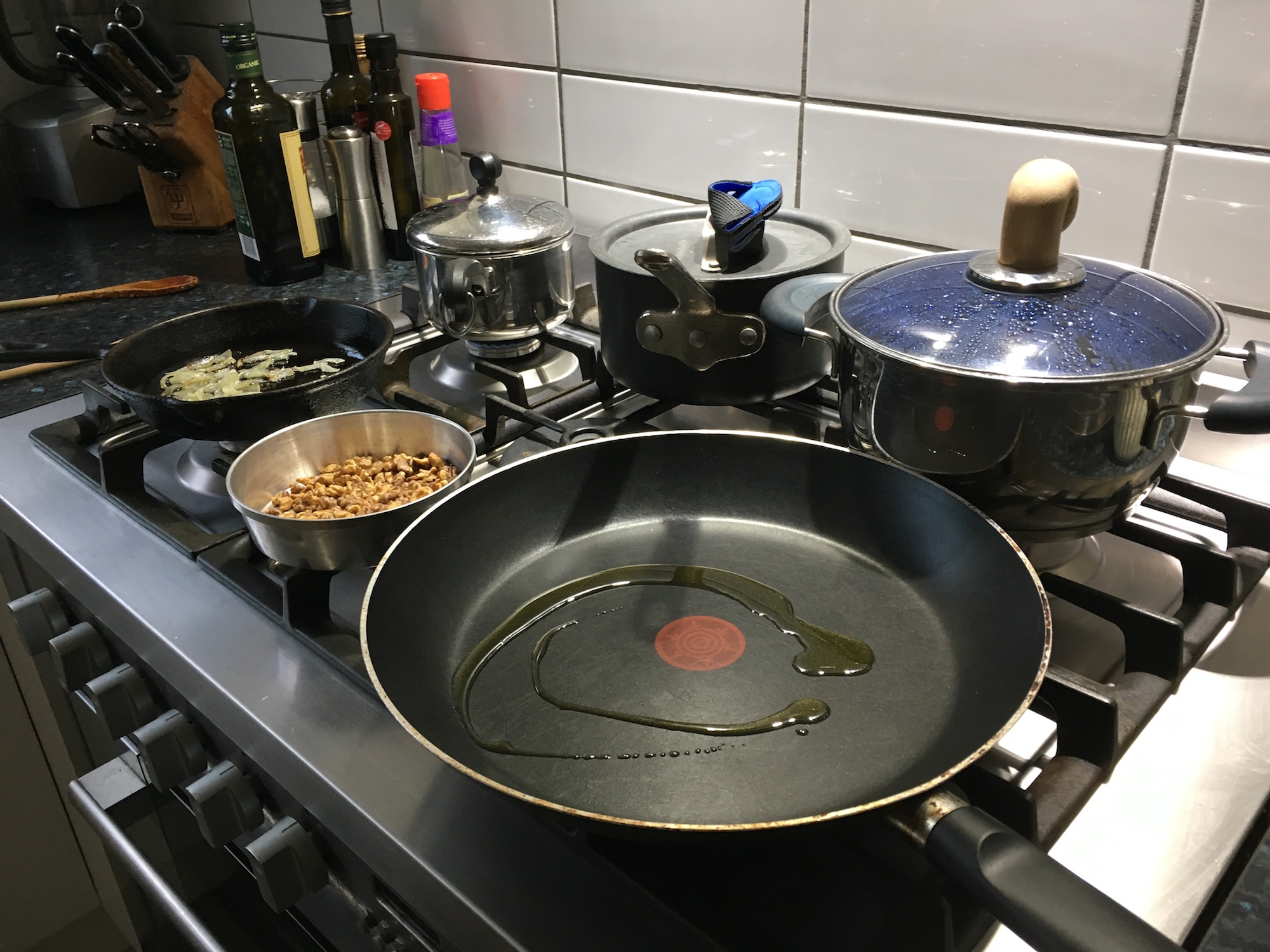
I made pumpkin soup for dinner yesterday. I chose to use a jumbo pink banana squash for it, because their flesh is quite moist–perfect for soup.

I like to bake my pumpkin when I use it for soup. I cut the pumpkin in half, scoop out the seeds, and bake the halves, cut side down, on an oiled baking sheet. I tuck a few garlic cloves into the hollow under one half, and end up with beautifully roasted garlic for the soup.

The only problem is that the pink banana squash really are jumbo. I knew the largest one wouldn’t fit into the oven, so I chose the next largest one. I barely managed to squeeze both halves in together. For the soup, I used only one of the halves, and it made enough for two meals.

That’s some serious pumpkin!

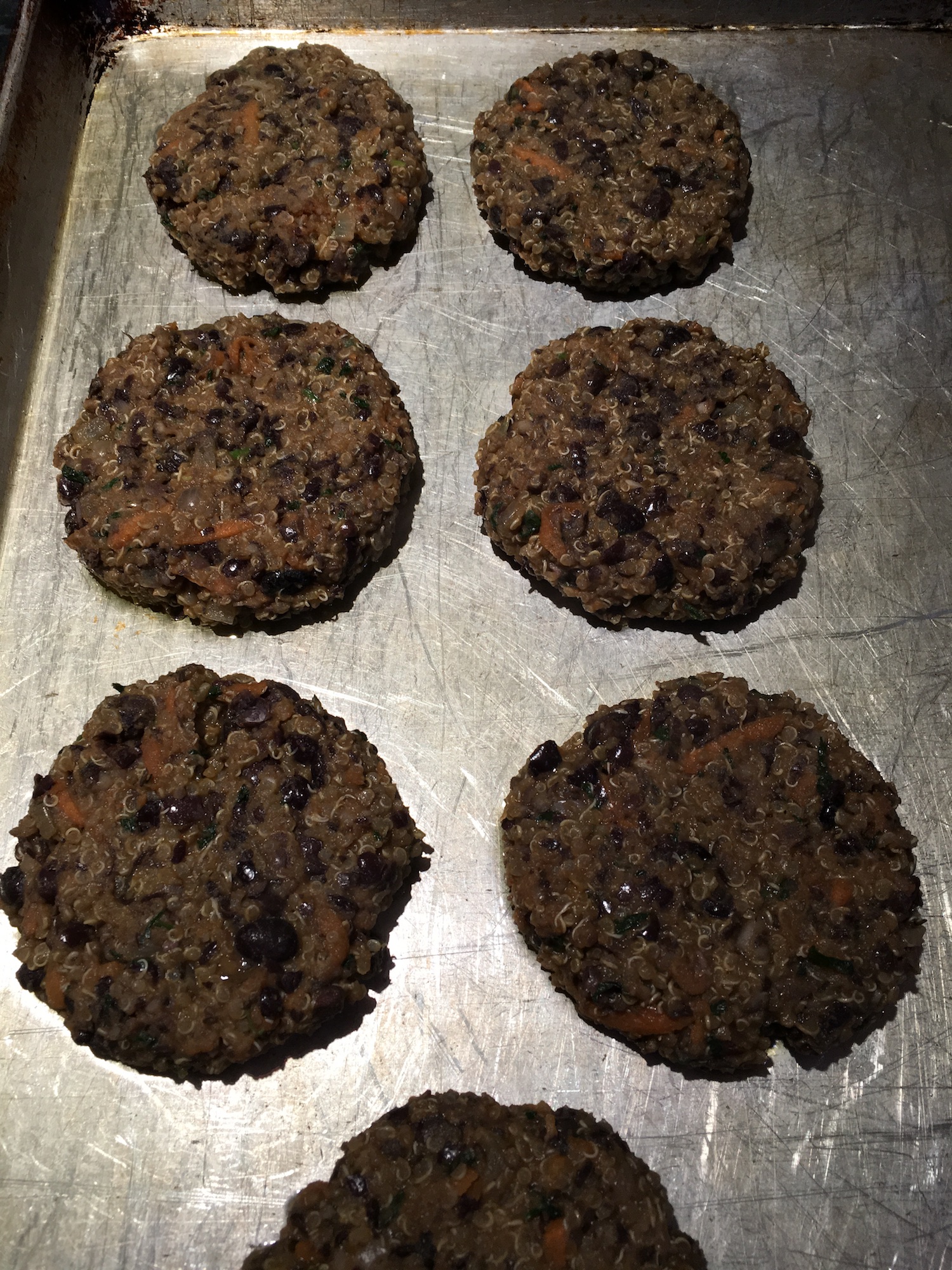
Black Bean Quinoa Burgers

I love burgers made from all sorts of things. At this time of year, most of our burgers are bean based, and most are made up as I go, with whatever’s in the house.

Bean burgers require some thinking ahead, but this recipe makes enough that it’s worth the extra work.

2 cups dry black beans
1 cup quinoa
1 onion
3 cloves garlic
1 carrot
1 Tbsp paprika
1/2 tsp chipotle powder
1 1/2 tsp salt
1/4 tsp cayenne
handful fresh cilantro
2 eggs

Boil the beans ahead of time in plenty of water until soft. Drain and mash cooked beans in a large bowl (I use a potato masher for this). Cook the quinoa in 2 cups of water until the water is absorbed (10-15 minutes). Finely chop the onion and garlic. Sauté them in 2-3 Tbsp of olive oil until the onion is translucent. Grate the carrot.

Add all ingredients except the eggs to the mashed beans and stir to mix. Taste and adjust seasoning. Add the eggs and mix thoroughly.

Form into patties and place on a well oiled baking tray. Bake at 210°C (400°F) for about 25 minutes, flipping the burgers after 15 minutes.

Makes about 18 burgers. Freeze the leftovers for quick mid-week meals.

The Season for Food Porn

A spread of summer vegetables ready for grilling.

I roasted the last of the summer’s potatoes last week, and finished off the carrots over the weekend. The corn I froze in March and April is already a memory, as are the cherries, apples and blackcurrants.

We’re getting to the boring time of year, when our vegetable options are limited, and we eat a lot of beans. It’s not a problem, but it means it’s a great time to enjoy food porn. Here are just a few of my favourites.

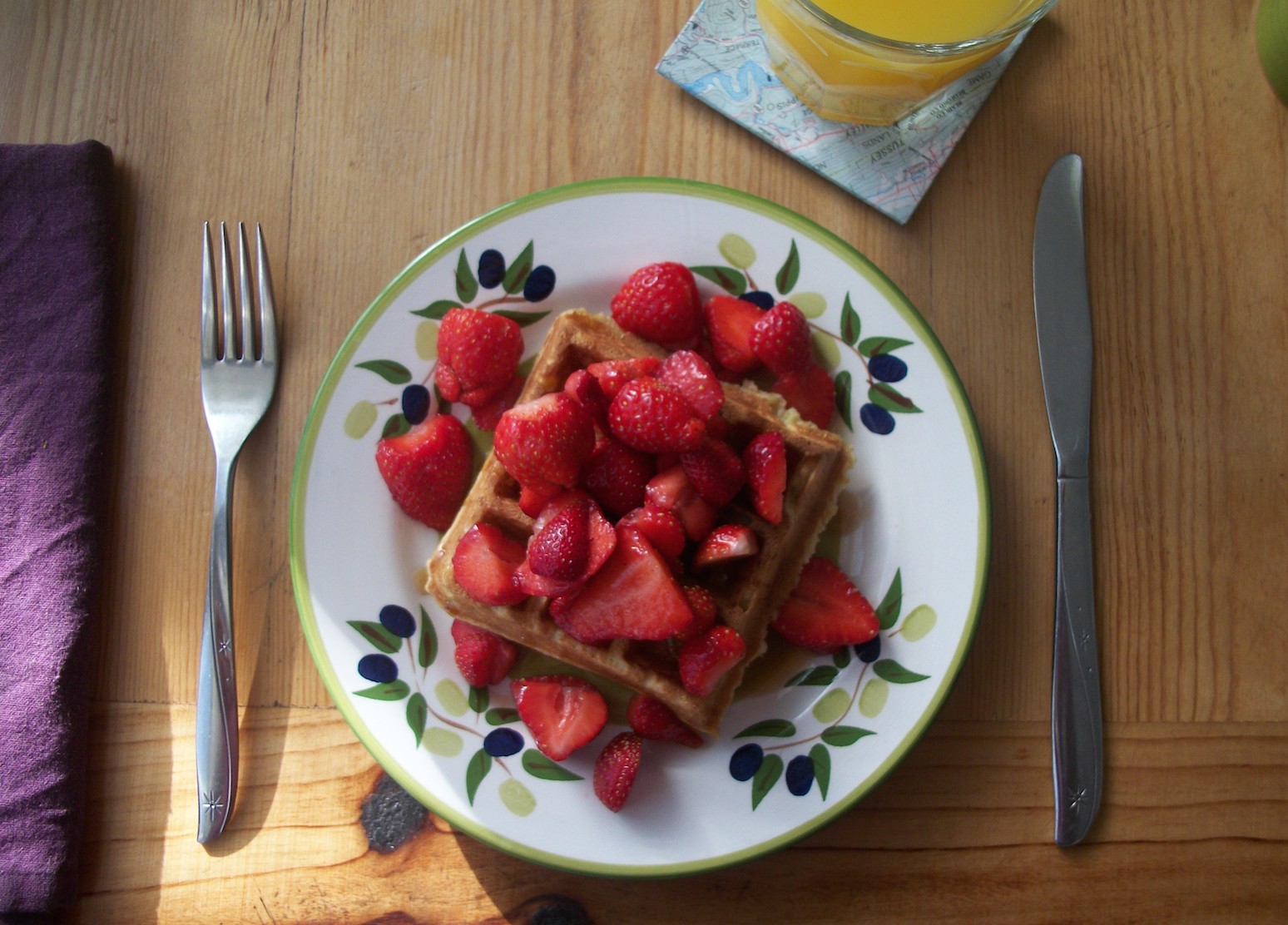
Waffles smothered in strawberries

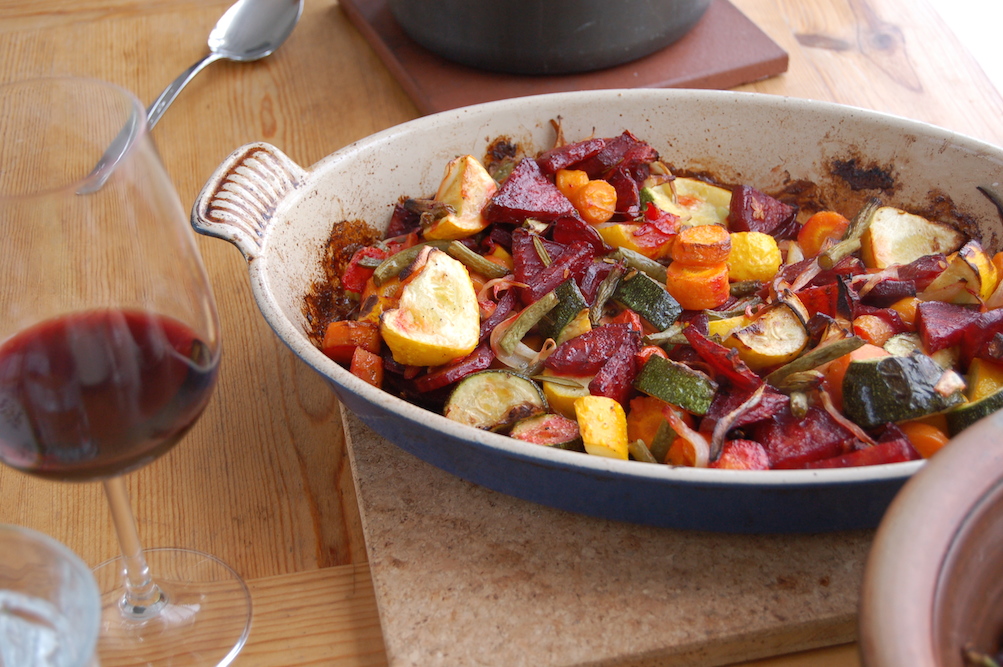
Roast summer veggies

Soy, parmesan-crusted zucchini sticks, watermelon, and breadsticks dipped in a rich tomato sauce.

Tomatoes ripe and flavourful

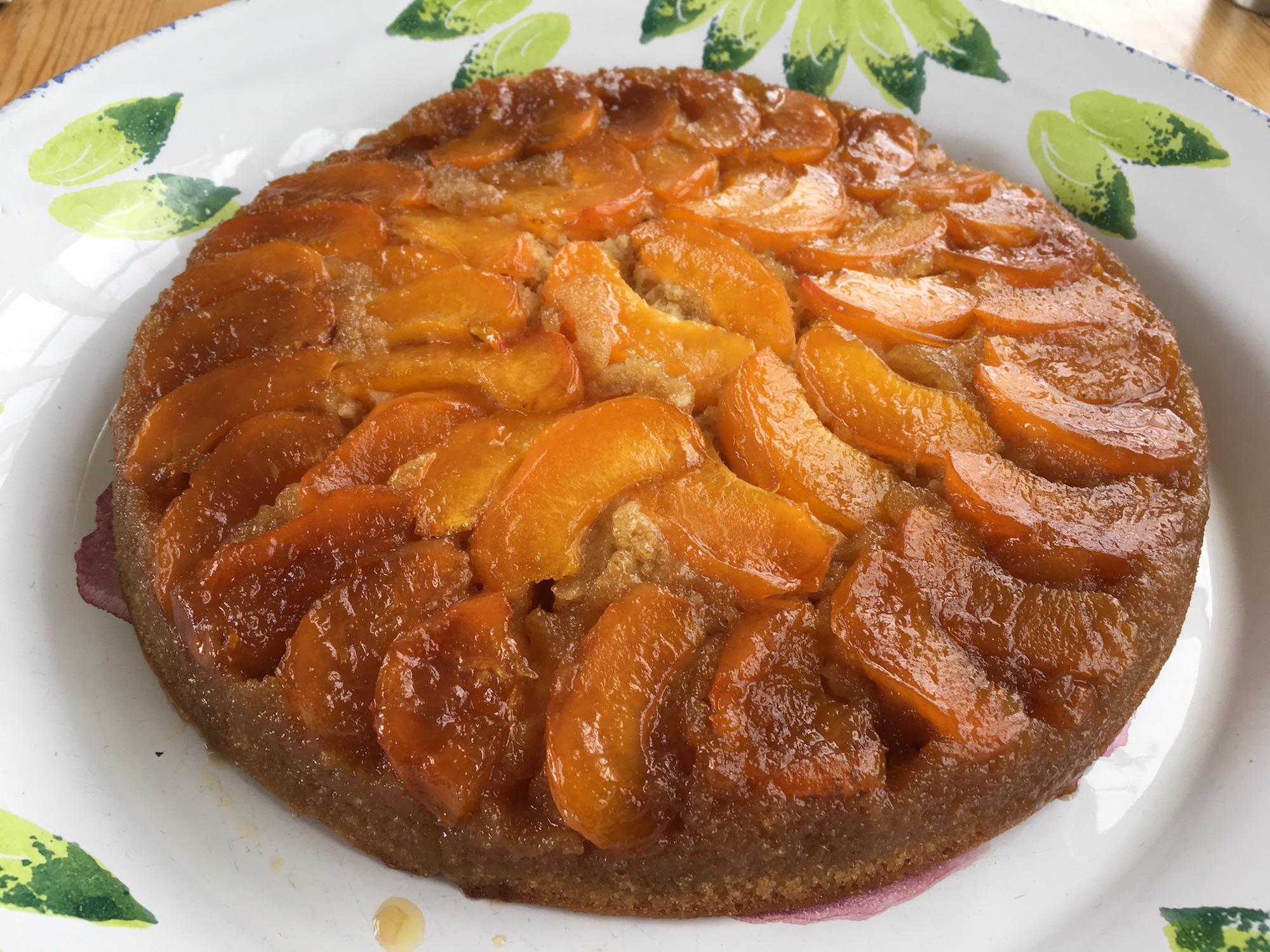
Apricot upside down cake

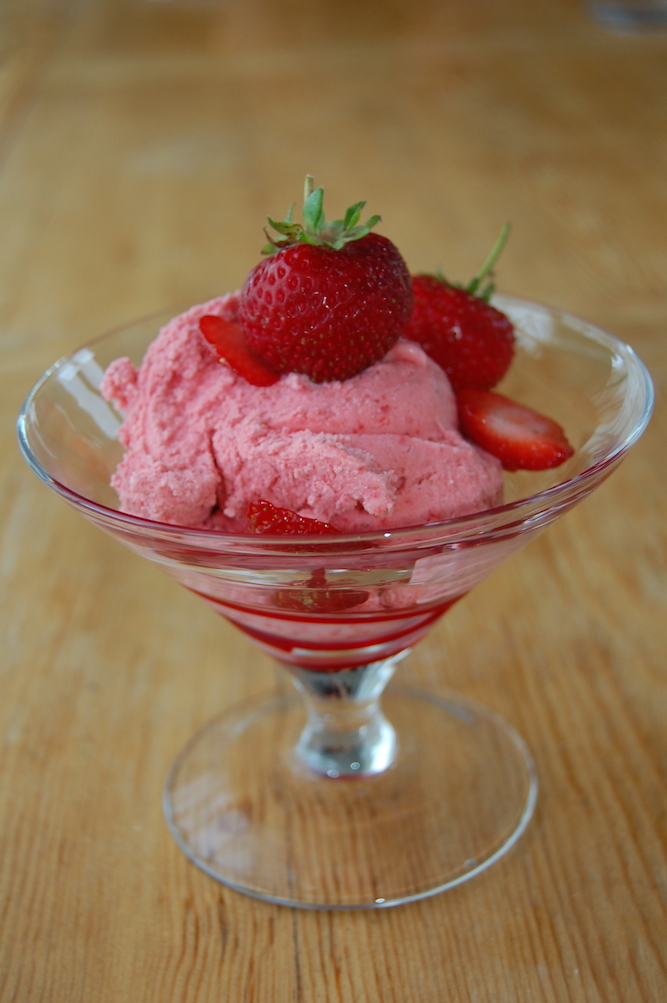
Homemade strawberry ice cream

Pumpkin Pizza

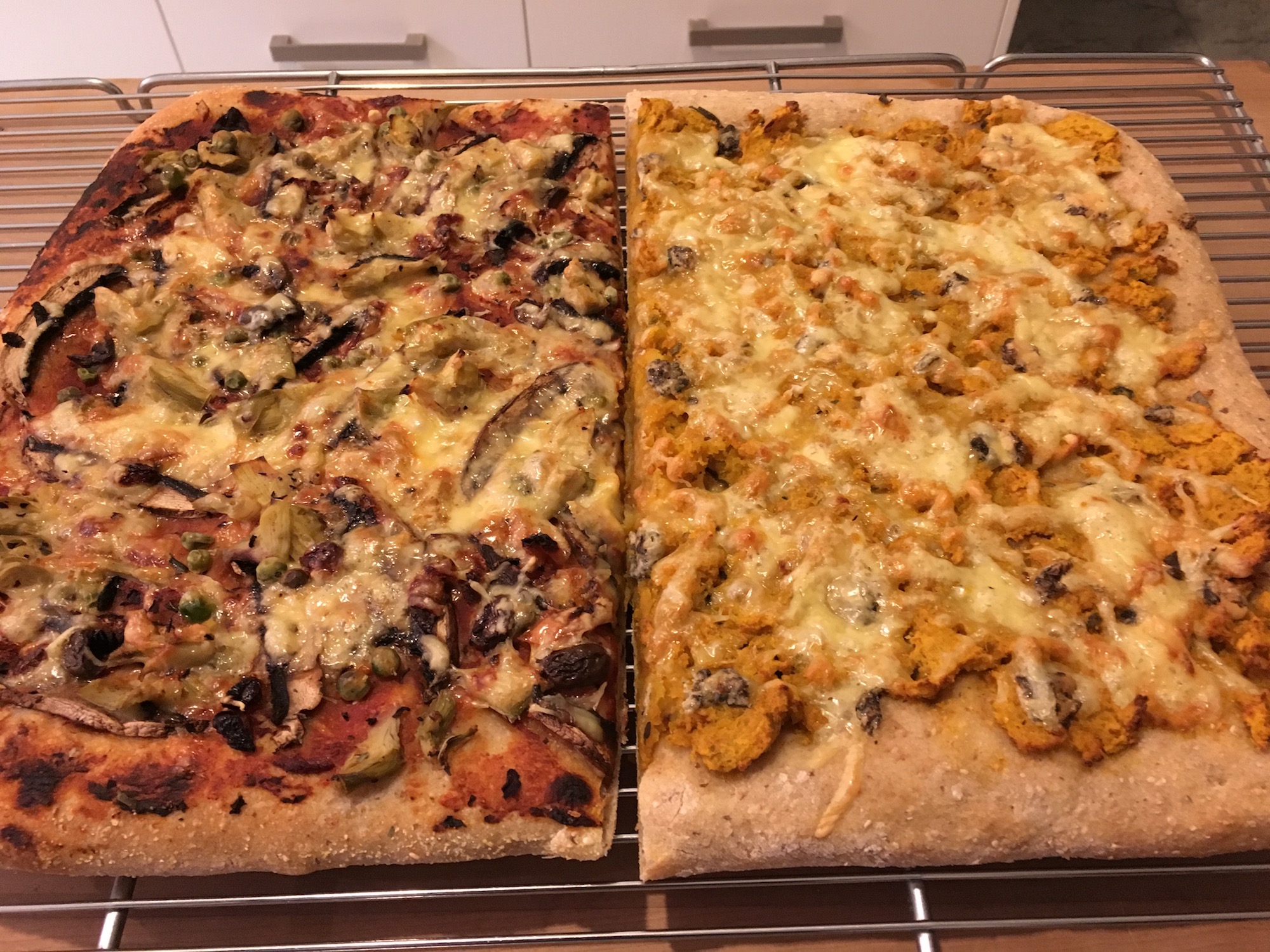
Ordinary pizza on the left, pumpkin pizza on the right.

I tried something yesterday that I’ve been thinking of for a long time. I’m sure that if I googled it, I’d find millions of people who had already done this, but for me it was new.

When we make pizza, we always make two–we eat one, and put the other in the freezer for a quick mid-week meal. So when we made pizza last night, I decided to make one of them a pumpkin pizza. I figured if it was awful, we could at least eat the other one.

It wasn’t awful.

In fact, it was incredible.

Here’s what I did…

3 1/2 cups cooked winter squash, mashed (I used kabocha squash–you want something with dry flesh so your pizza doesn’t end up too soggy)
1 onion
2 cloves garlic
fresh sage and thyme to taste
1/2 tsp salt
50 g blue cheese
grated edam, mozzarella, or other mild cheese

Chop and sauté the onion and garlic in 2 Tbsp olive oil until the onion are translucent. Add chopped herbs toward the end. Mix into the winter squash along with salt.

Spread this mixture evenly over the rolled-out pizza dough. Crumble the blue cheese and dot it over the surface. Top with grated cheese of your choice and bake as for any other pizza.


Name that dinner…

While doing the afternoon chores today, I considered what I would make for dinner. Before I came inside, I gathered some of the ingredients I needed from the garden and from storage in the shed.

Can you guess what vegetable I paired with these flavourful ingredients?

Yep.

You got it.

Pumpkin.

Truthfully, I didn’t decide exactly what I was making until after I gathered these seasonings; I only knew I wanted pumpkin. And to me, there’s nothing that says pumpkin like sage, thyme, onion and garlic. (Unless, of course, you’re talking sweet pumpkin, in which case it’s cinnamon, nutmeg, and allspice.)

I think many gardeners do this. We look at what vegetables we have on hand, and often know the ingredient list for our meals long before we know quite what we’re making.

Tonight I used my pumpkin in a cheesy pasta, but it could have just as easily become risotto, galette, or pot pie with very little change in ingredients.

Of course, the only reason I think sage and thyme when I consider pumpkin is because of my cultural background. If I were Indian, I might pair my pumpkin with cumin, coriander, garam masala and turmeric for a spicy pumpkin curry.

It’s what keeps gardeners from getting bored of eating the same vegetables day after day. Small changes can make a big difference in the final product.


Lemongrass

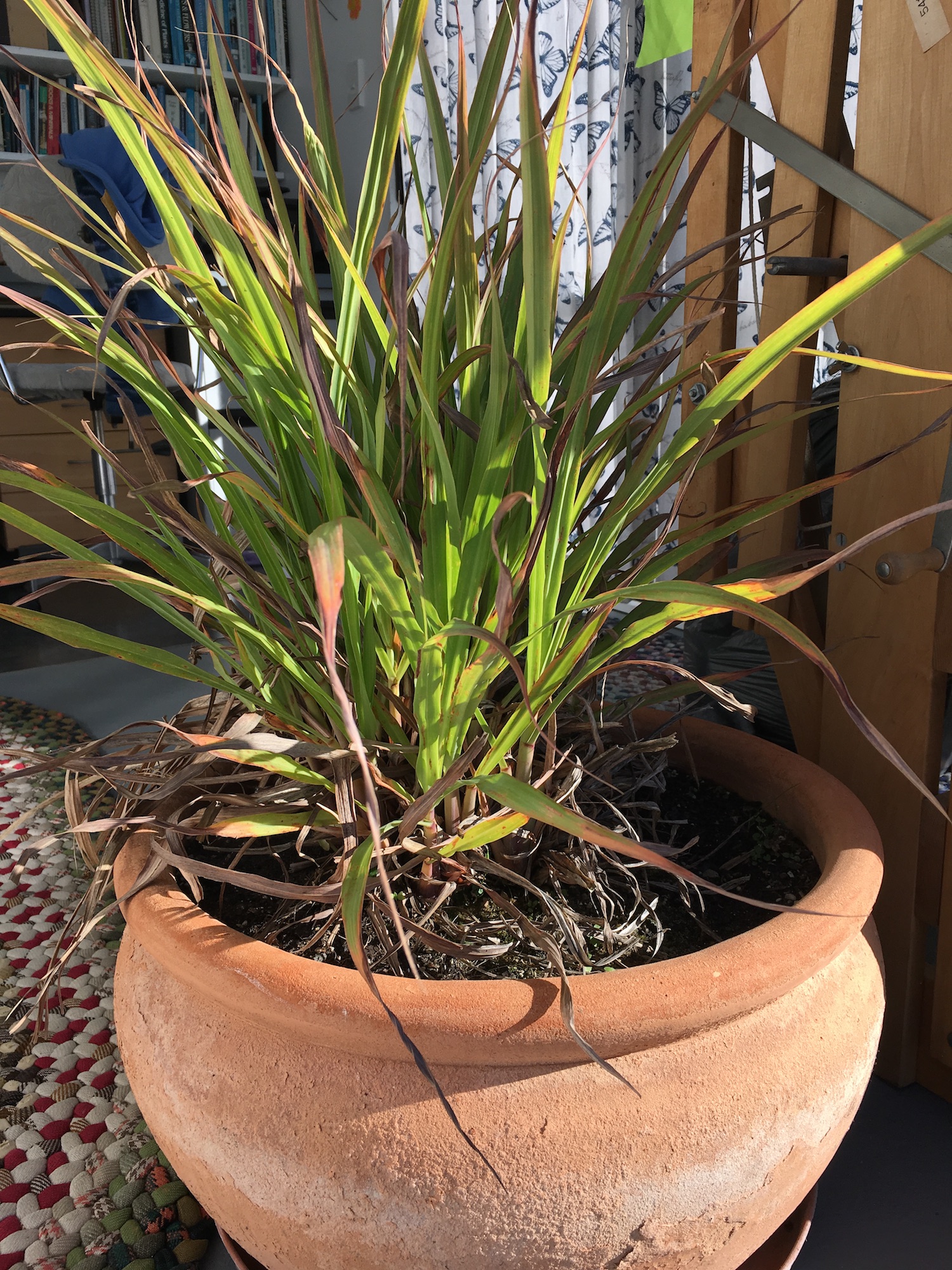
I brought the lemongrass (Cymbopogon citratus) indoors last weekend. It’s not supposed to be able to handle freezing temperatures. It does, but it doesn’t like them. The one winter I left it outside, it died back to just a few well-protected shoots in the centre of the plant.

Thankfully, it doesn’t need much protection. My office is unheated at night, but it provides enough protection to keep the lemongrass alive.

We don’t use much lemongrass. Though its lemony flavour is nice, it doesn’t have the sourness of real lemon, so I find lemongrass tea too sweet.

However, we do occasionally use it in stir fries, marinades and salad dressings, where it imparts its lemony flavour alongside other, more sour ingredients. We were first introduced to its use in salad dressings by Yotam Ottolenghi’s wonderful cookbook Plenty (which I’ve mentioned before). His sweet winter slaw recipe calls for the following dressing:

100ml lime juice
1 lemongrass stalk, chopped
3 Tbsp maple syrup
2 Tbsp toasted sesame oil
1 tsp soy sauce
1/4 tsp chilli flakes
4 tbsp light olive oil or sunflower oil

Place all ingredients except the oil in a saucepan and boil for 5-10 minutes until thick and syrupy. Allow to cool, then strain. Whisk in the oil and toss with your salad.

It’s an excellent way to use lemongrass, pairing with salty, oily, and sour ingredients that enhance its flavour. It’s worth giving up office space to the plant, just for this dressing.

Recipes from Real Kitchens

I made quince paste today, using a recipe written out for me by the neighbour who first introduced me to the fruit. There are countless recipes for quince paste online, and they’re all similar. But the recipe I use is something special. Though it doesn’t diverge much from other recipes, the rambling missive concludes by saying the paste is ready when it “parts like the red sea” around the spoon as you stir.

You just don’t find descriptions like that in proper cookbooks. All the character has been edited out by the time a cookbook goes to print. All the personality in a recipe has been smothered by detailed directions and precise quantities, honed in spotless test kitchens.

Cooking in real life is never quite so orderly or linear as it is presented in cook books. Personal and family recipes reflect that reality.

A recipe from my husband’s family has you form cookie dough into long rolls and refrigerate it overnight. Then it simply says “Bake in hot oven.” As an afterthought, it says “Note–cut slices off roll.”

As I flip through my own handwritten recipes for dishes I’ve invented or modified, I find similar directions that would never pass muster with an editor. For parslied tomato soup, I wrote, “simmer until tomatoes disintegrate and consistency is souplike.”

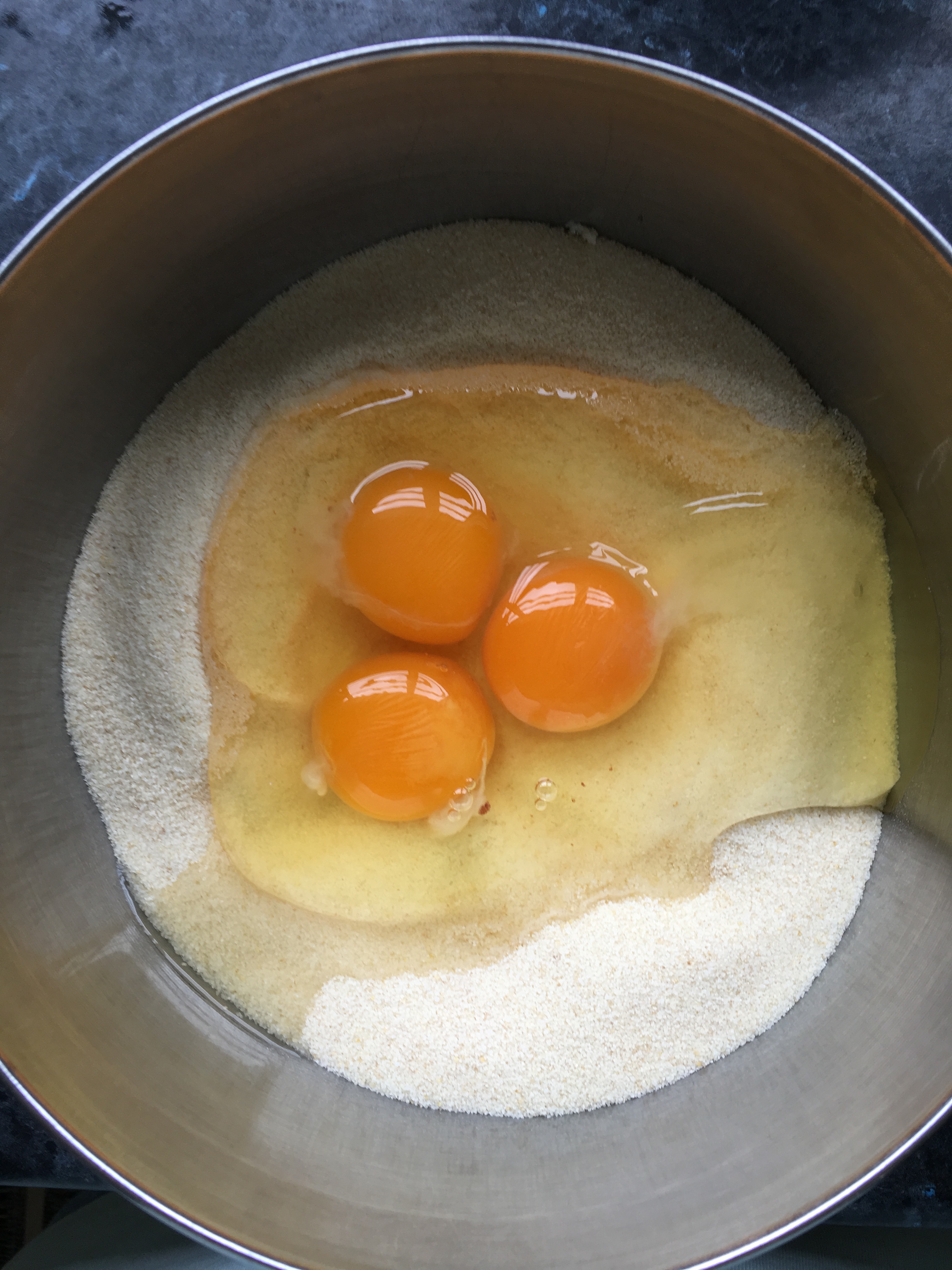
Then there’s the recipe for lasagna noodles. In it’s entirety, “3 c. semolina + 2 eggs.” And the spinach feta quiche recipe which states the quantity of fresh spinach needed as “fill dish pan to overflowing”. And the pizza dough recipe that calls for a “bit of honey.”

I’ve sometimes considered creating a proper cookbook from my recipes, but then I look at my scribbled notes and think that, to form them into recipes that would pass an editor’s muster, I would have to destroy their spirit.

So, here’s to all those messy, scribbled recipes, passed from person to person and written for real kitchens. May they never be constrained by the covers of a book.

Homemade Pasta

2 1/4 cups of flour
3 eggs

It is one of the simplest ingredient lists ever. It is the recipe for homemade pasta.

I don’t make pasta often–maybe once every two months or so–but it’s always a pleasure to eat homemade noodles. With such a short ingredient list, I should probably make them more often, but there’s more to a recipe than the ingredients.

There’s a learning curve to pasta. It takes patience to master the feel of the dough–to know when to add just a little more flour, or when to stop kneading it and start rolling it thin.

I used to stress about making pasta. I found it quite frustrating. It was always too wet or too dry. It ripped when I tried rolling it through the pasta machine, or it wouldn’t go through at all. It became too elastic and chewy. It seemed everything that could go wrong did.

I’ve learned a lot about handling the dough through making mistakes. But I think the most important thing I’ve learned is to have patience–with the dough and with myself.

The dough will behave badly. I must accept that and have patience, working with it until it starts to feel just right, and not getting upset when it takes longer than I want it to.

Once I think the dough is perfect, it will prove me wrong, and tear as it is rolled thin. I must accept this, set the offending dough aside to rest for a few minutes, then try again.

Even the most perfect noodles will clump, or break, or otherwise be marred before they are cooked. I must accept this, and cook them anyway–they’re going to be chewed up and swallowed, and no one but me will pay attention to whether they have been broken beforehand.

Making homemade noodles is a luxury and a privilege. Not everyone has the opportunity to do so. I must accept this, appreciate this, recognise that I do this because I enjoy it, not because I have to. Even if it goes badly, it need not cause me stress. Even if I struggle with it, the end result will be delicious.
Going Overboard

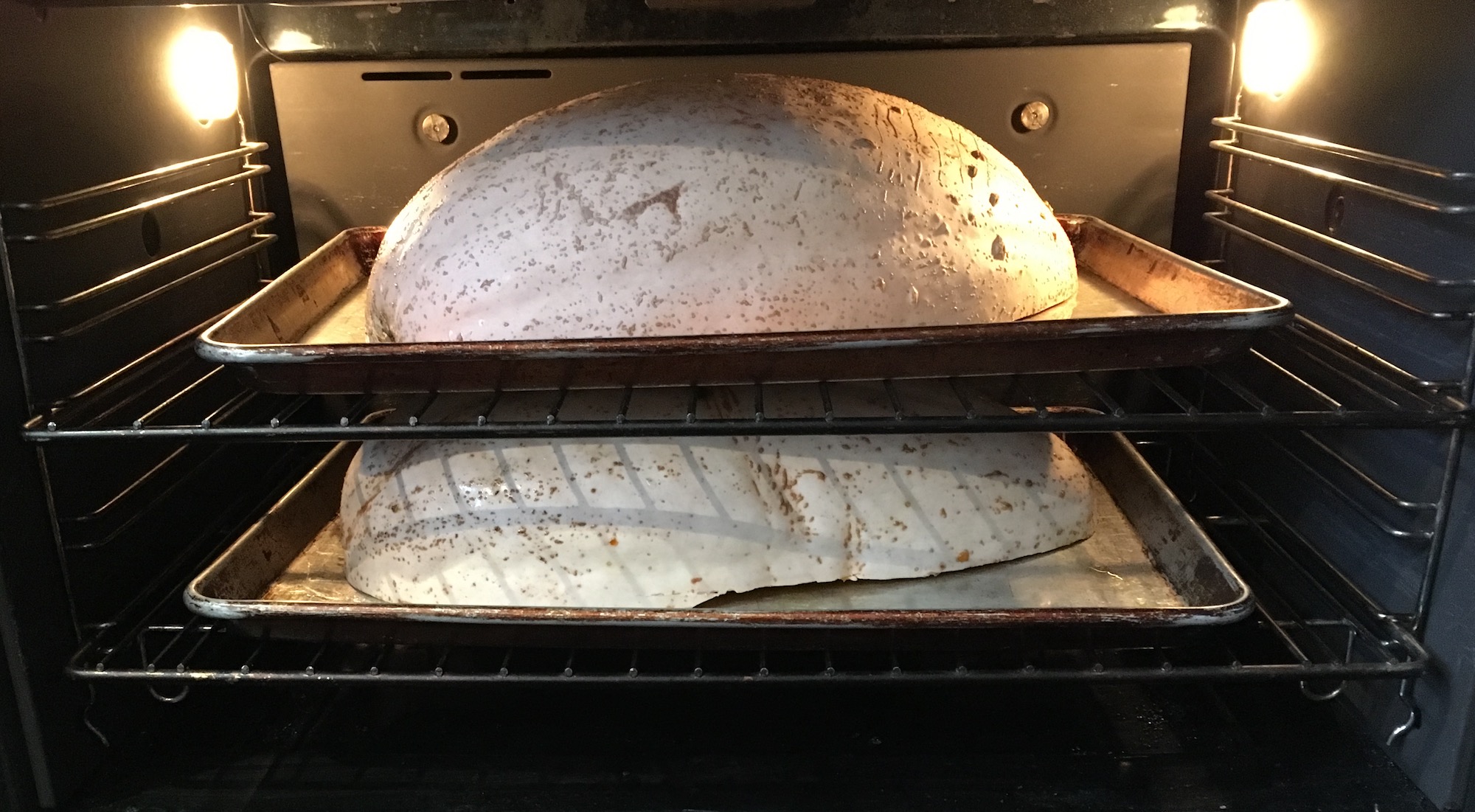
I know people for whom to spend half an hour preparing dinner is an unthinkable chore.

I don’t understand those people.

Don’t get me wrong, I totally understand the got-home-late-from-some-after-school-activity sort of feeling. The days when we know we’ll be coming in late and hungry, I pull something out of the freezer that needs only a few minutes in the microwave.

But on ‘normal’ days, making dinner is a way to make every day special. If it takes an hour to do that, who cares? An hour spent nurturing my family is an hour well-spent, in my mind. And if, some days, that hour expands to two or three…well, I at least make sure on those days I’m making enough to put a meal or two in the freezer for when I need an instant meal.

I also don’t mind going overboard now and again on dinner, because our family has a culture of food appreciation. From an early age, the kids learned to appreciate new flavours, interesting textures, and the culinary effort it takes to create a meal. If I spend two hours making dinner, I know the people who eat it will appreciate the extra effort. I know they will recognise it as one of the ways I show my love for them–a culinary hug. As teenagers, they resist real hugs, but they love a good culinary hug. It’s not just conditioning that they thank the cook at each meal–they actually mean it.

So if I go a bit overboard sometimes…well, you can never have too many culinary hugs.

Haloumi

I admit, it’s taken me eleven years of cheese-making to finally decide to make haloumi. I needed a cheese that would keep, but didn’t require several days of salting/turning/etc. Haloumi met that description.

I’d never made it because the processing time (for a proper, cultured haloumi) is so long and, frankly, the result is quite like paneer, which I can whip up in no time.

From a 7.00 am start, I finally put the finished cheese in the fridge at 3.45 pm. Hours of stirring, pressing, simmering, and salting.

We enjoyed some of it this evening, fried and served over a lovely warm salad of lentils and quinoa. The salad included salted lemons (which I blogged about back in September last year) which were just the right flavour with the cheese, pulses and quinoa.

A side of baked pumpkin slices rounded out the meal to perfection.

Truly delicious.

But will I make haloumi again? Maybe.