Sandcastles

2015-12-28 13.49.30 smMy kids inherited their father’s obsession with making sandcastles. No beach trip is complete without a major construction project. We take a full-size garden shovel when we go to the beach—that’s how serious they are about it.

Their creations can reach well over a metre tall and cover twenty square metres of beach.

Last week, there were some families with preschoolers on the beach with us. When castle construction halted for lunch, the kids came over to investigate. They splashed in the pools and admired the turrets and bridges. They spent ages enjoying my family’s creations.

Later, as people walked past, many stopped, or walked around the castle complex to get a better look. Some stopped to chat or comment. All of them smiled.

This is what art does.

Not that sandcastles on the beach are Art with a capital A, but they are a form of creative expression like all art. And art is meant to be appreciated and enjoyed.

Art can make people smile. It can encourage strangers to talk to one another. At its best, it encourages interaction—with the art, with each other. It inspires. It provokes.

Too often, we step out our doors and put on our uniform—our “normal” face and behaviour. This is good, to an extent (norms of behaviour are generally there to help us all live together without excess friction). But all that uniformity is cold and sterile. Uniformity doesn’t encourage us to smile and talk to one another. I think that if more people expressed their creativity openly in public for everyone to enjoy, the world would be a better place.

 

Library Evolution

100_3972 smI remember libraries as a child. They were quiet, austere places. No food or chewing gum was allowed to enter, and librarians had lips permanently puckered from saying “Shhhh!” We tiptoed between towering shelves of books in hushed silence. We spoke in whispers when we dared to speak at all. Our books were chosen and checked out with a minimum of noise. The librarians’ well-oiled carts rattled like cattle trucks through the hushed corridors.

But something happened between the time I graduated from university and the time I got my children their first library cards. Libraries transformed and reinvented themselves.

Comfortable couches in conversational arrangements and large tables that encouraged discussion replaced the tiny desks tucked into dark corners. Children were invited in to flop into bean bag chairs with their favourite books. Librarians stopped saying “Shhhh!” and began leading children in songs, belted out in the middle of the library for all to hear.

No Food or Drink signs gave way to cafés inside the library. Now you can browse your favourite titles while having a coffee or eating lunch. You can sit and chat with friends—loudly—and no raptor librarians swoop upon you with a scowl.

Community groups began to meet in the library. Not in some ante-chamber tucked away behind a soundproof door, but right smack in the middle of the library. Knitting and gossiping, playing board games, having raucous meetings.

Televisions and computers showed up, and now you can watch a football match, or play video games in the library.

Libraries have awakened. They have roused from their quiet slumber and become vibrant community hubs. The smell of book binding glue is now mixed with the aroma of fresh coffee and scones. The turning of pages is matched by the tap of keyboards. The hum of conversation overpowers the hum of the fluorescent lights.

I spend significant time in several different libraries, using them as an office when I can’t be in my own. I am not alone. Most days I have to fight for space at a table and a place to plug in my laptop. Some days it is almost unbearably noisy, and I have to resort to noise-cancellation headphones in order to concentrate. It is a far cry from the libraries of my youth.

I don’t mind. What better backdrop for our communities than that of books? What better place to go to engage and be inspired? To learn and grow?

Long live the library!

Wedding Bowls

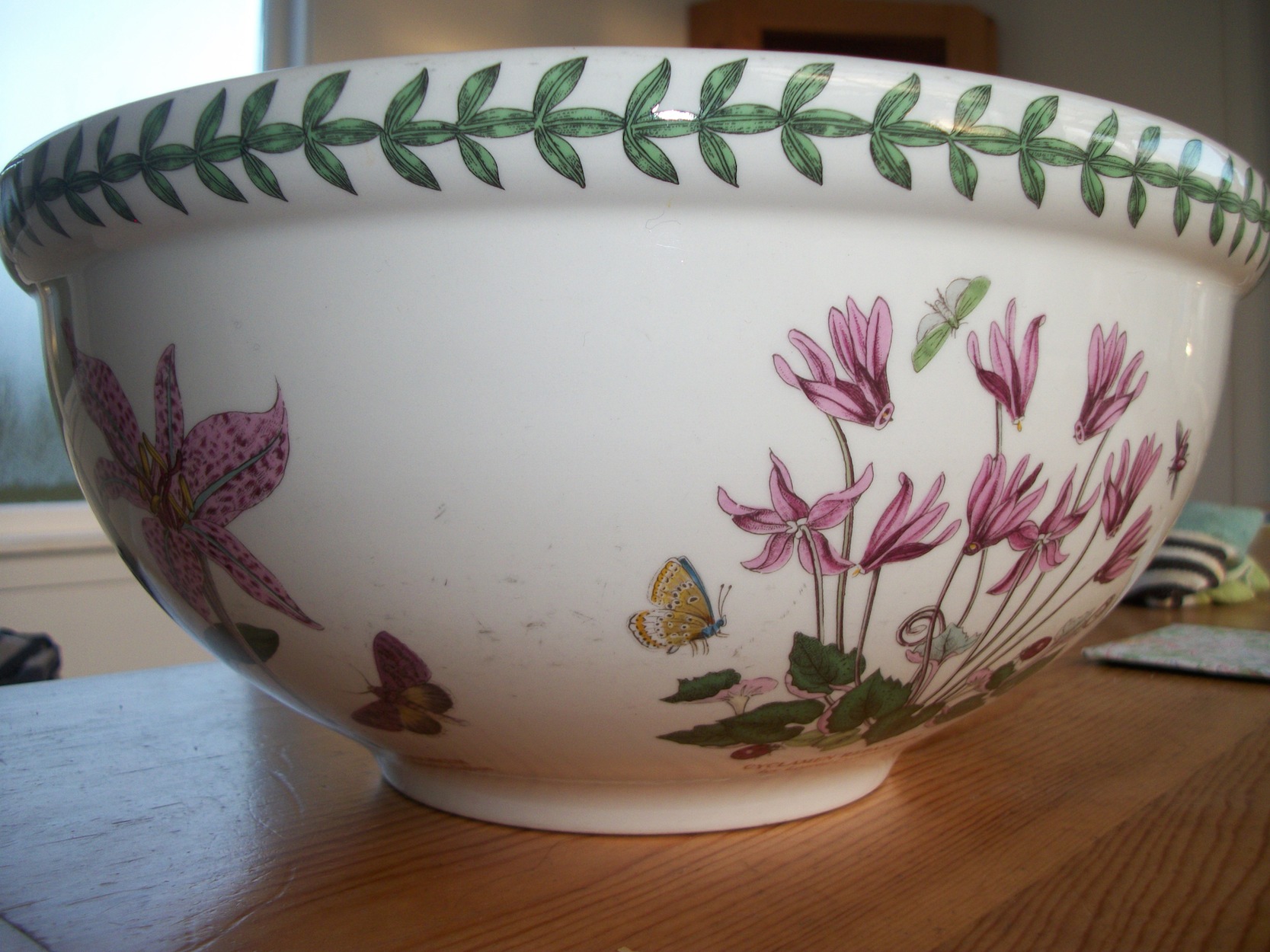
100_3483 smTwenty-three years ago, when Ian and I got married, a whole lot of people gave us gifts. Most of those gifts were kitchen items. In addition to pots, pans, and knives, we acquired 23 bowls that day–ceramic mixing bowls, stainless steel mixing bowls, hand-blown glass serving bowls, artistic pottery bowls, wooden bowls… You name it, we got it.

We could have broken one a year for every year of our marriage so far. But most of those bowls are still with us, 23 years later. All are well-used, and remind us even now of the people who gave them to us all those years ago.

So, thanks everyone! Our wedding bowls ring daily!

Food Security

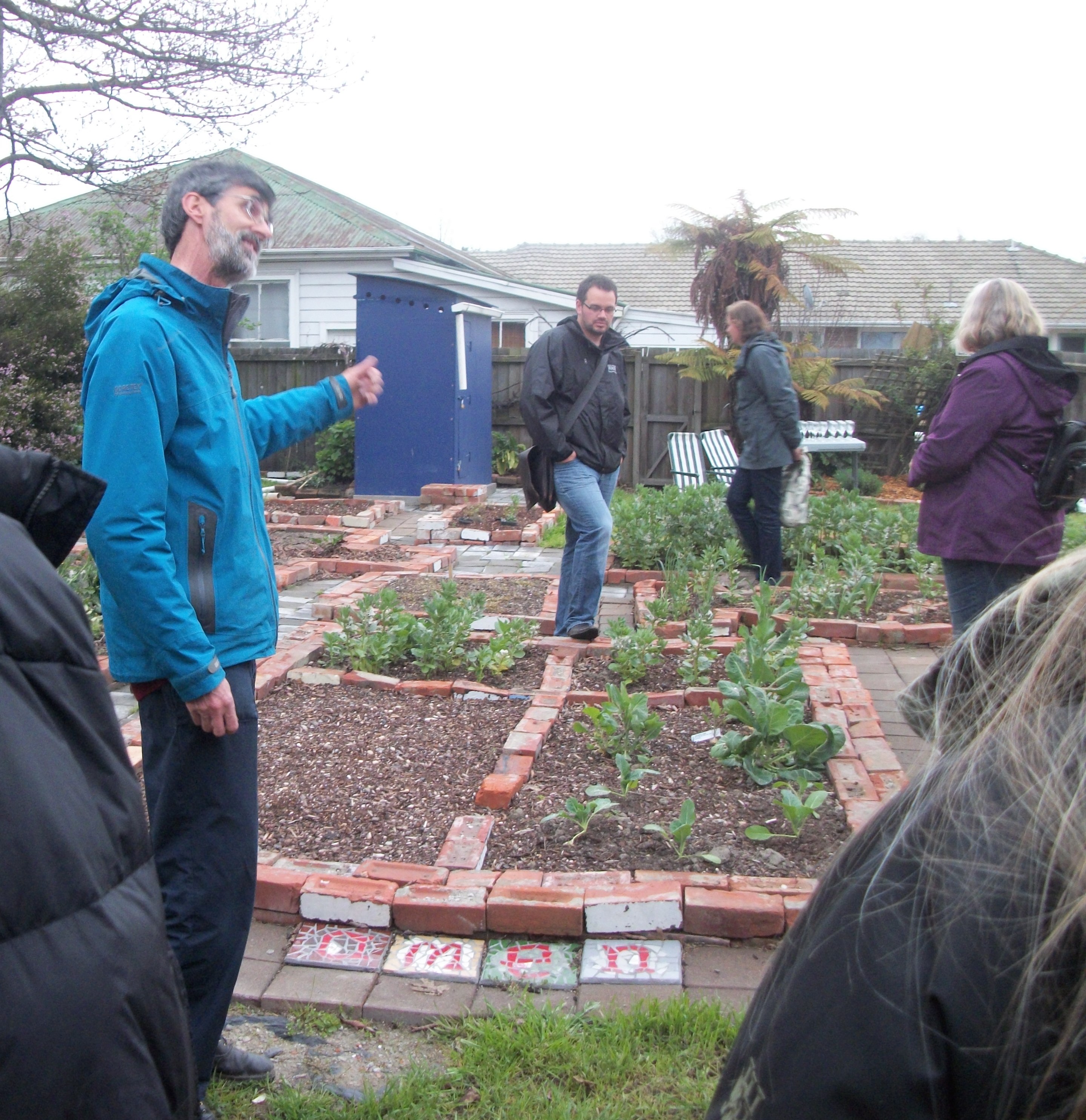
A post-quake community garden in Christchurch

A post-quake community garden in Christchurch

After the recent earthquake in Nepal, I wrote a blog post about food security in the face of natural disasters, but I never actually posted it.

But this piece about using vacant red-zoned land to produce food in Christchurch, in the news today, made me come back to that post and decide it was worth posting.

After the February 2011 quake in Christchurch, I saw firsthand how much more devastating natural disasters could be in the city verses in rural areas. Responding to a request for help on Trade Me, my husband and I, along with a couple of neighbours, loaded the car with shovels, wheelbarrows, tools and food, and ventured into the hard-hit eastern suburbs.

We spent a day clearing houses and yards of liquefaction, tearing out buckled and destroyed linoleum, and sharing out the vegetables, bread, and milk we brought from our farms. The people we met were amazingly strong in the face of the destruction around them—not one house in the neighbourhood was still straight and level, and the street was nearly impassable, buckled and cracked.

But they had no tools to tackle the devastation. The carload of tools we brought with us for the day was more than the entire neighbourhood could muster. City living doesn’t require heavy duty wheelbarrows and large shovels, and there were more willing hands than tools to go around.

Then there was the lack of gardens in the city. With stores closed and power out for many days, getting and preparing food was difficult. While meals were airlifted into the city, in the country we simply lived on food from the garden.

So, how do we build resilience and food security into our cities? How do we create cities that can feed themselves, at least for a short time, after a natural disaster? Part of the answer lies in community gardens that can provide food and positive community support, as they did in Christchurch after the 2011 quake. Part of the answer lies in taking a long-term approach to city planning—planting fruit trees in public parks, preserving green space with good soil within the city instead of covering it all with buildings and roads.

I would love to see Christchurch, and all cities, bring food production back within the city limits. No, a city cannot produce all its food, but having community gardens and food-producing commons makes a city a more humane place, even when there isn’t a natural disaster to weather.

Habitat Gym

hammerarmmodI want to open a gym. I’ll call it the Habitat gym. But instead of rowing machines, treadmills and weights, my gym will have shovels, hammers and hoes. Members will get fit by growing food for the local food bank, or by building low-cost housing or community amenities.

Trainers will match the job to the member—Want to work on your cardiovascular fitness? You’ll fetch tools and materials for the work crews, running back and forth from shed to building site or garden. Keen on weight training? You’ll be mixing cement or turning soil. Just want some gentle stretching and strengthening? You can weed or paint.

Wouldn’t it be great if we could capture all the human energy wasted every year at the gym and funnel it into meaningful projects that help others? Not only would people stay fit, they might be more likely to stick with their exercise regime if they know that what they are doing is meaningful and not just drudgery, if at the end of a year long gym membership, they count their success not just in pounds shed or muscle mass gained, but also in people fed and housed. If all that energy expended at the gym were harnessed for good, think what we could accomplish!