The Last of the Cheese

cheeseandcracker smWe marked another milestone in the food year yesterday—we ate the last of the goat cheese. We managed to finish off the Parmesan and Bishop’s Corner* on the same day.

It’s true, you only know what you’ve got when it’s gone. The goat cheese is that way for me. During the height of milking season, when rounds of cheese crowd out other food from the refrigerator, I can forget what a gourmet delight it is. I can forget that our ‘everyday’ cheese would cost us about $100/kg if we had to buy it. But when I’m staring at the last tiny sliver of perfection, knowing that my next bite of cheese is going to have to be run-of-the-mill commercial cow cheese, I recognise the value of what we produce.

So we savoured our last bites, and look forward to spring, when the milk will again be flowing, and the rounds of cheese will start stacking up.


*Bishop’s Corner is a cheese of my own creation—a happy mistake that turned out better than what I meant to make. I make that mistake over and over again now, and have named the cheese after a local crossroads.
Blue Cheese

IMG_2297 copyThough it is sad when the last of the season’s goat cheese is gone, I do enjoy the excuse to buy cheeses I don’t make myself.

Blue cheese is one of these. I’ve heard enough horror stories about making blue cheese (“Once you’ve made blue cheese, all your cheeses end up blue”) that I’m reluctant to try it. Besides, there are plenty of moderately priced, locally produced blues available.

My family can polish off a generous wedge of blue at lunch, and much of the blue cheese we consume is eaten simply on bread or crackers.

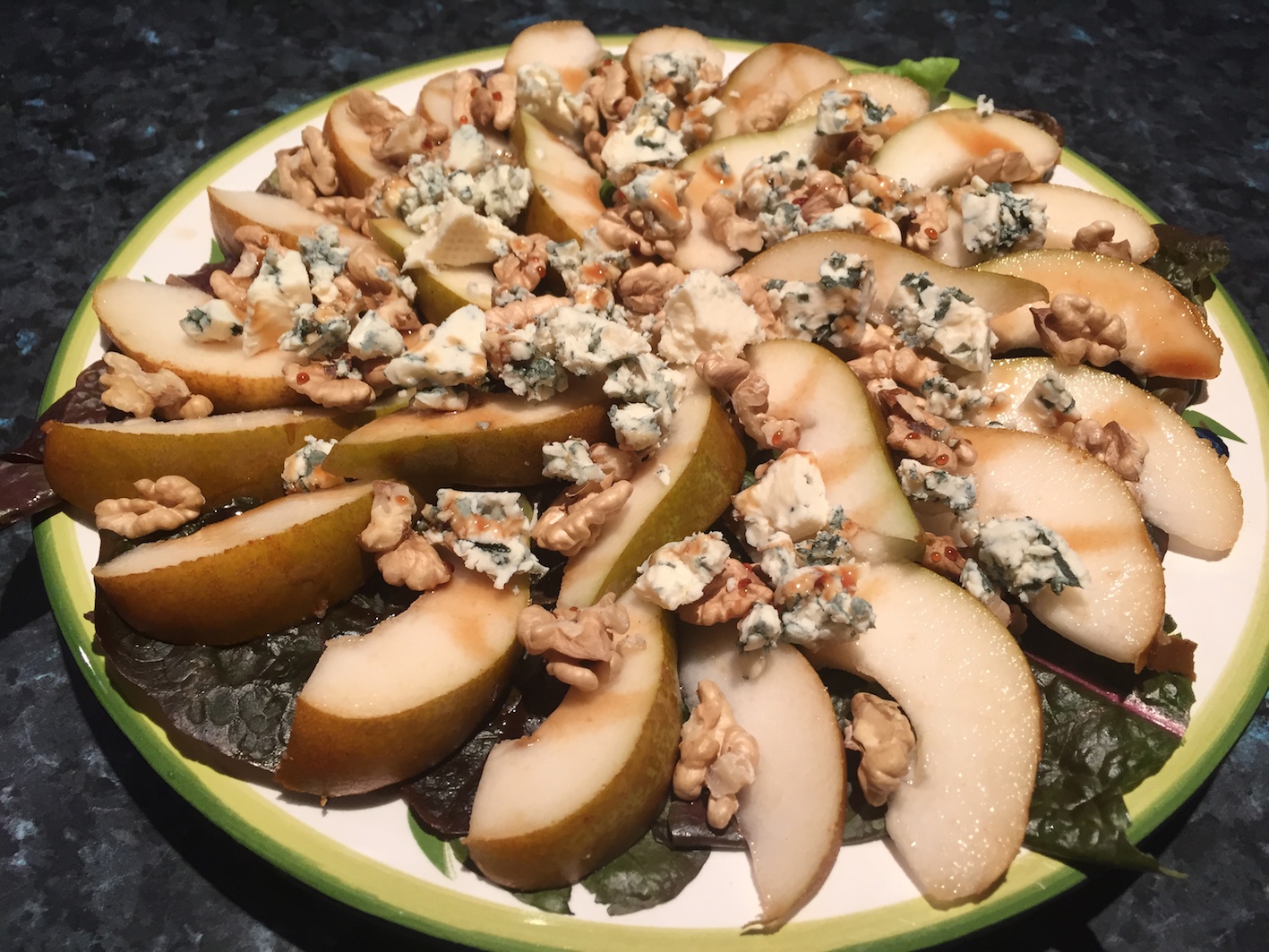
If I can hide it until dinner, though, I love blue cheese in a salad with pears and walnuts. The combination of bitter greens, sweet fruit, and sharp salty cheese hits all the right buttons. We usually top it with a bit of vinaigrette, but this time we simply drizzled some pomegranate syrup over it. Divine!


Not Yo Mamma’s Mac and Cheese

DSC_0005 copyGrowing up, I remember macaroni and cheese as something that was bright orange and came out of a box. Of course, I loved it. But as an adult, I have a hard time serving that sort of stuff to my family.

So, I started making mac and cheese using Joy of Cooking’s Baked Macaroni recipe, but there’s not much in it—it’s good, but not terribly interesting or nutritious. I began tinkering, and came up with Not Yo Mamma’s Mac and Cheese. My kids, of course, point out that it is their mamma’s mac and cheese, but the name stuck anyway.

This recipe makes a generous meal for our family of four, with lots of leftovers for lunch the next day.

500 g package elbow macaroni

2 large carrots, diced

1 ½ cups fresh or frozen peas (thawed if frozen)

1 ½ cups fresh or frozen corn (thawed if frozen)

1 onion, diced

2 stalks celery, diced

¼ cup chopped fresh parsley

1 ½ cups grated cheese (pick your favourite)

3 eggs

1 cup milk

bread crumbs

butter

salt and pepper to taste

Cook the macaroni. While macaroni is boiling, boil the carrots until just tender. Sauté the onion and celery in olive oil or butter until the onion is translucent. Add vegetables and cook just a few minutes longer, until everything is warm through. Mix in the parsley, and salt and pepper to taste.

Scald the milk, and beat in the eggs.

In a well-buttered casserole dish, layer macaroni, vegetables, and cheese, ending with a layer of cheese. Pour the egg mixture over the top. Sprinkle generously with bread crumbs and dot with butter. Bake at 190°C (375°F) for 30 minutes, until the egg is firm in the centre.


Making the most of our mistakes

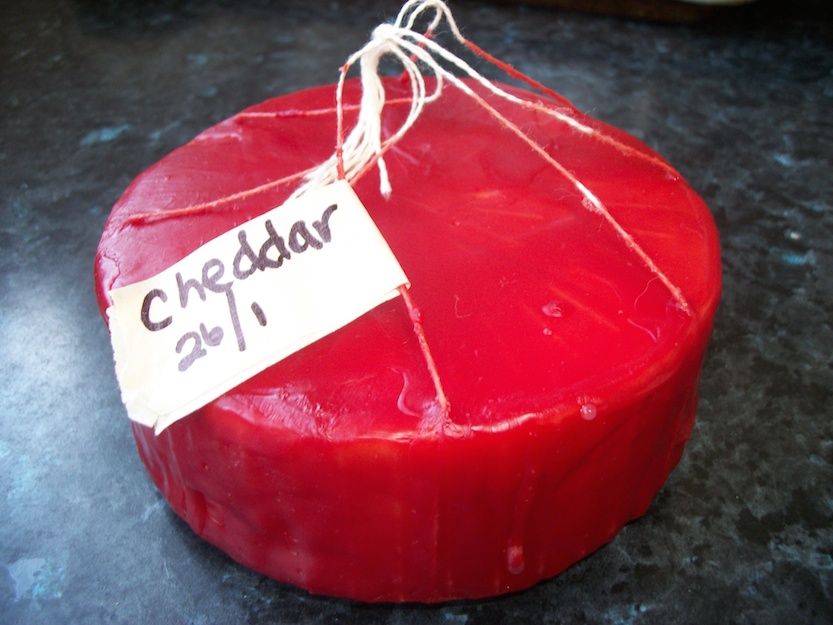
cheddarsmA couple of years ago, I was making a batch of cheddar cheese. It was a recipe I’d made many times before, and I was cruising along, not paying enough attention to what I was doing. I sterilised my equipment, warmed the milk, and stirred in the cheese culture. As I put the package of culture back in the freezer, I realised I had used the wrong one! I’d used my mozzarella culture for cheddar! After a moment’s consideration, I carried on with the recipe as usual, making a special note in my cheese records that this one had the wrong culture.

Three months later, with some trepidation, we cut open the cheese. It was incredible—the best of mozzarella and cheddar, all in one cheese. It was a delicious mistake.

I made a note in my records. We named the cheese Bishop’s Corner (a local landmark—a tiny cemetery at a 7-way intersection), and I’ve been making it as one of my staple cheeses ever since.

There are so many cheeses and variations of cheeses, I’m certain that’s how many of them were originally developed. Someone made a mistake, and just carried on in spite of it.

It’s not the only mistake to make it to our dining tables. In 1898, the Kellogg brothers accidentally let some wheat get stale while they were trying to make granola. Instead of throwing it away, they rolled it and toasted it, thus inventing the first flaked breakfast cereal.

Dr. Spencer Silver made the most of a mistake, too, though not with food. In the 1970s he was a scientist at 3M, trying to make a stronger adhesive. He made a mistake and ended up with an adhesive that only stuck lightly. It could easily be peeled off surfaces. But he carried on, eventually using his “mistake” to create the now ubiquitous Post-It Notes.

I’ve made plenty of mistakes that don’t turn out well, but sometimes, in trying to salvage a mistake, we come up with something better than we originally intended. I like to think that our mistakes aren’t inherently bad, and that perhaps it only takes a bit of creativity or perseverance to turn a mistake into a great idea.