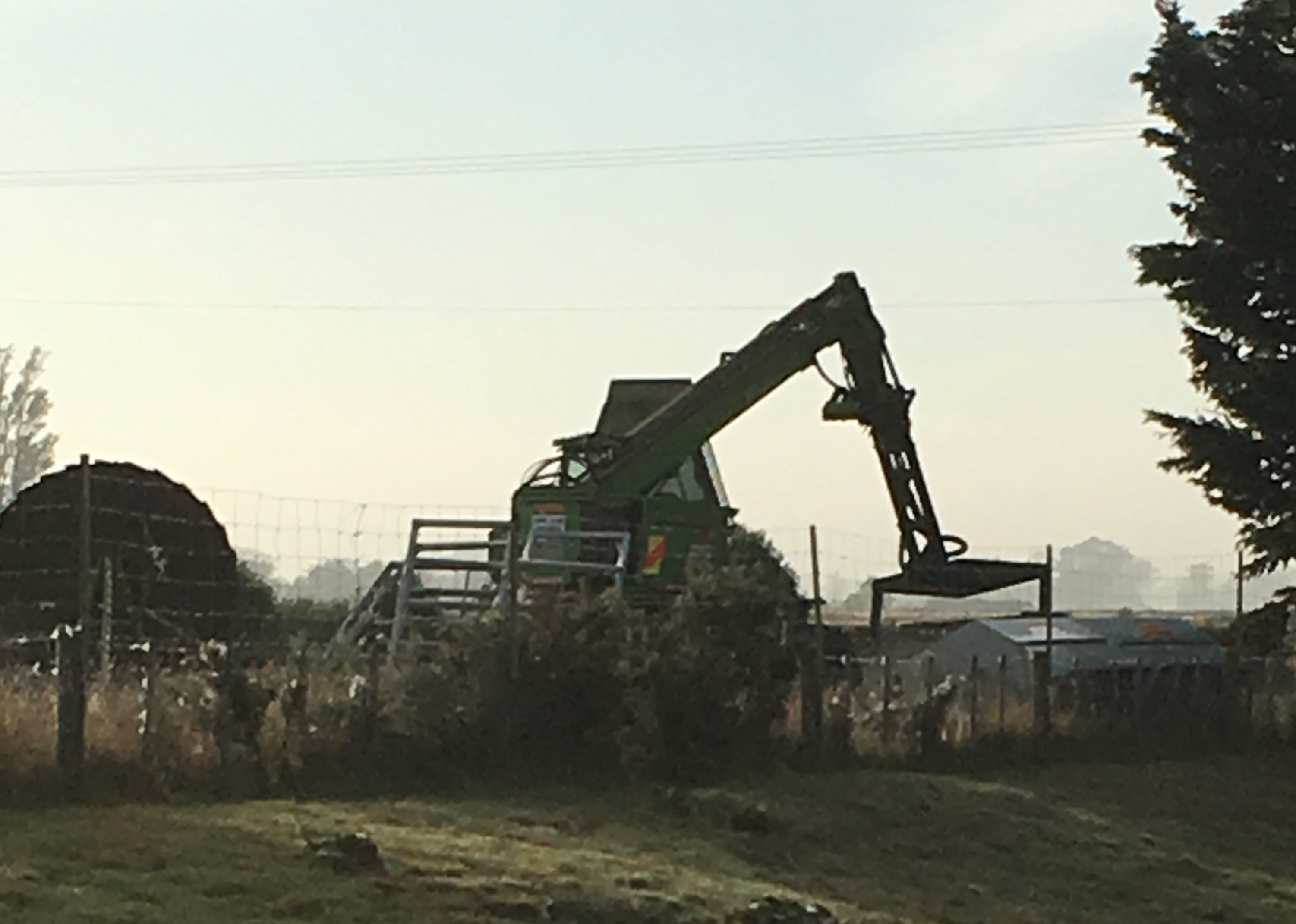
Hedge trimming

Trimmer looming out of the early morning fog. Note the circular blade to the left--he switched to that later.

Trimmer looming out of the early morning fog next door. Note the circular blade to the left–he switched to that later.

THWACK! THWACK! THWACK! THWACK! THWACK! THWACK!

The sound, like a helicopter crashing into a stand of trees, is unmistakable, though the first time I heard it, I had no idea what it was—a giant hedge trimmer.

Hedges are a necessity here on the windswept Canterbury Plains, and autumn is hedge trimming season.

Our hedge, hemmed in by fruit trees and the septic system, has to be trimmed by hand—a full-day job for my husband and me, and one we put off as long as we can every year.
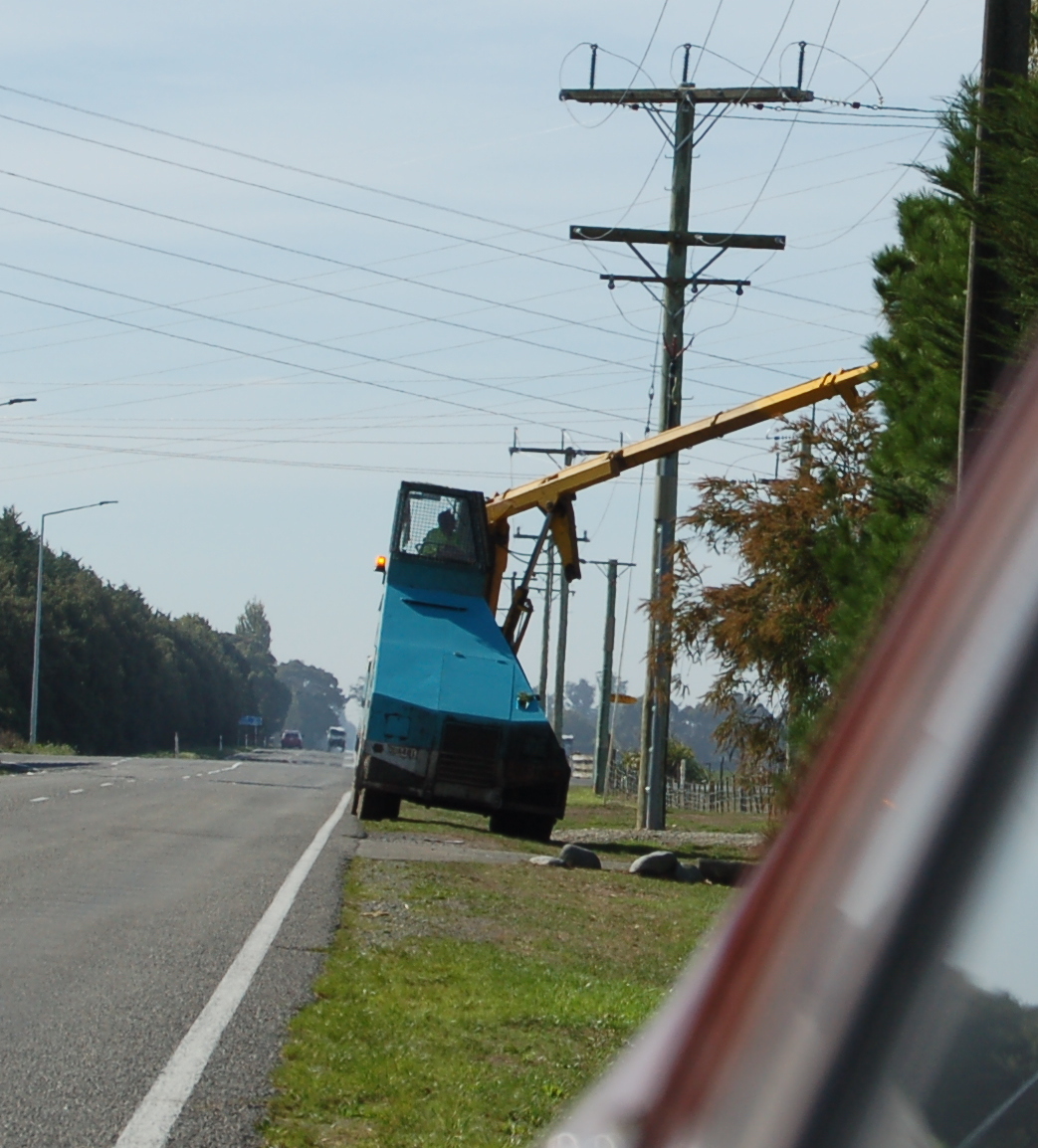
Here's another, snapped along the roadside on the way to town.

Here’s another, snapped along the roadside on the way to town.

Our neighbours, however, have their hedges trimmed by professional hedging contractors. The hedge trimming machines they use are terrifying—giant, armoured vehicles with a long crane arm bearing any one of a number of wicked-looking cutting devices.

There are circular saw blades the size of a man, two-metre wide lawn mower blades, heavy chains that just beat the branches off the hedge. The machines must be Occupational Safety and Health’s worst nightmare. Some have an 18 metre reach, and the result is perfectly trimmed hedges the size of castle battlements.
 

The Dark Side

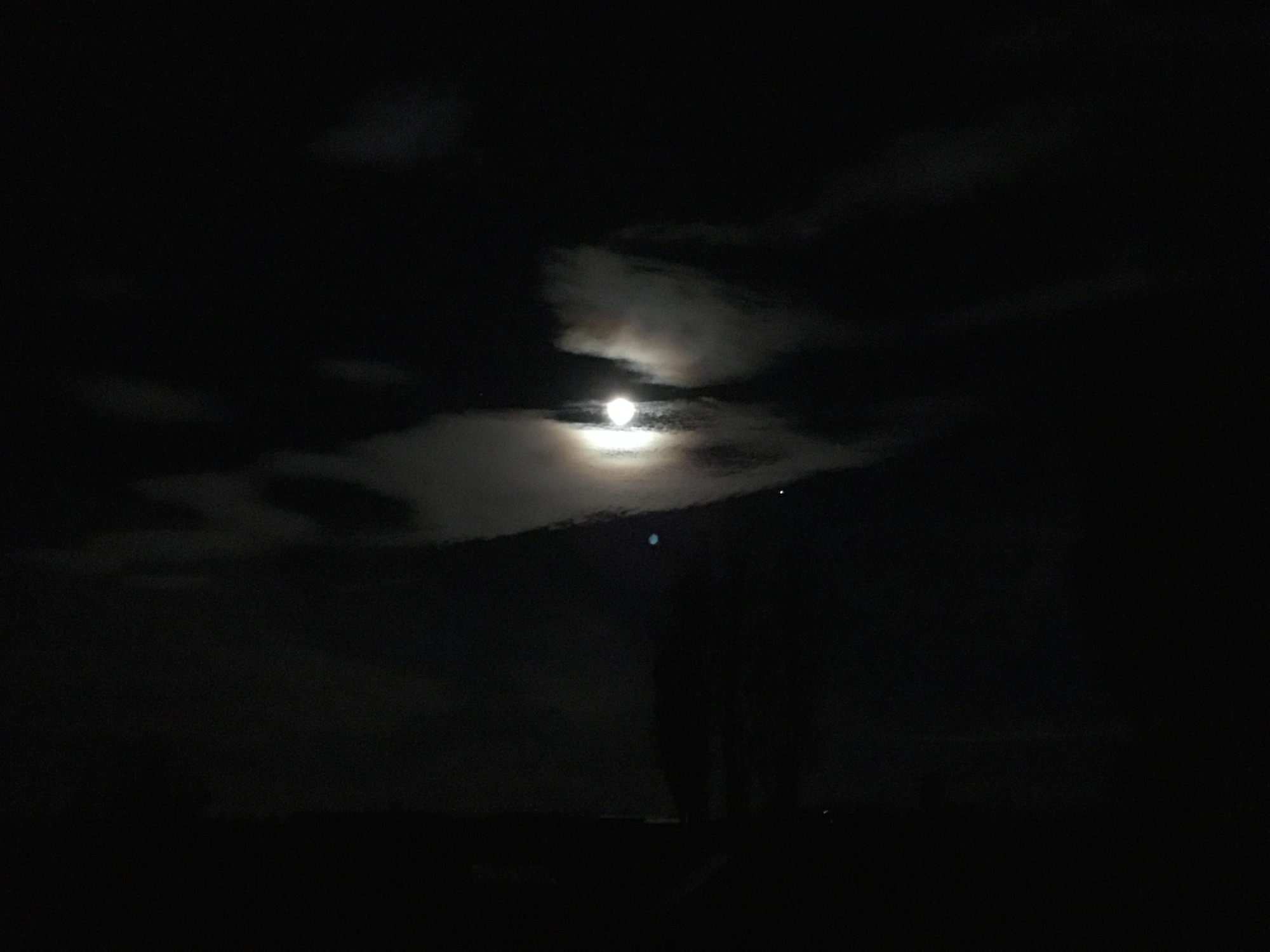
Near-full moon means bright evenings, but dark mornings.

Near-full moon means bright evenings, but dark mornings.

Today we tip to the dark side. Tomorrow, night will outstrip day for the first time in six months.

It seems the equinox should be momentous. Autumn should sweep in, chilly and dark, leaving summer behind.

But yesterday, the temperature reached 33 degrees (91F). Today is on track to be even warmer, and tomorrow, the same. Though darkness creeps up on us, the sun has not abandoned us yet.

Still, it is time to remember to appreciate the dark.

This morning, I milked and fed the animals in the dark, as I’ve done for the past month. But before I went back inside and turned on the lights, I paused to appreciate the night sky. The milky way slashed from northern to southern horizon, southern cross glinting in its midst. Pavo, Scorpius, and Lupus were there too—a veritable menagerie of constellations, though truth be told, I can identify only a handful of them without a star chart.

But in the still of early morning, it didn’t matter whether I could find the peacock’s tail in the sky. It was enough to look up and appreciate the vast universe, accessible to us only in the dark.

The Beginning of the End

Pumpkins are filling out and beginning to harden off.

Pumpkins are filling out and beginning to harden off.

March 1—first day of autumn here. It is appropriately autumnal today, with a grey sky and brisk, cool wind.

But it didn’t take a cool day, or the calendar to tell me summer was coming to a close. I have been milking in the dark for weeks—a sure sign the equinox is coming. Last week, the first of the elm leaves crunched brown and crisp underfoot. The poplar trees are looking sparse. The dry beans have started to senesce—pods bleaching, yellow leaves plopping to the ground.

The coming weekend will be full of harvest activities—no time for the beach, regardless of how hot it is. Soy beans, dry beans, and corn will all need harvesting. We’ll make the year’s summer soup. I’ll make another batch of pesto for the freezer before the basil is finished. I’ll dry some tomatoes.

There will be plenty more hot days, and likely a few trips to the beach. There will be many more tomatoes, eggplants, beans, and melons. Summer’s not really over. But it’s beginning to pack its bags and get rid of whatever it can’t take with it when it leaves for the Northern Hemisphere.