Strawberry Cupcakes

Every now and again, you come across something that is as delicious as it is easy. The other day I wanted to make a cake involving strawberries, because it’s that time of year. I looked at lots of recipes online that involved making a strawberry reduction first, but it seemed like an awful lot of work. I was really looking for simple. 

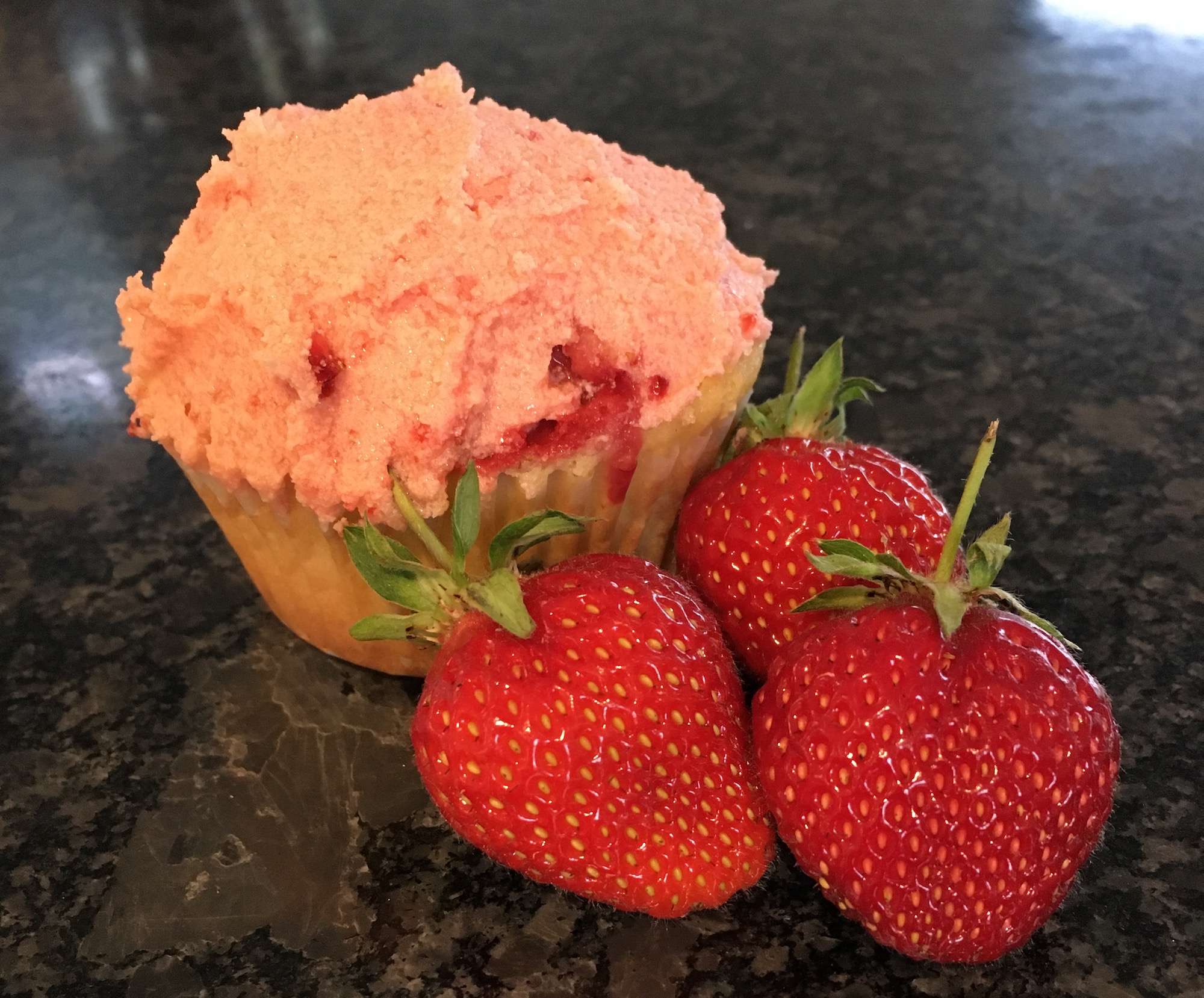
So, ignoring everything I’d seen online, I modified a basic vanilla cake recipe from the Mennonite Community Cookbook, adding sliced fresh strawberries, and whipped up a quick strawberry icing. I baked the cake as cupcakes, as I often do to keep our portion sizes down (because you know I can’t resist cutting a huge slice of cake …).

The result is exactly what I wanted—an easy cake that highlights fresh strawberry flavour. I’ll definitely be making this one again.

Strawberry Cupcakes

3/4 cup butter, softened
1 1/2 cups sugar
3 eggs, separated
3 cups all-purpose flour
1/2 tsp salt
3 tsp baking powder
1 cup milk
1 tsp vanilla
1 1/2 cups fresh strawberries, sliced

Cream the butter. Add sugar gradually and beat until fluffy. Add egg yolks and beat until well incorporated. Sift flour, salt and baking powder together in a separate bowl. Add flour mixture alternately with milk and vanilla, beating well after each addition. Fold in stiffly beaten egg whites, then fold in the strawberries.

Fill cupcake papers, and bake at 175ºC (350ºF) for 25 minutes. Allow to cool completely on a rack before frosting.* Makes 24.

Strawberry Frosting **

60 g (1/4 cup) butter, softened
1 cup icing (confectioners) sugar
1/2 tsp vanilla
3 Tbsp pureed fresh strawberries
Puree strawberries in a blender (I had to puree about a cup and a half of berries in order to have enough volume for the blender to work with—just save the extra puree. There are hundreds of delicious uses for it). Cream the butter. Sift the sugar over the butter and continue to beat. Add vanilla and strawberry puree and beat until well blended. Adjust the icing by adding more sugar or strawberries until it is a spreading consistency. 

* It was a warm day, and I was a little worried my strawberry icing would weep if it sat at room temperature with the cupcakes. Instead of frosting them all, I frosted only what we were going to eat right away, storing the remainder in the fridge, to spread on the cupcakes as we eat them. Alternately, you could store your iced cupcakes in the refrigerator. Mine is currently stuffed full of zucchini and green beans—no room for cake.

** Double this frosting recipe if you want to ice all 24 cupcakes. I put half the cupcakes in the freezer unfrosted, since I haven’t got kids at home to devour them at the moment, so I only made a small batch of frosting.

10 Garden Hacks

A few days ago on an online group I’m part of, someone asked about people’s life hacks.

I thought about it for a while and realised that I spend so much time in the garden, that my ‘life’ hacks are mostly garden hacks.

So here is a list of 10 of my many garden hacks:

  1. Cut up empty milk bottles to use as plant tags.
  2. Give your chickens the run of the vegetable garden during winter—they’ll keep pests and weeds down and make springtime garden prep easier.
  3. Recycle old cotton sheets and clothes, and raffia baskets as biodegradable plant ties.
  4. When picking carrots, water well about an hour beforehand—the soft soil will make the carrots easier to pull.
  5. When thinning carrots, remove the largest plants first—the small ones will grow, and you’ll be able to eat your thinnings.
  6. Instead of tossing empty juice bottles in the recycling bin, fill them with water and line them up in the greenhouse—they’ll store heat during the day and release it at night. Paint them black for even more heat absorption.
  7. Fill plant pots with cement to use as weights for things like bird nets and row covers. Give them wire handles threaded with a short section of irrigation pipe so they’re easy to move around.
  8. Whenever you cook something, like pasta, that is boiled and drained, save the boiling water and pour it on weeds to kill them instead of sending it down the drain.
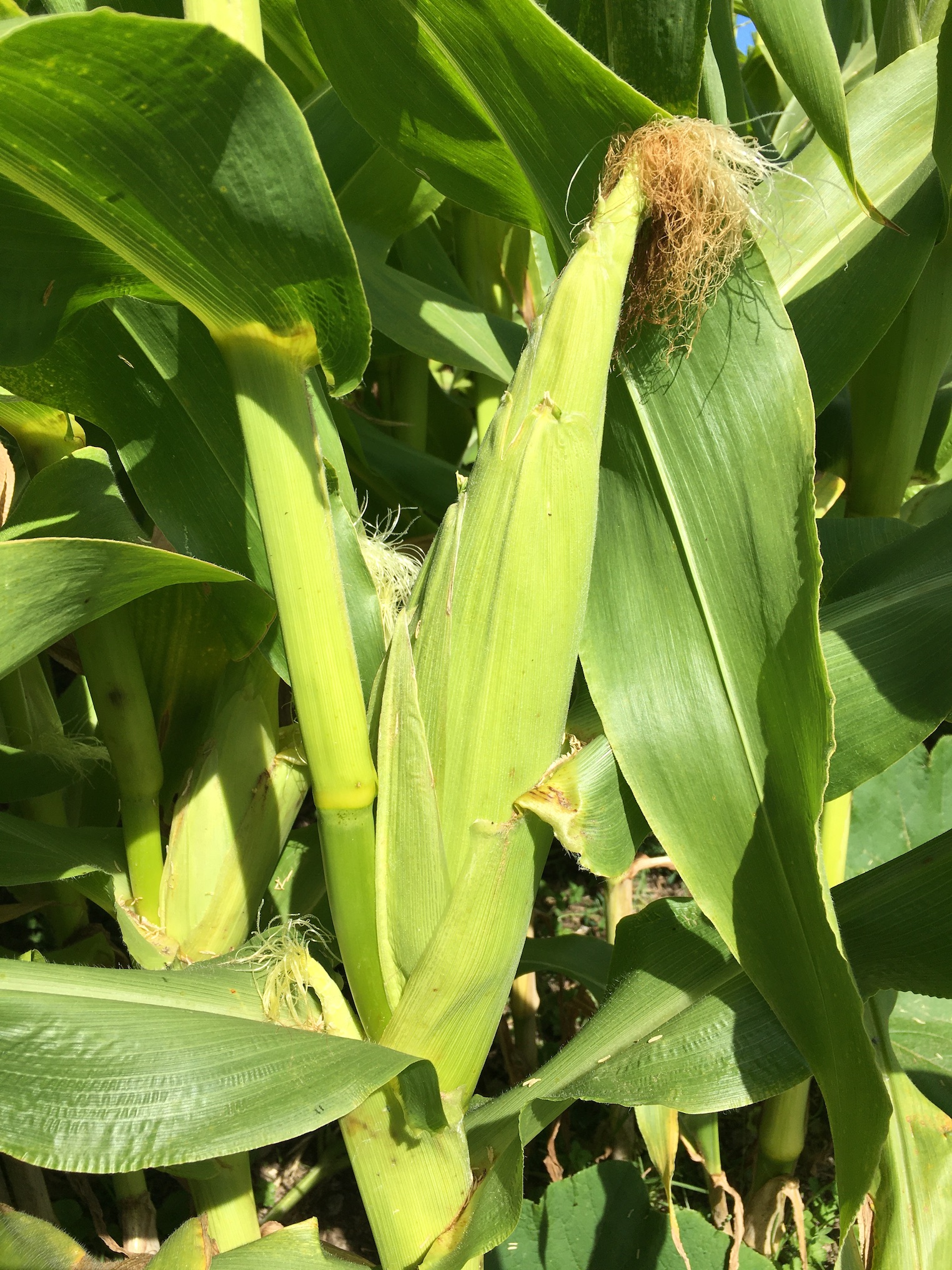
  9. Plant summer lettuces in the shade of tall crops like corn to keep them from bolting too quickly.
  10. Plant rangy crops like pumpkins next to early crops like brassicas—by the time the pumpkins grow large, the brassicas are gone and the pumpkins have space to sprawl.

Black Currant Pie

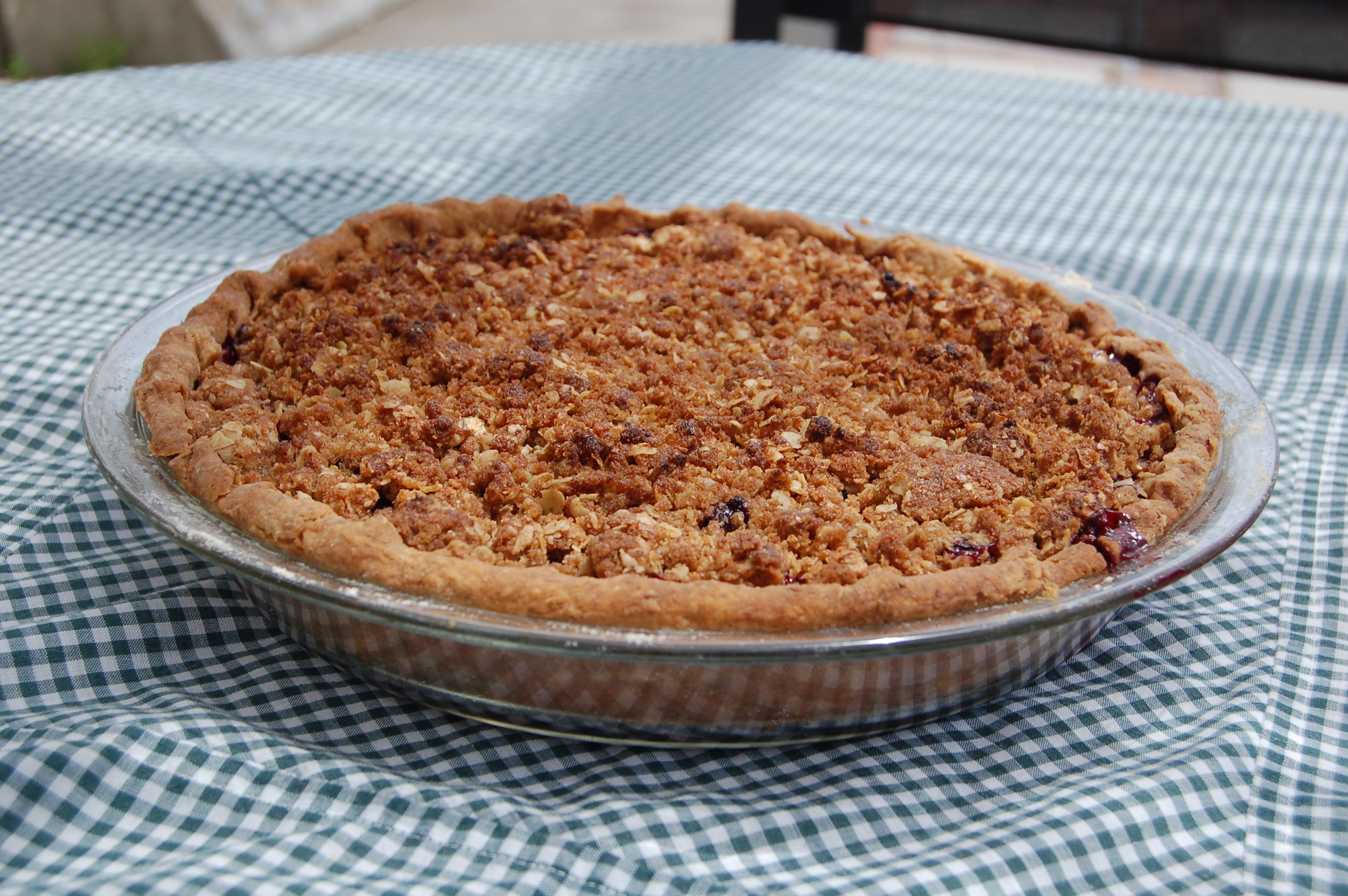
I have blogged about black currant pie before, but it’s worth doing again. This year’s black currant harvest was overwhelming, not just because it came in the two weeks on either side of Christmas, but also because it was huge. It didn’t help that the red currants also gave a hefty crop at precisely the same time. For two weeks, I felt like all I did was pick and process currants.

Well, and eat them, too.

We use currants in ice cream, crisps, cobblers, fruit salads, and smoothies, but my favourite way to eat them is in pie.

Black currant pie is not for the sour-averse—it is a full-bodied, knock-your-socks-off type flavour. To me it is the flavour of summer. And because it works equally well with frozen berries, I always try to save enough so I can make black currant pie on the winter solstice and dream of long summer days in the chill and dark of winter. 

So revel in the intense flavours of summer and enjoy a slice of black currant pie. You can download a pdf of this recipe here.

Crust:
¾ cup all purpose flour
¾ cup wholemeal flour
¼  tsp salt
60 g butter
60 g Olivani
3-4 Tbsp ice water

Filling:
4-6 cups black currants
½ cup sugar
2 Tbsp flour

Topping:
2/3 cup flour
2/3 cup finely chopped walnuts (or rolled oats)
2/3 cup brown sugar
1 tsp cinnamon
75 g butter, melted

Crust:
Whisk together the flours and salt in a medium bowl. Cut in the butter and Olivani with a pastry knife until the largest chunks of butter are the size of small peas. Sprinkle the ice water over the flour mixture and combine with a fork until evenly moistened. Knead lightly, just until it forms a coherent dough (it will be crumbly). refrigerate while you prepare the filling and  topping.

Filling:
Combine sugar and flour in a small bowl. Mix with stemmed, washed black currants and set aside.

Topping:
Combine the flour, walnuts, sugar and cinnamon in a medium bowl. Stir in the butter with a fork until evenly moistened and crumbly.

Roll out the crust and place in a 23 cm pie pan. Pour the filling into the pan and sprinkle evenly with the topping. Bake at 200°C for 30 minutes, then reduce the heat to 170°C and bake another 30 minutes.

Serve with a generous dollop of whipped cream.

Summer Fruits

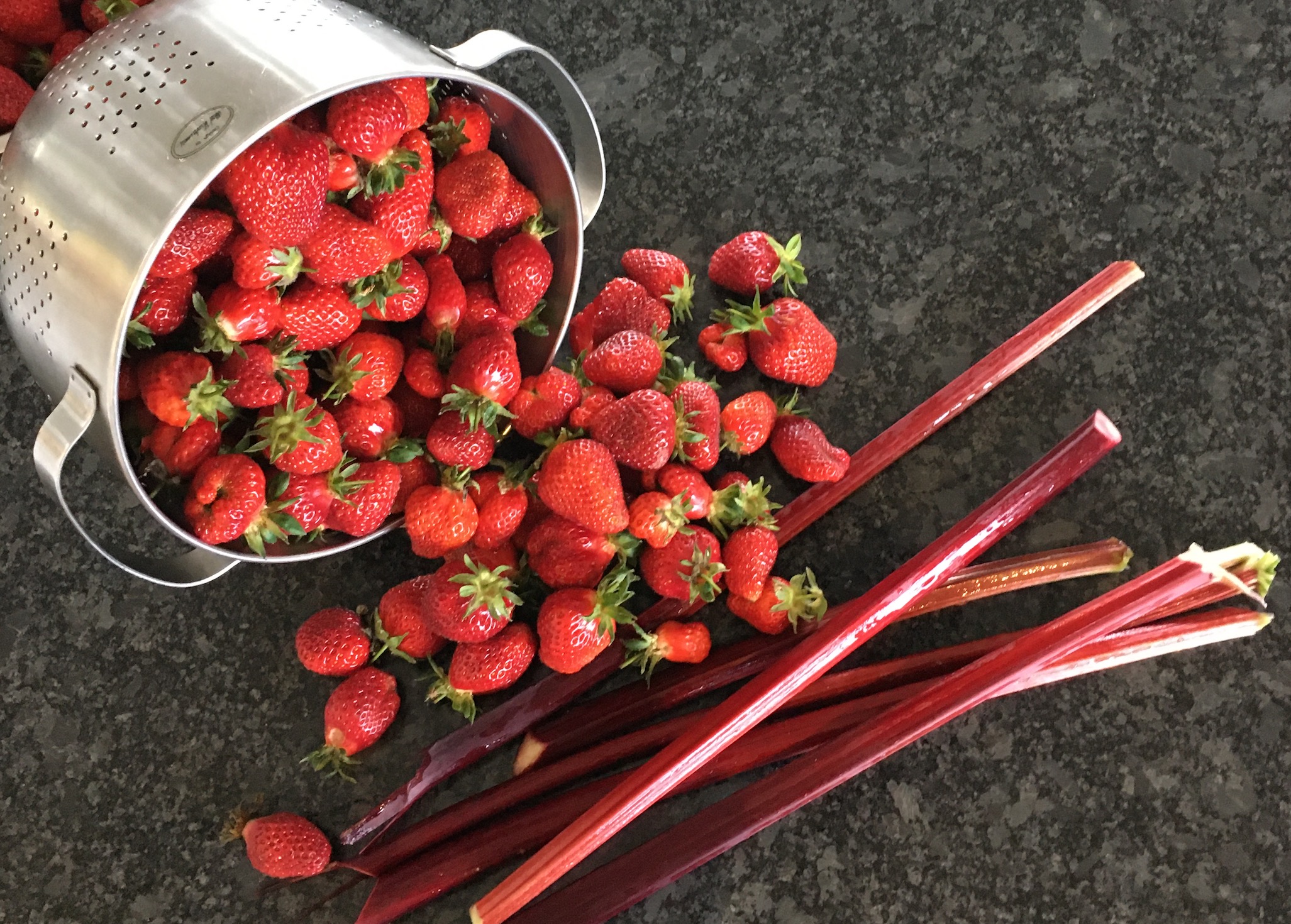
strawberries and rhubarb

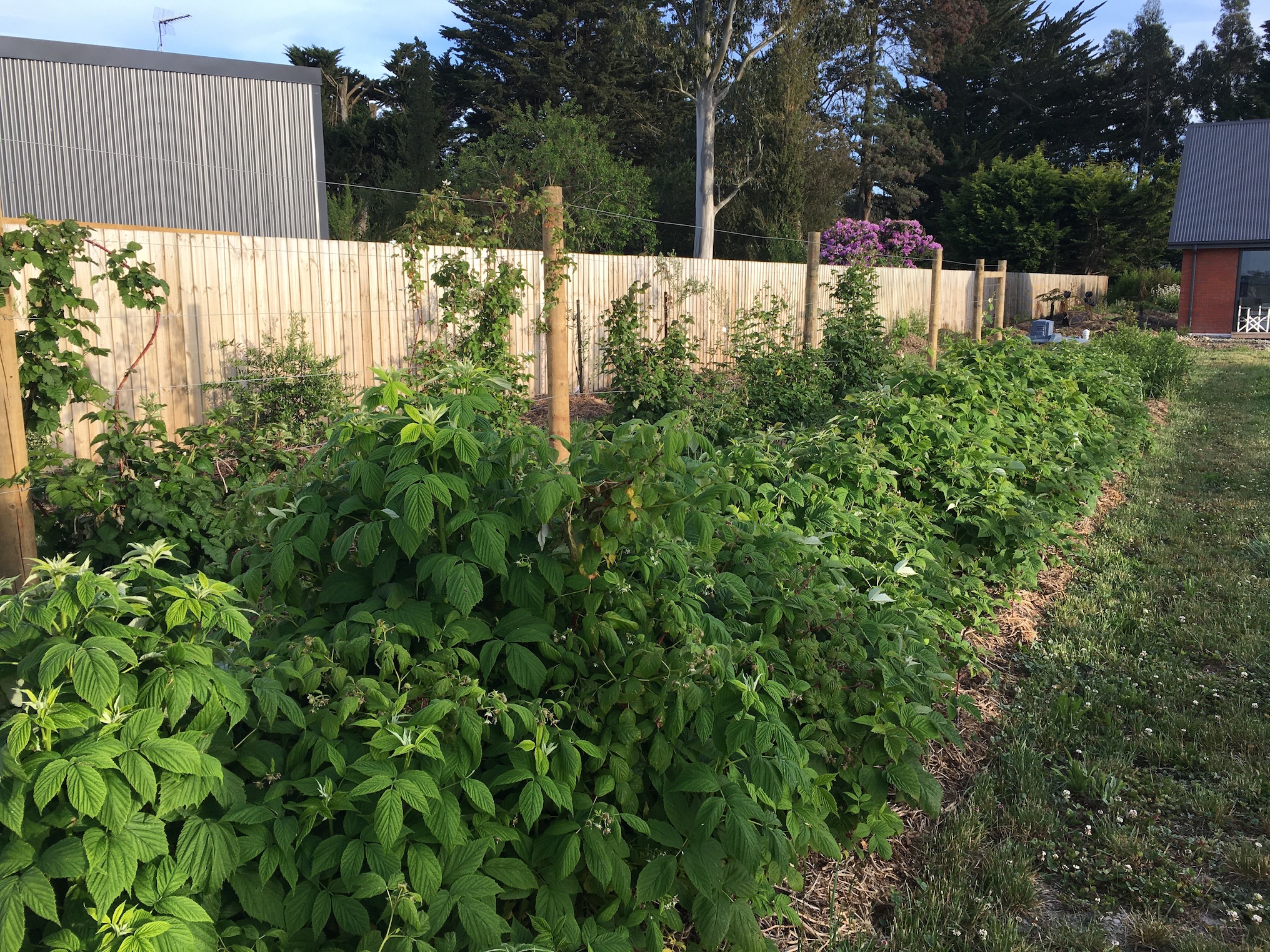
Before our house was even staked out on the ground, we knew where the vegetable garden and berry fruits were going to be planted. We began preparing the garden months before the builders arrived. We took cuttings from berries at the old house, and were planting well-rooted currants and gooseberries as we finalised the design for the house. We tried to avoid mistakes we made at the last house—just one, not two, rows of bushes per bed, to make picking easier, and fewer plants overall. No need to be overwhelmed with fruit.

Last year, we harvested a handful of fruit from the currants, gooseberries, raspberries and boysenberries. The strawberries gushed fruit for the better part of the year. For barely established plants, they did well. 

This year, with most of the plants well established, we’re inundated with berries—so much for not being overwhelmed. The week before Christmas was a frenzy of fruit processing—we froze fresh fruit and fruit puree, made several batches of jam, and ate a whole lot of fruit pie, trifle and fresh berries.

Upon our return from our Christmas trip, there were even more berries ready to pick. We made more jam, preserved more whole fruit, made more pie, and have been eating fruit five times a day. The cupboard is once again packed with jam, and the freezer is stuffed with frozen berries. Thankfully, the currants and gooseberries are nearly done producing, but the raspberries and boysenberries are still going strong. The strawberries are finished with their first heavy crop, but should maintain a level of output we can easily eat for the next few months. I’m thankful the grapes are only in their first year and the blueberries aren’t doing as well as the other berries—not that I don’t want grapes or blueberries, but I’m worried about freezer and cupboard space.

lemon raspberry cake
Lemon raspberry cake

At least the fruit trees are still young—we got a handful of cherries, and will have a few pears, apples, and peaches if we’re lucky, but shouldn’t be overwhelmed.

It’s a lovely problem to have. With the summer vegetables coming on strong, too, there is a real sense of abundance in the house—a great way to start the new year.

The Gift of Rain

purple cauliflower
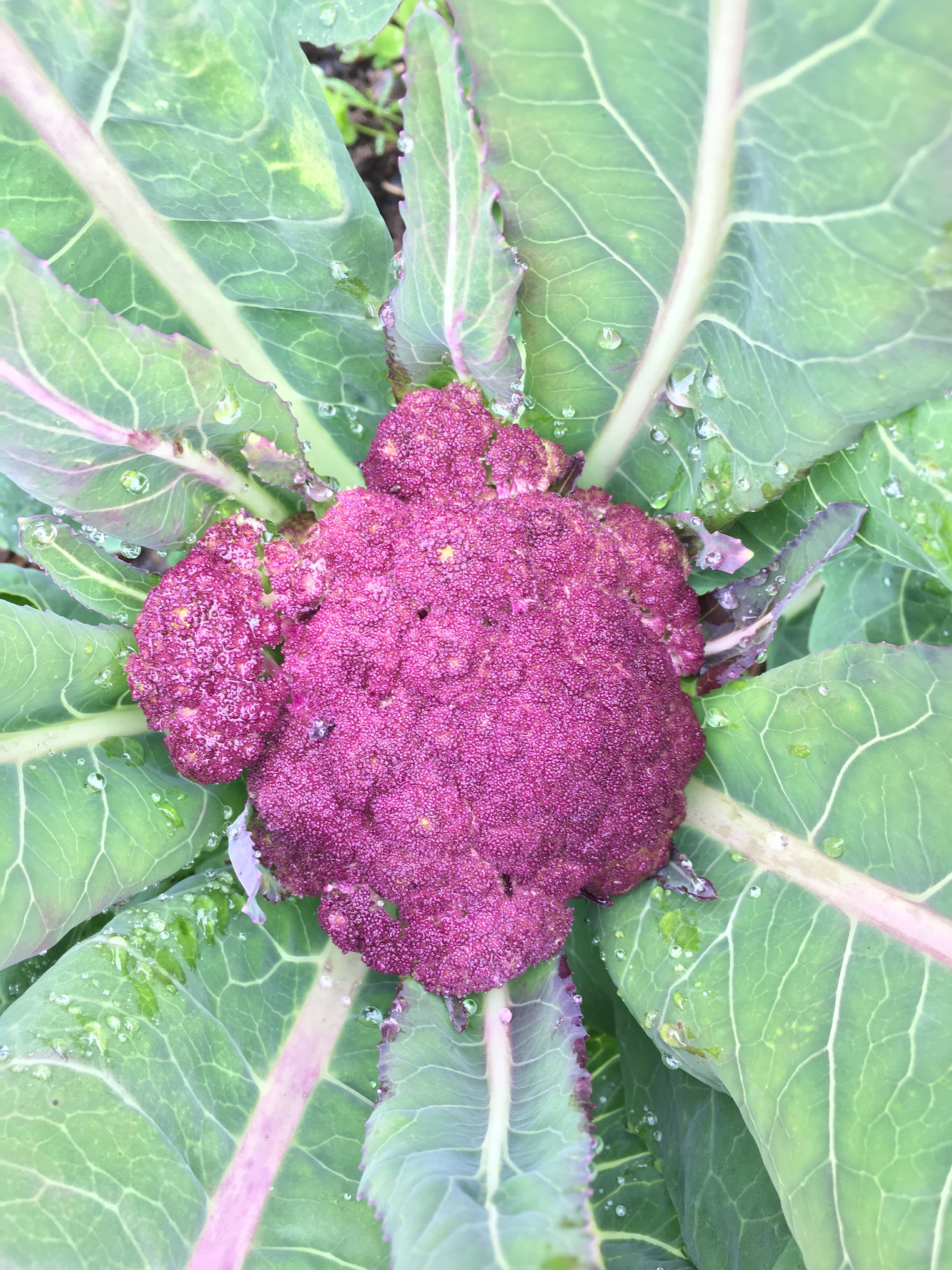
Purple cauliflower enjoying the rain

It’s unusual to have three days of rain in December. Usually, I’m desperately trying to keep the garden watered while the vegetables are in their early summer growth phase. Usually, I’m doing a pre-Christmas weeding of vegetables and perennials that will carry me into January with minimal weeds.

Not this year. It has been raining steadily for three days, after a week or so of showery weather. Every inch of the garden is thick with weeds, and continued rain means I’m not out there pulling them as they grow in size by the hour. I’ve braved the rain to pick vegetables for dinner and berries, which are rotting in the wet weather, but otherwise I’ve stayed indoors for three days.

I’m restless to get outside.

But I’m also thrilled with the excuse not to. Usually in December, I don’t manage to do much beyond garden work. So three days to make Christmas gifts, write, and get some nagging indoor chores done has been a gift.

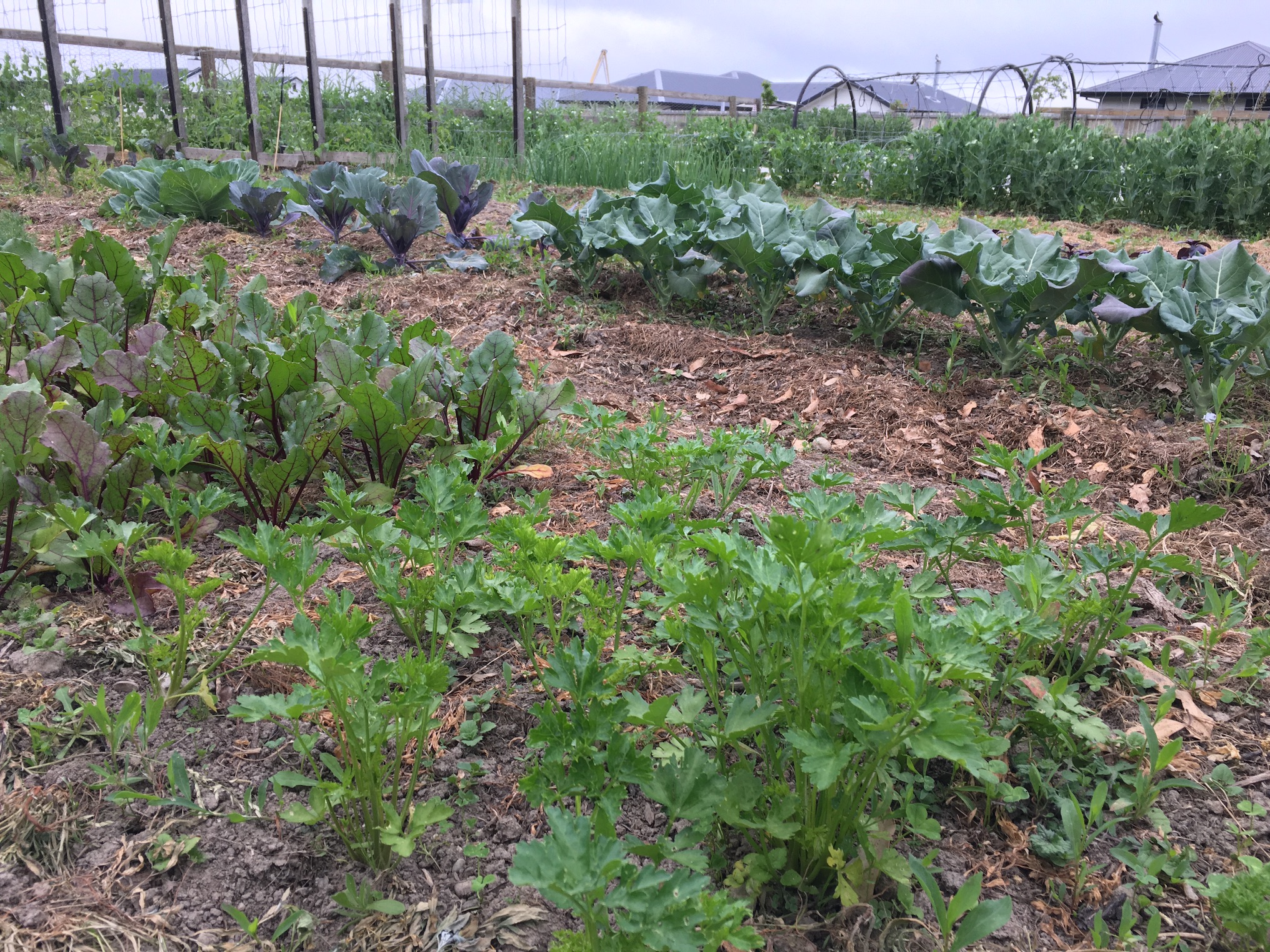
It’s also been a gift to the garden. Much as I try, I can’t duplicate in watering the effect of a good rainstorm. The vegetables are growing as quickly as the weeds. Broccoli, cauliflower and cabbage  are all ready to eat. The pumpkin and zucchini plants seem to double in size every few hours. The beans have completely filled in their beds, beating out the weeds entirely. And the peas and lettuce have gotten a new lease on life, and will likely last a few more weeks than they would have otherwise.

So while I’d still rather be out in the garden, both me and the garden are taking full advantage of the gift we’ve been given.

cat at a window
The cat is a master of rainy day activity.

Fruits of the Season

strawberries and rhubarb

I made strawberry rhubarb jam last weekend, marking the beginning of the Christmas season. Currants, raspberries, blackberries, boysenberries, gooseberries, and blueberries are also beginning to colour up.

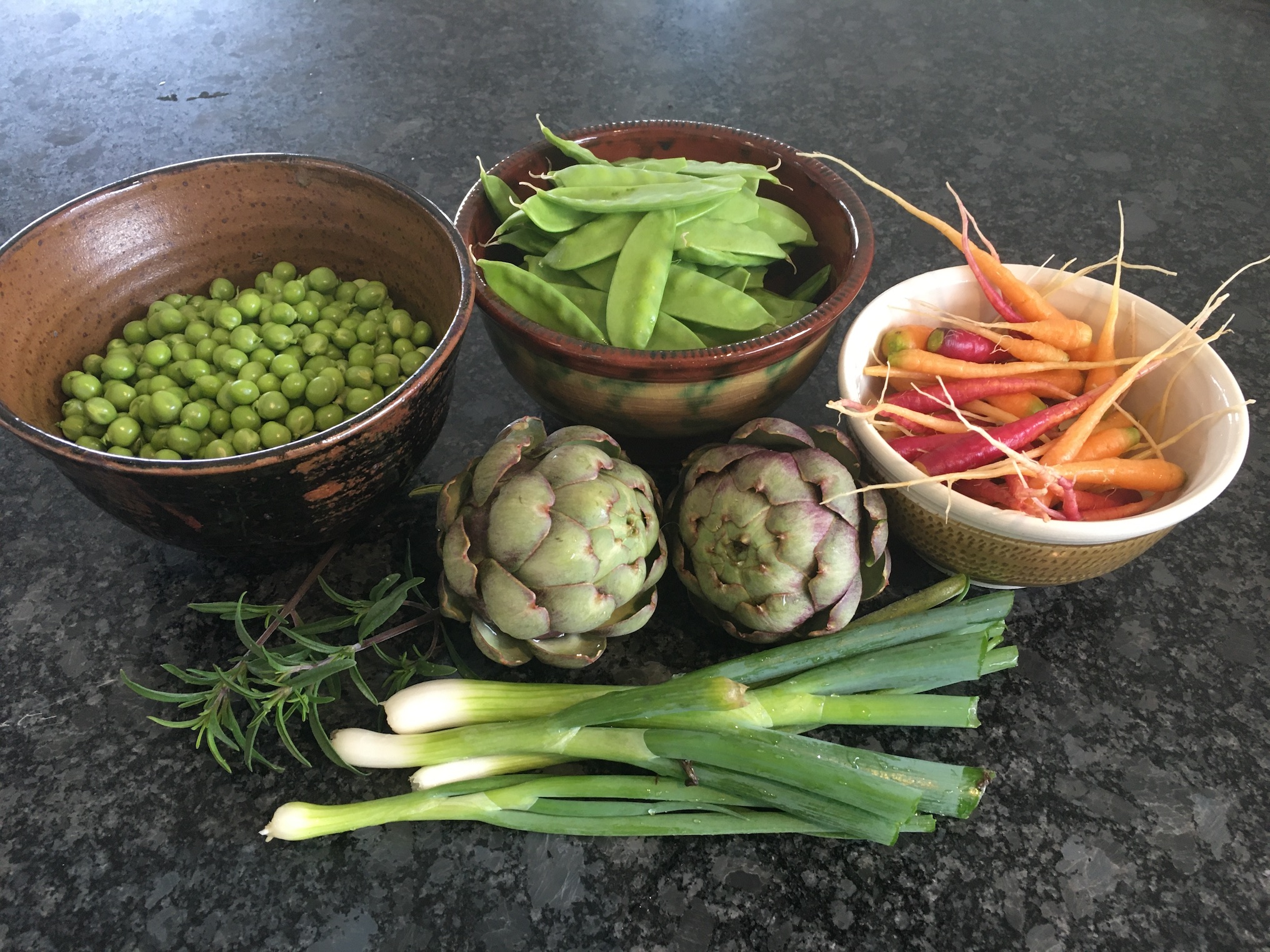
The peas are filling out so fast it’s hard to keep up with them, and every broccoli plant is sporting a ready-to-eat flower head. Carrots and onions are just hitting picking size, adding crunch and colour to meals.

The cabbages are bulking up, promising to be ready for sauerkraut making on Christmas eve (our ‘traditional’ sauerkraut making day). And the broad beans are all ready to eat, and coming to their glorious end.

In short, the summer cornucopia is filling up and spilling over.

We will host fourteen people for dinner tomorrow, and I hardly have to hit the grocery store to feed everyone. Some alcohol and cheese is all I need to supplement what’s in the garden (need being a loosely applied term here, of course). It’s what I love most about a summertime Christmas—the sense of abundance that accompanies the celebrations.

vegetables from the garden

Of course, the garden’s abundance also means there’s an extra pile of holiday work picking and preserving, weeding and watering all that produce. But there’s something festive about the work when you can hum Christmas carols while you’re at it. The piles of fresh vegetables and summer fruit in the kitchen are the reward for every tired muscle and late-evening preserving session. And thankfully, we’ve got long summer days in which to get all the work done.

Plants Make the Home

When we first decided to build a house, and bought the land for it, we immediately began propagating plants. We selected our favourite ornamentals, natives, and perennial crops and divided them, took cuttings, and collected seed.

As soon as we had a landscape plan, before the house was even staked out on the ground, we began to prepare garden beds, hiring a rotary hoe and having twelve cubic metres of compost delivered to start the process of turning compacted, nutrient-free clay into productive soil. Nine months before we moved in, we started planting. We put in hundreds of native plants and a small vegetable garden while the house was nothing but a concrete slab. Without a connection to the water mains, we hauled buckets of water from the ditch across the road to irrigate our new plantings. Through the summer, we made the 45-minute drive to the new property weekly to check on and water our fledgeling plants. On particularly hot weeks, we visited twice.

When we moved onto the property in March 2020, we lived in the shed, because the house wasn’t yet done. Our move included about a hundred more plants propagated from the old house—plants we knew we wouldn’t be able to put in the ground until the house was finished.

The house was finally finished in mid-winter, and we got to work on the remaining landscaping. We planted out most of the remaining plants from the old house. We bought fruit trees, olives, grapes and strawberries. We even splurged on a few tree ferns and a bunch of natives we didn’t have at the old house. We bought an excessive number of roses.

We ordered more compost, hauled cow manure from the neighbour’s place, and spread more than 80 bales of pea straw out to mulch the new gardens.

We dreamed in plants.

We’ve been in the house for only 16 months, but the 15 cm tall akeake we planted reach over two metres now. The cardoon threatens to top three metres. The silver tussocks form a hummocky mound that blankets the ground and offers shelter to native skinks. The currants, gooseberries and artichokes fill their beds and look like they’ve been there for years.

This year’s vegetables are well established, feeding on the manure and compost I’ve worked into the soil over the last year. They are lush and tall and green.

And when I come home after a day of work, I pass nodding aquilegia flowers and the towering cardoon. I see the roses creeping up their trellis. I admire the rows of berries, peas and cabbages, and I finally feel at home.

Because it is truly the plants (and the people that grow them, of course) that make a home. 

Garden Transformation

vegetable garden

The weather forecasts have been good and the garden beds are all prepared, so in the evenings after work this week, I’ve been planting out vegetable seedlings.

On Tuesday, as I left the garden at dusk, I turned to close the gate behind me. I smiled as my gaze swept the scene. My work had transformed the garden from a weedy patch sporting a few vegetables to a vegetable garden with a few weeds. The transformation had taken months, but my shift in perception was like a switch being thrown.

The coming long weekend will complete the transformation, with all the remaining seedlings filling in the gaps. But the switch in my perception means the weekend planting will be an enjoyable challenge. It won’t feel like an insurmountable hurdle.

This is where my obsessive-compulsive garden planning pays off. All the tasks I’ve crossed off my list since mid-August come together this weekend in a tidy, fully-planted garden with the potential to feed us for the year.

People ask if I have plans for the long holiday weekend.

“Just gardening,” I answer. 

They think it’s work. And no doubt I’ll spend long hours on my knees. I’ll sweat. My back will ache. My feet will protest the hours encased in gumboots. 

But the work I will do this weekend is more a celebration than a chore. At its end is a sense of accomplishment and well-being nothing else can provide.

And as every gardener knows, at its end is the beginning of a new set of tasks—the weeding, watering, and other ongoing care that fills the summer calendar.

So this weekend I will plant and celebrate, and next weekend I will weed.

Springtime Companions

I like to make the most of my garden space. No matter how big the garden is, I never seem to have enough. 

lettuce and peas planted together

I also enjoy having fresh salad greens all year, but lettuce has a tendency to bolt in our dry, warm summers.

I tackle both problems, and keep weeds at bay with companion planting. 

I plant most of my peas along the fence surrounding the vegetable garden, using the fence as a trellis for the tall varieties. The bed I prepare for them is 50 cm wide, and since I want them to climb the fence, the peas sit at one edge of the bed, leaving plenty of room for weeds to grow.

Instead of letting the weeds take over, I plant my lettuces and spinach in front of the peas. These low-growing plants quickly cover the soil, smothering weeds and naturally mulching the soil, protecting it from the drying sun. The taller peas provide shade to the salad greens for much of the day, preventing them from getting too hot and bolting early.

Both peas and lettuces finish around the same time mid-summer, so it’s easy to pull them all out at once and chop them up in place to thickly mulch the garden edge, preventing weeds from taking over.

And if I’m really thinking, I plant big rangy late crops in the beds nearby—pumpkins, cucumbers, melons or potatoes. They creep across the path and take over the space vacated by the peas and lettuce, making sure the garden space is used continuously all summer.

Watching the Weather

tomato plants in the greenhouse

October is over so I’m a little obsessive about the weather. Will we have another frost? Will it rain? Will it be warm and sunny? What will the wind be like? Every day is critical for the next two weeks.

I do my best to time indoor seed planting just right, so all the frost tender vegetables are ready to plant out on Canterbury weekend (in mid-November)—the date I can be 90 percent sure of no more frost. The slow-growing peppers and eggplants are first—planted the 15th of August along with all the frost-hardy crops. A week later, I plant the tomatoes and basil. Fast-growing cucurbits and corn wait until late October.

By the beginning of November, the greenhouse is full of plants waiting to be planted out.

Of course, no matter how hard I try, there’s a level of uncertainty. A particularly cold spring can slow down growth so I’m planting out tiny seedlings in mid-November. On the other hand, warm sun can mean my plants are chomping at the bit by the first of the month. Hence, my obsession with the weather.

This year, my tomatoes are at the perfect stage to be planted out now. In two weeks, they’ll be overly tall and leggy. So I’ll be checking the long range forecast to see if I can plant them this weekend instead.

The peppers and eggplants, however, could use another week or so in the greenhouse before being planted out. I’ll coddle them in their pots, urging them to put on some good growth before they’re at the mercy of bugs and birds. I’ll be hoping for good sunny days to kick their growth into high gear.

At the same time, I’ll be watching the early crops already in the garden. They’ll be starting to feel the heat—risking bolting if they get too hot and dry. I’ll be monitoring the weather to know when I have to turn the irrigation on.

In two weeks it won’t matter so much—it will be reliably warm enough, and predictably too dry. All the vegetables will be in the garden, and they’ll all need extra watering.

But for now, I have the weather forecast open on my browser at all times, watching carefully to make the most of what the weather has to offer.