Saturday Stories–The Summer Job, Part 2

DSC_0145 smSorry this is a little late. Not Saturday, but here’s the Saturday Story…continued from last week.

“Hey, uh…what’s-yer-name,” called Thigspit.

“Matt. My name’s Matt.”

“Sorry, we’ve forgotten to introduce ourselves. I’m Thigspit, and the ugly one here is…”

“Grabloc. Yeah, I’d figured that out.”

“Look! He is a smart one! Told ya! Anyway, I was gonna tell ya to pull out the bread and butter—d’ya mind buttering a few slices for us so they’re ready for the sausages?”

“No worries.” Matt found a partly squashed loaf of white bread and a greasy chunk of butter in the chilly bin. “Tomato sauce, too?” he asked as he noticed the bottle.

“Oh, yeah! Thanks!”

As Matt buttered bread, the orcs argued over how long to cook the sausages. At least, that’s what they appeared to be arguing about—they’d slipped back into Orcish while they bickered. Matt didn’t blame them—it seemed to him that the language was specially designed for arguments.

Matt let his eyes wander over the orcs’ gear as he worked. Axes, bows, knives—their packs bristled with weaponry. One of the bags was a scuffed, dun-colored military pack from the 1960s, but the other…Matt was impressed. The other was a snazzy new Exped Expedition pack—eighty liter capacity, fully waterproof—a great pack if you could afford it. Matt had looked at that pack himself, until he knew the price. He ended up settling on a used MacPac Cascade he bought on Trade Me.

Matt didn’t want to think about where the orcs had gotten that pack. He tried to remember if any trampers had recently gone missing nearby.

“Ya got that bread ready, Matt?” asked Grabloc. “Bring it on over.”

Matt carried a stack of buttered slices to where the orcs crouched over the stove. He handed the bread a slice at a time to Grabloc who laid a sausage in the middle of each. Thigspit squeezed an artistic squiggly line of tomato sauce on each sausage and stacked them on a plate.

“Ah! That looks good enough to eat!” growled Grabloc.

The three sat down on the floor with the plate between them. Grabloc poured a generous measure of scotch into their mugs. Thigspit raised his drink for a toast.

“To the great outdoors!”

“To single malt!” added Grabloc.

Matt smiled and raised his mug, clinking it ceremoniously with Thigspit’s Sierra cup and Grabloc’s insulated travel mug.

They ate in silence for a minute, Matt trying hard not to watch the orcs eat, lest he lose his appetite.

“So,” began Grabloc through a mouthful of sausage. “What brings you to our lovely corner of paradise? And don’t tell me yer one of them DOC rangers. Pesky things! Seem ta think we’re not allowed here!” Grabloc’s voice took on a threatening tone.

Matt’s sausage stuck in his throat, and he was incredibly thankful his DOC-issued polar fleece was currently wadded up in his pack.

“Ah, no…I…um…I’m just tramping, you know…on vacation.” Matt smiled and laughed weakly. “And what about you?”

“You might say we’re on vacation, too,” said Thigspit with a laugh. In answer to Matt’s questioning look, he added, “We just quit our job last week.”

“Another movie?” asked Matt.

Grabloc grunted. “I wish. Nah, we was workin’ for the old man.”

“Old man?”

“Saruman—or Sorry-man as we like to call him ’cause he’s such a sorry excuse for a man.”

“Wait. You were working for Saruman? Where?”

“Over in Long Sound. He’s building himself another Orthanc. Thinks he’s gonna breed himself up a new batch of Uruk-hai and take over New Zealand.”

“What?”

“That’s what I say—who’d want New Zealand? ‘Course, I know for a fact Saruman’s very fond of sheep, if you know what I mean.” At this Grabloc burst out laughing, spraying bits of sausage all over Matt.

“But, isn’t he an actor?”

“Yeah, he was,” said Thigspit. “But he vanished right after the filming of that scene where the ents destroy Isengard. Collected his paycheck and just disappeared.”

“Is that why they never showed the scene where he sweet-talks Theoden and Gandalf and everyone from the tower, and Gandalf breaks his staff? That was such a great scene in the book, I thought it a shame they left it out of the movie.”

“Exactly! So Saruman just up and vanished, and then showed up in the middle of the night at filming sites, promising us orcs jobs, fame, fortune, women…everything, if we’d come with him. We figured, what the hell!”

“But he never paid us shit. And there were no women, and precious little else to eat. So we slaved away in the rain and sandflies for bloody nothing, while old Saruman lived in a sweet flat in Auckland and issued orders by cell phone.”

“But cell phone reception in Fiordland is terrible!”

“Yep. Three times a day we had to run to the top of Cone Peak to report in and get instructions. When we complained, the bastard said that we’d have fine reception in the tower as soon as we finished it. We told him he could build his own fucking tower, then shove it up his ass.”

“So, did all the orcs quit?” asked Matt.

“Nah, couple of dozen quit last week with us. The others? I dunno. Either they’re stupid or they think the old bastard is gonna come through on his promises. Ha! Yeah, right.”

“So, what are you going to do now?”

“Dunno,” said Thigspit. “Grabloc here wants to go home.” He rolled his eyes.

“Bloody wasteland here. Not a bar within miles, and no one to fight, except this sorry bastard, who’s only interested in nature,” complained Grabloc.

“So, where exactly is home?”

“Philly.”

“Philadelphia? You mean Philadelphia, Pennsylvania?”

“That’s the place. You been there?”

“No, but I’ve heard stories…Isn’t it, like, murder capital of America?”

Grabloc laughed. “Yeah, that’s home!”

Thigspit rolled his eyes again. “He just doesn’t see the possibilities here. We’re free of all that city shit! We got a whole country to explore! Awesome mountains, fabulous beaches…I want to learn to surf…and the gear! I mean, look at this!” He tugged at his shirt. “Wool! Merino! I’ve never worn wool this light or soft! It doesn’t itch, it’s warm when wet, dries almost instantly…sure as hell beats that armor shit they made us wear in Lord of the Rings!” Grabloc grunted his agreement, and Thigspit continued. “And these boots!” Matt noted he sported a pair of Merrells. “Completely waterproof! Light and cool—feet don’t sweat in them.” He frowned. “Course, I never know whether it’s better to go with the synthetic or leather, you know, environmentally speaking.”

Now it was Grabloc’s turn to roll his eyes. “Don’t let him get started on all that environmental shit! You’ll never hear the end of it!”

“Just because you have the environmental sensitivity of George Bush doesn’t mean the rest of us don’t care how our actions affect the planet,” retorted Thigspit. “Look at you, in your cotton t-shirt. Do you know how many chemicals go into growing cotton? And it’s not even warm when wet!”

“I’m an orc, not a fucking pansy,” growled Grabloc. “I don’t give a shit what I wear! I don’t get cold.”

It was clear he spoke the truth. Grabloc was wearing a black singlet, shorts, and gumboots. If you could overlook the warty skin and distinctly non-human body shape, he looked just like a Kiwi farmer.

“Well, I enjoy being comfortable, and this modern gear is brilliant!” Thigspit pulled out his cell phone. “Look at this!” he said eagerly, pulling up a web page on the screen. “This is what I want—tramping tent, weighs less than a kilo. Shelter anywhere I want it! I could hike anywhere with this!” Then his face fell. “But the price…I’ll probably never be able to afford it.”

“Maybe you could do product testing for MacPac or someone. They supply the gear, you use it, then write a review of it. It’d be great advertising—tested by orcs in tough New Zealand conditions!” suggested Matt.

“Do they do that?” Thigspit’s eyes lit up.

“Well, they used to. It’d be worth ringing them to ask. Especially with you being so well-known from the movies.” Matt wasn’t sure this was entirely accurate, but Thigspit was identifiable, and it couldn’t hurt.

Grabloc spit on the floor. “Don’t encourage him. He’s insufferable as it is. Anybody gonna eat that?” He pointed to the last sausage. Thigspit and Matt didn’t want it. They passed the bottle around again.

Matt felt mildly guilty, sitting around eating the orcs’ food and drinking their scotch. He was near the end of a two-week cycle though, and his food stores were low.

“I’ll get dessert,” he said, rising a little unsteadily. How much scotch had he had? He staggered to his pack and opened it.

There was his last package of poisoned Tim-Tams.

It would be so easy–they might not even notice if he didn’t eat any.

His hand rested for a moment on the package.

Then he shoved it aside and reached further in to grab his emergency chocolate bar.

“Ooo! Cadbury Fruit and Nut! That’s good stuff! You know, they use Fair Trade chocolate?”

Matt didn’t know. He hadn’t actually ever paid any attention to that. He sat back down and opened the bar, offering a piece to each of the orcs and taking one for himself. It didn’t really go well with the scotch, but the orcs didn’t seem to care.

Thigspit sighed as he bit into the chocolate. “Now, aren’t you glad we came to the bivvy instead of squatting under a bush in the rain, Grabloc?”

Grabloc grunted. “Woulda been fine in the rain. We don’t melt.”

“Oh, stop being such a grump! Here, have some more scotch.” Thigspit refilled everyone’s cup, then looked sadly at the bottle. “Almost empty.”

“That’s okay. I brought backup,” said Grabloc, reaching over to his pack and pulling out another bottle. “Might be a bit rougher than the last.” He chuckled and set the bottle down heavily beside the rest of the chocolate bar. “That’s proper orc-whisky. It’ll curl your toes!”

“So, what was it like filming Lord of the Rings.” The filming had caused such a buzz in New Zealand, especially once the first film made millions. And the movie industry was big—everyone wanted to use New Zealand’s beautiful landscape as their backdrop. Matt was curious.

Thigspit and Grabloc were eager to tell their story. And there was plenty to tell. Matt was beginning to think that orcs weren’t far removed from university freshmen—heavy drinking, lots of selfies.

To be continued…

A Rough Day at Work

We dropped the kids off for a week of YMCA camp this morning.

The best thing about taking the kids to camp is finding ourselves on the Banks Peninsula with no children and the whole day stretching before us.

Today, there was work to do—scoping out a field trip site for a workshop my husband is hosting in Akaroa next month. It was rough work. We were forced to drive out to Hinewai Reserve and hike through regenerating native bush to the beach.

I hate that sort of work.

Hinewai_LongBayIt’s especially bad when you are forced to have lunch on the beach, endure views like this, and see a 100 year-old nīkau palm tree at the limit of its ecological range.
And it’s even worse when after you’re done, you have to stop by Akaroa for a beer and chips outdoors along the waterfront.

NikauTerrible.

Good thing every work day isn’t like that. 😉

Impossible Sky

I couldn't capture today's sky, but it was something like this...

I couldn’t capture today’s sky, but it was something like this…

It was another of those drive-off-the-road-gorgeous skies this evening. The kind that is completely impossible to capture in a photograph, and is more likely to be seen in a cheap painting for sale alongside velvet paintings of Elvis.

I can get lost in one of those skies.

Ripples and waves of grey cloud surging across the sky. A break just big enough to illuminate the edges, just big enough for the sea foam-salmon pink-blue of evening to peek through. The ragged shreds of dark cloud caught in shadow. And far out across the plains, a shaft of brilliant sun lighting sheets of mist shrouding the mountains.

These things only happen in bad paintings.

Or so I thought.

But the New Zealand sky is like the Andes Mountains. As a child, I was obsessed with the Andes–so impossible, so improbable in the National Geographic photos, I couldn’t believe they were real. And then I went there and climbed them, and I knew they were not.

It is the same with the New Zealand sky. To see it is to know it cannot possibly be real. It is a storybook caricature of a sky. It is a fantasy sky. It is a sky so dense with colour, you think it must have drained the rest of the world, casting everything else in black and white.

And I am so profoundly humbled and honoured to be able to call it my sky. My home.

Fungal Forest

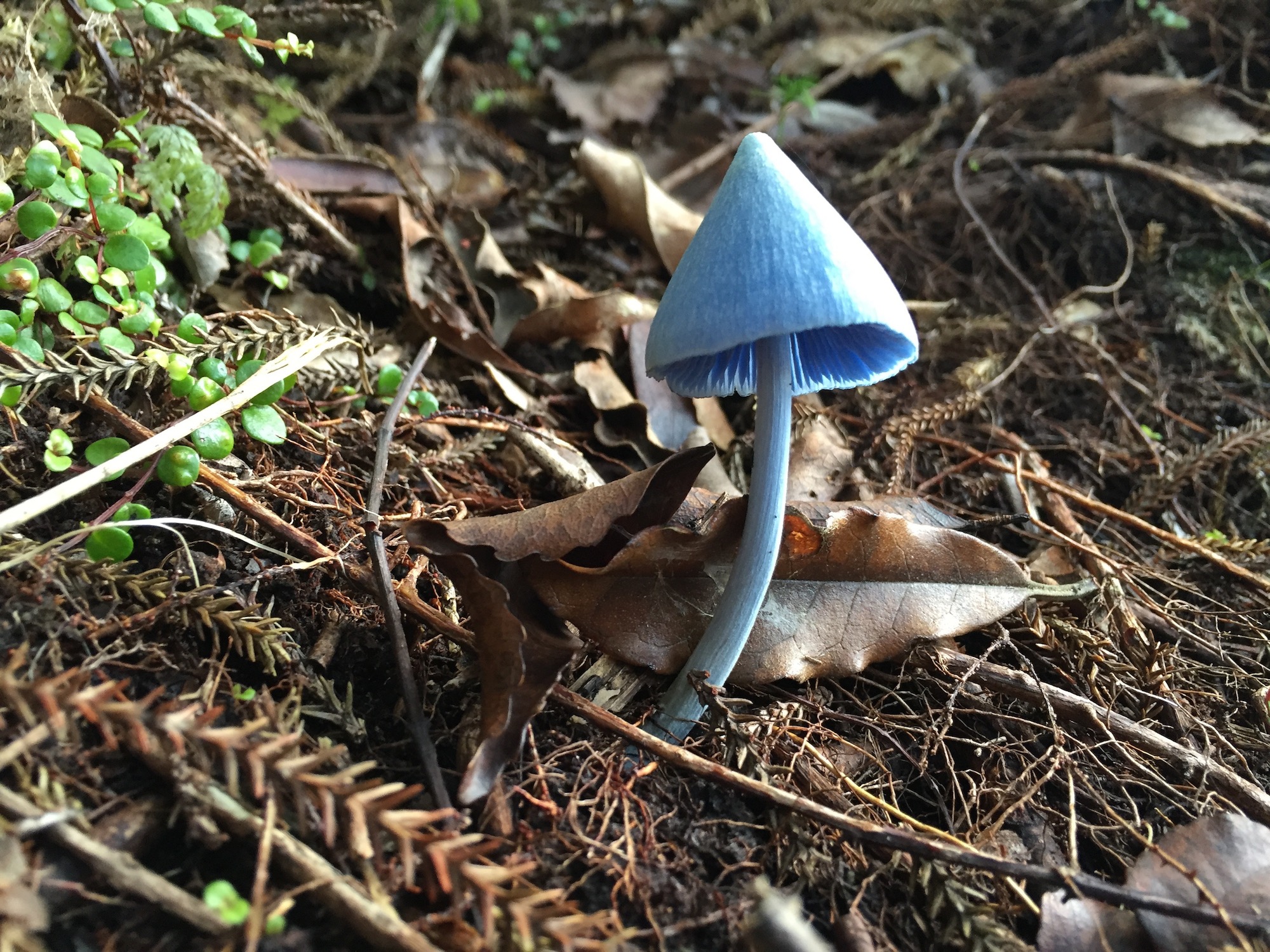
Entoloma hoschstetteri--the only fungus that appears on a nation's currency.

Entoloma hoschstetteri–the only fungus that appears on a nation’s currency.

Over the weekend, we went on a lovely hike from Okarito, through the bush up the hill behind the town, over to the next lagoon, and back via the beach.

The beach part was, naturally, lovely, with huge waves, trickling waterfalls down the cliffs, and a lazy seal who watched us pass.

Hygrocybe spp.--known as waxcaps--the Crayola of the fungi

Hygrocybe sp.–known as waxcaps–the Crayola of the fungi

But the real beauty lay on the forest floor. The track was like a Disney storybook forest, with colourful mushrooms everywhere. It just needed a few gnomes or fairies to be complete.

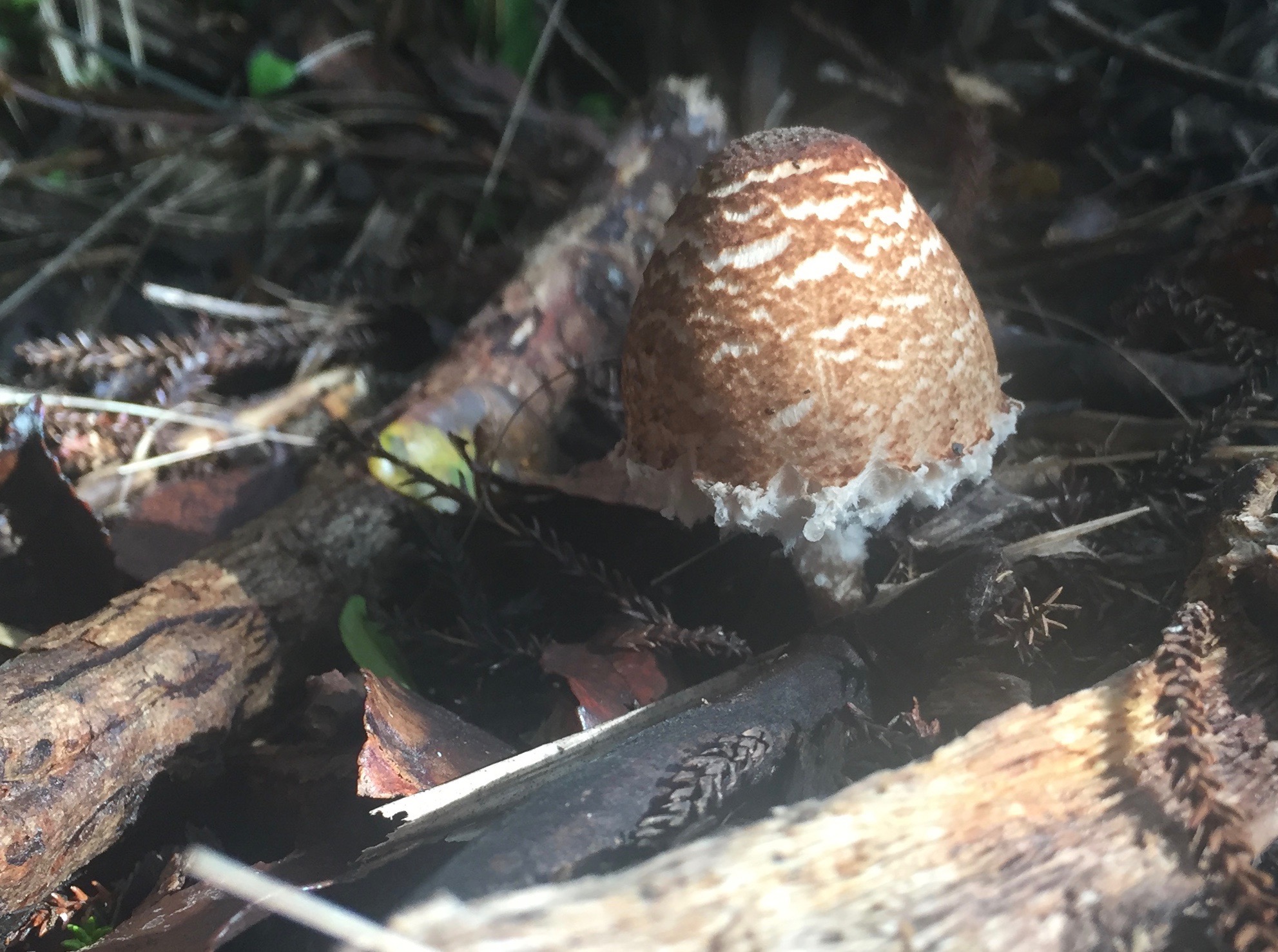
This unknown mushroom had a lovely lace petticoat.

This unknown mushroom had a lovely lace petticoat.

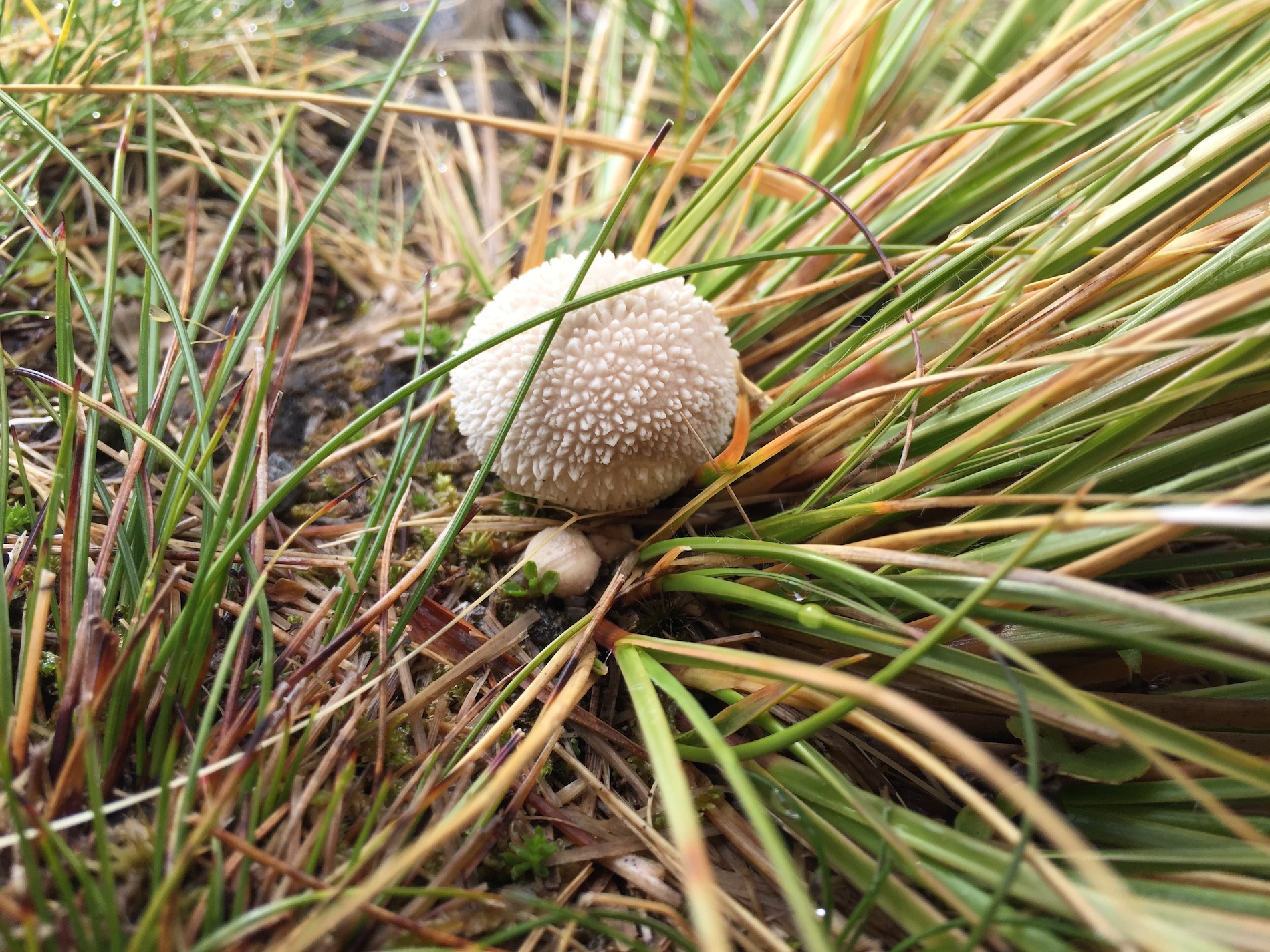
Lycoperdon spp--a puffball. The genus name means "wolf fart"

Lycoperdon sp.–a puffball. The genus name means “wolf fart”

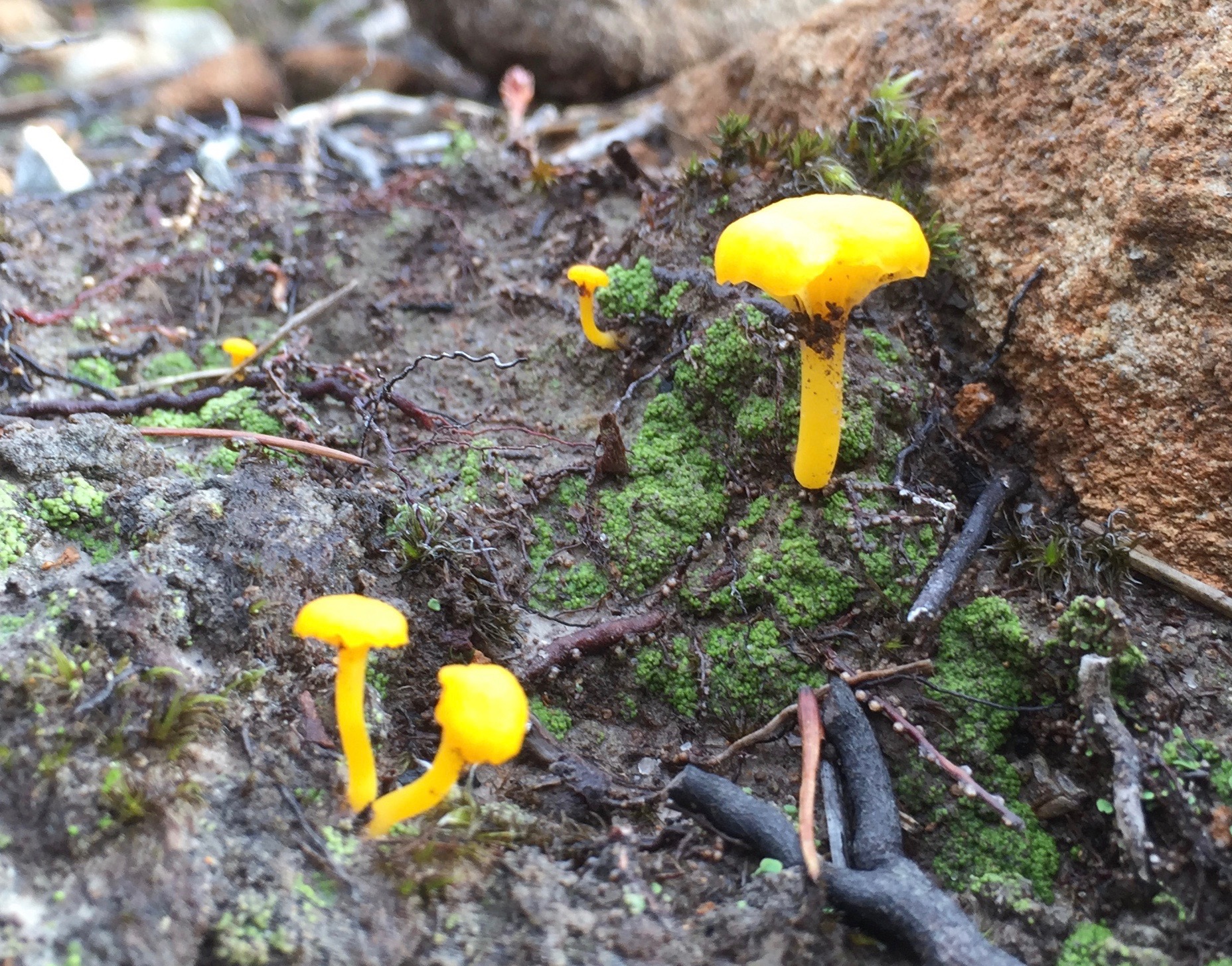
Another member of the genus Hygrocybe

Another member of the genus Hygrocybe

Small Town Celebration

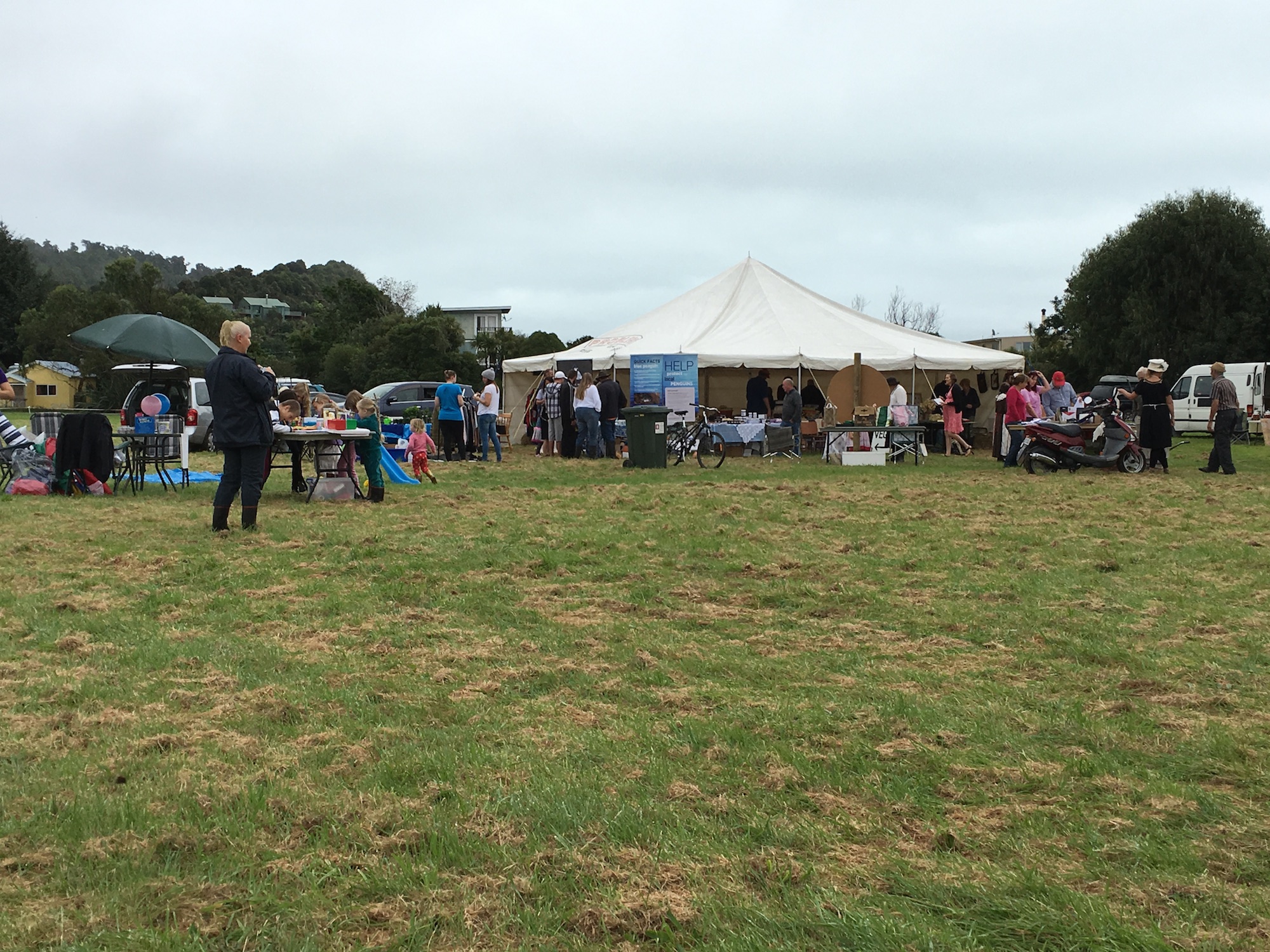
2016-03-26 10.31.51 smWe spent Friday and Saturday nights last week at the Okarito campground. As it happened, Saturday was Okarito’s 150th anniversary celebration. Okarito used to be a town of about 4000 people, back in the late 1800s when the West Coast gold fields were booming. The town sported a 25 hotels, 3 theatres, two banks, several general stores, and a public swimming pool, Today it has a year-round population of about 30. Most of what was once bustling streets has been reclaimed by the rainforest. There are no hotels (though many of the baches are rented as holiday homes), no banks, no pool, and the only remaining general store serves as a tiny museum and event venue seating 40. You can buy a coffee and insect repellent at the local kayak rental company.

Okarito is 30 minutes drive from the township of Franz Josef Glacier, and 3 hours from Hokitika. In the middle of nowhere, I was curious to see how many people would actually show up to the town’s 150th celebration.

It started off slow…

The festivities were scheduled to start at 9 am and run through to 10 pm on Saturday. At 9.00, there were a few people setting up in the marquis…

About 10.30, the bouncy castle was inflated, and half a dozen kids tumbled around on it. We bought a coffee from a food truck that had parked on the edge of the commons and some baked goods from some girls who had set up a table on the lawn. There was a woodworker, the local scout troupe, a few Department of Conservation staff, some locals selling second-hand goods, a knitter selling baby sweaters, a woman selling jam and goat cheese…And very few customers.

By the time the auction started, there might have been 50 visitors, most locals. A good proportion of the items up for auction were purchased by the auctioneer.

A couple of dozen people enjoyed the barbecue dinner.

When the band started playing at 7pm, there were maybe 30 people in attendance. But the music brought out a surprising number, and within half an hour, there was an audience of 125.

Most of that 125 knew one another. They were local farmers, residents, bach owners, regular visitors, and young people working the local tourism industry. Everyone knew each others’ dogs by name, and the dogs chased each other around the crowd like young cousins at the annual Labour Day get-together. It was a lovely atmosphere—more like a family reunion than a public event.

I don’t know whether the Community Association had hoped for a larger crowd, or if it exceeded their expectations. I don’t know if they made back the cost of the marquis rental. But I do know that those who were there smiled, laughed, and enjoyed the day.

Otira Valley

2016-03-25 10.41.03 smWe spent the past three days on the West Coast. On the way over the mountains, we stopped for a hike up the Otira Valley.

The track goes through stunning, diverse alpine vegetation, much of which was in seed at this time of year—lots of weird and wonderful berries to be seen! Though we were lucky to avoid being rained on ourselves, there had been recent rain, so the track was wet, and every little rivulet was running. The Otira River roared below us.

The day was moody, and low clouds shrouded the mountain tops around us.

2016-03-25 11.19.21 HDR smI love the alpine environment. One of the most wonderful things about it is that its beauty lies both in the minute plant life clinging to the rocks, and in the grand vistas—one must view the landscape at both scales to fully appreciate it. We spent our time divided between marvelling over some tiny plant, and admiring the peaks and waterfalls around us.

Hedge trimming

Trimmer looming out of the early morning fog. Note the circular blade to the left--he switched to that later.

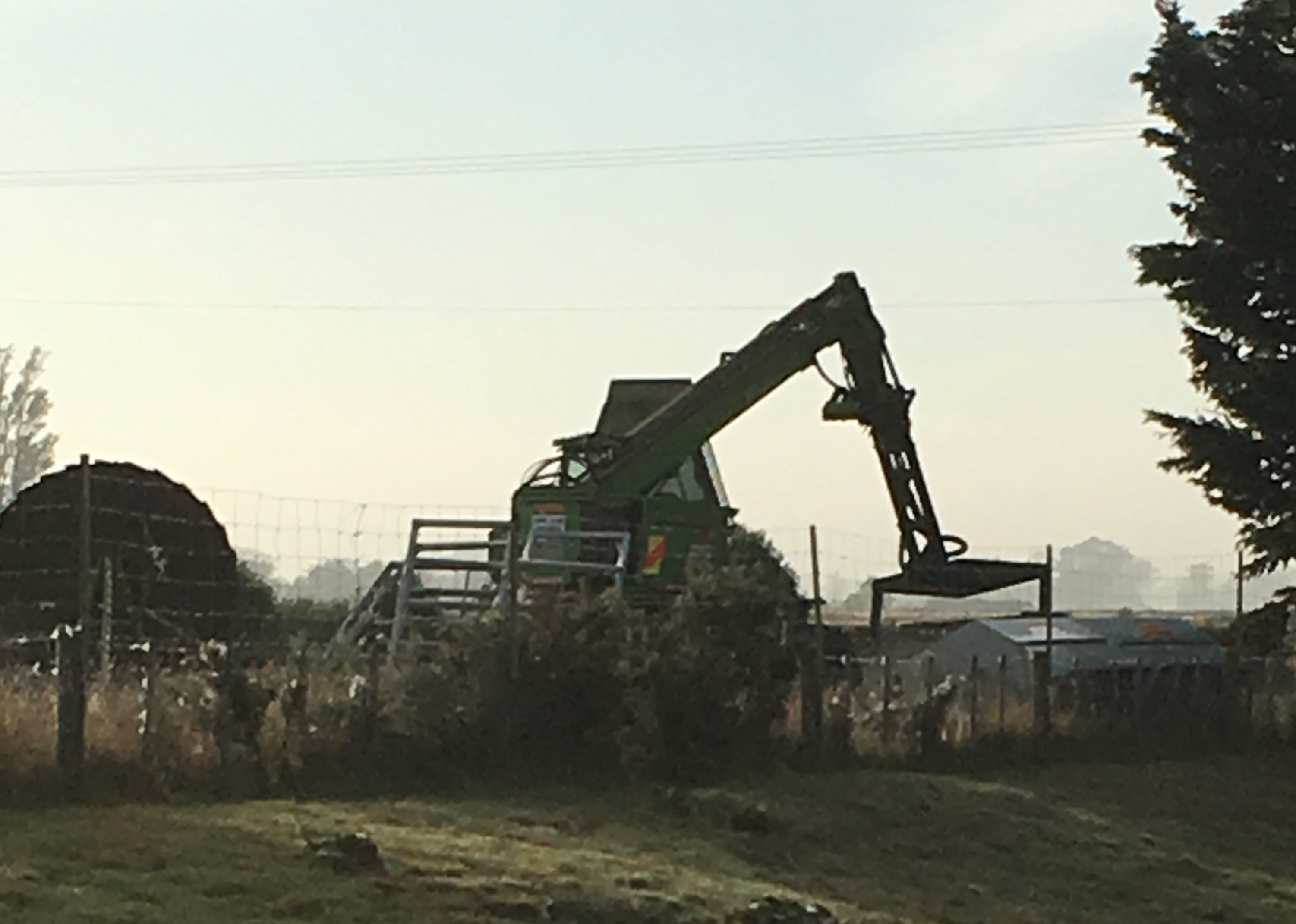
Trimmer looming out of the early morning fog next door. Note the circular blade to the left–he switched to that later.

THWACK! THWACK! THWACK! THWACK! THWACK! THWACK!

The sound, like a helicopter crashing into a stand of trees, is unmistakable, though the first time I heard it, I had no idea what it was—a giant hedge trimmer.

Hedges are a necessity here on the windswept Canterbury Plains, and autumn is hedge trimming season.

Our hedge, hemmed in by fruit trees and the septic system, has to be trimmed by hand—a full-day job for my husband and me, and one we put off as long as we can every year.

Here's another, snapped along the roadside on the way to town.

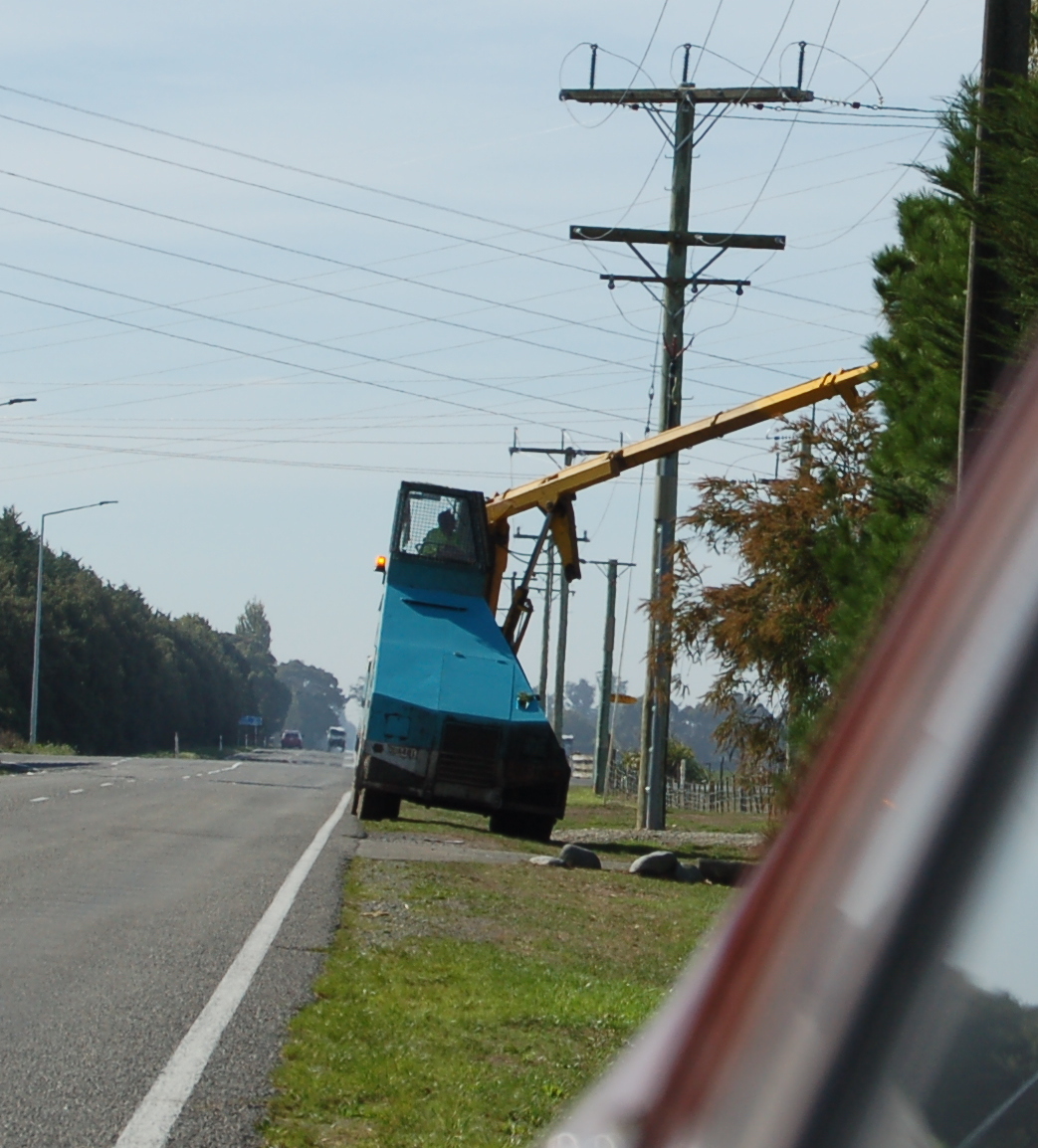
Here’s another, snapped along the roadside on the way to town.

Our neighbours, however, have their hedges trimmed by professional hedging contractors. The hedge trimming machines they use are terrifying—giant, armoured vehicles with a long crane arm bearing any one of a number of wicked-looking cutting devices.

There are circular saw blades the size of a man, two-metre wide lawn mower blades, heavy chains that just beat the branches off the hedge. The machines must be Occupational Safety and Health’s worst nightmare. Some have an 18 metre reach, and the result is perfectly trimmed hedges the size of castle battlements.


German Wasps

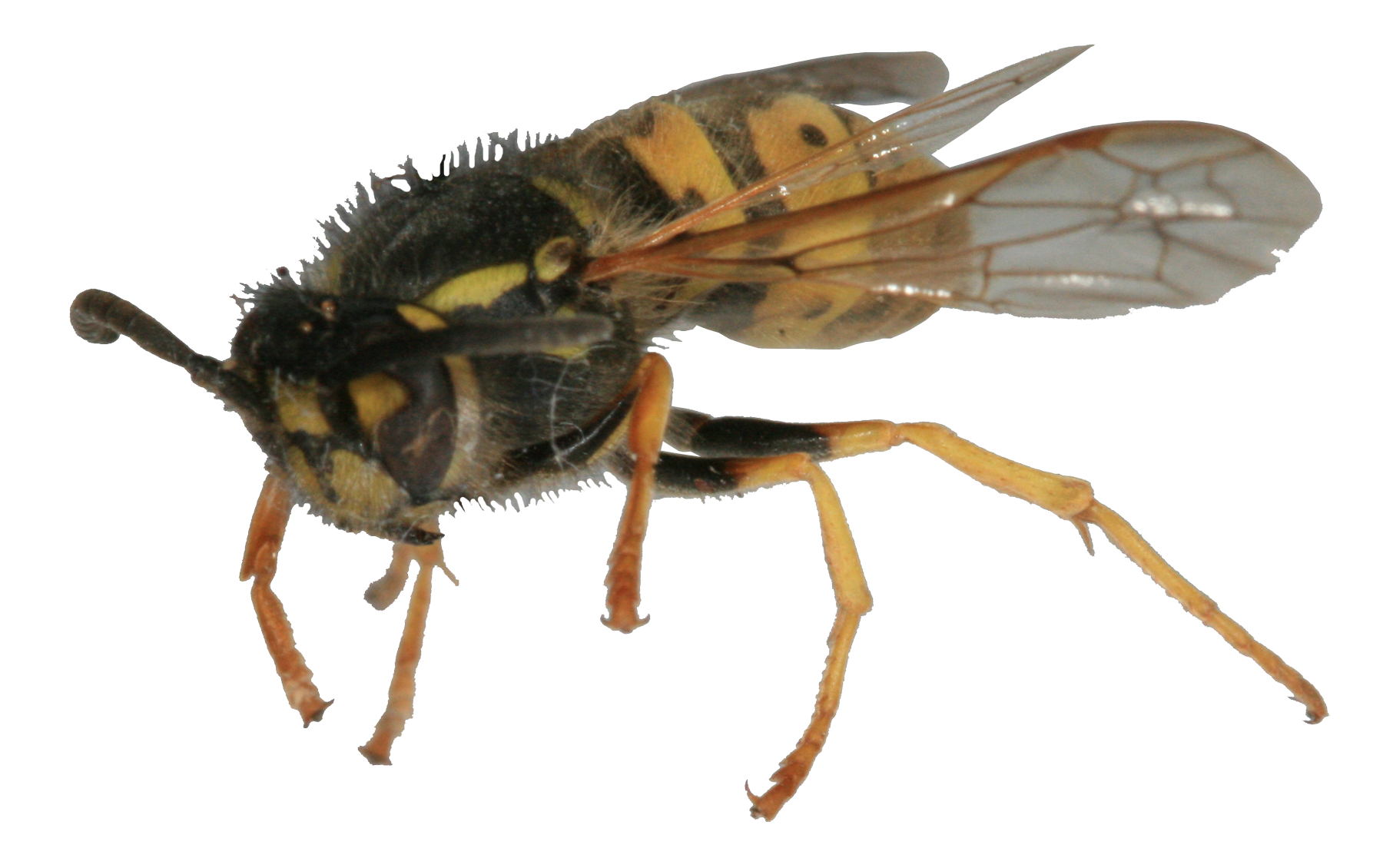
GermanWaspCanning fruit or tomatoes always brings them around—the German wasps can’t resist the sweet/tart smell of chutney, tomato sauce, or apples. And of course, their numbers are highest in late summer/early autumn when we’re doing lots of canning.

Today, they flitted around the kitchen most of the afternoon, licking up applesauce from the benchtops, and generally being a nuisance.

German wasps are opportunistic feeders—they’ll eat most anything, from fruit, to dead animals, to live insects. In the house, they not only go for whatever’s cooking on the stove, but they catch houseflies in mid-air, chomping them messily on the windowsills and leaving cast off fly legs and wings all over the place.

Though they are a nuisance indoors, and can prove deadly to people like me, with allergies to their stings, they do their worst damage in our native forests where they rampage like a pack of hungry teenage boys.

As flexible scavengers whose numbers can grow to an estimated 10,000 wasps per hectare in beech forest, their impact can be devastating. They compete for food with native birds, lizards, and bats. They also eat native insects and even baby birds.

Almost every year, we have a wasp nest somewhere on the property. I haven’t found this year’s yet, though by the number of wasps enjoying my applesauce today, I know there’s a nest somewhere nearby. When I find it, I’ll destroy it—from an environmental perspective, and from a personal safety perspective it needs to be done.

But I admit I will do so with a twinge of guilt. Troublesome as they are, I have great respect for wasps. These beautiful animals are the ultimate efficient eating machine. They are no-nonsense foragers who go out and get the job done so well that they’ve been able to invade diverse habitats throughout the world. I may not like the consequences of that, but I can admire an animal flexible enough to thrive almost anywhere.

The Midges!

A male midge, with feathery antennae.

A male midge, with feathery antennae.

It was like a scene from an Alfred Hitchcock film. The sliding glass doors of my office were swarming with midges, commonly called lakeflies here (because they lay their eggs in nearby Te Waihora/Lake Ellesmere, and rise off the lake in huge swarms in summer). By their density (at least 1 per square centimetre), and the size of the doors, I estimated that there were at least 90,000 on the doors alone, not counting the ones swarming around looking for landing space.

I had been working late in the office, with the lights on, and they were attracted to the light. I turned off the light, took a deep breath (breathing in midges is horrible), and bolted out the door, slamming it closed behind me.

A female midge, with thread-like antennae.

A female midge, with thread-like antennae.

There were about a hundred on my ceiling in the morning. I reckon that was pretty good, given how many were knocking on the door.

I actually don’t mind the midges much. They don’t bite, and their appearances are brief, if dramatic.

But the question is, what are they all doing in those great big swarms? Well, the swarms are great big mating displays called leks. Male midges (they are the ones with feathery antennae), fly around in large swarms trying to attract the eye of a female. The females drop by the lek, pick out their favourite male, and mate with him. The resulting eggs are laid in slow-moving bodies of water (or sometimes on wet car parks, where I imagine they don’t live long).

The larvae of our particular midges are called bloodworms. They are one of the few insects that have haemoglobin in their blood. That’s what gives our blood its red colour, and it does the same to the midge larvae. The haemoglobin allows the midge larvae to live in low-oxygen, stagnant water, because it can capture and store oxygen, just as it does in our blood.

Midge larvae are a critical part of the food chain in many terrestrial aquatic ecosystems, feeding fish and other insects. They also must be important food on land, too. The spiders and songbirds certainly enjoy them when they swarm.

Still, in spite of their harmlessness and their ecological importance, I think Hitchcock could have had made a great movie of them.

Jewels in the Garden

groundbeetlesmDigging potatoes for dinner yesterday, I came across one of my favourite New Zealand insects—the metallic green ground beetle.

When I teach about this insect, I always tell the kids it’s magical because at first glance it appears to be just a large black beetle. A closer look, however, reveals shimmering green around the edges.

Some individuals are more spectacularly green than others, and the one I found yesterday was one of the most vibrant I’ve seen.

Metallic green ground beetles are welcome in the garden. As larvae and as adults they eat slugs, grass grubs, and caterpillars—some of my worst pests.

But I think that what makes metallic green ground beetles most special is that they are endemic, not just to New Zealand, but to the Canterbury region. That means they are found nowhere else on Earth but in this little region of New Zealand.

They aren’t rare or endangered—they thrive in nearly every environment. They have close relatives nearby. But I appreciate the fact they are our own unique jewels.