Seasonally Adjusted Holidays

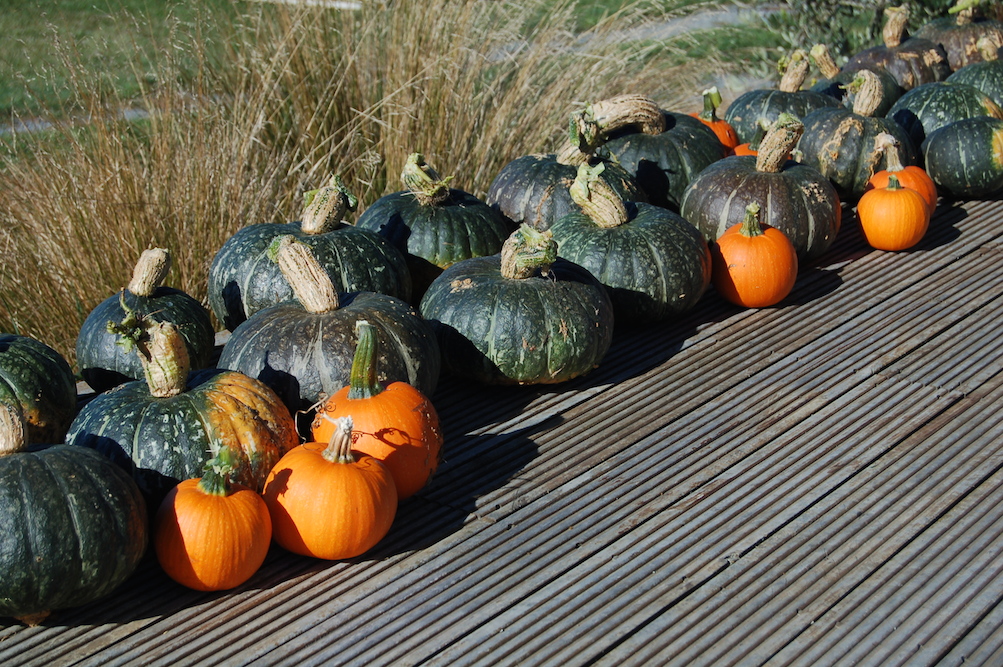
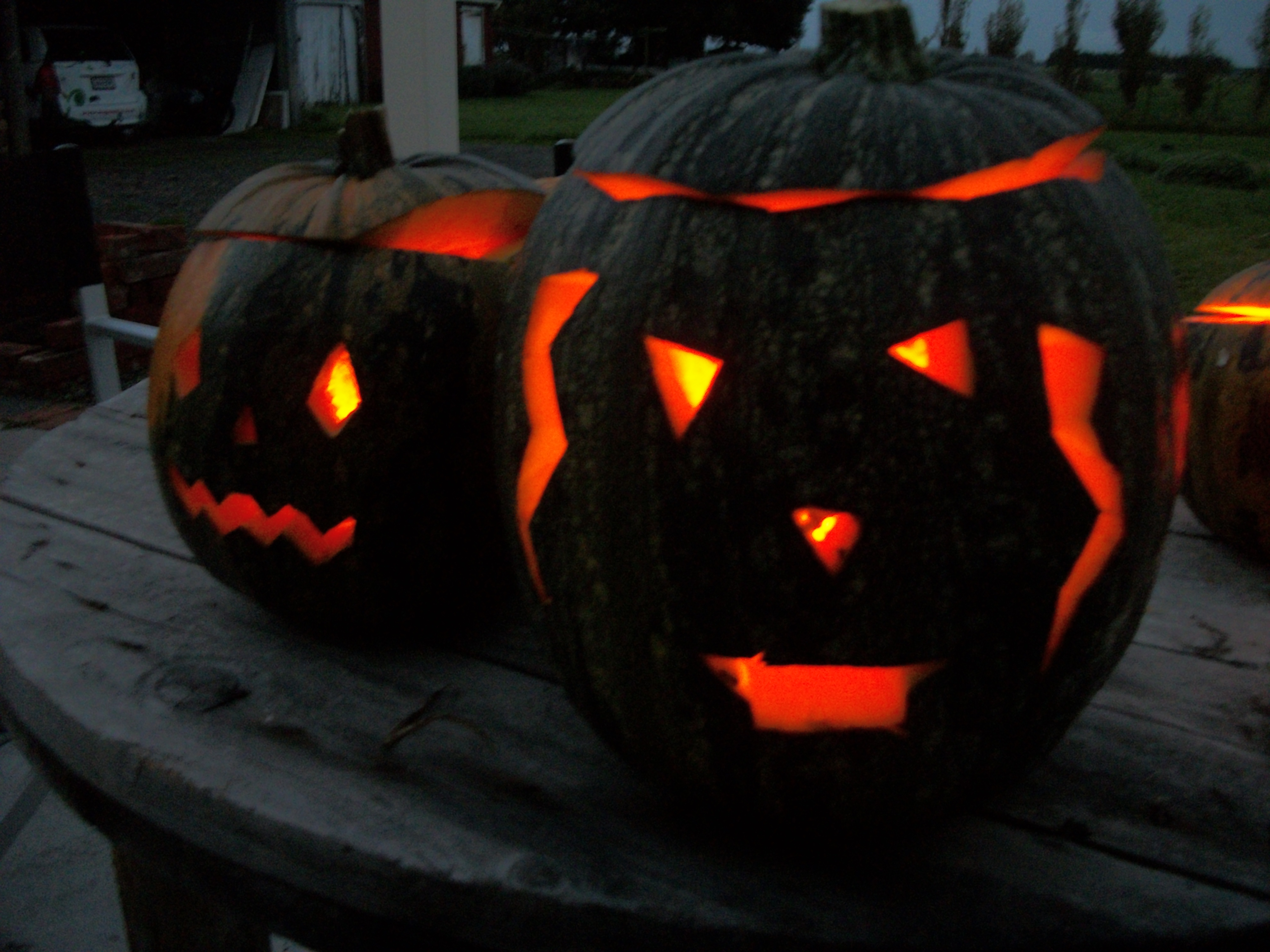
100_2185When life gives you pumpkins, make Jack-o-lanterns!

Halloween used to be one of my favourite holidays, and not because of the candy. Costumes, pumpkins, and the excuse to scare one another outdoors at night—what more could you ask?

Halloween here is a sad farce, and we do not observe it. It is fundamentally an autumnal celebration, and coming, as it does here, at the very beginning of summer is simply wrong. There are no pumpkins, there are no crisp brown leaves, and the sun doesn’t even set until after 8 pm.

Though we skip Halloween, when autumn does come around (long about Easter), we celebrate the lengthening night and cooler days with Jack-o-lanterns.

Naked seed pumpkins are great for carving—the flesh isn’t particularly good for eating, so I don’t feel so bad about throwing the pumpkins shells to the kids to carve after I’ve removed the seeds. (Uncarved pumpkin shells go to the goats, who don’t seem to mind the gritty, tasteless flesh.)

The finished Jack-o-lanterns sit on the picnic table outside the dining room window, where we can enjoy them during our increasingly dark evening meals.
To care and to share

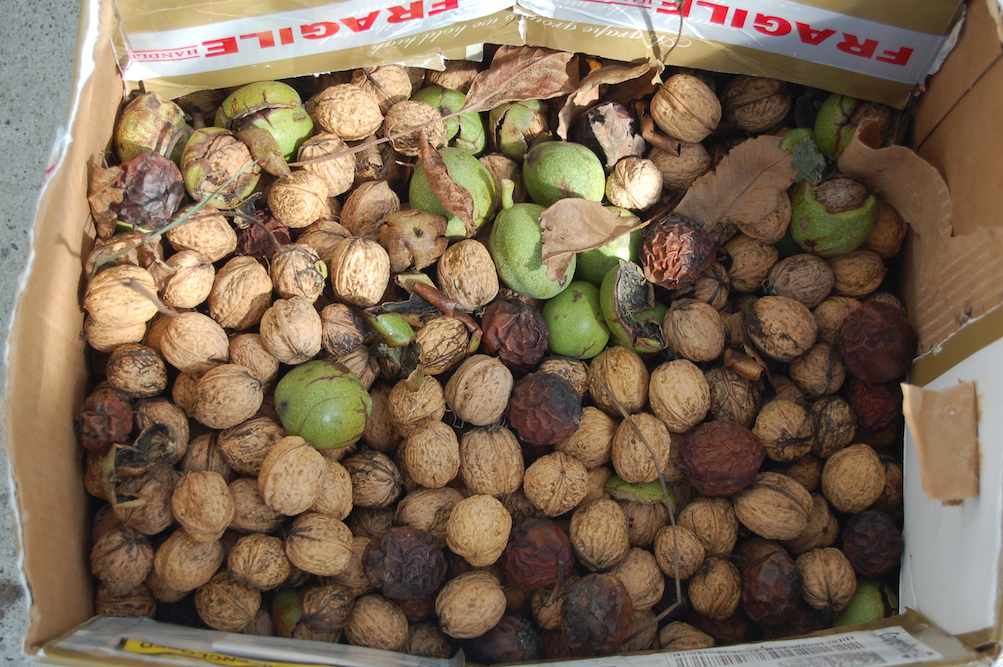
DSC_0006 copyIn addition to peaches, we foraged for walnuts at the dentist’s house on Sunday. Even more than the peaches, the walnuts illustrate what I so like about the dentist. He and his family don’t like walnuts, and they don’t have a walnut tree. The walnuts at his house come from the neighbour’s tree, planted on the fence line and hanging over into his paddock. He won’t use them himself, but every year he collects them and gives them away. As a well-paid dentist, he has no reason to be concerned about a little food waste, but he cannot bear to see good food rot. Even if it is food he won’t eat himself, he takes the time to gather it up and make sure it is eaten by someone.

If every person in the developed world just cared as much about the people and resources around them, imagine how much less waste, less pollution, less strife there would be. To care and to share…wouldn’t it be lovely.

Step Away From The Kitchen!

There's more to life than the kitchen!

There’s more to life than the kitchen!

“I don’t know what is more terrifying…that your blog makes you seem like this insane woman who spends all day in the kitchen, or that you really are an insane woman who spends all day in the kitchen.”

I just want to make it perfectly clear that I do not spend all day in the kitchen. I may be insane (indeed, I’m pretty sure I am), but not in that way.

For example, I spent all afternoon Saturday in the garden, and Sunday morning I cleaned the house and payed a social call to the dentist. I just finished editing a resource management plan for a client, and soon I will move on to the main task of each week day, writing and selling (well, trying to sell) my books (which have nothing to do with food, though sometimes characters do eat).

Have I spent an inordinate amount of time in the kitchen lately? Yes, at least on weekends. But it is harvest time, and extra work now means I can spend winter evenings sewing, or curled up with a book. I intend to enjoy every one of the frozen and canned meals I’ve been working so hard on lately, and I will take full advantage of the extra hours I gain later, spending them out of the kitchen.

In praise of the freezer

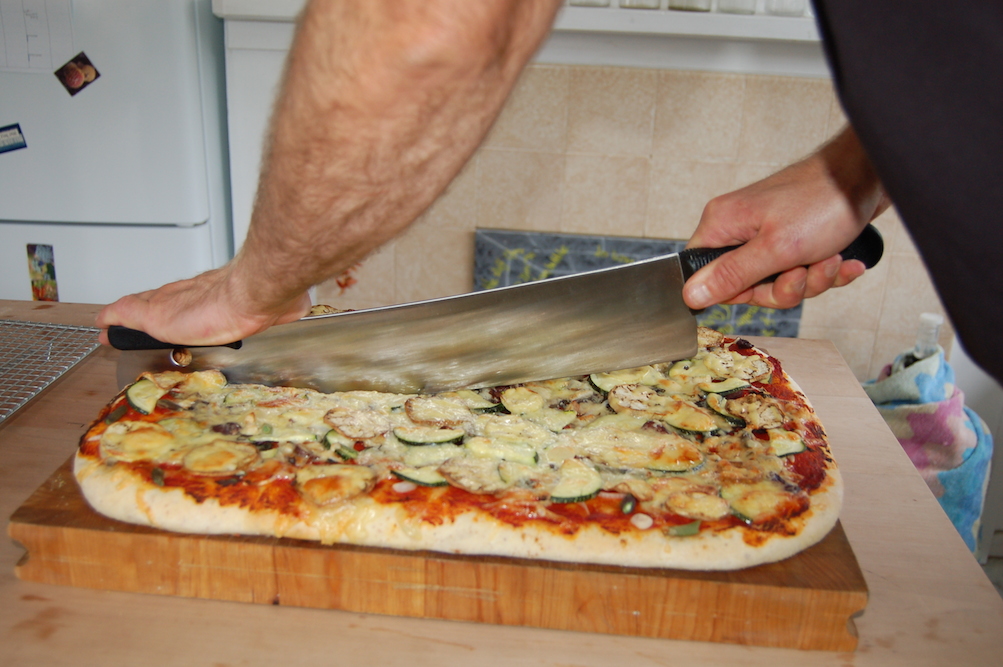
Hurrah for the freezer that allows us to enjoy hot homemade pizza in 15 minutes!

Hurrah for the freezer that allows us to enjoy hot homemade pizza in 15 minutes!

This evening, the kids have a piano recital. But first, we will stay late at school for band practice, and Ian will come home late from work because of a meeting. There will be precious little time between the day’s events and the evening’s event to cook and eat a meal.

Thank God for the domestic freezer (or perhaps I should thank the dozens of inventors who worked on developing and refining refrigeration technology since 1755). Despite the tight schedule, we will eat well this evening. A homemade pizza awaits us in the freezer. Fifteen minutes in the oven is all it will take to turn that icy block into a delicious meal.

This is our first year with a chest freezer, and we are singing the praises of modern refrigeration technology (at least until the power goes out for four days, which has been known to happen in this shaky land). In the past, we’ve not been able to freeze vegetables, because the little freezer space we had was needed for the 24 loaves of bread Ian makes every two or three weeks. We resisted getting a chest freezer for a variety of reasons—space constraints, cost, the frequency with which the power goes out (5 times so far in the month of March)—but after the cheese fridge died, we decided to give the chest freezer a try (it could sit where the cheese fridge had been, after all, and the cheese…well, we’d figure out where that was going later).

In the heat and bustle of summer, it was lovely to be able to quickly prepare fruit for freezing, rather than laboriously canning it and steaming up the kitchen. It was delightful to be able to plant as many peas as I had space for, knowing I could freeze the excess. I was thrilled to be able to freeze the extra corn, rather than watch it dry out on the plants. And when the pumpkins start to rot in late winter, I’ll be able to bake dozens of them at a time in the bread oven and freeze the flesh so we don’t lose them.

So, thank you William Cullen, Oliver Evans, Jacob Perkins, Alexander Twining, James Harrison, Ferdinand Carré, Nathaniel Wales and many, many others who have refined this technology over hundreds of years and brought us the modern freezer.

Life as a Squirrel

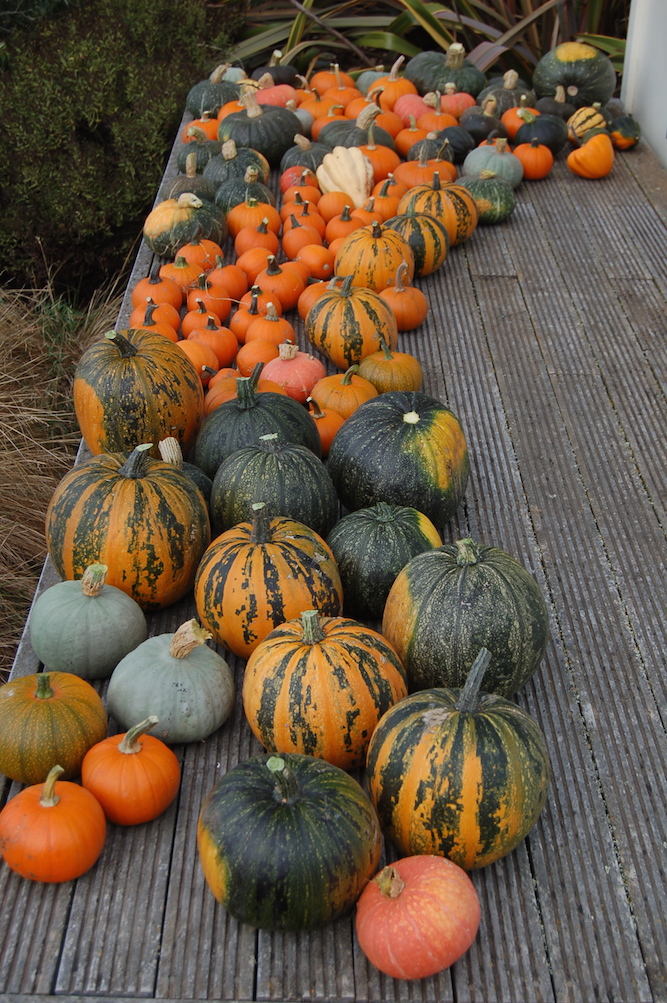
pumpkins2 smHaving recently crossed over into the dark side of the year, I am naturally looking ahead to the winter to come. The days are growing short, the nights cool.

As I sneak a late-night snack of almonds and raisins (though I’m not particularly hungry), I begin to wonder…Am I like a bear, eating extra food, building up fat in order to hibernate all winter?

Then I harvest the beans, corn and pumpkins and store them away in cupboard, freezer and shed, and I believe I am like a chipmunk, filling its larder with autumn’s bounty so I can huddle inside munching on the fruits of my labour all winter.

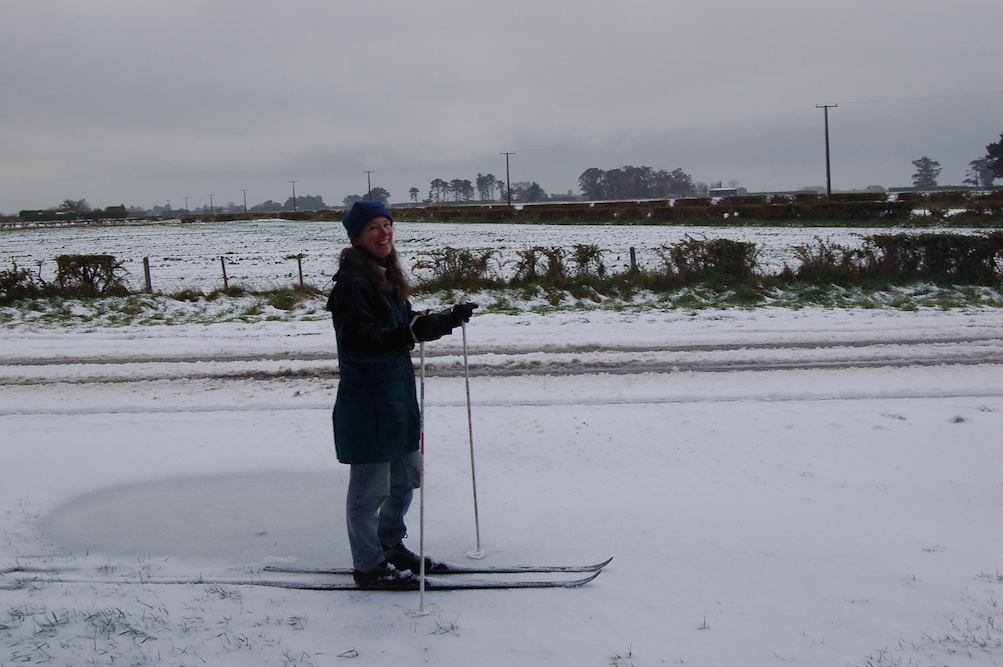
Our last snow--in 2011. We rarely get snow to frolic in, but it's nice to frolic when I can.

Our last snow–in 2011. We rarely get snow to frolic in, but it’s nice to frolic when I can.

But that’s not quite right, either, because I’m truly more like a squirrel. I hunker down in my winter nest during the worst weather, but on fine winter days I like to frolic outdoors, to scamper around searching out the little tidbits I’ve stashed here and there. The chard I left growing on the compost pile, the lettuces in the greenhouse, the last of the potatoes and carrots still in the garden, the cabbage and broccoli that hang on through the cold months. Sometimes, squirrel-like, I forget where I’ve hidden something—the last jar of artichokes, in the back of the cupboard, perhaps, or the leeks, quietly growing without my noticing until one day they are ready to eat.

I’m sure that, for a squirrel, fine winter days are a frantic race to stave off winter starvation, but for me, winter frolicking is just that—a little light weeding, gathering in the meagre winter crops, and enjoying the release from the hard labour of summer.

I still have a month or more to go before I can rest from summer labours, but on this tired end of the year, I look forward to my squirrely winter days, curling up in my nest and eating from my food caches.

Brought to you by the letter P and the colour Purple

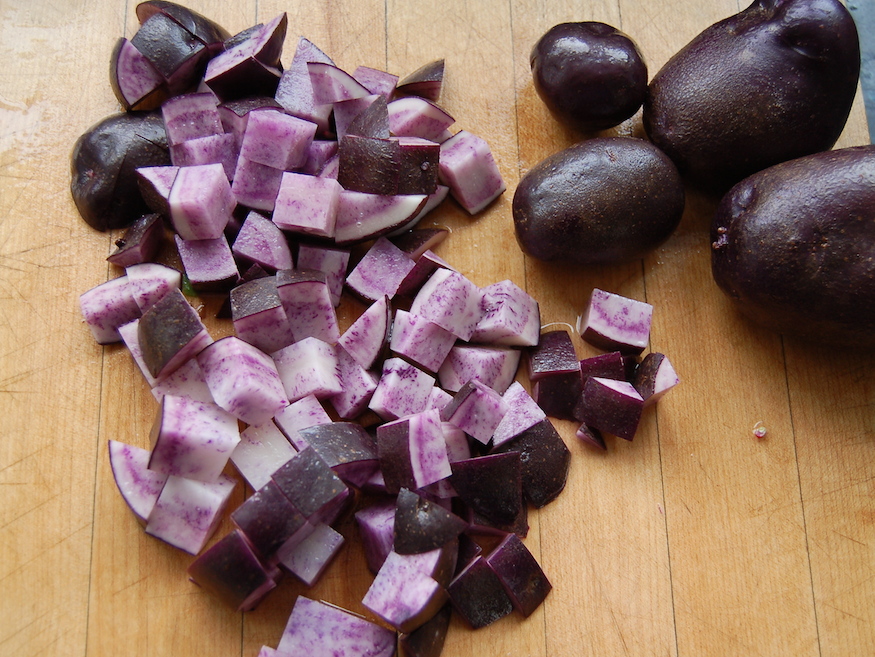
DSC_0004 copyPotatoes are one of my favourite foods. They go with just about everything. They can be baked, fried, boiled, steamed, and grilled. They can become a cool potato salad for a hot summer day, or a thick steaming soup for a cold winter night.

When we visited Bolivia and Peru years ago, I got to see and taste a wide range of potatoes I’d never experienced before. One of my most vivid memories is sitting in a boat travelling across lake Titicaca watching a group of local men pull out their lunches—handfuls of small, colourful potatoes that they ate like apples. Most of those potato varieties never make it out of South America, and our cuisine is poorer for it.

Roast veggies3sm

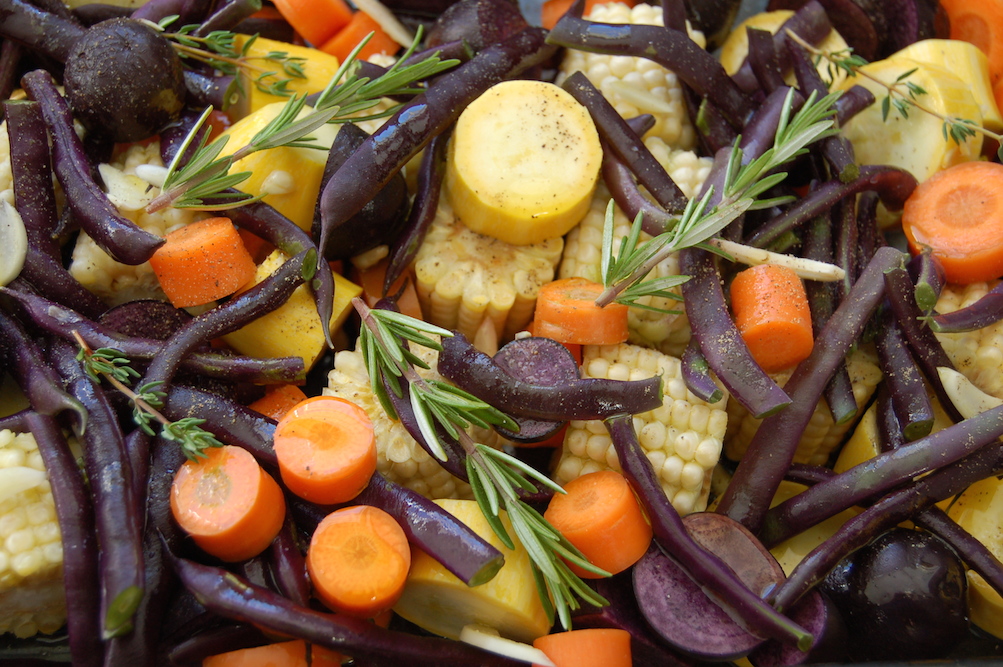
Purple potatoes (and purple beans, too) add a lovely colour contrast to other vegetables.

Supermarket potatoes are a rather uniform lot, but a greater variety can be had in seed potatoes. My all time favourite potato is Purple Heart. Even if it weren’t delicious (which it is), its purple colour would win me over. The colour remains during cooking, and adds a splash of whimsy to a plate. Purple mashed potatoes, anyone?

Some Like it Hot

DSC_0003 copyWhat do you do with 3 kg of hot peppers? I don’t know, but you’ll need lots of water on hand!

I planted Thai Super-Chilli, my reliable, high-producing hot pepper this year, and I also tried a new variety—Jalapeño Early. Ordinary jalapeños take so long to produce that they’ve barely flowered before the frost kills them off. I didn’t expect much from Jalapeño Early, but I hoped we’d at least get a few. They’ve been tremendous! We’ve been eating them for weeks, and I finally had a chance to go out and properly pick—close to 3 kilos, and more still on the plants (I quit picking when my colander was full). That’s a kilogram of fruit from each plant–way more than I ever expected!

Unfortunately, they’re milder than an ordinary jalapeño, but I’ve pickled them with a few Thai Super-Chillies in each jar, to spice them up a notch. They should be great with the black beans I harvested a few weeks ago—warm us right up on a cold winter evening!


Soy: The Asian/Pennsylvania Dutch Cultural Conundrum

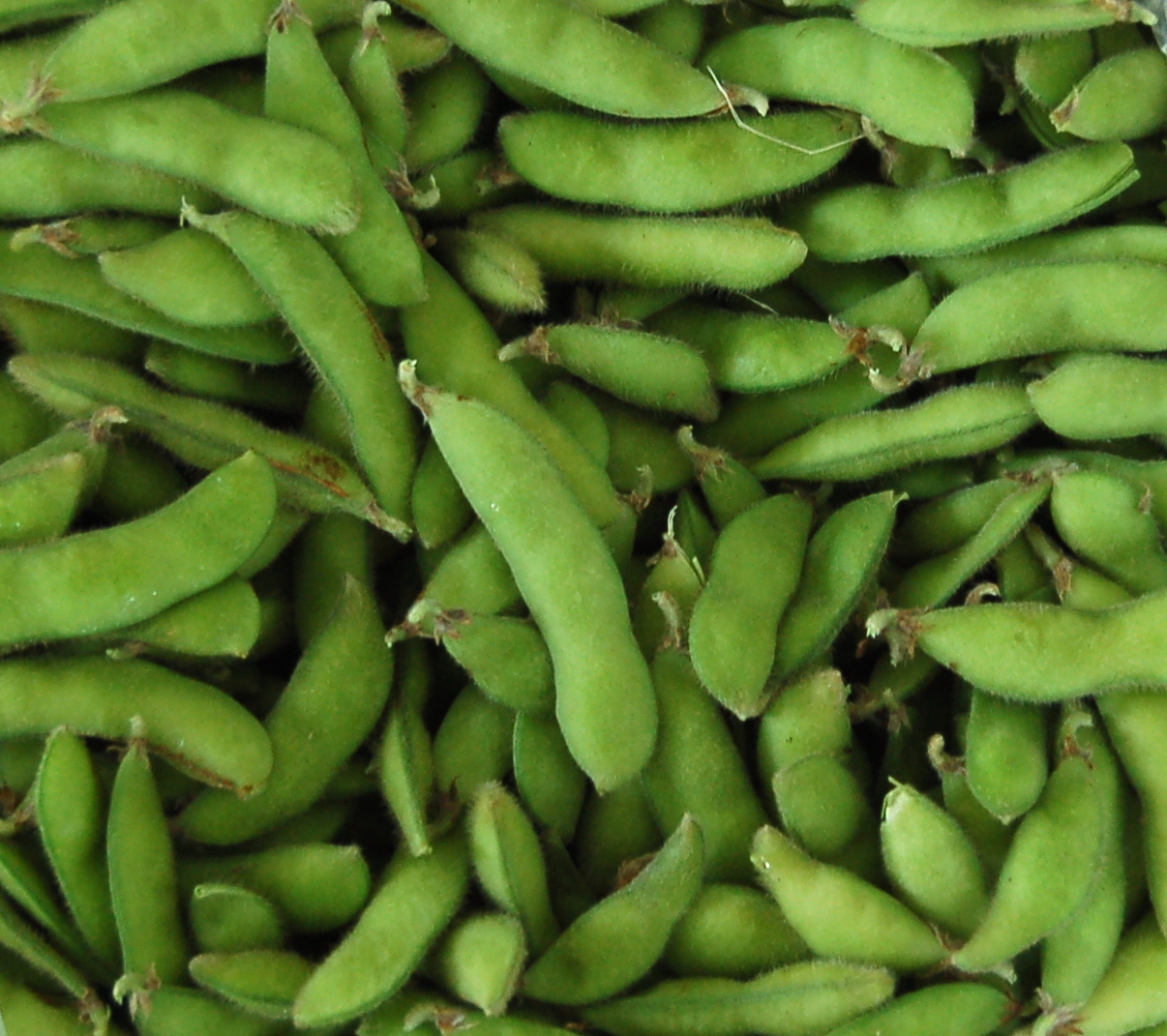
soycropI grew up thinking soy beans were an ordinary garden vegetable. Every year, my mother planted soy from seeds purchased at the tiny general store in Mastersonville. It wasn’t until I was 21 and finally living in a “real” house on my own (not in the university dormitories) that I realised the rest of America didn’t even know what soy beans were. My attempts to find fresh soy beans in 1990 in Ann Arbor, Michigan failed. In fact, the only soy product I could find were “soy nuts”—roasted, salted soy beans—at a health food store. They were stale and mealy, and so hard they nearly broke my teeth.

It seemed that no one outside of Lancaster, Pennsylvania ate fresh soy beans as a vegetable. Everyone thought I was nuts. I started asking my mother to send me a packet of seeds every spring, from the store in Mastersonville.

Many years later, I learned about Japanese edamame and recognised it as the fresh soy beans of my youth. Fresh soy beans have been eaten since at least the 1200s in China, Japan and other Asian countries, and are apparently popular bar food in Japan, served steamed and salted in the pod to be snacked on alongside your beer.

Soy beans arrived in the American Colonies in 1765, but were mostly used as a forage crop. When and why the people in south eastern Pennsylvania began to eat fresh soy is unclear. And why no one else in America did is even more unclear, since soy’s sweet, nutty flavour beats the socks off of other beans Americans commonly eat fresh (I’m thinking about those mealy lima beans…).

Soy beans as garden vegetable only arrived in New Zealand in the past 6 years or so. I was unable to get seeds when we first arrived, and when I first contacted an Asian seed supplier to enquire about them, I was told they were still building up their stock, and couldn’t sell them yet.

Even now, though I can get soy bean seeds, I have been unable to locate the appropriate bacterial inoculant for them, and they grow poorly here. Still, I grow them–my garden feels incomplete without them. However it came to be, I feel a cultural connection to soy beans—that Asian/Pennsylvania Dutch fusion food. Go figure.

Come out and play

DSC_0001smSometimes

Words do not want

To come out and play.

They stick

Somewhere

Behind my eyes.

Behind the pounding in my head.

Foiled by

My son’s maths homework

(to be checked by a parent)

My daughter’s permission slip

That needs signing.

Confined by

The clock ticking on the wall.


So I take the words outdoors

To the garden,

To feel the rain and wind.

I let them get dirty.

I let them pick vegetables

And contemplate a spicy curry.


After dinner,

Fed and rested,

Perhaps

They will creep out

Cautiously

To frolic on the page.