Favourite Kitchen Tools: Scholtès stove

100_0316 cropI prepared our dinner mid-afternoon and tossed it into the oven on delayed bake so we could come home this evening after piano lessons to a hot meal, and I figured that it was time for another Favourite Kitchen Tools post.

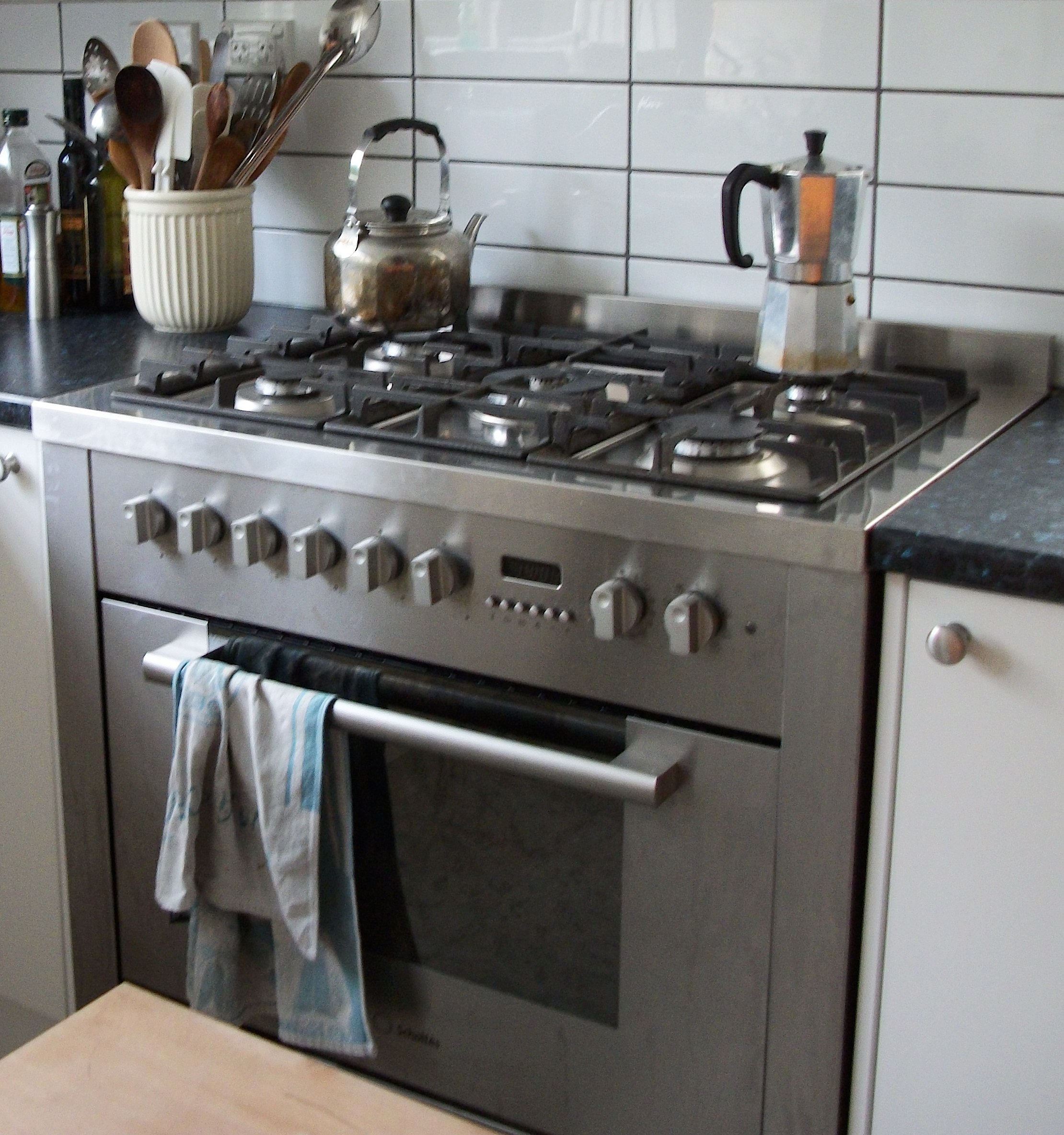
When we remodelled the kitchen years ago, we went for the cheaper flooring and cabinetry options, but we splurged when it came to the stove. It is the most-used tool in the kitchen, after all. It has been worth every cent. The previous stove was a barely functional old thing that had a habit of electrocuting mice (ztztztzztztzt…Is that burning fur I smell?—it was awful!).

We cook and bake a lot. We do a lot of preserving. We make cheese. We needed a nice cook top and a big oven.

At the risk of sounding like a salesman (that really isn’t my intent)…We settled on the budget-blowing Scholtès made by the Italian company Indesit—90 cm wide, 5 gas burners, and an electric oven. We’ve worked the cook top and the oven hard in the past seven years, and it has done pretty much everything we’ve asked of it. Many days during summer I have all five burners going at once, and I appreciate being able to slide my biggest sheet pans easily into the large oven. It has had its troubles—the display unit has had to be replaced twice. (Turns out it gets cooked by the heat of the oven if you don’t leave the door open once you turn it off.) The tiny burner in the centre of the large central burner doesn’t work terribly well anymore. And the front panel and oven door are made of a supremely difficult to clean stainless steel—no matter what I do, it looks filthy.

Oh, and the operating manual is written in French and Italian…illustrating just how rusty my high school French is after 27 years!

Still, I love my stove. I am particularly glad we chose to go with a gas cook top. I love the way the gas responds to my cooking needs, and I especially love the fact I can cook dinner when the power is out!

Oh yeah, and on nights like tonight, when I can’t be home to cook dinner, the delayed bake is a life-saver!
Too Hot To Eat

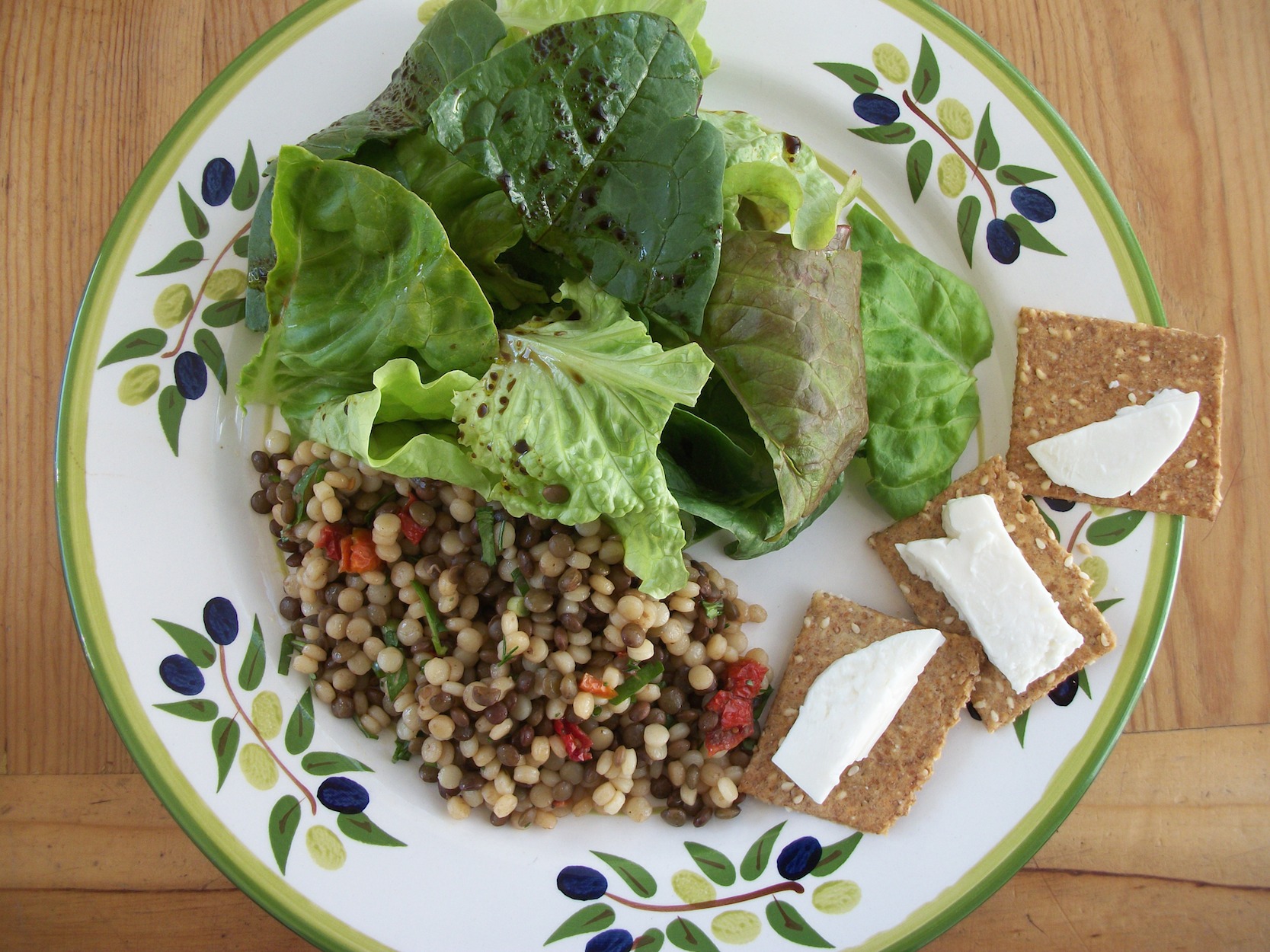
100_3989 smIt was 32°C (90°F) when we got home today. Too hot to eat a hot meal. So it was salads and cheese for dinner.

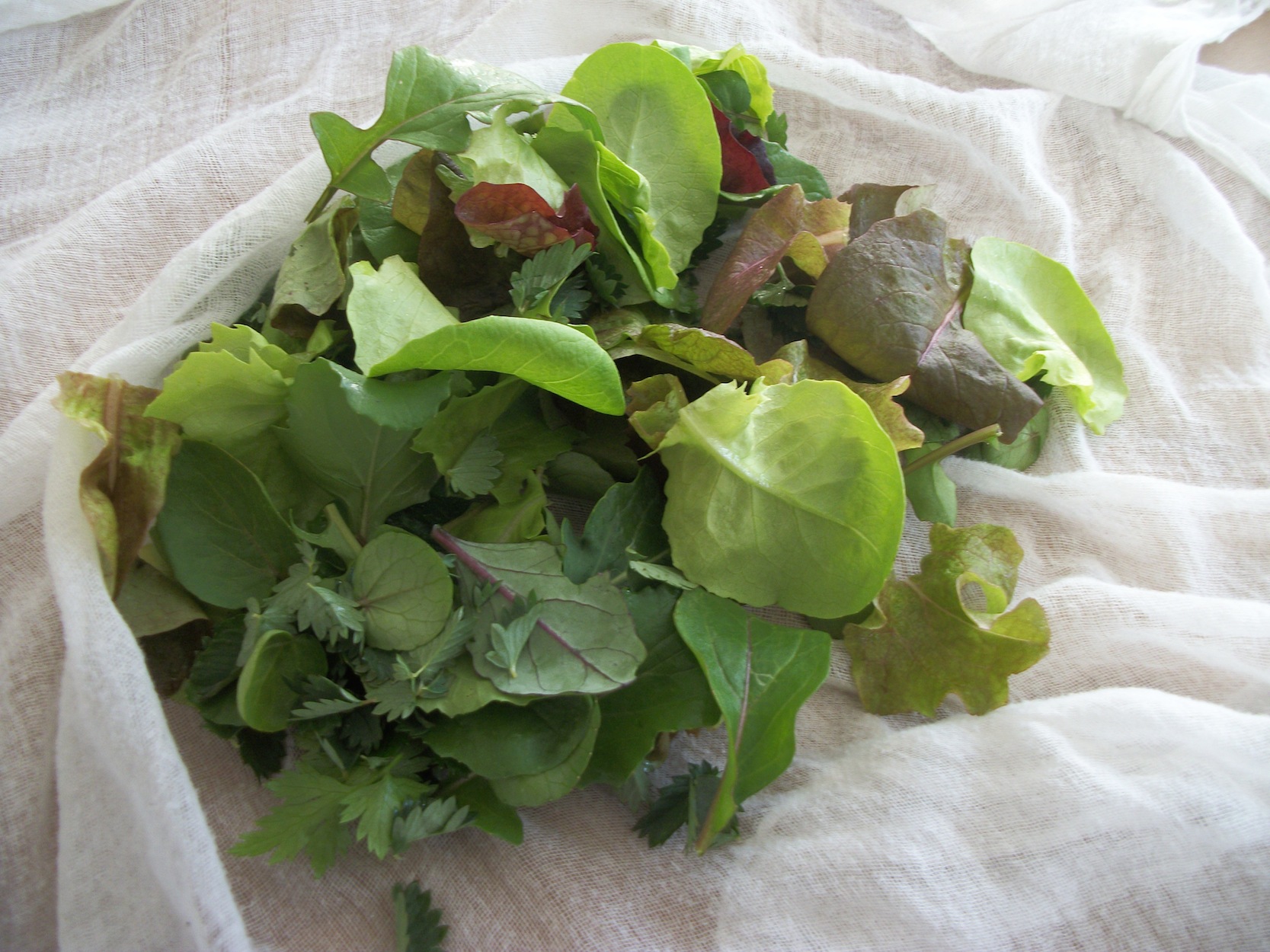
A luscious green salad of spring lettuces.

A hearty lentil salad with Israeli couscous, dried tomato, spring onion and fresh herbs.

Homemade feta on Mommy’s Magical Crackers.

A perfect summer meal!


What’s your perfect summer meal?

(ch)Eating from the garden

saladgreens1 smSometimes it feels like cheating.

I came home today tired and not feeling like cooking. I had 16 litres of milk that needed to be made into cheese waiting for me in the fridge. Dinner was going to be a slap-dash affair cooked in the wait times during cheese making. I didn’t expect much.

But with vegetables so fresh they’re still photosynthesizing as they go into the pot, herbs snipped moments before cooking, and homemade cheese on hand, even a thrown together meal is bound to be something special.

I whipped up a pasta from whatever was on hand in the garden and could be picked in 6 minutes, threw in some feta cheese and a handful of olives, and had a meal I would have happily served to company.

You just can’t help but eat well when you’re eating out of the garden.

I can, can you?

100_3986 cropsmFaced with 45 artichokes, there’s really only one thing to do—pull out the pressure canner, and bottle them up for later.

We thought long and hard before buying a pressure canner years ago—it was expensive, and signalled a whole new level of commitment to preserving than a simple water bath canner.

And then, of course, there are all the horror stories about exploding pressure canners. When the canner arrived, emblazoned with more warning stickers than a case of TNT, it didn’t alleviate my concerns.

But now I can’t imagine being without it. We can preserve so much more of what we grow, and not everything needs to be pickled to be preserved.

Pressure canning changes vegetables—the high pressure and temperature destroys their structure and basically turns them to mush. I wouldn’t want to subsist on pressure canned vegetables.

But our summer soup

LINK provides a burst of summer flavour, and wonderfully convenient instant meals through the winter. A few jars of canned green beans mean we can make our favourite Indian charcharis any time of the year. And canned artichokes add incredible flavour to pizzas, regardless of their texture. We could freeze these things, of course, but especially here where the power goes out with such frequency, having some of our preserved food not dependent on a continuous supply of electricity is a good idea. It also saves room in the freezer for those things that really don’t do well in the canner—berries, corn, peas, and of course the bread and baked goods from our baking days.


Compost Pile

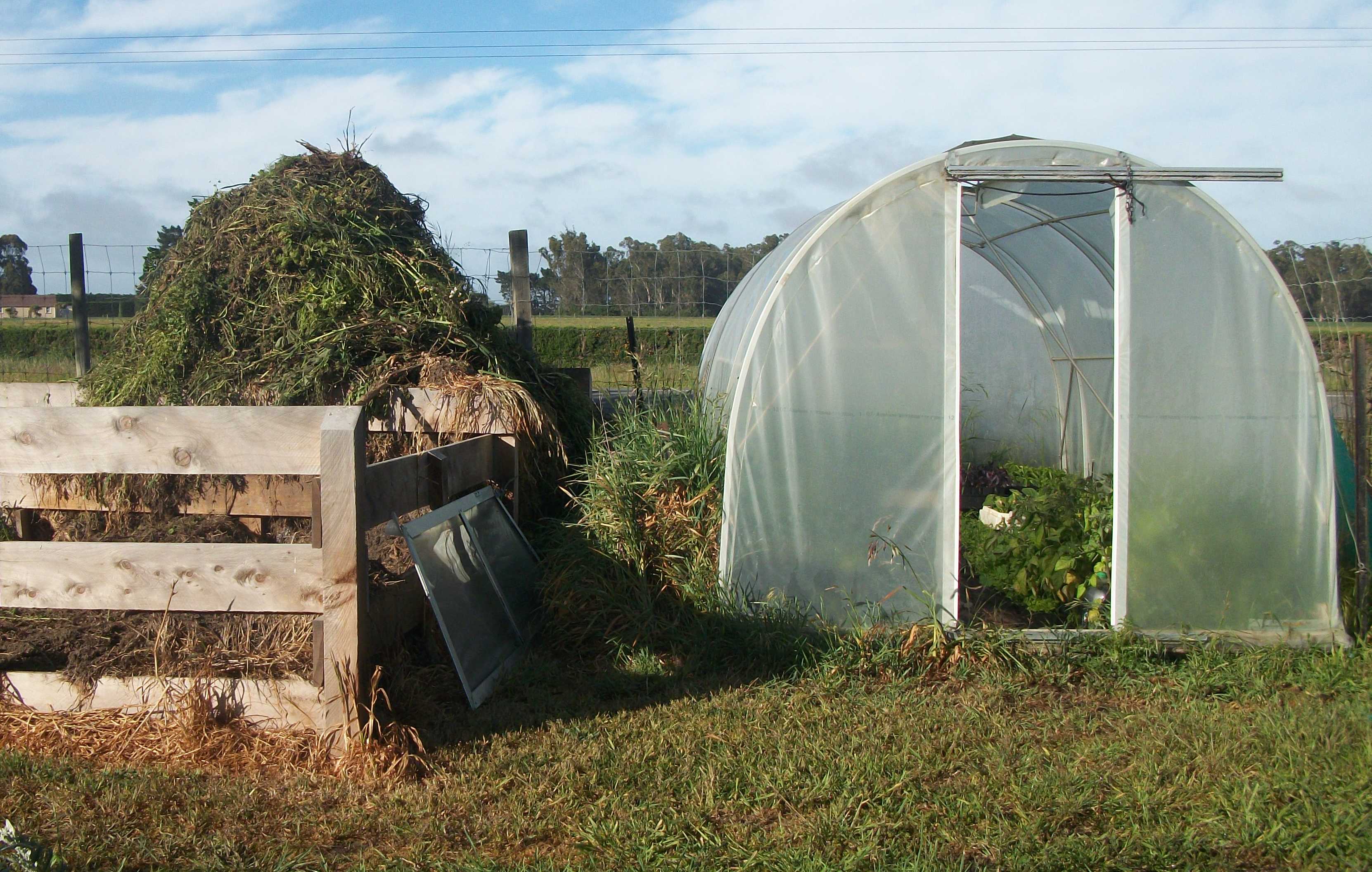
100_3973 cropMy husband calls it Mt. Robinne, and sometimes it feels like I’ve heaved an entire mountain onto the compost pile. This is my first spring with the new compost bins. They constrain the spread of the pile, forcing it upward.

Today I put the last of the winter weeds on the pile. From here on out, I’ll leave most weeds lying in the garden paths to act as mulch. This is as tall as the compost pile will get this year.

Good thing, as it reached the height of the greenhouse this morning. The pile will sit there sintering for a few weeks. When I’ve recovered from the springtime garden preparation, and when all the plants are planted out, I will move the mountain again, turning and watering the pile so that it composts properly.

For now, though, I’ll enjoy the respite from mountain building.

Siren Call

100_2141I fidget at the computer.

Perhaps the greenhouse needs watering.


I fling open the office door.

The smell of grass reminds me I need to mow.


I type a few words

Then delete them.

Do the goats need their hooves trimmed?

Maybe I should go have a look.


I check my e-mail.

I watch a pair of sparrows build their nest.


I should be working, but

You know, if I just did half an hour of weeding now

There would be less to do on the weekend.


Perhaps an early lunch.

I’ll sit in the sun, bare feet in the grass.


And then, perhaps…


I will give in, and follow the siren’s call

To the garden.

Library Evolution

100_3972 smI remember libraries as a child. They were quiet, austere places. No food or chewing gum was allowed to enter, and librarians had lips permanently puckered from saying “Shhhh!” We tiptoed between towering shelves of books in hushed silence. We spoke in whispers when we dared to speak at all. Our books were chosen and checked out with a minimum of noise. The librarians’ well-oiled carts rattled like cattle trucks through the hushed corridors.

But something happened between the time I graduated from university and the time I got my children their first library cards. Libraries transformed and reinvented themselves.

Comfortable couches in conversational arrangements and large tables that encouraged discussion replaced the tiny desks tucked into dark corners. Children were invited in to flop into bean bag chairs with their favourite books. Librarians stopped saying “Shhhh!” and began leading children in songs, belted out in the middle of the library for all to hear.

No Food or Drink signs gave way to cafés inside the library. Now you can browse your favourite titles while having a coffee or eating lunch. You can sit and chat with friends—loudly—and no raptor librarians swoop upon you with a scowl.

Community groups began to meet in the library. Not in some ante-chamber tucked away behind a soundproof door, but right smack in the middle of the library. Knitting and gossiping, playing board games, having raucous meetings.

Televisions and computers showed up, and now you can watch a football match, or play video games in the library.

Libraries have awakened. They have roused from their quiet slumber and become vibrant community hubs. The smell of book binding glue is now mixed with the aroma of fresh coffee and scones. The turning of pages is matched by the tap of keyboards. The hum of conversation overpowers the hum of the fluorescent lights.

I spend significant time in several different libraries, using them as an office when I can’t be in my own. I am not alone. Most days I have to fight for space at a table and a place to plug in my laptop. Some days it is almost unbearably noisy, and I have to resort to noise-cancellation headphones in order to concentrate. It is a far cry from the libraries of my youth.

I don’t mind. What better backdrop for our communities than that of books? What better place to go to engage and be inspired? To learn and grow?

Long live the library!

Cinnamon-Pumpkin Bars

100_3970smI thought it was time for another recipe, and this one is seasonally appropriate for you denizens of the Northern Hemisphere. I made it these lovely bars this week with the very last of the frozen pumpkin from last fall.

This recipe is adapted from a recipe in King Arthur Flour’s Whole Grain Baking. These are one-bowl wonders—incredibly quick and easy to mix up by hand. Something even young kids could manage on their own.

¾ cup (170g) butter

1 cup brown sugar

1 tsp vanilla

¾ tsp baking powder

¼ tsp salt

2 tsp cinnamon

¾ tsp ginger

¼ tsp cloves

¼ tsp allspice

1 egg

1 ½ cups cooked, mashed pumpkin

1 ½ cups whole wheat flour

1 ½ cups raisins or dried cranberries

Melt the butter in a largish bowl in the microwave. Add the sugar and stir. Return the mixture to the microwave and heat until it is starting to bubble. Allow the mixture to cool until it is comfortable to touch.

Beat in the vanilla, baking powder, salt and spices. Add the egg and beat until smooth. Stir in the pumpkin, flour and fruit.

Spoon the batter into a greased 9 x 13-inch pan, and bake 40 to 45 minutes at 180°C (350°F).


Feta Cheese

Feta draining the kitchen.

Feta draining the kitchen.

I’m making one of my favourite cheeses this evening—feta. It’s the cheese that inspired me to get goats in the first place.

When we lived in St. Paul, Minnesota, there was a Greek deli just a couple of miles from home—Spiros (a quick Google tells me that Spiros is no longer open). Spiros sold several different feta cheeses, half a dozen types of olives, and all manner of other Mediterranean foods. We almost always had a block of feta from Spiros in the fridge.

When we moved to New Zealand, I was dismayed at the lack of good feta available. When we needed some livestock to keep the paddocks under control (just until we got around to planting the trees…that was 10 years ago), I chose goats so that I could make proper feta.

I was not disappointed by my decision. Feta made from goat milk, and processed just right to get the crumbly texture I like…divine!

We use feta in many ways. Because it is strongly flavoured and very salty, a little goes a long way, and more is wonderfully decadent. We add it to pasta, gratins, and pizza. It browns beautifully in the oven, and the “toasty bits” are everyone’s favourites. It is, of course, an essential ingredient in Greek salad, and also goes well with lentils and grains. And it can be marinated in olive oil and herbs for an incredible pop-it-in-your-mouth snack or appetizer.

And it’s one of the easiest cheeses to make!

Hand and Foot

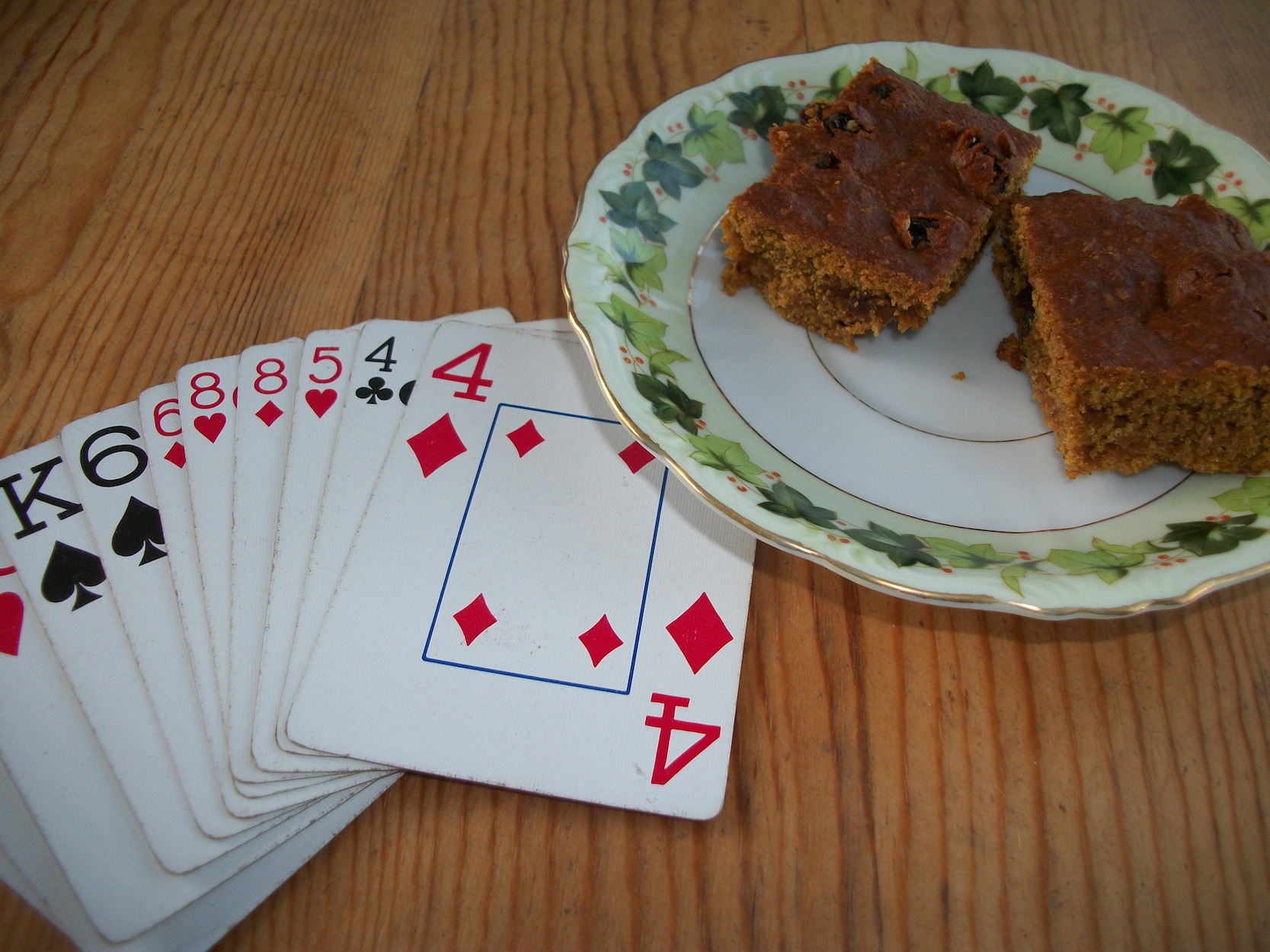
100_3964 smHand and Foot always goes hand-in-hand with food.

Hand and foot is a 4-person card came similar to Canasta, and played with 4 decks of cards. The game was introduced to me by my husband’s family. Indeed, I think it must have been written into the marriage agreement somewhere—will learn Hand and Food and agree to play whenever called upon.

The game is a good mix of luck, skill, and partner compatibility, so it works well as an evening’s entertainment at home or when visiting relatives.

Best of all, it is always accompanied by food—usually decadent and seasonally appropriate food. Cookies in the winter, ice cream in summer, strawberry shortcake in spring or pumpkin pie in the fall.

You might win or lose the game, but you always end happy and well-fed.