Practice Makes Perfect

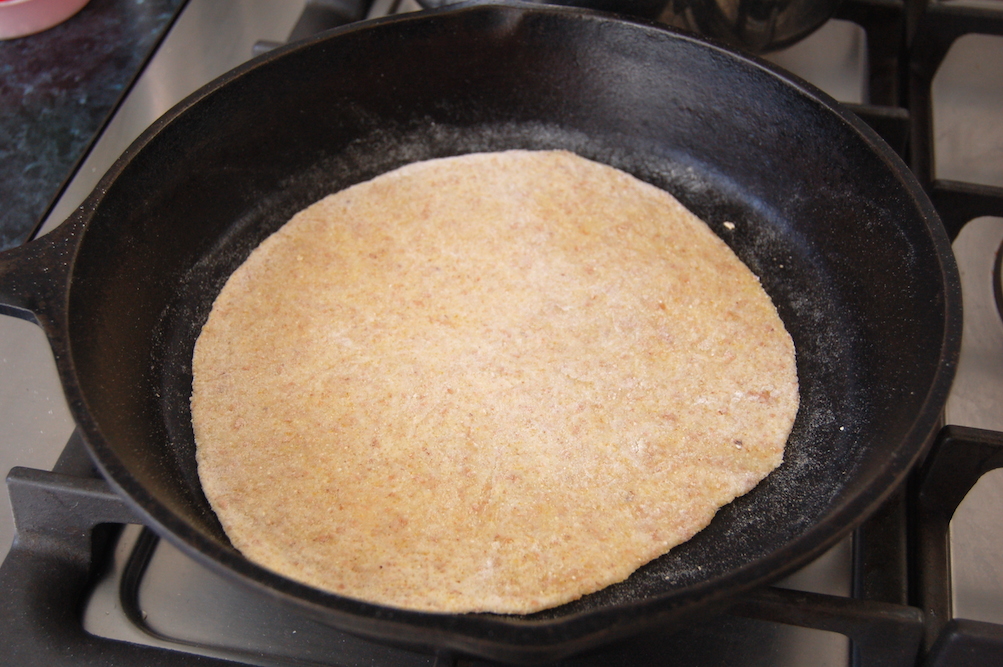
Tortilla1smIan shakes his head and rolls his eyes.

Nobody just whips out a batch of home made tortillas! Even Mexicans buy their tortillas.”

I shrug. It’s really not that big a deal, making tortillas. Although…thinking back to twelve years ago, when I was a novice tortilla maker, I’m inclined to agree. Back then, making tortillas always involved tears and curses. The dough ripped, stuck to the kitchen counter, and stuck to my rolling pin. The pan was always too hot or too cold, either burning or drying out the tortillas. Why I continued to try making them, I don’t know.

But I did. Again and again I tweaked my recipe, changed my rolling technique, adjusted the heat under my pan. Somewhere along the line, making tortillas changed from a once-in-a-while-when-I’m-feeling-particularly-brave sort of dish to a standard part of my repertoire. It changed so dramatically, that once I made over 100 tortillas for a party, and did so without breaking a sweat.

How many other foods once seemed unfathomably difficult or complex? I can think of dozens: risotto (stir constantly?), pizza (such advance planning needed!), anything Indian (all those spices?!), quiche (crust, and filling, and custard?!)…

It’s good to remember, sometimes, how difficult these “easy” things seemed long ago. It’s good to remember that how difficult something is to do is often simply a measure of how much you’ve practiced doing it. A few weeks ago, having endured yet another fondant icing disaster (see The Desolation of Smaug), I privately decided that fondant was too hard, and I would stick to my buttercream icing in future. But maybe I just haven’t made enough fondant. I don’t know if “practice makes perfect”, but it does make it easier.

Summertime Grilling

veggiesforgrilling2smThere’s nothing like a barbecue in summer. Now, you might think that vegetarians don’t have much use for a grill—you couldn’t be more wrong! Grilling is one of the best ways I know to celebrate summer vegetables. Add some corn on the cob or a fat slice of melon, and you’ve got a veritable feast.

One of the best things about grilling vegetables, is that they take very little preparation beforehand—big slabs of vegetable work best, so there’s no tedious chopping to do.

I’ll admit that grilling is Ian’s sphere, and what goes on after the vegetables are cut is his business. A few weeks ago, he wrote down the following recipe for the marinade he brushes on the vegetables before grilling:grillingveggies1 sm

Oil (~ 75% of volume)

Worcestershire sauce

Mustard (just a bit but essential)

Ketchup (not too much)

Vinegar (bit)

Cayenne

Soy sauce (fair whack)

crushed garlic

brown sugar (tiny bit to enhance flavour)

You can see by this recipe it’s an exact science…but never mind; whatever he does, works, and I’m happy to leave the grilling to him.

Bon appétit!

Sunday Morning Breakfast

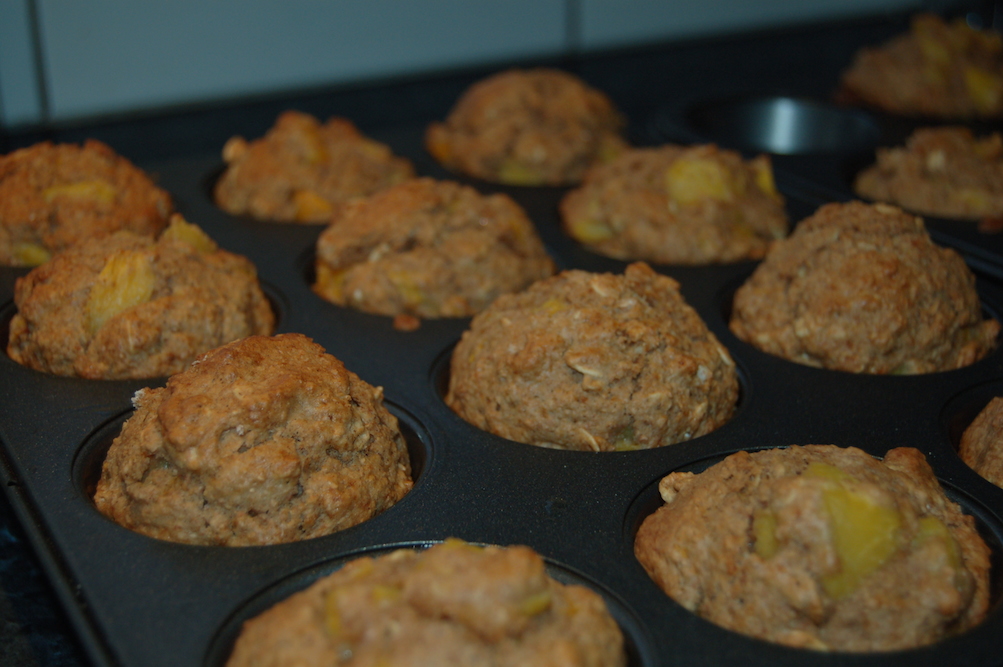
DSC_0001 smI’m fond of breakfast. I usually wake ravenous in the morning, and by the time I get in from the daily animal care and milking, I’m more than ready to eat. My weekday breakfast is homemade muesli eaten standing up in the kitchen while I pasteurise the day’s milk. On Sundays, though, I take the time to make breakfast, and the whole family sits down together. I’ll admit right up front that I don’t do this out of some sort of altruistic love toward my family—I do it for purely selfish reasons. I love scones, biscuits, muffins, pancakes, and waffles. I would eat them every day for breakfast if it were at all practical or wise to do so. But it has also made for a wonderful family tradition that we all look forward to each week.

Today’s breakfast was peach oatmeal muffins. This recipe is a variation on Peach-Oatmeal Bread from King Arthur Flour’s Whole Grain Baking book. I’ve increased the spices and halved the sugar to create a muffin I consider healthy and yummy enough for a Sunday morning.


Peach oatmeal muffins


2 cups peaches, peeled and cut into small pieces (canned or frozen peaches work fine)

2 cups whole wheat flour

¾ cup all purpose flour

½ cup packed brown sugar

1 Tbsp baking powder

½ tsp baking soda

½ tsp salt

1 tsp ground cinnamon

¼ tsp ground nutmeg

¼ tsp ground cloves

1 cup old-fashioned rolled oats

2 large eggs

1 cup milk

¼ cup vegetable oil

¼ tsp almond extract

Place cut peaches into a strainer to drain. Stir together the flours, sugar, baking powder, baking soda, salt and spices in a large bowl. Add the oats and peaches, stirring to coat the peaches. In a separate bowl, beat together the eggs, milk, oil and almond extract. Add to the flour mixture and stir just until evenly moistened.

Scoop into greased muffin tins, and bake at 375°F (190°C) for 25-30 minutes, until a toothpick inserted into the centre of a muffin comes out clean, and the tops are lightly browned. Allow to cool in the pan for 5 minutes before turning out.

(makes about 18 muffins)

Trimming the Hedge

Hmm...do you think we could have some more?

Hmm…do you think we could have some more?

We trimmed the hedge today, a job we love so much, we’ve been putting it off since November last year. It’s a day’s hard labour for both of us (with the kids pitching in as long as they get to hang out on top of the hedge).

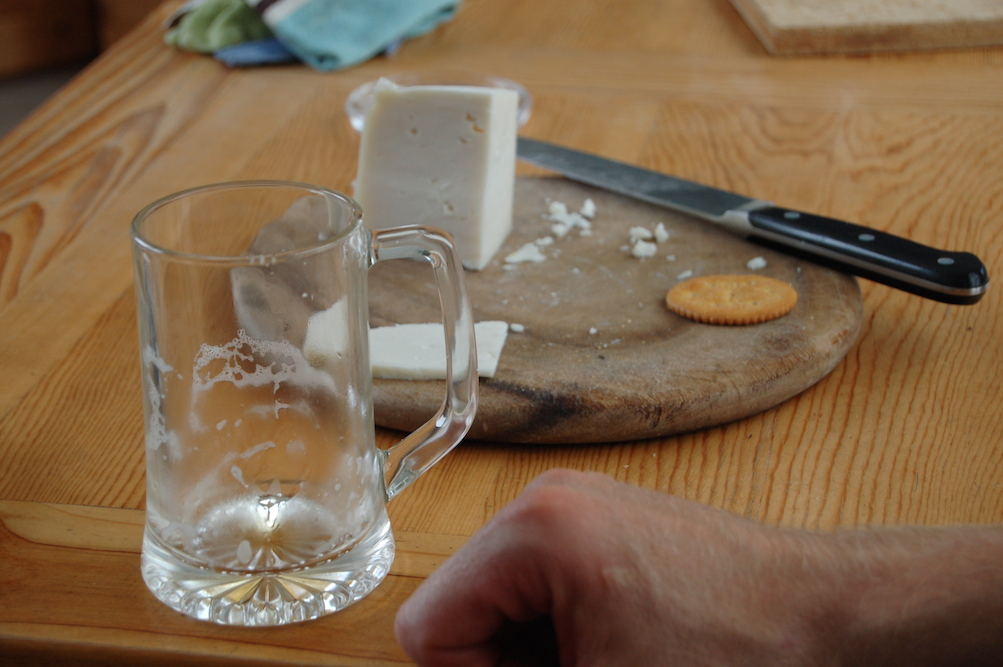
The only good part about trimming the hedge is the well-deserved beer at the end of the day. A homebrew and crackers with my favourite home made goat cheese, Bishop’s Corner. Almost worth trimming the hedge just for the excuse.

Starfish for lunch?

Eye candy only.

Eye candy only.

As I was casting about for a blog idea for today, I remembered the rock pool hopping I did with my daughter yesterday. She is doing a school project on echinoderms (starfish, sea cucumbers, sea urchins), and we went looking for them. I know sea cucumbers are eaten in some Asian countries, and sea urchins (kina) are a traditional Maori food, and I was curious whether starfish were edible. The short answer is that apparently some people eat their gonads, but the rest of them is poisonous. Of course! I should have recognised that by their bright colours—those warning colours that so many animals use to advertise their toxicity.

Their poisons include tetrodotoxin, the same neurotoxin found in the infamous puffer fish, and saponins that can cause red blood cells to burst.

And that, of course, explains how these easily spotted, slow moving denizens of shallow rock pools avoid being eaten by the gulls, herons, and oystercatchers that prowl the shore.

So next time you’re at the beach, take your lunch with you and leave the starfish alone.

The Price of Food

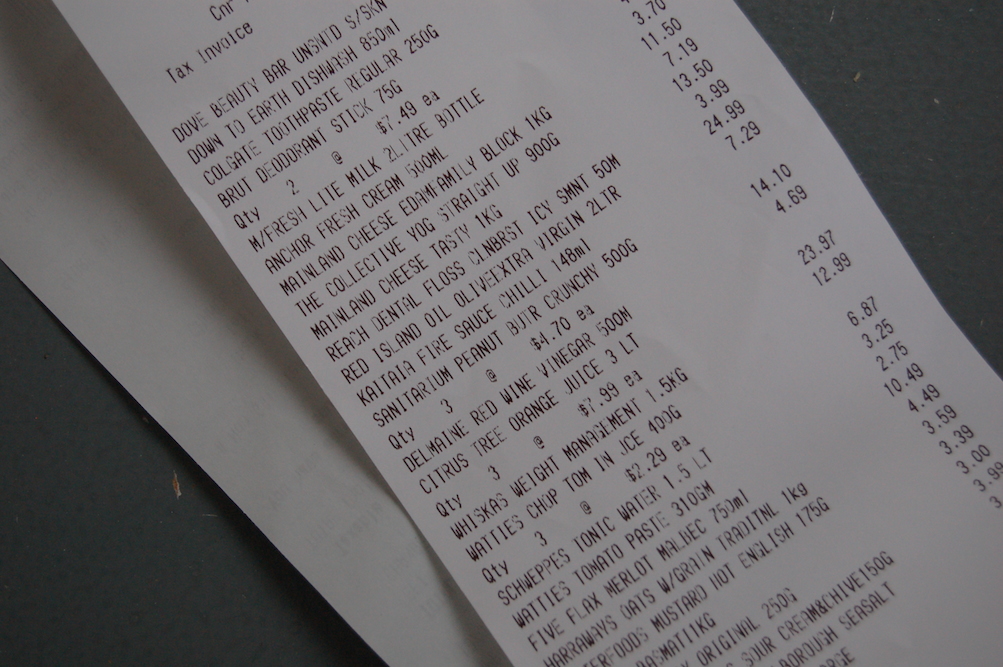
DSC_0022I went for groceries today. Because of other errands, I ended up at a different store than usual—a more upscale store. I wasn’t surprised, but I was appalled at how much I spent on my normal shopping run. It got me thinking about what I spend on food, both in cash and in time. I did a few back-of-the-envelope calculations, and found that I spend about $5,500 per year on food I don’t grow myself. I then calculated that I spend 980 hours per year producing food (not counting cooking). At my professional charge out rate, that’s nearly $69,000 of my time. I never grumble about how much time I spend on gardening, yet in cash value, I spend twelve times more in the garden than I do in the grocery store.

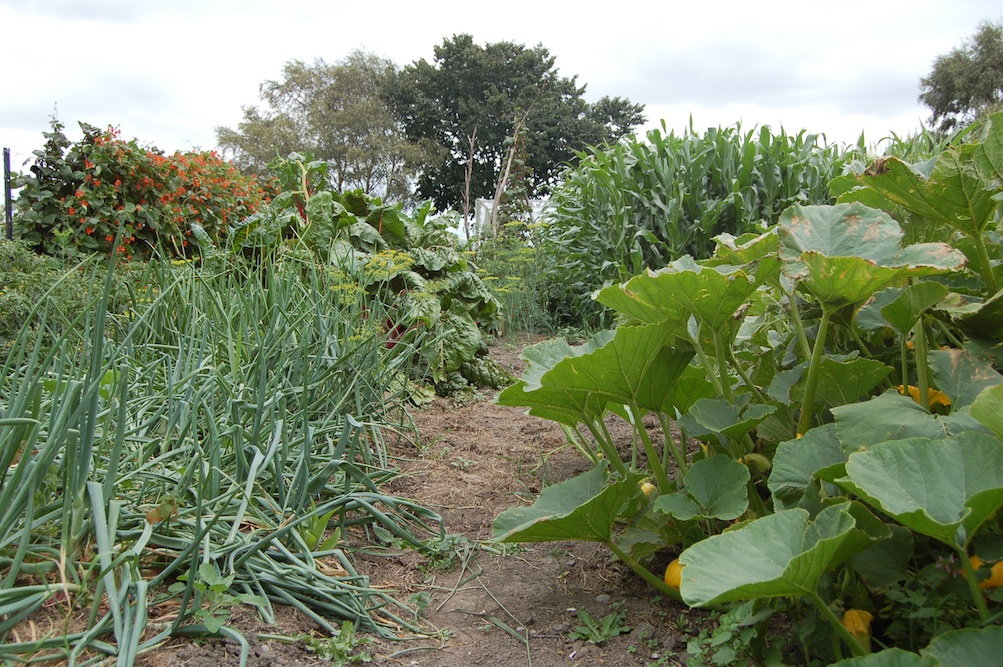
Why do I not mind spending a fortune in the garden? I value local food, self-sufficiency, and quality ingredients. Paying more at the store might get you more local food, but it doesn’t guarantee higher quality, and leaves you just as dependant on others for food. But spending more time in the garden provides high quality local produce, and doesn’t rely on an uninterrupted supply chain. Besides, who wouldn’t rather be in the garden than in the grocery store? So I’m willing to pay a little more in order to “shop” in the garden.

Old Farmers

My winter goat feed was delivered yesterday afternoon by the same father/son pair who delivers it every year. “Dad” isn’t a day under 90, and his son is in his late 60s. I always leap to help when they arrive. They would happily unload all the hay and stack it in the shed for me, but I can’t watch these two elderly gentlemen hauling hay bales while I do nothing.

Truth is, many of the neighbouring farmers could trade their tractors in for walkers. They work until their bodies give out, or until an accident or death claims them.

You might wonder why. Most of these guys are sitting on a fortune of land. They could sell out and retire in style instead of working themselves to death.

Paths wide enough for a walker?

Paths wide enough for a walker?

I understand, though. Will I give up gardening as long as I can drag myself to the garden? No. It’s who I am. Even injury can’t keep me away—I’ve been known to do my gardening on hands and knees when a back injury prevented me from standing. Farmers are the same. Farming isn’t a job; it’s an identity. To retire is to lose oneself. The 90 year-old who delivers my hay every year is cheerful and spry for his age. He will always be a farmer. One day he’ll stop working, but not until he stops breathing.

Gardeners make good neighbours

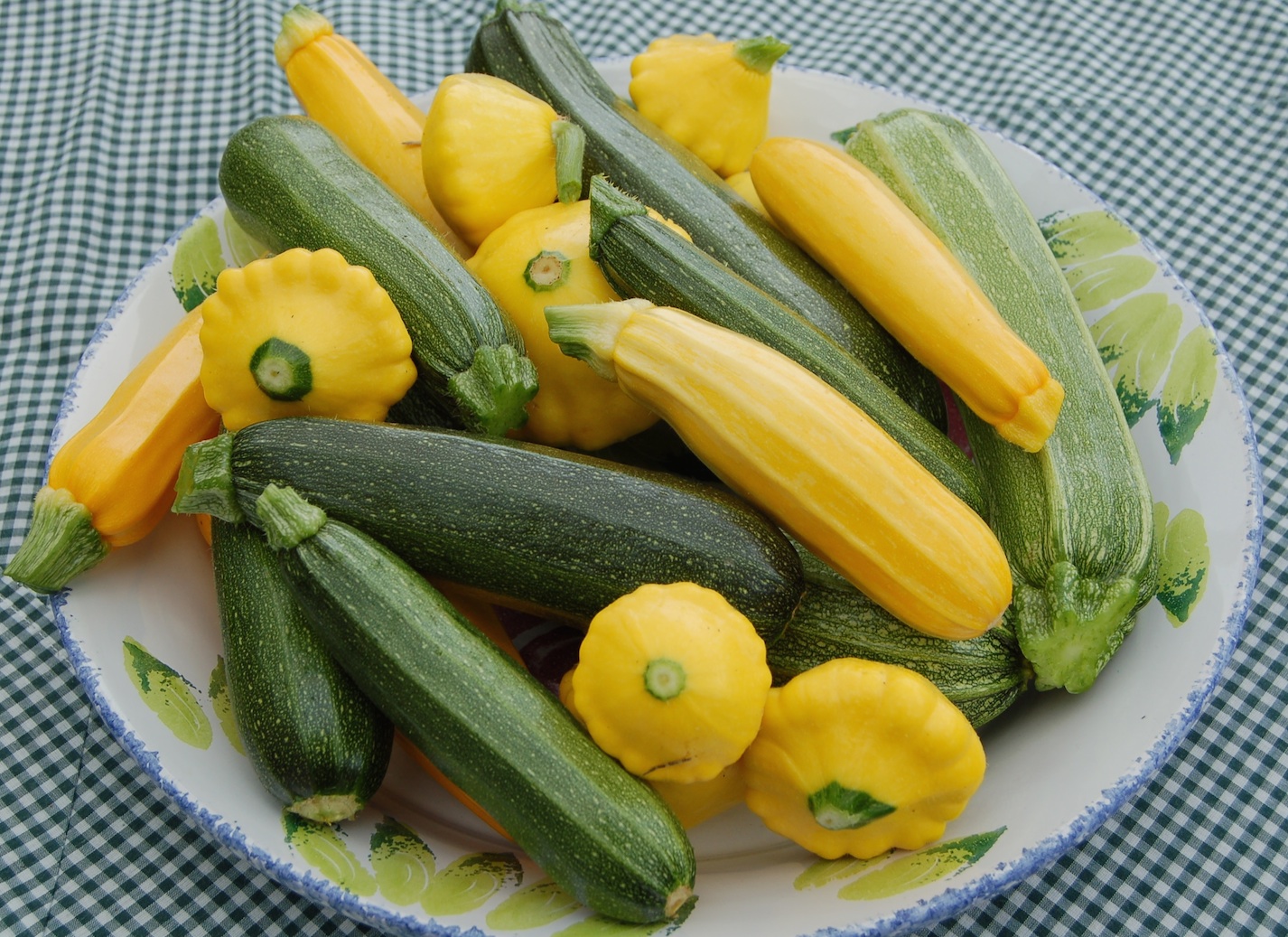
Anyone need zucchini?

Anyone need zucchini?

In our little rural community, there is a thriving barter economy, driven in large part by gardeners. Everyone’s garden is different, so everyone has different resources to trade, and different needs. I might have an excess of green beans, and can trade them for my neighbour’s excess tomatoes. This exchange of vegetables isn’t always explicit or immediate. I might provide eggplant today, and my neighbour might bring me broccoli in six months. It’s also not confined to the exchange of vegetables. A neighbour took care of my animals while I was on vacation over winter. In return, I provided her with vegetable seedlings in spring. I’ve exchanged cheese for olives, honey and peaches; and vegetables for hay and the loan of tools.

I’ve even exchanged cheese for dental work. My dentist is an avid gardener, and we exchange vegetables at every visit. I also occasionally bring him a block of goat cheese. A few years ago, he took a cheese making class and realized how much work it is to make. The next time I brought him cheese, he offered a free filling in recognition for the time he knew it took to make the cheese. He deemed it a good trade—though it would have cost me $300, the filling only took him 15 minutes to do, whereas I’d spent 5 hours on the cheese. Both of us left happy.

This free exchange of whatever each of us has in abundance makes for a supportive community. The old communist slogan, “From each according to his abilities, to each according to his needs” really does fit the “garden economy”. It makes me think that, if everyone could just grow a little patch of vegetables, the world would be a better place.

Favourite kitchen tools–Brisingr

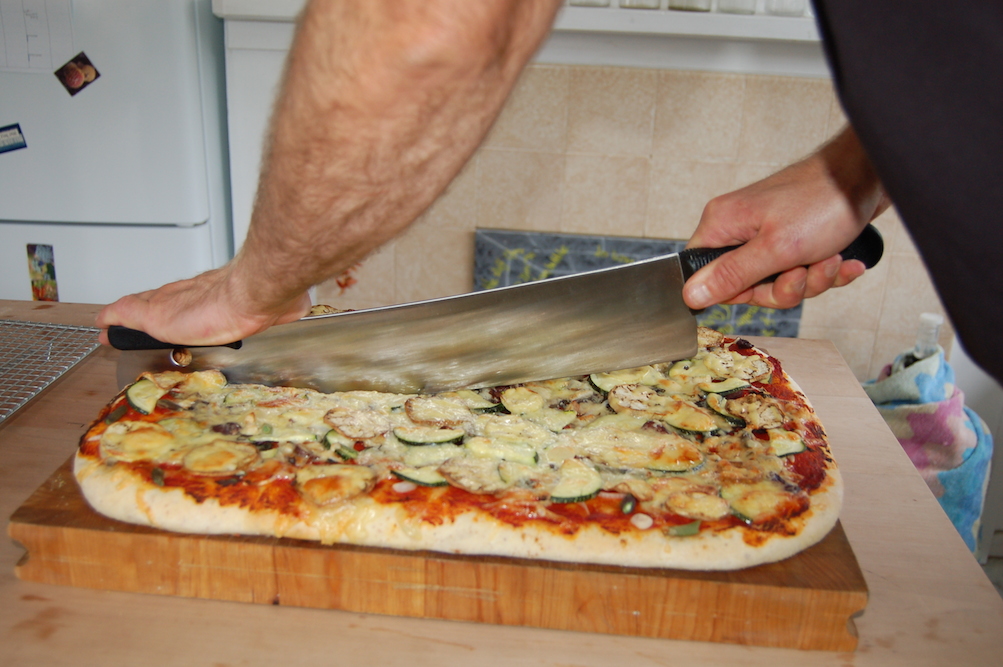
DSC_0011 smWe all have our favourite tools—the ones that fit the hand perfectly, or make a job easy. I have quite a few favourite tools in the kitchen. One of them is “Brisingr”, a knife so impressive, the kids named it after the sword in the fantasy series by Christopher Paolini. Brisingr is a handy and effective knife for big round vegetables like cabbage and pumpkins (Indeed, I once cut up 3 commercial cases of pumpkins in one session for a school event. The knife needed sharpening afterwards, but it made the job quick and painless). It’s also a fantastic pizza knife. Best of all, it just looks good. Hanging on the wall, poised to cut, or lying next to an expertly sliced pizza, it calls out, “Back off, lesser knives! I’m here to get the job done”.

Do you have a favourite kitchen tool?

Leftover Cake

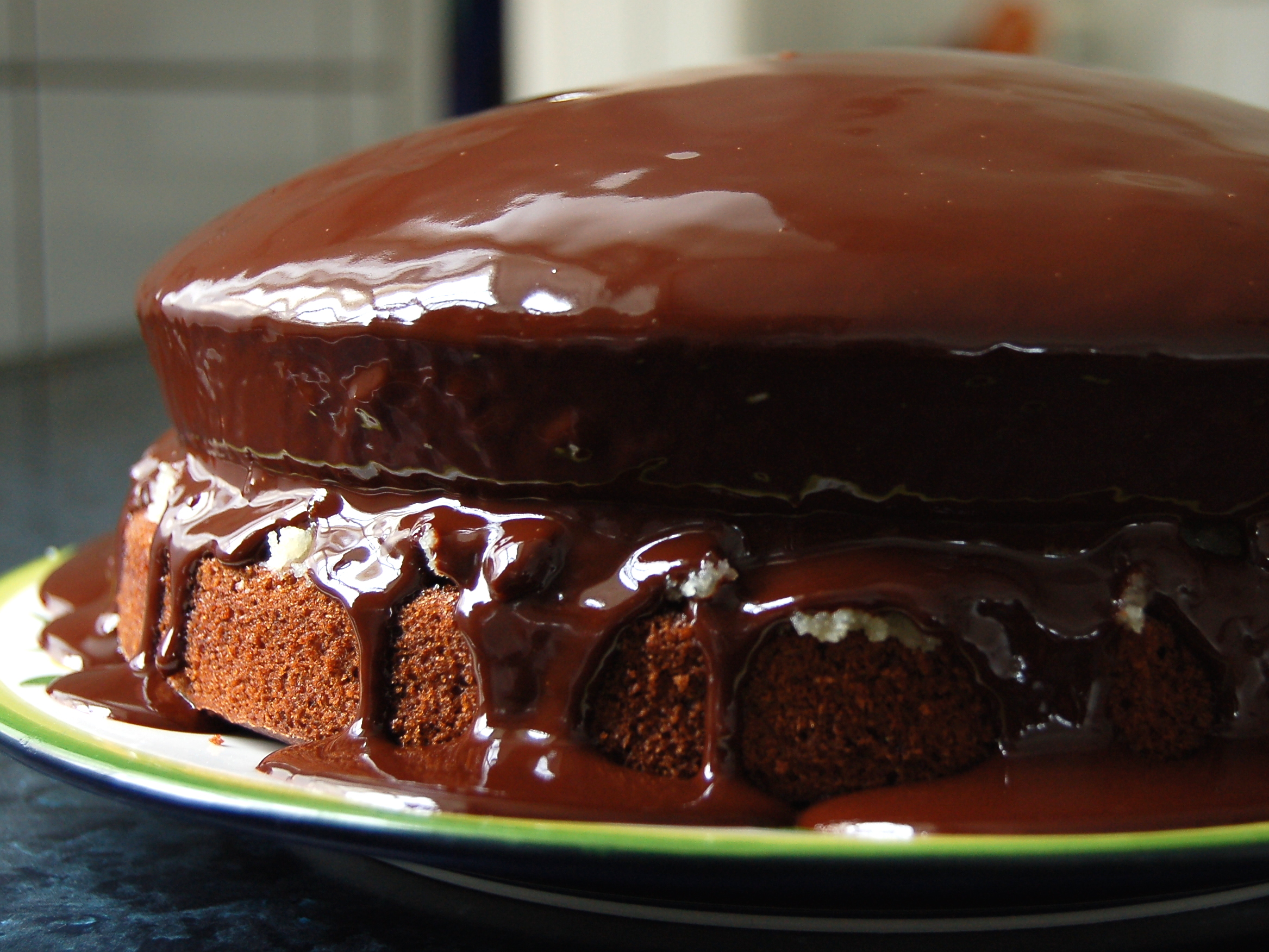
DSC_0006 cropAfter the Desolation of Smaug, I felt a need to redeem myself in the cake department. I also had some almond paste and some dark chocolate left over from the kids’ birthday cakes, so yesterday I created this beauty—as delicious as it looks. It’s a devils food cake, filled with almond paste, and covered with a chocolate ganache. Marvellously decadent!