Mother Hubbard

100_3786 smOld Mother Hubbard went to the cupboard

To get her poor dog a bone.

When she got there cupboard was bare…


Mother Hubbard must have had teenage sons.

I never appreciated the appetite of a teenage boy until mine hit that age, but now I feel like Mrs. Hubbard.

My son can eat more than anyone else at the dinner table, then pick at the leftovers in the kitchen as he cleans up. An hour later, he’s hungry for a snack. He can devour a big bowl of peach crisp with whipped cream for dessert, and still need a snack before bed.

He will eat as many cookies, muffins, and scones as he can get away with. He sneaks food when he thinks no one is watching. Dried fruit, crackers, carrots, bread, cheese, nuts…nothing is safe from the human Hoover.

I used to be able to count on four weeks between grocery runs. Now I’m lucky if we make it two weeks before the cupboard looks like Mother Hubbard’s. I’m wondering if my garden will need to be enlarged this year, and I’m thankful I grow so much of our food, and don’t have to pay the supermarket price of feeding this child.

Most of all, I’m thankful I only have one…maybe I’ll bake a cake and take it over to Mrs. Hubbard and her boys…
 

Vernal equinox

100_3776 smToday is one of my favourite days of the year—the day my side of the planet tips over into the sunshine!

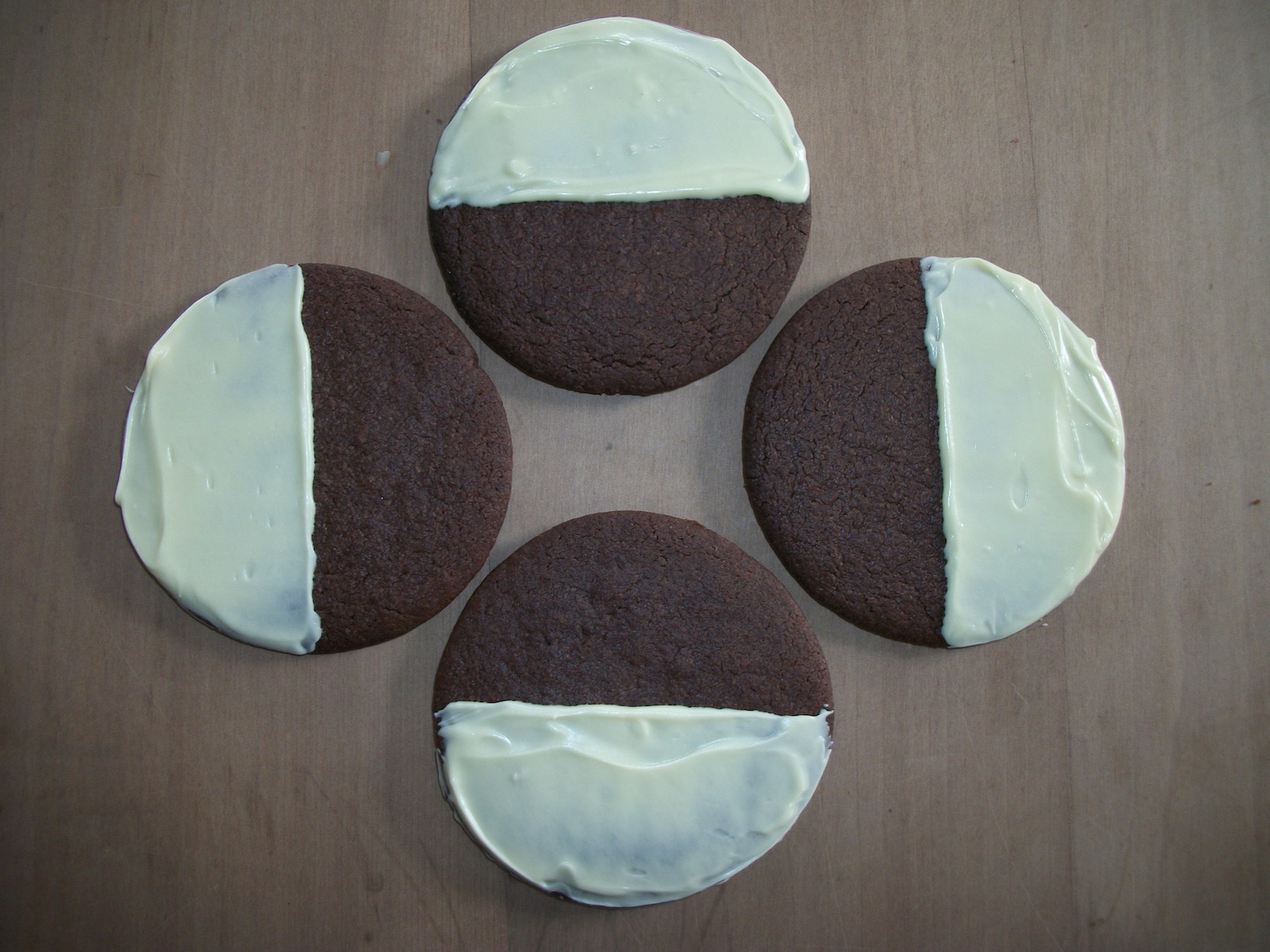
I always try to mark the day with a little something special. It might be a cake decorated as a sun, or cupcakes covered in flowers. This year, it was big chocolate cookies half spread with white chocolate to represent the equal night and day of the equinox.

From now until the solstice always seems like such a rush, with planting, kidding, milking, and harvesting. But today I will simply enjoy the sunlight.

So regardless of whether you are experiencing the vernal or the autumnal equinox today, make it a great one, and enjoy whatever the season offers!

Lemon Curd

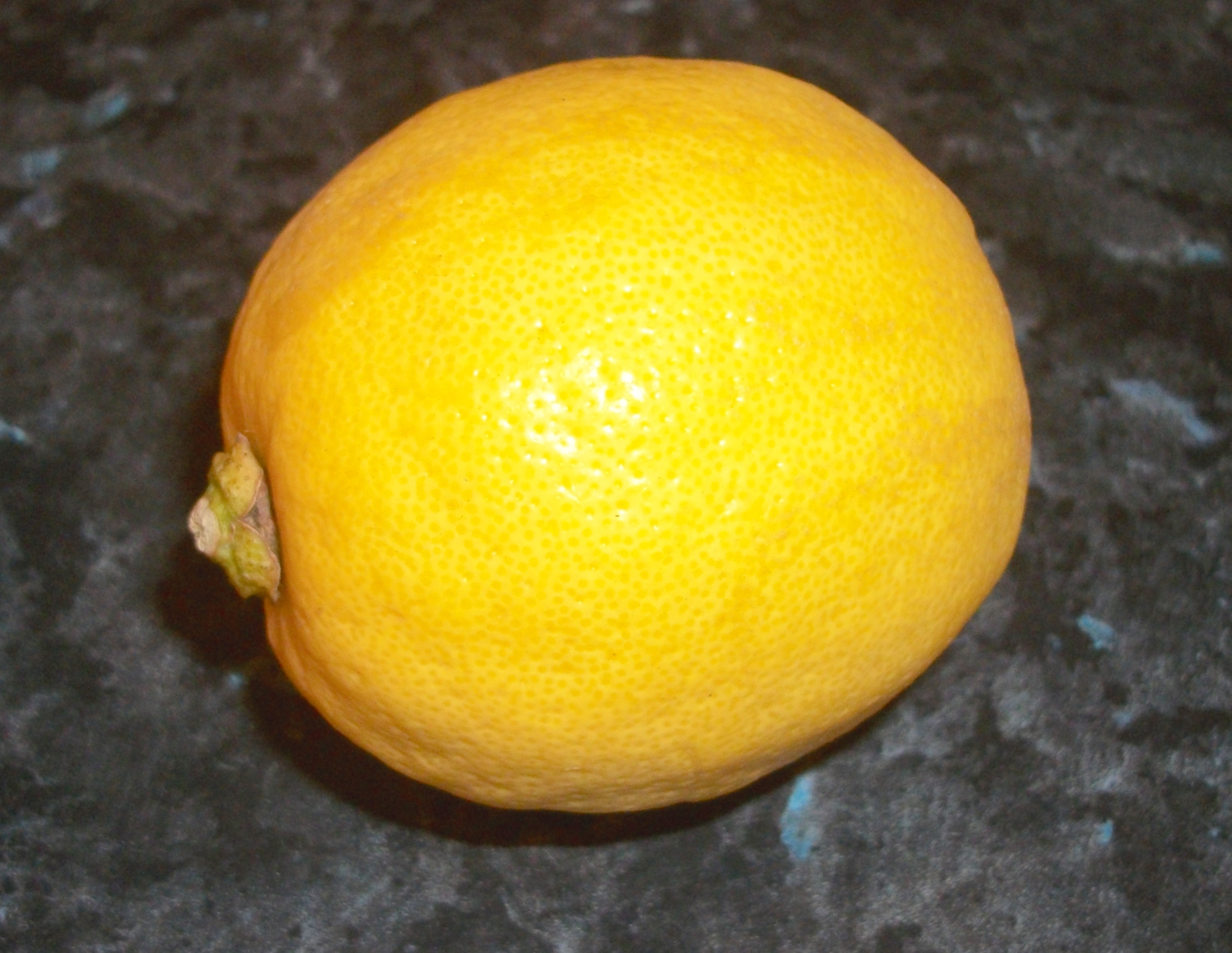
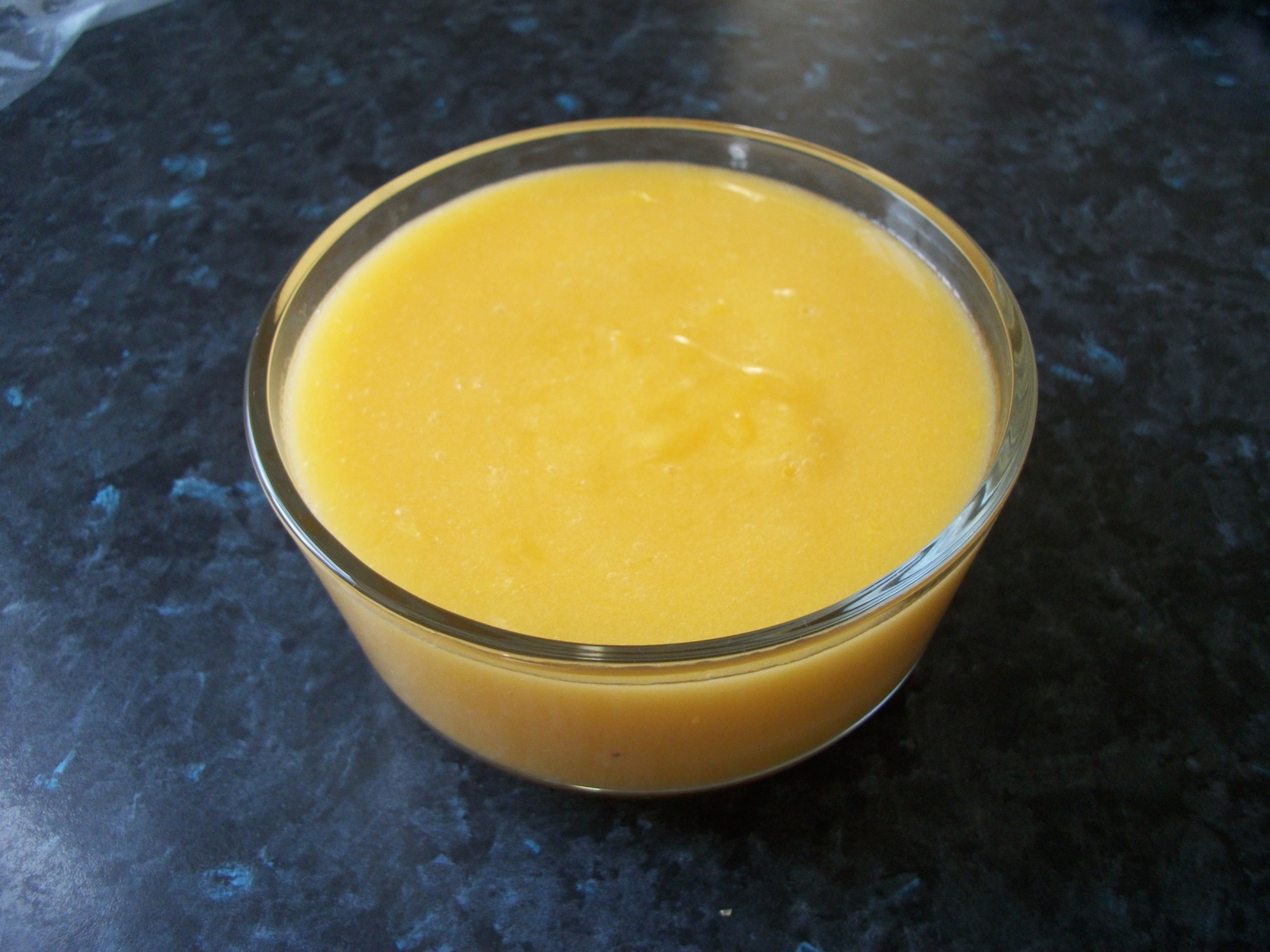
100_3769 smContinuing with the vitamin C theme from yesterday, this morning’s breakfast was lemon poppy seed muffins with lemon curd.

Lemon curd is one of my favourite excesses. On muffins, scones, cake, or even my morning granola, it is a marvellous burst of flavour that sparkles.

Joy of Cooking (the 1997 edition), has two lemon curd recipes, one of which is reduced-fat lemon curd. I ignored the reduced-fat recipe for years, but one day I didn’t have enough eggs to make the regular recipe, so I tried the reduced-fat one.

Much to my surprise, the entire family preferred the low-fat recipe. I don’t pretend it’s any better for us. Indeed, it’s almost certainly less healthy, as it has twice the sugar (to compensate for the reduced fat). But less butter and more lemon juice make it even tangier than the full-fat recipe.

So for perhaps the first time in my life, I prefer a low-fat version of something! Now I’m working on the recipe, notching back the sugar (because the low-fat version really does taste a bit too sweet), to get the perfect balance of sweet/fat/sour.

Of course, that means I’ve got to make lemon curd regularly…just for scientific purposes, of course. 😉


Talk like a pirate, me hearties!

100_3775 cropAhoy, Maties! It’s Talk Like a Pirate Day today, so I figured I’d blog like a pirate!

And what would a pirate blog about?

Probably about the lousy food on board pirate ships, which would invariably lead to a discussion of scurvy.

Scurvy is a condition caused by the lack of vitamin C. It shows a variety of symptoms, including spongy gums, spots on the skin, bleeding of the mucous membranes, tooth loss and fever (just to name a few). Untreated, it is fatal—victims usually bleed to death.

Scurvy is not often a problem on land—most fresh fruits, many vegetables, and even some meats contain vitamin C. But in the days before refrigeration, sailors and pirates, eating a diet of salted meat and dry grains, would often suffer from scurvy. It used to be a major limitation to the length of sea voyages, and between the years 1500 and 1800, it is estimated that at least 2 million sailors died of scurvy. Some ships lost up to 90% of their crew on long journeys, mostly to scurvy.

The cause of scurvy wasn’t discovered until 1932, but folk remedies and herbal cures have been used for thousands of years. Without understanding exactly what caused the disease, however, the cures were often of limited use.

Oddly, most animals can synthesise their own vitamin C—only the higher primates (simians and tarsiers), guinea pigs, bats, and some fish and birds can’t.

(So your dog can never be a ‘scurvy dog’, because dogs don’t get scurvy.)

And on Talk Like a Pirate Day, I say…

Eat your greens you scurvy dog, or I’ll make ya walk the plank!

Potting Up

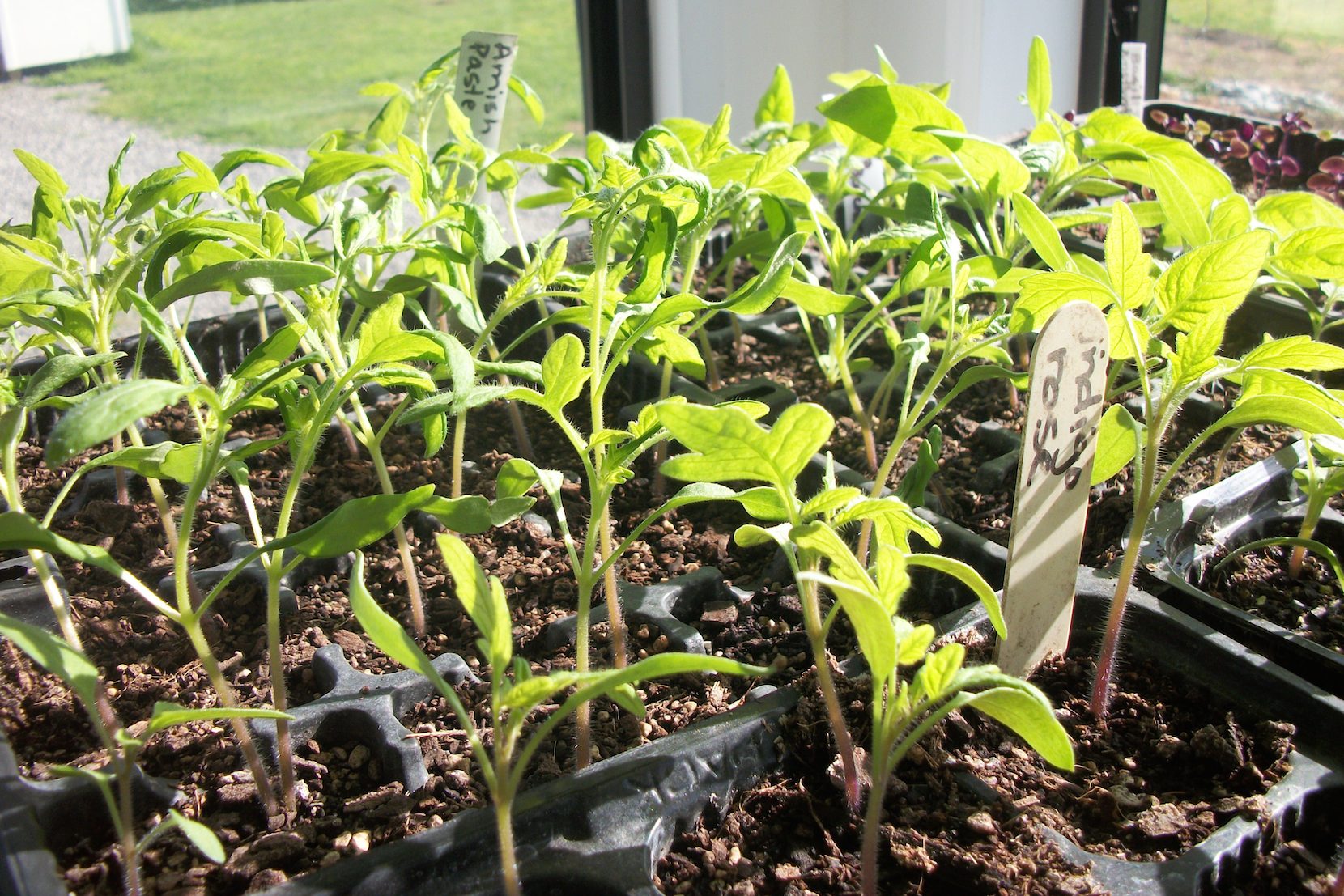
100_3766 smPlanting vegetable seeds is an easy job. Every year, I am surprised at how quickly the task is accomplished.

Then those seeds sprout and I remember that there is potting up to do.

That’s what takes forever—filling all those pots, and carefully teasing apart and planting the young seedlings.

Sometimes I think I’d be better off planting my seeds directly into pots. But every year there are varieties that simply don’t germinate. If I had filled dozens of pots, only to have them stand empty, I would have wasted a lot of effort and greenhouse space (both of which are in short supply in the spring).

So this weekend, I will spend many hours transplanting seedlings. Though it can be tedious, I don’t really mind. To spend a day nurturing plants and breathing in the summery smell of tomatoes isn’t hard to take.

Further proof that we’re nuts

100_3758 smToday offered further proof (though I can’t imagine it was necessary) that my husband and I are nuts.

Weekday. We all come home from work and school.

I’ve scored a small handful of extremely expensive, first-of-the-season asparagus, and we start discussing what we’ll have with our asparagus for dinner.

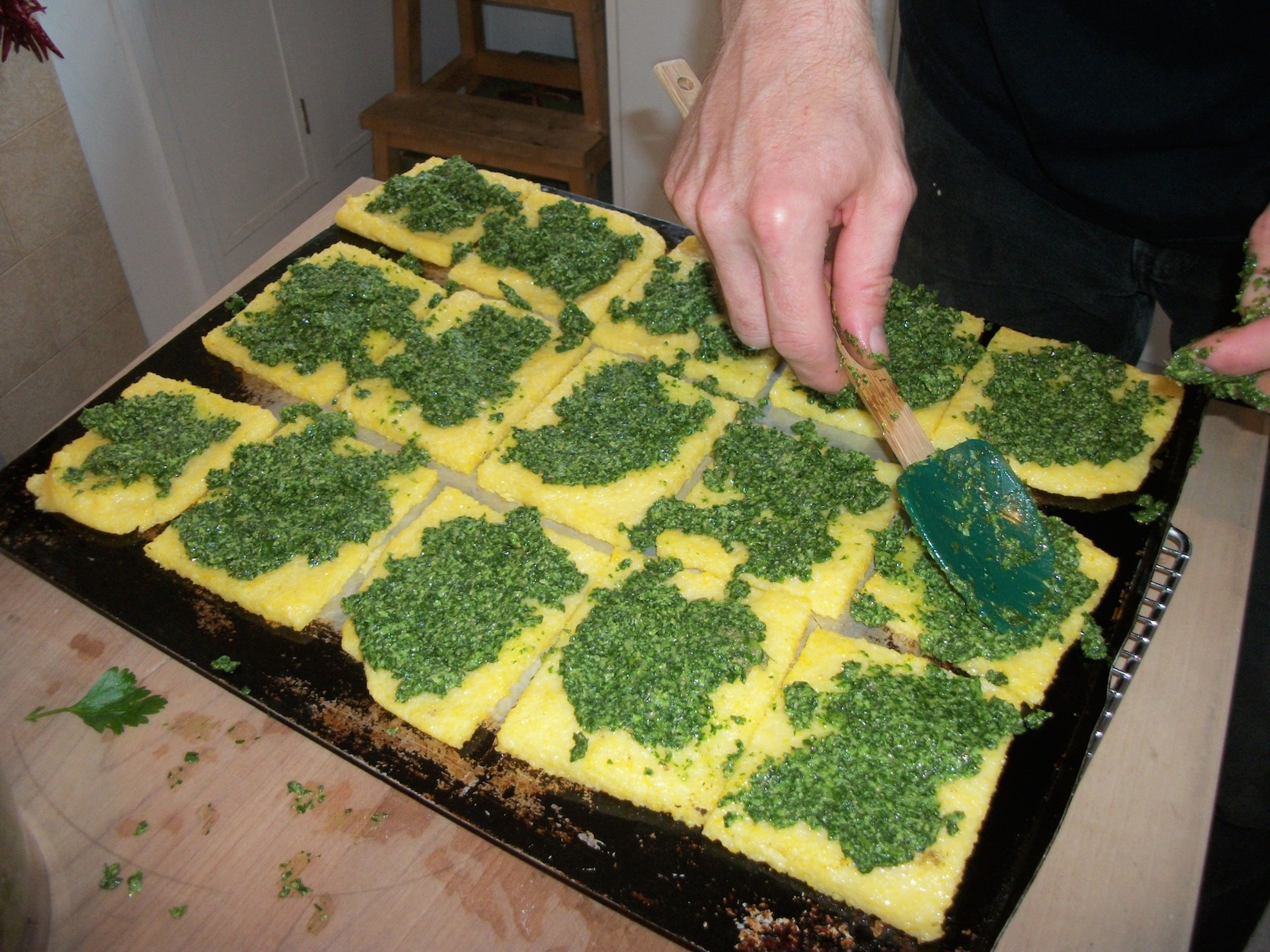
Next thing I know, I’m making firm polenta, and Ian is picking the herbs for a fresh parsley pesto.

What arrives on the table an hour and a half later is nothing short of extraordinary—polenta crostini topped with pesto, sautéed mushrooms and cheese, with braised asparagus on the side.

I point out to Ian that most other people are heating up TV dinners on a Thursday night…


Doing my best

100_3242 copyMy post Springtime Pests was picked up by World Organic News today, and I was bemused.

Not so much that the post was picked up, but that I’ve never particularly thought of myself as an organic gardener.

In the same way, I rarely think of myself as vegetarian.

Or as a blogger.

And, clearly, I’ve not got the blogging thing down, because I have never tagged a post as ‘organic’, and only recently thought to tag a post as ‘vegetarian’.

I grow food.

I eat food.

My only claim is that I think about what I eat and grow, and how I do it.

I am neither perfectly organic, nor perfectly vegetarian, but I do my best.

That’s all we can ask of anyone.

No Eggs

Photo: Eric Weiss

Photo: Eric Weiss

All day, I dreamed of tofu meatballs with spaghetti. I drove home this afternoon thinking of them. As I did my afternoon chores, I picked the ingredients I needed. I watched the time—meatballs take a bit of extra preparation, and I’d have to start cooking dinner earlier than usual.

The time came, and I washed the vegetables and started to chop them.

And realised I didn’t have any eggs.

I couldn’t make meatballs without eggs—they’d never hold together.

It’s not a problem I usually have. I usually have more eggs than we can eat, and I have to come up with creative ways to use them.

But the chickens are on strike–my lovely hyline chickens that are supposed to lay for years…but only managed about 18 months before they were done. I thought, well, they’re just moulting…they’ll start laying again. Then I thought, well, it’s the middle of winter…they’ll start laying in spring. But, no, they are not going to lay again. They’ve retired already, much to my disappointment.

I have mostly had brown shavers before, and they are productive, but short-lived birds, and I was tired of “disposable” livestock. My attempts with heritage breeds died with the three expensive birds I bought years ago that came riddled with disease and died within weeks. So I was thrilled with the idea of the hylines—a ‘new’ breed with a longer lifespan than the shavers.

Ha. My last brown shaver laid eggs until she was 4 years old, but none of the hylines are still laying.

I have been trying to contact the local brown shaver breeder, but have had no luck, so I still don’t have a young flock on the way to point-of-lay.

And I still have no eggs.

I bagged the vegetables I had prepared and put them in the fridge. I went out to the garden and picked a different set of ingredients, and we had a lovely Indian charcharis instead.

And tomorrow I’m going to try calling another breeder. I may have to drive an hour to get my birds, but I need some new birds. Now.

Cranky Kids

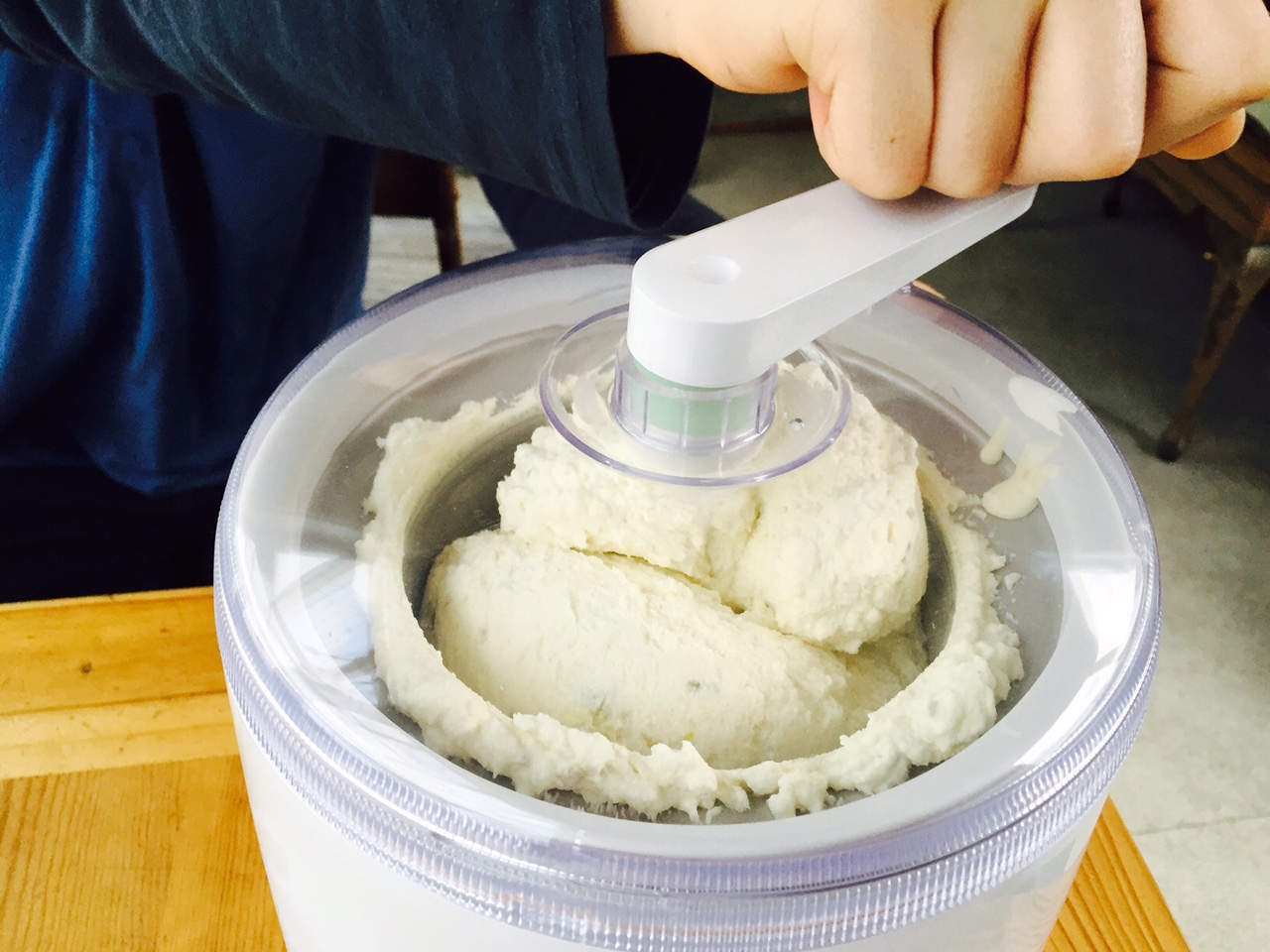
crannkicecreamChurning ice cream by hand was a rite of summer for my generation. Our ice cream maker was a big green bucket, in which we placed ice and salt. Then the metal canister full of cream, sugar, and flavourings would be sunk into the ice, the wooden paddles inserted, and the crank latched into place.

Then it was the kids’ job to crank and crank and crank and crank and crank and crank and crank, until the ice cream was frozen. We were always sweaty and tired—desperate for that ice cream by the time it was ready.

I don’t know how many children have the opportunity to hand crank their own ice cream these days. Very few, I expect.

A few years ago, I bought my husband an ice cream maker for Christmas. I had resisted the gift for years (in spite of his not-so-subtle hints), because the only ice cream makers I could find were electric ones. I hate the whine of an electric ice cream maker, and…well, ice cream just doesn’t seem home made if you don’t crank it yourself. But then I came across a fabulous hand-cranked machine that combines the best features of the electric machines and the old-fashioned hand-cranked ones.

It’s much easier to crank than the old-fashioned ones (probably because the old ones held a gallon of ice cream at a time, and this one only holds a quart), and there’s no need for ice and salt, as the inner canister is chilled in the freezer.

And best of all, the kids can crank their own ice cream, leaving the adults to sit down and relax while the kids make dessert!

Springtime pests

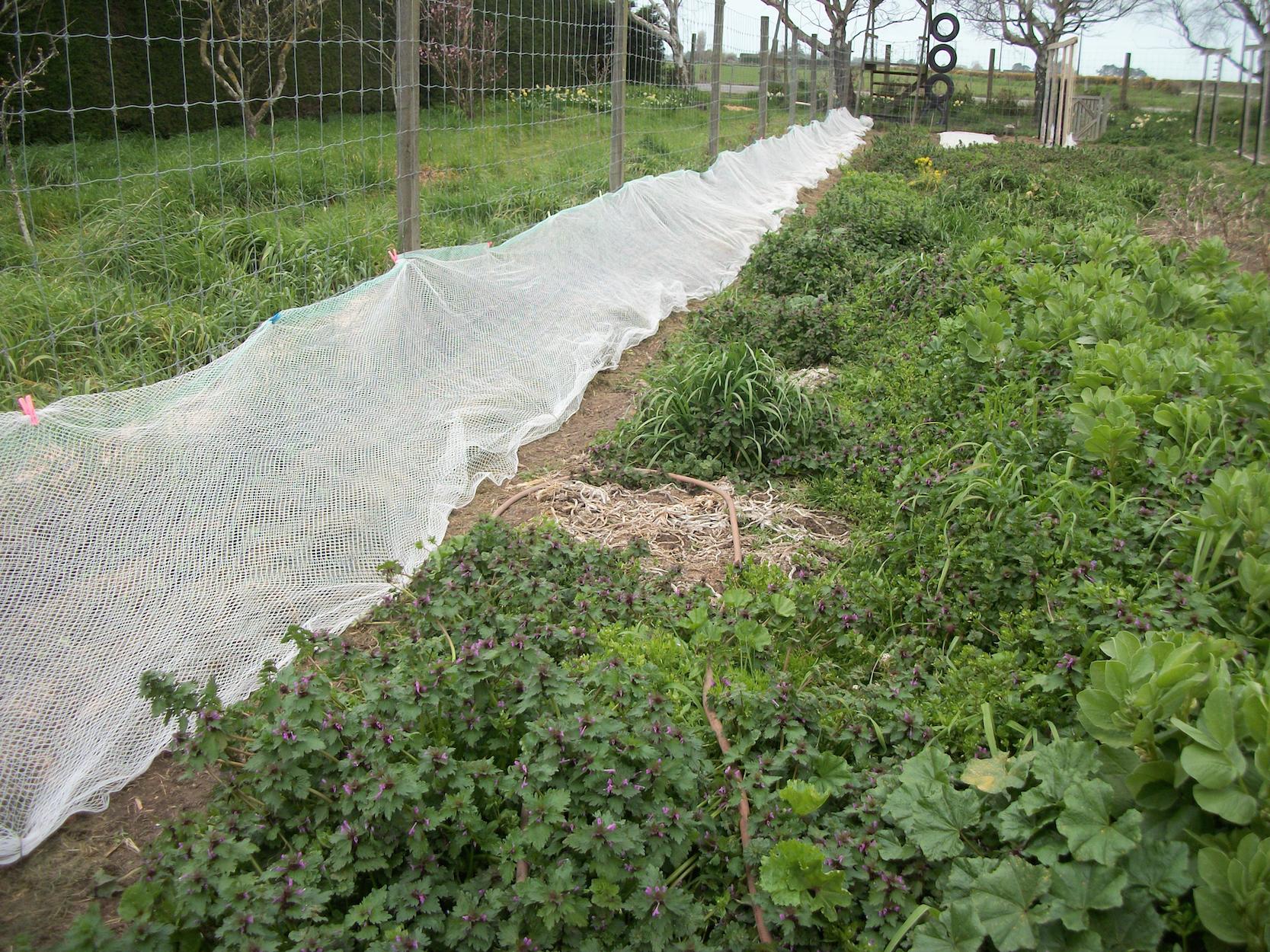
Netting covering newly-planted pea seedlings

Netting covering newly-planted pea seedlings

Pests are always a concern for me—rats and mice get into my animal feed, hedgehogs eat my cucumbers, brush-tailed possums strip the bark off trees, slugs devour the strawberries, aphids infest the lettuce—but springtime is the worst season for pests.

And English sparrows are perhaps the worst pest I deal with.

Sparrows are a problem year round. In autumn and winter, they roost in the sheds, covering everything with their droppings. They rummage through the compost pile, spreading kitchen scraps everywhere. In spring and summer, they nest in the gutters, causing rainwater to back up into the house instead of going down the drains. Or they nest the sheds, where they make an even bigger mess than they did roosting there all winter.

But the most annoying thing the sparrows do is eat seedlings. They sit in the trees and watch as I plant out my peas and lettuces, then descend upon the garden and gobble them up as soon as my back is turned. Nothing is safe from them until it is at least 30 cm tall.

Until a few years ago, the damage was minimal. The neighbour used to poison the sparrows, and their population was relatively small. Since he retired and sold his farm, however, the sparrow population has increased dramatically. The new owner doesn’t poison the birds…which I’m happy about on one hand, because it is not a humane death (I hated finding dying birds on the property–horrible to watch). On the other hand, the sparrow population has reached plague proportions.

Which means spring planting is an exercise in pest control.

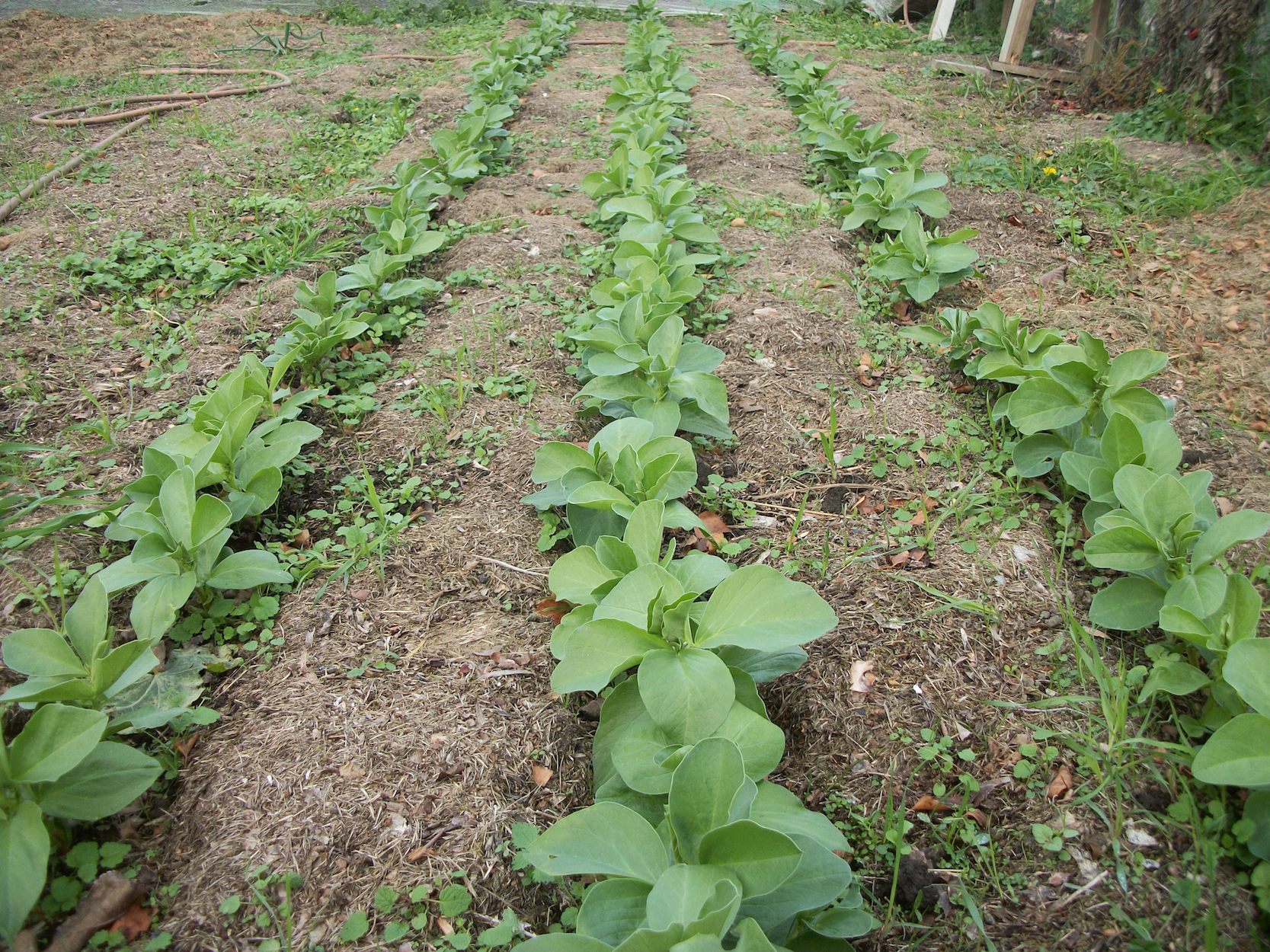
Everything I plant has to be covered with bird netting for a few weeks or it is eaten to the ground. And once I remove the netting, I’m sure to lose some plants as the birds strip half the leaves within a day of the covers coming off.

I suppose I should take the Panamanian approach to planting—three seeds in each hole—one for me, one for God, and one for the pests.