
In Case You Missed it: FREE Books!
While I wait for my beta readers to read Fatemaker, I’ve been planning the sequel to Demonic Summoning for the Modern Woman. I’ve spent a lot of time the past two weeks staring off into space while I think, researching really weird things, and taking long walks while I sort out ideas.

I’ve learned a lot about planning a novel since I made my first, aborted (and truly dreadful) attempt at one.
I’m definitely a planner, rather than a pantser when it comes to writing novels. I find writing the first draft difficult, and have learned that the better I plan, the easier the first draft is to write. I thought I had a pretty good system in place, but when I sat down to write Fatemaker I found my planning completely inadequate, because there were so many threads to draw together in the final book of an epic fantasy series. So I wrote a chapter by chapter plan of the book, summarising what had to occur in each chapter in order to wrap up everything by the end of the book. It probably took a week to create that summary, but by the end of the week, I had a detailed guide for my story, and I could focus on it chapter by chapter as I wrote, without worrying that I was forgetting something. I wrote the first draft in three weeks, rather than my usual six to eight weeks.
So I’m following the same process for the second book of the Rifton Chronicles, even though this book is not overly complex. Hopefully it will make the first draft fly onto the page.
My current planning process looks like this:
Oh, yeah, and there’s the staring off into space, researching bizarre things, and taking walks—those are critical components of every step in the planning process.

Looking for some holiday reading? I’ve teamed up with a heap of other authors to offer you free fantasy, science fiction and paranormal reads this month. Go wild and stock up on holiday reading material.

I’m thrilled to announce that the Tamariki Book Festival is back again this year after a 3-year Covid hiatus. This year, we’re running it in conjunction with KidsFest, and once again we’re holding the festival in lovely Tūranga, Christchurch’s central library.
Tamariki Book Festival brings children’s authors and illustrators together in a fun festival atmosphere. Kids of all ages can meet authors; do crafts, games and other fun activities; and discover new books.
We’ve got some fabulous authors and illustrators lined up. We’d love for you to join us:
Saturday 1 July, 11 am – 4 pm
TSB Space, Tūranga
Christchurch
Entrance is free and no registration is required. However, if you register, we’ll send you a reminder so you don’t miss the date.
I’m thrilled to be able to show you the cover of Fatemaker, the third and final book of the Fatecarver trilogy! Fatemaker will be released later this year. A huge thanks to the awesome Jenn Rackham for the covers of this series!
There’s still time to read books 1 and 2 before Fatemaker is released. Get them here.

The second instalment of Dragons of Aotearoa New Zealand is here!
In this episode, we explore the dangers of an encounter with one of Aotearoa’s most elusive and surly dragons.
Like a little romance with your witchcraft? Forty-two authors have joined forces to bring you paranormal romance and urban fantasy romance stories featuring witches, mages, and wizards. We’ll be promoting these books all month during the Witchy Book Fair.


My cosy urban fantasy, Demonic Summoning for the Modern Woman, is one of over 45 new releases featured in this month’s BookMojo promotion. Check out a wide range of books you’ve never read–you might find your next favourite author!
My epic YA fantasy, Fatecarver, was featured on JD Reads. 🙂 Watch below, or on YouTube.
And have a look at the other books he features on his channel–there’s some great stuff there!
Demonic Summoning for the Modern Woman is here! Woo hoo!
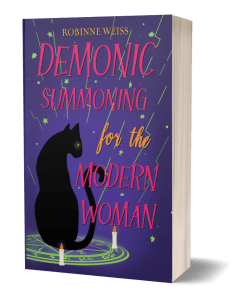
Alex Blackburn is not a witch.
So how the hell did she summon a demon?
More importantly, how is she going to get rid of it?
When Alex Blackburn returns to small-town Rifton to settle her grandmother’s estate, she doesn’t expect to uncover Gran’s secret affair or to accidentally summon a giant centipede from the netherworld.
With a pet-eating demon on the loose, Gran’s things to dispose of, and only two weeks off work, she doesn’t have time to waste. Getting rid of the creature is her first priority.
Shelby Saunders, grandson of Gran’s lover, might just be the one to help her. If she can convince him the demon is real.
Can two people who don’t believe in magic conjure enough of it to send a demon home? In Rifton, you never know what might happen.
This cosy urban fantasy set in small-town New Zealand will have you checking under your seat for centipedes and cheering on Alex and Shelby as they bumble their way around magic and each other. The first in a brand new series of magical adventures set in Rifton.
 Robinne Weiss