Vigilance

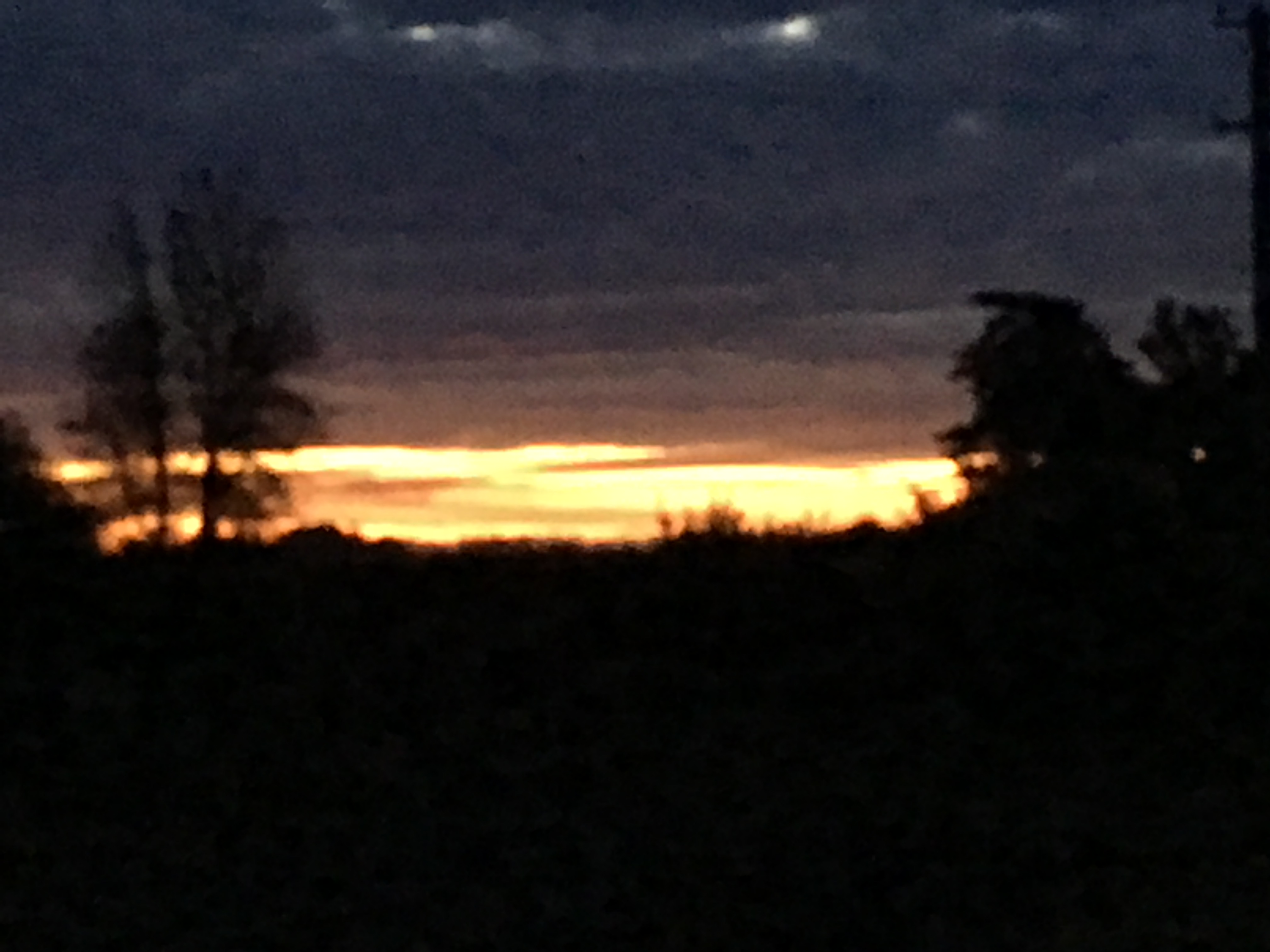
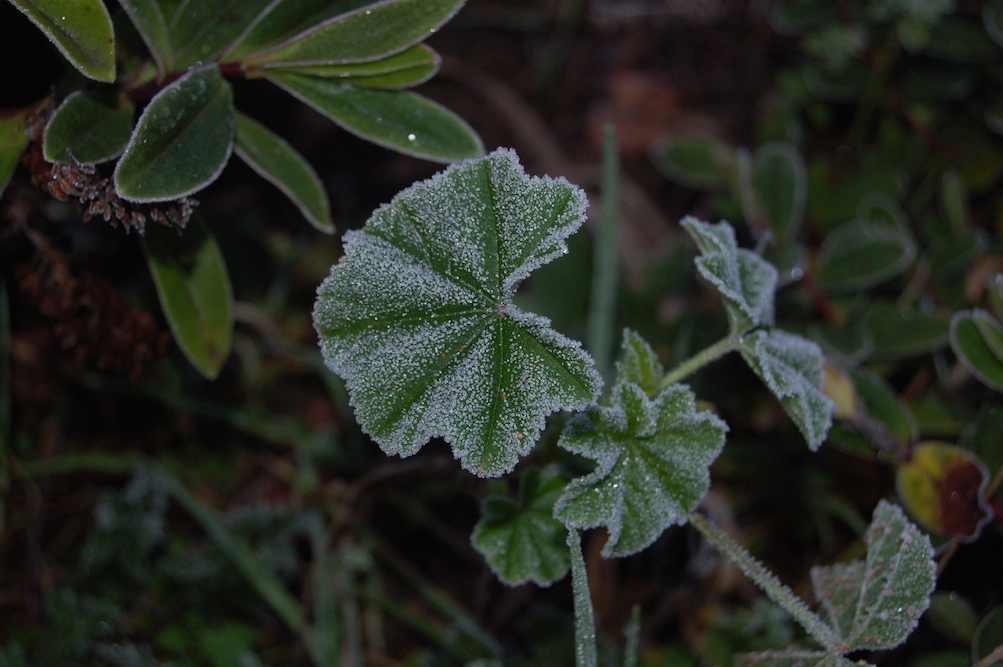
Will we wake up to this tomorrow?

Will we wake up to this tomorrow?

I watched the weather forecast closely this week. The week after plant out, when all the frost tender vegetables are newly planted, is when it usually happens.

A day of cold southerly rain, bringing much-needed moisture. The rain is good, and the low daytime temperatures won’t damage the plants.

But somehow, those rain clouds always blow away as the sun sets. The wind dies, and the air grows still as the temperature plummets.

The weather forecasts rarely predict these frosts, but I’ve learned to look out for them.

Today, as the clouds broke just in time for a spectacular rainbow before sunset, I knew the garden would be in trouble before dawn.

I pulled out all the frost cloth I own, and as the light faded, covered as many tender plants as I could. At this point, I can’t possibly cover them all, but I can strategically save those I would be most sorry to lose, and those that are most sensitive to frost.

Before dawn I will be in the garden again checking for frost. If I’m lucky, there will be none. If I’m unlucky, I’ll spend the early hours hosing down the plants I couldn’t cover in the hopes of saving them.

The strategy works…mostly. But just one frost at this time of year can change the landscape in the garden and the food choices we have through the next twelve months. It pays to be vigilant.

Strawberry Secrets

2016-11-16-14-50-36-smShhh!!

Don’t tell my family.

I ate the first strawberry of the season!

It was delicious!

I’m usually quite generous with my garden produce—everyone gets a fair share of the goodies. But when it comes to the first strawberry of the year, I turn selfish.

I always get the first strawberry.

I get it, because I plant, and weed, and water, and weed again. Because in two weeks, I’ll be spending an hour a day just picking berries, then countless hours processing them into jam and other yummy treats for everyone to enjoy.

It’s my sweet reward for a year of work.

The secret will out in a day or two. When I come in with three berries, and give one to everyone else in the family, saving none for myself, they’ll know. They’ll know I ate the first one already.

But by then it won’t matter. I will have gotten the first one.


Celebrating Spinach

2016-11-09-17-53-08-smThe garden is bursting with spinach right now, and we are loving every minute of it. Most meals have spinach in them at this time of year, and some are mostly spinach with a few other things added.

This dish was one of those mostly spinach meals—soft polenta topped with garlic and spinach, cooked just until the spinach begins to give up its moisture. The dish is supposed to also have lots of onion in it, but last year’s onions have all sprouted, and this year’s aren’t ready yet, so I used a handful of chives, instead. And just because I felt like it, I sprinkled some purple chive blossoms over the top, just for the colour.

The result was pretty, and quite tasty!

Dancing in the Moonlight

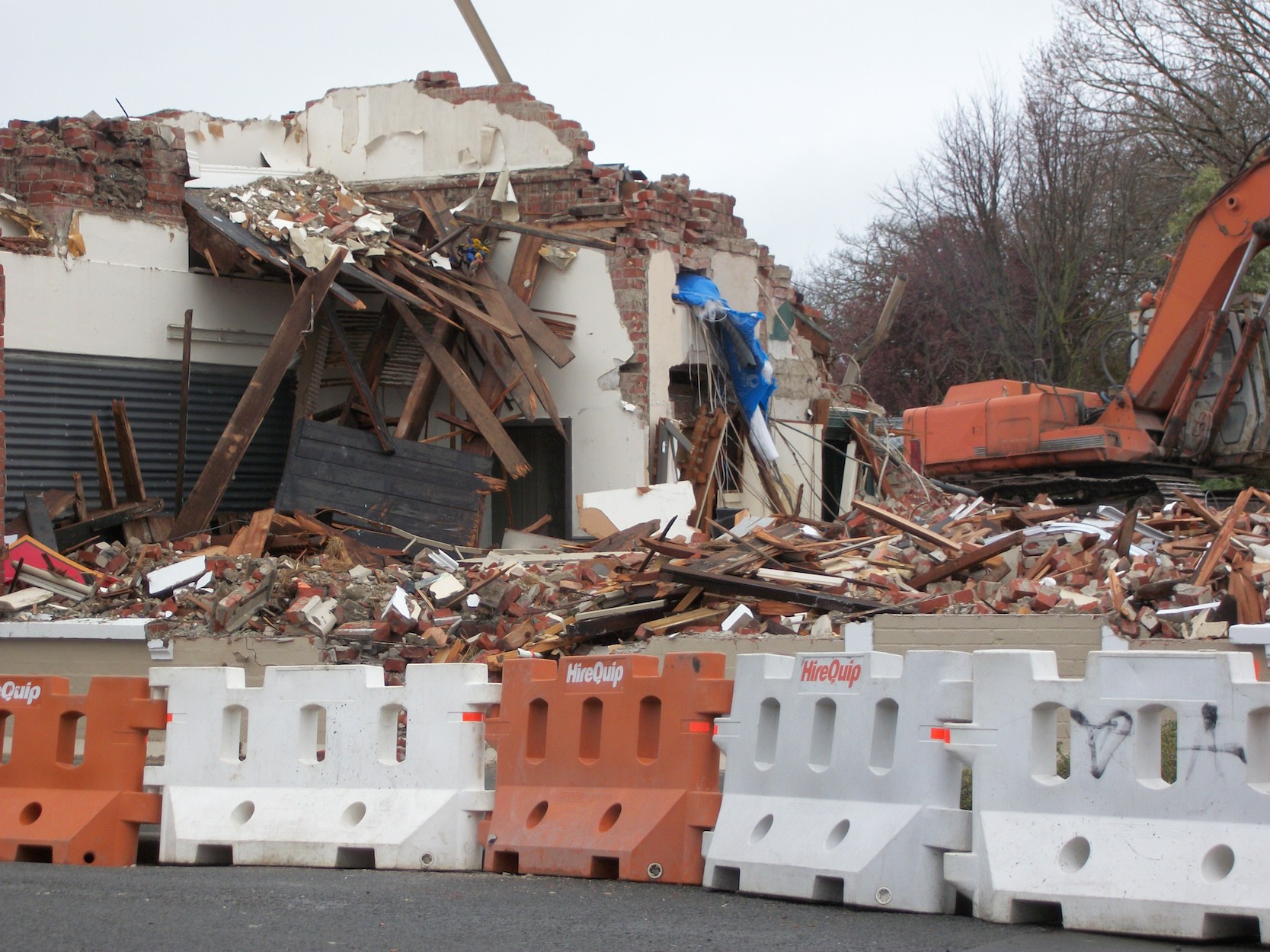
Damage from the 2010 quake.

Damage from the 2010 quake.

It seems strange, on a day we were shaken out of bed by another major earthquake, to blog about food or the garden. But I also feel like I’ve blogged about earthquakes so many times in the last six years, that I have little more to say about the experience.

However, every quake has its own character, and I find each one affects me differently.

This one struck around midnight last night. I must have been half awake, because I remember anticipating it, as though I was listening to it rumble across the plains. It started as they all do, with the jolt of the first shock wave. It built to a powerful roll, then stayed there, rocking the house like ocean swells, for almost two minutes.

I had no need to get out of bed; bed is, after all, one of the safest places to be. But as the shaking continued, my curiosity got the better of me.

It wasn’t enough to experience the quake in bed. I needed to feel it more. To know it better, if it was going to hang around so long. I stood in the bedroom doorway, gazing into the moonlit living room. The door frame swayed under my hand, and I felt as though I were on a ship, a hand on the railing, riding the waves.

There was time to feel each wave as it rolled through the house. Time to anticipate the next roll. I fell into rhythm with the swaying house.

And still the waves came. The house and I moved gracefully with each one, dancing in the moonlight.

And because the quake was distant enough, the S-waves came separately, like the gentle sloshing of a bathtub after you’ve stepped out. Like a long, quiet coda fading into silence.

After the thousands of quakes we’ve experienced in the past six years, we knew that the quake was huge, and farther away than previous ones. We knew that somewhere, people’s lives had just been torn apart. Somewhere, that gentle rocking had been a fierce shaking.

But for me, there had been no fear in that quake. We met, we danced in the moonlight, and then it was gone.

In the morning light, we assessed the damage—there was little. Our water is brown, but that will settle when the aftershocks end. But morning brought the news reports and photos of devastation. My heart goes out to everyone who has lost a home, business or loved one. To everyone stuck in towns surrounded by landslides and broken bridges. To everyone who spent the night shivering on a hilltop listening to the tsunami sirens. To everyone who worked through the night and through the day to clear the mess, help neighbours, and rescue those trapped. To everyone who will spend the next five or ten years clawing their way back to a normal life.

Kia kaha.

Literary Transitions

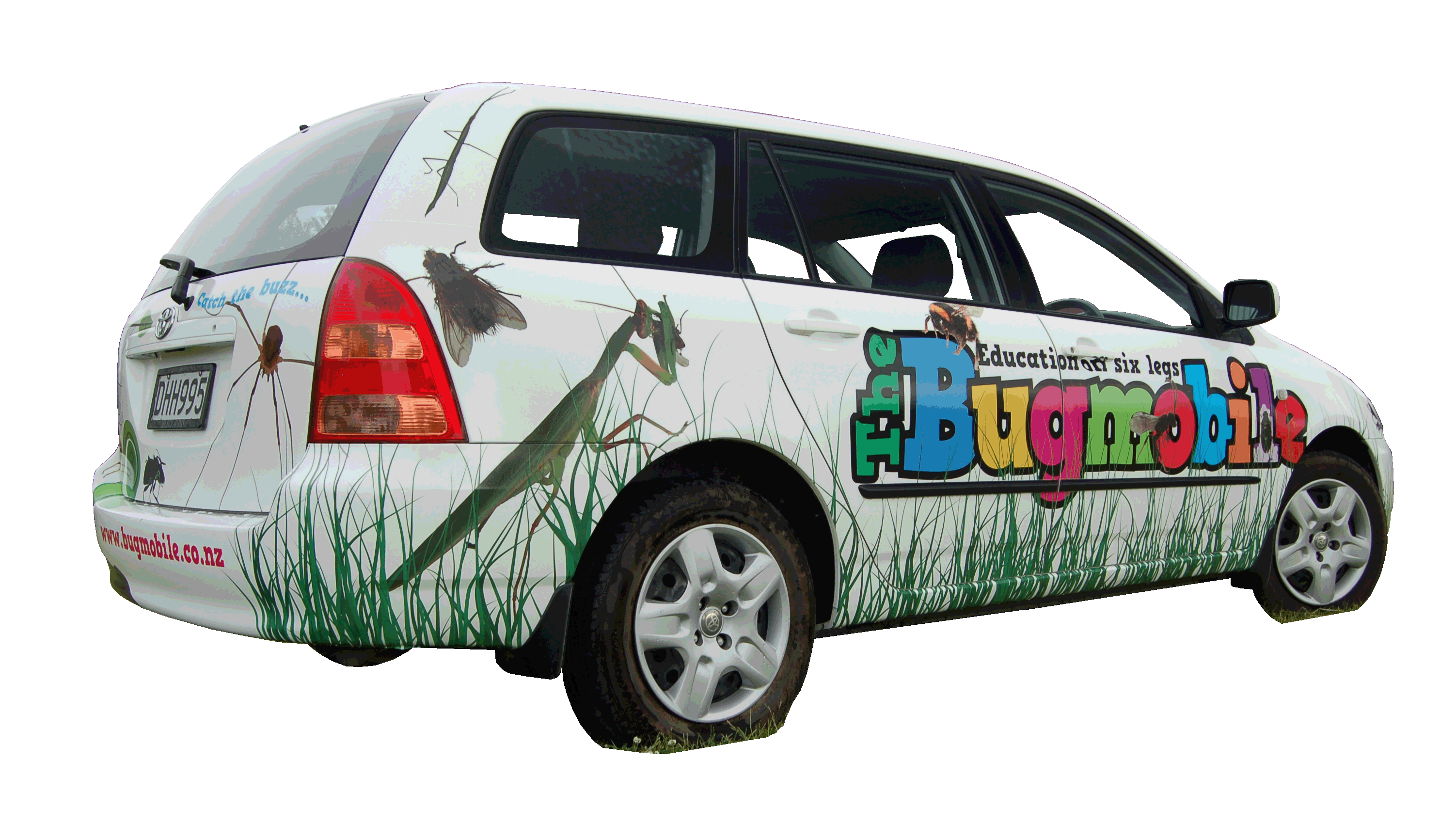
The Bugmobile, before being turned into the Boringmobile.

The Bugmobile, before being turned into the Boringmobile.

When I took the sign writing off the Bugmobile, the kids dubbed it the “Boringmobile”. A plain white station wagon, like every other plain white station wagon in this land of millions of plain white station wagons.

I promised to do something to try to reclaim a little of the Bugmobile’s former glory, and decided that insect poems meandering around the edges of the windows would be easy and fun to do, and would be a sort of bridge between the Bug Lady who was, and the writer who is.

It has been a year and a half, but I’m finally getting around to the job. Here is the first of the poems for the new, literary Bugmobile.

Butterfly and dragonfly,
Honey bee on clover.
Thrips upon the flower heads,
And syrphid flies that hover.

Mantids hunting in the grass.
Crickets in the garden.
Caterpillars’ silk cocoons,
And beetle wings that harden.

Sparkle, glitter, flutter wing.
Bugs that hop, and bugs that sing.

All these wonders
Here to see.
A gift for you.
A gift for me.

Excellent Chocolate Cake Recipe

2016-11-10-21-26-12-smIf you made my pumpkin cupcake recipe last week, you’ll have leftover cream cheese frosting. Here’s another amazing cake to use that leftover icing on. This comes straight from the 1997 edition of Joy of Cooking. It is an odd recipe, and making it takes more bowls than any other cake I’ve ever made. But it’s worth the extra washing up—rich and chocolaty!


In bowl #1, combine:
1 cup sugar
½ cup unsweetened cocoa
½ cup buttermilk or yogurt

In bowl #2, combine:
2 cups flour
1 tsp baking soda
½ tsp salt

In bowl #3, combine:

½ cup buttermilk or yogurt
1 tsp vanilla

In bowl #4 (a large one), cream:
8 Tbsp (125 g) unsalted butter, softened

Gradually add and beat on high speed until light in colour and texture:
1 cup sugar

Beat in 1 at a time:
2 eggs

Beat in the cocoa mixture. Add the flour mixture in 3 parts, alternating with the buttermilk mixture. Spoon into greased and floured pans (makes 2 9×2-in layers), or paper lined muffin tins (makes about 18).

Bake at 180°C (350°F) for 30-25 min for cake, 25 min for cupcakes.

Silent No More

I have been trying to stay quiet during this election season. The rancorous debate over which candidate was less evil didn’t need one more angry voice shouting. But I was reminded today by my fellow writers that we have a moral obligation to be the voice that describes a different world. A world that celebrates diversity. A world in which everyone is safe, and free, and has food, housing, and health care. A world in which racism and sexism are not tolerated. A world in which people care about one another—not just about those who look like themselves and who worship the same god, but about the sum total of humanity. A world in which people think and act for the good of the planet, not just for today, but for the future.

It is our obligation to imagine such a world.

It is our obligation to remind the world of our own sad history, and ring the alarm bells when we see Hitler rise again. It is our obligation to bare the subtle ugliness in today’s world for all to see, and to imagine how it could be different.

But it’s not just writers who have an obligation to speak up. It’s time for everyone who values diversity to stand and be counted.

That Trump rose to the presidency on a platform of hate is a damning indictment of American culture. A culture that stands silent as it watches injustice, prejudice, and hate play out in myriad subtle and not-so-subtle ways. We can no longer remain silent. It is time to point out the hate wherever it shows itself. It is time to stop accepting that ‘haters gonna hate’.

What does that mean, from a practical standpoint? It means being brave. It means withdrawing financial and other support for organisations that perpetuate racism and sexism. It means speaking up when a friend or co-worker says something dismissive about ‘others’. It means banishing your own hateful thoughts and actions (because we all have them). It means volunteering your time to help those in need. It means lobbying your legislators. It means getting involved in your own local politics.

It will take so many actions, little and big, subtle and overt, to change the culture of hate. None of us can do it alone. But I know we are not alone. From my vantage point here in New Zealand, I know that much of the world is with us. Let us do them together. Don’t wait for the new year to make your resolutions. Make them now. Stand firm. Speak out. Imagine a world of love, and make it so.

Ripgut Brome

2016-11-08-16-14-49Ripgut brome. How can you not be curious about a plant named ripgut brome?

I was certainly curious, after it took over my yard this spring. I’ve hauled countless wheelbarrow loads of ripgut brome to the compost pile, and I’m still finding it everywhere.

Ripgut brome (Bromus diandrus) is an annual grass native to the Mediterranean region. It probably arrived in New Zealand as a contaminant in grain, or in the wool of imported sheep. It’s a tall, sprawling plant, and seems to spring up overnight to suddenly form a dense thicket anywhere that isn’t regularly mown or grazed.

The leaves of ripgut brome are rough, and feel like sandpaper on bare legs and arms. They leave countless, fine scratches like paper cuts on the unwary weeder.

But the worst part of ripgut brome is the seed. Sharp, and covered in little hooks, the seeds catch and burrow into animals’ fur, eyes, skin, feet and intestines (I assume that’s where the name ripgut comes from).

And like all good weeds, it produces copious seeds (over 3000 per plant), aggressively outcompetes other plants, and is drought tolerant. It has also evolved herbicide resistance in some areas.

There’s only one thing for it on our property—to pull it up before the seeds mature. The good news is, that it’s got a shallow root system, so it’s not difficult to pull. The bad news is that it covers almost every inch of our acre and a half.

Sisyphus had it easy…

Rain

2016-02-24-20-57-32I wake
To the sound of rain.

It is not morning.

It is the rain
That has dragged me from sleep.

No.

Not dragged.

It has nudged me awake
Accidentally
Like my husband does
When he comes to bed
(Night owl that he is,
And me an early riser).

Like my husband,
The rain has lain down beside me.
A comfort,
Knowing he is there,
Knowing the rain is there
Watering the garden,
Making the grass grow in the paddock,
Tamping down the dust.