Nīkau Palm Gully

img_3044-smWe spent the weekend on the Banks Peninsula. Saturday we kayaked around Akaroa Harbour all day, and today we hiked out to Nīkau Palm Gully.

The track out to Nīkau Palm Gully is easy walking, as it follows a farm track. It’s pleasant, but not exactly wilderness. The views out over Akaroa Harbour, however, are spectacular. And at the end of the track is the steep drop down into Nīkau Palm Gully.

The gully is a tiny V of land, hemmed in by cliffs, and sporting one of the few remaining remnants of original Banks Peninsula forest.

Most notable among the trees are the palms which give the valley its name. The nīkau palm is the southernmost palm in the world, and New Zealand’s only native palm. It is found in coastal lowland areas, and the Banks Peninsula is as far south as it ranges on this coast. There are nīkau scattered around the Peninsula, but the population of them in Nīkau Palm Gully is impressive.

Nīkau palms are slow-growing. They begin as clusters of leaves growing on the forest floor. It may take forty to fifty years before they begin to form a trunk, and up to two hundred years to reach their maximum height of 10-15 metres. There are individuals of all sizes in Nīkau Palm Gully.

People have been visiting the gully for many years. One tree still bears the mark of a visitor who carved the year–1907–onto its trunk. A pair of amusing (to a reader over 100 years later) letters in the Akaroa Mail in 1909 indicate that the gully was, even then, considered a special place. In the first article, a member of the Beautifying Association writes a scathing indictment of the Akaroa Boating Club for having cut down several palms in the gully to use as decoration for an event. In a subsequent issue of the Akaroa Mail, a member of the Boating Club explains that they only removed a few leaves, not whole trees. The letter writer then goes on to accuse the Beautifying Association of removing entire plants (seedlings) from the gully for their gardens.

Thankfully, the landowners whose farm once encompassed the gully understood its significance, and gifted it to the Department of Conservation (in exchange for one 10-cent stamp presented to them on behalf of Her Majesty the Queen). It is now protected as a scenic reserve, and has been linked to other patches of native vegetation through a number of land covenants on adjacent properties.
 

Greengages

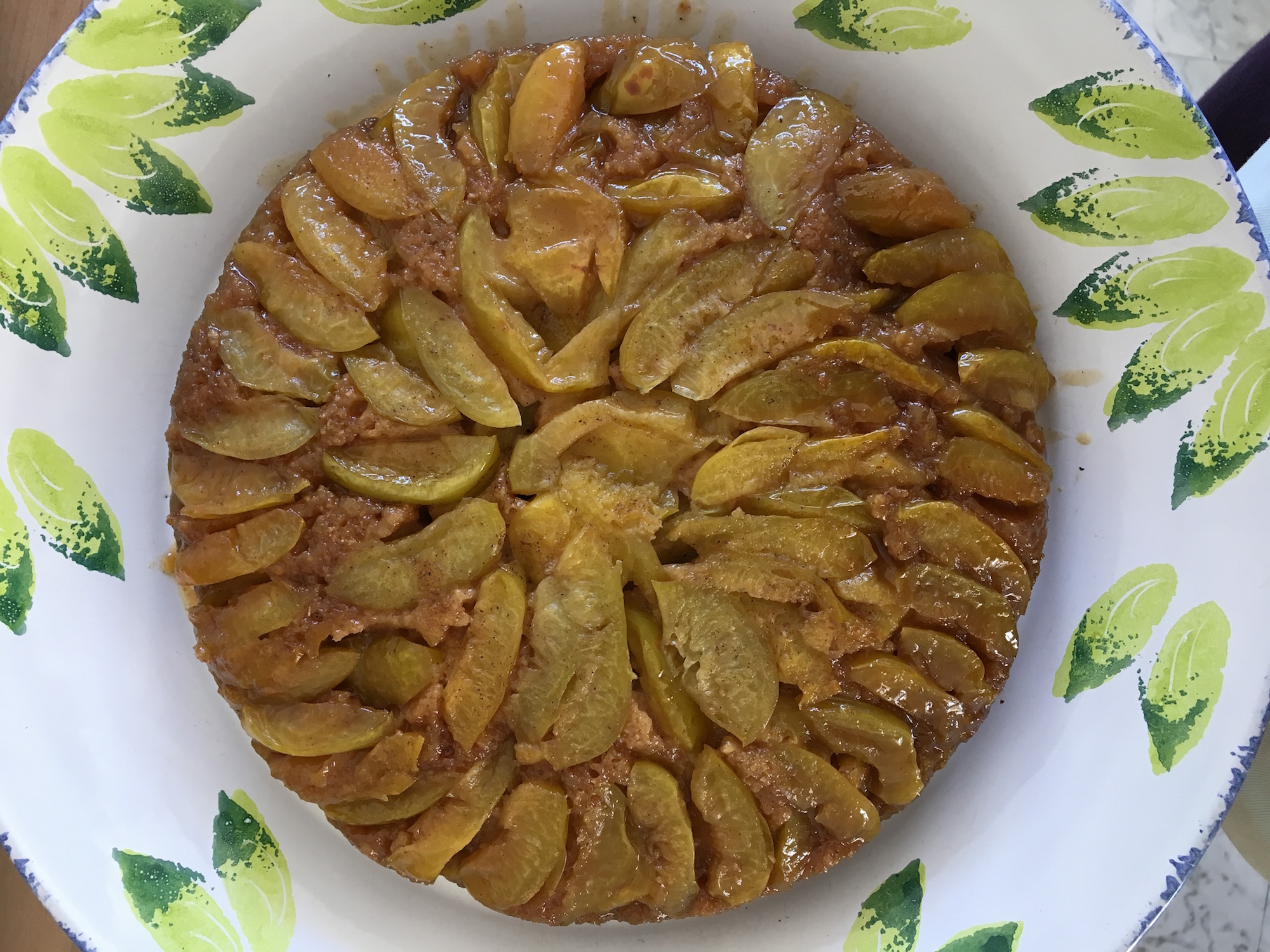
2017-01-25-14-58-09-smWe don’t often get many greengage plums. Our tree is small, and it sits in a windy location, so many fruits blow down before they are anywhere close to ripe. This year wasn’t too bad–we harvested about three kilos of fruit. Plenty to enjoy.

One of my favourite things to do with summer stone fruits is to make upside down cake. Indeed, I’ve blogged about it three times in the past two years. So today I’ll ignore the cake, and mention the plum, instead.

I didn’t know a lot about greengages before coming to New Zealand, where I found a fair number of people had them growing in their yards.

Greengages are named after Sir William Gage, who imported them to England from France in 1724. The cultivar he imported had another name, but apparently the tag was lost in transit (These were the days before anyone considered biosecurity…Importing a strange plant? Whatever). They were popular in America in the 1700s, but fell out of favour in the 1800s.

According to a 2004 article in the New York Times, there’s good reason greengages fell out of favour. The trees take longer to mature than other plums, they fruit erratically (I thought it was just our tree), the ripe fruit is fragile, and they’re prone to cracking and rotting on the tree. Not exactly an easy plum for commercial production.

But the greengage is considered one of the finest plums for flavour. Grown commercially, it fetches a high price. According to the New York Times article, in 2004 fewer than 100 greengage trees were harvested commercially in the United States. They are more common in Europe and New Zealand. New Zealand exports a small quantity of greengages to the US each year, where they are sold in specialty markets.

So I feel much better about my 3 kilo harvest of greengages. They are wonderful, and if they’re a bit finicky to grow? Well, that just makes them all the more special when we have a good year.

Crazy Cake Season Begins!

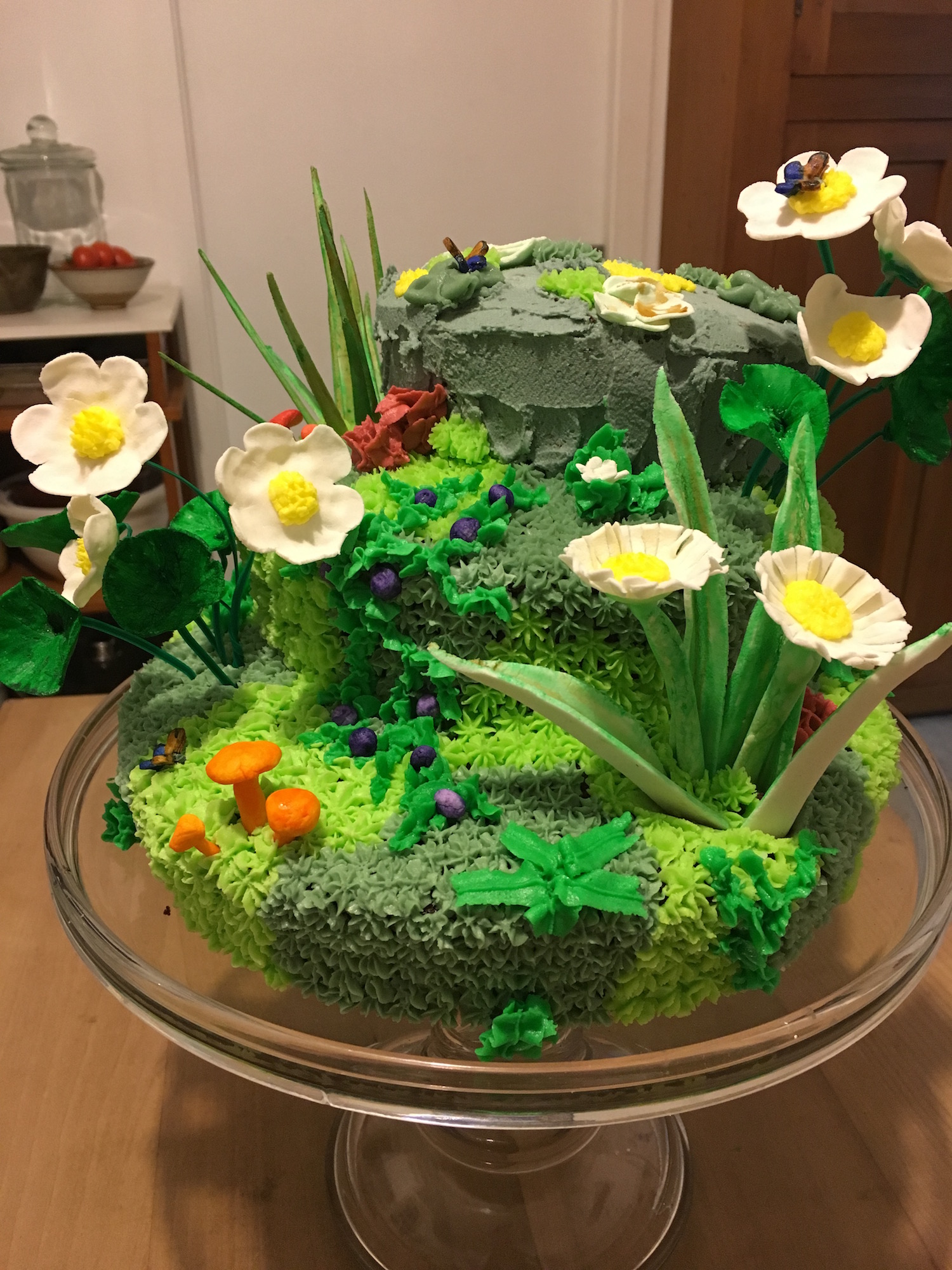
2017-01-26-21-49-17-smWoo hoo! My favourite time of year–the time when I have lots of excuses to make ridiculous cakes–has begun with the daughter’s birthday.

I like to try new cake decorating techniques, and this year I’m using Mexican paste. It’s surprisingly easy to make and to work with, if you don’t mind remortgaging your house to pay for the gum tragacanth that gives it the right texture. I expect the stuff is dirt-cheap elsewhere in the world, but here the price was shocking (about $10 per tablespoon).

Great fun to work with, though. I’ve already gotten my money’s worth in entertainment.

Combine 227 g (8 oz) icing sugar (confectioner’s sugar) and 1 Tbsp (15ml) gum tragacanth in a bowl. Add 2 Tbsp water. Stir until it becomes crumbly and damp. Turn out of the bowl and knead until pliable. Place in a plastic bag and leave at room temperature for 12 hours until firm. When you’re ready to use it, break off a small piece and knead until softened.

The paste can be moulded into shapes, or rolled thin and cut with cookie cutters. It works a lot like modelling clay, though it tends to stick. I rolled mine out on a non-stick baking sheet, and would have appreciated a non-stick rolling pin, too, but with care I managed with an ordinary wooden rolling pin. I picked up a cheap set of fondant shaping tools that proved very helpful for producing the shapes I wanted.

After you’ve made your shapes, you need to let them dry and harden for about 24 hours. Then they can be painted with paste food colouring thinned with gin. You can also knead food colouring into the paste.

Once the paste hardens it is quite tough, but thin pieces are brittle (reminds me of unfired ceramics). I didn’t plan very well for my leaf and flower stems. I made the leaves and flowers, and only considered what I was going to use for stems after they’d dried. In hindsight, I should have attached the stems while the paste was still pliable. Nothing a little gingerbread icing, used as glue, couldn’t fix.

So, where was all this sugary sculpture heading?

My brief was an alpine scene atop chocolate cake.

Failure

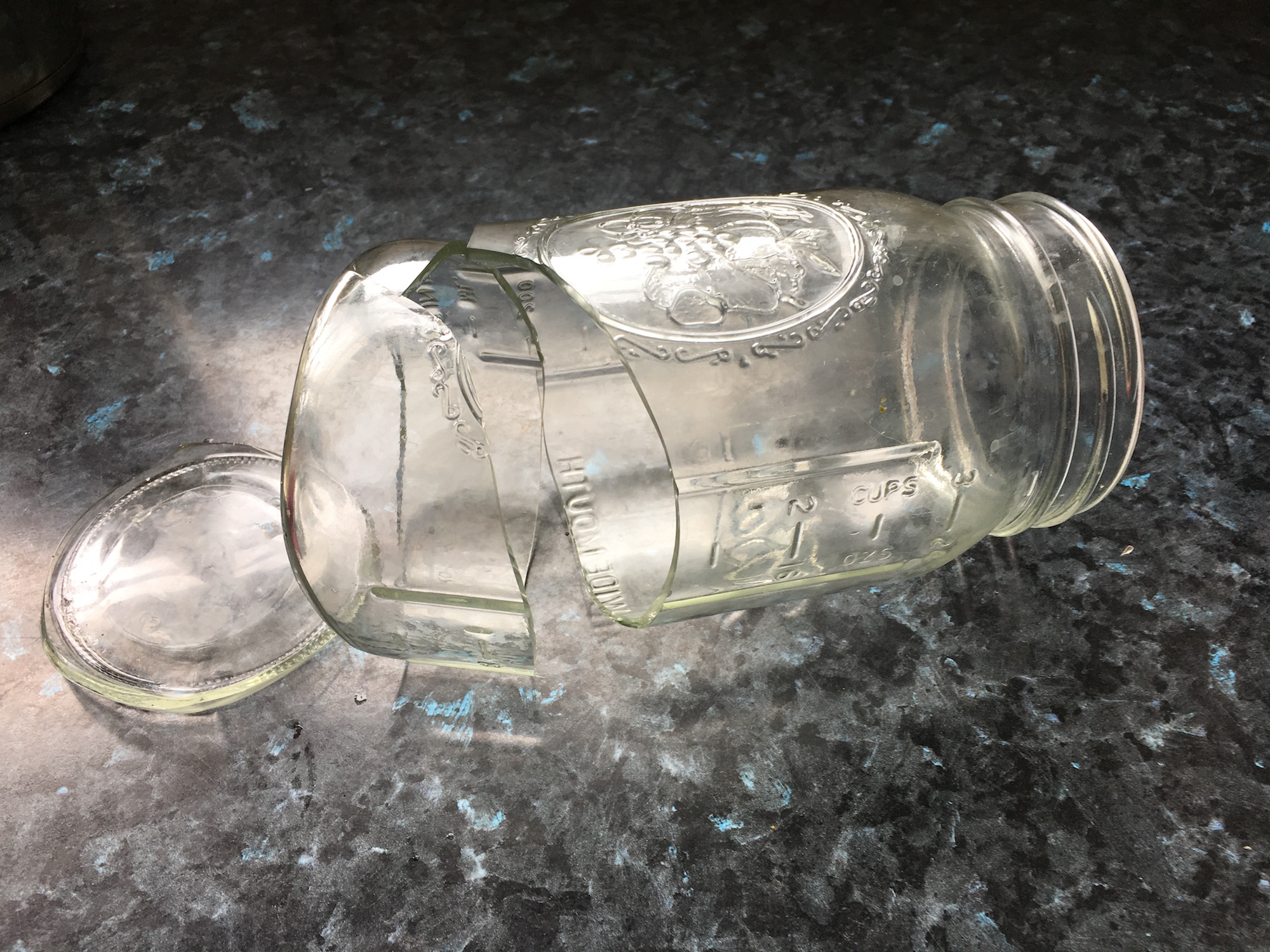
2017-01-21-09-23-03smI’ve been in a veritable frenzy of pickling the past couple of weeks. Before that, there was a good stint of jam-making. I’ve had a brilliant run. I’ve been able to run a full canner-load almost every time, every jar has sealed, and the jam has been the perfect consistency.

Until two days ago, when a jar of dill pickles exploded when it was lowered into the canner. Then yesterday, I ran fifteen jars through the canner, and FIVE of them didn’t seal. What? FIVE? I never have that sort of failure rate. I did what I always do though, upon reflection, maybe my lids or jars weren’t quite as hot as they should have been, because I was doing two batches at once, and my attention was divided.

Today I reran the five unsealed jars, making sure they were nice and hot, and they all dutifully sealed.

But it made me think about failure and my response to it.

I fail a lot. I have hundreds of rejections of my writing from agents and publishers. I’ve thrown away entire rounds of cheese that just didn’t work properly. I’ve made loaves of bread that could be deadly projectiles. I’ve made birthday cakes that didn’t look anything like what they were meant to be. I’ve taught lessons that have flopped completely. I’ve made clothes that have gone immediately into the rubbish upon completion. The list of my failures goes on and on.

When we fail, we have a number of options.

Option 1: We can pout, blaming our failure on the weather, the phase of the moon, the person next to us, the wrong tools, millions of illegal immigrants, or whatever. This might make us feel good, because it allows us to pretend our failure was not our own fault. But it doesn’t make us likely to succeed next time.

Option 2: We can get angry, blaming our failure on our own stupidity, clumsiness, incompetence, or lack of innate ability. We can believe that, because we failed, we are a failure. This is an easy response, because it allows us to justify not trying again. “I’ve tried that, and I can’t do it.”

Option 3: We can critically analyse what went wrong. Maybe it was poor tools–I’ve had cheese fail when a thermometer was inaccurate. Maybe we got sloppy–I’ve ruined garments by rushing to finish them. Maybe we didn’t understand enough about what we were doing–the first time I taught preschoolers, they chewed me up and spit me out, because I had no idea how they related to the world. Analysing our failures takes time. It requires a willingness to critique ourselves in an honest and constructive manner. It requires us learn new things. It requires us to get back on that bicycle and try again.

It’s hard.

But it’s the only option that leads to success.

Celebrate January

2017-01-24-15-13-32-smThe golden month is nearly over. January is the sweet spot of the year.

The Christmas frenzy is over. The kids are o vacation. much of the rest of the population goes on holiday too.

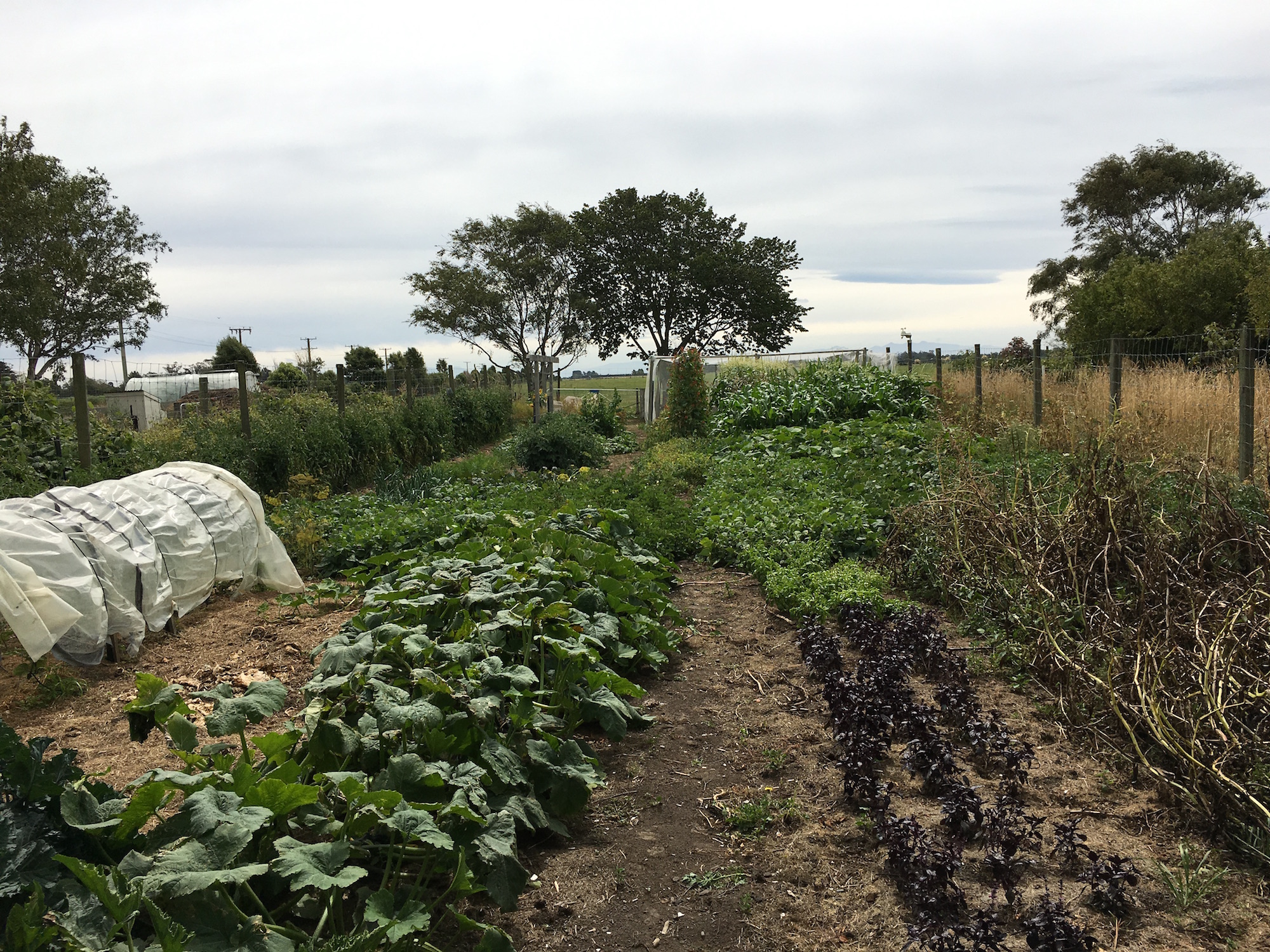
Even I get a break. By January, the plants in the garden are large enough to suppress weeds, so there’s little weeding to be done. Te early crops are winding down and the summer crops are ramping up. Full-scale bottling (canning) and dehydrating will come later. January is mostly a time to enjoy the garden’s summer bounty.

There is work to do, of course. Peas, pickling cucumbers, and green beans all peak in January, and they need to be processed. But they are relatively quick and easy crops to preserve.

Along with the garden respite usually comes sunny summer weather. We can go camping and backpacking, and take trips to the beach. January is a month of sand, sun and effortless meals.

February will come, with school, work, and a mountain of vegetables to process. The nationwide party mindset will end, and we’ll all settle in for another year at the grindstone.

But there’s still a week left. Enough time for a bit more fun…

Brioche

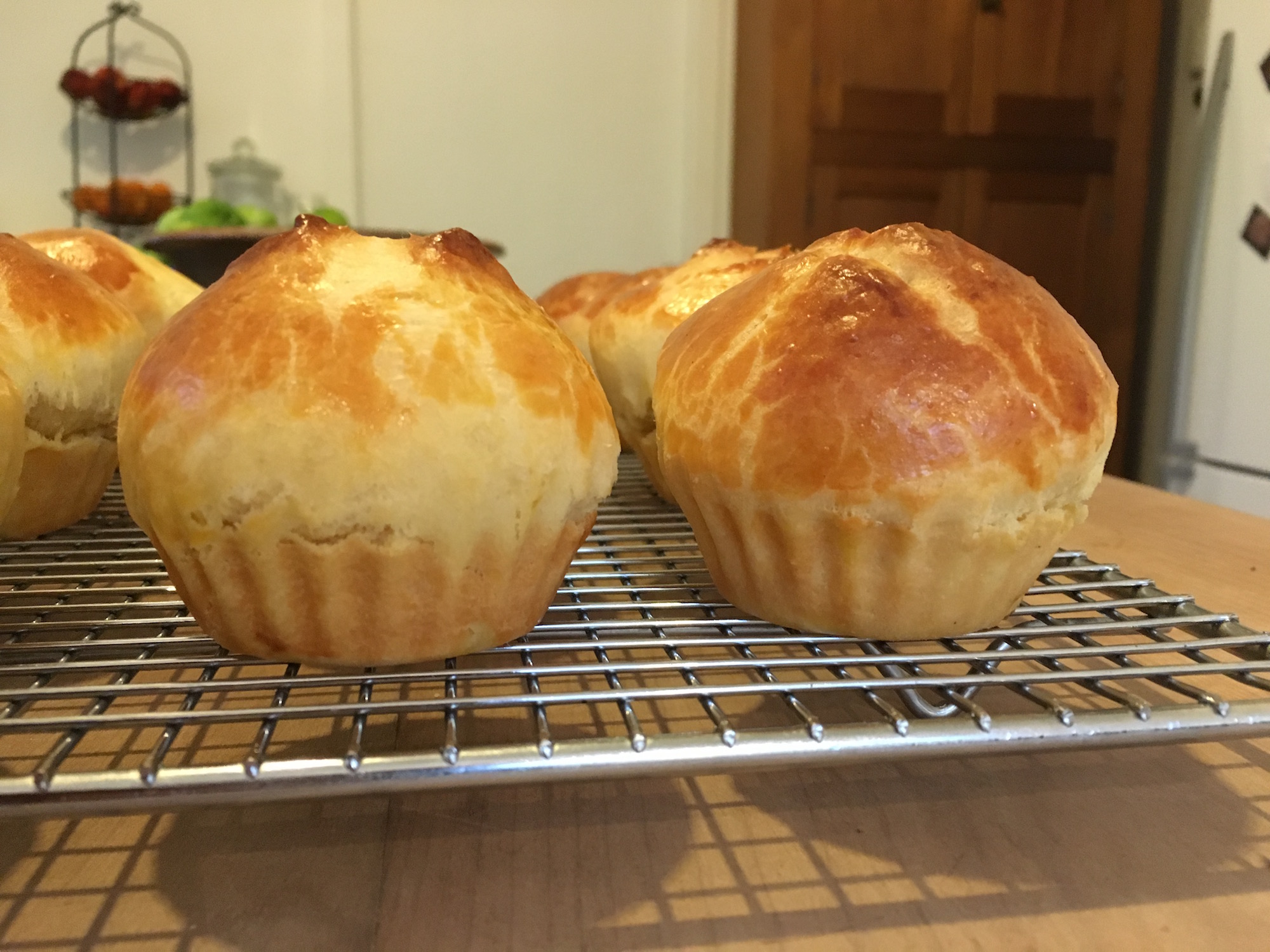
2017-01-22-07-09-00-smI’ve been threatening to make brioche for some time. Last time I made it was about seventeen years ago.

Not that I don’t like brioche–I love it–but I reckon that’s about how frequently one should eat it if one wants to live to a ripe old age. Three eggs provide most of the liquid, and 175 grams of butter give it that unbelievable silky texture. The butter and egg also make the dough incredibly sticky and difficult to work with, so it’s not something to make every weekend.

A cool, drizzly evening and the promise of a rainy day today made Sunday morning decadence sound like a good idea. I made up the dough after dinner Saturday and left it in the fridge overnight. This morning, it was a simple thing to roll balls of dough around chunks of intense dark chocolate and spoonfuls of sparkling red currant jam and pop them into little tart tins.

Half an hour later, these gorgeous little buns emerged from the oven. They were every bit as good as I remember them being seventeen years ago.

It may be another decade or two before I make brioche again, but something that decadent doesn’t need to come around too often. The memory is just as tasty as the real thing.

Love, Life, and Fart Jokes

Thank you to the World Busker’s Festival for allowing me to forget for a few hours what was happening in my homeland today. The fart jokes, the sexual innuendo (which my son now gets…oh dear), and lots of flaming torches being juggled at altitude were exactly what I needed.

It reminded me that daily life will go on these next four years. What that daily life looks like, and how it will change remains to be seen. The possibilities fill me with anxiety.

But there will also be love, life, and fart jokes. I, for one, will be clinging to those, and sharing as much of all three as I can, to help us all through what promises to be a rocky four years.

So, here’s your light-hearted interlude for today:

What do you call a person who never farts in public?

A private tutor.

Homemade Gifts

100_2135smMy daughter’s birthday is fast approaching, and I still felt I hadn’t come up with a gift idea that was truly from me. I have often made special things for the kids for their birthdays, but they don’t always go over as I’d wish. Three years ago, I made her this awesome jeans jacket. I found an okay commercial pattern and modified it to fit my daughter’s tastes and frame. I spent ages searching for the perfect cool hardware bits to decorate the front. Then I had to order a zip from overseas, because I couldn’t find exactly what I wanted in country (because it had to match the hardware, of course). In the end, I was quite pleased with the results.

She has never worn the jacket. Not once. Not even for a few minutes.

The same thing happened with the skirt I made her four years ago (because the girl needed something other than shorts and T-shirts to wear). She’s worn the skirt…once or twice when I forced her to wear it to a formal occasion, and every time it’s led to tears.

That’s okay. It really doesn’t bother me. I had a blast making every homemade gift I’ve given the kids. If the kids don’t like them, I know that I’ll be able to give them to someone else who will. And some of them have gone over extremely well (all the stuffed animals, the jerseys and parkas, the zip-off pants, the slippers, the fuzzy bathrobes, the wizard costumes…).

I’ve received my fair share of awkward and excellent homemade gifts from the kids too. Because we all give and receive homemade gifts, we all understand and appreciate the time and love that went into each item, even if we wouldn’t be caught dead wearing it. It makes each gift special, regardless of what the item actually is.

And we learn from past mistakes.

This year, the homemade gift my daughter will receive is something I’m pretty certain she’ll appreciate and use–a list of 500 writing prompts, written just for her and categorised by genre. As usual, I’m having a fabulous time making it, and if she doesn’t end up using it, I expect to find it handy, myself.

How is a Teenager Like a Shed?

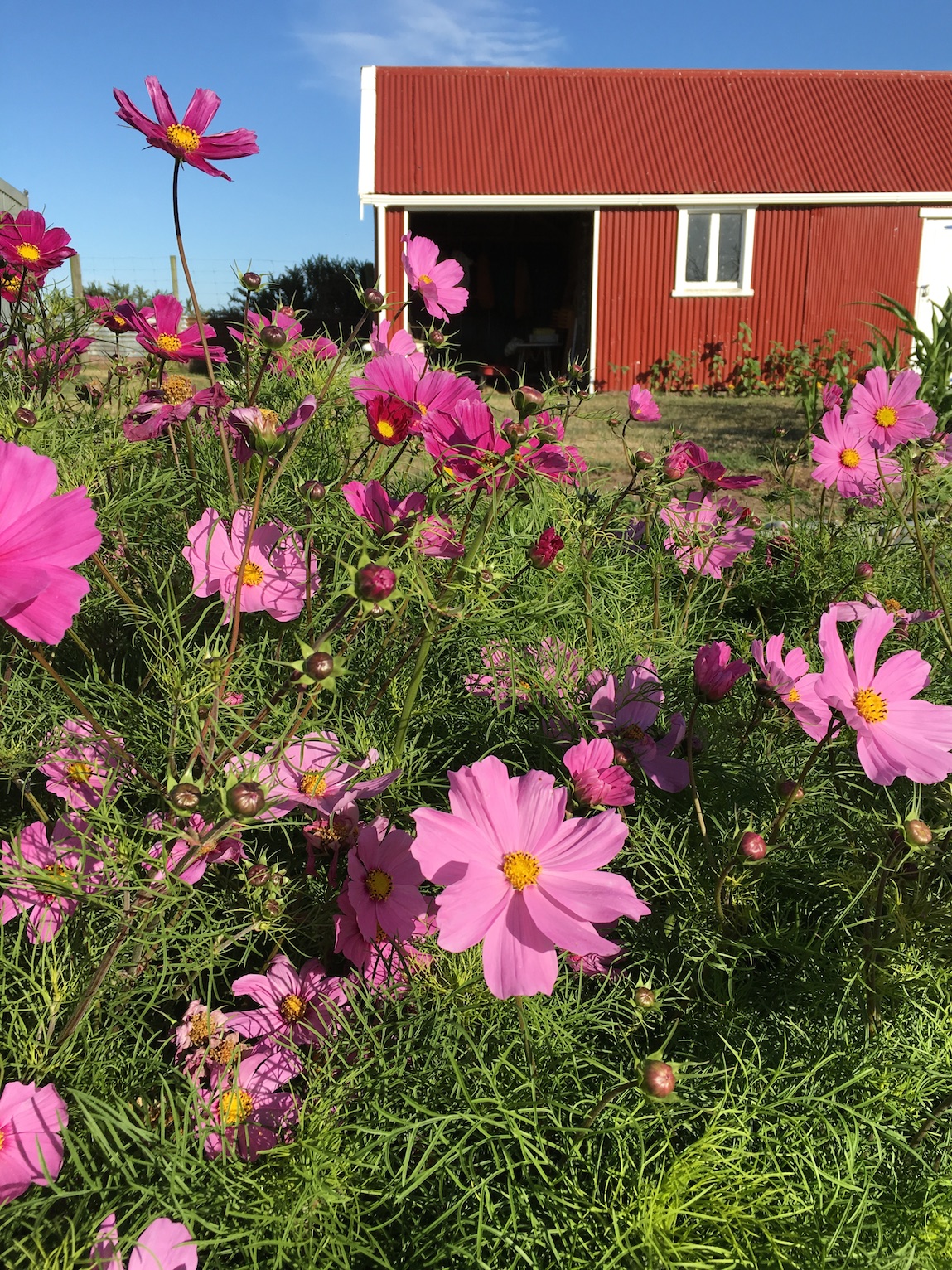
2016-01-12 08.31.38 smI used to do creativity exercises with my university students. One of the activities was called ‘Forced Analogy’–take two random objects/ideas and come up with ways they are alike.

The exercise forces you to think in strange ways, and to examine the fundamental nature of each thing.

Using a handy online random word generator, I gave myself the following challenge today: How is a teenager like a shed?

  1. There are lots of different types of shed and teen, and each type is good at different things.
  2. A teenager, like a shed, can be gussied up. You can make it look nice on the outside, but inside it will always be a mess.
  3. You may know for certain you’ve put something into the shed (or the teen), but once in there, it’s lost forever.
  4. Keeping your shed and your teenager organised are both impossible.
  5. Sometimes, you find the most surprising things inside–a long-lost treasure, or something you never knew was there.
  6. Occasionally, both smell like dead rats.
  7. Neither one will ever thank you for cleaning.
  8. Both require regular maintenance.
  9. You can learn a lot about a family by closely observing their shed…or their teen.
  10. Everyone expects them to have a few blemishes.
  11. They tend to accumulate rubbish.
  12. After having one for a while, it’s hard to imagine life without one.