Like many writers, I’m often discouraged at how difficult it is to actually make a living by writing. And like many writers, I dream of the day when writing actually pays the mortgage and the power bill.
To hopefully take another step closer to that day, I’ve started a Ko-fi page, where readers can give a one-off donation, or buy a monthly subscription to get stories and behind-the-scenes peeks not available to anyone else.
For as little as $1 a month, you can get access to Two-minute Tales: weekly podcasts of micro-stories written just for you. Or purchase a $5 or $10 subscription for more stories, sneak previews, and early access to stories and books.
By subscribing, you’ll not only help me afford the editors and cover designers I need to produce more books, but you’ll also help me transform my books into audiobooks, which I’ve been wanting to do for years.
This is my first foray into offering a subscription service, so let me know if there are other things you’d like with your subscription. I’m sure I’ll be adding things as I go.
Head on over to my Ko-fi page to find out more about how you can join me on my writing journey!
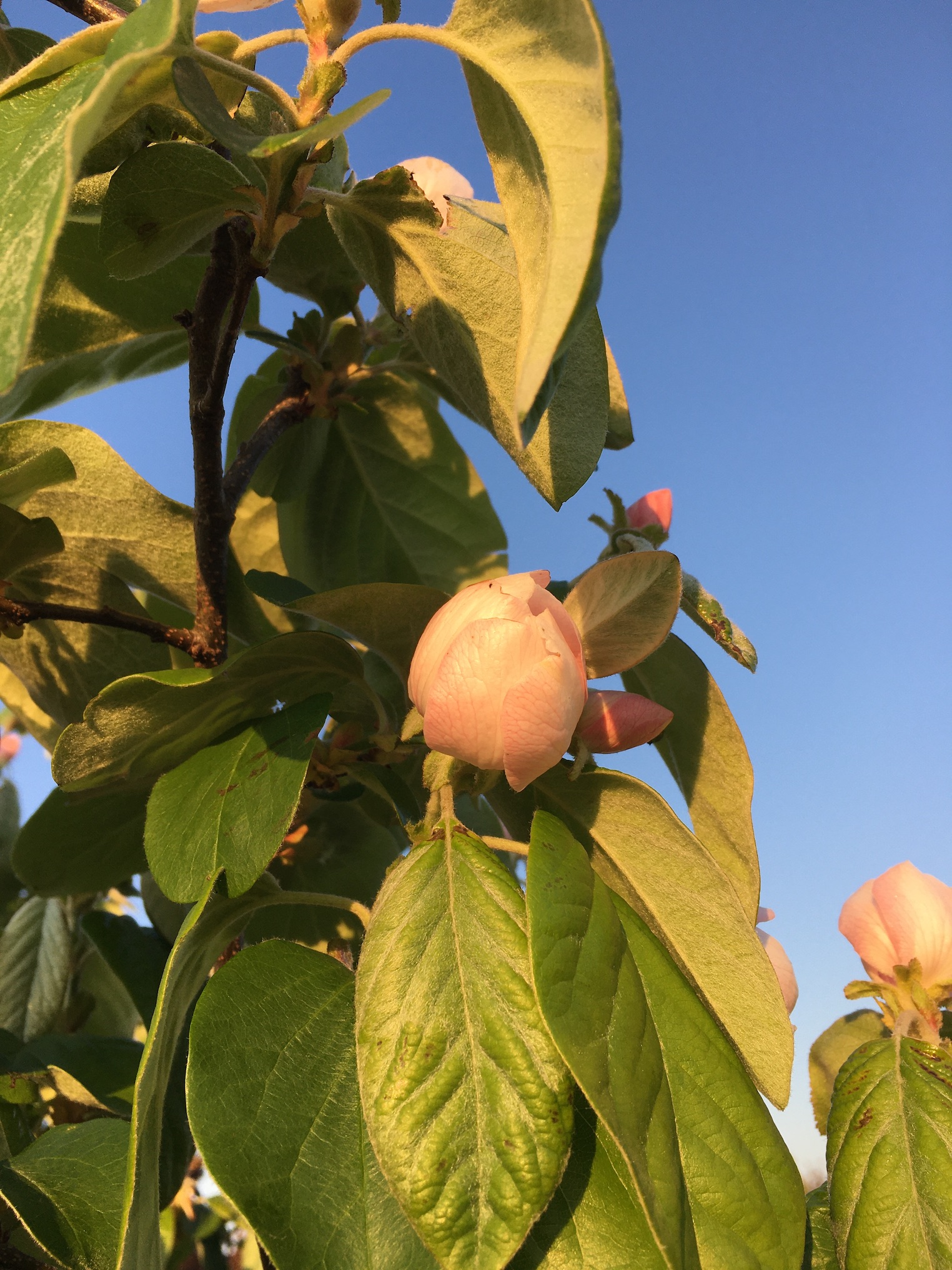
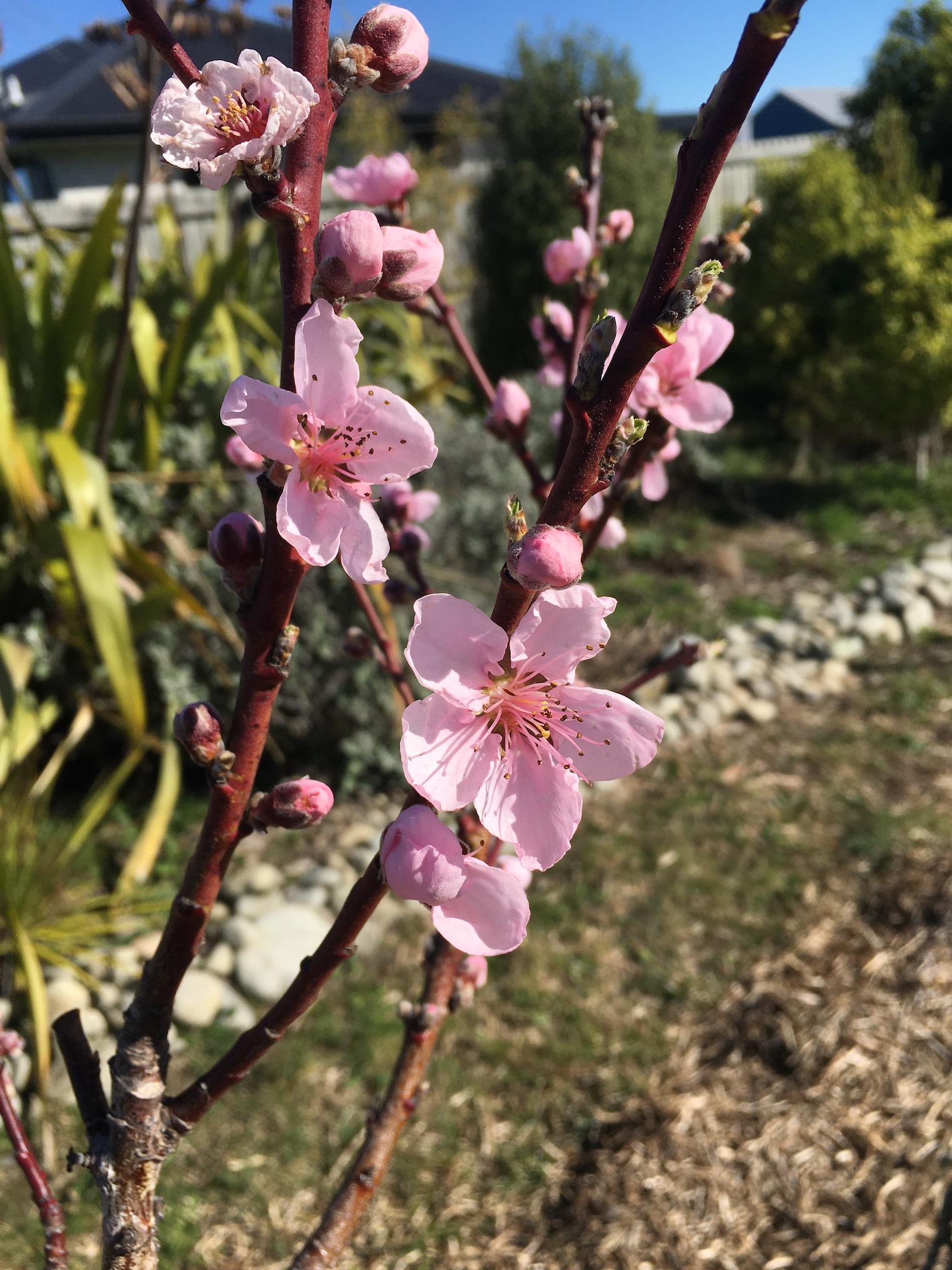
It’s always exciting when we cross over onto the light side of the equinox. The whole garden responds to the rapidly lengthening days. Daffodils and tulips run riot. Pale fingers of asparagus poke up through the mulch. Artichokes spring up from winter-lush plants. Perennial herbs suddenly flush green with new growth. Fruit trees turn snowy with blossoms. Vegetable seedlings seem to double in size overnight.
The weeds, too, spring up overnight. And the rats and devouring sparrows multiply. Aphid populations explode. Spring isn’t all fun and games.
Fortunately, the gardener responds, too. I wake with the magpies warbling as the sky begins to shade from black to grey. I spend more of my weekend hours in the garden. I snatch a few minutes to water or weed before and after work. On my writing days, my lunchtime walk is replaced by lunchtime gardening. Daily life begins to mould around the sun and the plants that respond to it.
It is exciting, and it can be daunting to look forward to all the work that the new growing season entails—the planting, weeding, watering, harvesting, processing …
But it’s important to simply sit and enjoy. Our garden is four years old this year, and this spring I feel as if it is coming into its own. My husband recently built trellises for espaliered apple trees, and with the planting of those trees, the gardens in the front are finally ‘finished’. Not that there isn’t lots of work to do out there, but all the pieces of the plan for that space are in place.
In the vegetable garden, too, the final piece—the garden shed—is enjoying its first spring of use (and what a joy to work in there, potting up tomatoes or planting seeds!). After the application of, literally, tonnes of manure and compost over the last four years, the garden soil promises reasonable productivity, and we can count on plenty of fruit and vegetables in the coming months.
I find myself spending more time enjoying the garden this spring than I remember doing anytime recently. What better excuse for a cup of tea on the porch than that the daffodils are spectacular, or the bees are humming in the rosemary blossoms?
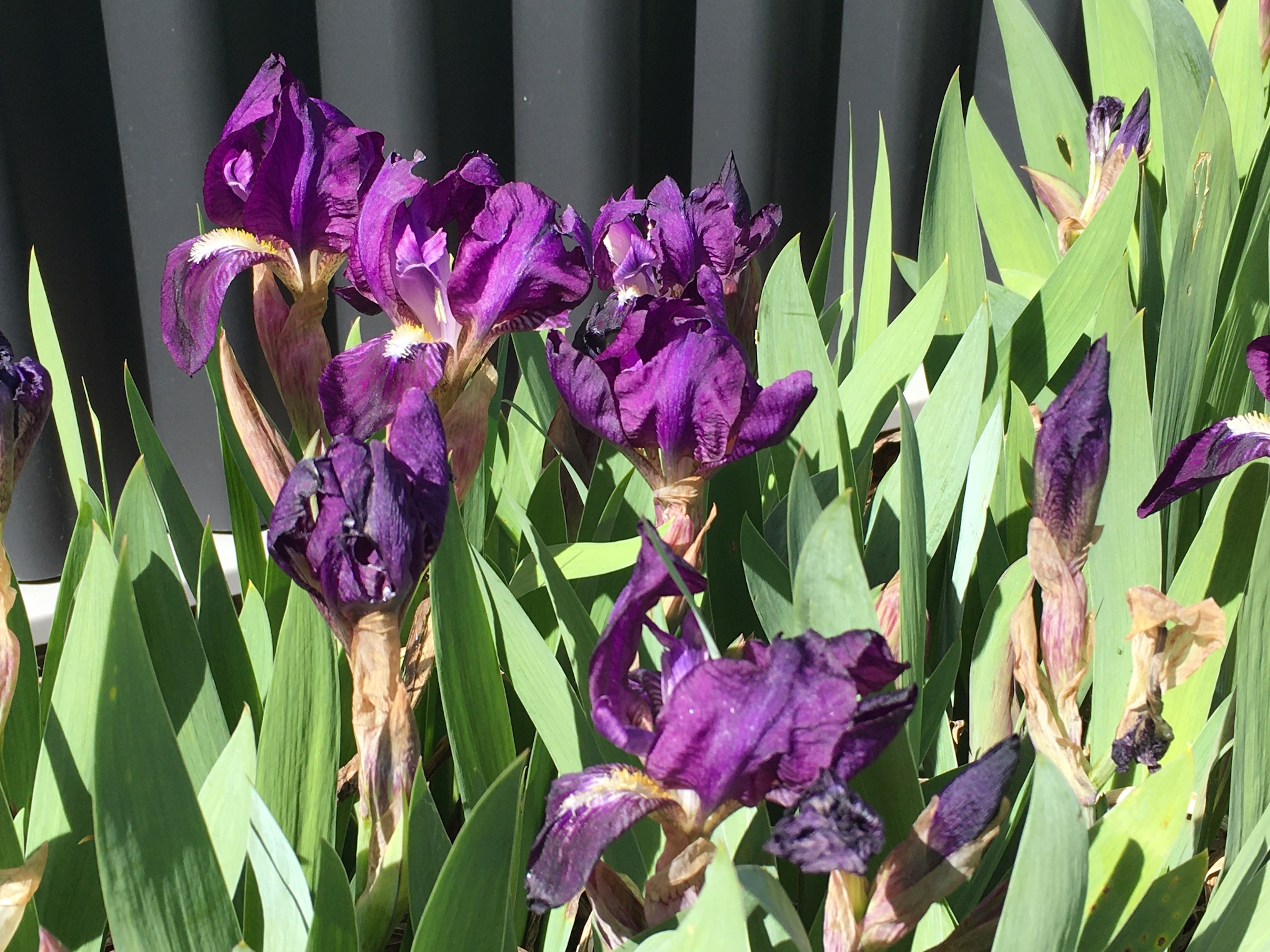
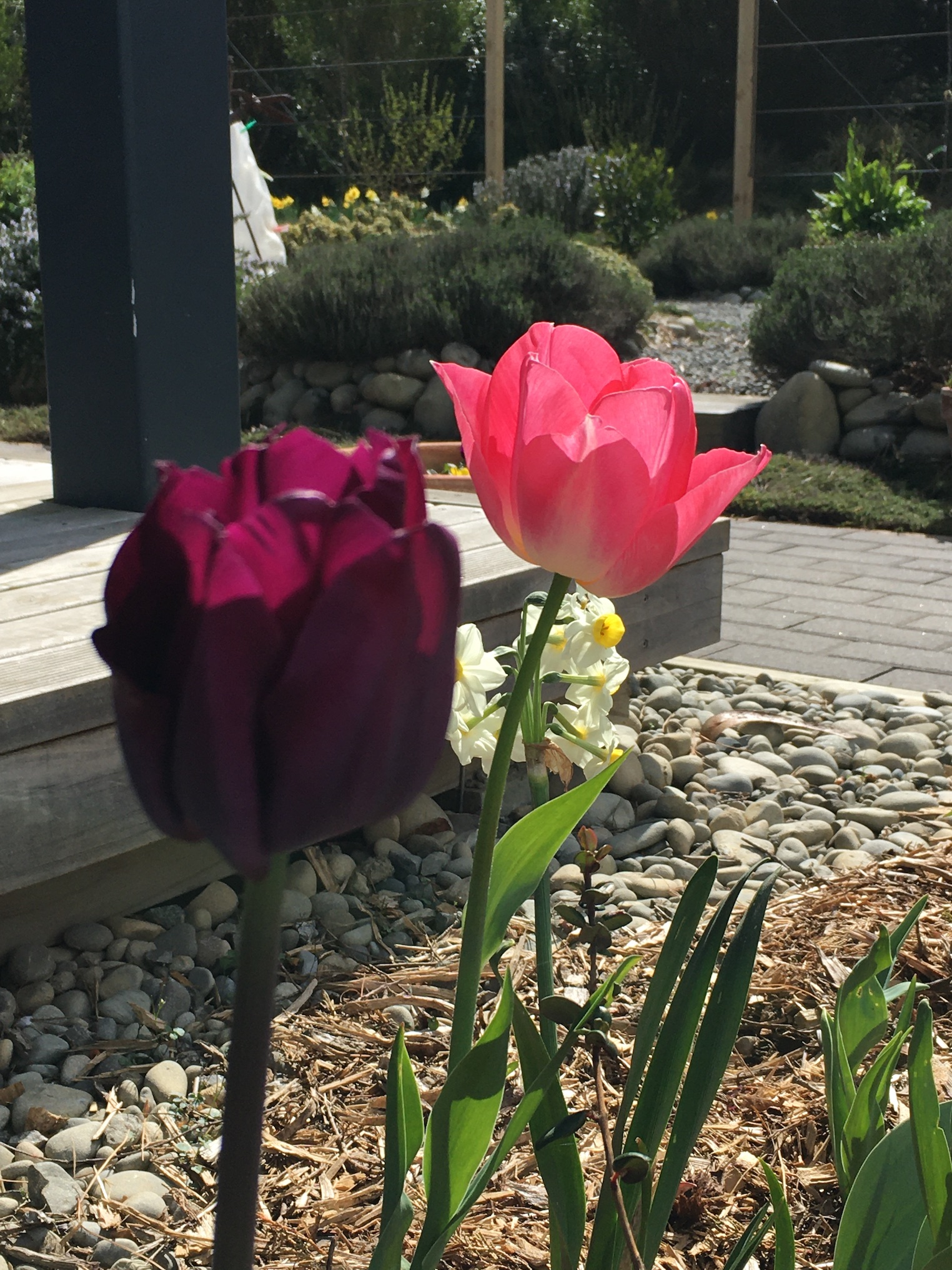
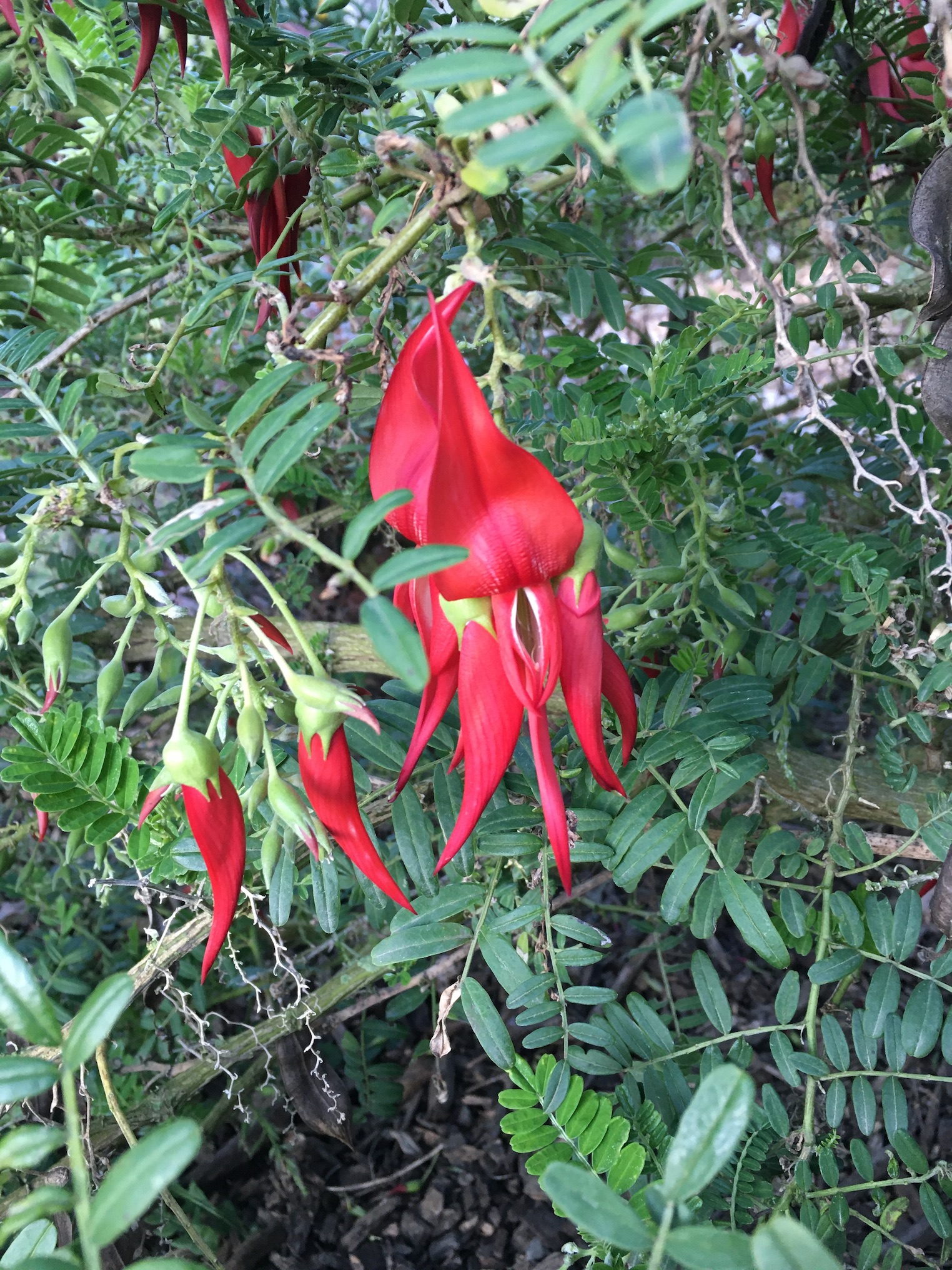
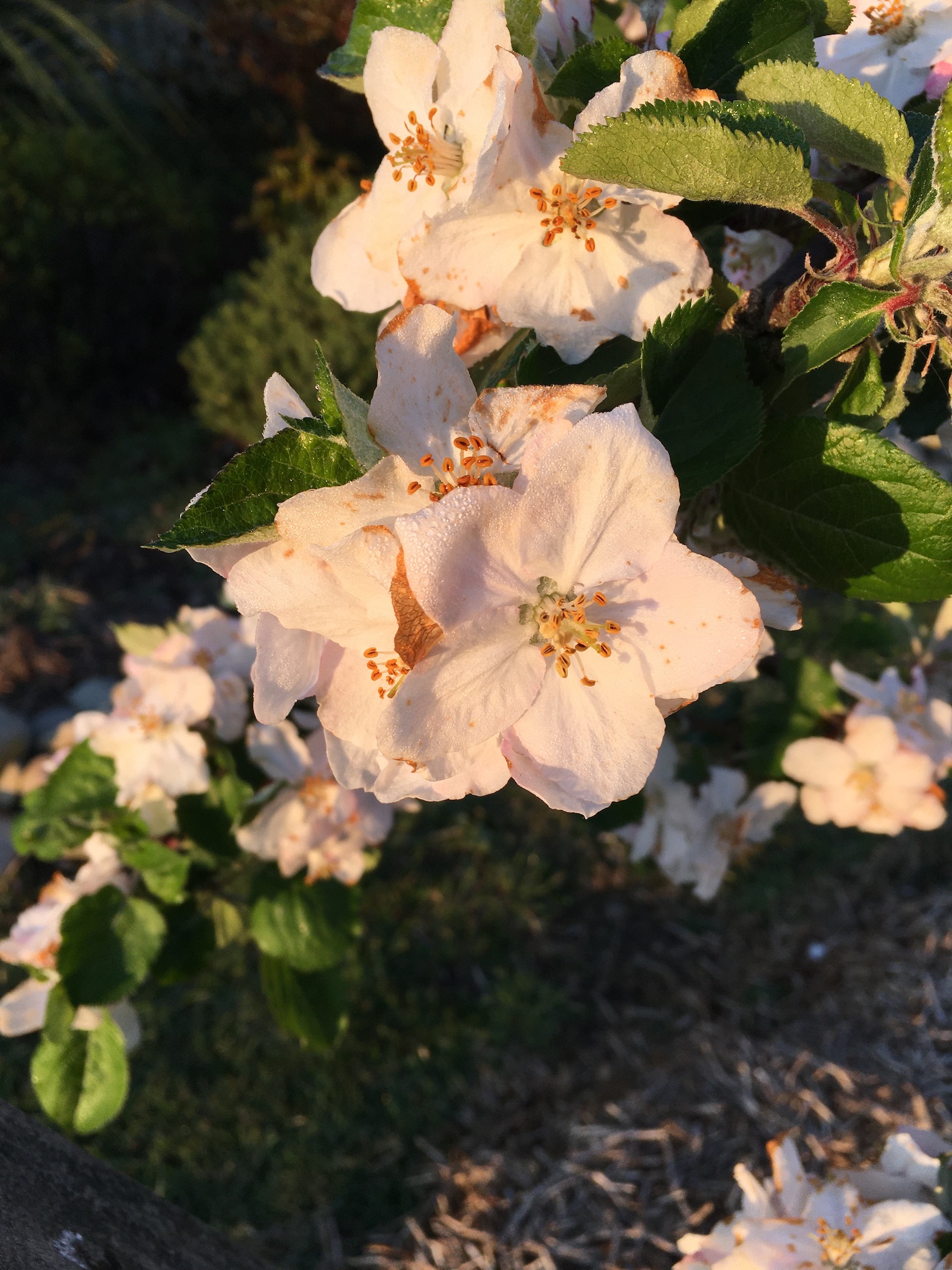
So here’s a bit of my spring garden for you. Hope you enjoy it as much as I do!
I took another step on my quest for the perfect carrot cake icing on Sunday. This variation on cream cheese icing is made into a fluffy confection with the addition of quite a lot of cream, slowly beaten into the already fluffy cream cheese.
I had my doubts. I’m not overly fond of a straight whipped cream topping. Would the cream cheese flavour come through enough? Would there be enough tart zing to it to offset the sweet?
The answer was no.
Don’t get me wrong, this icing is GOOD! There’s enough cream cheesy goodness to give it body and depth of flavour. And the addition of cream means it gets away with having half as much sugar as other cream cheese frostings. The texture is divine—smooth and creamy, with a lightness you don’t often get in a cream cheese frosting. It’s delightful on the lemon and blackberry cupcakes I used it on.
But is it the perfect carrot cake icing? Not quite.
So, the first icing was great on flavour, lousy on texture. This one is amazing for texture, not right for flavour. I can work with that. Trial number three will be a fusion of the two, hoping for that perfect balance.
It’s a tough job, but somebody’s got to do it. 😉
Meanwhile, I do recommend frosting #2. I think it would be spectacular on chocolate cake, and absolutely stunning rolled up in a bûche de Noël. Here’s the recipe if you want to give it a go:
170 g cream cheese 3/4 cup icing sugar (confectioner’s sugar), sifted 1 1/2 tsp vanilla 1 cup heavy cream
Beat the cream cheese until fluffy. Add the sugar and vanilla and beat until smooth. With the mixer on low, slowly pour in the cream. Then turn the mixer on high and beat until stiff peaks form.
Because of the quantity of cream in this frosting, I recommend storing cakes with this frosting in the fridge.
I’ve recently sent out my next book, Demonic Summoning for the Modern Gardener, to beta readers. It’s a more fleshed out tale than my husband read and commented on last month. A few weeks ago, I mentioned on the blog that my husband had requested more carrot cake in the story. In my rewrite after his comments, I made chasing the perfect carrot cake a sort of running gag/tiny subplot through the book.
Then I decided I should include the perfect carrot cake recipe in the back of the book.
I had already developed the perfect carrot cake recipe, so that was easy to include. But the frosting … I’ve made some very good carrot cake frostings, but I can’t say I’ve hit on the perfect frosting. Everyone agrees, of course, that carrot cake must be frosted with a cream cheese frosting, but there’s a lot of variation among cream cheese frostings. I’ve had them too sweet, too grainy, too dense …
No better excuse for baking!
So last night I whipped up a carrot cake and tested out a new variation on cream cheese frosting. This one has no butter—just cream cheese as the fat. It also contains lemon zest and lemon juice for a bit of added tartness. Lots of potential to be awesome!
Flavour-wise, it’s good … the texture, not so much. It’s too gummy. Not fluffy enough. Definitely not the perfect frosting.
But never fear, we’ll suffer through this almost perfect cake (have I mentioned that I’ve had two pieces of it already, and it’s been only 12 hours?), and then I’ll make another!
Because I couldn’t let my readers down with sub-standard carrot cake, now could I?
If you have a favourite cream cheese frosting, let me know—maybe I’ll try it out. How many cakes do you think it will take to reach peak frosting?
We’re two days away from the official start of spring here in Aotearoa New Zealand, and the atmosphere is definitely vernal.
The daffodils are up, and I expect them to be in full bloom within a week. The tulips are following close behind them.
Artichoke buds are beginning to form, nestled among winter’s leafy growth, ready to shoot up and deliver gourmet meals for the coming three months, and the fruit trees and berry bushes are flowering and leafing out, despite the fact there are frosts to come.
In the tunnel house and cold frame, vegetable seedlings bask in the sun. The first ones will be ready for planting out this weekend. In the warmth of the living room indoors, seeds germinate by a sunny window. They, too, will end up in the tunnel house and cold frame before long.
The bumble bees and honey bees are blundering around in dandelion blossoms, the ladybugs are out and about, and I’m keeping an eye on a preying mantis egg case which should hatch before too long.
The sounds have become spring-like as well—frogs trilling at night, magpies warbling before dawn, and white-faced herons croaking in the treetops.
Along with the bucolic scenes of flowers and bumble bees, spring in Canterbury brings howling wind. The wind whips up clouds of pine and wattle tree pollen, which settles like gritty mustard powder on every surface. The windows are hazy with it, and I find myself swiping my computer screen clear several times a day.
The wind makes springtime a challenging season—blossoms blown off the trees; fresh growth flattened to the ground; trees (and the occasional camper van or centre pivot irrigator) tipped over; trampolines, greenhouse panels and rubbish bins flying free … A lot of people struggle with springtime wind here. And of course, there will be more frost. There may even be snow yet to come. Plants out in the cold frame will have to be hauled back into the house and out again several times, tender plants will have to be covered with frost cloth. Invariably it will be too hot and dry for the early crops one week, then too cold and wet for the late crops the following week. There will be multiple disasters in the garden due to weather, pests, irrigation malfunction, or any number of other factors. I’ll struggle and I’ll stress …
Moody springtime sky, with rain obscuring the mountains.
But there will be moments when the wind stills, the sun is warm, and I can sit among the spring blossoms drinking a cup of tea and watching the bees and dreaming of summer.
As a writer, I tend to focus on plot. I love a good action scene, and I also enjoy writing dialogue (probably stems from loving to talk, myself. LOL!). Over the years, I’ve developed a method for outlining my novels that’s sort of a mash-up of different methods I’ve read about.
I start with a good old-fashioned plot mountain diagram—the kind I introduce to my primary school students. On the plot mountain, I pinpoint major plot targets. Where does the story start? Where does it end? What is the climax point? What are the key events that lead to the climax? What are the key points in the main character’s arc?
If there’s a lot going on in the plot, or a complex set of character arcs in the story, I’ll then map the key plot targets onto a story flow chart drawn onto a large sheet of newsprint. On the flow chart, I’ll add more details about how the action will progress, what characters will think and do when faced with the challenges I present them, and how various plot threads will intertwine and interact.
From the flow chart, I’ll break the story into chapters. For each chapter, I’ll write a one-paragraph summary of what needs to happen in the chapter. What plot points need to be reached? What character development needs to occur? What information do I need to withhold so it can be introduced later? The chapter summary is focused on plot and character. I don’t really consider where or how the action will take place, only what must happen in that chapter.
From the chapter outline, I write my first draft. The outline keeps me on track and ensures I don’t forget things or muddle timelines or plot threads. It makes it much easier to write the first draft, because I can focus on one chunk at a time, without worrying that I’m forgetting something.
Unfortunately, it also enhances my tendency to write sparsely in my first draft. It encourages me to race from plot point to plot point, character development point to character development point.
In the words of an editor years ago, my early drafts need more ‘tea and biscuits’. They have too much plot, not enough setting. I was reminded of the tea and biscuits comment last week, when my alpha reader (my husband, a wonderfully brutal critic), told me I needed more carrot cake in my current work in progress. He also encouraged the addition of a full chapter of nothing but cleaning and tidying. LOL! He was right. The cake and the cleaning are both vehicles for fleshing out settings and characters, revealing the depths and complexity of both so my readers feel like they are experiencing the plot themselves.
In the past week, I’ve added over 7,000 words to my manuscript. That’s a whole lot of tea and biscuits! And I’m sure there are more to be added.
Should I change my outlining method to include tea and biscuits? I’ve considered it, but the truth is, I’m always daunted by that first draft. Knowing I’ve got a yawning stretch of 30 chapters standing empty ahead of me is terrifying. I find it one of the most difficult and unpleasant tasks in the writing process. My outlining method eases me into the task, breaks it into easily accomplished chunks.
And once I have the first draft down, the fun begins. A fellow writer, who writes lush, emotionally charged stories, once mentioned that they layer in the emotions after the first draft is finished. That they have different editing passes to address different aspects of the story. The idea has stuck with me. The story doesn’t have to be fully fleshed out in the first (or second, or third) draft. I’ve learned to enjoy layering in the details that make a story complete, and I can only really enjoy adding those details when I know that the structure I’m adding them to is solid. It’s fun to go back to a story and add some cake, some tea and biscuits. It’s fun to take a conversation and ground it in the place in which it happens, to establish a character’s motivations by showing them in action in a mundane task.
And so the theme for my week’s work is, let them eat cake.
I love cardamom, but I don’t use it very often. Inspired by the book, A Whisper of Cardamom by Eleanor Ford, which I checked out of the library last week, I decided to use it more frequently.
I’ve made Coffee Cardamom pound cake before (from Sweet by Yotam Ottolenghi and Helen Goh), and that was my first thought. But I didn’t have the instant coffee the recipe calls for, and anyway, coffee wasn’t what I wanted. I considered chocolate cake with cardamom, which would be good, but wasn’t really what I wanted either.
What about coconut? Maybe with a spark of lemon to brighten the flavours? I decided to give it a go. Starting with a vanilla pound cake recipe, which I only loosely followed, I added lemon zest, cardamom, coconut, and a lemon glaze. The result was quite lovely. Here’s the recipe if you want to give it a go.
2 1/2 cups wholemeal (whole wheat) flour 1 cup all purpose flour 3/4 tsp salt 1 tsp freshly ground cardamom 250 g (1 cup) butter 1 cup icing (confectioner’s) sugar 1 cup granulated sugar 1 tsp baking powder 4 eggs 1 cup yogurt 2 tsp vanilla grated zest of one lemon 1 cup coconut
For the glaze: 1/4 cup lemon juice 3/8 cup granulated sugar
Combine the flours, salt and cardamom in a medium bowl.
Cream together the butter, sugars and baking powder in a large bowl until light and fluffy (about 5 minutes). Add the eggs, one at a time, and beat well after each addition. Add the flour mixture alternately with the yogurt. Stir in the vanilla, lemon zest and coconut.
Bake in a greased bundt pan at 180℃ (350℉) for 55 minutes to an hour. Remove the cake from the oven and let sit in the pan for 5 minutes before turning it out onto a rack.
To make the glaze, combine lemon juice and sugar in a small, microwave-safe bowl. Microwave on high for about 30 seconds, and then stir until the sugar is dissolved. Brush the glaze onto the warm cake until it’s all absorbed.
Last weekend was quite warm—temperatures in the mid to upper teens—with sunshine to make me think of spring. It was a gift I didn’t want to waste.
A tidy herb garden. The wooden step had been nearly overgrown by the thymes on either side.
Most years, we have a window of beautiful weather in the depths of winter. It’s a great time to get out and do some tidying in the garden.
So last weekend, I deadheaded and trimmed the herbs and flowers. I had mostly kept up with the deadheading through the autumn, but I trimmed sparingly then, trying to coax a few more blooms out of bedraggled plants. Last weekend, I was ruthless. With fresh new growth just beginning to show, I cut away all of last year’s rangy branches, even if they managed to make it through most of winter with a few leaves intact.
The thyme, finally mostly done blooming, got a major haircut. I reclaimed paths from great swathes of creeping thyme and from bushy thymes muscling out over the edges of their beds. I cut the mint and oregano to the ground to encourage nice lush cushions of leaves in spring. I cut off dense clumps of dead flower spikes from the winter savoury, and hacked a rangy sage back to try to improve its look. I hauled four wheelbarrow loads of dead leaves and flowers and trimmed herbs out of the front gardens.
I actually rescued this path two weeks ago. The wet area shows where the creeping thyme was cut away. Other paths were equally invaded.
Then I turned my sights to the basket willow. It never fully loses its leaves here, but at some point in the winter, it needs to be cut to the ground. I harvested four hefty bundles of long sticks from it. I’ll use those sticks in the garden over the coming year to support plants, frost cloth and bird netting. Once the trees were levelled, it was time to tackle the thick layer of leaves they’d strewn over the path and the stones of the Zen garden. I raked them up and tucked them underneath other plants as mulch.
After the plant tidy-up, there was the garden shed to tackle. In two weeks, I’ll start using the shed weekly for starting seeds and potting up seedlings. It needs to be clean and tidy for that. So I sorted through all the stuff that had carelessly been tossed in there over the past couple of months—sacks of bird netting and potting mix, plant trays, irrigation hoses … everything that came out of the garden at the end of summer and had never been properly put away.
My husband finished a beautiful rack on the back of the shed on Sunday, so the tidying expanded to include going through the pile of wood sitting in the orchard, and organising everything worth saving onto the new rack. Some of the things weren’t worth ‘saving’, but were worth using right away, leading to a new bench in the fern garden that I’m looking forward to sitting on with a cup of tea some day soon.
And of course, while I was at it, it was time to tidy the pile of fencing, hoops and stakes I use in the vegetable garden every summer. These items sit atop a wooden platform beside the compost pile. I hauled everything off the platform and realised the rats had shoved compost under it, nearly filling the space.
So, the platform had to be lifted, and I hauled almost two full wheelbarrow loads of beautiful compost out from underneath and spread it on the garden.
By Sunday afternoon, a walk through the yard was a delight, with everything neat and tidy. I had lunch on the porch, gazing out into an immaculate herb garden. I hadn’t considered it messy before, but the difference was stunning. The Zen garden, visible now that the willows are down, is a little gift every time I step outside. And I can’t wait to start seeds in the tidy garden shed.
Unfortunately, there will be no sitting outside to enjoy the garden this week. The clouds rolled in Monday morning, and by the time we got home from work, the rain had begun. It promises to be a proper winter storm, with wind, rain and temperatures in the single digits. (The snow won’t reach us here, but the mountains should be spectacular when the clouds clear.) I’ll have to enjoy the garden from indoors this week.
I enjoy winter hiking—I enjoy the crisp air, the opportunity to hike without sweating too much, the snow on the peaks.
One of my favourite winter phenomena is frost heave. This is when moisture in the soil freezes. Since water expands when it freezes, the ice crystals push soil and rocks upward. We get frost heave at home, but in the mountains, where there is both more water and colder temperatures, the phenomenon can be spectacular.
On a cold Matariki morning a few weeks ago, I snapped a photo of five-centimetre-long ice needles near Foggy Peak. Each needle was topped by gravel—the whole top centimetre or more of the sloping surface lifted. As the sun rose and melted the ice, every rock fell a few centimetres downhill from where it started. I imagine this process happening daily all through winter—a slow-motion conveyor belt shifting the mountain downhill.
Meanwhile, higher up on the mountain, water seeping into the cracks in rocks and then freezing shatters them day by day into smaller fragments to be added to the icy conveyor belt.
It is such a small thing, frost heave. But its slow action has a big effect.
The Southern Alps are rising at a rate of 10 to 20 millimetres per year—some of the fastest rising mountains in the world. If no erosion had ever occurred, the mountains would currently stand over 20 kilometres tall. Our tallest mountain, Aoraki Mount Cook, is 3754 metres tall.
Of course, when we think of erosion, we think of the big events like landslides and rock avalanches. These events can be spectacular.
On 14 December 1991, a rock avalanche on Aoraki lowered the summit by 10 metres over the course of a few hours. Fourteen million cubic metres of rock and ice tumbled down the mountain at speeds of up to 300 kilometres per hour. The shock waves from the landslide were recorded on seismographs as far as 58 kilometres away.
But without frost heave, the 1991 Aoraki rock avalanche might never have happened. Frost heave slowly weakened the rocks, slowly snapped them into smaller and smaller pieces, slowly shifted their weight. Centimetre by centimetre, those little ice needles brought the mountainside down.
I like to think of frost heave as a metaphor. Each of those tiny ice crystals, by itself, can move a pebble, and together they bring down mountains.
How many varieties of tomato are too many? Do I need green and purple broccoli? Can I fit a sixth variety of carrot into my garden plan? Should I try a new type of runner bean?*
These are just some of the many questions I tackle each winter. July is a relatively quiet month outdoors, so I turn my garden energy to planning this month.
My husband laughs at me every year, because I am obsessive about planning and documenting the garden.
In July, before the new year’s seed catalogue arrives, I create a garden map. Consulting last year’s map to be sure I’m rotating my crops from bed to bed, I mark out where each crop will be planted. That way I’m sure not to plant the potatoes next to the tomatoes (because the potatoes will no doubt sprawl into the tomatoes and make it hard to pick them), or plant my popcorn and sweetcorn next to one another (they’ll cross-pollinate and I’ll get odd corn that’s not particularly sweet and doesn’t pop). It ensures I think about how to make the most of my space. It also ensures I don’t fill up all the space with early crops, leaving no room for the later ones.
Additionally, because I know what’s going into each bed, I can easily assess which beds need to be prepared each weekend in the spring so they’ll be ready in time to receive their crops.
Then I assess my seed situation. I keep a spreadsheet (don’t laugh—I have a lot of seeds) detailing how many seeds of each variety I have, and the plant by date (or harvest date if they’re seeds I’ve saved) of each. With all the seeds catalogued, I can make notes as to what I need to purchase.
In theory, this prevents me from spending a lot on seeds I won’t use.
The reality? I still end up with a large seed order every year. But at least I know I NEED those seeds … or something.
When it comes time to planting, I record all the seeds I plant in a garden notebook, noting how many I planted, when and how (direct seed or in pots). Later, I can then mark which seeds had poor germination or didn’t grow well. These notes get written in red pen, so I can easily locate the information when I’m deciding what varieties to plant the following year and what seeds to throw away.
And if that all sounds excessive, then you can relax—it means you don’t have a gardening problem like I do.
And now, if you’ll excuse me, this year’s seed catalogue arrived today—I need to go choose some seeds.
* The answers to these questions, in order: you can’t have too many, yes, yes, and yes.











 Robinne Weiss