Sir Julius Vogel Award Nominations

New Zealand’s annual Sir Julius Vogel awards recognise excellence in science fiction, fantasy and horror works created by New Zealanders and New Zealand residents.

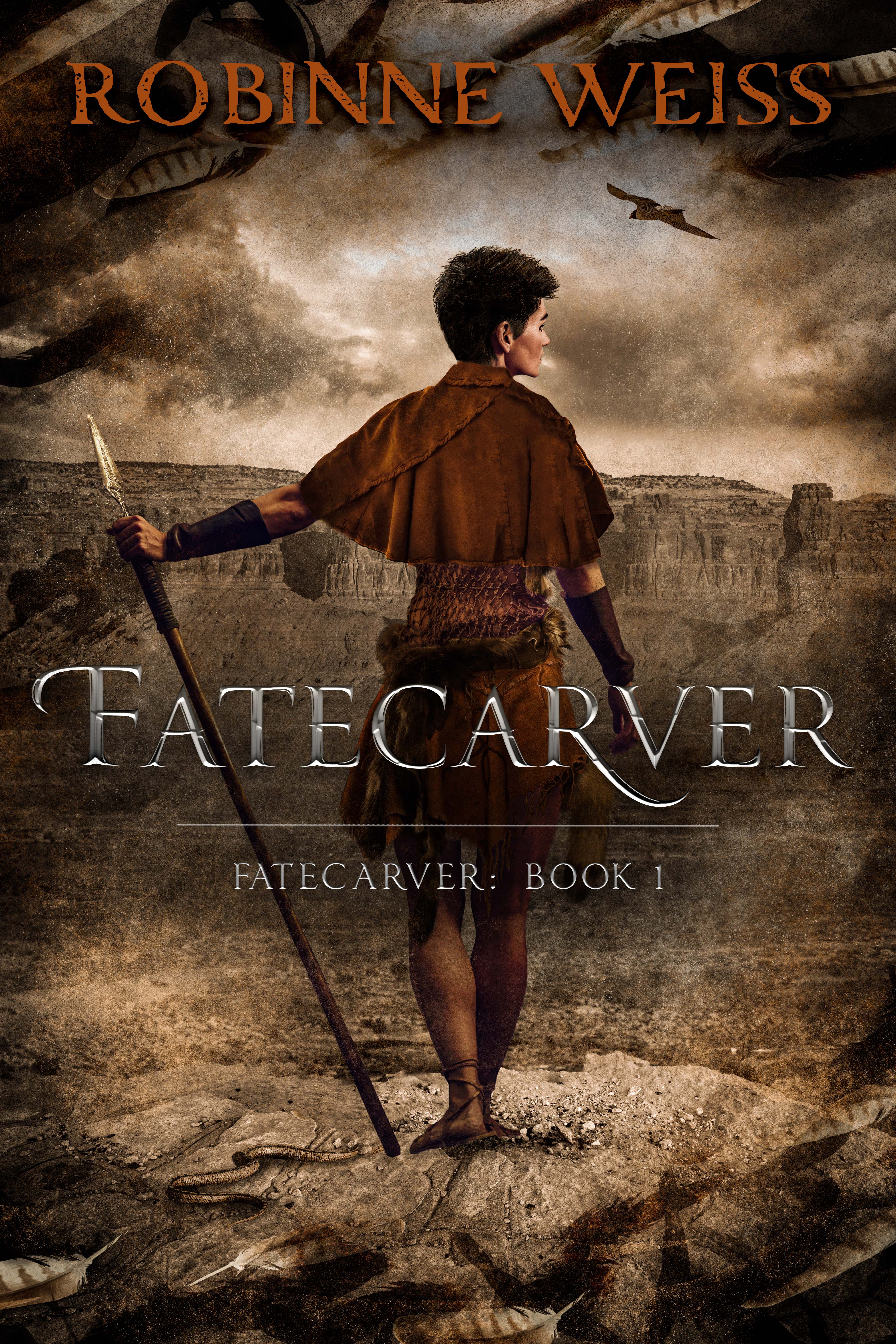
Fatecarver cover

The awards are named after a journalist and politician who was not only the Premier of New Zealand in the 1870’s, but also wrote what is regarded as New Zealand’s first Science Fiction novel—Anno Domini 2000—A Woman’s Destiny) which envisioned a New Zealand of the year 2000 largely run by women (which was quite prescient, given that in 2000 New Zealand’s Head of State, Prime Minister, Governor General, Attorney General and Chief Justice were all women).

The awards are presented annually by the Science Fiction and Fantasy Association of New Zealand in a range of categories. 

To be honest, I haven’t paid much attention to the SJV awards in the past, in spite of their importance to the NZ speculative fiction community. But I was recently notified that my novel Fatecarver has been nominated for Best Youth Novel. 

Of course, I’m chuffed about that. But I know that in order to get onto the shortlist, Fatecarver will have to be nominated more than once, because the number of nominations determines which works move on to the voting round.

Hence this post. Anyone around the world can nominate an eligible work, and it doesn’t cost anything to do so. Now that at least one person has nominated Fatecarver, I’d love to see this book make it to the short list.

And while I’m at it, my short story, Deathventures Inc, which was published in the anthology Alternative Deathiness is also eligible for a SJV award for Best Short Story.

So if you have a moment, I’d really appreciate a nomination or two. Nominations are open until the end of March. The nomination form is here, and information and guidelines for the award are here. 

Thanks!

The Waiting Game

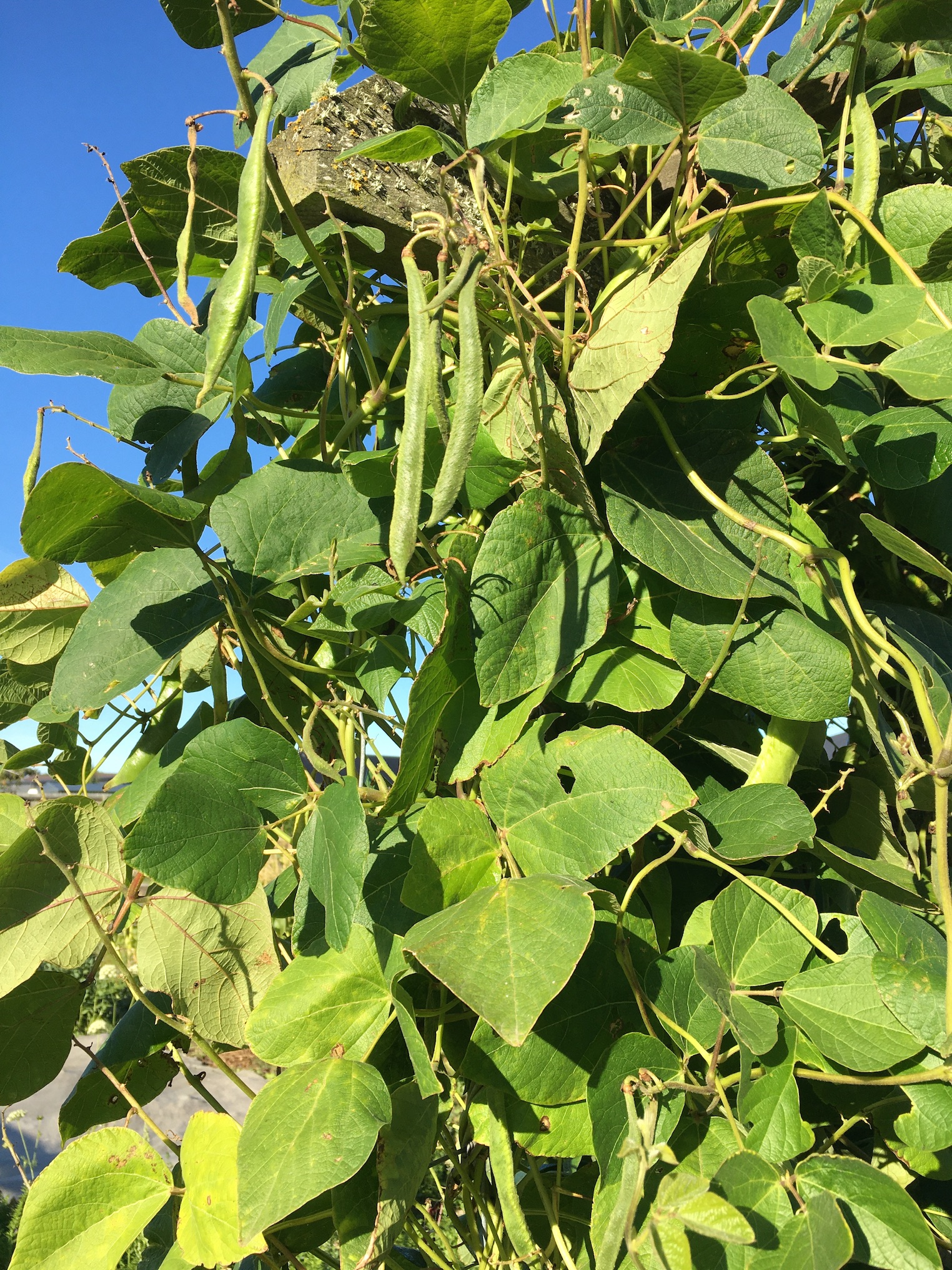
This time of year can be agonising. Out in the garden, the tomatoes, zucchini, green beans, cucumbers and carrots are all producing beautifully—there’s more food than we know what to do with.

But.

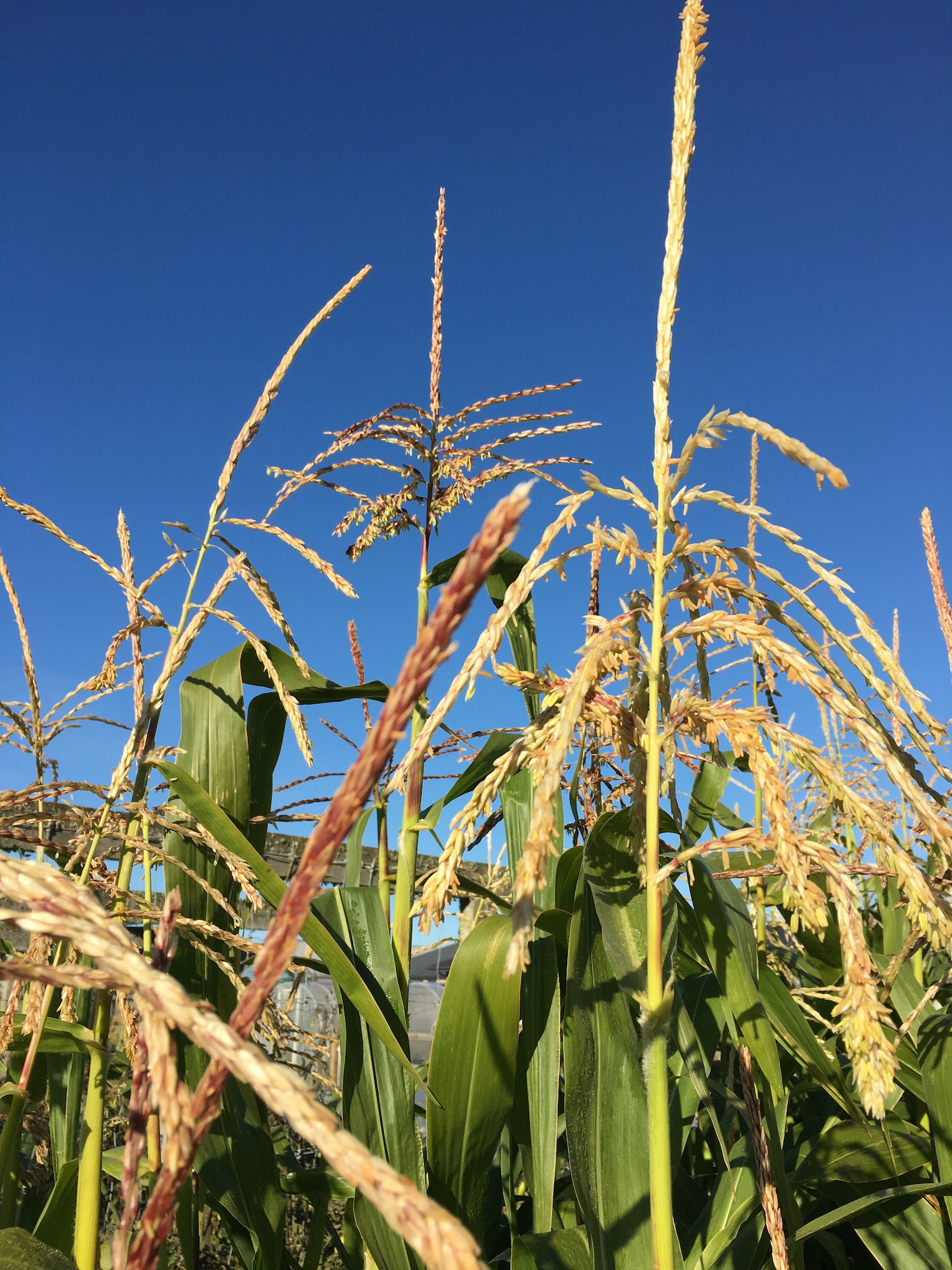
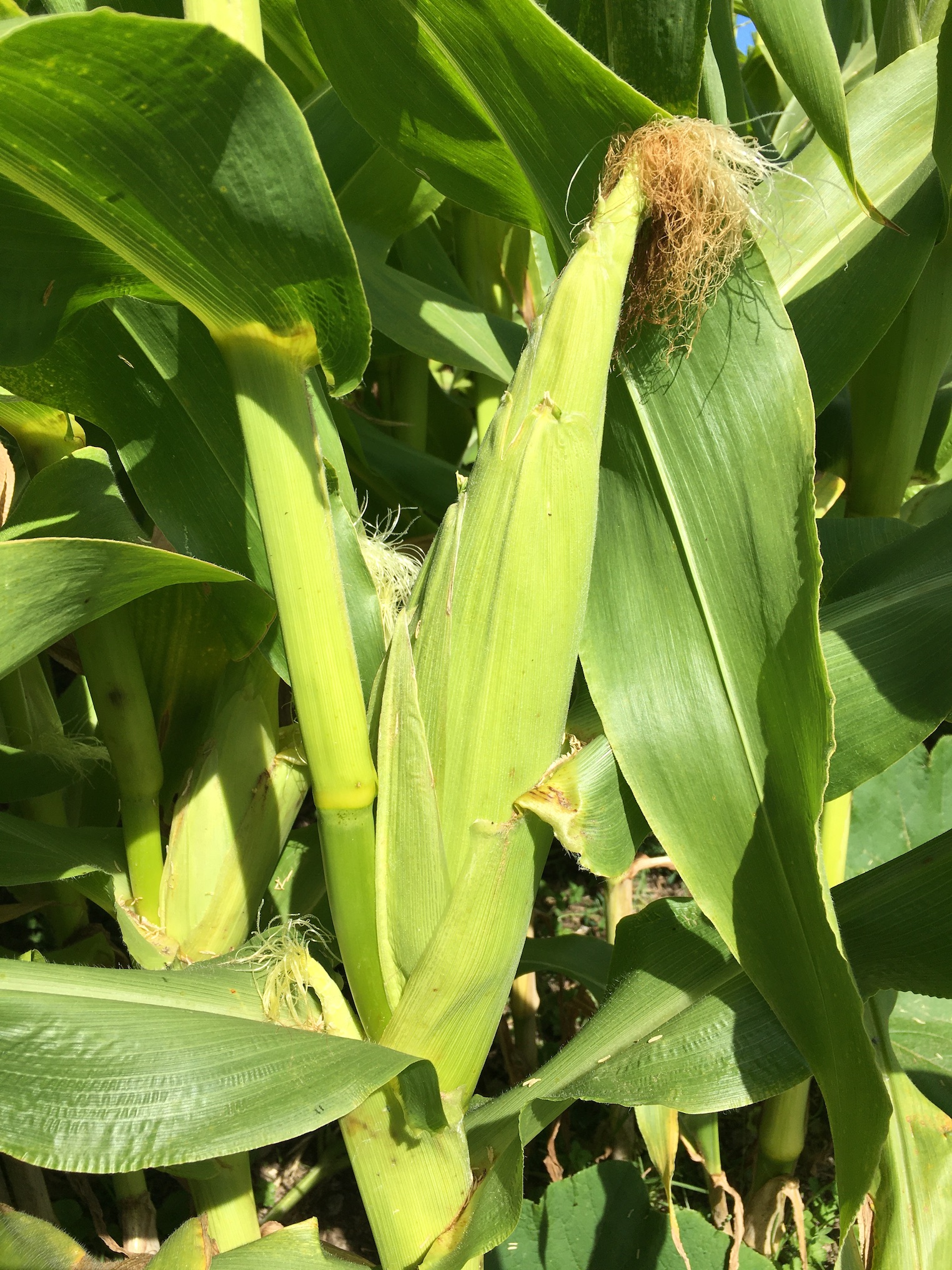
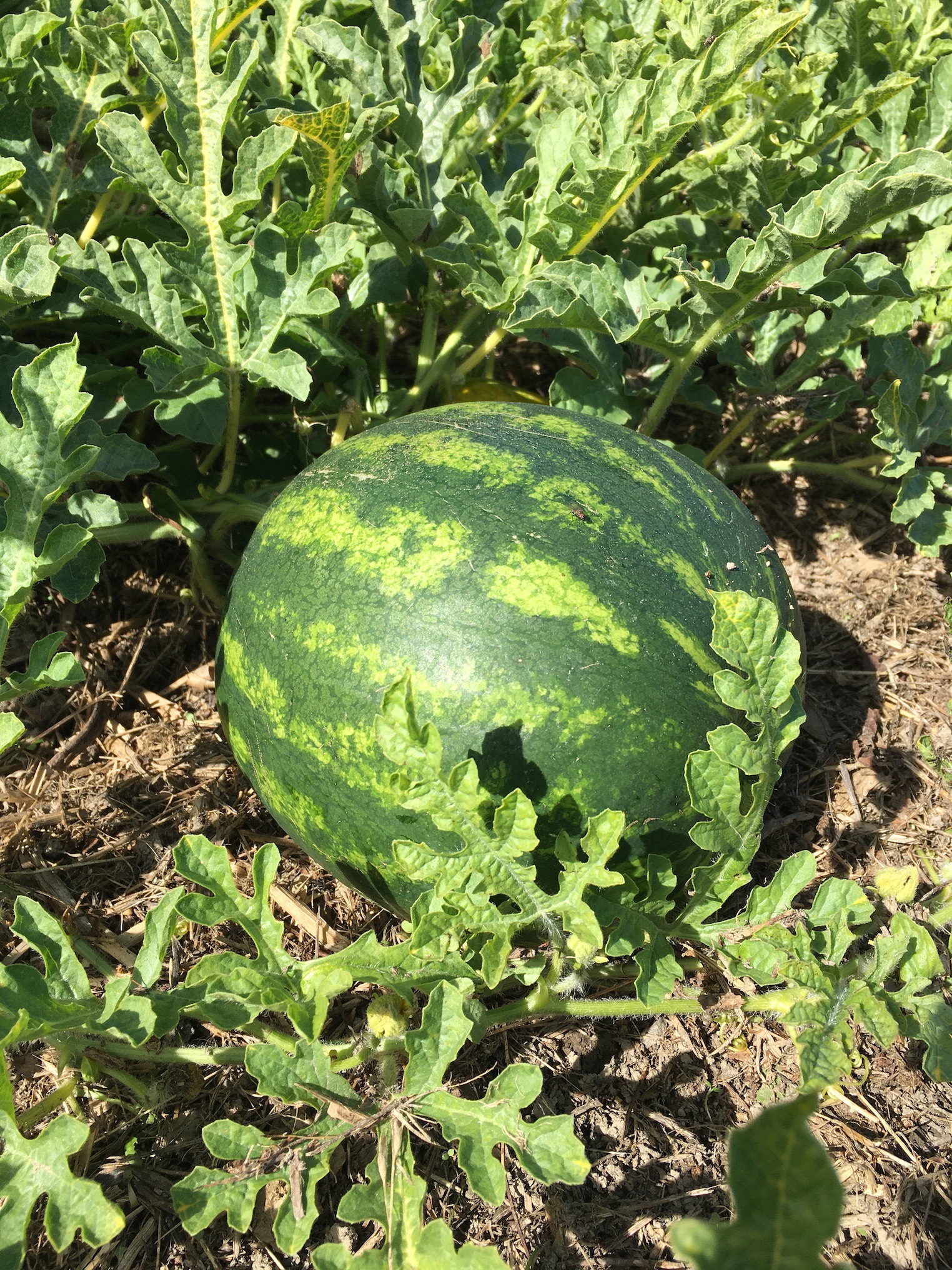
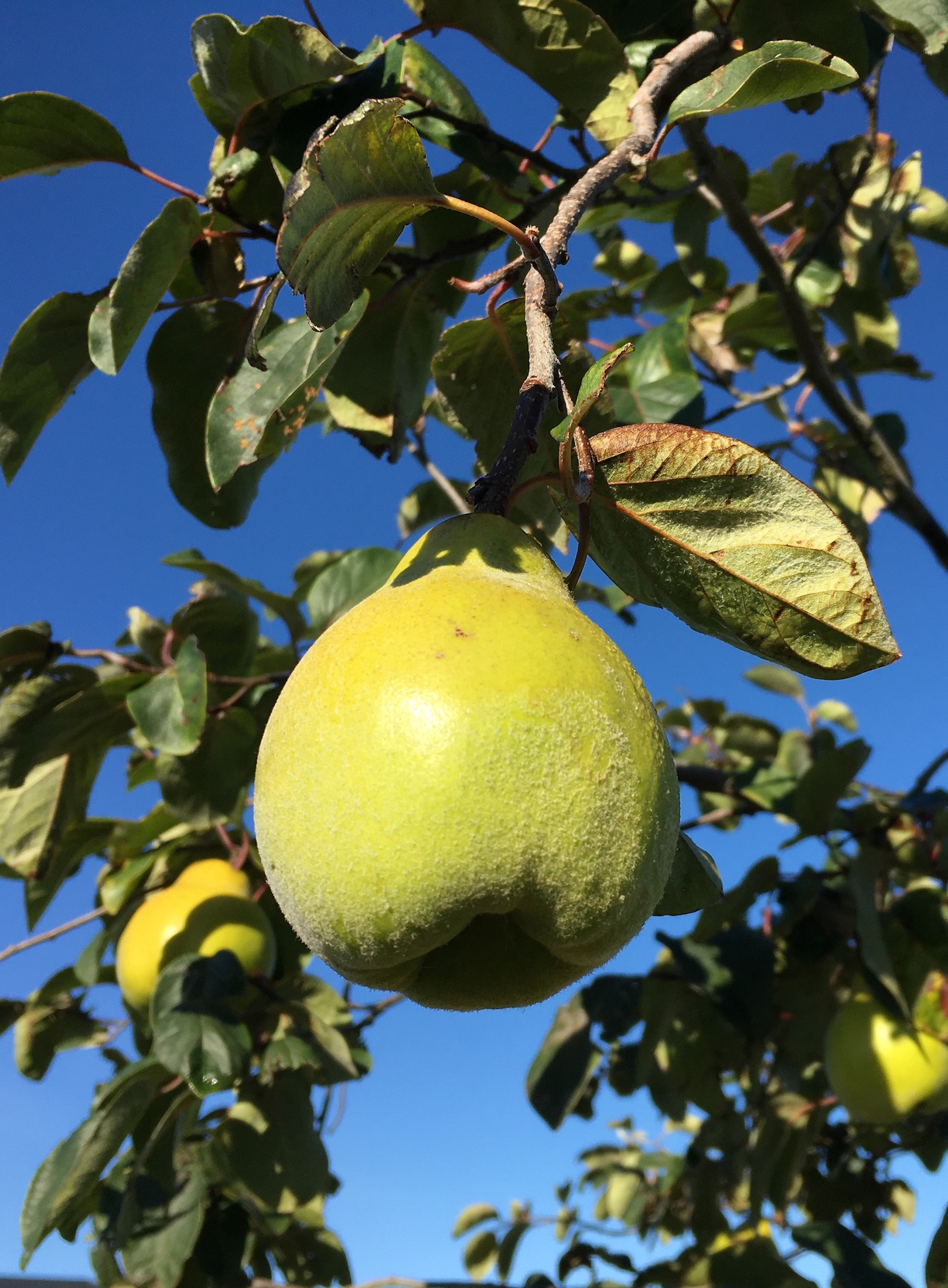
The sweet corn, melons, pears and apples are still sitting there, ever so slowly maturing and ripening. I try not to check them every day—I try to be patient. If I tested one apple on our tiny trees every day, there would be none left by the time they were actually ripe. But it’s hard to be patient while awaiting such seasonal treats. And the worst thing is to NOT check and go out a few days later to find the possums have eaten them all, because they ripened while you weren’t looking.

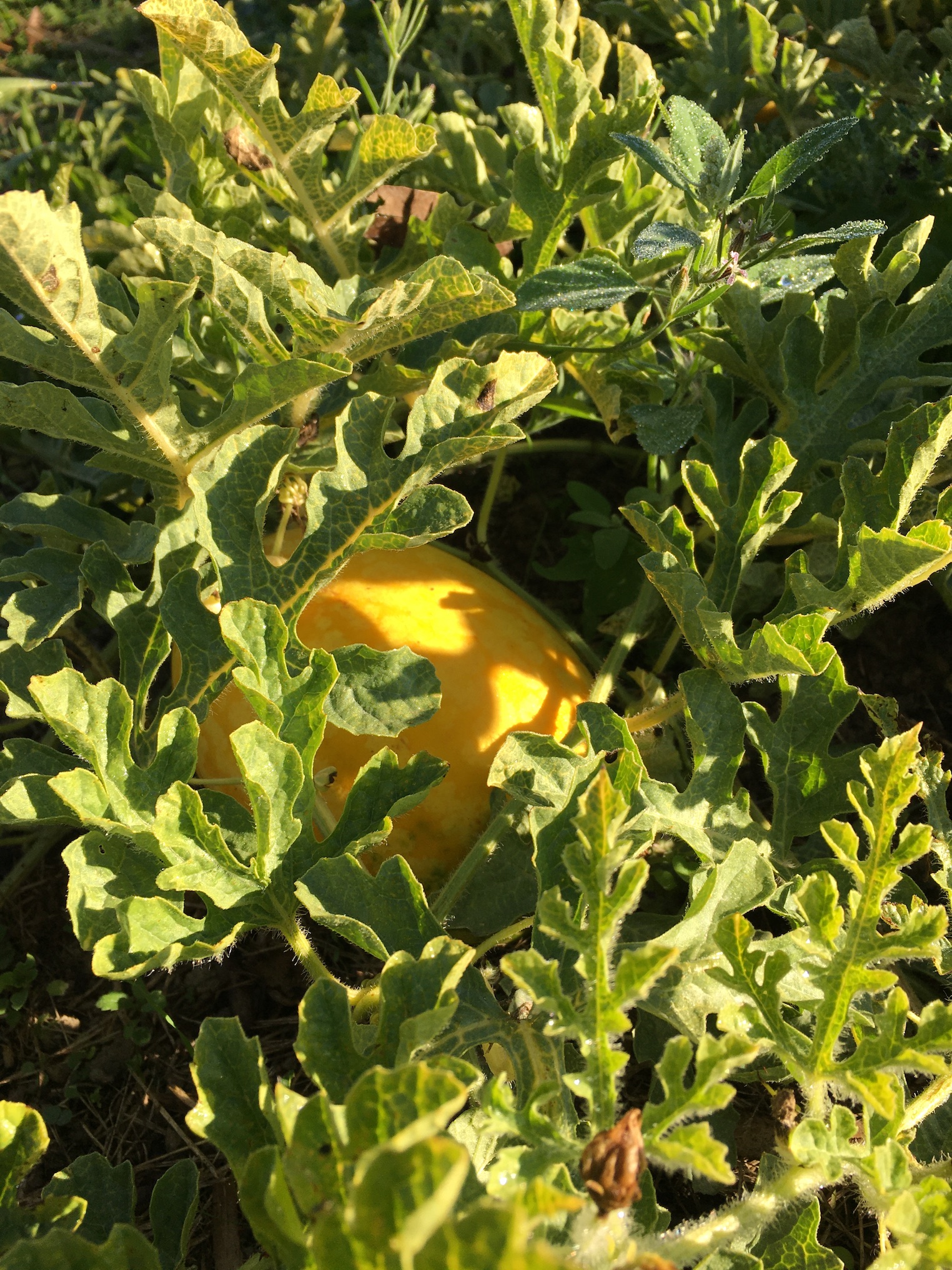
So I tap that watermelon—does it sound hollow? I check its underside—it’s bright yellow, but I know that no matter what the books say, it doesn’t signal ripeness; it’s been yellow underneath since the fruit was the size of my fist. I peel back the husks on an ear of corn to peek at the kernels—are they plump yet? I bite into an apple, hoping for sweet, not astringent.

After decades of gardening, I’m still impatient for the fleeting pleasures of fresh sweet corn and melons, apple pie and pear tarts. I reckon that’s a good sign—I still get a thrill from the chase, the anticipation.

And one of these days soon … there will be watermelon on the table.

Feathered Friend

The vast majority of the birds in our yard are non-native invasive pests—English sparrows, European starlings, blackbirds, goldfinches and song thrushes wreak havoc in the garden. They eat fruits and vegetables, dig up seedlings, spread mulch all over the lawn, and strip young plants of leaves. If I could net the entire yard to keep them all out I would.

But some of the avian visitors to our place are welcome. The fantails that flit in and out of the house snapping up flies are a delight. The silvereyes picking aphids off the trees are both adorable and helpful. And the magpies may be noisy and aggressive, but they are quite entertaining as they dive bomb the cat or squabble with each other.

The tall trees across the road from our place are home to a host of white-faced herons. They croak and grumble among the branches like modern pterodactyls, and I love to watch them winging home in the evenings, landing awkwardly before settling down for the night. 

They rarely give our yard a second glance, but for the past week, a young heron has taken a liking to our porch and front garden. 

There’s something wrong with him. I say that not because of his interest in our porch—it is a nice place to hang out—but because his legs are oddly splayed and he wobbles when he walks. Still, he seems to be holding his own, and he has no trouble flying out of range of the cat when he comes stalking. It’s possible his flight is impaired as well, and that’s why he’s foraging close to home in our garden. Or maybe he’s discovered our soil has lots of worms to offer. Either way, I wouldn’t mind if this bird stuck around.

In Praise of the Pencil

I don’t consider myself a Luddite—at least not when it comes to writing. I publish e-books and use lots of online tools for marketing, distribution, etc. I love the writing software, Scrivener, and own both Adobe and Affinity design software for creating my print books and marketing material. I  don’t know how I would manage without all the tech I use for writing.

But I love pencils. 

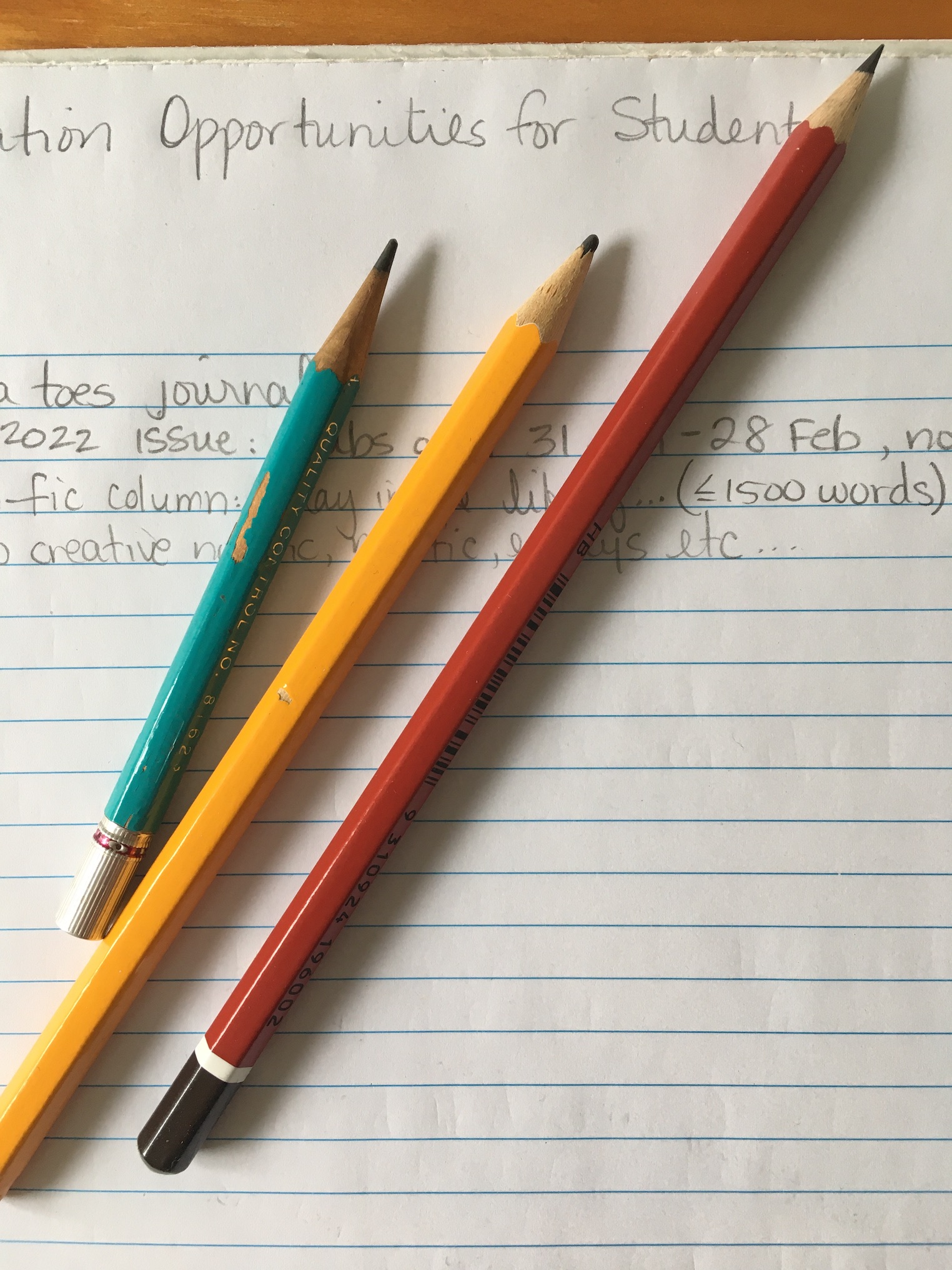
There is something about the tactile sensation of a good, sharp, Number 2 pencil that unlocks my creativity. I love the way a pencil moves over the paper—with enough resistance you feel the shape of every letter. I love how the line thickness is responsive to pressure and direction. I love the warmth of wood beneath my fingers. Writing with a pencil is like caressing words into being.

I appreciate the erasability of pencil. I admire the elegance of letters formed in pencil. The sound of a pencil rasping across the page is soothing to me. I appreciate being able to write upside down, in the rain, and on multiple surfaces with a pencil. I love the fact that much of a pencil is actually used up in its use, and most of it is biodegradable. I love that a pencil can sit in a drawer for 50 years and still be perfectly functional.

I enjoy the contemplative nature of sharpening a pencil to the perfect point. The gentle grey of graphite on the page is easy on the eyes. Pencils require no electricity and can be carried anywhere.

I’m picky about my pencils—I can’t stand the not-proper-graphite, reconstituted-wood pencils. Real wood and soft flaky graphite are a must. Otherwise, the proper pencil mood doesn’t materialise. With a good pencil, dragons become real, magic portals open, and there’s a pot of gold at the end of every rainbow.

Strawberry Cupcakes

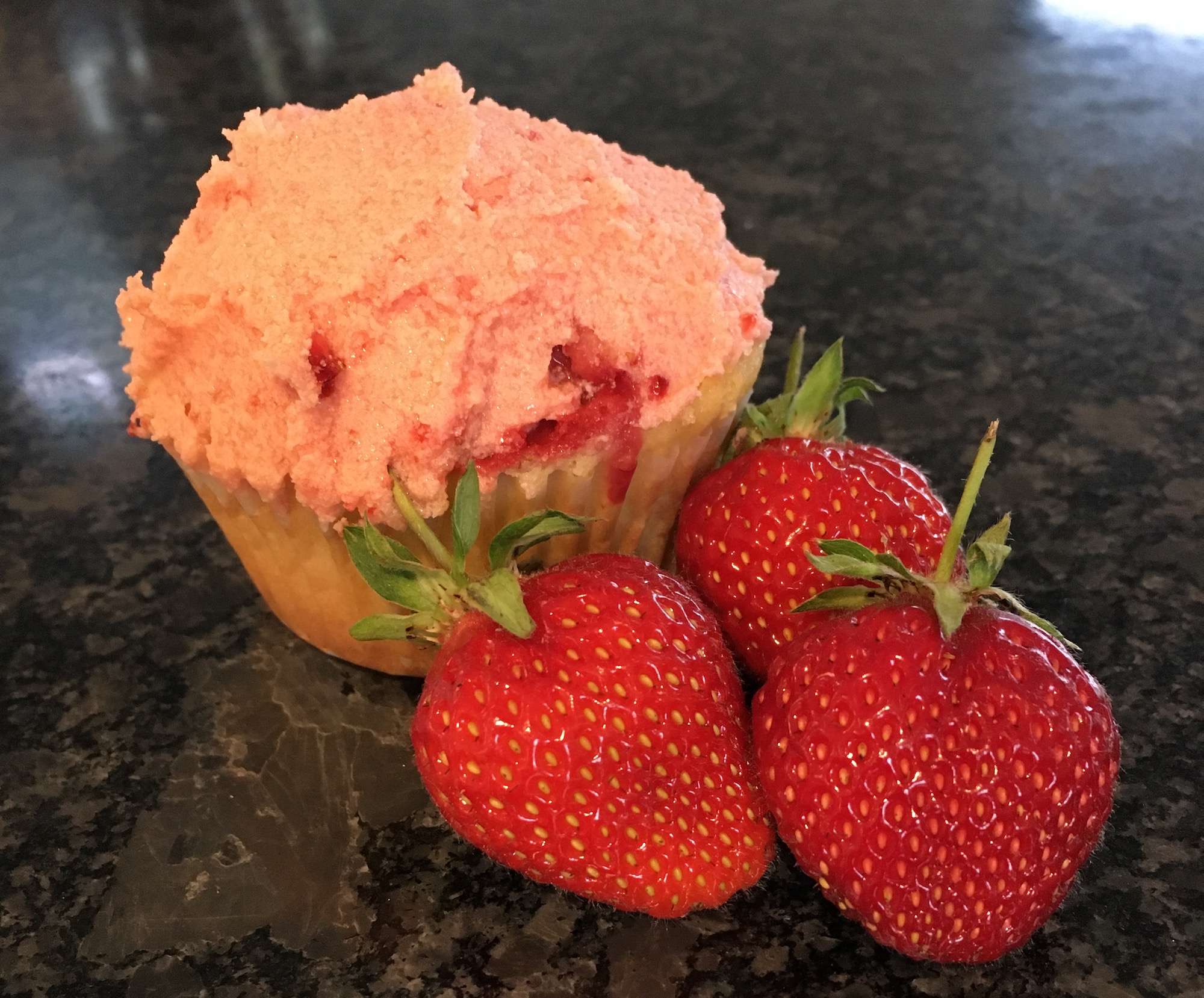
Every now and again, you come across something that is as delicious as it is easy. The other day I wanted to make a cake involving strawberries, because it’s that time of year. I looked at lots of recipes online that involved making a strawberry reduction first, but it seemed like an awful lot of work. I was really looking for simple. 

So, ignoring everything I’d seen online, I modified a basic vanilla cake recipe from the Mennonite Community Cookbook, adding sliced fresh strawberries, and whipped up a quick strawberry icing. I baked the cake as cupcakes, as I often do to keep our portion sizes down (because you know I can’t resist cutting a huge slice of cake …).

The result is exactly what I wanted—an easy cake that highlights fresh strawberry flavour. I’ll definitely be making this one again.

Strawberry Cupcakes

3/4 cup butter, softened
1 1/2 cups sugar
3 eggs, separated
3 cups all-purpose flour
1/2 tsp salt
3 tsp baking powder
1 cup milk
1 tsp vanilla
1 1/2 cups fresh strawberries, sliced

Cream the butter. Add sugar gradually and beat until fluffy. Add egg yolks and beat until well incorporated. Sift flour, salt and baking powder together in a separate bowl. Add flour mixture alternately with milk and vanilla, beating well after each addition. Fold in stiffly beaten egg whites, then fold in the strawberries.

Fill cupcake papers, and bake at 175ºC (350ºF) for 25 minutes. Allow to cool completely on a rack before frosting.* Makes 24.

Strawberry Frosting **

60 g (1/4 cup) butter, softened
1 cup icing (confectioners) sugar
1/2 tsp vanilla
3 Tbsp pureed fresh strawberries
Puree strawberries in a blender (I had to puree about a cup and a half of berries in order to have enough volume for the blender to work with—just save the extra puree. There are hundreds of delicious uses for it). Cream the butter. Sift the sugar over the butter and continue to beat. Add vanilla and strawberry puree and beat until well blended. Adjust the icing by adding more sugar or strawberries until it is a spreading consistency. 

* It was a warm day, and I was a little worried my strawberry icing would weep if it sat at room temperature with the cupcakes. Instead of frosting them all, I frosted only what we were going to eat right away, storing the remainder in the fridge, to spread on the cupcakes as we eat them. Alternately, you could store your iced cupcakes in the refrigerator. Mine is currently stuffed full of zucchini and green beans—no room for cake.

** Double this frosting recipe if you want to ice all 24 cupcakes. I put half the cupcakes in the freezer unfrosted, since I haven’t got kids at home to devour them at the moment, so I only made a small batch of frosting.

From Haast to Haast Pass

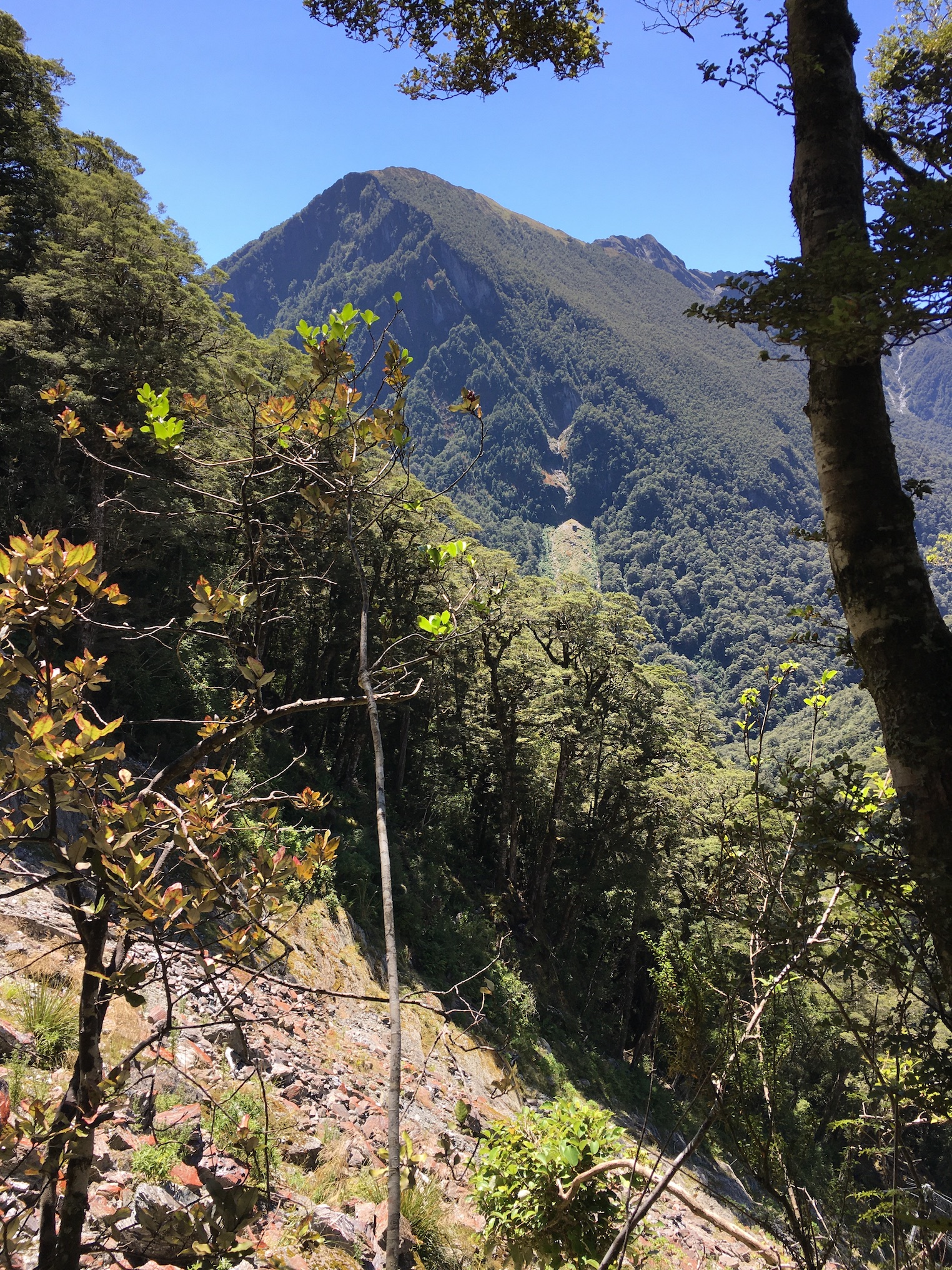
My husband and I spent the past four days on the West Coast. I was helping him with some field work involving a lot of bush bashing on steep slopes.

The trip also involved a lot of driving–all the way from Greymouth to Haast, and then over to Wanaka before heading north again. It being the West Coast, the road crossed many creeks, each one named by a small road sign. After a particularly waterway-rich stretch of highway, where  we crossed a creek every 50 metres or so, we began to note ALL the creek names. At some point I began writing them down—they were strangely poetic.

I’ve taken a section—State Highway 6 between Haast and Haast Pass—and have written a poem that uses each creek name, in order starting in Haast, and evokes South Westland. The creek names are the only words capitalised.

you swish through the Grassy paddock
to take a Snapshot,
then fossick for Greenstone
on the beach amidst the strewn blossoms
of southern rata, that seasonal Myrtle
Harris says brings out the colour of
your eyes when he tucks a bloom behind your ear.

ankle deep in the Glitterburn
on a tuesday that sparkles with gold
you fire a text to Roy and Joe,
knowing they are stuck in Dismal london,
while you grow Dizzy trying to track
the flitting movement of a tomtit
in the undergrowth, its Gun Boat grey
blending into the shadows, white breast
winking like a Cron command,
Dancing to its own irregular beat.

and deep in the forest, the Roaring Swine
fill the Gap in the silence and find
the Chink between birdsongs.

your Cache of wonder sits at the Depot,
its Square Top a fitting seat
for Orman,
the Imp with Mossy eyes.
his Eighteen Mile hike on Gout swollen feet
has not dampened his spirits.
he recites MacPherson’s translations,
mixing the ancient gaelic with
lines you’re certain came from Douglas adams.

the Serpentine path you wander tumbles
over boulders soft with moss like grandma Evans’ arms
when she would pull you into those hugs you
hated as a teen, when you and your cousin Chelsea
walked the tired streets of town—
three blocks, then Pivot to retrace
the entirety of main street—hoping
for some excitement.

now it is Solitude you crave.
as Douglas said—space is Big—
surely there is enough of it that you
can carve out your own piece of it
here, among the ancient footprints
of Moa, tangled in a Briar,
imagining Haast eagles soaring overhead.

Diana would have been your goddess,
in this wilderness of rain where The Trickle
of water is more like a roar and
liquid is a Cutter of stone.

you would stay here for decades
like Robinson crusoe, study the
ants at your feet as though you
were e. o. Wilson.

instead you Cross the river
and stand dripping and shiny
as a nugget of gold on the other side.
10 Garden Hacks

A few days ago on an online group I’m part of, someone asked about people’s life hacks.

I thought about it for a while and realised that I spend so much time in the garden, that my ‘life’ hacks are mostly garden hacks.

So here is a list of 10 of my many garden hacks:

  1. Cut up empty milk bottles to use as plant tags.
  2. Give your chickens the run of the vegetable garden during winter—they’ll keep pests and weeds down and make springtime garden prep easier.
  3. Recycle old cotton sheets and clothes, and raffia baskets as biodegradable plant ties.
  4. When picking carrots, water well about an hour beforehand—the soft soil will make the carrots easier to pull.
  5. When thinning carrots, remove the largest plants first—the small ones will grow, and you’ll be able to eat your thinnings.
  6. Instead of tossing empty juice bottles in the recycling bin, fill them with water and line them up in the greenhouse—they’ll store heat during the day and release it at night. Paint them black for even more heat absorption.
  7. Fill plant pots with cement to use as weights for things like bird nets and row covers. Give them wire handles threaded with a short section of irrigation pipe so they’re easy to move around.
  8. Whenever you cook something, like pasta, that is boiled and drained, save the boiling water and pour it on weeds to kill them instead of sending it down the drain.
  9. Plant summer lettuces in the shade of tall crops like corn to keep them from bolting too quickly.
  10. Plant rangy crops like pumpkins next to early crops like brassicas—by the time the pumpkins grow large, the brassicas are gone and the pumpkins have space to sprawl.

Black Currant Pie

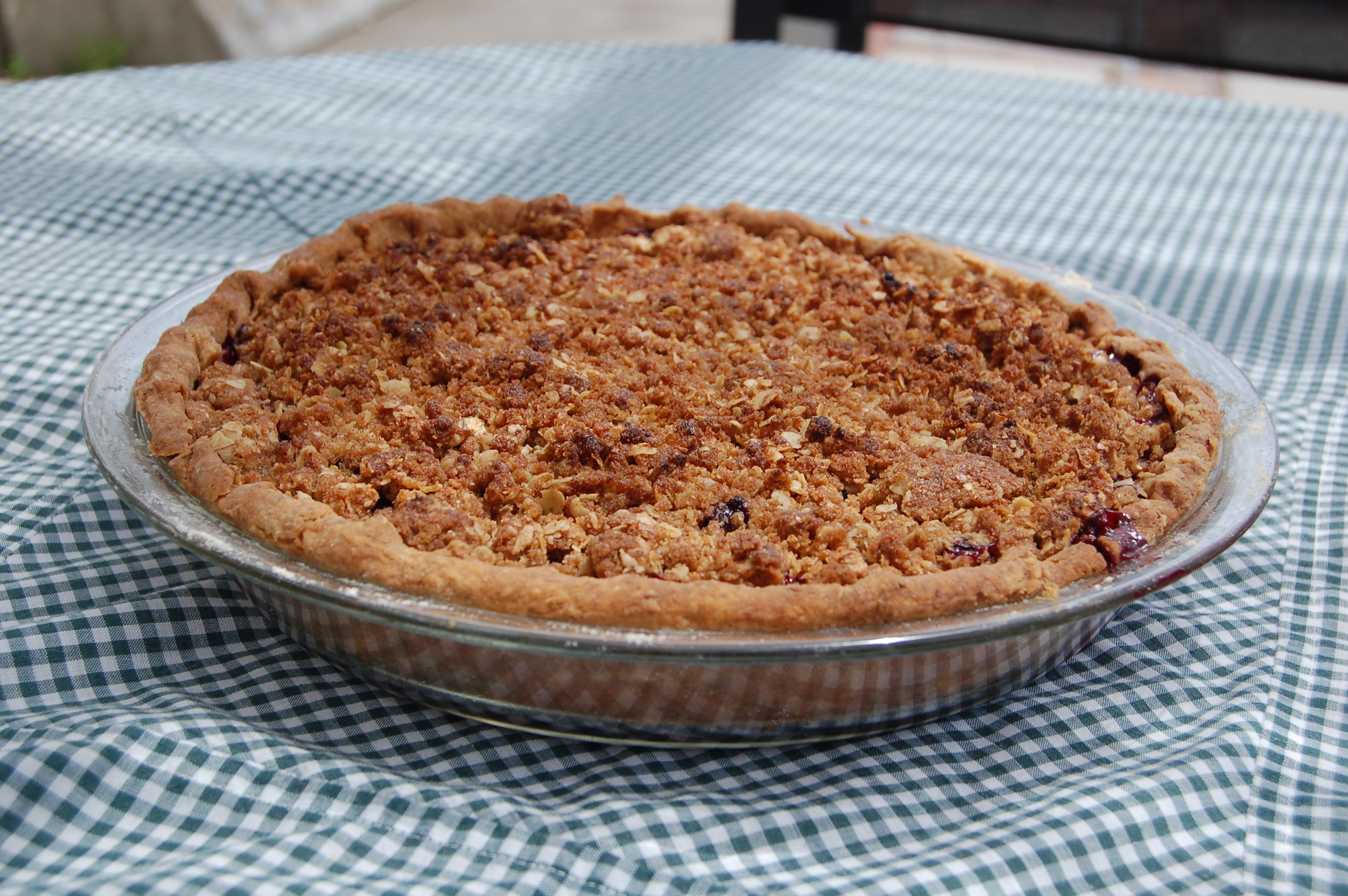
I have blogged about black currant pie before, but it’s worth doing again. This year’s black currant harvest was overwhelming, not just because it came in the two weeks on either side of Christmas, but also because it was huge. It didn’t help that the red currants also gave a hefty crop at precisely the same time. For two weeks, I felt like all I did was pick and process currants.

Well, and eat them, too.

We use currants in ice cream, crisps, cobblers, fruit salads, and smoothies, but my favourite way to eat them is in pie.

Black currant pie is not for the sour-averse—it is a full-bodied, knock-your-socks-off type flavour. To me it is the flavour of summer. And because it works equally well with frozen berries, I always try to save enough so I can make black currant pie on the winter solstice and dream of long summer days in the chill and dark of winter. 

So revel in the intense flavours of summer and enjoy a slice of black currant pie. You can download a pdf of this recipe here.

Crust:
¾ cup all purpose flour
¾ cup wholemeal flour
¼  tsp salt
60 g butter
60 g Olivani
3-4 Tbsp ice water

Filling:
4-6 cups black currants
½ cup sugar
2 Tbsp flour

Topping:
2/3 cup flour
2/3 cup finely chopped walnuts (or rolled oats)
2/3 cup brown sugar
1 tsp cinnamon
75 g butter, melted

Crust:
Whisk together the flours and salt in a medium bowl. Cut in the butter and Olivani with a pastry knife until the largest chunks of butter are the size of small peas. Sprinkle the ice water over the flour mixture and combine with a fork until evenly moistened. Knead lightly, just until it forms a coherent dough (it will be crumbly). refrigerate while you prepare the filling and  topping.

Filling:
Combine sugar and flour in a small bowl. Mix with stemmed, washed black currants and set aside.

Topping:
Combine the flour, walnuts, sugar and cinnamon in a medium bowl. Stir in the butter with a fork until evenly moistened and crumbly.

Roll out the crust and place in a 23 cm pie pan. Pour the filling into the pan and sprinkle evenly with the topping. Bake at 200°C for 30 minutes, then reduce the heat to 170°C and bake another 30 minutes.

Serve with a generous dollop of whipped cream.

Summer Fruits

strawberries and rhubarb

Before our house was even staked out on the ground, we knew where the vegetable garden and berry fruits were going to be planted. We began preparing the garden months before the builders arrived. We took cuttings from berries at the old house, and were planting well-rooted currants and gooseberries as we finalised the design for the house. We tried to avoid mistakes we made at the last house—just one, not two, rows of bushes per bed, to make picking easier, and fewer plants overall. No need to be overwhelmed with fruit.

Last year, we harvested a handful of fruit from the currants, gooseberries, raspberries and boysenberries. The strawberries gushed fruit for the better part of the year. For barely established plants, they did well. 

This year, with most of the plants well established, we’re inundated with berries—so much for not being overwhelmed. The week before Christmas was a frenzy of fruit processing—we froze fresh fruit and fruit puree, made several batches of jam, and ate a whole lot of fruit pie, trifle and fresh berries.

Upon our return from our Christmas trip, there were even more berries ready to pick. We made more jam, preserved more whole fruit, made more pie, and have been eating fruit five times a day. The cupboard is once again packed with jam, and the freezer is stuffed with frozen berries. Thankfully, the currants and gooseberries are nearly done producing, but the raspberries and boysenberries are still going strong. The strawberries are finished with their first heavy crop, but should maintain a level of output we can easily eat for the next few months. I’m thankful the grapes are only in their first year and the blueberries aren’t doing as well as the other berries—not that I don’t want grapes or blueberries, but I’m worried about freezer and cupboard space.

lemon raspberry cake
Lemon raspberry cake

At least the fruit trees are still young—we got a handful of cherries, and will have a few pears, apples, and peaches if we’re lucky, but shouldn’t be overwhelmed.

It’s a lovely problem to have. With the summer vegetables coming on strong, too, there is a real sense of abundance in the house—a great way to start the new year.

Guerrilla Art

We spent a night in Wanaka last week before our tramping trip. While wandering around town looking for a likely spot for dinner, we came across some poems stuck onto a bridge railing. 

Like a Banksy painting, the poems were certainly not ‘legal’ and were no doubt frowned upon by the local authorities. But also Banksy-like, they made passersby smile and think.

Years ago, when my husband and I lived in State College, Pennsylvania, we regularly took our walks in the agricultural fields near the edge of town. Along the path, shortly after leaving the neighbourhood, someone had installed a tiny section of sidewalk. Embedded in the concrete was the poem ‘Where the Sidewalk Ends’ by Shel Silverstein. There was no indication of who had installed the poem, and it was tucked away beside the field as though it had been surreptitiously installed in the dead of night. 

There are municipally sanctioned examples of Guerrilla art—art that appears in unlikely places. The poetry among the rocks along Wellington’s waterfront is one example. But there’s something particularly delightful about the non-sanctioned art—the amazing sand sculptures people create on the beach, the sidewalk chalk drawings that proliferated during lockdown, the splash of graffiti on train cars. It’s an expression of life and spirit, a proclamation of something uniquely human, a statement about human lives.

I think we all could use a little more guerrilla art in our lives. Thanks to the Brownston Street Bard for your lovely contribution. May the ink continue to flow from your pen.