Gardens are Like Kids

DSC_0013Wednesday was a brutal one in the garden. Temperatures neared 30°C (86°F) and 125 kph (78 mph) wind whipped up billowing clouds of dust and flattened plants. There was nothing I could do but hope I’d watered enough last week and tied up the tall plants well enough that they could recover afterwards. When the sun set and the wind died down, I ventured out to survey the damage. As I feared, the plants were limp and battered. I watered them well overnight, and most looked refreshed by morning, ready to face another day of sun and wind.

It’s a lot like sending the kids off to school each day. It’s a harsh environment—they have to navigate school work, buses, and relationships with peers and teachers. They need these challenges to grow, just as plants need the sun and air, but some days the wind blows too hard. A new teacher, a friend who has moved away, a taunt in the lunch room…as a parent, you know these things will happen, and there is nothing you can do except hope you’ve given your children enough love and support to recover afterwards. They come home flat and battered, and you give them some extra TLC so they’re ready to go back and face it again the next day.

There’s only two things that money can’t buy…

DSC_0033 smTrue love and home grown tomatoes—the only two things that money can’t buy, according to singer Guy Clark. I could add a few other foods to that list, but he’s definitely right about the tomatoes.

Home grown tomatoes are the only ones we’ll eat any more. Life’s too short to eat the store bought ones. I plant 6 or 7 varieties every year—a couple of new ones, and a bunch of old favourites. Each variety has different uses.

Brandywine is without a doubt, the best tasting tomato on the planet. So good that I plant it every year, even though the summers are really too short and cool for it here. For raw eating, nothing beats a Brandywine.

Delicious is almost as good as Brandywine. It’s my insurance policy; it grows better in cool weather than Brandywine does. I’m sure to get some Delicious, even if the Brandywines don’t give well, or they all get eaten by the birds (they think Brandywines are best, too, and even eat them green).

Amish Paste is robust and prolific. Unlike many other paste tomatoes, it manages well with erratic watering. Fleshy and dry, it makes great sauces.

Russian Red is my prolific, hardy workhorse tomato. It has small fruits with a fine, but not stellar flavour. Its value lies in its ability to flourish in cold weather, ripening fruits long after other varieties have succumbed to frost.

Suncherry is a lovely red cherry tomato that not only fills lunchboxes with juicy goodness, but also dehydrates well, providing us with lovely sweet/tart dried tomatoes all through winter.

Of course, the best way to enjoy a tomato is standing up in the garden, but here’s one of my favourite tomato dishes. This is straight out of Vegetarian Cooking for Everyone, by Deborah Madison. Make it with the best tomatoes you have, and don’t use an iron skillet or the tomatoes will taste tinny.

Tomatoes Glazed with Balsamic Vinegar

1 ½ pounds tomatoes

2 tablespoons butter

3 tablespoons balsamic vinegar

1 plump shallot, finely diced

salt and pepper to taste

Cut tomatoes into wedges about 1 ½ inches across at the widest point. In a skillet large enough to hold the tomatoes in a single layer, heat the butter until it foams. Add the tomatoes and sauté over high heat, turning them over several times, until their colour begins to dull, about 3 minutes. Add the vinegar and shallot and shake the pan back and forth until the vinegar has reduced, leaving a dark, thick sauce. Season with salt and plenty of pepper.
Pest Control

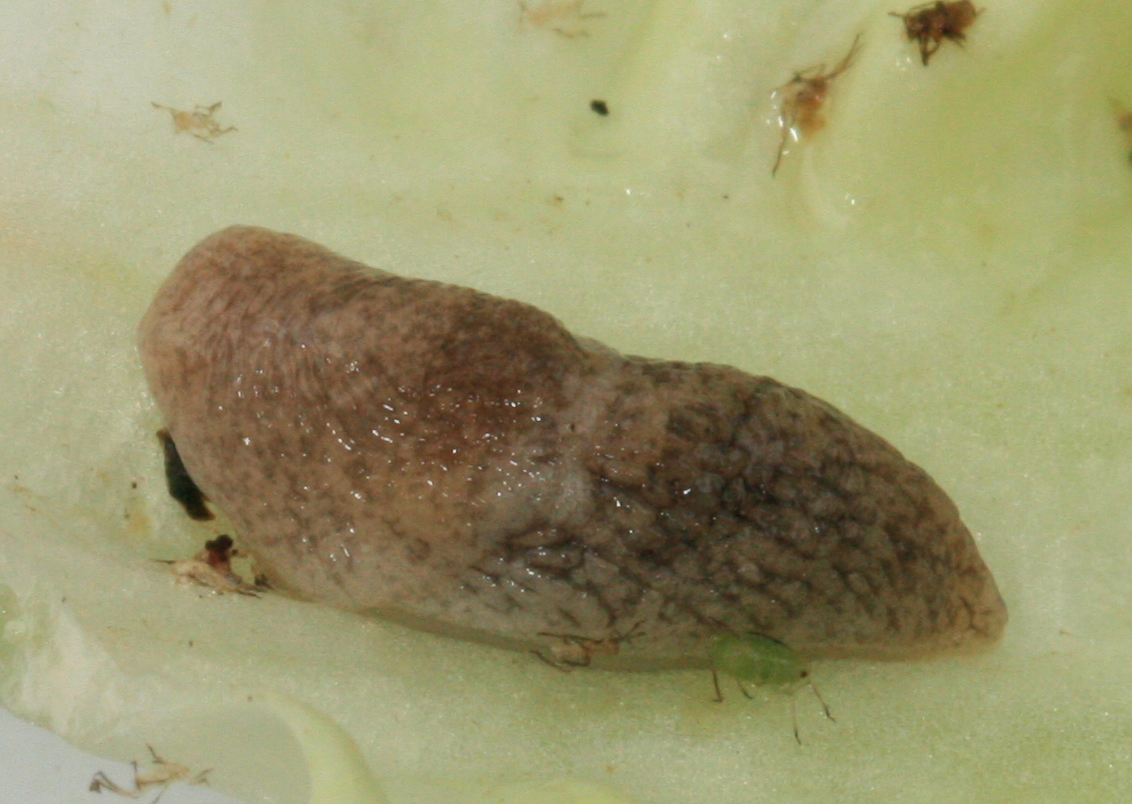
slug1cropAs an entomologist, I’m often asked, “How do you deal with (insert pest name here)?” What people really want to know is how they can kill said pest, so I usually give a two-part answer that goes something like, “Well, you can use (insert name of some agent of death), but what I do is…”

What I do is a reflection of my philosophy about humans’ place in the ecosystem, and how I believe we should treat fellow living things. If I had to boil it down to basic pest control strategies, it would be these:

1) Know thine enemy. Learn the life history and ecology of your pests. When do they emerge? How do they feed? How do they home in on your crops? Where do they overwinter? When you understand the pest, you can modify your garden to minimise trouble. For example, I’ve found that our aphids prefer green lettuce, so I plant mostly red ones, and get an extra month or more of pickings before the aphids get to them. I avoid cabbage white caterpillars by planting my broccoli as early as I can in spring. By the time the caterpillars infest the plants, they’re almost done giving anyway.

2) Don’t be squeamish. You can do everything right and still sometimes be overrun by pests. Before you reach for a bottle of some toxic brew, take the time to squish some bugs. Aphids are easily crushed with a swipe of the fingers along a leaf. Beetles make a satisfying pop when squeezed (Don’t try it with slugs, though—ick!) It’s amazing how easily you can knock pests back by hand, especially if you catch the infestation early. I apply the same principle to my vertebrate pests—though it’s more gruesome for me dealing with the bodies, a quick death in a trap is more humane than a slow death by poison. Also, don’t be shy about killing your beloved plants. If one plant is covered in pests, and the others aren’t, sometimes the best thing you can do is sacrifice the infested plant before the pests spread.

3) Share. You learned it in kindergarten, and it’s just as important in the garden. You are growing delicious food, and others will want some too. Be prepared to give a little, and accept that you will have some pests. In Panama, the farmers understood this. They planted three seeds in each hole—one for God, one for the pests, and one for themselves.

The Smell of Summer

DSC_0021 copyThis time of year can be stressful, with birthdays, a new school year, endless vegetables that need to be picked and processed, milking to be done, and cheese to be made. By 8pm each day, when I’m finally getting out to pick vegetables, I’m exhausted and grumpy.

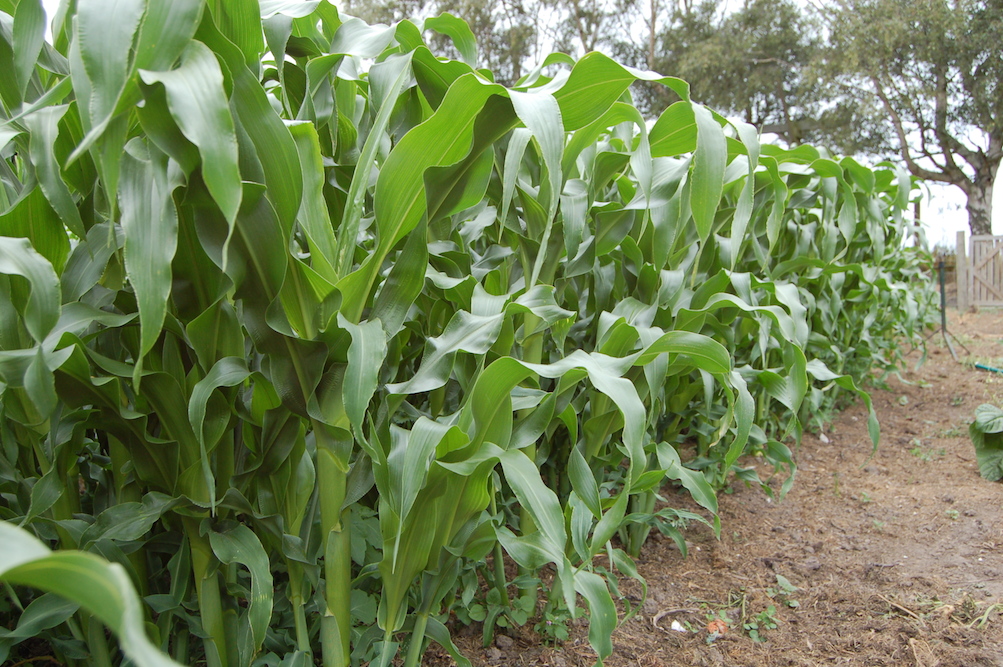
But the corn is flowering, and all I have to do is inhale deeply that unmistakable fragrance to be transported back to my childhood, catching fireflies in my nightgown in the back yard on hot summer nights. Stress and fatigue fade with every breath. Life is good and I am at peace. I could stand there inhaling that memory of childhood summers for hours. In fact, I sometimes sneak out there with my morning coffee, just to stand in the middle of the corn, breathing. It is the smell of hot summer days and humid nights, skinned knees, grasshoppers and cicadas, and wild games of tag among the corn rows. It is the smell of freedom from school, schedules, and other obligations. It is the smell of childhood wonder and possibilities. With every breath, some of that wonder, some of those possibilities become real again.

Dwarf Cakes

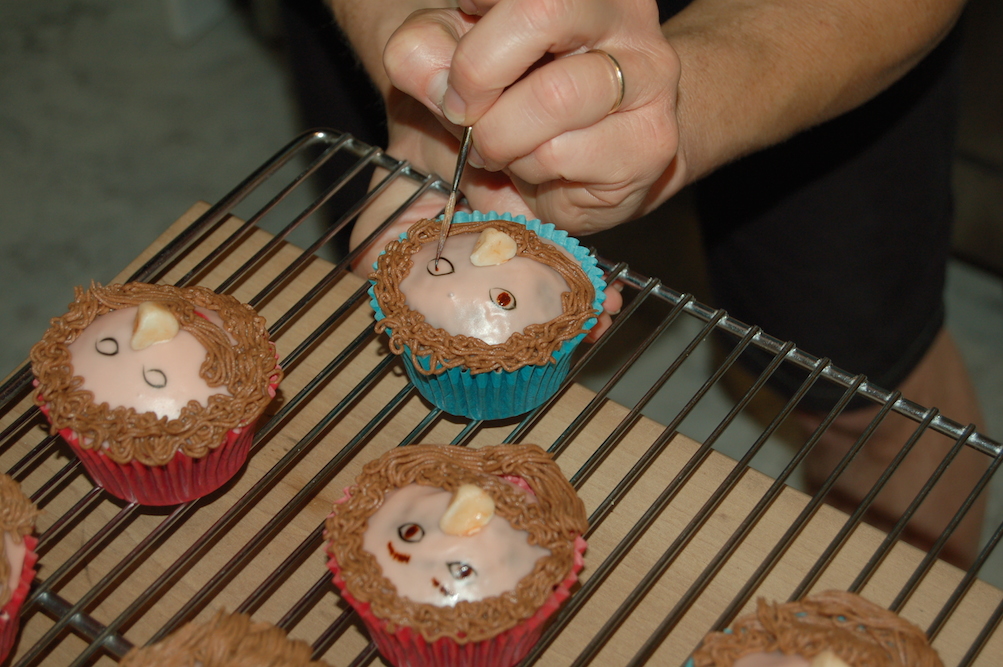
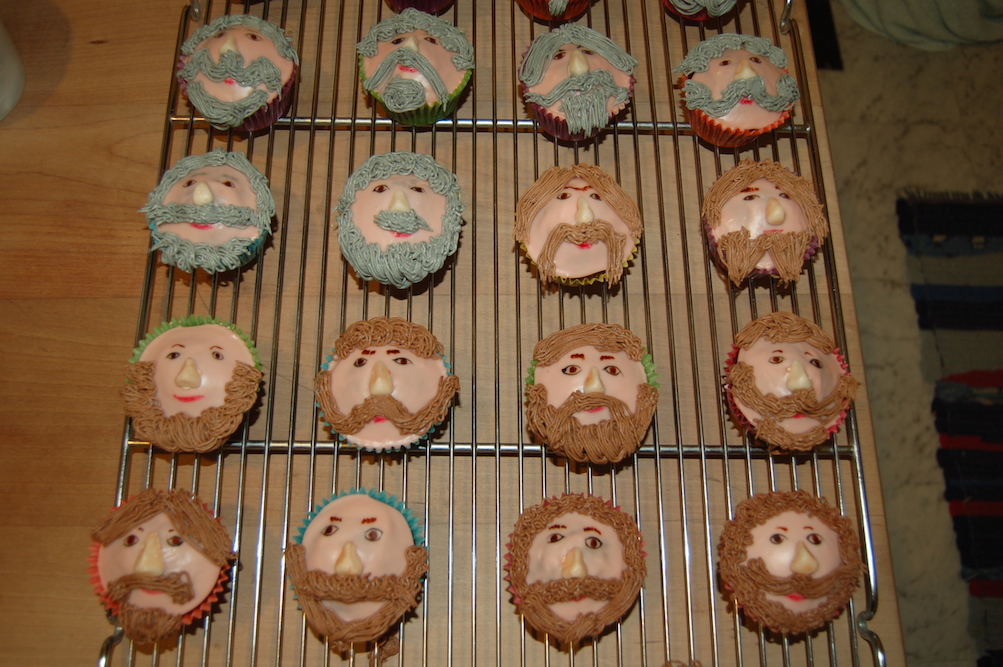
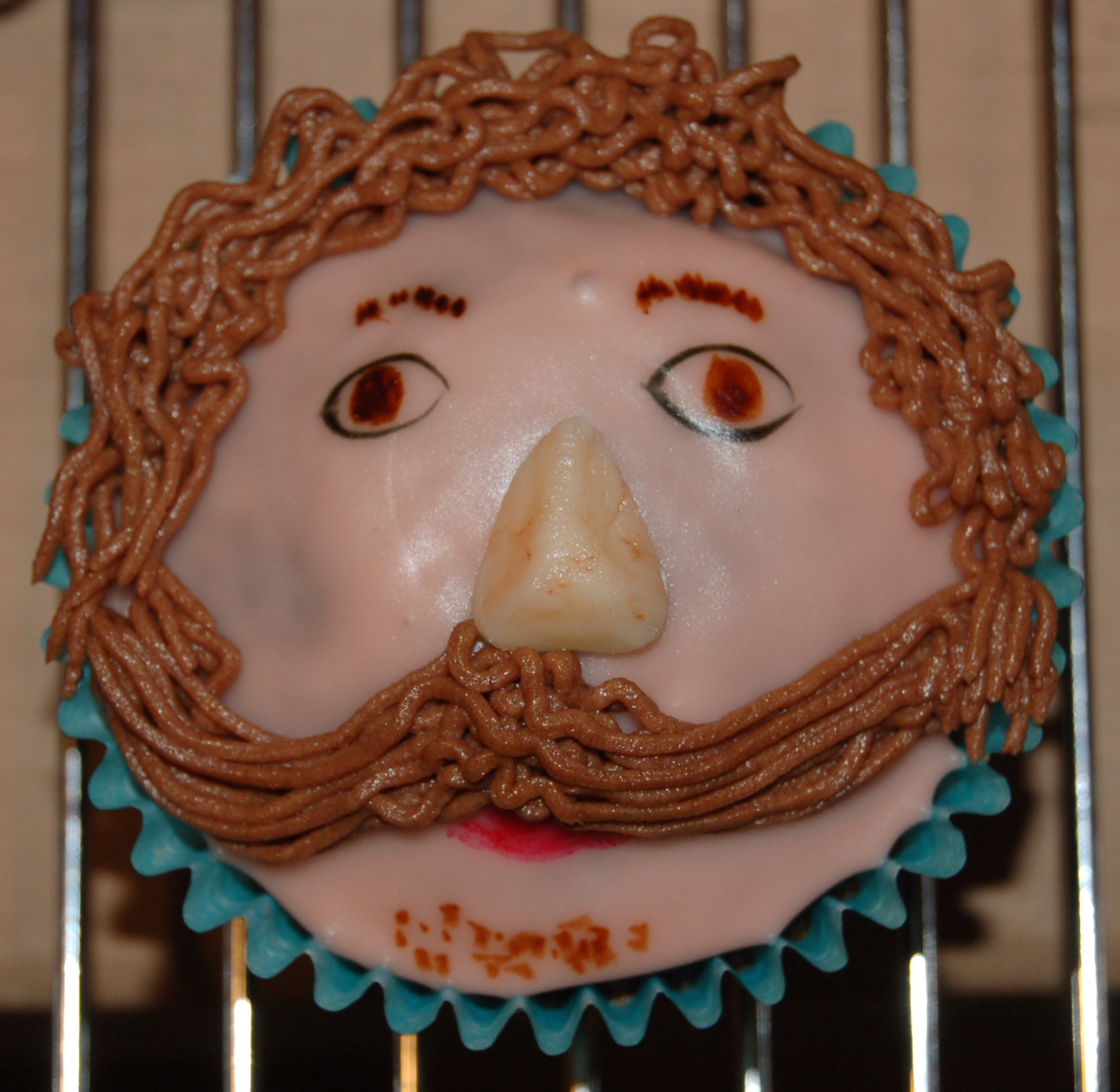
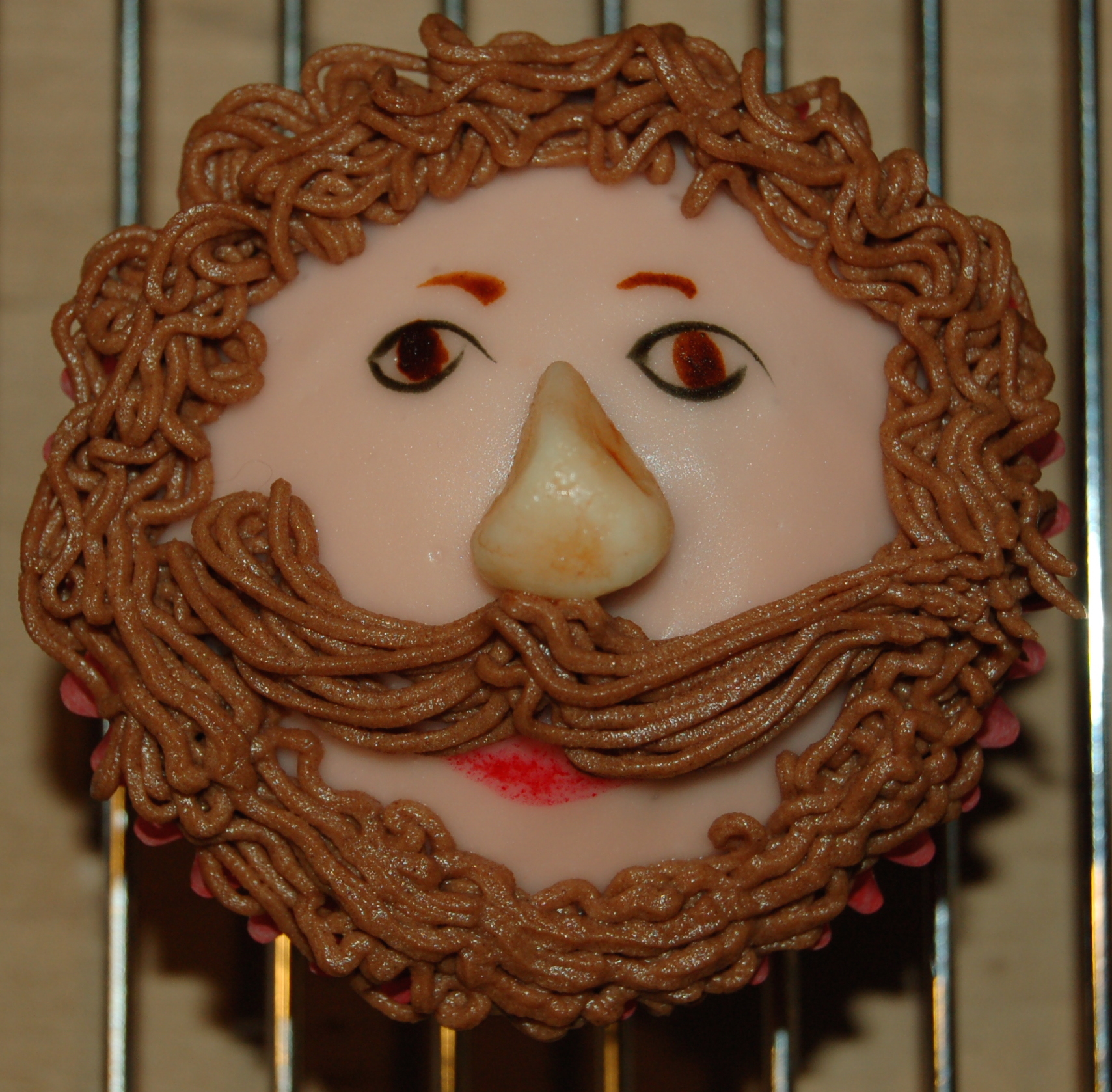
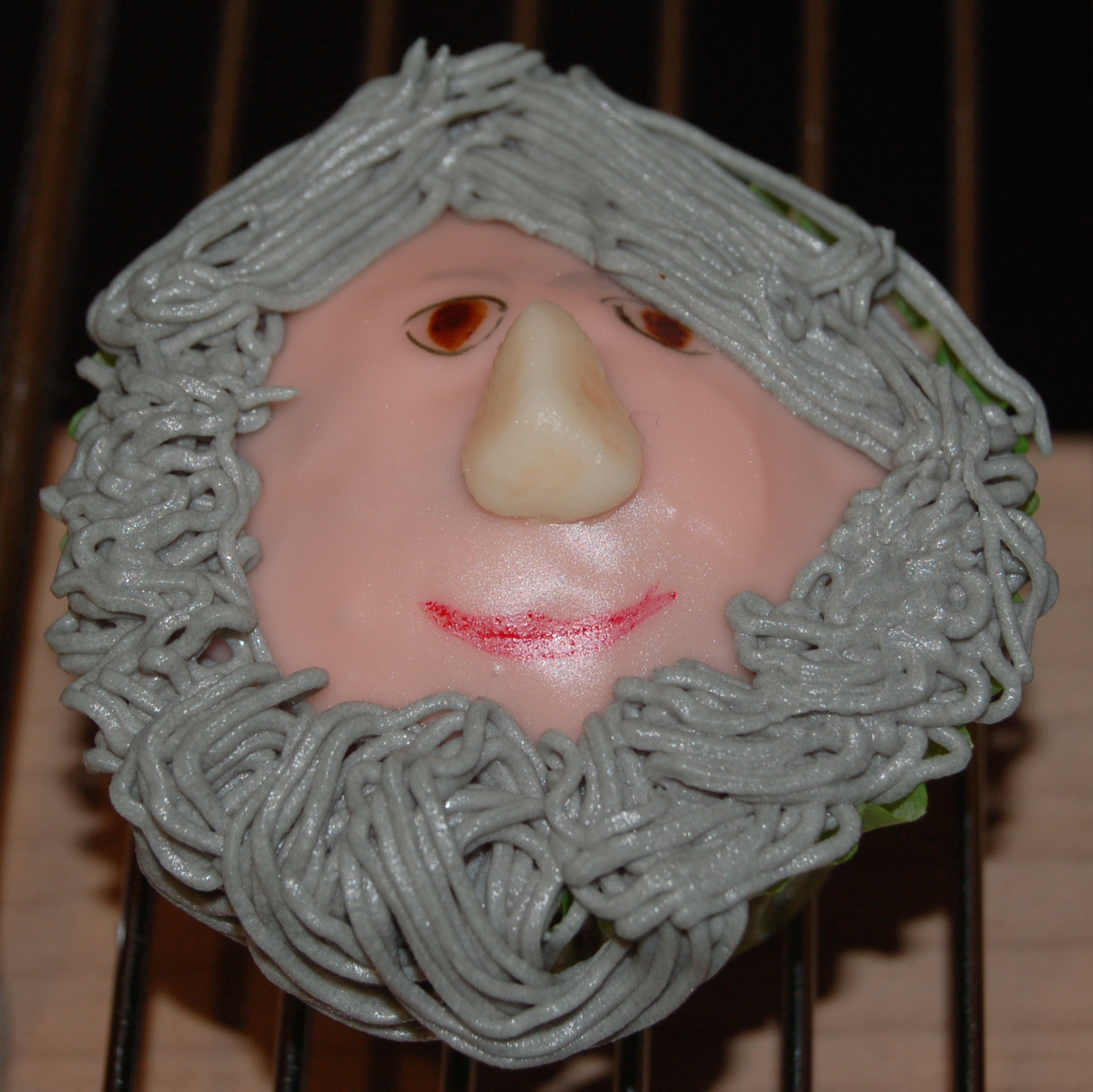
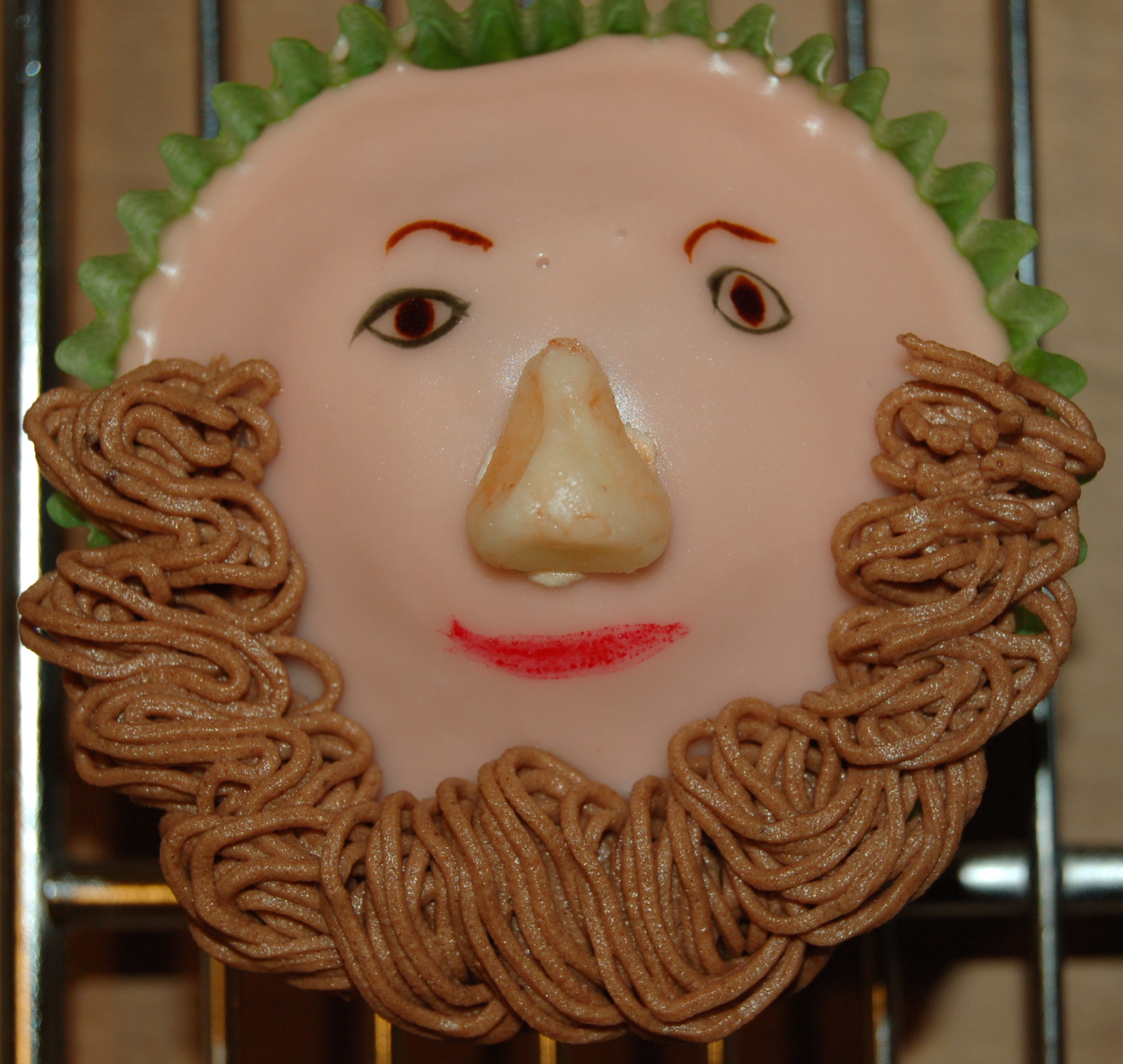
dwarves2smOver the school holidays, we saw the final Hobbit movie on the big screen, so I suppose it’s no surprise the kids wanted Hobbit themed cakes this year for their birthdays. The joint birthday party this year was held at Okain’s Bay—a weekend on the beach with a few friends. The party cake had to be able to travel, so a big elaborate confection like last year’s Smaug cake wasn’t going to work. I suggested decorated cupcakes instead, and the kids immediately decided they had to be dwarf faces.

So I pored over the cast photos from the Hobbit, made dozens of marzipan noses, and agonized about how to create braided icing. Some ideas worked, and some didn’t. Here are the results.dwarves4sm dwarves12 Dwarves13 dwarves16 dwarves17 dwarves18 dwarves19 dwarves20 dwarves21 dwarves22

Cheating the system

Oyster mushrooms1smMy husband cheats. No, not in that way. He cheats to beat the unwritten rule of summer: if we didn’t grow it, we can’t have it.

In summertime, there is so much food coming out of the garden, we don’t allow ourselves to buy treats like mushrooms. All summer long, we eat like kings, but keep thinking, “Boy, this is great, but it would be even better with some mushrooms.”

But this year, we can have mushrooms without feeling guilty about not eating our own produce. A couple of months ago, Ian and the kids “planted” mushrooms.

Hanging in the pump shed, like sides of beef in the butcher’s back room is a row of plastic sleeves stuffed with straw, inoculated with oyster mushrooms. They require no weeding, no watering, no pruning. They don’t take up space in the vegetable garden. We just go out there and harvest beautiful mushrooms—feels like cheating.

Grilled, sautéed, stir fried…doesn’t matter how they are prepared, these delicious little fungi put the crowning touch on our summer menu.

Vilma’s Marinated Eggplant

vilmas eggplantsmVilma was the sister of our host mother during Peace Corps training in Costa Rica. Her partner was a tall Italian with as fiery a temper as Vilma’s; they argued a lot, and Vilma regularly came to stay with her sister when she and her partner weren’t on speaking terms.

While at her sister’s, Vilma would cook, and Ian and I loved her for it. Our host mother’s cooking was often only barely edible. She believed in cooking vegetables well, and in saving time by boiling several days of vegetables at one time, and just keeping them in the pot on the stove. They got mushier and mushier every day, until it was all we could do to choke them down.

Vilma must have learned some culinary skills from her partner, because she made wonderful Italian food. One of her specialties was marinated eggplant. She brought a jar of it with her almost every time she came, and while it lasted we were in heaven.

We never thought to get the recipe from her, so we spent years afterwards trying to recreate that eggplant. Eventually we managed, and now Vilma’s marinated eggplant is a summer staple in our kitchen. It’s simple to make, and tastes great on bread or crackers.

2 small to medium eggplants

1 clove garlic, crushed

½ cup red wine vinegar

½ cup extra virgin olive oil

salt and pepper to taste

Peel eggplants and slice very thin (1-2 mm). Steam until the slices are tender and limp (but not falling apart completely). Whisk all the other ingredients together in a small bowl, and toss them gently with the hot steamed eggplant. Refrigerate at least an hour before serving (the longer the better, as the eggplant will soak up more marinade).

Lemon Cake

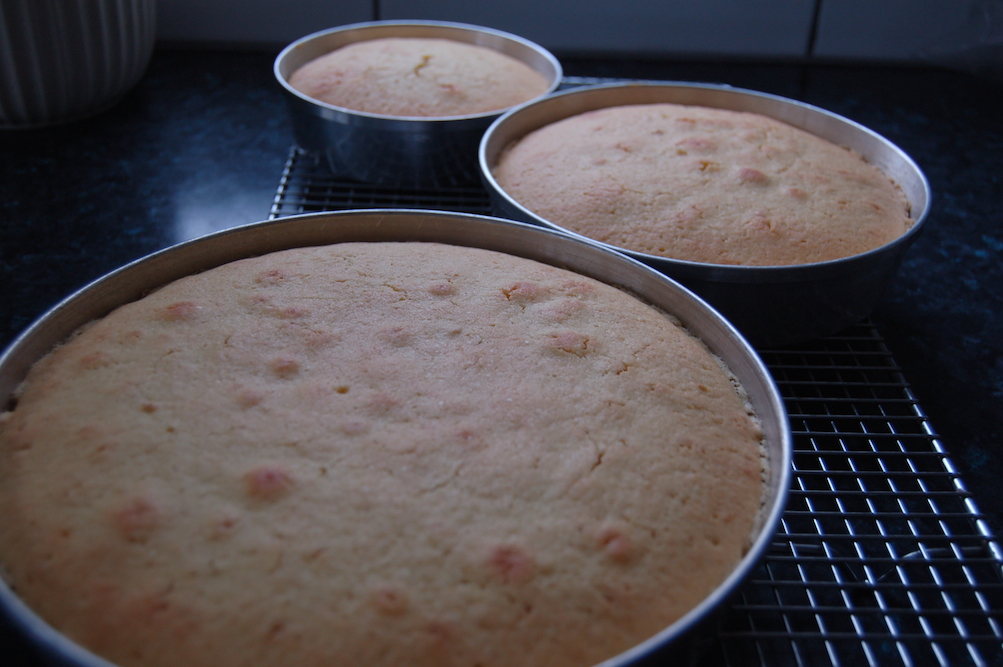
cooling cakessmCarrying on with the cake theme, I thought I’d share this Lemon Cake recipe. This is the second year in a row my daughter has asked for lemon cake for her birthday. Though my cookbook collection is truly excessive, I don’t have a good recipe for lemon cake. Since the first lemon cake request, I’ve been tinkering with various recipes, and this year I hit on a winner. This combines ideas from coconut cake, orange cake, and lemon scone recipes to created a very lemony cake with beautiful texture. I used lemon curd between layers for an over-the-top lemon experience. Do take the time to find barley flour—its flavour complements the lemon perfectly.

1 cup butter, softened

1 ¾ cup sugar

4 eggs, separated

grated zest of one lemon

2 ¼ cup all purpose flour

1 cup barley flour

½ tsp salt

2 ½ tsp baking powder

¼ cup fresh lemon juice

¾ cup water

Cream butter. Add sugar gradually and beat until fluffy. Add egg yolks and lemon zest and continue to beat. Mix flours, salt, and baking powder in a separate bowl. Add dry ingredients alternately with lemon juice and water. Beat thoroughly after each addition. Fold in stiffly beaten egg whites. Pour into greased and floured pans. Bake at 180°C (350°F) for 30 minutes. (Makes two 9-inch layers)


Obsession with Cake

hobbit hole cake smIt’s that time of year again, when I spend my days and nights obsessing over cake. I suppose there are worse things to obsess about, but had I planned better, I would have spread my children’s birthdays further apart. As it is, with just 12 days between them, it’s a bit of a marathon—a cake for each of them on their birthdays, then usually a third cake for a joint birthday party, all in the space of two weeks.

A few weeks before their birthdays, they request a cake flavour and a theme. It’s then up to me to produce something that will wow their eyes and tastebuds.

I take the task seriously (Ian argues that I take it way too seriously). I plan, I test out new materials and techniques. I even watch the weather forecast—I learned that the hard way several years ago when the large clear candy sails on a pirate ship melted in humid air.

In the days before a birthday, I prepare necessary accessories like marzipan, fondant, and candies. I bake the cake the day before, so it is cool and ready to decorate after dinner. Though the kids know generally what I am making, the actual cake is meant to be a surprise in the morning. I work late into the night, shaping and decorating, then cleaning up the tremendous greasy, sticky mess that only icing can create.

In the morning, I watch carefully for the first reactions to the cake. Did I get it right? Did I capture the vision my children had when they decided what they wanted?

And then it’s all over. Two weeks of frantic obsession with cake, then it’s another year until I get to make another.


Landscape Shaped by Food

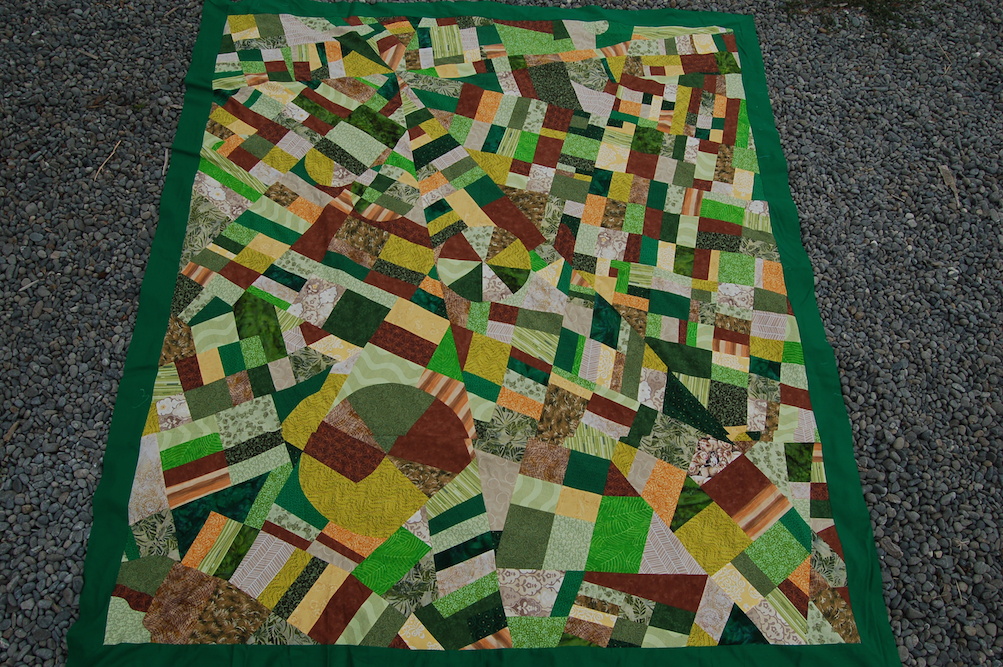
DSC_0007 smI’ve thought a lot about the Canterbury landscape over the past year. I’ve been piecing a quilt of the plains inspired by the September 4 2010 earthquake. The huge jog the quake created in the otherwise dead-straight Telegraph Road made me think about its effect on the aerial view of the entire area—all those straight fence lines and hedges shifted. It took a few years for the ideas to come together enough to execute, but last year I began to work on it. I took a satellite image of the area I wanted, projected it onto my living room wall, and traced the landscape onto a quilt-sized piece of paper. Every field was numbered and mapped on a reference sheet—six hundred and two pieces, each one different. Along the Greendale Fault, I cut and shifted the quilt, exaggerating the real break a bit, and creating a subtle disruption in the patterns.

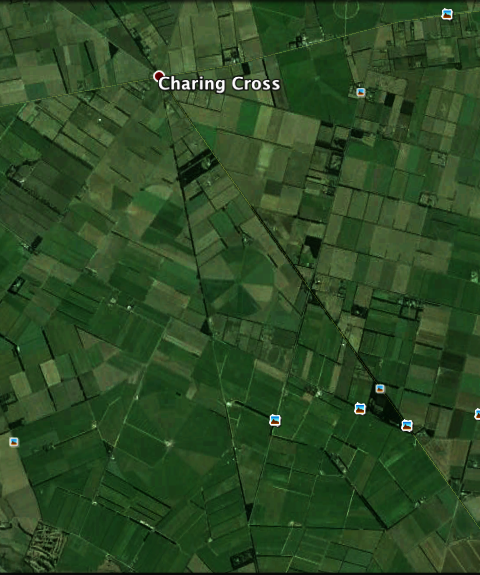
Though the quilt began with a focus on the quake, as I worked on it, I thought more and more about the agricultural landscape itself. For over 100 years, sheep and grain have been the staples of the region. They have left their impression on the landscape. The wedges formed by intersecting roads at Charing Cross were sliced by straight fences and hedges, forming paddocks and fields for sheep, oats, and barley. Today, dairy cows and the centre pivot irrigators that keep the cows’ paddocks lush have overlaid circles on the straight lines of the past. You can see places where the centre pivot has obliterated the geometry of the past, and others where the straight lines limit or slash through the centre pivot. The push and pull of the past and the present.

Satellite photo of the real thing.

Satellite photo of the real thing.

This landscape has fed people for over 600 years. When the first Maori arrived, the native forest provided food like moa and pigeons. As the forests were felled, the region’s rivers and wetlands continued to provide abundant fish and waterfowl. When Europeans arrived in the 1870s, they brought livestock and crops, which thrived on the plains. Though the landscape has changed dramatically, the use we make of it remains. Today, this landscape of food feeds not only locals, but also people in far-flung places like China, Europe, and the Americas. No doubt the landscape will change in the future. New lines will erase the old. But chances are good the new lines will be shaped by food.