Sir Julius Vogel Award Nominations

New Zealand’s annual Sir Julius Vogel awards recognise excellence in science fiction, fantasy and horror works created by New Zealanders and New Zealand residents.
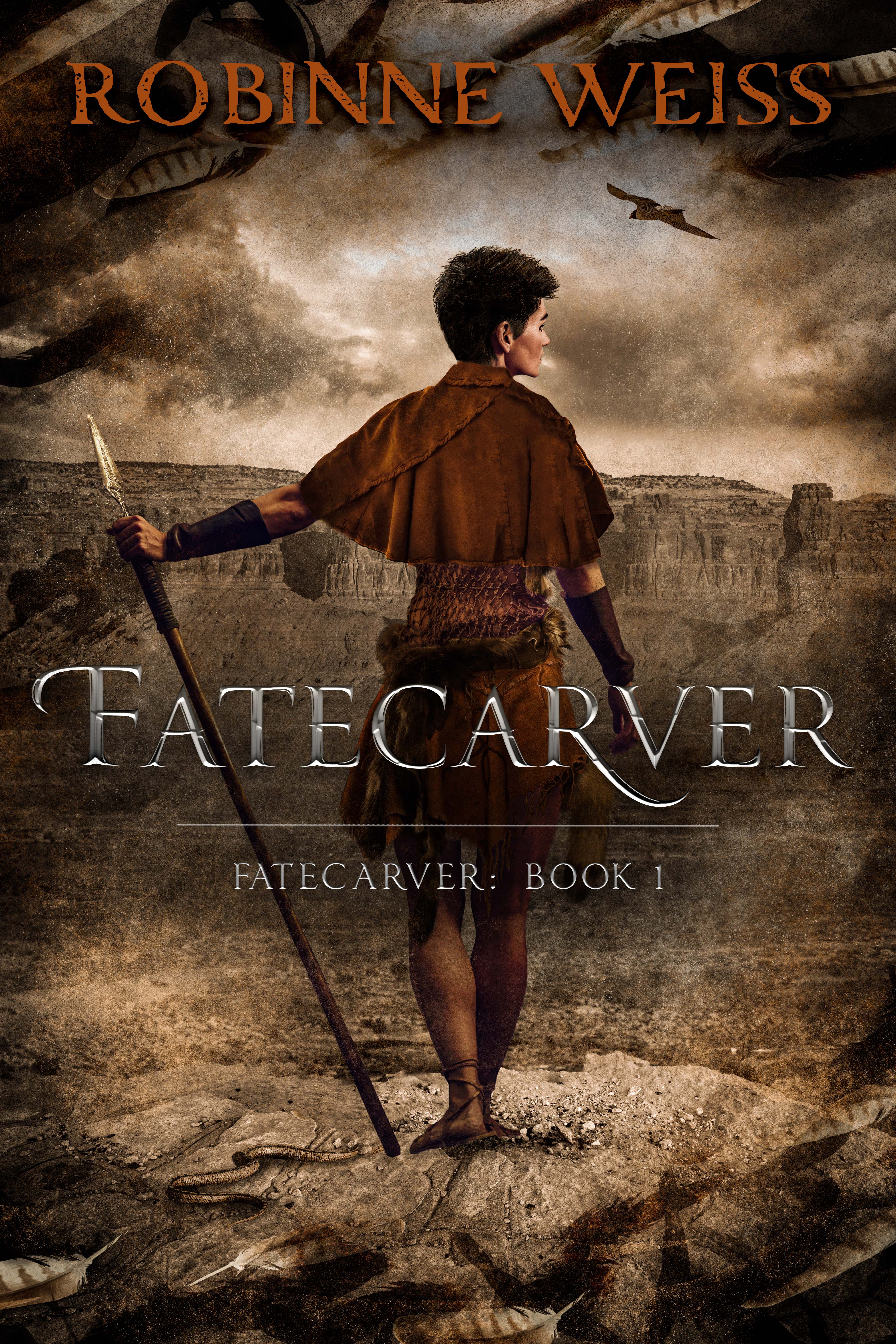
Fatecarver cover

The awards are named after a journalist and politician who was not only the Premier of New Zealand in the 1870’s, but also wrote what is regarded as New Zealand’s first Science Fiction novel—Anno Domini 2000—A Woman’s Destiny) which envisioned a New Zealand of the year 2000 largely run by women (which was quite prescient, given that in 2000 New Zealand’s Head of State, Prime Minister, Governor General, Attorney General and Chief Justice were all women).

The awards are presented annually by the Science Fiction and Fantasy Association of New Zealand in a range of categories. 

To be honest, I haven’t paid much attention to the SJV awards in the past, in spite of their importance to the NZ speculative fiction community. But I was recently notified that my novel Fatecarver has been nominated for Best Youth Novel. 

Of course, I’m chuffed about that. But I know that in order to get onto the shortlist, Fatecarver will have to be nominated more than once, because the number of nominations determines which works move on to the voting round.

Hence this post. Anyone around the world can nominate an eligible work, and it doesn’t cost anything to do so. Now that at least one person has nominated Fatecarver, I’d love to see this book make it to the short list.

And while I’m at it, my short story, Deathventures Inc, which was published in the anthology Alternative Deathiness is also eligible for a SJV award for Best Short Story.

So if you have a moment, I’d really appreciate a nomination or two. Nominations are open until the end of March. The nomination form is here, and information and guidelines for the award are here. 

Thanks!
The Waiting Game

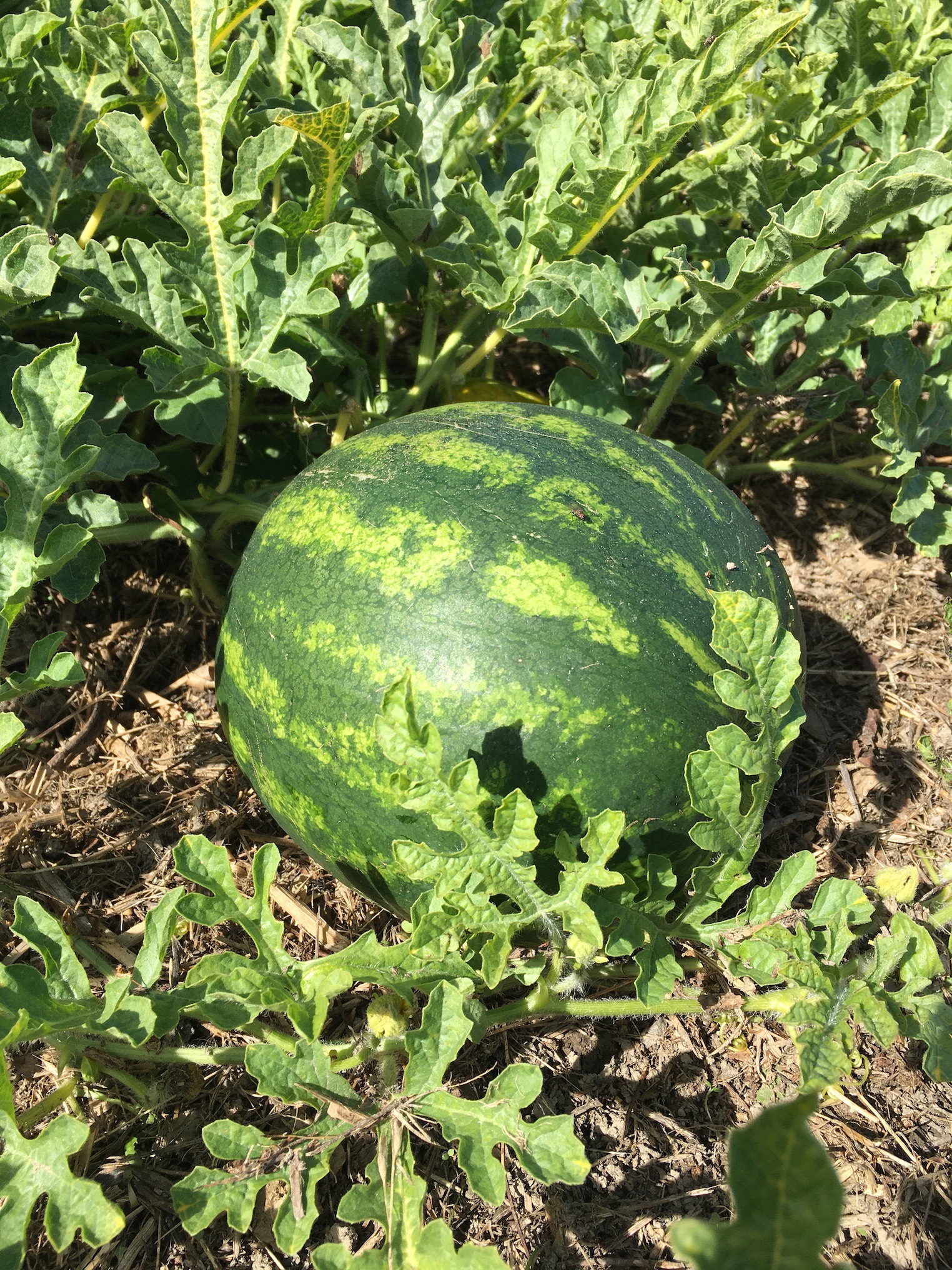
This time of year can be agonising. Out in the garden, the tomatoes, zucchini, green beans, cucumbers and carrots are all producing beautifully—there’s more food than we know what to do with.

But.

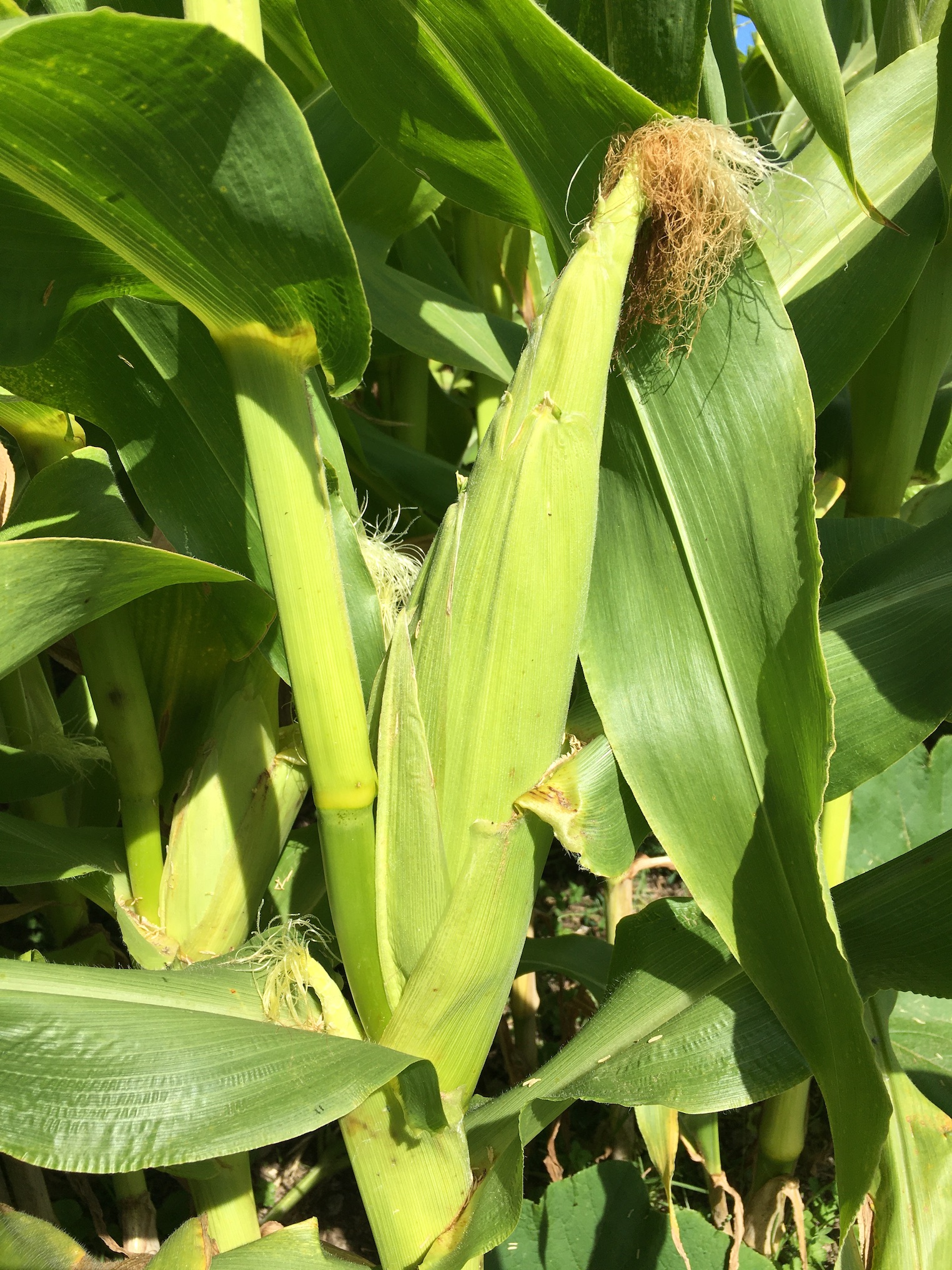
The sweet corn, melons, pears and apples are still sitting there, ever so slowly maturing and ripening. I try not to check them every day—I try to be patient. If I tested one apple on our tiny trees every day, there would be none left by the time they were actually ripe. But it’s hard to be patient while awaiting such seasonal treats. And the worst thing is to NOT check and go out a few days later to find the possums have eaten them all, because they ripened while you weren’t looking.

So I tap that watermelon—does it sound hollow? I check its underside—it’s bright yellow, but I know that no matter what the books say, it doesn’t signal ripeness; it’s been yellow underneath since the fruit was the size of my fist. I peel back the husks on an ear of corn to peek at the kernels—are they plump yet? I bite into an apple, hoping for sweet, not astringent.

After decades of gardening, I’m still impatient for the fleeting pleasures of fresh sweet corn and melons, apple pie and pear tarts. I reckon that’s a good sign—I still get a thrill from the chase, the anticipation.

And one of these days soon … there will be watermelon on the table.

Feathered Friend

The vast majority of the birds in our yard are non-native invasive pests—English sparrows, European starlings, blackbirds, goldfinches and song thrushes wreak havoc in the garden. They eat fruits and vegetables, dig up seedlings, spread mulch all over the lawn, and strip young plants of leaves. If I could net the entire yard to keep them all out I would.

But some of the avian visitors to our place are welcome. The fantails that flit in and out of the house snapping up flies are a delight. The silvereyes picking aphids off the trees are both adorable and helpful. And the magpies may be noisy and aggressive, but they are quite entertaining as they dive bomb the cat or squabble with each other.

The tall trees across the road from our place are home to a host of white-faced herons. They croak and grumble among the branches like modern pterodactyls, and I love to watch them winging home in the evenings, landing awkwardly before settling down for the night. 

They rarely give our yard a second glance, but for the past week, a young heron has taken a liking to our porch and front garden. 

There’s something wrong with him. I say that not because of his interest in our porch—it is a nice place to hang out—but because his legs are oddly splayed and he wobbles when he walks. Still, he seems to be holding his own, and he has no trouble flying out of range of the cat when he comes stalking. It’s possible his flight is impaired as well, and that’s why he’s foraging close to home in our garden. Or maybe he’s discovered our soil has lots of worms to offer. Either way, I wouldn’t mind if this bird stuck around.

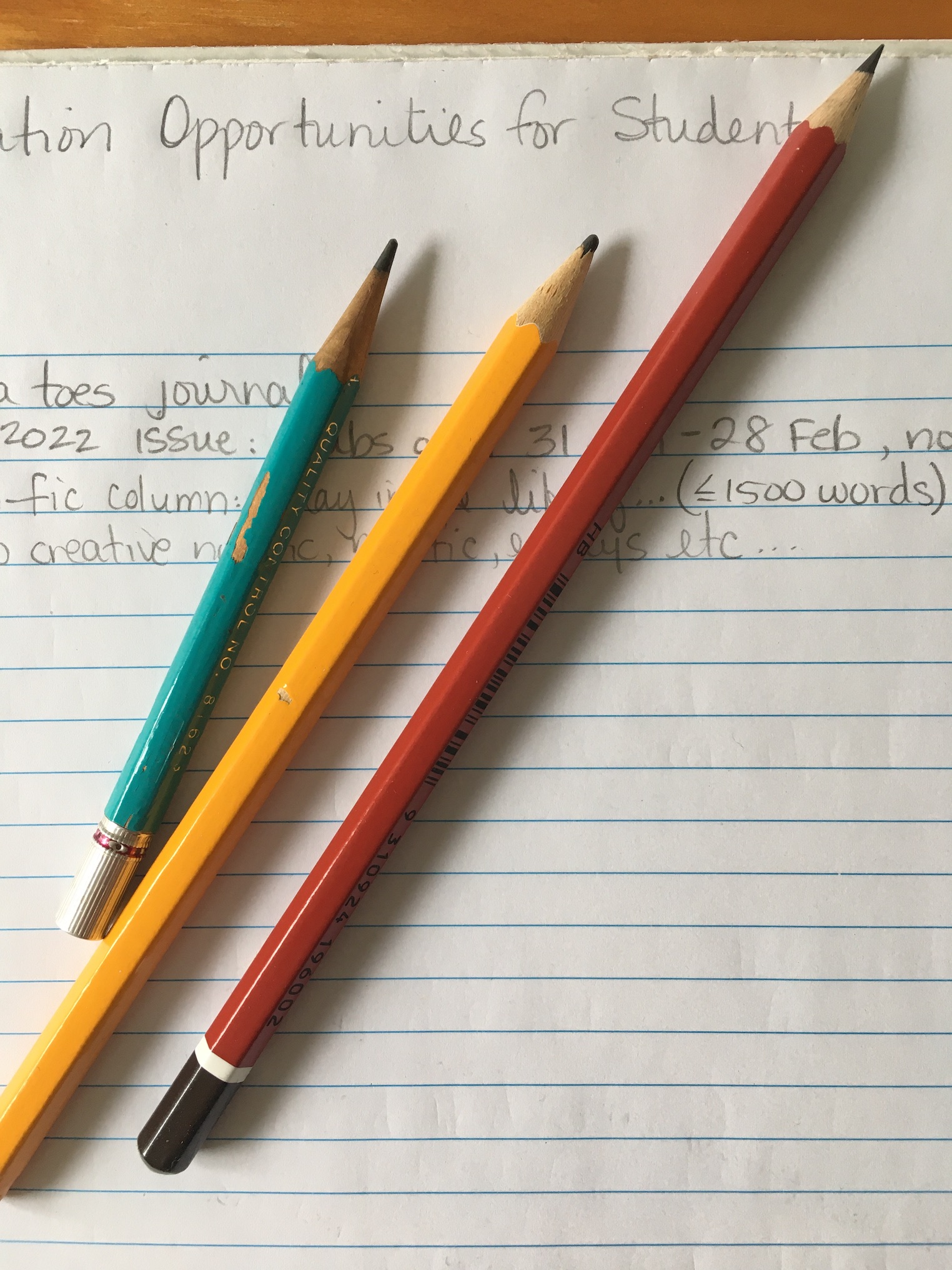
In Praise of the Pencil

I don’t consider myself a Luddite—at least not when it comes to writing. I publish e-books and use lots of online tools for marketing, distribution, etc. I love the writing software, Scrivener, and own both Adobe and Affinity design software for creating my print books and marketing material. I  don’t know how I would manage without all the tech I use for writing.

But I love pencils. 

There is something about the tactile sensation of a good, sharp, Number 2 pencil that unlocks my creativity. I love the way a pencil moves over the paper—with enough resistance you feel the shape of every letter. I love how the line thickness is responsive to pressure and direction. I love the warmth of wood beneath my fingers. Writing with a pencil is like caressing words into being.

I appreciate the erasability of pencil. I admire the elegance of letters formed in pencil. The sound of a pencil rasping across the page is soothing to me. I appreciate being able to write upside down, in the rain, and on multiple surfaces with a pencil. I love the fact that much of a pencil is actually used up in its use, and most of it is biodegradable. I love that a pencil can sit in a drawer for 50 years and still be perfectly functional.

I enjoy the contemplative nature of sharpening a pencil to the perfect point. The gentle grey of graphite on the page is easy on the eyes. Pencils require no electricity and can be carried anywhere.

I’m picky about my pencils—I can’t stand the not-proper-graphite, reconstituted-wood pencils. Real wood and soft flaky graphite are a must. Otherwise, the proper pencil mood doesn’t materialise. With a good pencil, dragons become real, magic portals open, and there’s a pot of gold at the end of every rainbow.