The Scarlet Letter

I’m sorry
I’m sorry
I’m sorry
I do not know this nation
To which I was required to swear allegiance daily until age eighteen.
This nation obsessed with delusions of grandeur.
This nation drunk on power.
Convinced of its own morality
Because why else would God
In His infinite wisdom
Have endowed the nation with abundant natural resources
Free for the stealing from the native peoples
To provide wealth to fuel
White male subjugation of the world?

From afar, the disease is evident
A grotesquery
From a time when
Two-headed foetuses were displayed in circus sideshows,
Masturbation caused blindness,
And livestock could speak multiple languages.

Bombast
Obfuscation
Gaslighting
Narcissism
Outrage
Denial
Lies

The currency of the politics
Of the diseased.
They feed
And breed
On this offal,
And when one invariably falls
The others descend
In cannibalistic orgy.
Me!
Me!
Me!

All this I watch
From afar.
But the 10,000-mile moat
Is not enough to distance me.
Even the mighty Pacific,
Reservoir of half the planet’s water,
Cannot dilute the stench.
It wafts across the waves
And clings to my American skin
Like a caramel’s sticky residue,
Long after the taste has gone off in my mouth.

It is the red A branded on my chest.
My shame stitched in glittering embroidery for all to see.
Oh! To be as proud as Hester!
To own my heritage
And wear it with straight shoulders
And an uplifted chin!

But instead I write
Because to speak would betray me.
My flat vowels
And voiced H’s
Confirm my guilt.

I am sorry
I am sorry
I am sorry
I do not know this nation.

Here Comes the Sun

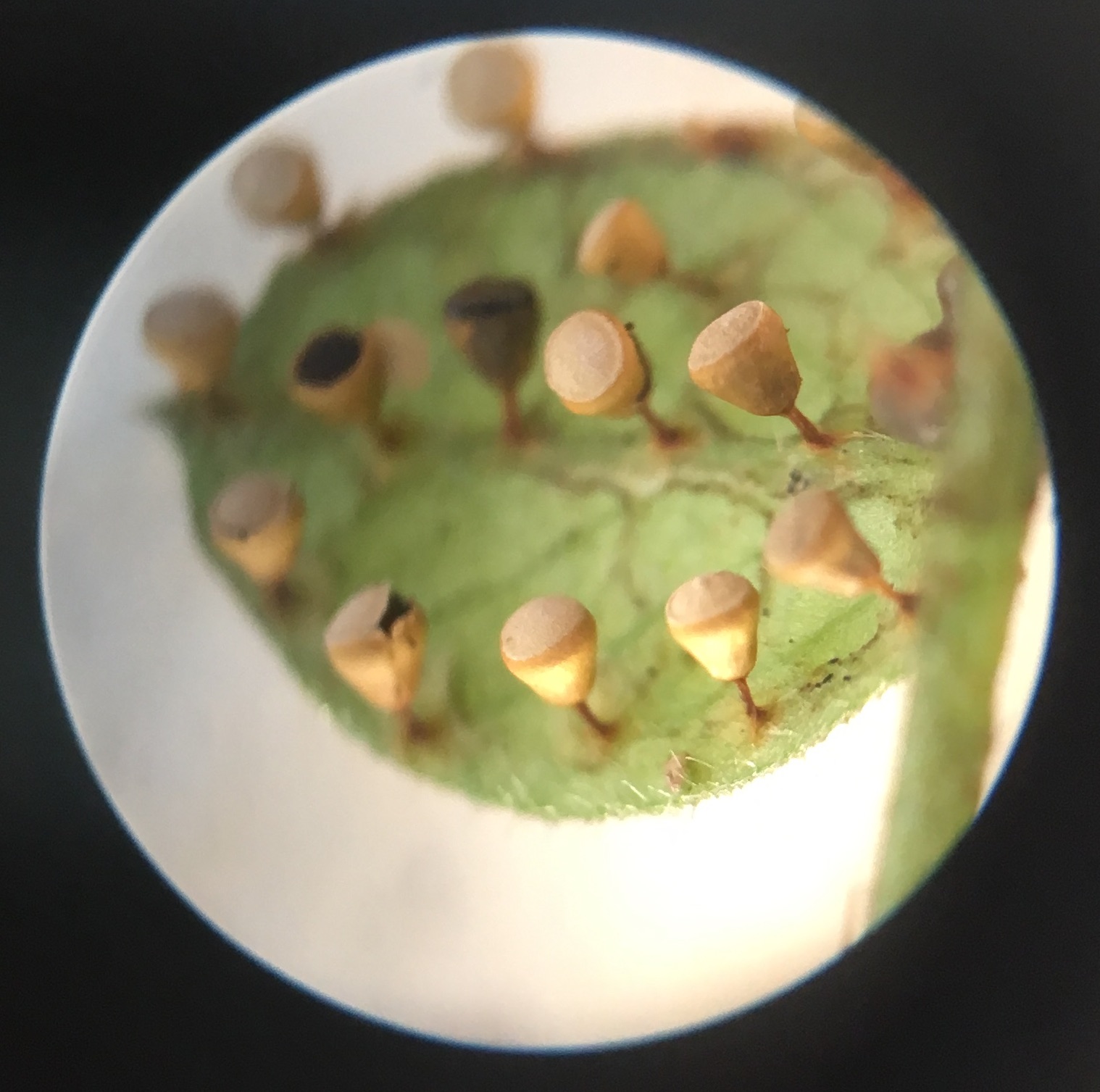
After weeks of grey, unending drizzle, we’re finally seeing a bit of sun. Mushrooms abound in the yard, revelling in the dank mist we’ve been swimming through for a fortnight. We are all eagerly awaiting passing of the solstice and the lengthening of the days.

Though it is still pretty dark and drear, and the days will still be short for some time, there are signs of the spring to come.

Lambing has started. This is the time of year when the neighbours grow noisy, with lambs and ewes calling to one another day and night.

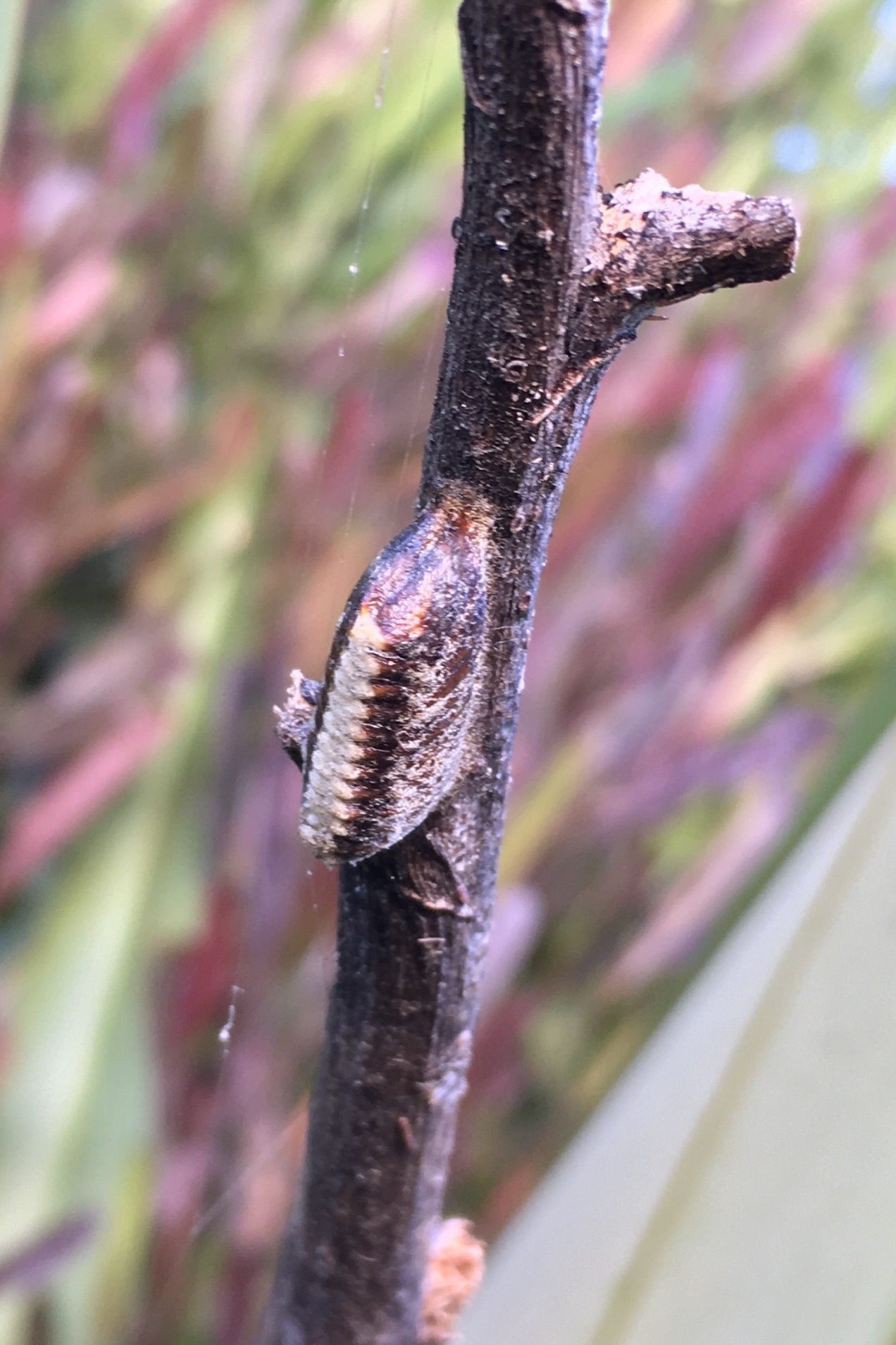
The preying mantids are gone, but their egg cases are dotted around the yard, promising a healthy population of my favourite predators come spring.

The daffodils and snowdrops are coming up, and I’ve even seen them blooming in other people’s yards.

And tomorrow is the solstice. Friday, the sun will remain above the horizon fractionally longer than it did the previous day. We’ll be on the upswing.

Good Things Take Time

I’ve had a fascination with reflective fabrics for a while. The amazing reflective fabrics being manufactured today have so many creative possibilities that I itch to get my hands on some of them. Unfortunately, most aren’t available here.

Recently I managed to get my hands on some reflective fabric tape, and designed a new jacket with the tape in mind.

But first I had to turn the tape into piping.

Then I made a few test seams with the piping and the wind-block fleece I’d chosen for the jacket. I found the combination of fabric and piping was singularly unforgiving—the fabric stretched too much, and the seam had to be sewn perfectly to look good. Even the slightest sloppiness caused it to look awful.

That meant hand basting the piping to one side of the seam first, and then hand basting the seam together before sewing it on the machine.

Then each seam needed topstitching to make the most of that precise seam.

The upshot is that every seam on this jacket (to which I added seams for style purposes) has to be sewn five times (two of those times by hand through four layers of quite tough fabric).

What was I thinking?!

I’ll admit that by the time I’d managed the first seam (having had to rip it out twice because it wasn’t perfect), I was nearly ready to scrap the project.

Then I looked at the gorgeous seam I’d just finished.

When I finally do complete this garment, it’s going to be lovely. I’ve chosen fabric I know will look good for a decade or more of hard use. Its reflective piping will give me a measure of safety for the nighttime walks I enjoy. It will be warm, windproof and nearly waterproof. Yes, it will take me quite a bit longer than I’d hoped to make. But, as they say, good things take time.

Throwback Thursday: A Journey with Sammy Sandoval

Home sweet home

I started writing a post about the winter weather we’re experiencing this week, but it was as grey and dull as the sky.

Then my husband played a song by Sammy and Sandra Sandoval, and I was transported back 25 years and 11,000 kilometres to the tropical heat and sun of Panama in 1993, where we served in the Peace Corps.

Like all our neighbours in the province of Coclé, my husband and I loved Sammy and Sandra Sandoval. They would play in the little villages sometimes, and we’d go see them whenever we could. Their music was loud and joyful, and we’d walk hours to pack into a crowded room and dance to it.

But what I remember most is the silent walk home from the first of those dances. Leaving the noise and sweat of the dance hall, we stepped into the dark night of the campo. No lights, no roads, just a packed clay footpath and the sound of music receding behind us.

That walk was magical. I don’t know if the buzz was from the music, the beer (Cold beer! What a luxury!), or the faint glint of moonlight off the palm trees. Most likely, it was from the blessed silence and the recognition that, in walking an hour and a half to dance Panamanian tipico, we’d stepped irrevocably out of our previous lives.

Navigating our way home on a familiar path lit only by moonlight, we traveled much further than the few kilometres of hilly mountain terrain between the dance hall and our house. In that short space, we traversed a one-way path that left our past lives behind. Yes, we’d already made many steps along that path before, but that night was the moment I knew we could never go back. The magic of that moment is that I never heard the door click shut behind us; I only saw the landscape open out in front.

Pumpkin Pancakes

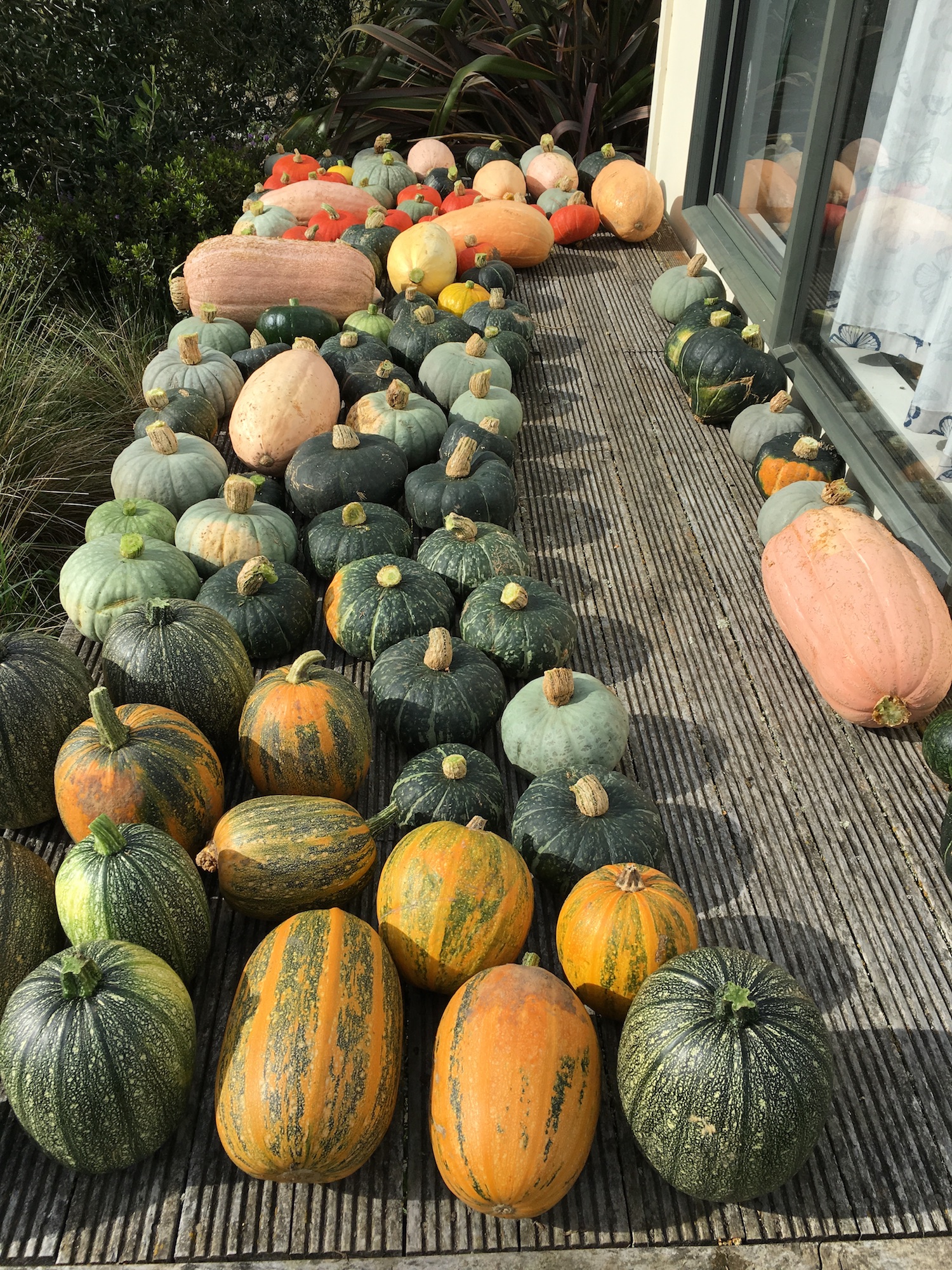
Now that winter has set in, we’ve turned our culinary sights from eggplant and courgettes to pumpkin, pumpkin, and pumpkin. I blogged about our excellent pumpkin harvest earlier this year. That post was written mid-way through the harvest–ultimately we picked nearly 200 pumpkins and other winter squash.

So w’re eating a lot of pumpkin. That’s not a problem.

Yesterday I made lovely pumpkin pancakes for breakfast. They were moist, dense, and spicy—excellent with maple syrup or redcurrant jam.

To make these delicious pancakes, start with a double batch of my World Famous Pancake Recipe. Add 2 tsp cinnamon and 1/2 tsp cloves to the dry ingredients. Add 1 1/2 cups pureed pumpkin (or other winter squash—I used kabocha squash) to the wet ingredients.

If your pumpkin is dry, you may need to increase the milk to achieve the right batter consistency.

We found these pancakes didn’t store/reheat as well as regular pancakes—they became quite fragile upon reheating (though they were still delicious).

Healthy Cookies? No Thanks …

Seventeen years ago, when I was pregnant with my first child, I tried very hard to do everything the pregnancy books said I should do. Exercise, diet, sleep … the pressure to be perfect so my baby turned out okay was something all mothers can relate to, I’m sure.

My biggest pre-pregnancy vices were coffee and sweets. Coffee was easy to forgo—the moment I got pregnant, it made me sick to even smell it.

Sweets were harder to give up. I vowed not to eat any sweets I hadn’t made myself. But that only encouraged me to do a lot of baking, so then I vowed not to bake anything. That make me miserable.

I decided to adapt my favourite recipes to make them ‘good for me’, so I could justify eating them. I started with a cookie recipe I loved that was already full of whole grains and nuts.

Following the advice for pregnant mums (which I’m sure is completely different these days), I eliminated the sugar, sweetening the cookies with fruit juice instead. I cut down the butter by half, removed the chocolate, and added more nuts.

The resulting cookies nauseated me.

I don’t think they were necessarily bad, but they were emotionally unsatisfying and difficult for my stomach—a bit wobbly already from pregnancy—to digest. I choked them down anyway.

I thought maybe if I tweaked the recipe a little bit …

The second batch made me feel sick, too.

For over a decade, I couldn’t even look at the recipe for those cookies (not even the original recipe, which I loved) without feeling a bit queasy.

I’ve recently rediscovered those cookies, and am happy to report I’ve recovered all my love for the original recipe.

This comes from Farm Journal’s Cookies. Don’t change a thing. Trust me.

Wheat/Oat Crisps

3/4 cup shortening (I use 190g butter)
1 cup brown sugar
1/2 cup white sugar
1 egg
1/4 cup water
1 tsp vanilla
1 cup whole wheat flour
1 tsp salt
1/2 tsp baking soda
3 cups quick-cooking rolled oats
2 Tbsp wheat germ
1/2 cup shredded coconut
1/2 cup chopped nuts
1/4 cup chocolate chips (I actually increase this to 1/2 cup now)

Beat shortening and sugars until light and fluffy. Beat in egg, water and vanilla until creamy. Stir together flour, salt and baking soda. Stir flour mixture into creamed mixture and blend well. Add oats, wheat germ, coconut, nuts, and chocolate chips. Drop by teaspoonfuls onto lightly greased baking sheets. Bake at (180ºC) 350ºF for 12 – 15 minutes. Cool on a rack.

Beautiful Basket Fungus

Mature fruiting body

One of my favourite fungi is Ileodictyon cibarium, the basket fungus, native to Australia, New Zealand and Chile. We have been treated this year to an amazing display of these fungi in our recently wood-chipped pond garden. Usually we don’t notice them until the fruiting bodies are fully formed, but because there are so many this year, we’ve been able to watch their whole emergence, from egg-like volva to lacy soccer ball.

Aside from their striking look, there’s nothing particularly lovely about these fungi. The basket fungus is in the family Phallaceae, also known as the stinkhorn fungi. Members of this family—you guessed it—have a foul odour (and many are phallus-shaped). The carrion or dung-smelling fruiting bodies attract flies to disperse the spores. Supposedly, the young fruiting bodies are edible … but not very tasty, as you can imagine.

Immature volvae

In spite of their smell, basket fungi have a certain celebrity status, owing to their remarkable structure. In fact, in Hagley Park in Christchurch there used to be a play structure in the shape of a giant basket fungus. I’m not sure if it’s still there—my kids don’t frequent playgrounds anymore—but it was always a favourite with my kids.

Love your Library

I’ve blogged in the past about how much I appreciate libraries, but it bears repeating. I can’t deny I prefer writing in my lovely office, but modern libraries are beautifully set up for those who need to work away from the office, with power points, standing desks, and quiet spaces. I’ve spent the past two days in the public library. My word count is down, compared to working at home, but I’ve enjoyed the people watching.

One of my key observations from the past two days is how the library is a safe space in the middle of the city. A fellow at the table next to me spent an hour working on a jigsaw puzzle while his computer and phone sat unattended and unobserved on the other side of the room. Parents of toddlers calmly browse the shelves while their little ones scamper around happily out of sight. Those same toddlers swagger through the library to visit their favourite books, posters, and egg chairs as though they’re in their own living room. When their parents eventually look up and find their children gone, they don’t panic, but casually stroll after them, stopping now and again to check out an interesting book on the way. After three o’clock, kids of all ages descend upon the library to read, hang out, and play games until their parents are able to pick them up. The implicit assumption is that everyone in the library is kind, helpful, and honest. I’m sure that’s not entirely true, but the expectation is so high, I think anyone who tried to behave in a socially unacceptable way would be instantly frog-marched out of the library by all the other visitors.

It’s good to have these spaces. It’s a reminder that we can create safe spaces, where strangers from all walks of life can mix and mingle over a shared love of books.

Neenish Tarts

Neenish Tarts

The Darfield Bakery is a mandatory stop for us whenever we pass through Darfield.

Our most frequent purchase is neenish tarts—little lemon tarts with chocolate drizzled on top. I’ve had neenish tarts from other bakeries and none stacks up to Darfield’s.

Not all neenish tarts are lemon—my understanding is that the ‘traditional’ neenish tart (they originated across the ditch in Australia) has a gelatine-thickened cream filling and is topped with two colours of frosting. I’m not particularly fond of this overly-sweet, bland tart. Lemon neenish tart filling is made with lemon juice, icing (powdered) sugar, and sweetened condensed milk.

My neenish tarts probably shouldn’t even be called neenish tarts, because they bear no resemblance to the ‘original’ ones, and veer off course even from the Darfield Bakery’s tarts. Still, they’re inspired by neenish tarts, and are just as delicious as the ones at the Darfield Bakery.

Make your favourite pie pastry (enough for a one-crust pie). Roll out thinly (roll more thinly for little tarts than for pie, or you end up with a tart that’s all crust), and cut into 10 cm (4-in) rounds. Line the wells of a cupcake pan with the rounds. Bake the shells empty for about 15 minutes at 190ºC (375ºF), until the edges are nicely browned. Turn out of the pan and cool on a wire rack.

While the pastry shells are cooling, make lemon curd. Combine in a saucepan:

3 eggs
1/3 cup sugar
60 g (4 Tbs) butter
zest of 1 lemon
1/2 cup lemon juice

Heat over medium heat, whisking constantly, until thick. Remove from heat and stir in 1/2 tsp vanilla.

Spoon warm lemon curd into each shell and allow to cool.

Melt about 50 g (2 oz) dark chocolate and drizzle over the tarts. Allow lemon curd and chocolate to cool completely before serving.

In Praise of Parsnip

The rangy rosette of a parsnip plant.

A bit like carrots, but sweeter and starchier, parsnips are wonderful winter vegetables.

I’m not certain when I first ate parsnip, but I know I’ve eaten a lot of it. When I was breastfeeding my son, nearly everything I ate gave him colic (It took eight weeks of 24-hour-a-day screaming for me to work this out … longest eight weeks of my life). Parsnips were one of the few safe vegetables, so I ate parsnips. Lots and lots of parsnips. But I never got sick of them. Their comforting, earthy flavour only grew on me the more I ate.

I try to grow parsnips every year, but I’m not always successful. Parsnip seed has a short shelf-life, and germination can be poor, even with seed that isn’t officially past it’s ‘plant by’ date. I buy a new packet of seed every year, whether I’ve used all of the old seeds or not. Even so, I don’t always have luck germinating it, because parsnip doesn’t like to be transplanted, and needs to be seeded directly into the garden beds. In my garden, that means the seeds tend to dry out, in spite of my best efforts. It also leaves tender seedlings at the mercy of birds and slugs, which seem to enjoy parsnip as much as I do.

But this past summer the parsnips did well, like many other crops that appreciated the unusually warm, wet weather. The parsnip I picked for dinner yesterday was 15 cm in diameter at the crown, but still tender and delicious. And there are plenty more out there to harvest.

Parsnips are sweeter after the first frost, so they’re a great autumn and winter food. They store well in the ground, so there’s no need to fill your fridge with them at harvest time. When we lived in Minnesota, I used to use a pickaxe to chip them out of the frozen ground through the winter.

Parsnips make wonderful additions to stews and casseroles. Their flavours meld well with potato, carrot, and celeriac. They compliment beans and pulses. They’re great vehicles for butter and cheese. Back when I was subsisting on little beyond parsnips, we used to mash them (like mashed potatoes), braise them, and roast them, in addition to using them in stew and soup.

It’s no wonder these versatile vegetables have been cultivated since long before Roman times. They’re a great winter staple—a vegetable you can eat again and again and still enjoy.