Welcome Spring!

It’s the first day of spring.

So, naturally, it’s snowing.

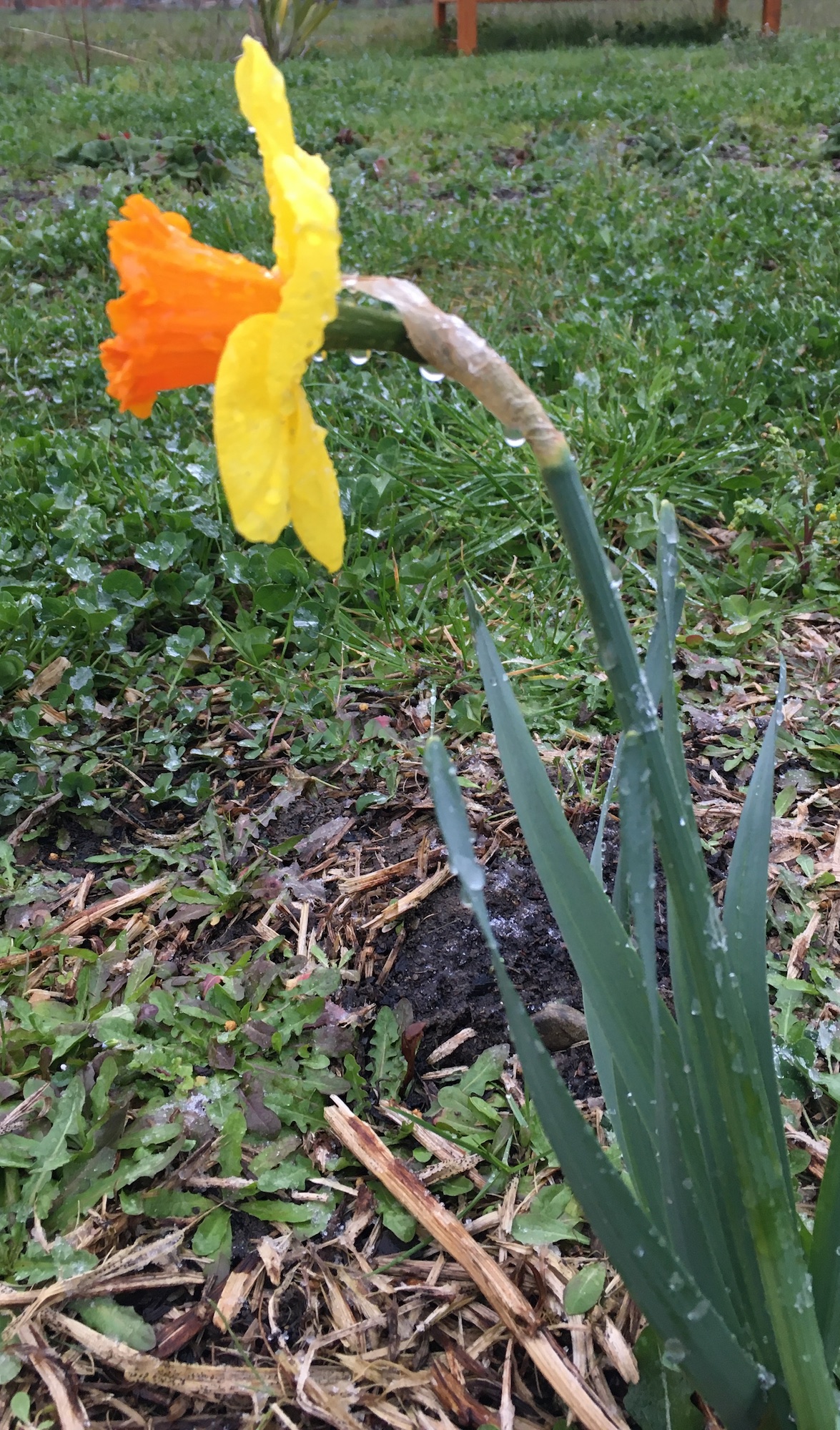
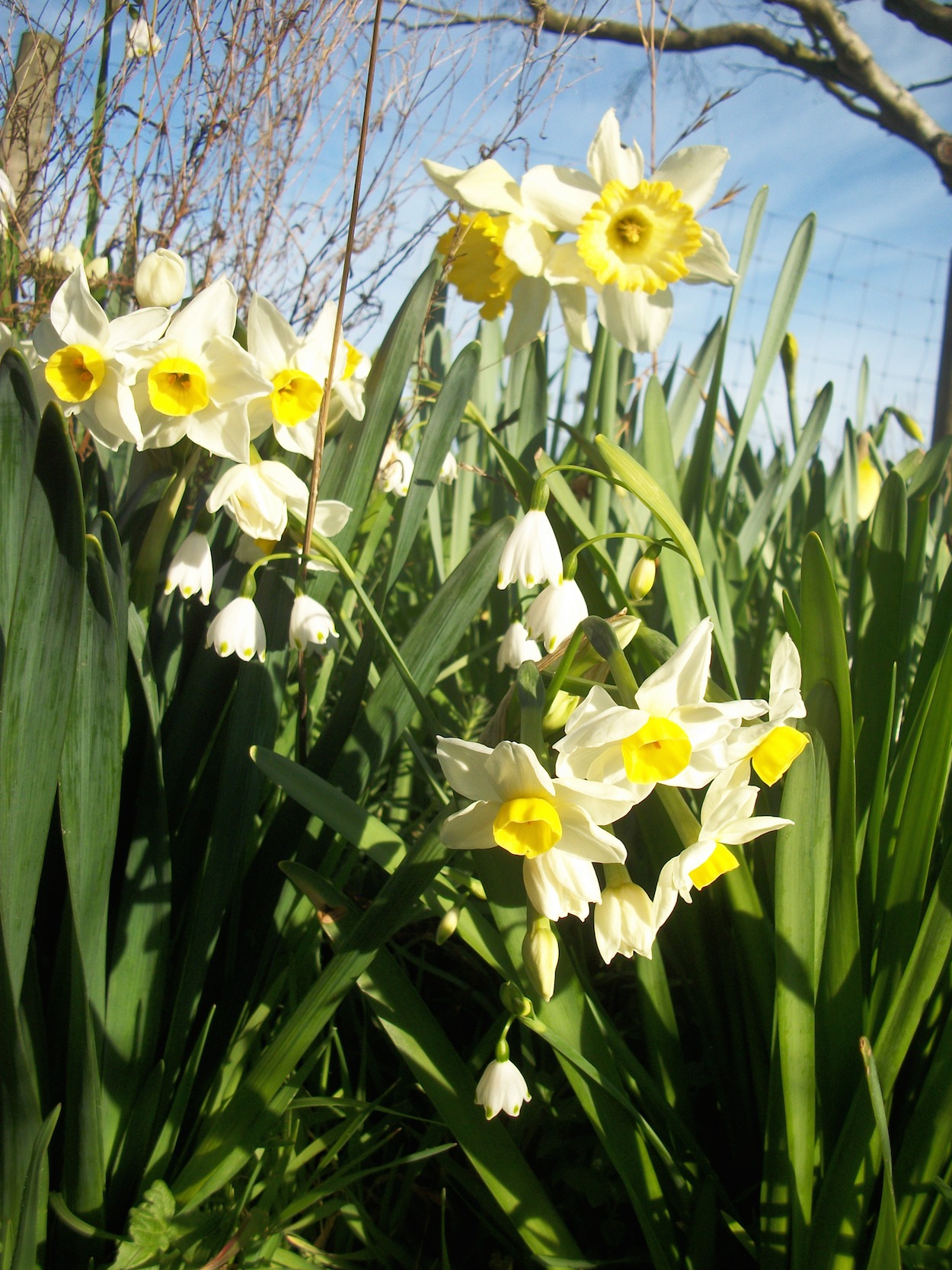
But the daffodils are flowering, the willows are greening up, and pine pollen billows from the neighbour’s trees. Regardless of what the sky is dropping on us, spring is here.

And not a moment too soon. Like most people around the world, we feel like the past six or seven months have dragged on for decades. Can I even remember the TBC (Time Before Covid)?

For us, lockdown began during a glorious Indian summer. Warm sunny days begged for last-chance trips to the beach. Trips we couldn’t take, trapped in our bubbles and stuck on foot.

By the time we were released from lockdown, summer had given way to chill autumn rain and frosty days.

Living in our shed through lockdown, then beyond and well into winter, we felt the season’s bite early and hard. We lived in the cold shed forever, and we would live there always … at least that’s how it felt. Every icy day was a year long.

Finally, we moved into our new house. It was (and still is) glorious—a warm dry refuge from the weather.

But winter was still grinding away outside. With landscaping only partly finished, the yard was a mire of wet clay and puddles. We were still trapped indoors. Even the novelty of a warm dry house wasn’t enough to speed the days along. Time dragged its feet. Winter moved at a toddler’s pace. I couldn’t go yet—it had to get its coat and shoes. Then it lost a glove and spent a month looking for it among a drift of discarded outdoor gear.

So it was a spectacular feeling to boot winter out the door—gloveless still—when I planted the season’s first vegetable seeds last weekend. It was an act of defiance to turn garden beds, and ready the greenhouse for newly-sprouted seedlings.

I look forward to the growing season ahead. Welcome spring!

Pumpkin Scones

Necessity is the mother of invention.

That may be so, but laziness is invention’s maternal grandmother.

I was lazy on Sunday morning. I wanted pumpkin muffins, but I didn’t want to have to grease and then wash the muffin tins.

So I made up a new scone recipe to satisfy my pumpkin cravings. The results were delicious and satisfying. Best of all, there was no greasing and washing of muffin tins. Here’s the recipe in case you’re feeling lazy too.

2 cups barley flour
1 cup all-purpose flour
1 tsp baking powder
1/2 tsp baking soda
1 tsp cinnamon
1/2 tsp each of cloves, nutmeg, ginger and salt
125 g (1/2 cup) butter
1 egg
1 cup cooked, mashed pumpkin
1/4 cup cream
1/2 cup brown sugar

Sift together the flours, baking soda, baking powder and spices in a large bowl. Cut the butter into the flour mixture until it resembles coarse crumbs. In a medium bowl, whisk together the egg, pumpkin, cream and brown sugar. Pour the wet ingredients into the dry and mix until just moistened. Knead lightly and briefly until the dough comes together into a ball. Divide the dough in half. Pat each half into a round about 2 cm (3/4-inch) thick and cut into 8 wedges. Place the wedges on an ungreased baking sheet and bake 11-12 minutes at 200ºC (400ºF) on fan bake.

*I added nothing to these scones, but they’d be excellent with dried cranberries incorporated into the dough. I expect that replacing half a cup of the barley flour with cornmeal would be a nice variation too.

Alpine Therapy

Last week was a difficult one for all of New Zealand. On Tuesday, four cases of Covid-19 cropped up outside of managed isolation facilities at the border. The virus was circulating in the community again.

Auckland, where the cases occurred, was placed into alert level 3, with schools closed, and movement and business activity restricted. The rest of the country moved to alert level 2—not as strict, but in some ways more stressful, because we weren’t confined to the safety of our home and personal ‘bubble’. Once again, we navigated work and the rest of daily life knowing the virus could be lurking among us. Once again, we looked on every sniffle and cough with suspicion.

I’m proud to report that New Zealanders once again have stepped up to the challenge and are doing their part to stamp this new outbreak out so we can all return as quickly as possible to alert level 1. Still, stress levels were high in our household all week. So Saturday we took in some alpine therapy.

It was a shivery -3 degrees when we started up the Bealey Spur Track. We’d hiked the track many times when the kids were young, but never got far. On Saturday, we set a rapid, stress-relieving pace, reaching the Bealey Spur Hut (and the official end of the track) in just two hours. The peaks above called, so we carried on past the hut along Hut Spur, enjoying stunning views of the Waimakariri River below, and Mount Rolleston and Crow Glacier above. 

We relived memories of past hikes, tracing their routes along the ridges and through the valleys around us. We watched cars snake across the wide bed of the Waimakariri River, noting how easily the river could wipe out the road. We examined plants and fungi and slime moulds. We contemplated the uncertain future of Crow Glacier. 

And, yes, occasionally we discussed Covid-19, particularly as we descended, meeting dozens of people heading upward for their own alpine therapy. But somehow it was all easier to manage with tired legs and lungs filled with icy alpine air. 

Weeding Magpies

Photo: Eric Weiss

We’re still getting to know the local wildlife at the new house. The marauding sparrows are pretty much the same—devouring young lettuce and chicken feed in large flocks. The black-backed gull’s evening flights to their nightly roos on the gravel banks of the Waimakariri River are also familiar—though at the old house, the birds were headed to the sea.

The magpies are also familiar, but I’ve noticed some intriguing behaviour here that was absent at the old house.

The magpies here are weeding my garden.

Well okay, not really. Not on purpose. But they’re doing a nice job of it, regardless.

Our yard and garden here are cursed with wire weed. This aggressive plant’s long tough branches sprawl up to a metre or more from a strong central tap root. They tangle in the lawnmower and garden tools, and can trip the unwary. Their only saving grace is that, at least in our lousy soil, their foliage is small and sparse—they may tangle all through my crops, but at least they don’t smother other plants entirely.

And apparently, they make superior magpie nesting material. For weeks, the local magpies have been avidly stripping wire weed from the garden and hauling it to the tops of the pine trees across the road. They started with the easily obtained dead plants that I’d pulled out and left lying about. But now they’re ripping up live plants and taking them away by the beakful.

All the more reason to love these feisty feathered thugs.

Cinnamon Muffins

I’m still revelling in our glorious new kitchen—it’s such a pleasure to cook and bake in! It inspires creativity.

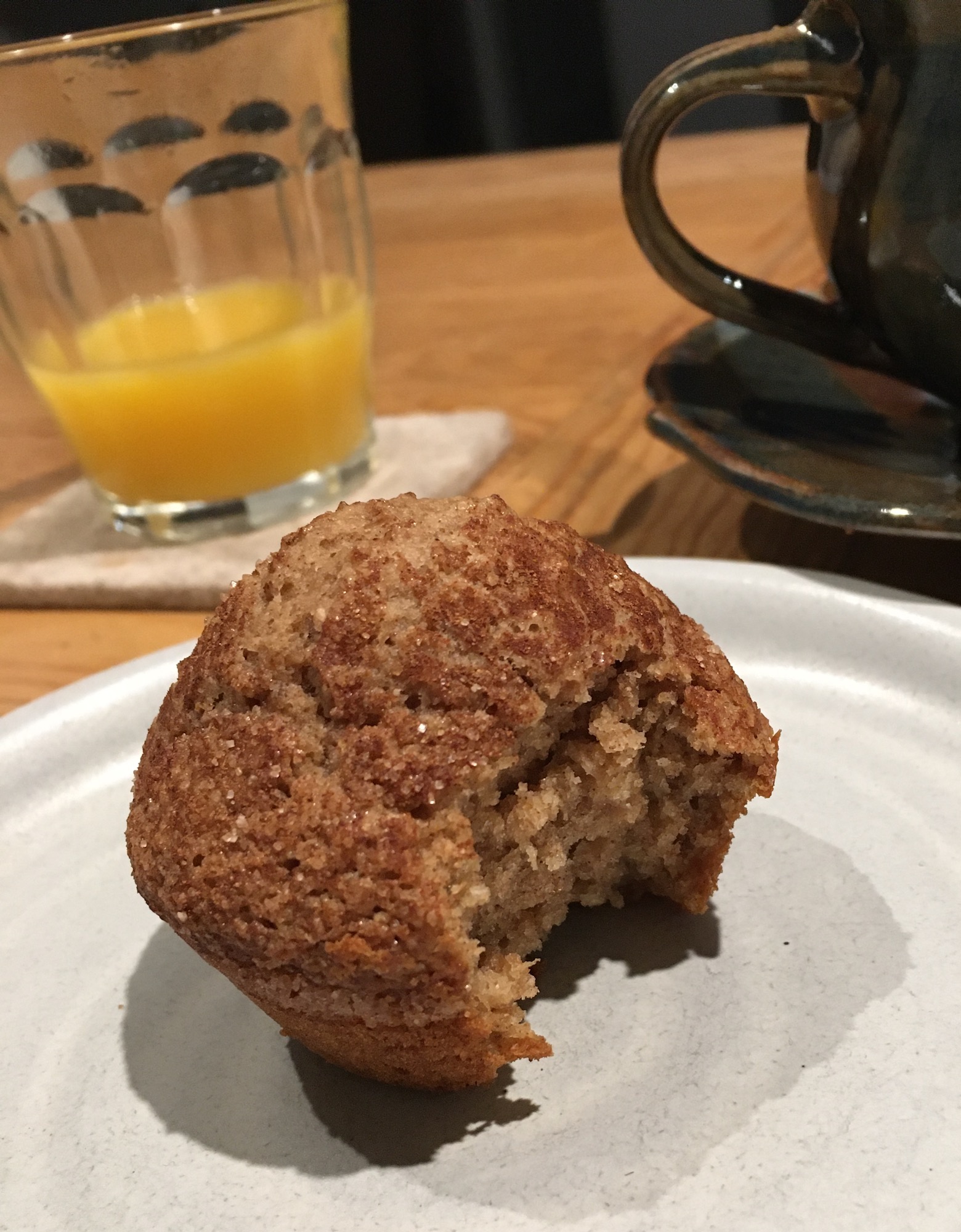
This morning I tried out a new recipe for cinnamon muffins, and I think I hit on a winner. They’re quick to make and taste delicious!

1 1/4 cup all-purpose flour
1 cup wholemeal flour
1/2 cup brown sugar
1 Tbs cinnamon
1/2 tsp salt
1 cup milk
1/2 cup vegetable oil
2 eggs

Topping: 2 tsp sugar and 1/2 tsp cinnamon

Combine the flours, sugar, cinnamon and salt in a large bowl. Whisk together the milk, oil and eggs in a separate bowl. Make a well in the dry ingredients and pour in the wet, mixing only until combined. In a small bowl, combine the sugar and cinnamon for the topping.

Fill greased cupcake tins with the batter. Sprinkle sugar/cinnamon mix over each muffin.

Bake 15-17 minutes at 190ºC (375ºF). Allow to cool 5 minutes in the pans before turning them out.

Makes 16 muffins.

Caroll Hut, Arthur’s Pass National Park

Impressive old southern rātā along the track.

Just beyond Otira, the main highway snakes along, with the Otira River on one side and impossibly steep slopes on the other. A track takes off from Kelly Creek and shoots straight up. My husband said he’d often looked up at those slopes thinking, “Glad I’m not going up there.”

But that’s exactly where we went Friday. Eight hundred twenty-five vertical metres over a mere 2700 metres horizontal distance, if the topo map is to be believed. That’s an average slope of 17 degrees, which doesn’t seem like much, except that parts of the track are flat or go down, so many sections are practically ladders, and require hands and feet.

In spite of the steep grade, it’s not a difficult climb—tree roots and rocks provide plenty of hand and foot holds. And the slow climb upward affords plenty of time to gaze back up the valley towards Otira, watch a train rumble down the tracks below, enjoy a waterfall, examine the flora, and listen to the bellbirds. The forest is full of gems like southern rātā and mountain neinei (a tree that could only have come from Dr. Seuss’ imagination).

View towards the west coast from above Caroll Hut

You emerge above tree line to a gentle climb to Caroll Hut. A little further uphill, cresting Kelly’s Saddle, the view opens to the west coast, and you can see all the way to the Tasman Sea. 

It’s not a hike you’d want to do in bad weather, but Friday’s calm clear air was perfect. A lovely day out.

Loving Leftovers

We christened the new house last weekend with a celebration party for one of my husband’s students who just finished his PhD. As I suspected (hoped?), visitors gravitated to the kitchen, congregating beside platters of finger food under the warm glow of cafe lights. 

Food-wise, we went Mexican for this party—quesadillas, empanadas, corn chips, guacamole, salsa, bean dip, and biscochitos (anise-flavoured cookies from New Mexico, not Mexico, but …) for dessert. Great finger food and perfect or standing around the kitchen grazing all evening.

As usual, we made enough food for twice as many people as we invited. Now we’re blessed with party leftovers for lunch.

Yesterday I had a generous plate of homemade corn chips smothered in cheesy bean dip, salsa, guacamole and sour cream. Today I’m considering toast with beans and salsa (because we devoured all the chips and guacamole). Tomorrow, who knows what I’ll come up with? Plus, there are extra beans in the freezer for dinner later in the week. All that extra party prep pays off in easy, delicious meals afterwards.

A great excuse for a party!

Enjoying the New Kitchen

Rain pounded on the roof and hissed against the windows. Wind whipped around the porch, tossing deck chairs everywhere. I lay warm in bed, only vaguely registering the weather, grateful once again to be in the new house and not in the shed.

We’re still settling into the house, but we’ve already given the kitchen a workout. Some days, when I step into that room, I wonder what we were thinking—it’s so huge! Then I cook something and appreciate every inch of space.

It’s been hard to get a photo of the foods we’ve baked–they’re eaten so quickly.

We’ve been craving all the baked goods we haven’t been able to make in the past three months. In the first twenty-four hours after moving in, we baked eight loaves of bread, three dozen cookies, and a batch of lemon scones. Over the next four days, we added pizza, Not yo’ mama’s mac and cheese, quiche, apricot tart, chocolate cupcakes, and homemade granola to that list. Moving into our second week in the house, we’ve made Mum’s fluffy buns, bean burgers, oven baked French fries, Irish soda bread, spaghetti with tofu meatballs, and roast vegetables.

Visiting some of our favourite foods after too many months without them has been a delight. It may be time to head to the library for some inspiration now—think what new things we could make in the fabulous new kitchen!

The Lap of Luxury

Late last week, our exile in the shed ended and we took possession of our new house. Heat, insulation, indoor plumbing … the luxuries we’re now enjoying are amazing. 

In fact, looking back over our 28-year marriage, I can confidently say we’ve never had it so good.

Our first joint living adventures were in staff housing at nature centres in Ohio and Michigan. Cold and drafty, those conditions were decidedly rustic (though they came with some excellent wildlife spotting, including sandhill cranes out the bathroom window).

During our Peace Corps service, our one room mud home in Panama had a leaky roof and harboured rats, snakes, lizards, and the most astonishing array of arthropods I’ve ever co-habitated with. It wasn’t so much a house as it was a full ecosystem.

Married student housing at Penn State University had less diverse wildlife—German cockroaches filled all the ecological niches there—and involved periodic flooding from the upstairs neighbour’s bathtub.

The 1960s duplex we moved to next had a bad mould problem, but at least we had fewer six-legged housemates.

In Minnesota, our 150-year-old house needed a new roof, piles and insulation. It was never particularly warm in winter, even after the extra insulation we added.

The 125-year-old cottage we recently moved out of was shocking when we moved in, with a leaking roof and rotting weatherboards. The only insulation was a century of accumulated bird nests in the attic. We fixed it up, but it was always drafty.

In hindsight, the shed we were living in for the past three months wasn’t so different from our previous homes.

I’m thankful, and a bit overwhelmed, to be living in a modern, warm, dry house for the first time in my adult life. Even if I live here for the rest of my life, it will never be as old as many other houses I’ve lived in. I intend to enjoy it.

Coronavirus-free New Zealand

Level One Lemon Cake. A delicious celebration of our Covid-free status.

I was coming out of the grocery store when two women meeting on the street hugged. One said, “Midnight tonight!” and I knew.

New Zealand had eliminated coronavirus.

At midnight we moved to alert level 1. The country’s border remains closed, but on our Covid-free islands, life returns to normal. I baked a Level 1 Lemon Cake to celebrate.

In many ways, New Zealand was lucky. We didn’t have our first case until 28 February, so we were able to observe and learn from other nations. We have a culture that is fundamentally law-abiding, so we were predisposed to obey restrictions. We have a prime minister with exceptional crisis management, communication and leadership skills.

But the people of New Zealand elected that prime minister. The people of New Zealand nurtured that culture. And when push came to shove, the people of New Zealand overwhelmingly agreed to restrict movement, change behaviours, and stay home in order to protect one another. We did this. Working together by staying apart.

And as restrictions have been eased over the past weeks, Kiwis have continued to care for one another. The number of websites promoting local businesses has blossomed as people seek to support a struggling economy. In the week after lockdown was lifted, Kiwis consumed five weeks worth of takeaways—a heroic effort to save our local fish and chips shops. Under alert level 2, the cafes I’ve visited have been hopping. Everyone is doing what they can to help.

That isn’t luck. That’s teamwork. It’s aroha. It’s whānaungatanga. It’s kaitiakitanga. It’s rangatiratanga.

I am once again proud and humbled by this nation. To be sure, all the -isms, violence, and other troubles are alive and well here—we have our fair share of society’s ills. But when the chips are down, New Zealand never seems to forget: He aha te mea nui o te ao? He tāngata, he tāngata, he tāngata. What is the most important thing in the world? The people, the people, the people.