Vegetable Dip

100_4256 smChristmas day is a low-key affair at our house. We work like mad up through Christmas eve, preparing food, baking cookies, getting caught up on all the weeding, harvesting and processing of vegetables. Then Christmas day, there is nothing to do but enjoy the fruits of our labours.

To that end, I made a vegetable dip for our Christmas dinner, which will be a Mediterranean feast—bread, cheeses, olives, salad, and fresh vegetables.

Inspired by a variety of recipes, and by the lovely herbs in the garden, I made the dip up as I went. Taste testers declared it delicious, and we’re looking forward to enjoying it tomorrow with carrots, cauliflower, sugar snap peas, and broccoli from the garden.

1 (8oz/225g) pkg cream cheese, softened

2 small spring onions

small handful fresh flat leaf parsley

2 small stalks cutting celery (or ½ celery stick)

small sprig fresh savoury

½ tsp paprika

juice of 1 lemon

Beat cream cheese until fluffy. Chop herbs and onion very fine and stir into the cheese along with the paprika. Add enough lemon juice to make a dipping consistency.


Raisin-filled Cookies

100_4251 smOkay, one more cookie recipe, then I’ll be done for the year…maybe.

These are one of my all-time favourite cookies–big soft cookies that taste like raisin pie. Mom made them every Christmas when I was growing up (at least that’s how I remember it…), and she wrote down the recipe for me when I left home. The index card is stained and bent, but carefully guarded in a little wooden recipe box.

Like many handed-down recipes, this one is incomplete—little more than a list of ingredients. You have to know what to do to turn them into cookie dough. I’ve added more instructions below.

2 cups brown sugar

1 cup shortening (I use softened butter)

2 eggs

½ cup milk

1 tsp baking soda

1 tsp vanilla

4 cups flour (I usually need about 1 cup more)

pinch salt

Mix baking soda into milk and set aside to thicken. Cream brown sugar and shortening together until fluffy. Beat in eggs, then milk and vanilla. Gradually add flour, mixing until you have a stiff dough.

Refrigerate dough at least 2 hours.

While the dough is chilling, make filling. Place in a medium saucepan and boil until thick:

2 cups chopped raisins

2 cups granulated sugar

1 cup water

1 Tbsp flour

Allow to cool to room temperature.

Roll the dough thin and cut out 2-inch circles. To form the cookies, place a circle on a greased baking sheet, put a scant tablespoon of filling in the centre of the circle, and top with another circle. Press the edges firmly together (a fork does a nice job and leaves a pretty edge). Bake at 190°C (375°F) for about 10 minutes.

Harvest time, Time to harvest

100_4237 smI picked peas today.

That was all.

Well, yes, I did a few other things, like laundry and cooking dinner and whatnot, but my day was pretty much given over to picking and processing peas.

Tomorrow I will do the same with currants and raspberries.

The next day we will pick cabbages and make saurkraut.

And it will be time to pick peas again.

When George Gershwin wrote the lyric, “Summertime, and the livin’ is easy,” he obviously wasn’t thinking like a gardener. Oh, food is plentiful—more than plentiful—but getting that food to the table or stored away for leaner times doesn’t make for easy living.

Summer

100_4218 smWhen the question is not, “What is there to eat?”

But, “What needs to be eaten?”


When bringing in the day’s vegetables takes all morning.

And doing something with them takes the rest of the day.


When you worry, not about what to eat,

But how to eat it all.


When you begin to think that life is nothing

But picking and processing vegetables.


When you know

You will appreciate all this work

In the dead of winter

When you are still eating

Peas, corn, cherries, strawberries, green beans…

But today

All you want

Is to sit

For five minutes

And not

think

about

food.

Ricotta Cheesecake

100_4225 smWhile all you denizens of the northern hemisphere are baking Christmas cookies, we’re down here trying to figure out how to eat an overabundance of early summer fruits.

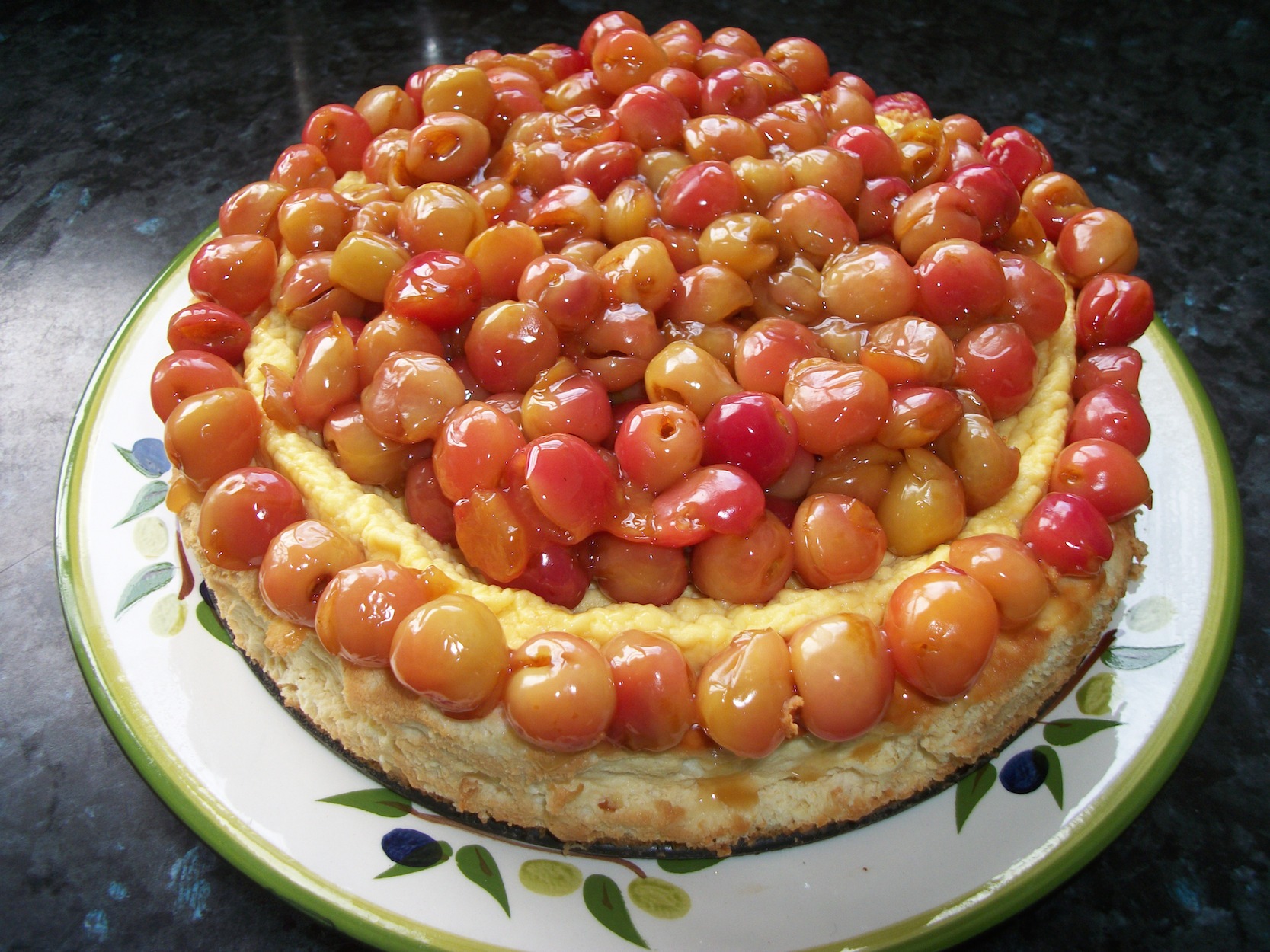
This week, we had a delicious confluence—too many cherries and too much ricotta cheese. There’s only one thing to do with that situation—make ricotta cheesecake and smother it in cherry pie filling!

The ricotta cheesecake—essentially a sweet soufflé—puffed twice the height of the pan in the oven, then fell most unattractively when it cooled. But it left a perfect rim for holding cherries.

Bake Us Some Figgy Cookies

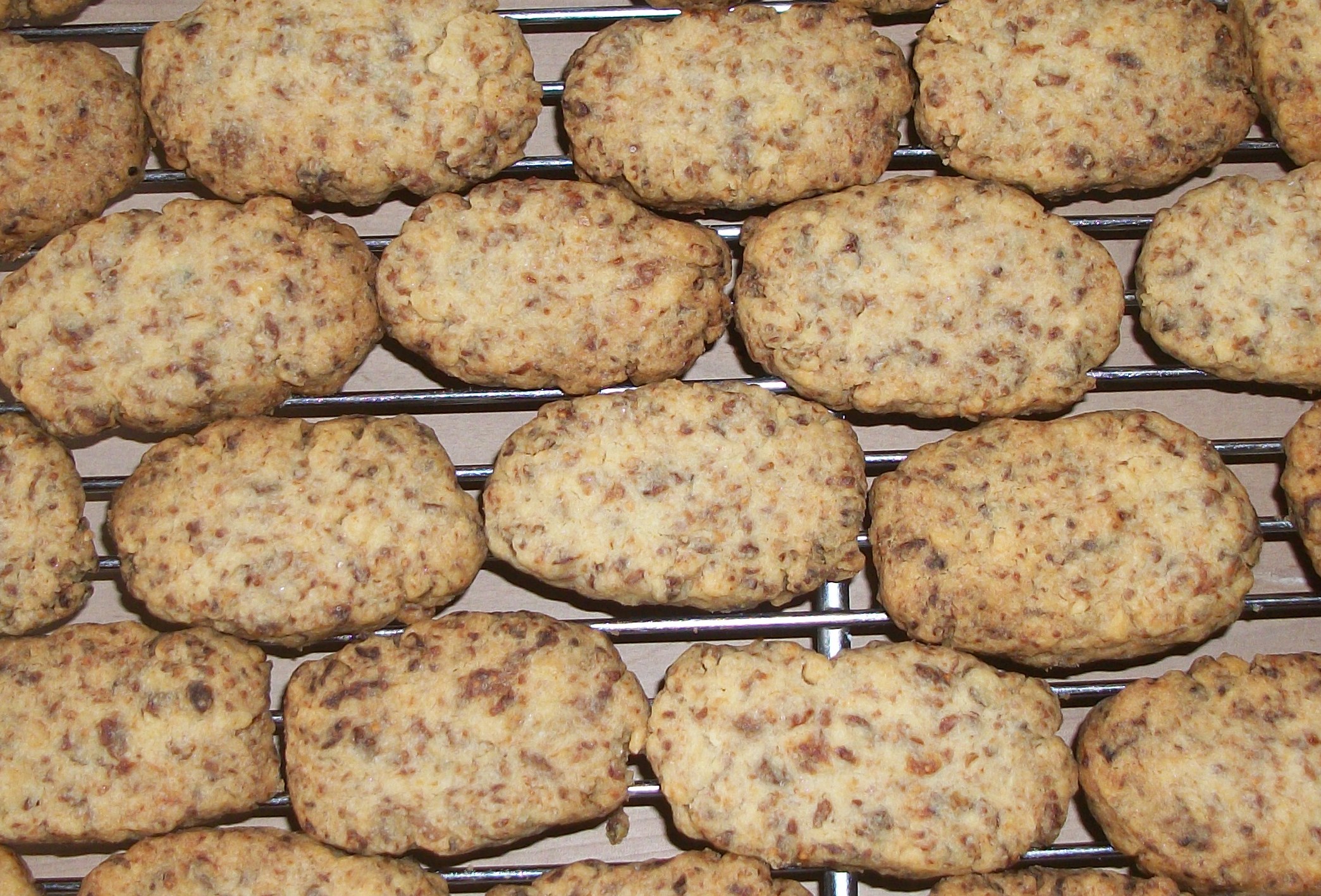
100_4214 cropI’ve had a hankering for figs lately—must be the holidays—so I made fig cookies. They taste like a cross between fig newtons and walnut crescents.

This recipe is adapted from a recipe in The Gourmet Cookie Book (Have I mentioned before that this book is the most beautiful book ever made? It is a lesson in effective graphic design, and has lots of good recipes, too. If you haven’t finished your Christmas shopping, you must buy this for someone. If you have finished your Christmas shopping, you need to buy it for yourself. Aw, never mind—just buy it for yourself, regardless.)

Anyway, these cookies take most of their sweetness from the figs. If you wanted a slightly sweeter cookie, I think they’d be fabulous dredged in powdered sugar!

1 cup butter

¼ cup sugar

1 cup walnuts, ground*

1 cup dried figs, ground*

1 tsp vanilla

2 cups all-purpose flour

Cream butter. Add sugar and beat until fluffy. Stir in ground walnuts and figs, and vanilla. Stir in flour, mixing until all incorporated.

Use a scant tablespoon of dough for each cookie. Form into small finger shapes about 1 inch (2.5 cm) apart on a greased baking sheet. Bake at 300°F (150°C) for 25-30 minutes. Do not let them brown. Cool completely before eating—they crisp nicely as they cool.

*I grind the figs and walnuts together in a food processor—the walnuts keep the figs from sticking together in a big clump.

Mulch

100_4203 smIn a drought, I can’t not blog about mulch at least once. Even in a normal summer, I don’t think I could grow vegetables without mulch—it’s just too dry and the sun is too intense.

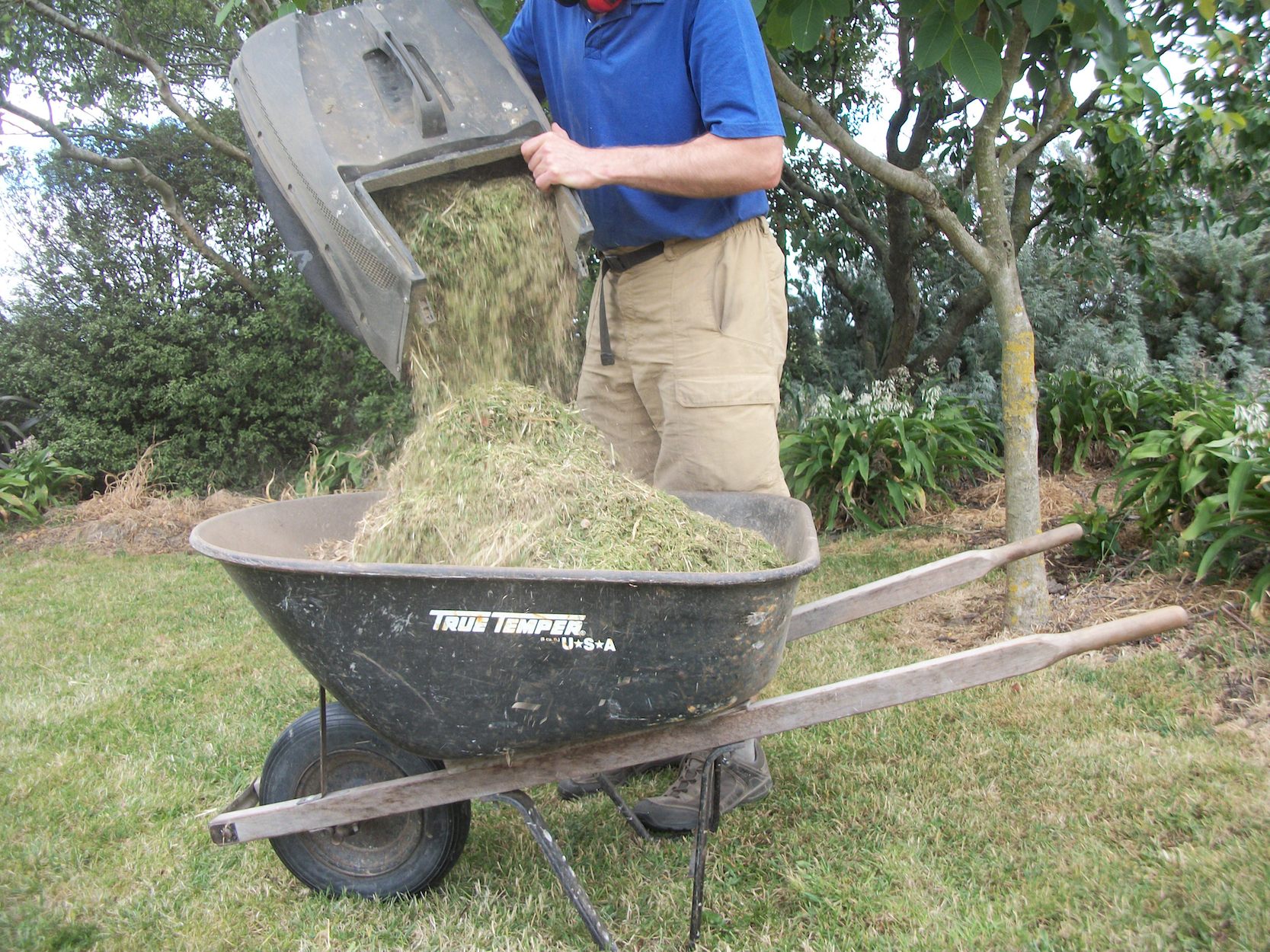
We mulch with grass clippings, and the mulch serves a number of purposes. First, it disposes of the grass clippings, which would otherwise end up sitting clumped on the lawn, or fill up the already overflowing compost bins.

But the mulch is more than that. It holds moisture in the soil, so I don’t need to water as frequently. It also suppresses weeds, which is absolutely essential for my sanity—without it, I’d be spending every waking moment just weeding from September to April.

Grass clippings are particularly nice because they aren’t as attractive to slugs as the alternatives (pea straw or barley straw), they have a fine texture that can be gently nestled around even small plants, and they don’t blow away like other mulches do.

The only problem lies in getting enough for all our needs in early summer. It takes a lot of mowing to mulch all our garden beds!

First Tomato

100_4209 cropThe first tomato of the year is always an event. We don’t buy fresh tomatoes, so tomato season is eagerly anticipated from May to December.

This year, our first tomatoes came early—early December instead of early January. The early fruits are off a variety that’s new to me—Bloody Butcher—though the variety isn’t noted for early ripening.

The Bloody Butcher plants were hit hard by overspray while they were still in pots in the greenhouse, so the early ripening could be a response to stress, or it could just be a response to the hot spring and early summer weather. Either way we’ve already enjoyed half a dozen small tomatoes.

And truly, there is nothing quite like a home grown tomato!

Cilantro and Culantro

100_4228 smCilantro is an acquired taste. This strong herb is used in Asian and Central American cooking, and is one of those things you either love or hate.

When I first tasted fresh cilantro (Coriandrum sativum), I will admit I didn’t like it.

It wasn’t until I had culantro—Eryngium foetidum, also known as Mexican coriander—that I really learned to like the flavour (Never mind that the scientific name means ‘foul-smelling thistle’).

In Panama, both are eaten, and though they are only distantly related plants, they serve the same culinary purposes, with similar flavours. Panamanians consider Eryngium foetidum the ‘real’ cilantro, and call it simply culantro. Coriandrum sativum is called culantro Chino (Chinese cilantro).

Culantro grew wild in our lawn in Panama, and we weren’t long in the country before we were eagerly searching it out to flavour our dinners. It was a disappointment to return to the U.S. and find we could only get culantro Chino—positively bland in comparison to the foul-smelling thistle we grew to love.

But we’ve since grown fond of Chinese cilantro, too. It grows year round here. In fact, it’s as much a weed here as culantro was in Panama, and I find it cropping up all over the place. It does a lovely job of providing a year round crop without any work on my part at all. I just need to be open-minded about leaving the ‘weeds’ where they sprout.

Backpack meals

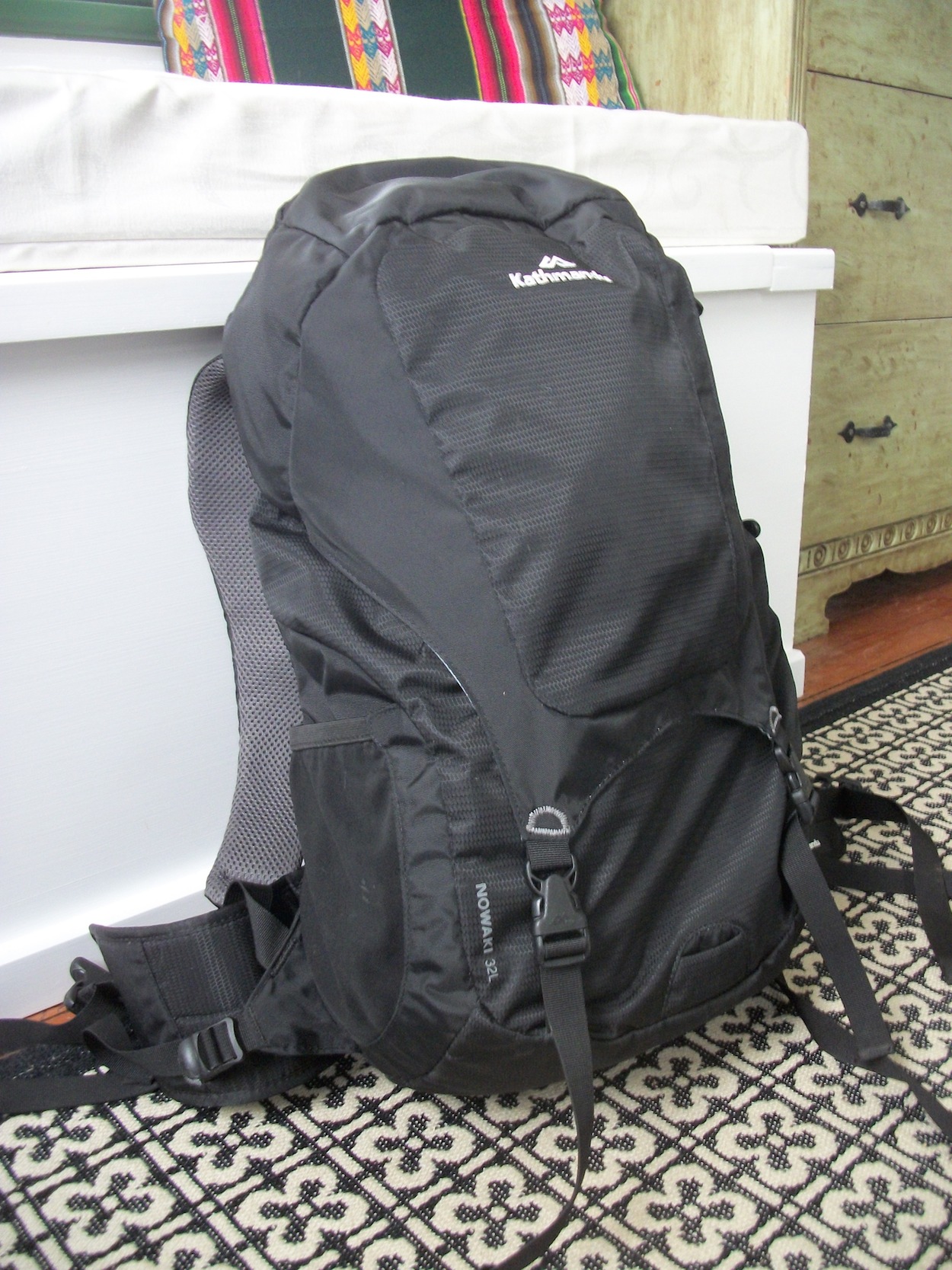
100_4233 smI picked up the food for a backpacking trip today. All I can say is BLECH, and HOLY COW THAT STUFF’S EXPENSIVE! And we don’t go for the “backpacker” food—we just buy the instant meals available in the grocery store.

To buy over-salted, over-sugared, freeze-dried, highly processed food when there is fresh produce pouring out of the garden is physically painful.

I suppose we should plan in advance. As vegetables come into season, we should dry enough for our trips, make up our own highly-processed, over-salted backpacking food. Once upon a time—before children—we did some of that.

But it’s actually a lot of work…to change a delicious vegetable into something we would only consider eating if it were the only option. I just can’t get excited about that.

So, we’ll probably just keep buying those icky instant meals. It’s backpacking, after all—you don’t do it for the food.