Garden Transformation

The garden group I’m part of recently met at our house and took a stroll through our gardens. It was great to get ideas and advice on disease problems, nutrient deficiency issues, and all manner of other aspects of gardening.

But equally valuable was to get their perspective on the changes that have taken place in our garden over the past year. We see the place daily and don’t always appreciate how much real progress we’re making on bringing this degraded paddock back to life.

So I thought today I’d look back and do a little before/after comparison, to remind me of what all our hard work has wrought here over the past 3 years or so.

When we bought the property, there was nothing but poorly-growing pasture grass and weeds. The developer had scraped every bit of topsoil off, leaving us with heavy clay and rocks. When we had the soil tested, we found there were virtually no nutrients in it at all. Truly a blank slate. Or first attempts at growing vegetables here yielded shin-high corn plants. The tomatoes, peppers and eggplants stopped growing the moment I planted them out.

Before we even moved in, we began to plant natives around the edges of the property. The fruit trees went in during our first winter in the house, as did the roses. We bought literal truckloads of compost to add to the soil, and I’ve incorporated trailer loads of manure gifted by generous neighbours with livestock. And I can’t count the number of bales of pea straw I’ve layered over garden beds over the past three years. We picked rocks of all sizes from the ground every time we dug a hole or planted a seed. Those rocks have formed the edges of raised beds, filled gabions and created paths all over the property.  

The results have been transformative. See for yourself.

Photos taken from about the same vantage point on the property–2019 vs 2023
The view from my office window, June 2020 vs November 2023–those native trees have grown 3 metres in 3 years!

Happy Halloween

It’s Halloween, and though the spooky season is not so spooky here in the Southern Hemisphere, I do have a little poem for you–some thoughts I had on old (possibly haunted?) vs new houses back in the depths of winter.

The walls are square,
Floor level.
When you shut the window
There is no draft.

There are no spiders in the bath,
No moths flap flap flapping
Around the kitchen light.

No rats slide greasily
Through the walls.
The attic is not insulated
With bird nests and skeletons.

When it rains outdoors
It doesn’t rain inside.

In this house, there are no ghosts
Rattling the cupboards,
Moaning down the chimney,
Pacing creaky floorboards at 3 AM.

Lonely, I throw the doors and windows open.

Spooky Reading

As a kid in North America, I used to love celebrating Halloween. I love spiders, bats and black cats. I love crisp autumn days and frosty nights. I love carving pumpkins. I love making costumes—I’d start planning each year’s costume in April. 

Yes, the candy was a nice bonus, but the real fun was walking the streets after dark wearing a costume and seeing all the other creative costumes out and about.

Here in the southern hemisphere? Well, Halloween makes no sense. By the end of October, spring is well advanced. We’re on daylight savings time, so the evenings are long and bright. I’m planting pumpkin seeds, not harvesting pumpkin fruits. We’re enjoying a riotous display of colours from the flowerbeds and eating delicious springtime crops like peas, asparagus and spinach. We’re planning our summer vacations, and looking forward to days on the beach.

Spooky? Not so much.

Still, I enjoy spiders, bats and black cats at any time of year. And witches never go out of style. 

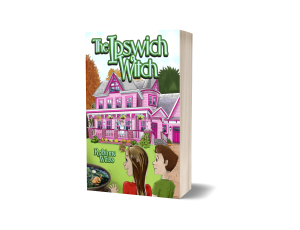
Maybe that’s why I wrote The Ipswich Witch a few years ago. Because not all witches wear black, and maybe witches enjoy a little summer sun, too. (And a good date scone.)

So here’s to all the southern hemisphere witches, who are busy tending their gardens in October, growing all those herbs for their potions, filleting their fenny snakes, and drying fresh eye of newt and toe of frog. 

Reading never goes out of style either, so whether you’re a fan of the spooky season or prefer your Halloween reading to be a bit cosier, here are a few suggestions, all written by Kiwi authors:

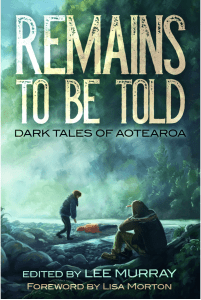
Remains to be Told: Dark Tales of Aotearoa

Remains to be Told: Dark Tales of Aotearoa is mired in the shifting landscape of the long white cloud, and deeply imbued with the myth, culture, and character of Aotearoa-New Zealand.

Curated by multi-award-winning author-editor Lee Murray, the anthology opens with a foreword by six-time Bram Stoker Awards®-winner and former HWA President Lisa Morton; and includes a brutal, lyrical poem by Kiwi resident Neil Gaiman.

Laced with intrigue, suspense, horror, and even a touch of humour, the anthology brings together stories and poems by some of the best homegrown and Kiwi-at-heart voices working in dark fiction today.

Remains to be Told features stories and poems by Dan Rabarts, Kirsten McKenzie, Celine Murray, Kathryn Burnett, Helena Claudia, Marty Young, Gina Cole, William Cook, Del Gibson, Paul Mannering, Tim Jones, Owen Marshall, Denver Grenell, Bryce Stevens, Debbie Cowens, Lee Murray, Jacqui Greaves, Tracie McBride, and Nikky Lee. 

Overdues and Occultism

(Book 1 Mt Eden Witches) by Jamie Sands

A witch in the broom closet probably shouldn’t be so interested in a ghost hunter, right?

That Basil is a librarian comes as no surprise to his Mt Eden community. That he’s a witch?

Yeah. That might raise more than a few eyebrows.

When Sebastian, a paranormal investigator filming a web series starts snooping around Basil’s library, he stirs up more than just Basil’s heart. Between Basil’s own self-doubt, a ghost who steals books and Sebastian, an enthusiastic extrovert bent on uncovering secrets, Basil’s life is about to get a lot more complicated.

Overdues and Occultism is a novella-length story featuring ghosts, witches and a sweet gay romance. It’s part of the Witchy Fiction project of New Zealand authors.

Angelfire

by Deryn Pittar and Meg Buchanan

Emma isn’t looking for trouble. She’s an angel in hiding – but her evil brother has found her.

She’s been chosen as this year’s offering for Halloween, and she’s prepared to fight to the death to prevent it happening.

Her neighbour is home on leave: Handsome, fighting fit and after one meeting their mutual attraction is sparking. Can she dare to ask for his help? Will he believe her?

He has a problem he’s struggling to conquer, but he’s used to death walking beside him and isn’t afraid of anything. Is being brave enough?

Angelfire is the first book in the touching Angelfire series. If you like appealing characters, heart-warming moments and action, then you’ll love Meg and Deryn’s exciting novel.

Author Lee Murray

For the spooky season, you can’t go wrong with just about any title by New Zealand’s mistress of horror, Lee Murray. Check out all her books on her website or her Amazon author page.

The Power of Purple

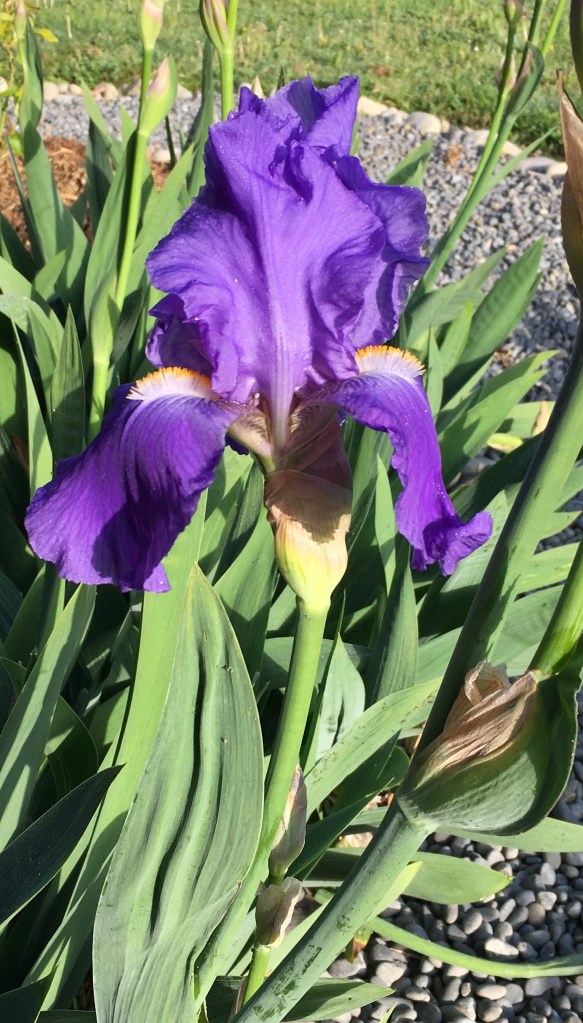
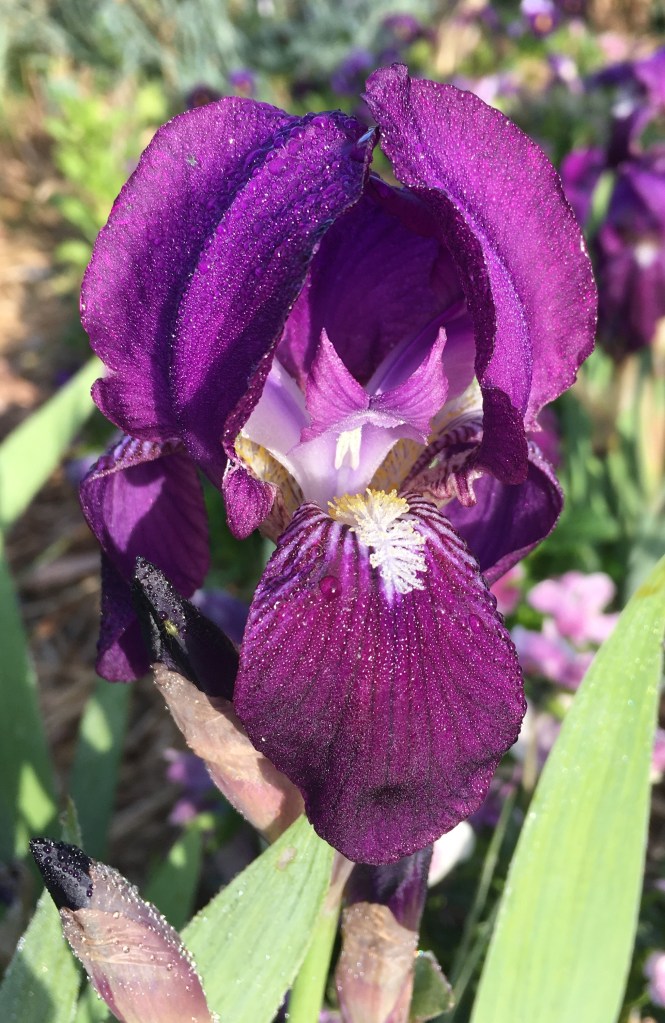
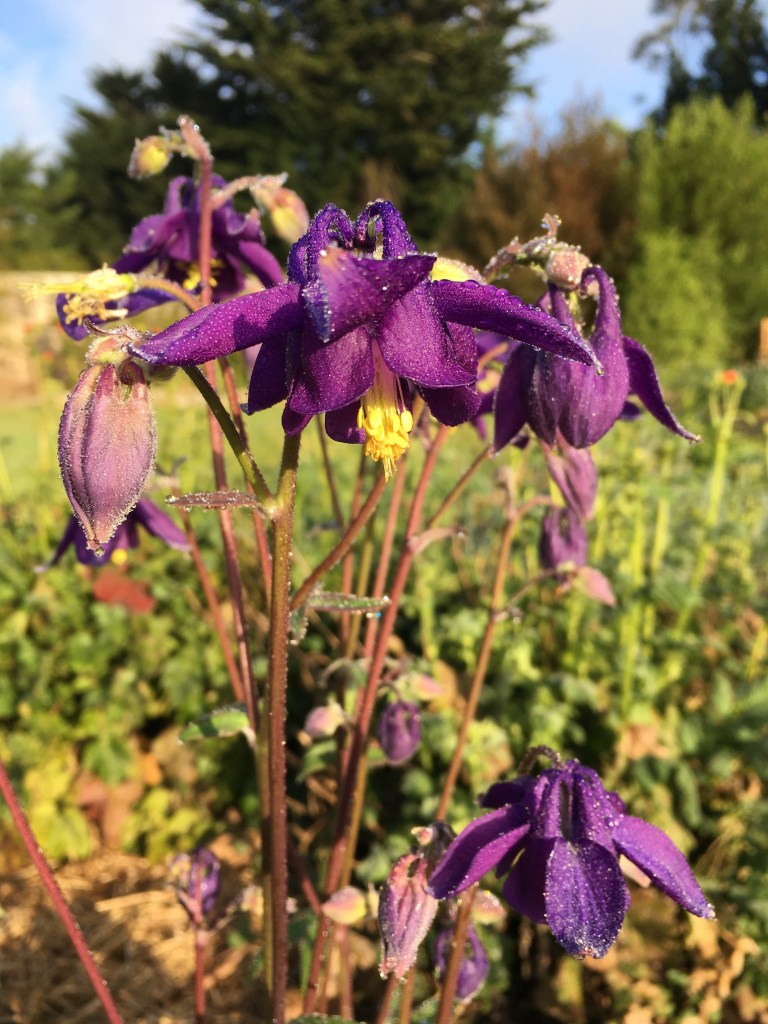
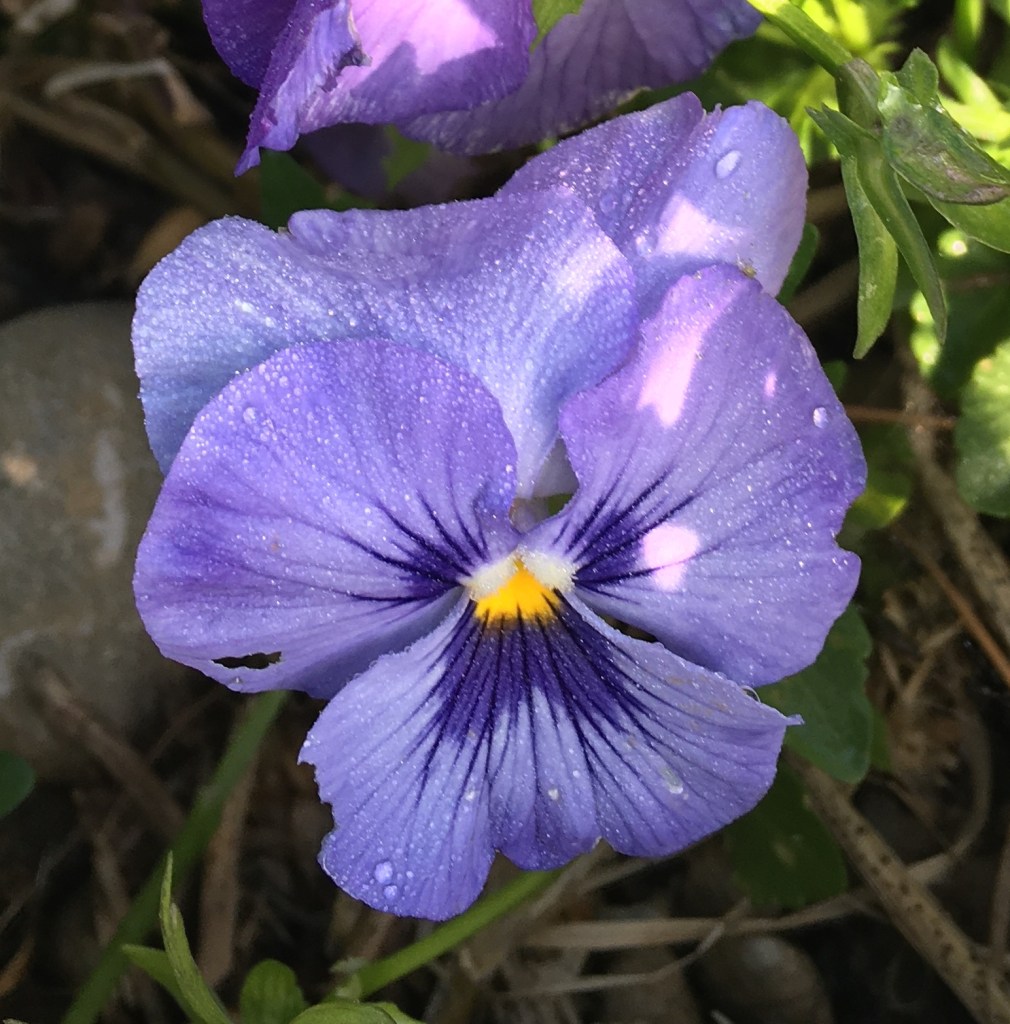
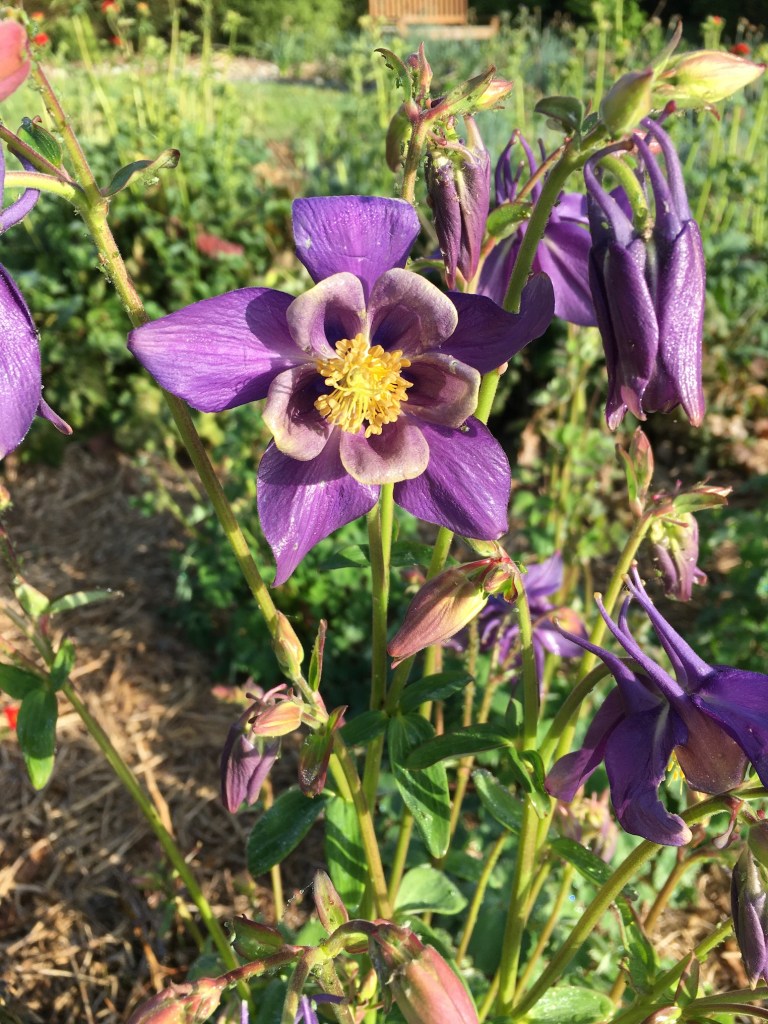
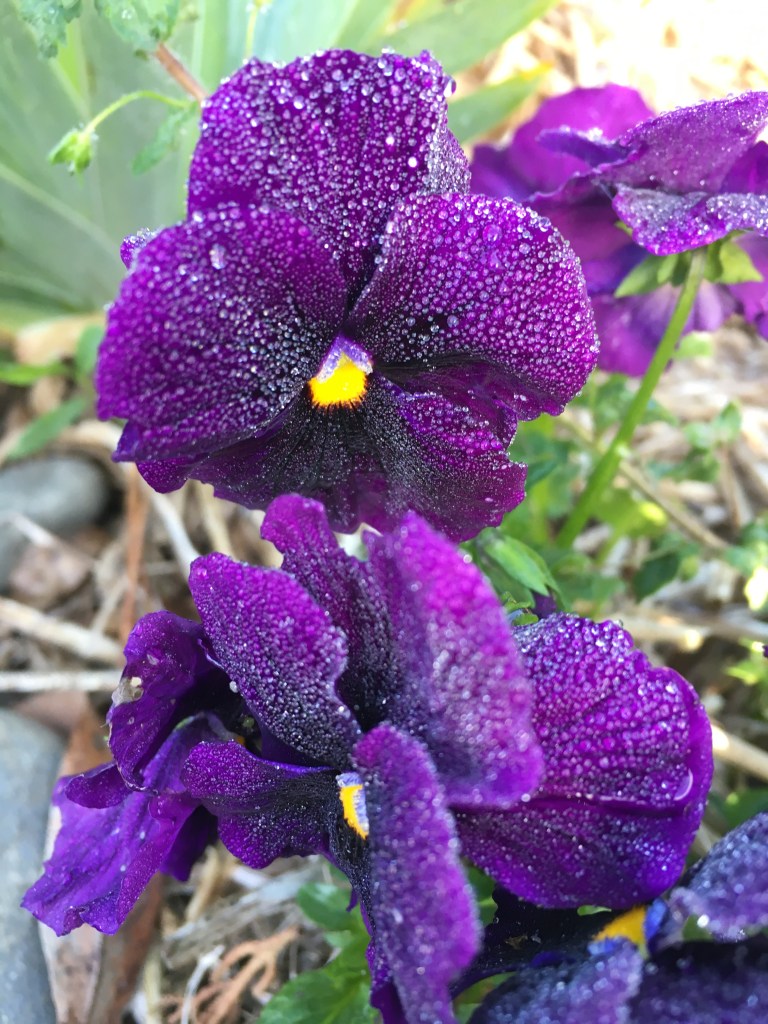
A glance out my office window these days reveals myriad spring blooms, which grow more exuberant every morning. At this time of year, the majority of the blossoms are purple. It was not by design—many of the flowers I planted were of unknown colour at the time—iris divisions from a freebie box at work, aquilegia seeds from a neighbour’s mixed plantings, and the ever-present weedy pansies. Intended or not, the overall effect is quite delightful, especially when the flowers are frosted with dew. So here’s a little purple to calm your day.

Wide-eyed Wonder–Not Just for Kids

I don’t often get to geek out with biologists (other than my own family, of course), so I was pleased to have an opportunity over the weekend to spend a day at Cass Mountain Research Station helping out with a mini bioblitz.

We couldn’t have asked for a better day—warm sun and clear skies made it a pleasure to be wandering around the forests and fields of the research station. And the company was great—everyone eagerly pointing out the mosses, herbs, bugs, birds, fungi and slime moulds we came across.

The enthusiasm was infectious. Back at the lab, folks peered at bugs, fungal spores, slime moulds, and moss, debating and discussing identifications, and calling out in delight when they discovered something awesome.

I was disappointed to have missed the tardigrades under the microscope, though my husband got fabulous footage of one being about as cute as an animal can be.

I was also jealous of the crew who spent the previous night at the station observing the nocturnal creatures—they bagged a giant springtail.

But there were more than enough cool critters to go around. I enjoyed peering at some of the little spiders I swept from the tussocks, and finding a clutch of spiky beetle larvae all curled up together in a rotting stump. The freshwater researchers brought in trays full of wriggling caddisflies, midge larvae, mayflies and other macroinvertebrates. The botanists catalogued a wide variety of orchids, mosses, and shrubs. The soil researchers found slime moulds, fungi, nematodes, and beetles.

When all the specimens were identified and catalogued, we’d logged 579 individual observations of 259 different species. Many of those species were new records for Cass, bringing the total number of species recorded for the field station to 590 and blowing our goal of 500 well out of the water. A fabulous effort, and a thoroughly enjoyable day!

Sometimes it’s easy to forget the simple thrill of discovery—that wide-eyed wonder we had as kids, when everything was new. We get bogged down in daily life, forget to keep our eyes open. It was great to remind myself last weekend that there is joy in simply observing.

Wanted Weeds

A baby lancewood! Isn’t it cute?

Over the weekend, I was weeding the native plantings at the front of the property and discovered a wee lancewood seedling. We’re quite fond of lancewood, and have planted several around the property, but none of ours have set seed yet—they’re all still in their stick-like juvenile form. So the volunteer came in from someone else’s property, no doubt dispersed by a bird.

Normally, weeds are a source of dismay, but I was thrilled to find the little lancewood. I’ve been surprised at how many ‘volunteer’ plants we get at our new property—there’s more rainfall here than at the old place, and plants tend to establish on their own, without my help. It means the unwanted weeds grow better, too, but I’ve been thrilled by what has popped up.

Among the native weeds, we’ve got coprosma, akeake, poroporo, NZ iris, snow tussock and hebes. Some, of course, sprout where we don’t want them, and I have to weed out a fair few. But many get transplanted elsewhere or potted up and given away. I love the thought that our native plantings might one day be self-perpetuating.

Rampant fumitory, rampant along the garden fence.

Among the non-natives there are some welcome weeds, too. Pansies, flax, thyme, oregano, sage, cilantro, peas and fennel are all desirable—in the right place. 

I will also admit to appreciating the flowers of daisy, scarlet pimpernel, scrambling speedwell, and rampant fumitory wherever they grow, but only because these plants are a minor nuisance and easy to pull out. Other pretty weeds, like bindweed, yarrow and vetch are on my hit list, regardless of their flowers.

Then there’s stinging nettle. I hate nettles. But lush nettles are a good sign of fertile soil, so I admit I like to see them pop up and grow well, even if I do pull them out.

Is a plant a weed if I like it? Maybe not. But all these volunteer plants do make for extra work in the garden, whether I appreciate them or not.

The volunteer pansy brigade. Who can complain about that?

It was the best of times. It was the worst of times.

Spring is a season of contrasts. Not just the weather, which can change on a dime from cold and rainy to dry and hot, and then back again, but the spring gardening season has more ups and downs than other seasons.

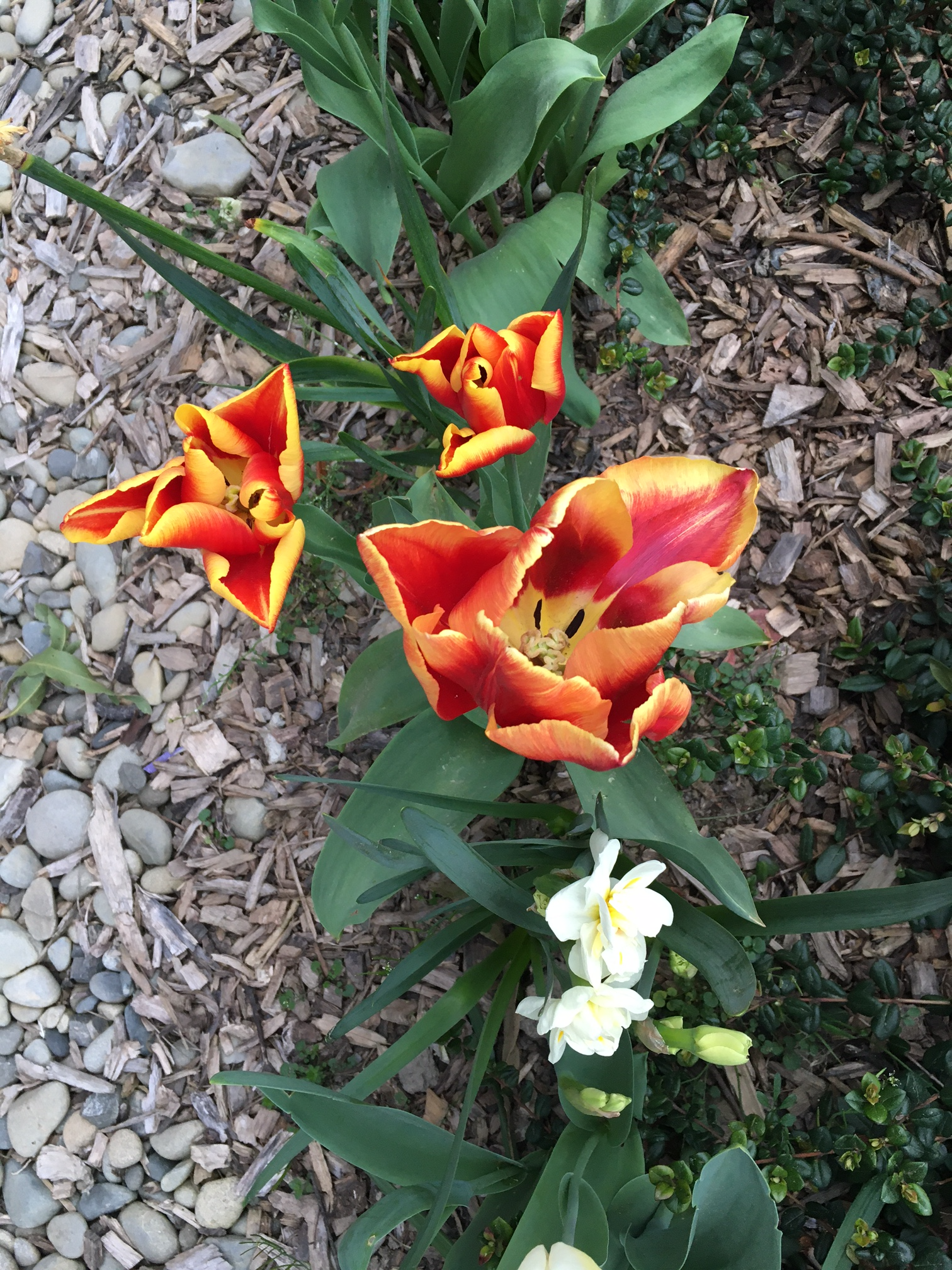
Take the past two weeks, for instance. The fruit trees are in bloom, daffodils and tulips are flowering, the asparagus is up, and the berries are leafing out—the garden is green and lush, a real delight! The seeds I’ve planted over the past month are growing well, and I’ve begun planting out the frost-tolerant crops. The sun has warmed the soil, and the worms are going crazy, incorporating all the manure I added to the garden over the winter. It’s the best of times.

On the other hand, when I put the freshly sprouted peas in the greenhouse to grow for a week before planting them out, the rats and mice got into them and ate about a quarter of them. Disappointing, but to be fair, when it came time to plant them out, I had the perfect quantity for the area I had prepared, so no harm done. I set some rat traps, and planted my second planting of peas in a tray indoors.

Saturday morning, I set the new tray of beautifully sprouted peas in the greenhouse, just until afternoon when I planned on planting them out.

By the time I was ready to plant, a rat had eaten them all. Yes, during the day, while I worked just a few metres away in the garden. Gutting, especially after two weeks of having the sneaky rodent eat the bait out of my rat traps without getting caught. Grr! To add insult to injury, when I removed the pile of bricks I knew the rat was nesting under, I found a huge stash of peas and wilted pea sprouts—the little stinker wasn’t even eating them all—he was stockpiling. I have since ordered a DOC200 trap—I’m gonna get this guy one way or another before he eats more peas. 

On Sunday, we experienced a typical springtime nor’wester—warm dry wind racing across the plains at 100 kph or more. Just after lunch, a particularly violent gust blew two panels out of our new greenhouse, including one panel we’d lost in a previous wind and had reinforced so it wouldn’t happen again. Later gusts tore a third panel out as well. This greenhouse was advertised as being designed in New Zealand for New Zealand conditions. Clearly they didn’t test the thing on the Canterbury Plains. Arg! It’s the worst of times.

In spite of the delights of spring, it seems there’s always another pest, another problem to deal with. By summer, I know that most of the problems will be either solved, or abandoned as a lost cause, but in springtime, hopes run high, and disasters feel truly disastrous.

I complain, even though I know that the springtime garden disasters are fixable (for the most part). But I suppose part of why I enjoy gardening so much is the challenge. Outsmarting pests; growing crops out of season; battling poor soil, wind, drought, flooding … sometimes I think that’s half the fun.

So I look to the weather forecast for the next 24 hours—severe wind warnings and a high of 20 today, followed by snow tomorrow—and buckle up for the roller coaster ride.