More fun with trailers! Here’s a trailer for The Dragon Slayer’s Son, book 1 of the Dragon Defence League series.
Free SciFi and Fantasy Books!
Looking for reading material this month? Fill your e-reader with free books in this October giveaway!

Wide-eyed Wonder–Not Just for Kids
I don’t often get to geek out with biologists (other than my own family, of course), so I was pleased to have an opportunity over the weekend to spend a day at Cass Mountain Research Station helping out with a mini bioblitz.
We couldn’t have asked for a better day—warm sun and clear skies made it a pleasure to be wandering around the forests and fields of the research station. And the company was great—everyone eagerly pointing out the mosses, herbs, bugs, birds, fungi and slime moulds we came across.
The enthusiasm was infectious. Back at the lab, folks peered at bugs, fungal spores, slime moulds, and moss, debating and discussing identifications, and calling out in delight when they discovered something awesome.
I was disappointed to have missed the tardigrades under the microscope, though my husband got fabulous footage of one being about as cute as an animal can be.
I was also jealous of the crew who spent the previous night at the station observing the nocturnal creatures—they bagged a giant springtail.
But there were more than enough cool critters to go around. I enjoyed peering at some of the little spiders I swept from the tussocks, and finding a clutch of spiky beetle larvae all curled up together in a rotting stump. The freshwater researchers brought in trays full of wriggling caddisflies, midge larvae, mayflies and other macroinvertebrates. The botanists catalogued a wide variety of orchids, mosses, and shrubs. The soil researchers found slime moulds, fungi, nematodes, and beetles.
When all the specimens were identified and catalogued, we’d logged 579 individual observations of 259 different species. Many of those species were new records for Cass, bringing the total number of species recorded for the field station to 590 and blowing our goal of 500 well out of the water. A fabulous effort, and a thoroughly enjoyable day!
Sometimes it’s easy to forget the simple thrill of discovery—that wide-eyed wonder we had as kids, when everything was new. We get bogged down in daily life, forget to keep our eyes open. It was great to remind myself last weekend that there is joy in simply observing.
Wanted Weeds
Over the weekend, I was weeding the native plantings at the front of the property and discovered a wee lancewood seedling. We’re quite fond of lancewood, and have planted several around the property, but none of ours have set seed yet—they’re all still in their stick-like juvenile form. So the volunteer came in from someone else’s property, no doubt dispersed by a bird.
Normally, weeds are a source of dismay, but I was thrilled to find the little lancewood. I’ve been surprised at how many ‘volunteer’ plants we get at our new property—there’s more rainfall here than at the old place, and plants tend to establish on their own, without my help. It means the unwanted weeds grow better, too, but I’ve been thrilled by what has popped up.
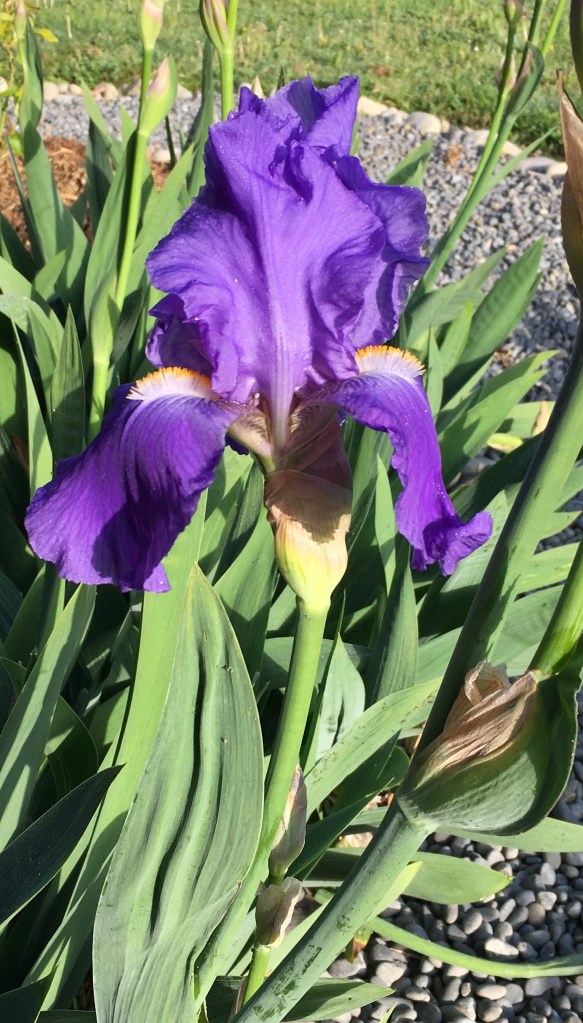
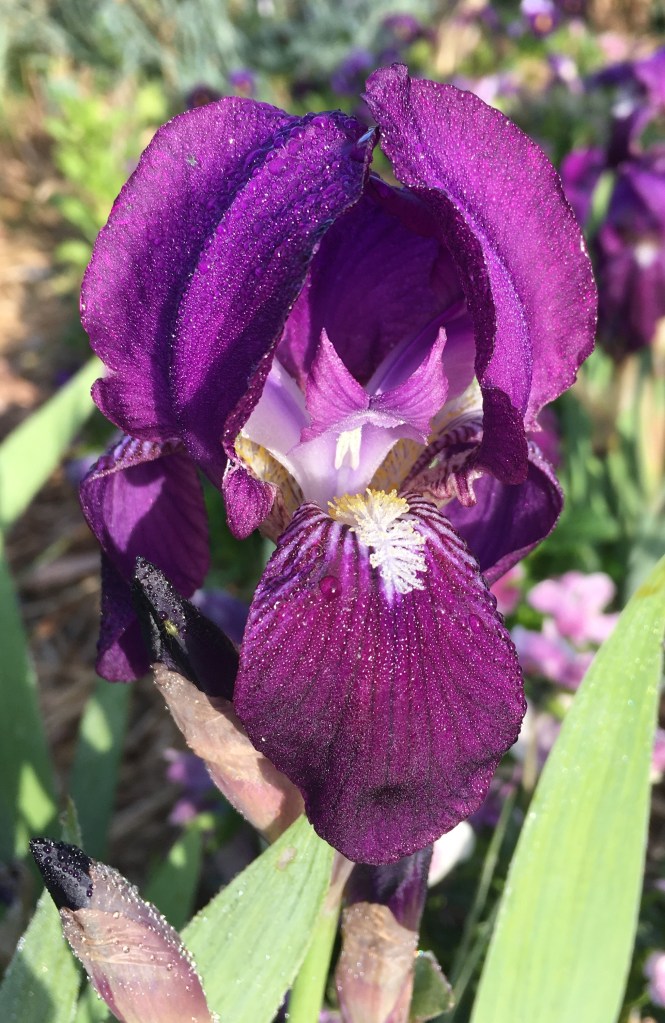
Among the native weeds, we’ve got coprosma, akeake, poroporo, NZ iris, snow tussock and hebes. Some, of course, sprout where we don’t want them, and I have to weed out a fair few. But many get transplanted elsewhere or potted up and given away. I love the thought that our native plantings might one day be self-perpetuating.
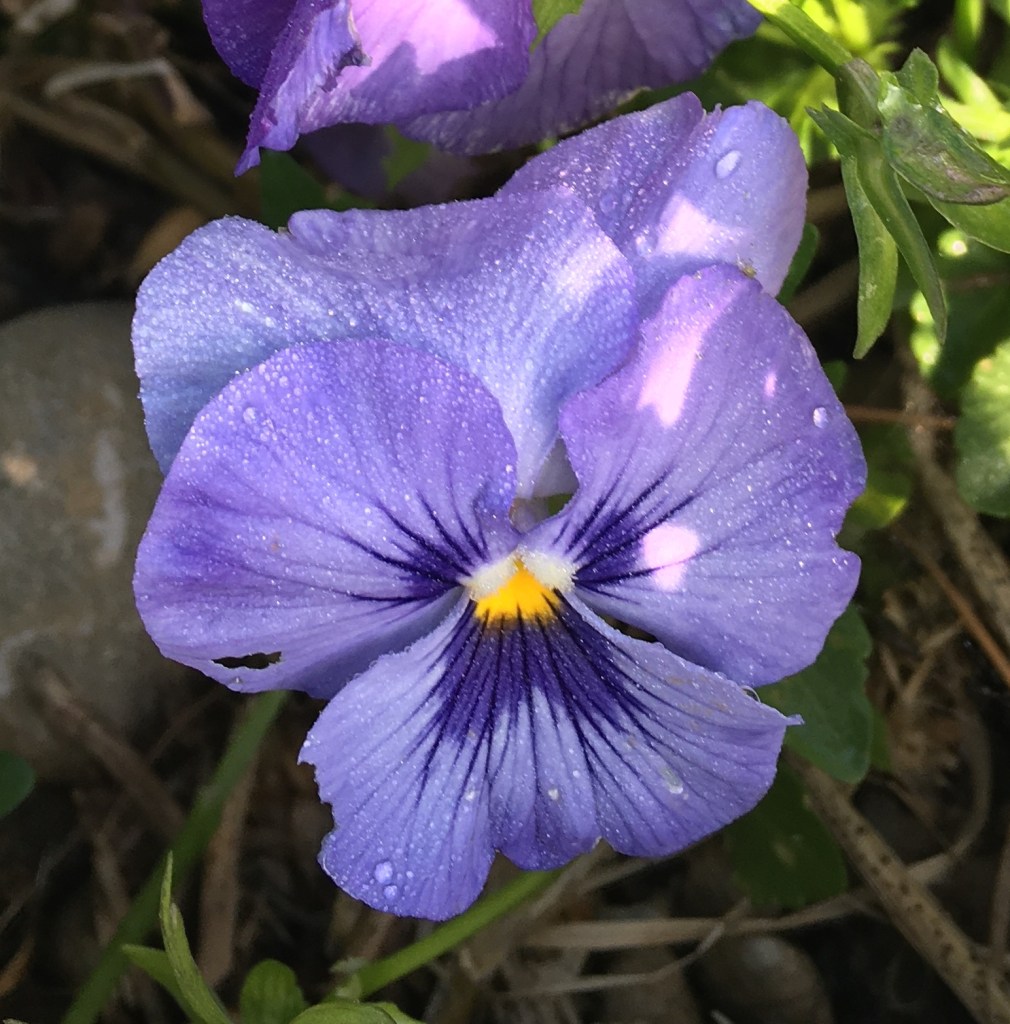
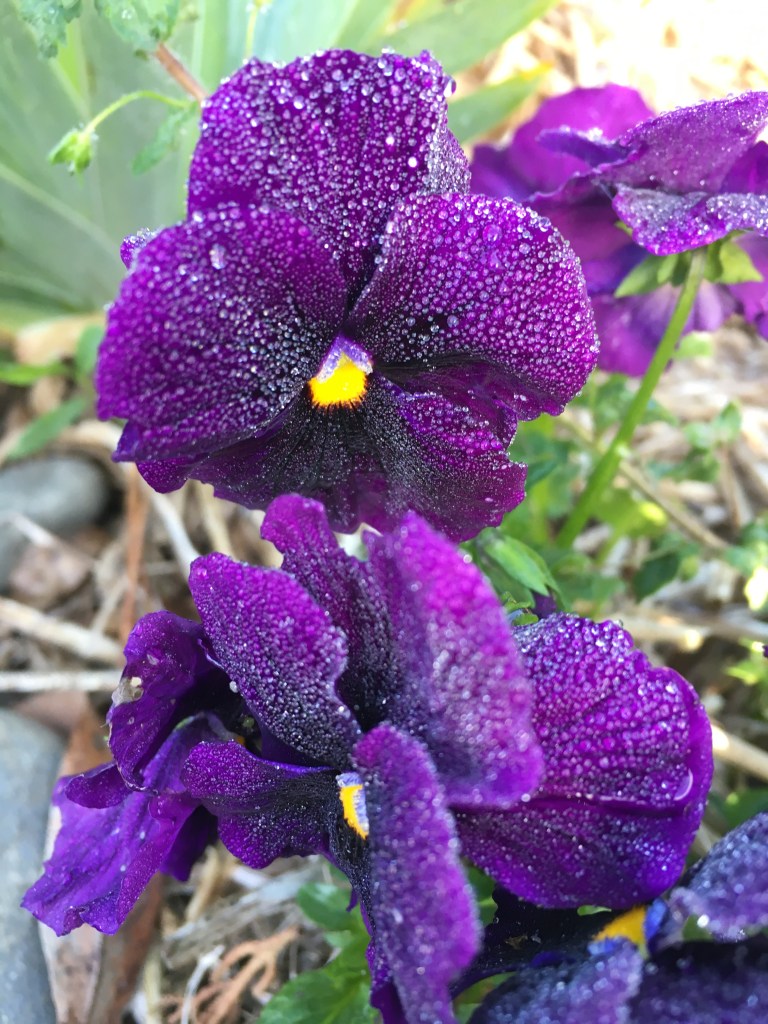
Among the non-natives there are some welcome weeds, too. Pansies, flax, thyme, oregano, sage, cilantro, peas and fennel are all desirable—in the right place.
I will also admit to appreciating the flowers of daisy, scarlet pimpernel, scrambling speedwell, and rampant fumitory wherever they grow, but only because these plants are a minor nuisance and easy to pull out. Other pretty weeds, like bindweed, yarrow and vetch are on my hit list, regardless of their flowers.
Then there’s stinging nettle. I hate nettles. But lush nettles are a good sign of fertile soil, so I admit I like to see them pop up and grow well, even if I do pull them out.
Is a plant a weed if I like it? Maybe not. But all these volunteer plants do make for extra work in the garden, whether I appreciate them or not.
It was the best of times. It was the worst of times.
Spring is a season of contrasts. Not just the weather, which can change on a dime from cold and rainy to dry and hot, and then back again, but the spring gardening season has more ups and downs than other seasons.
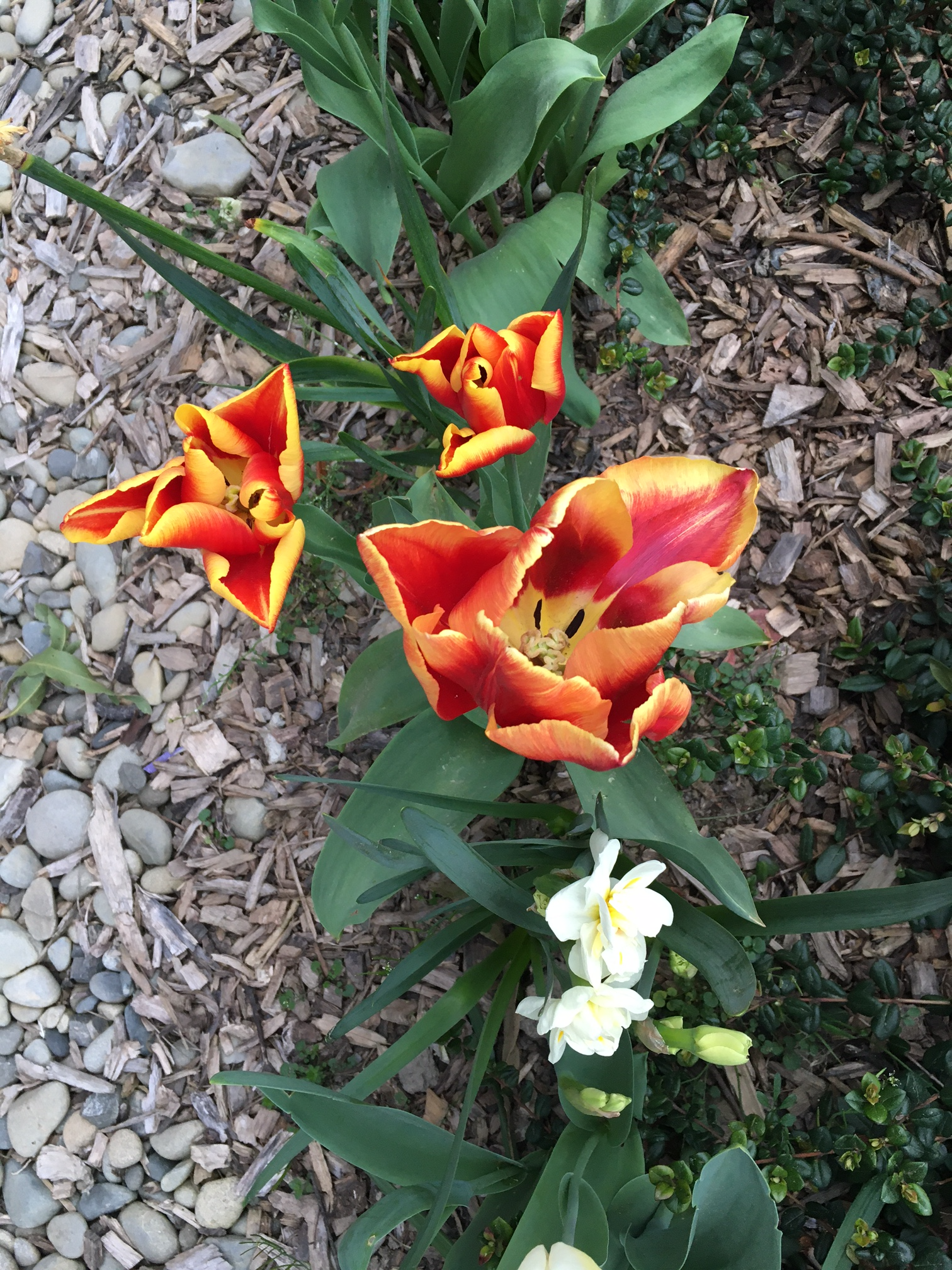
Take the past two weeks, for instance. The fruit trees are in bloom, daffodils and tulips are flowering, the asparagus is up, and the berries are leafing out—the garden is green and lush, a real delight! The seeds I’ve planted over the past month are growing well, and I’ve begun planting out the frost-tolerant crops. The sun has warmed the soil, and the worms are going crazy, incorporating all the manure I added to the garden over the winter. It’s the best of times.
On the other hand, when I put the freshly sprouted peas in the greenhouse to grow for a week before planting them out, the rats and mice got into them and ate about a quarter of them. Disappointing, but to be fair, when it came time to plant them out, I had the perfect quantity for the area I had prepared, so no harm done. I set some rat traps, and planted my second planting of peas in a tray indoors.
Saturday morning, I set the new tray of beautifully sprouted peas in the greenhouse, just until afternoon when I planned on planting them out.
By the time I was ready to plant, a rat had eaten them all. Yes, during the day, while I worked just a few metres away in the garden. Gutting, especially after two weeks of having the sneaky rodent eat the bait out of my rat traps without getting caught. Grr! To add insult to injury, when I removed the pile of bricks I knew the rat was nesting under, I found a huge stash of peas and wilted pea sprouts—the little stinker wasn’t even eating them all—he was stockpiling. I have since ordered a DOC200 trap—I’m gonna get this guy one way or another before he eats more peas.
On Sunday, we experienced a typical springtime nor’wester—warm dry wind racing across the plains at 100 kph or more. Just after lunch, a particularly violent gust blew two panels out of our new greenhouse, including one panel we’d lost in a previous wind and had reinforced so it wouldn’t happen again. Later gusts tore a third panel out as well. This greenhouse was advertised as being designed in New Zealand for New Zealand conditions. Clearly they didn’t test the thing on the Canterbury Plains. Arg! It’s the worst of times.
In spite of the delights of spring, it seems there’s always another pest, another problem to deal with. By summer, I know that most of the problems will be either solved, or abandoned as a lost cause, but in springtime, hopes run high, and disasters feel truly disastrous.
I complain, even though I know that the springtime garden disasters are fixable (for the most part). But I suppose part of why I enjoy gardening so much is the challenge. Outsmarting pests; growing crops out of season; battling poor soil, wind, drought, flooding … sometimes I think that’s half the fun.
So I look to the weather forecast for the next 24 hours—severe wind warnings and a high of 20 today, followed by snow tomorrow—and buckle up for the roller coaster ride.
Fatecarver Book Trailers
To celebrate the completion of the Fatecarver trilogy last week, I made trailers for all three books. There will be no BAFTA awards for these little videos, but I had a lot of fun putting them together.
Fatemaker is now available!
I’m thrilled to announce that the third and final book in the Fatecarver trilogy is now available in both print and ebook formats!
Saving a people is hard enough. How do you save a god?
In the final book of the Fatecarver trilogy, Kalish’s magical power grows along with her influence. Her once rag-tag band of followers swells as clans fall to her mother’s strangling grasp. The rebellion she started becomes a full-scale insurrection bent on societal change.
As the powerful Fatewalker leading the uprising, Kalish is treated like a god—revered, feared. Her role pushes her further and further from her heart’s desires—a normal life, a home, family. She dreams of a day in the future when she will live in peace, with love.
But the god, Iskra, is depending upon her to save her people from greed—specifically her mother’s greed.
When her mother destroys Iskra’s last stronghold, Kalish must draw on every bit of her power to bring the god back. But her power alone isn’t enough, and resurrecting a god requires sacrifice. One that may cost her all her dreams.
Book Review: You Are My Sunshine and Other Stories
This collection of short stories by Octavia Cade is a pull-no-punches imagination of a near-future Earth under the influence of climate change, as seen intimately from the eyes of individuals. It is an exploration of our connection to the other living things with whom we share our planet.
At their core, these stories are about the losses we will suffer as the full effects of climate change take hold. In these terse and well-crafted stories, personal loss and environmental loss are mirrors of one another, and sometimes it isn’t entirely clear where one leaves off and the other begins. Some, like You Are My Sunshine and Gone to Earth lean towards horror, with characters whose relationship with the world around them veers into the surreal waters of mental health crises.
I read this book slowly, needing to pause and digest each story before moving on to the next. I will admit that the drumbeat of despair in the first half of the book made me almost dread what fresh pain the next story would reveal. But the second half focuses more on hope—the hope of those who have felt loss, the hope that we as a species will recognise our place on Earth as kin to all the other living things on the planet, the hope that we will change our ways and create a better future for all life on Earth.
Science is at the core of the book, and the sea is a recurring theme, almost a character, in some stories. Many of the stories are set in New Zealand and draw on places, people and events in New Zealand, but the experiences and emotions of the characters are universal. They will surely resonate with people everywhere.
If you are looking for a vivid and personal exploration of our possible future, or an examination of loss and the recovery of hope after loss, these stories are a must-read.
From the book blurb:Â
Sometimes change can hurt. This collection of short stories traces the growing pains of a new world, beginning with the death throes of our current way of life and ending with a world transformed by science and technology, and by grief, hope, love, and humanity’s will to transform. This is a collection that will both tear you apart and tend to your wounds. Cade’s beautifully wrought stories are informed by science, tracing the biological and emotional threads that bind us, human and non-human alike. Containing a brand new novelette in the Impossible Resurrection of Grief universe, You Are My Sunshine and Other Stories is a promise of what worlds are possible if we allow ourselves to change.
To be released September 2023. Preorder here.
In Case You Missed it: FREE Books!
Pest Management: Control
Yesterday I wrote about strategies for preventing pest problems. If you’ve taken all the measures you can to prevent pests, but the pests arrive anyway, there are different questions to ask:
- Do I need to worry? Low levels of pests aren’t a big deal. A few aphids, a caterpillar here or there, the odd bite out of a leaf—these things aren’t going to have a big impact on the quality or quantity of your harvest. Just keep an eye on them to be sure the problem doesn’t get worse.
- Can I physically remove them? I’m a huge fan of squishing and hosing pests off plants. For example, I have problems every spring with aphids on my roses. If I do nothing, the plants become completely covered, and the blooms are destroyed. So in spring, I keep an eye on the plants, and once the aphids start reproducing, I hose the plants down once a week, knocking off most of the aphids. Usually I only have to do this about three times before the aphids’ natural enemies build up enough to keep them under control without my help.
- Can you disrupt a critical part of your pest’s life cycle? Is there a life stage that can be easily killed, or has specific requirements you can disrupt? For example, I keep a close eye on my brassica seedlings, looking out for cabbage white butterfly eggs on the undersides of the leaves. All it takes is a quick swipe of the thumb across the bottom of each leaf to squash the eggs and eliminate future problems with caterpillars. Another example is my recent problems with slaters in my greenhouses. Discovering that the slaters are congregating between cement blocks stacked beside the greenhouse, I’ve started regularly checking and squashing all the slaters in those blocks. (I could also have moved the blocks, to eliminate the slaters’ shelter, but since the population was quite high, I thought squishing a whole lot of them would be more effective for now. Later I will probably move the blocks to make the area around the greenhouse less attractive to slaters).
- Can I make use of them? Pest-covered plants, grass grubs and slugs all get thrown over the fence to my chickens, who turn them into beautiful eggs for me and save me from the disgusting task of squishing the bugs.
- Can I pull out badly infested plants? If there’s a couple of plants badly infested, but the pests haven’t spread much, rip out those infested plants and destroy the pests on them. You’ll lose a few plants, but you’ll protect the rest of your crop.
In an IPM system, you don’t consider any sort of chemical control until you’d exhausted all the possibilities above. In practice in my garden, I almost never need anything else. Occasionally, if I’ve missed an aphid infestation on a crop that can’t handle a strong spray of water, I’ll use a soap solution to kill aphids. That’s the extent of my chemical control. But if you do need to resort to chemicals, it’s important to choose the right one. The more specific it is to your pest, the better. Many modern pesticides are narrowly focused, and target specific pests, and that’s great. With a narrow target, the pesticide is less likely to kill beneficial insects or harm people and pets. Stay away from broad spectrum pesticides. Also, if you do use pesticides, be sure to follow the label directions carefully, wear protective gear, and dispose of leftover product and empty containers properly.