Rain, Rain, Go Away

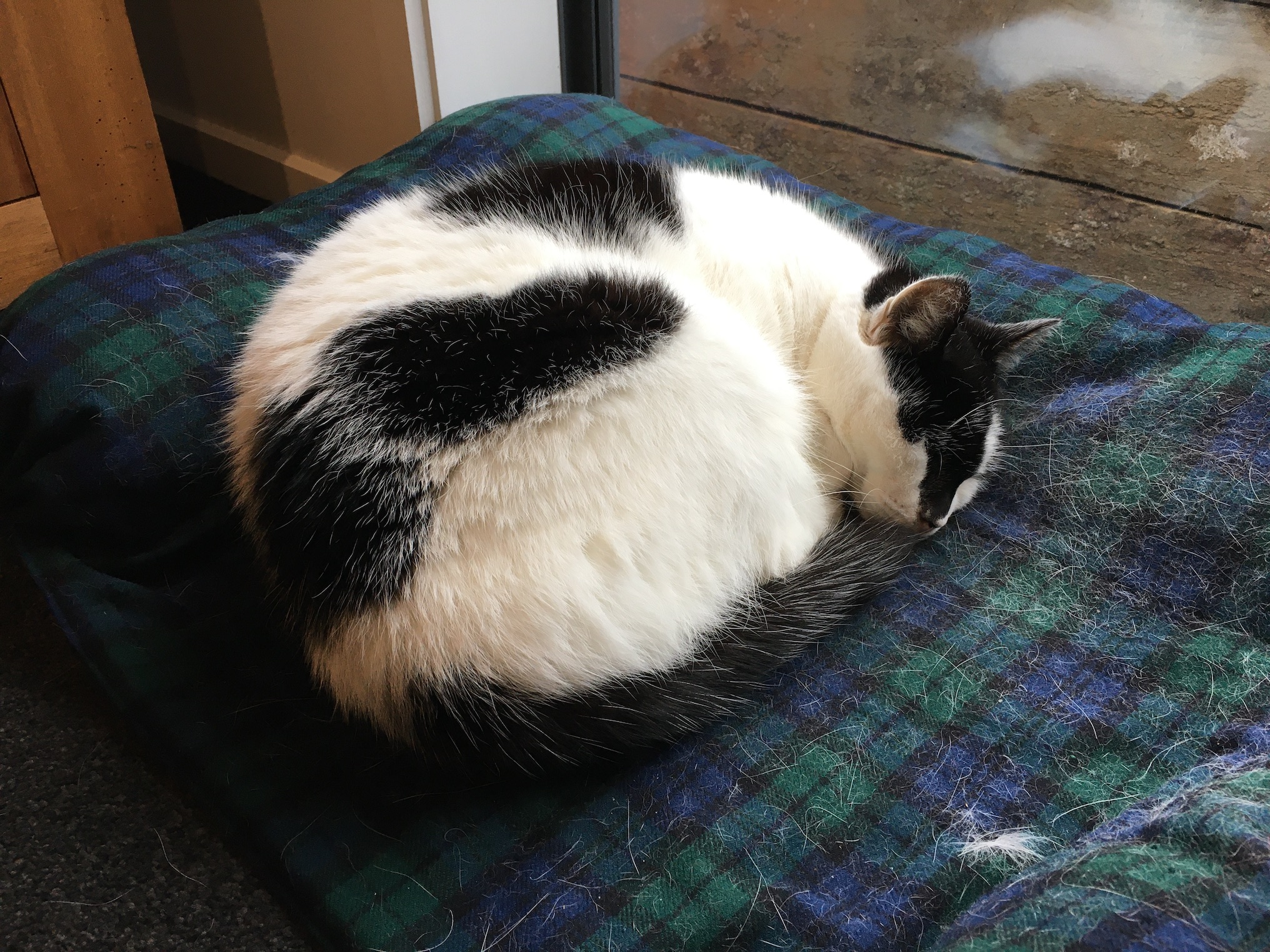
sleeping cat
The cat, coping as best as he can with the poor weather.

I sit at my desk yet another day, watching the rain fall in sheets outside the window. Another morning splashing through puddles in the dark to feed the chickens. Another week using the drier rather than the laundry line. It’s been a winter of rainy days.

I suppose I shouldn’t complain. Compared to other regions in New Zealand right now, Canterbury is dry. For the most part, our recent rain has come steadily in small doses, rather than in a deluge leading to flooding.

But the weekend’s to-do list includes beginning to prepare garden beds for planting, and at the moment, those beds are more suited to mud wrestling than cultivation. Far too wet to work without destroying the fragile soil structure I’ve been building up the past two years. 

There is no rain in the forecast for the weekend, but given how saturated the soil was even before today’s steady rain, I expect puddles to remain through the weekend.

I am already adjusting the to-do list, already stressing about how much will have to be accomplished next weekend in order to compensate for a lack of progress this week.

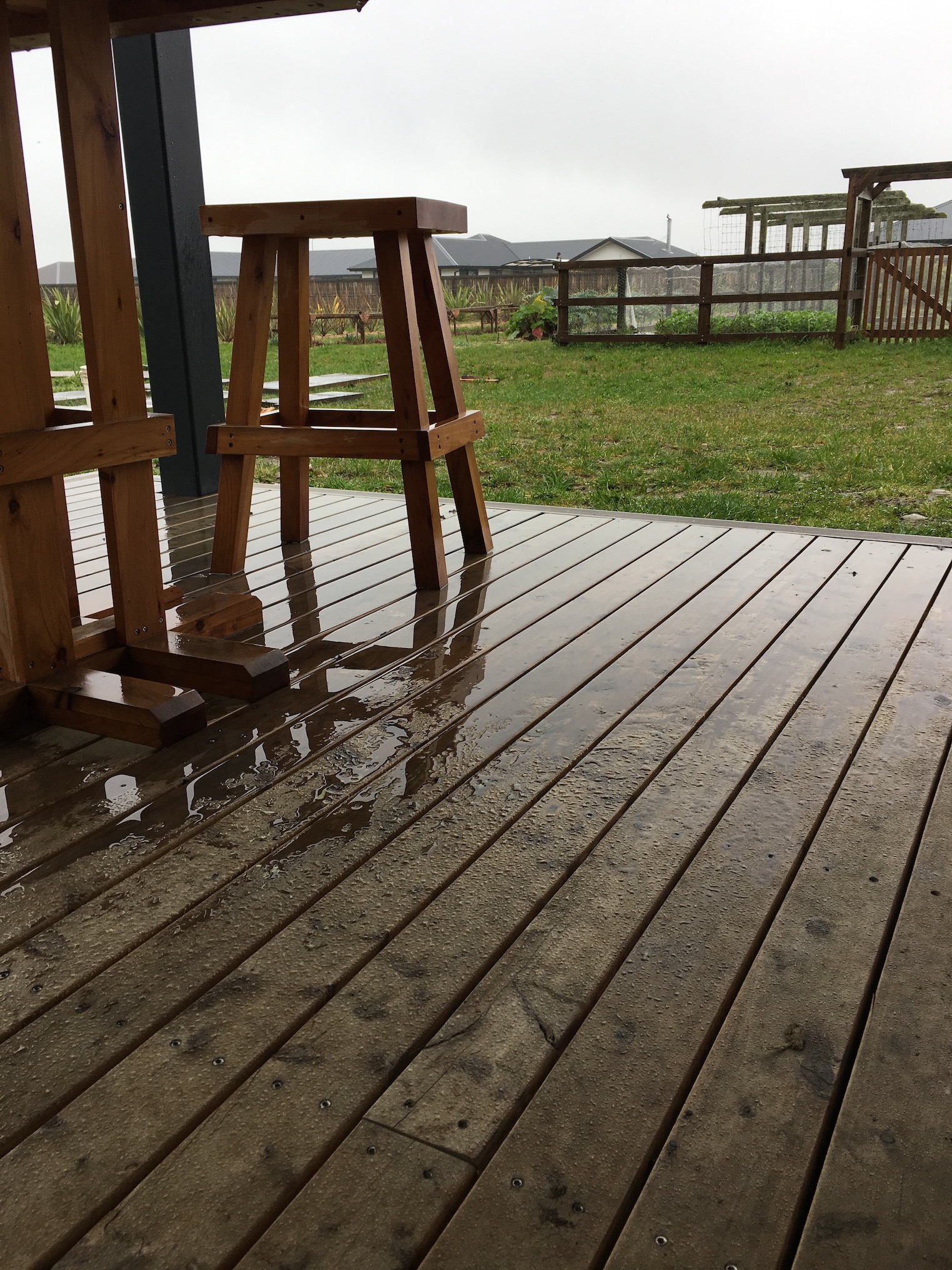
Even the porch is puddly.

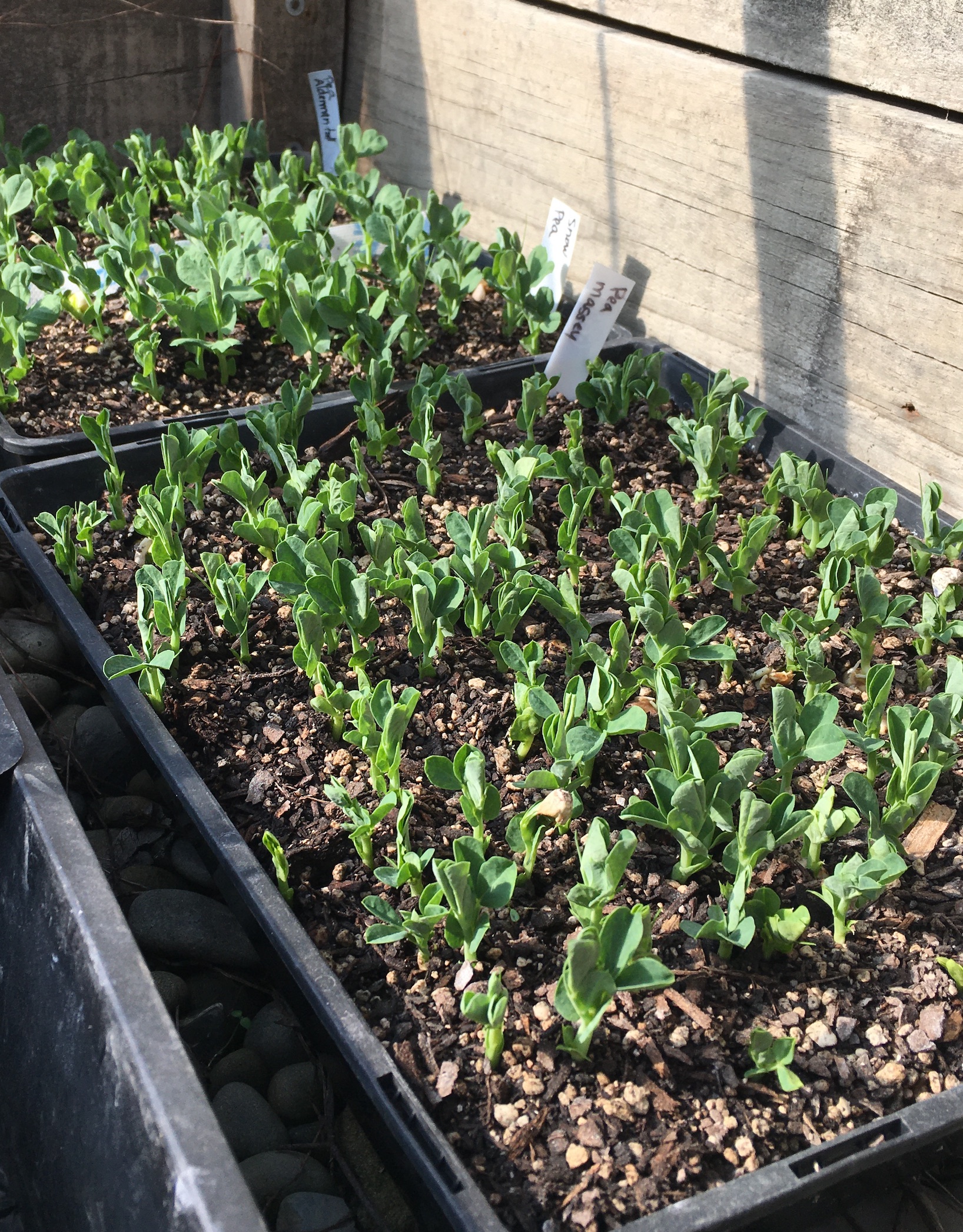
Because the clock is ticking. The seeds I planted two weeks ago have sprouted. In two weeks, the peas, lettuce, and spinach will be ready to plant out into the garden. If their beds aren’t ready at that time, I’ll have to pot them up in order to hold them. Extra work I’d rather not have to do. And I know my physical limits, too. Preparing twice as many beds next weekend is going to wreak havoc on my back. It’s doable, but there’s a good reason I plan all the garden prep to spread the work evenly. I’ve learned from the years when I had to literally crawl through the garden to do my planting because I could no longer stand due to the damage I’d done to my back.

But this year, the weather has scuppered my well-laid plans. I’ve adjusted the to-do list, and considered my options if the beds aren’t ready in time. Now there’s nothing left to do except to make another cup of tea while I watch the rain fall.

Winter Culinary Adventuring

One of the best things about winter is the excuse to try unusual foods. During every other season of the year, there are so many vegetables coming out of the garden, it feels wrong to buy any fruits or vegetables. And as a rule, I only buy local produce, even during the winter, but once in a while it’s fun to splurge.

can of jackfruit

A few weeks ago I bought a can of jackfruit. This tropical tree is related to mulberries and figs, and produces large fruits with stringy flesh. The young fruits (before they ripen and become sweet) are used as a meat substitute, because the texture is somewhat meat-like.

I’ve eaten jackfruit in restaurants, but never cooked with it before, so it seemed like a good winter splurge.

Jackfruit itself has little flavour—its intrigue is in the texture. Most of the jackfruit recipes I found online take advantage of this texture by using it in dishes most commonly made with shredded pork.

After scanning a number of recipes, I decided to make gyro-inspired jackfruit wraps.

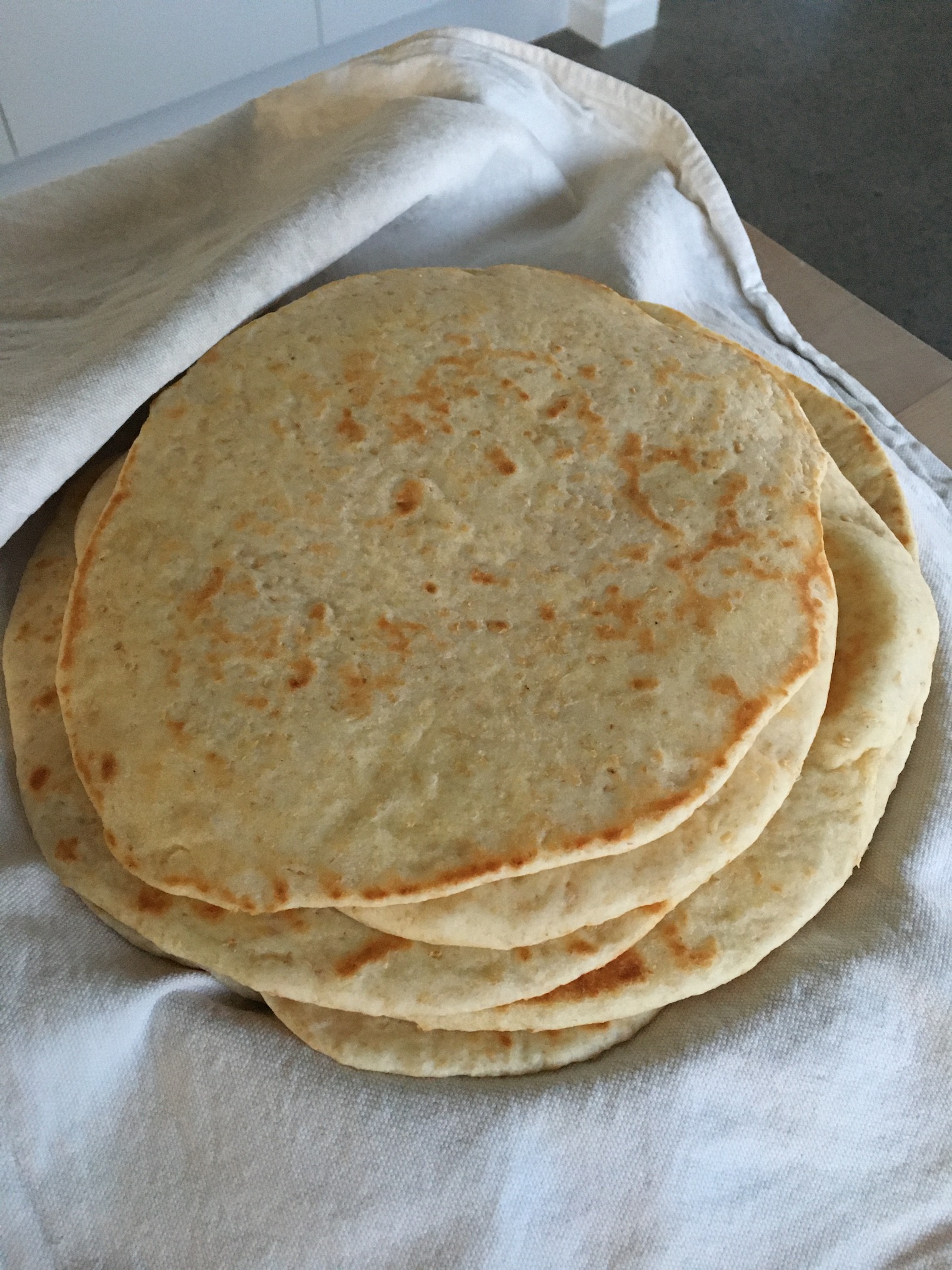
flatbreads fresh from the oven

I started by making flatbreads based somewhat loosely on a naan recipe I have.

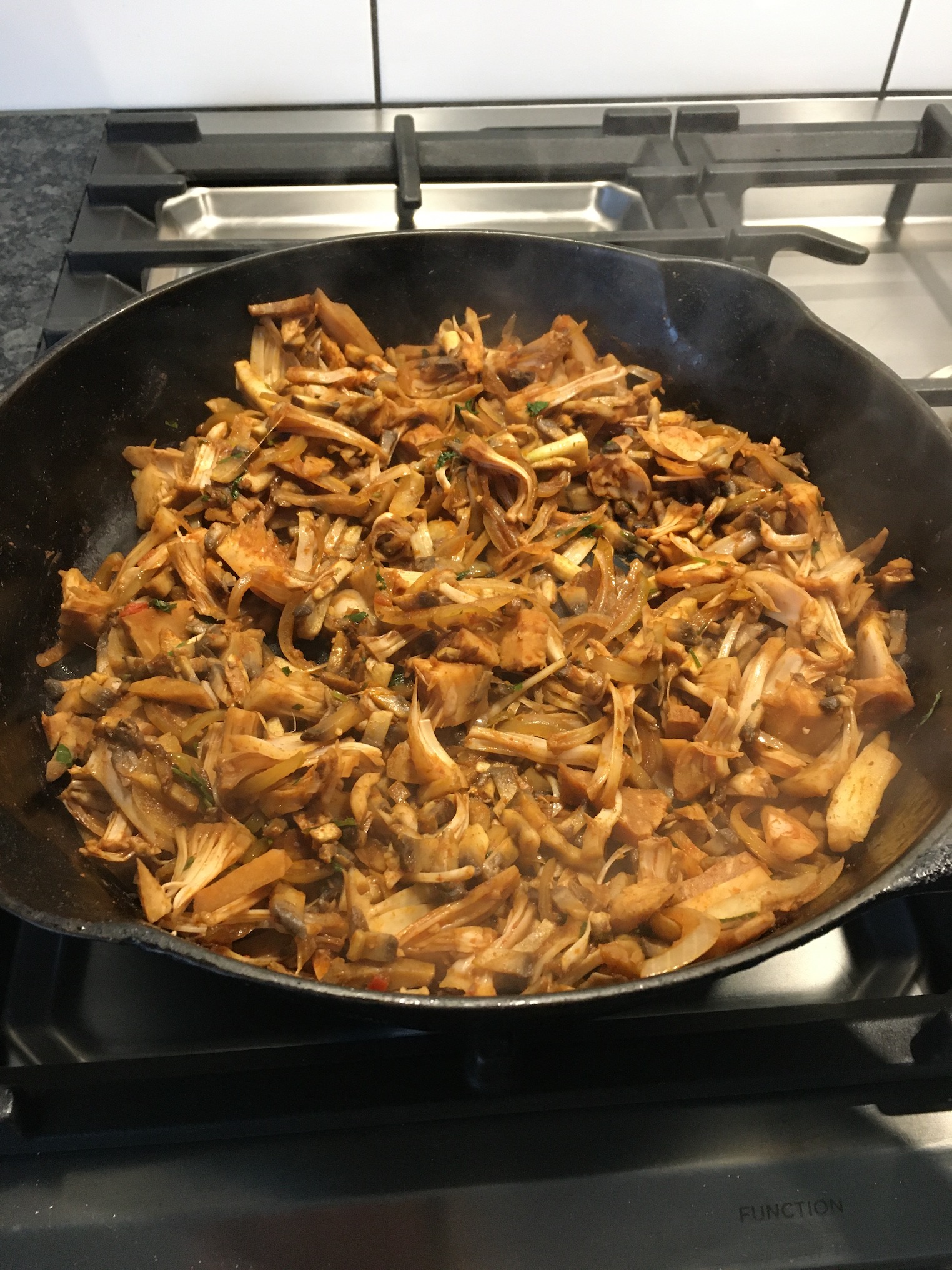
Then I made a hash of shredded jackfruit, mushrooms and onions, heavily spiced with paprika, smoked paprika, and chipotle. A dash or two of vegetarian Worcestershire sauce gave it a little tang, and a handful of fresh cilantro tipped it towards Asian flavours.

Finally, I made a yogurt and tahini sauce to go with it, generously flavoured with fresh mint.

I’m not sure what cuisine the final Greek/Indian/Southeast Asian wraps would fall into, but they were absolutely delicious. The hot and spicy jackfruit hash was balanced beautifully by the yogurt sauce, and the fresh flatbreads, still warm from the oven were everything a good flatbread should be.

jackfruit has cooking on the stove

It was fun to cook with a new and unusual ingredient, and the results were well worth the effort. I won’t be adding jackfruit to my regular grocery run, as it’s not exactly a local food (the can I bought was imported from Thailand), but I’ll definitely consider it next time I’m looking for a little winter splurge.

Frangipane Frenzy

plum frangipane tart

I don’t often use almonds, because I can’t get them locally grown (they are grown here in NZ, but it’s hard to get hold of them, as demand outstrips supply). Instead, I tend to use locally grown walnuts or hazelnuts when I’m baking.

So when I do splurge on almonds, it’s a real treat.

A few days ago, while I was rummaging around in the freezer for a container of frozen black currants in order to make a pie, I came across some frozen damson plums I’d completely forgotten about. When the fresh plums were given to me mid-summer, there was so much fresh fruit around, I couldn’t possibly use them, so I froze them, dreaming of plum tart.

So instead of black currant pie this week, I opted for a plum tart. The quantity of plums I had was smaller than I would have liked, so I looked for a recipe that would bulk them up a bit. When I came across a recipe for plum frangipane tart, I was hooked. 

I had some ground almonds left over from my last almond splurge, so I whipped up some frangipane and spread it in my tart crust, layering plum halves on top, and sprinkling them with just a tablespoon and a half of brown sugar. 

The resulting tart is a flavour sensation, the sweet almond filling contrasting with the sharp tang of the plums on top. It’s rich and flavourful enough that you should cut it into thin wedges and savour it slowly, but it’s so delicious, you really want to cut a big slab and gobble it down.

I’m doing my best not to inhale the entire tart. And while I’m contemplating when I can justify another piece, I’m scheming. Could I make the same nutty frangipane by substituting walnuts or hazelnuts for the almonds? Of course I could (I’m sure it’s been done, and probably has a name). How would a walnut frangipane with apple slices on top taste? Or hazelnuts with apricots? What nut frangipane would go best with the black and red currants still in the freezer?

The possibilities are tantalising. I’d better finish off this plum tart quickly so I can try something new …

Magic Meringue Mushroom Making

I’m not fond of meringues. Somehow I never taste whatever they’re flavoured with—only egg white, a flavour I’ve always found unpleasant.

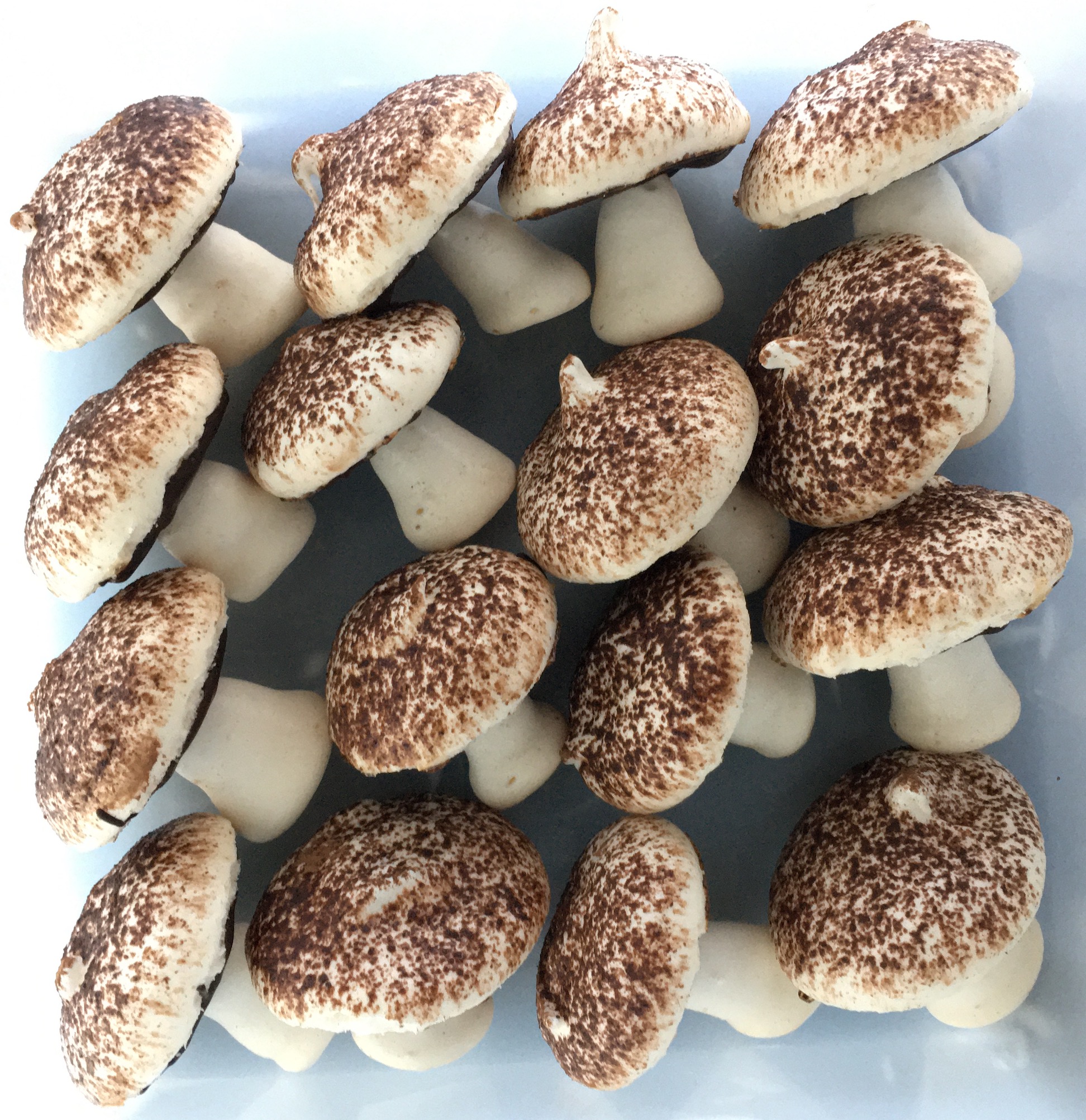
I do, however, enjoy making meringue mushrooms. This week I had the pleasure of making a large batch of meringue mushrooms without having to eat any of them.

Two of my husband’s PhD students are graduating, and they gave a celebratory seminar today. Naturally I had to make some mushroom-themed treats (to match their research subjects) for the occasion. Sixty mushroom shaped cookies, two dozen Amanita muscaria cupcakes and 50 meringue mushrooms later I dusted off my hands and stepped out of the kitchen.

The cookies and cupcakes are cute, but it’s those meringue mushrooms that excite me. 

meringue mushroom caps in the oven

I love piping the little stems and caps and dusting them with cocoa powder. I love how they look during their long slow cooking in the oven. I love the crisp-hollow sound they make when you pick them off the baking parchment.

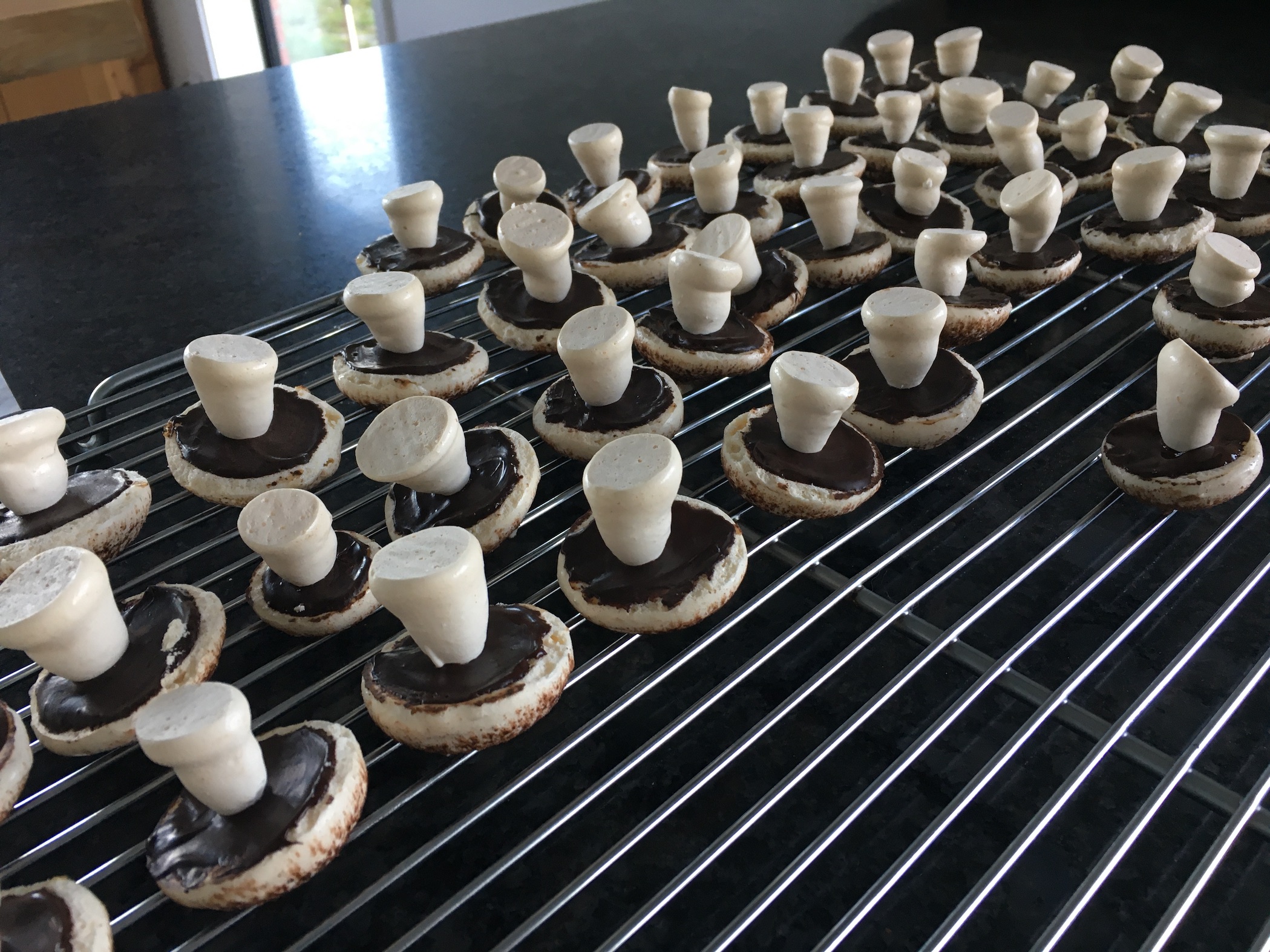
But best of all is the process of gluing the caps to the stems with molten chocolate. Each mushroom seems to come to life—short plump ones, tall thin ones, some that bend or sit wonky on their stems. Each is different and has its own character. There’s something magical about it.

meringue mushrooms on cooling rack

I wish I had more excuses to make meringue mushrooms. I wish I liked eating them. But that’s alright—maybe I appreciate the magic of meringue mushroom making more because it is such a rare treat. (Alternatively, alliteration acts as an attraction?)

A Hobbit Adventure

As a writer of fantasy and adventure novels, it’s important to me to get out and have my own adventures. My adventures provide the inspiration and the gritty details for my characters’ escapades. I especially enjoy true wilderness adventures—the less sign of human impact, the better.

view from Mt Isobel
The view from atop snowy Mount Isobel

Of course, not every adventure can be a wilderness experience. Sometimes you want some fun with a little more luxury.

My husband and I recently spent a lovely weekend in Hanmer Springs. While the town is known for its hot pools, we’re not the hot pool type. What we appreciate about Hanmer Springs is the ability to step out the front door of your holiday home, climb a mountain, and end the hike at the pub a few blocks from the holiday home.

It’s hardly a wilderness experience, especially given that Hanmer Springs is surrounded by pine plantations, rather than native bush, but on a winter weekend during the rainiest month on record, it’s just right.

Our main hike for the weekend was up Mount Isobel. This wasn’t our first winter trip to the peak, but it was the first time we’d followed the ridge from the peak in order to descend via Jollies Pass. The last time we were on Mount Isobel, the wind was so fierce, there was only enough time to race to the top, snap a photo or two, and race back down before we froze. This time was entirely different.

It snowed the previous day, so we hiked through a winter wonderland. Light wind and full sun made it a stunning hike. The snow was an easily hikeable fifteen centimetres deep on the ridge—just enough to ensure our feet and lower legs were thoroughly soaked by the end.

There was nowhere dry to stop for lunch, so we ate in short snatches standing up. That was really the only downside to what was a delightful seven-hour hike.

And when your hike ends in Hanmer village, with beer and good food on offer, and a roaring fire at the holiday home to warm your toes, it’s hard to complain about anything. I think of it as a Hobbit adventure—a bit of fun without skipping second breakfast.

A Trifle Broken

Last night’s baking was going well until it came time to remove the cake from the pan.

I made a chocolate cake—a wholegrain recipe I’ve made a dozen times. Usually I’d bake it up as cupcakes, but I decided to go all out and make a layer cake instead. I also decided to mix in some frozen raspberries, because there’s still a ton of summer’s bountiful fruit in the freezer.

The recipe calls for greasing and flouring the pans, which I did generously.

Unfortunately, I should have lined the pans with baking paper instead. The raspberries made the cake extra fragile, and both layers broke dramatically when I tried to take them out of the pans.

There went my vision of a beautiful chocolate and raspberry layer cake, filled with black currant jam and covered in a chocolate ganache.

But cake is cake, and it tastes great whether it’s whole or broken into jagged pieces.

Enter the trifle—a dish that was no doubt invented by a hapless baker whose cake had disintegrated upon being turned out of the pan, an hour before the arrival of twenty guests.

I didn’t have the eggs necessary to make the traditional custard for my trifle, so I went with whipped cream, layering cake with cream, the remaining frozen raspberries and the chocolate ganache (which was left over from oreo cookie making last week). 

As it turns out, I didn’t have enough cream to do the trifle justice, so even my trifle wasn’t quite what I wanted it to be.

But let’s face it: chocolate cake + whipped cream + raspberries + chocolate ganache = YUM! No matter what it looks like.

And thankfully, I don’t have twenty guests coming … I get to eat more of it that way. 

Rain, Rain, Go Away …

After a rainy week, the flood has only just begun. It’s been hosing down rain for about the past ten hours, and it’s supposed to continue for the next 24. I was out in the rain a short while ago building a bridge so my chickens can get back to their coop across the lake that’s formed in their paddock. The news is full of pictures of flooded streets and swollen muddy rivers.

Excessive baking!

It’s not entirely unusual weather. Last year I spent a whole week with my year 7/8 maths students doing a lesson on isoclines with weather station data after a particularly spectacular rainstorm dumped 200mm on us in 24 hours. 

But just because we’ve experienced it before doesn’t mean it’s enjoyable. It just means we know how to cope, right?

On Saturday, I baked apple/blackcurrant pie and pumpkin cupcakes, filling the house with delicious warm aromas of cinnamon and fruit. On Sunday, I raided my fabric stash to make a sunny patchwork tote bag—not that I need another tote bag, but that’s irrelevant when it’s raining for the zillionth day in a row.

Yesterday, I banged out over 5,000 words on my current novel, bringing me within 10,000 words of typing The End. 

Today … well, today I’m watching that lake in the chook paddock, in case I have to raise the height of the bridge. But when I’m not rescuing my soggy birds, I’m pottering away at my novel, and tending to marketing and all the other unpleasant aspects of writing. I’ve also drunk endless cups of coffee and tea (and it’s not even lunchtime yet…). No doubt I’ll quit early to make a decadent dinner of comfort food, probably eaten by candlelight (because why not take advantage of short days while you can?).

Crazy tote in progress…

And of course after dinner, when it’s still supposed to be raining, I’ll no doubt curl up with one of the books I picked up in the library yesterday.

So it’s not all bad, though I do look forward to the return of the sun someday.

Planning Time

We’ve turned the corner on the seasons—the days are getting longer now, and we’re in the second half of the year. The seed catalogue will be arriving within the next couple of weeks, so now’s the time for garden planning.

As someone obsessed with organising, creating my garden plan each winter is a highlight of the year. It’s the time to take stock of the previous year’s successes and failures and to dream about next year’s abundance.

For me, planning starts with taking inventory of my seed stock. Two large shoe boxes barely manage to contain most of my seeds (the broad beans never fit). Small vegetable seeds are arranged alphabetically. Large-seeded peas and beans get their own shoe box, and are less well organised. 

My inventory is kept on a spreadsheet that I update annually, so I can see at a glance what I’ve got in stock. As I update the inventory, I cross-reference my garden notes, tossing out seeds that had low or no germination the year before. When I find seeds I know I need more of, I make a note on the spreadsheet. When the seed catalogue arrives, I can quickly determine what I need to buy. (Note that this doesn’t actually save me any time in getting my order in—I still page through the entire catalogue, because you never know what new things you’re going to absolutely NEED, based on a pretty photograph and a two-sentence description).

Once I’ve got my seed needs identified, it’s time to plan where all those plants are going to go in the vegetable garden.

Every year I draw a map on a large sheet of paper. The map includes all the vegetable beds plus the greenhouse and any ‘overflow’ space I happen to have that year in perennial beds. I give each bed a grid reference—columns labeled with letters, rows with numbers—so I can refer to them easily when I start mapping out my weekly tasks later in the year.

With last year’s map as a reference, I tentatively write each crop into the beds I want to plant in, careful to rotate crops to avoid pathogen build up. As I plant each crop later on, I’ll mark a date on the map to tell me when it was planted.

By planning ahead, I avoid mistakes like planting sprawling winter squash next to low-growing herbs that will be overrun by the squash. I can also plan for large plants to sprawl into space vacated by early crops, or tall crops to shade cool-loving crops and extend their season.

Equally importantly, by planning in advance, I can control myself when it comes time to actually plant seeds—preventing problems like having to deal with 50 kg of zucchini every day in February. Planning goes a long way toward making each garden year a success.

Pro tip: Garden planning is best done on a really cold, nasty day, with a cup of coffee or glass of wine in hand. 🙂

Matariki Hike–Tiromoana Bush Walkway

Nature pulled out all the stops last weekend for Matariki. All three days of the long weekend were stunners, with temperatures more like mid-autumn than mid-winter.

On Saturday I worked in the garden in a t-shirt, and we had all the doors and windows open for most of the day. On Sunday, with both kids home for the holiday, we headed out for a hike.

Avoiding the snowy mountains and crowded ski fields, we headed to an unlikely spot—the Kate Valley Landfill.

Well, okay, not the landfill itself, but the restoration area next to it on Transwaste land.

Tiromoana Bush Walkway wends through a patchwork of restoration planting, old paddocks, plantation forestry and regenerating bush. An active predator trapping programme has clearly done its job, and the air teems with bellbirds and pīwakawaka.

Access to the beach cuts through a steep valley between limestone cliffs busy with welcome swallows. The beach is narrow and overshadowed by actively crumbling cliffs of limestone and clay—definitely not a place you want to be during a storm, but quite fascinating on the blue-sky day we enjoyed.

The hike was only about three hours long, leaving plenty of time to enjoy the beach, even on a short mid-winter day.

We had relatively low expectations of the hike when we started out, but it ended up being quite a pleasant mid-winter outing. Not very strenuous, but with enough ups and downs to be interesting, and with some intriguing landforms along the coast.

Celebrating Matariki–making new traditions

This year is the first year Matariki is an official holiday here in Aotearoa New Zealand. It’s about time. 

Matariki is the Māori New Year celebration. The holiday is named after the Matariki star cluster (also known as the Pleiades), which disappears from our night sky for a time, and reappears in late June, around the winter solstice. 

Matariki is a time to celebrate autumn’s harvest, remember friends and family who have died the previous year, and plan for the new year.

This year, my husband and I will celebrate the harvest with pizza topped with vegetables from the garden, and pie filled with fruit from our berry bushes.

I will remember my grandmother, who passed away in May, just a few days shy of her 97th birthday. Rugs braided by her hands will warm my feet during the chilly days of Matariki.

I will plan for the new year by assessing my seed stock and drawing the 2022-2023 garden map. Although I won’t plan my planting around how the stars of Matariki look when they first appear in the sky, as Māori used to (just as I never planned by Punxsutawney Phil and his Groundhog Day predictions), but I am pleased to note the sky has been crystal clear for the past few days—clear, bright Matariki stars signify an early planting season. Just as a shadowless groundhog used to make me hope for an early spring, bright Matariki stars do the same.

Celebrating Matariki feels natural and right here in Aotearoa. When the children were young, we always celebrated the winter solstice. I made special solstice cakes, decorated to celebrate darkness or welcome the soon-to-be-lengthening days. We’d give the kids little gifts—a flashlight, or some winter-appropriate craft supplies. We made candle holders and dipped beeswax candles. We had a special dinner in the light of the candles we’d made. It wasn’t a huge celebration—just something to mark the season and look forward to during the short, dark winter days.

As the kids grew older, they weren’t interested in candle making or other crafts. We still enjoyed candlelight dinners on the solstice, but most of the other parts of our celebration fell away. Now that Matariki is an official holiday, I expect some of our solstice celebration will make its way into our Matariki celebrations.

Like us, many New Zealanders will be creating new traditions this year, mapping out what Matariki looks like today, mixing traditional Māori celebrations with the myriad cultures that make up modern day New Zealand. I hope as we all move forward with our celebrations, we can resist the commercialisation that has plagued other holidays and remain focused on the deeper meanings behind Matariki and its intimate connection to the land.